I have been collecting seriously for long enough to have done the usual rounds (auction previews, the smaller London shows, the occasional manufacture visit) but Watches & Wonders had always felt slightly beyond the pale: too big, too corporate, too new, too press-oriented; a fair for retailers, journalists and ambassadors rather than for somebody like me, whose interest is mostly in independents and pieces made 40 to 70 years ago. Which is, on reflection, a fairly indefensible set of reasons not to go at least once.
The arrangement this year came through CollectorSphere, the collectors’ group I have been fortunate to be part of for a while now, uniting serious collectors worldwide on a website, a chat group and helping to coordinate some events for their members. The main draw of joining was always the social aspects and the friendships made – but their help in organising access and a structured programme of appointments was a massive benefit: it would not have happened this smoothly without them.
The Shape of a Day
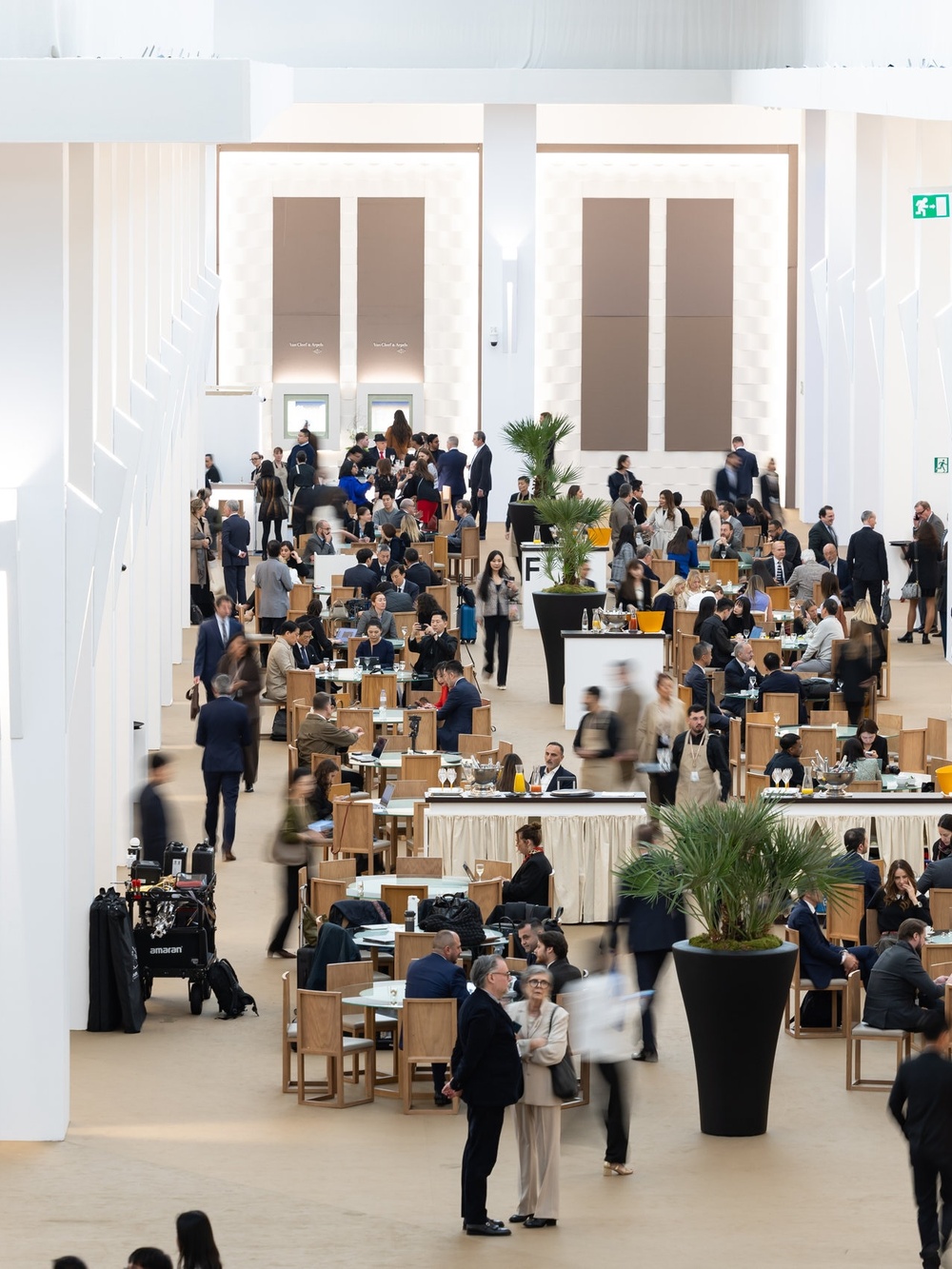
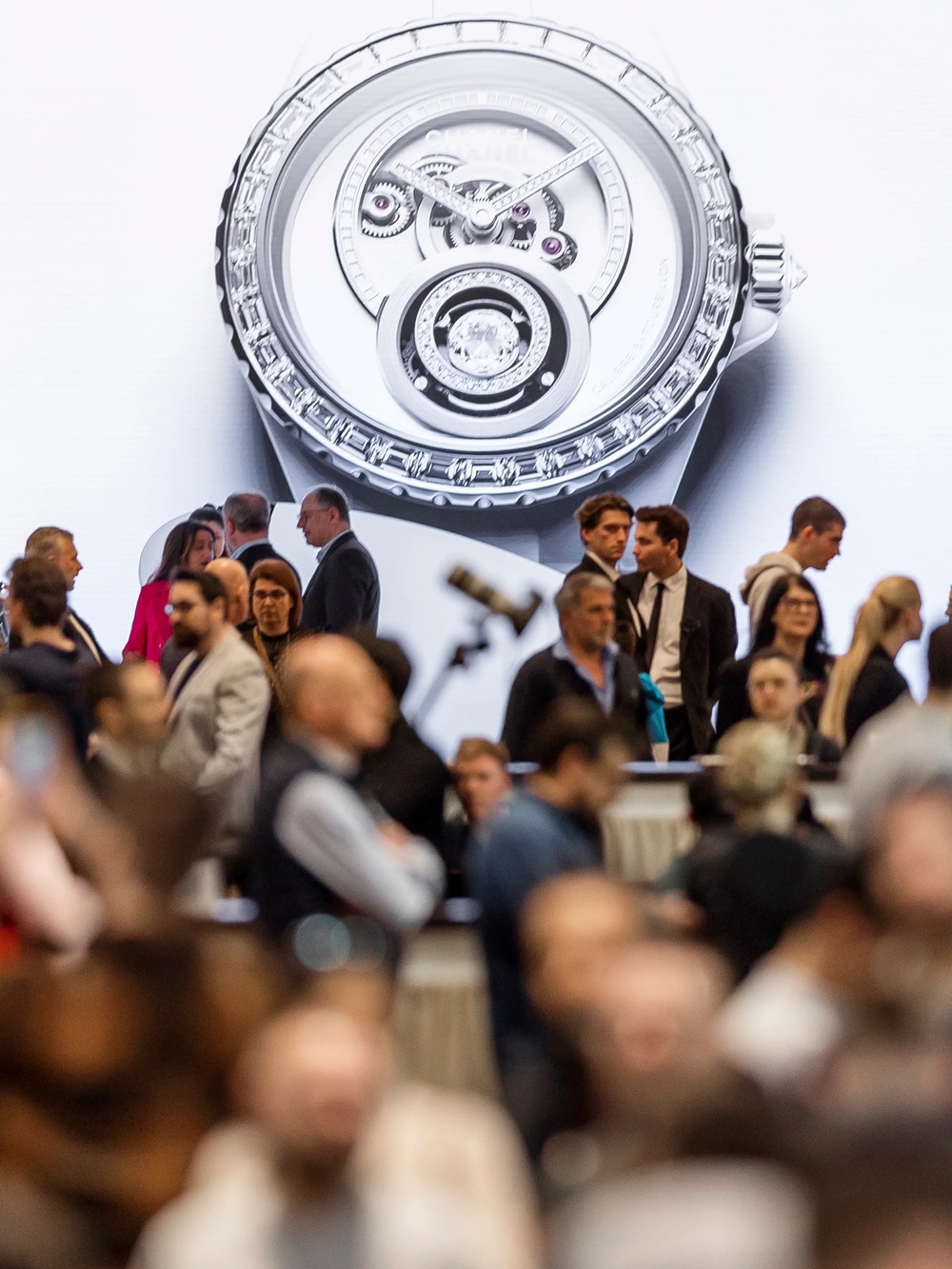
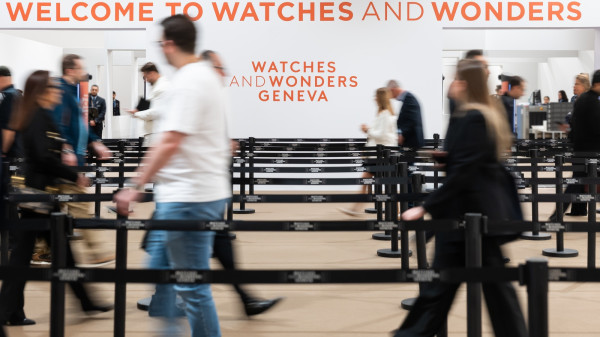
Palexpo is unsentimental. A gigantic hangar, divided into fiefdoms, with Richemont houses occupying architectural set-pieces of their own, LVMH houses presenting nearby and the independents gathered in the Carré des Horlogers at the back. A day with appointments runs on the hour (or half-an-hour, for some smaller indies with less to see) – greetings by name, a representative, product specialist or historian, a tray of novelties, a glass of champagne, and canapés throughout – in a way that, by 2 o’clock, begins to feel faintly hallucinatory.
What surprised me most was the effort the bigger maisons now put into in-booth historical exhibitions: archive material that would normally live at a manufacture museum and never reach the public. Audemars’ gigantic exhibition and the efforts by Piaget and Ulysse Nardin’s celebration of 25 years of the Freak line deserve special mention here. For anybody with deep interest and decent knowledge about neo-vintage pieces, this is a big part of the draw.
Zenith and the G.F.J.
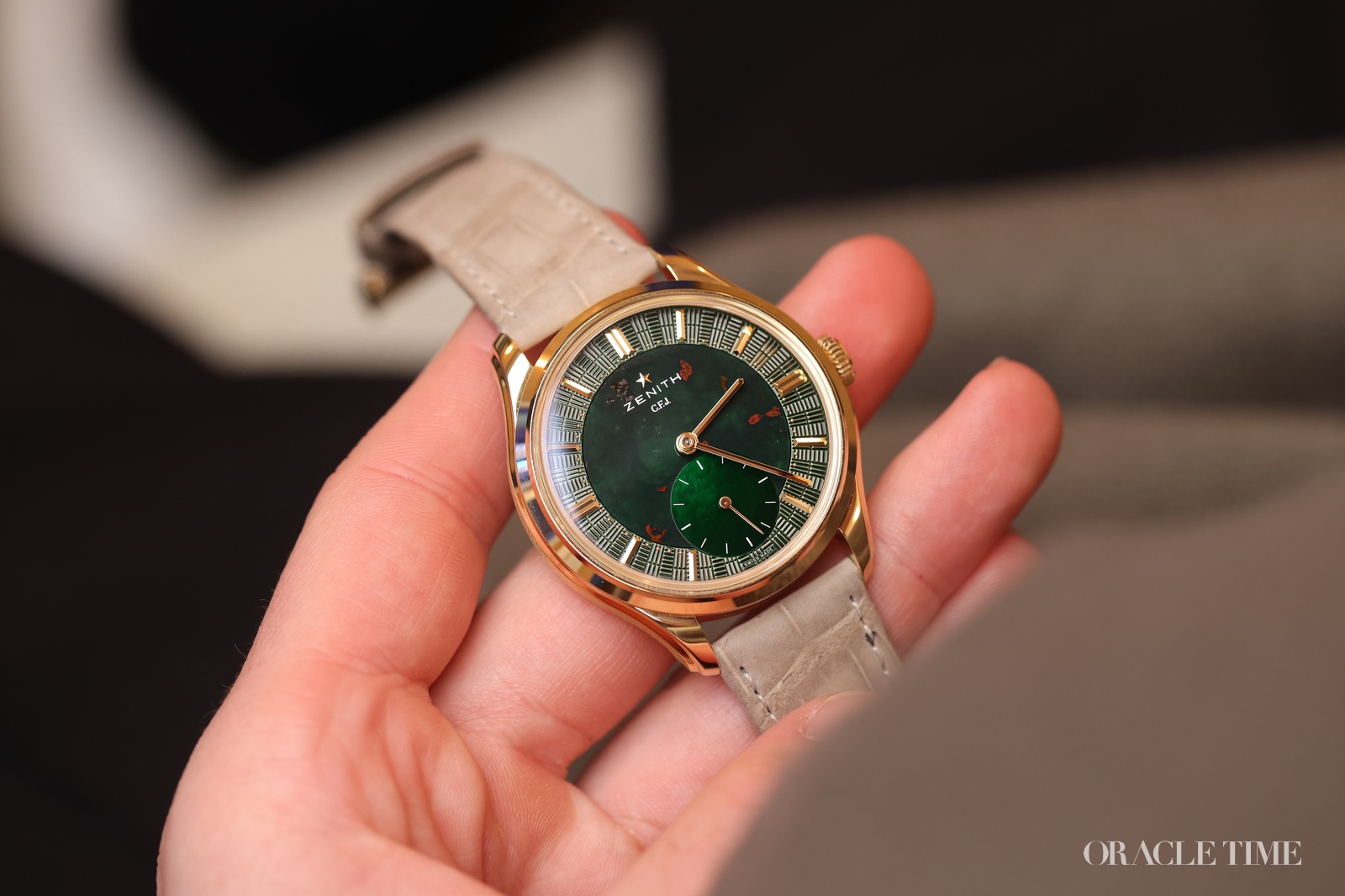
I went to Zenith specifically for the G.F.J. collection, which is the house’s attempt to “do a Chopard LUC” and appeal to a more serious, luxury segment. Currently, the line exists to house the Calibre 135, Zenith’s observatory chronometer of 1949–1962, which under the hands of Charles Fleck and René Gygax won 235 chronometry prizes and five consecutive first places at Neuchâtel between 1950 and 1954, a record that still stands.
The team kindly fed us lunch – in a room at the back of the stand, of the type where groups of collectors, retailers and press are taken after being shown the main installation, away from prying eyes – and then proceeded to show us the pieces.
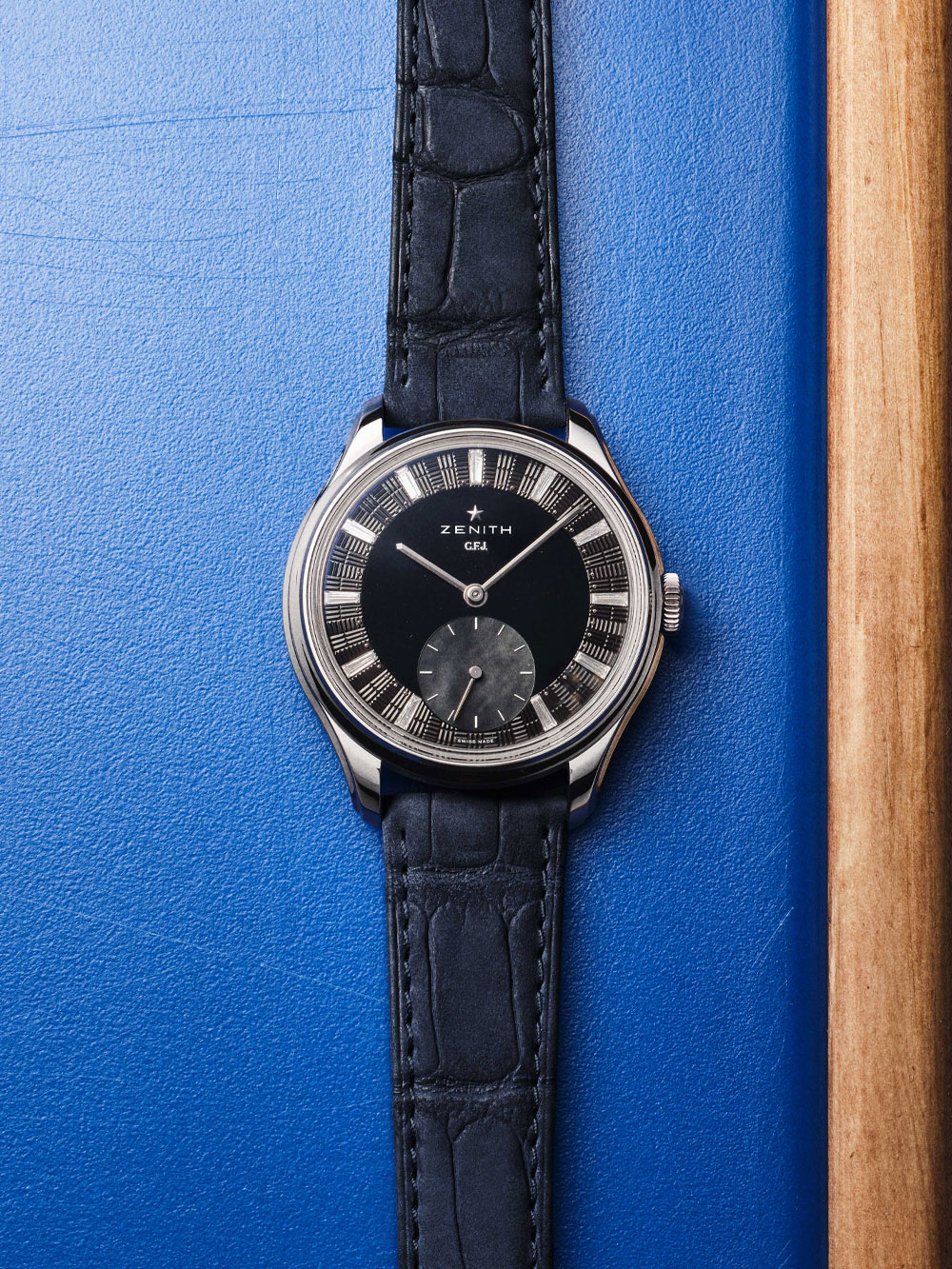
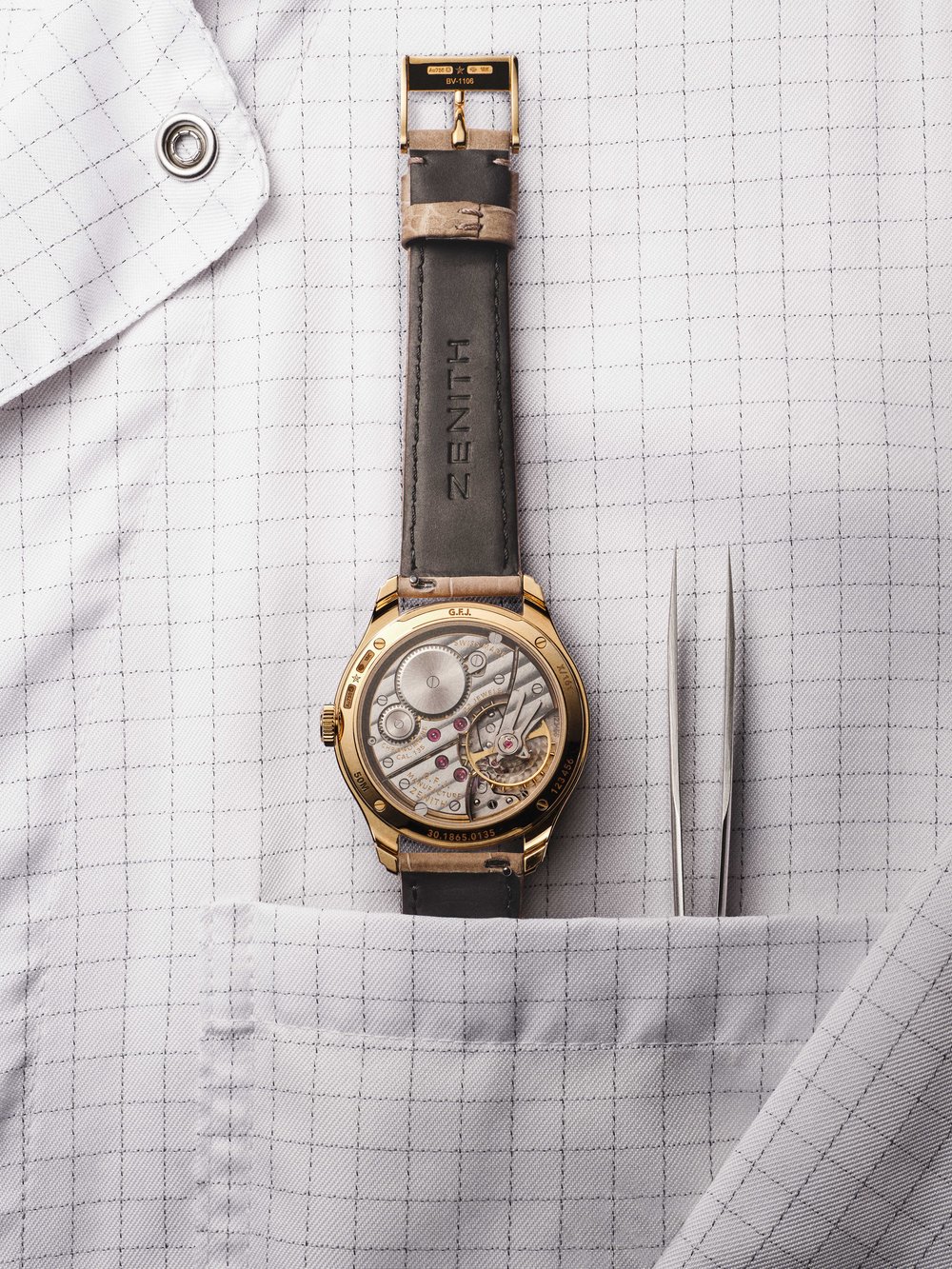
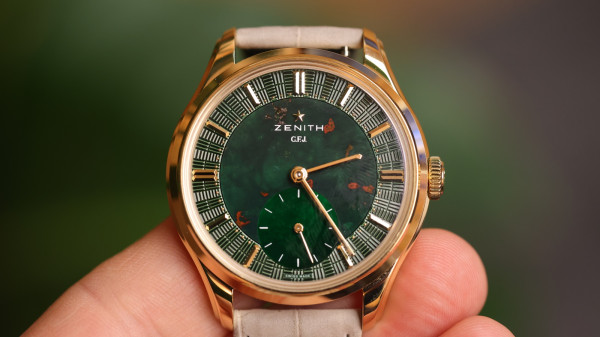
The 2026 novelties (the collection itself launched last year for the 160th anniversary) are a tantalum version with a black onyx dial, grey mother-of-pearl sub-seconds and baguette-cut diamond markers, limited to 20 pieces, and a yellow gold with a bloodstone dial limited to 161. Both retain the 39.15mm case and both are stunning, housing a modern, updated 135 (preserving the architecture but updating the power reserve and achieving amazing accuracy at 2.5Hz (a feat which won last year’s version the GPHG Chronometry prize in November). There are also updates to the El Primero chrono; these felt more cosmetic (and appealed less, personally).
The tantalum is the better piece. In person, the density and cool blue-grey of the metal against the matte onyx is austere in a way the yellow-gold/bloodstone variant, handsome though it is, is not. While a purist will reasonably prefer an original 135 calibre in steel, the upgrades here are not cosmetic and I left more positive about Zenith than I have been in years (or maybe ever).
Vacheron: the Quiet Storm
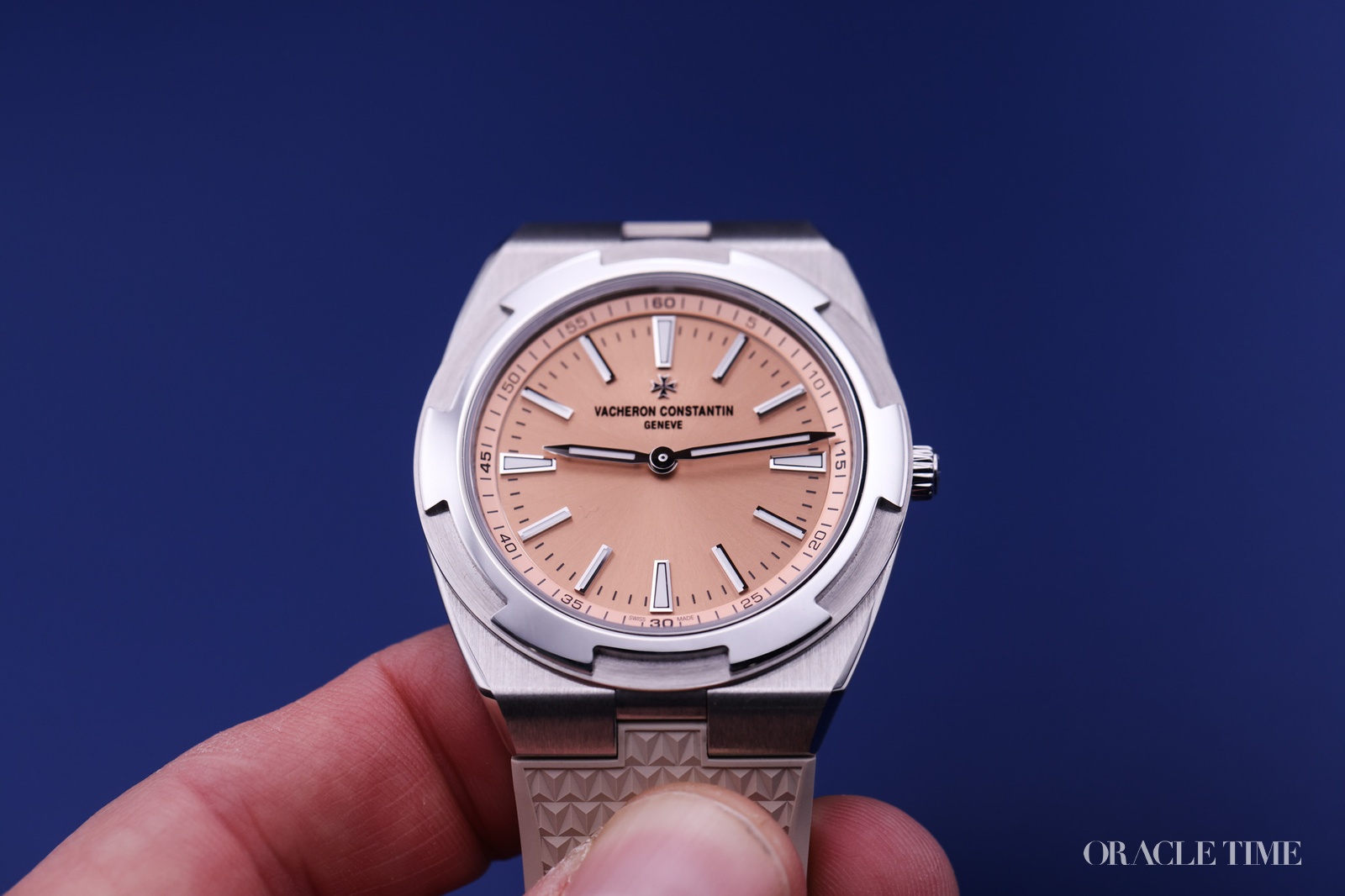
Vacheron’s booth is architecturally one of the more considered. Quieter than the Rolex or Cartier halls, lower ceilings, better light, nicer bar-style area to present the pieces (and some truly plush rooms at the back for the VIPs). The headline novelty is the Overseas Self-Winding Ultra-Thin in platinum, housing the new Calibre 2550: seven years in development, 2.4mm thick, 80-hour reserve, platinum micro-rotor integrated into the mainplate, double barrel stacked rather than side-by-side. Salmon dial on platinum (which I am constitutionally disposed to like) – but perhaps slightly too-white and too-wide hour markers. Alongside it, the four Overseas Dual Time Cardinal Points references and the Historiques American 1921 in pink gold, in 36.5mm and 40mm, with a new grained silver dial and blue Arabic numerals. The 45-degree rotated dial remains one of the strangest and best dress watch designs of the twentieth century.

What made the appointment – which broadly followed the same template as others – was the exhibition of the hyper-complex pieces that VC created last year: the Solaria and the “La Quete du Temps” automaton, alongside fascinating Heritage Department material: genuinely interesting pieces, thoughtfully displayed, serving to underpin the brand’s history and direction. I wish they had released a wider selection of dress-watches (which is the direction that my tastes usually tend towards) but it was a great visit and a definite highlight.
Beyond Palexpo
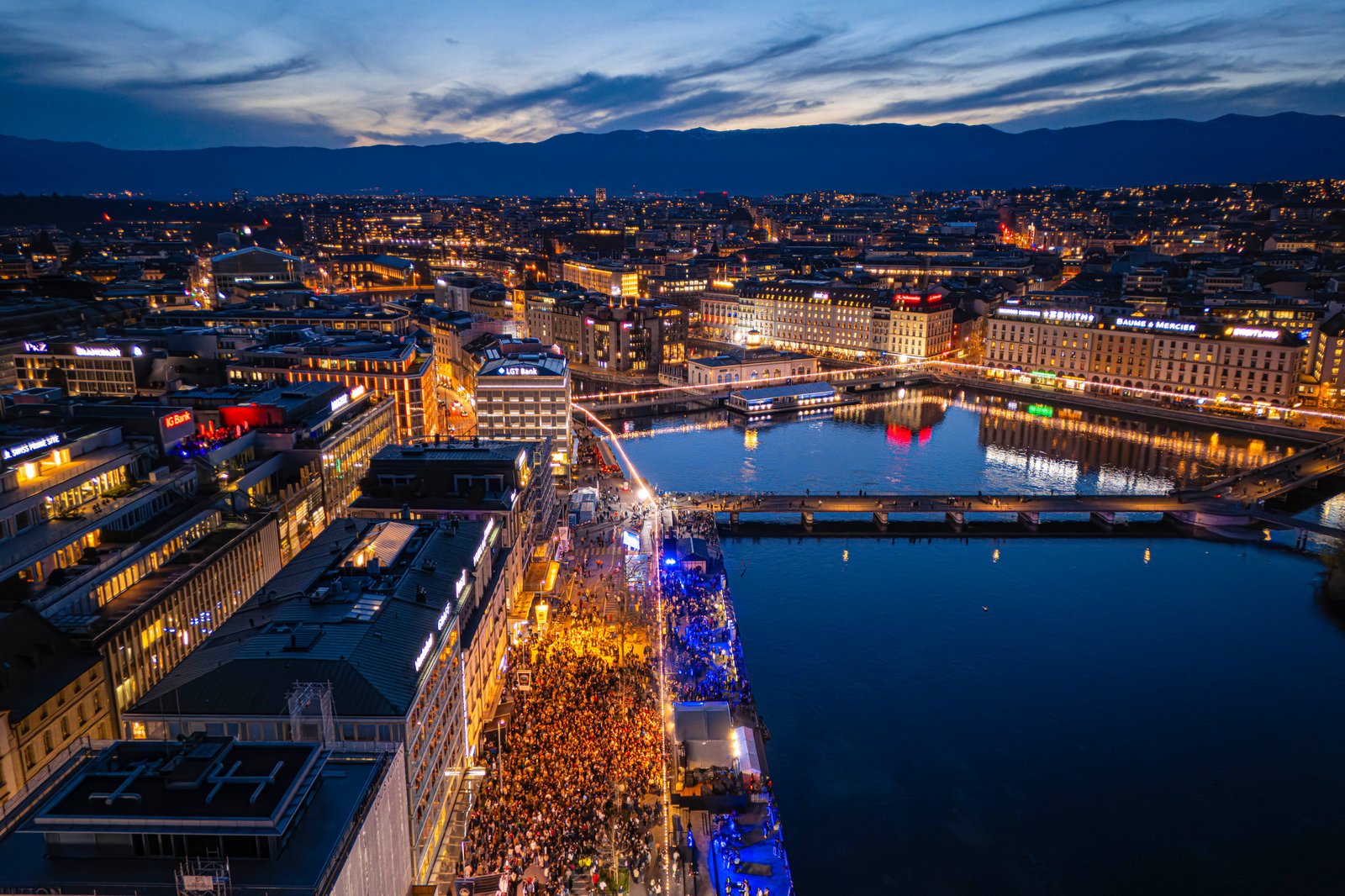
The week does not end at Palexpo. Geneva in mid-April becomes something close to a horological Cannes: every hotel on the lake hosts something, every boutique has an event, and the independents have built out a parallel fair schedule where, in many respects, the more interesting watches actually are.
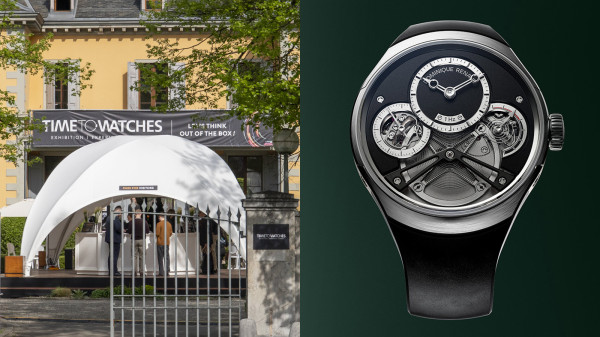
“Time to Watches” at Villa Sarasin has grown into the most useful adjunct event, curated toward smaller independents, with some brands (like the always-excellent Fears, with a selection of just-released pieces) joining for the first time as the fair keeps growing. “AHCI at L’Ice Bergues”, billed as “Masters of Horology 5th Edition”, is the one to make if you only have time for a single thing outside the Salon: twenty-five Académie members in one room. Voutilainen, Halter, Andersen, Asaoka, Lederer: some of the best watchmakers to have ever lived, sitting on bar stools and chatting to all and sundry about truly spectacular, historically important watches is an amazing experience. Worth three days at Palexpo.
Elsewhere: Beau Rivage Hotel and the Four Seasons hosted various independents’ salons and a new Chronopolis fair has sprung up at Les Halles de l’Île, concentrating on the more accessibly-priced independents (I did not manage it this time; maybe next year). Numerous dinners and drinks and breakfasts took place around the edges of the main events – for collectors, by brand, by auction houses and by others; groups of friends gather in the usual configurations to drink and chat and do wrist shots.
Ultimately, Watches & Wonders is, yes, a commercial trade fair. It is also, at the same time, the single best week of the year to talk at length to the people who actually make and think about watches. While I had half expected to feel like a trespasser as someone who is typically less interested in the big brands’ outputs, I did not. I will be back.
Peter Orlov is a collector living in London; he is on Instagram as @heatblued.