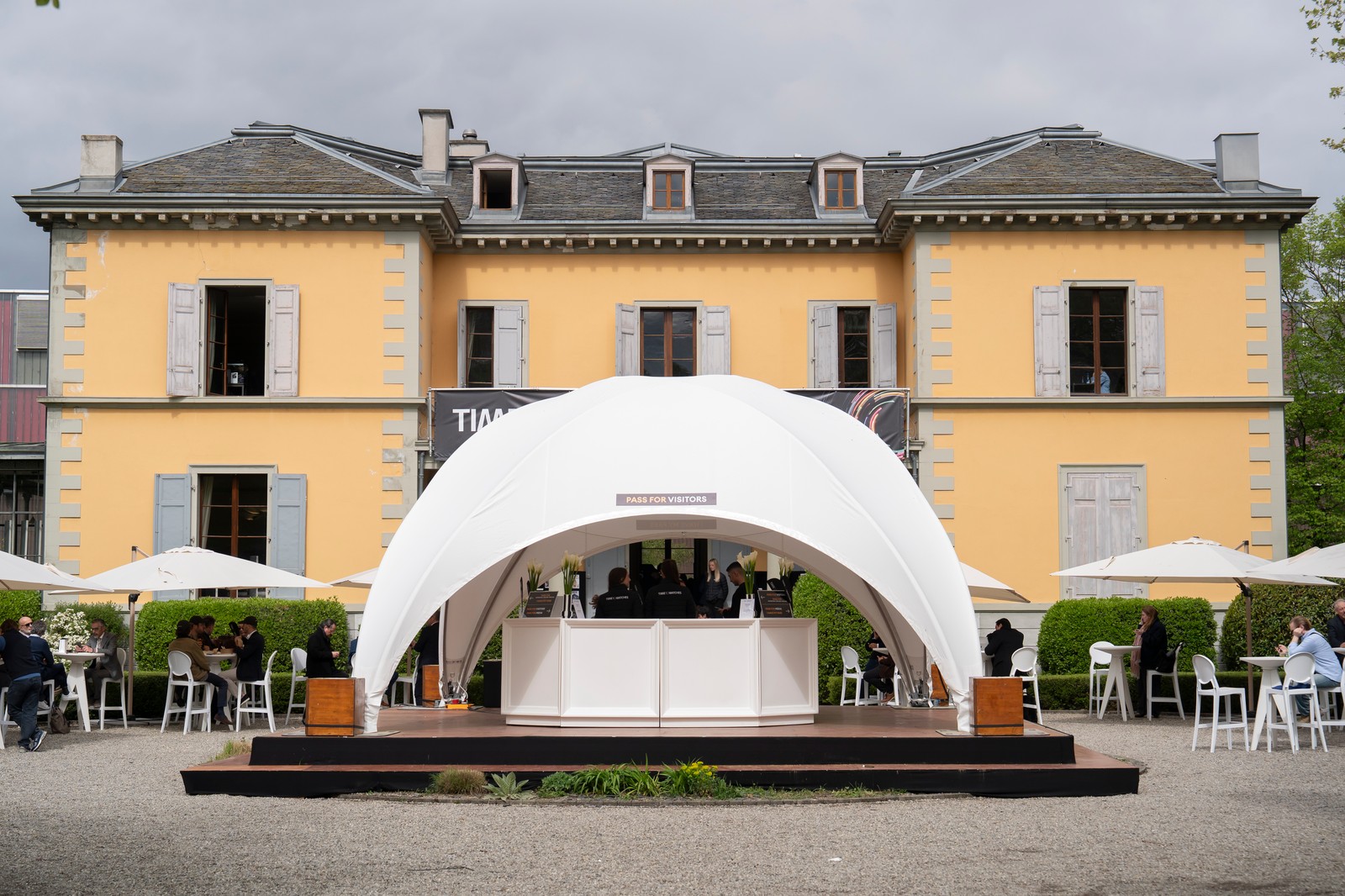
Step out of the Palexpo convention centre, where Rolex is celebrating a hundred years of the Oyster, Audemars Piguet has made its much-discussed return, and sixty-four other maisons are competing for attention on the industry’s grandest stage, and walk for about two minutes. You will arrive at Villa Sarasin, a handsome building surrounded by food trucks, a beer truck, and the low hum of people who are genuinely enjoying themselves. This is Time to Watches, and in its fifth edition, it has grown into something the industry can no longer afford to overlook.
What began in 2022 with 35 exhibitors has expanded into a full watchmaking village: 87 brands spread across the Villa, a Lodge, an Annex, a Cellar, a Garden and dedicated pavilions. The atmosphere is unhurried: visitors move between showcasing rooms and booths, grab a local beer, and sit down with watchmakers who are often the founders, designers and assemblers of the watches on display. No corporate staging, no velvet ropes. This year, 10,450 people came through, a 10% increase on 2025.
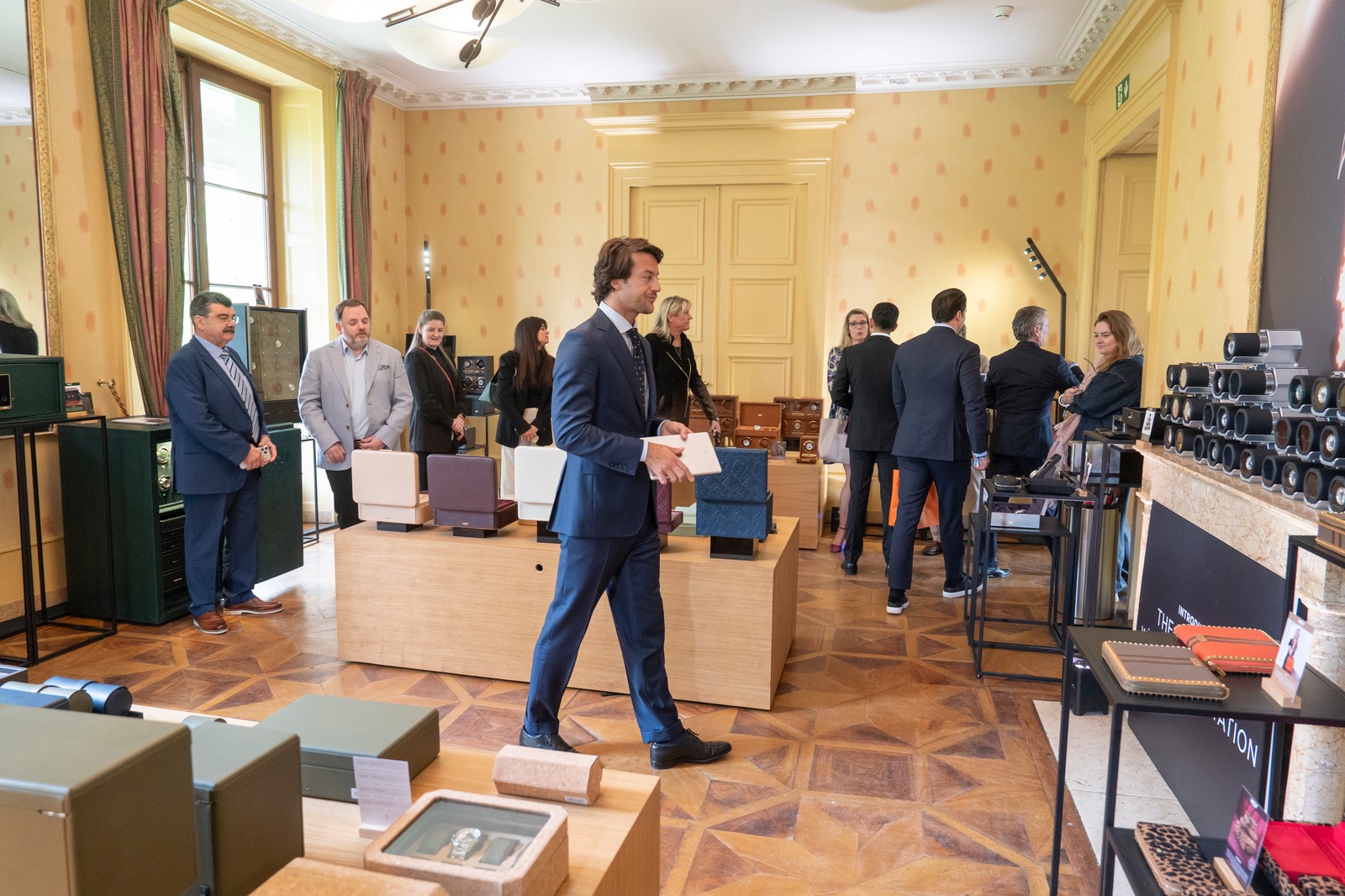
Palexpo remains the place where the conglomerates show their hand, but it also hosts well-established independents such as Laurent Ferrier, Hautlence and Rudis Sylva. What struck us is that Time to Watches is increasingly becoming an extension of the Palexpo when it comes to independents and haute horlogerie. Names like Jean-Marc Fleury, Dominique Renaud, Krayon and Laine are not fringe curiosities; they represent what this industry claims to stand for: creation, craftsmanship, resilience, the very highest end of the art. The creative range at Villa Sarasin now rivals anything inside the convention centre. Here are six watches that stopped us in our tracks.
Dominique Renaud Pulse60
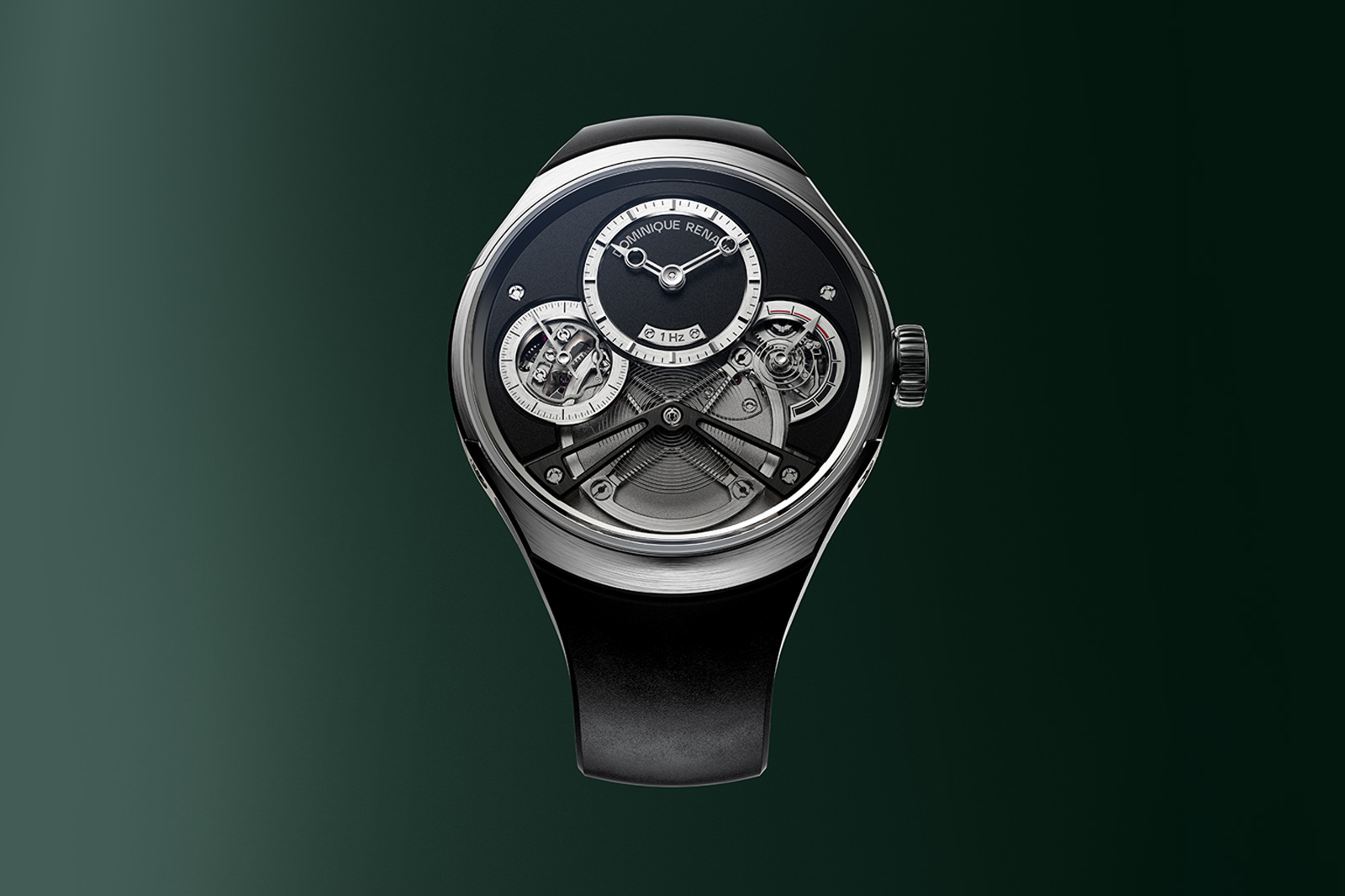
Dominique Renaud is a giant of Swiss watchmaking, and at Time to Watches he was presenting his new eponymous brand and his first timepiece as an independent. His showcasing room, fittingly, was next to Krayon, twice a winner at the Grand Prix d’Horlogerie de Genève. Look at either brand and you have to ask: why are these makers not given stands inside Palexpo? Both would add to representing what the industry truly stands for.
Renaud co-founded Renaud & Papi in 1986 alongside Giulio Papi, and played a pivotal role in reviving high-end mechanical complications at a time when quartz technology had all but buried traditional watchmaking. The Pulse60, his debut under his own name, is a provocation worthy of that history. The in-house BUA2024 calibre beats at just 1 Hz, or 60 oscillations per minute, the resting frequency of a human heart. Where the industry chases ever-higher frequencies for precision, Renaud goes the other way entirely. A massive 20mm balance wheel provides the inertia of a marine chronometer, and a redesigned regulating organ allows amplitude beyond 360° without knocking. The lugless titanium case, the torque indicator at 3 o’clock, the natural dead half-second at 9: everything serves the premise that time should be felt, not merely counted. From CHF 49,000. A master returning to first principles.
Jean-Marc Fleury Chronograph FXR-4 Openwork
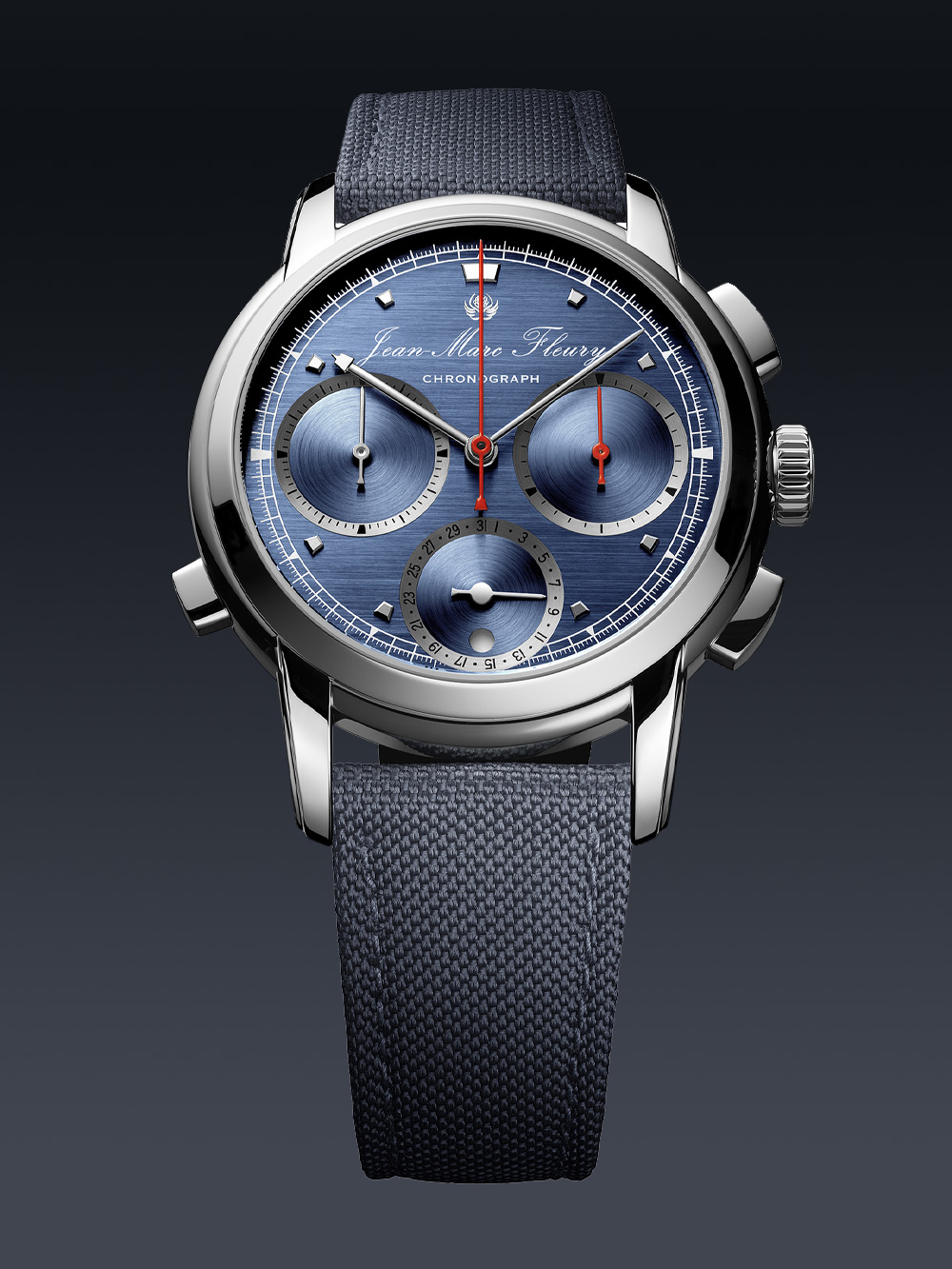
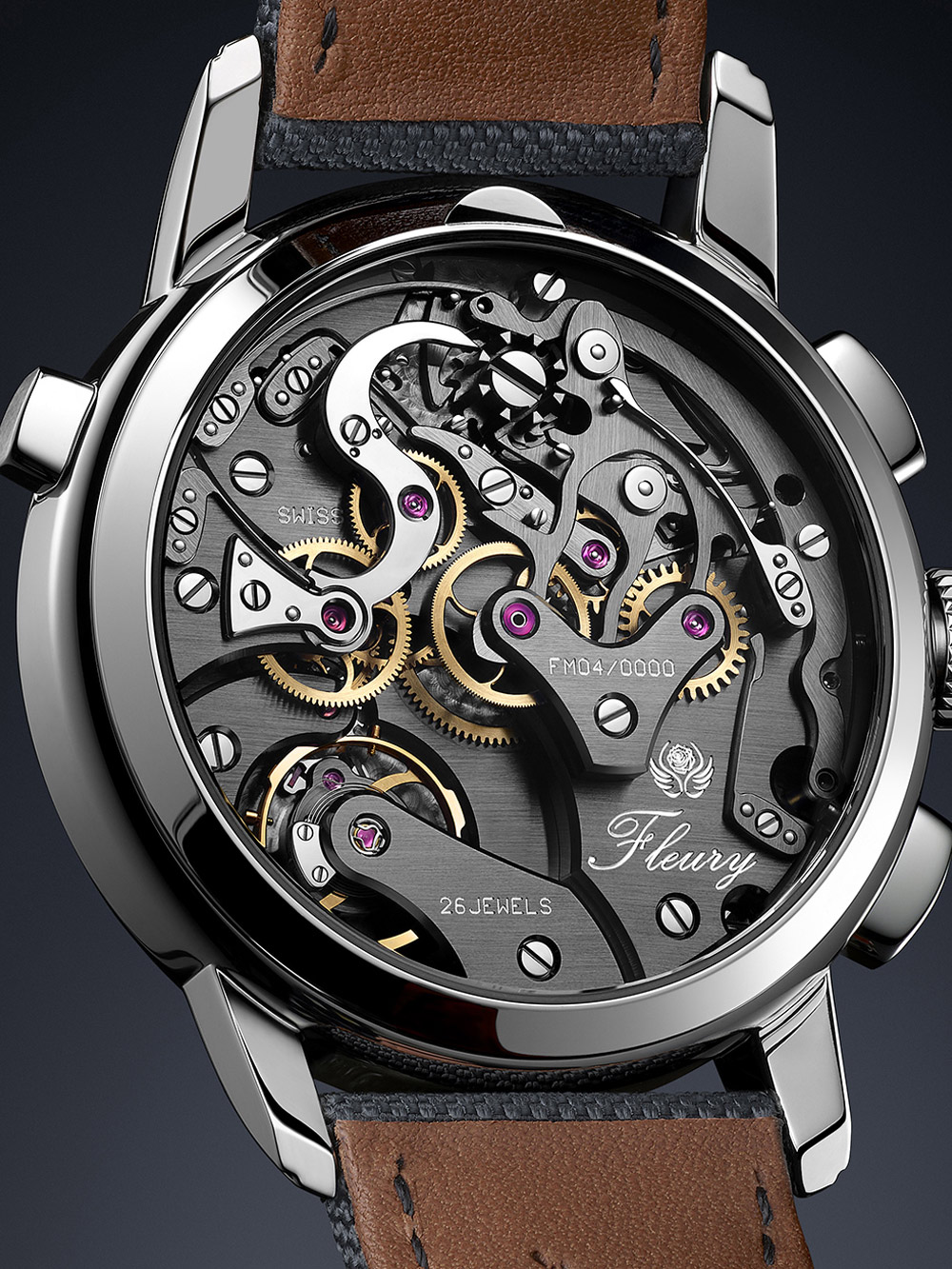
This is a story you see often in Switzerland: a watchmaker with years of experience at one of the heritage powerhouses (in this case, more than a decade at Patek Philippe) who decides to go solo and build his own brand while delivering movement projects to other houses. Jean-Marc Fleury founded his Geneva manufacture in 2017, and his first chronograph came out two years ago. This week he was presenting two new variations.
The FXR-4 Openwork is the one that held our attention. A sapphire dial exposes every one of the FM04 calibre’s 279 components. This is an act of supreme confidence, since openworking at this level means every chamfer, every mirror-polished plane, every satin-brushed surface is visible and must be flawless. The column-wheel chronograph with horizontal clutch beats at 3 Hz, delivers a 60-hour power reserve, and sits inside a grade 23 titanium case. The watch itself is delightful in the hand, around 40mm with a thickness of about 13mm, and there is a pleasing harmony in the design and aesthetics all around. The titanium skeletonised version is particularly well achieved. At CHF 54,500, it sits in rarefied territory for a Time to Watches exhibitor, but the entirely hand-finished, in-house movement earns that conversation.
Laine P37

Torsti Laine is a Finnish professional watchmaker who packed up his family and relocated to the heartland of watchmaking. In the small city of La Chaux-de-Fonds, upon the Jura Mountains, he uses the tools of his trade and his ingrained expertise to handcraft award-winning watches. A graduate of the Finnish School of Watchmaking, a school specifically set up to form independents, Laine went on to work alongside A. Lange & Söhne in Germany and Kari Voutilainen in Switzerland, and received the Lange Watchmaking Excellence Award in 2014, which carries the highest monetary prize of any watchmaking competition in the world. He has been independent since 2016.
It took him six years to find the two guilloché machines he needed for his craft: one for circular motifs, one for straight-line motifs. The P37 is an example of what those machines, and those hands, produce. Built on a reimagined Peseux 7001 with in-house bridges, screws, dials and hands, each piece features extensive black polishing and guilloché dials turned on machinery over a century old. The five dial variations, from the warm Salmon Spider to the shifting purple of the Murasaki Flame, are small works of art. At 37mm, 8mm thick, limited to 99 numbered pieces and priced at CHF 9,900, the P37 is a quiet rebuke to the idea that fine finishing must come with a five-figure price tag. Laine produces sixty to eighty pieces a year from an atelier equipped with three CNC machines and those two treasured guilloché lathes. One man, one bench, uncommon skill.
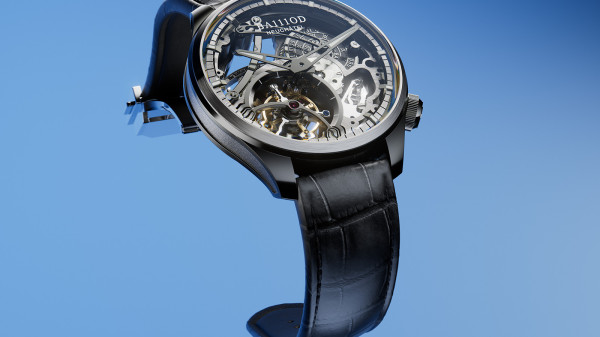
BA111OD Chapter 4 Tourbillon T.V.D.
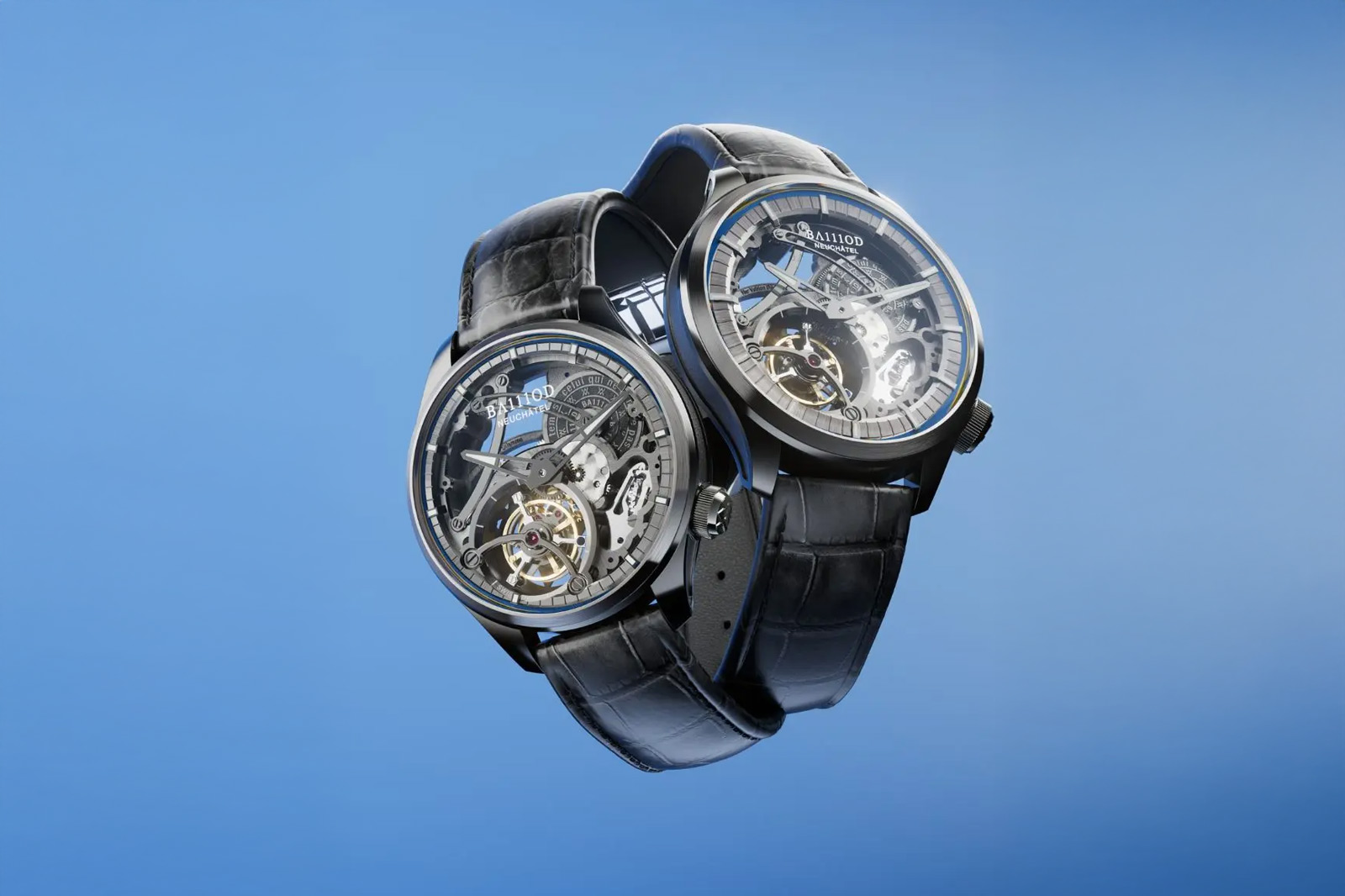
BA111OD arrived in 2019 as something the industry did not quite know what to do with: a community-driven watch brand, rooted in Thomas Baillod’s 250 years of family watchmaking heritage in Neuchâtel. The Chapter 4 Tourbillon T.V.D. suggests the experiment has matured into something formidable, and Baillod is becoming a case study in brand building, given his straight and relentless drive to establish a true in-house manufacture.
The key news here is not just the watch; it is the acquisition, announced on the eve of Watches and Wonders Week, of BCP Tourbillons, the La Chaux-de-Fonds complications workshop led by watchmaker Olivier Mory. With BCP, BA111OD has acquired movement-making independence; the brand can now legitimately call itself a manufacture. This new-generation tourbillon is the first expression of that integration. The in-house BA.01 hand-wound calibre is Timelab chronometer-certified, with a 120-hour power reserve and the tourbillon visible at 7 o’clock through a semi-openworked dial. The 904L stainless steel case gets a tantalum-grey DLC treatment, available in 39mm or 43mm. At CHF 8,200, a chronometer-certified tourbillon with an in-house movement is an extraordinary value proposition. As Baillod puts it: independence in watchmaking is not declared; it is built patiently. This chapter feels earned.
Junghans Aquaris
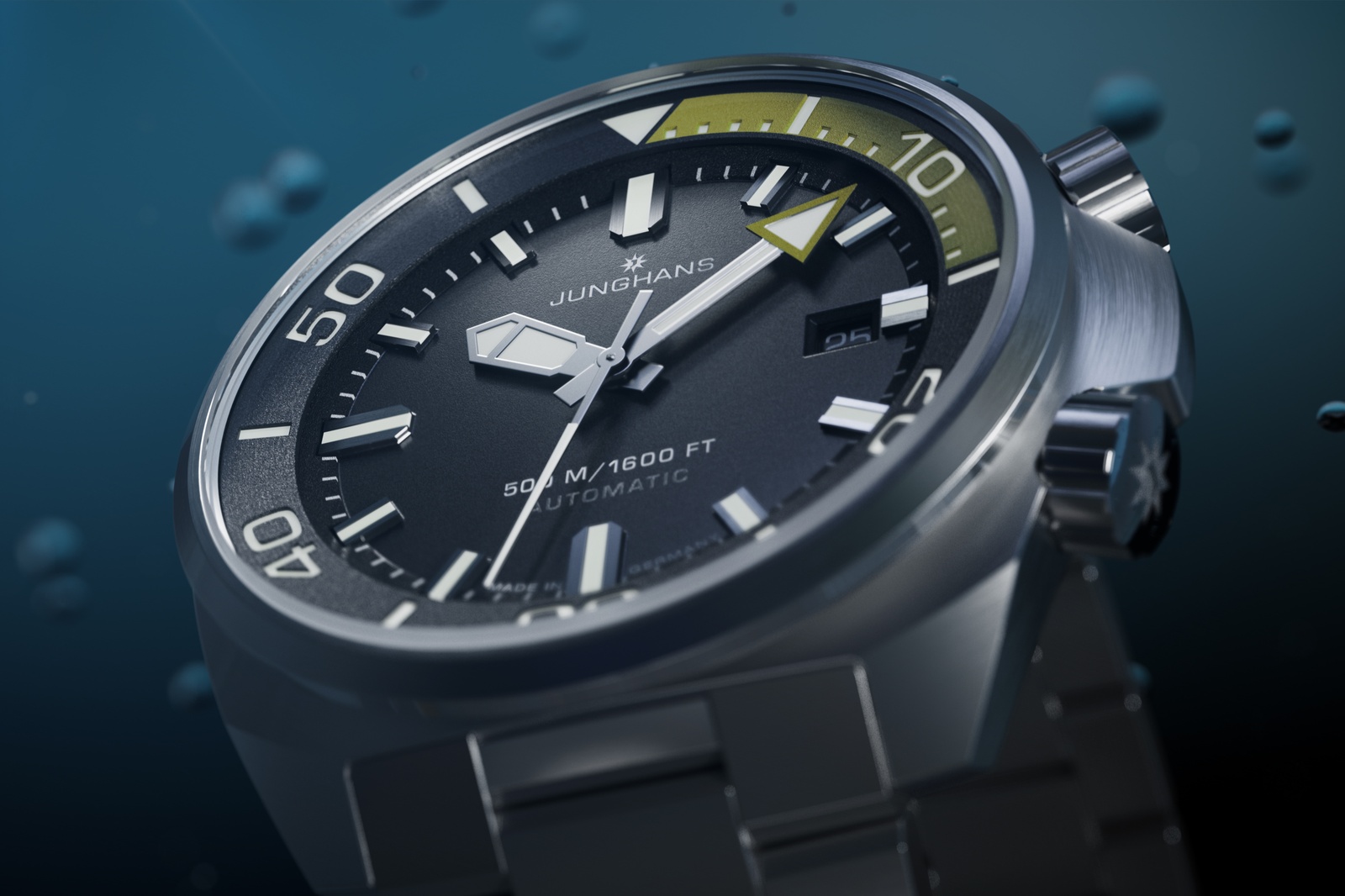
Not many people think of Junghans as an independent, family-owned company, but that is exactly what it is. Founded in 1861 in Schramberg, in the Black Forest, it is showing at the Geneva Watch Week for the first time, albeit at Time to Watches rather than inside the Palexpo. Why here? Perhaps similar considerations apply as with Titan, making its debut at the Beau Rivage this same week: established names testing the Geneva ecosystem, finding a foothold that suits their identity.
The Aquaris collection is a deliberate departure from the Bauhaus restraint Junghans is known for. This is a full-blooded dive watch: cushion-shaped, 46.9mm across, rated to 500 metres, with crown guards protecting two screw-down crowns. The exclusive Caliber J830 automatic is magnetically shielded with a soft iron alloy and features Junghans’ own gear bridge, rotor and balance cock. The Diver variant plays it straight with a high-contrast dark grey dial and serious X1 Grade Green lume; the Red and Blue editions bring sunburst dials and a more confident, lifestyle energy. At €2,790, it is a serious tool watch at a very accessible price point. A heritage brand reminding us that design-oriented does not have to mean desk-bound.
OISA 1937 Heritage Collection Guilloché
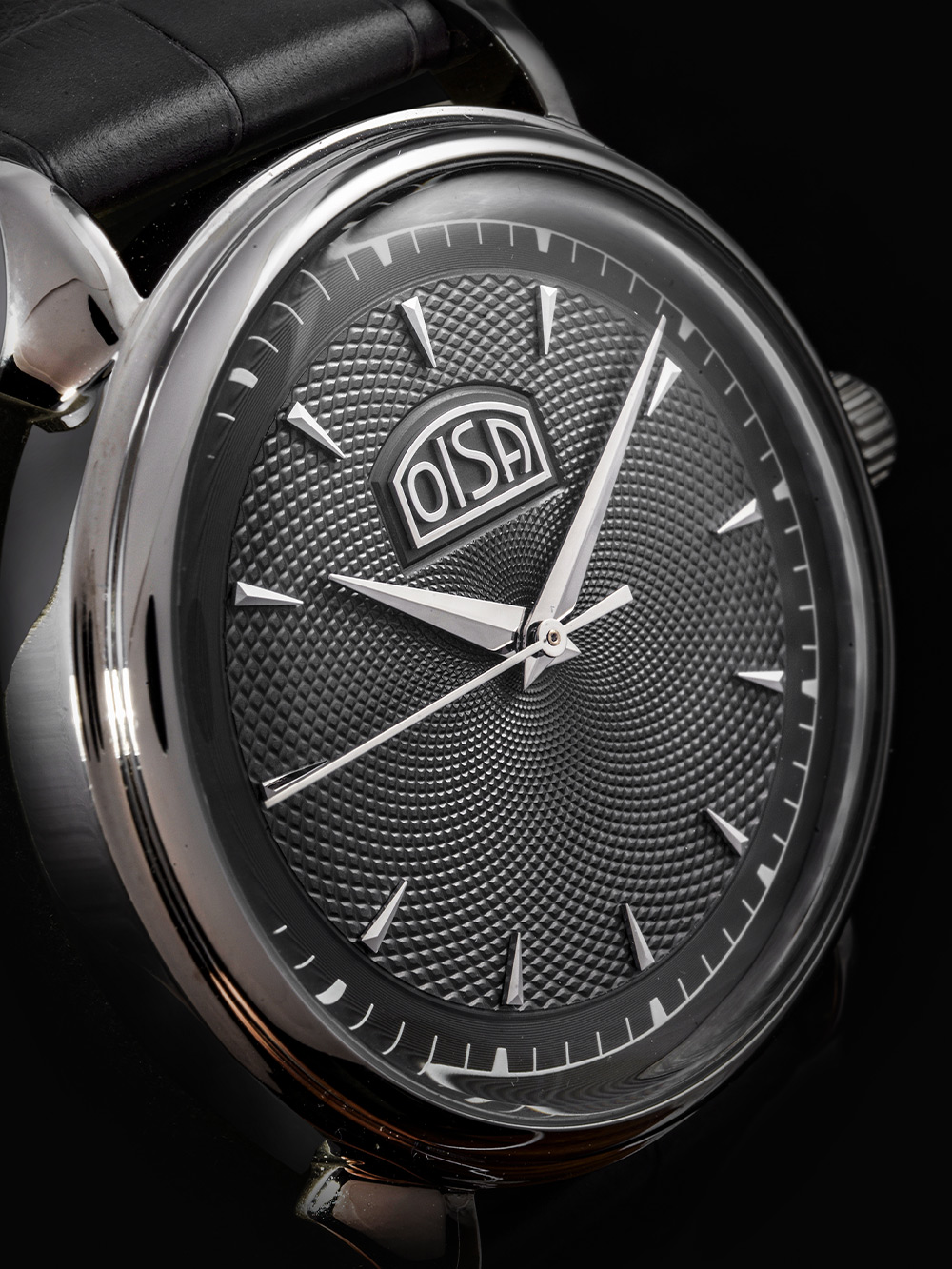
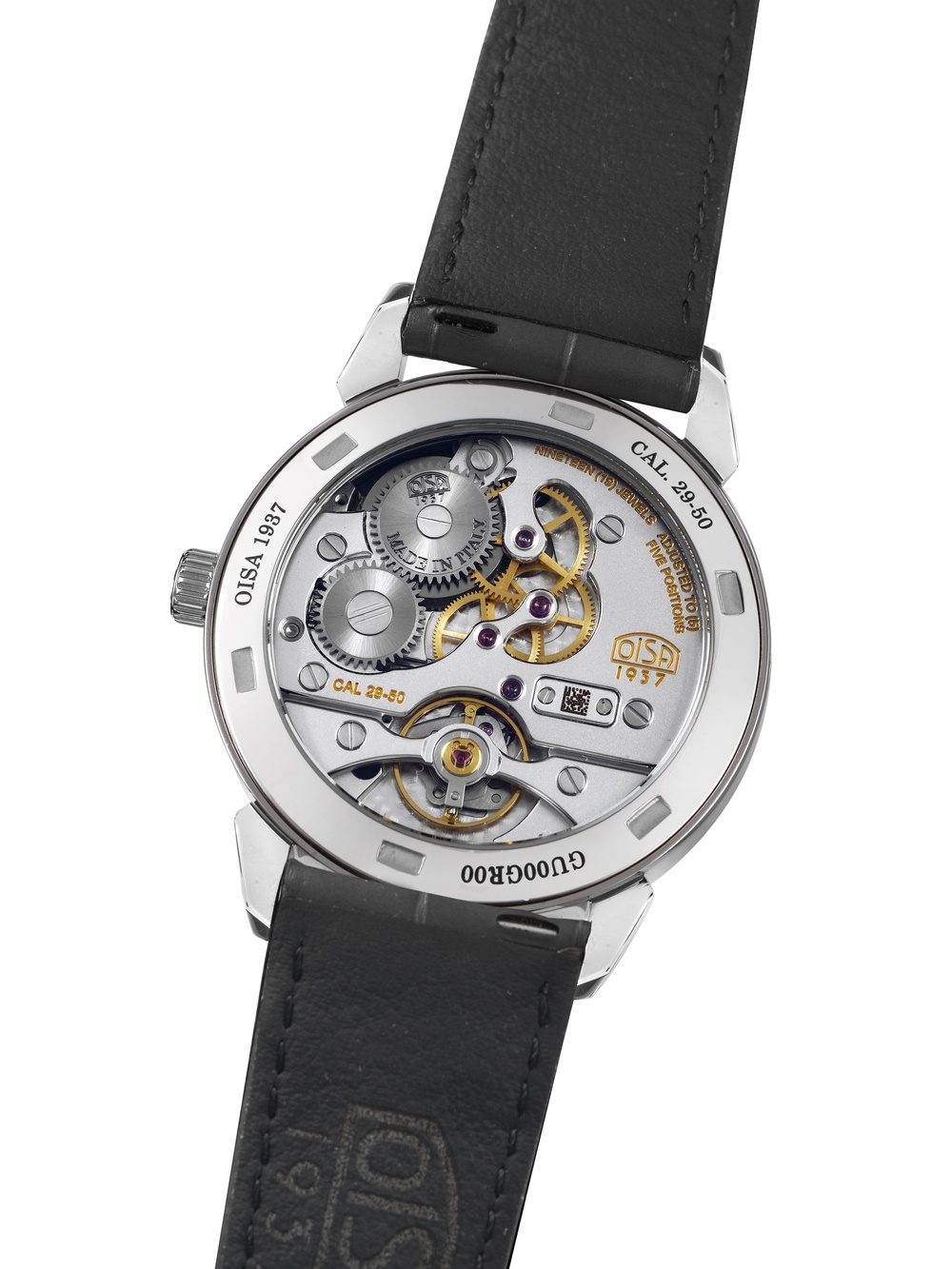
The least-known name here, and the purest discovery of the week. OISA continues to evolve, presenting itself no longer simply as an Italian movement maker but as a creator of its own watches. The Heritage Collection features a hand-engraved guilloché dial on a 925 silver base, with an in-house calibre (2950-PU/E) delivering 60 hours of power reserve and accuracy within five seconds per day. At 38mm, with hand-finished bevels on every bridge, rhodium-plated applied markers and an exposed-screw aesthetic, the Heritage Guilloché is priced at €4,880, an exercise in unhurried, traditional craftsmanship from Italy, a country rarely associated with watchmaking manufacture. It is exactly the kind of find that rewards curiosity at Villa Sarasin: a name you arrived not knowing, and left wanting to follow.
These six watches span a price range from under three thousand to over fifty thousand euros, and a creative range wider still, from a philosophical meditation on the nature of timekeeping to an Italian guilloché dial you can hold to the light. Taken together, they make the case that Time to Watches is no longer a satellite event. It is becoming, quietly but unmistakably, an extension of what the Palexpo represents for independents and haute horlogerie: a creative ecosystem where the highest craft, heritage reinvention and genuine discovery coexist in a way the convention centre’s polished halls simply cannot accommodate. The two-minute walk from Palexpo to Villa Sarasin was the most rewarding journey in Geneva I took all week.
More details at Time To Watches.