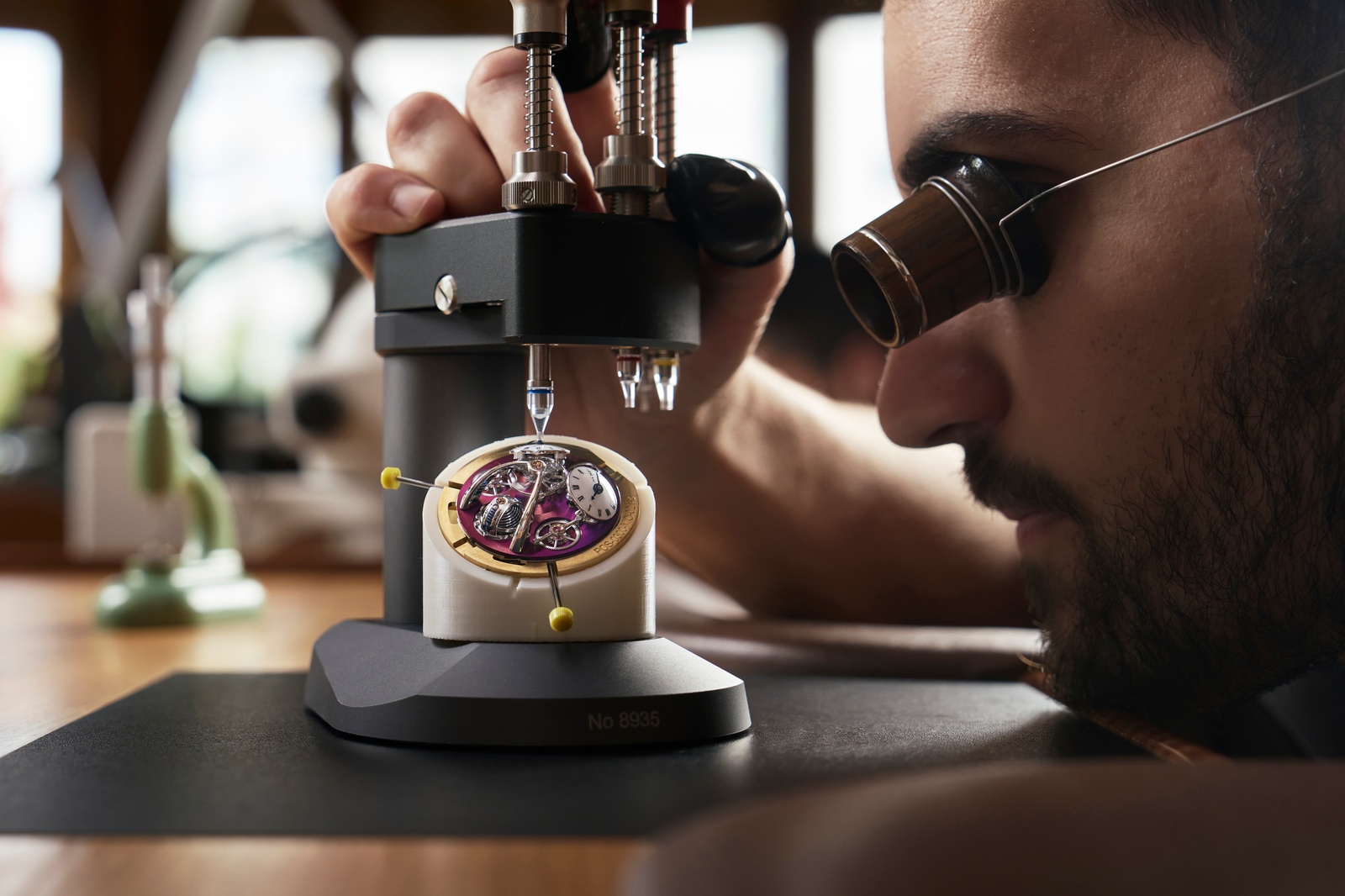
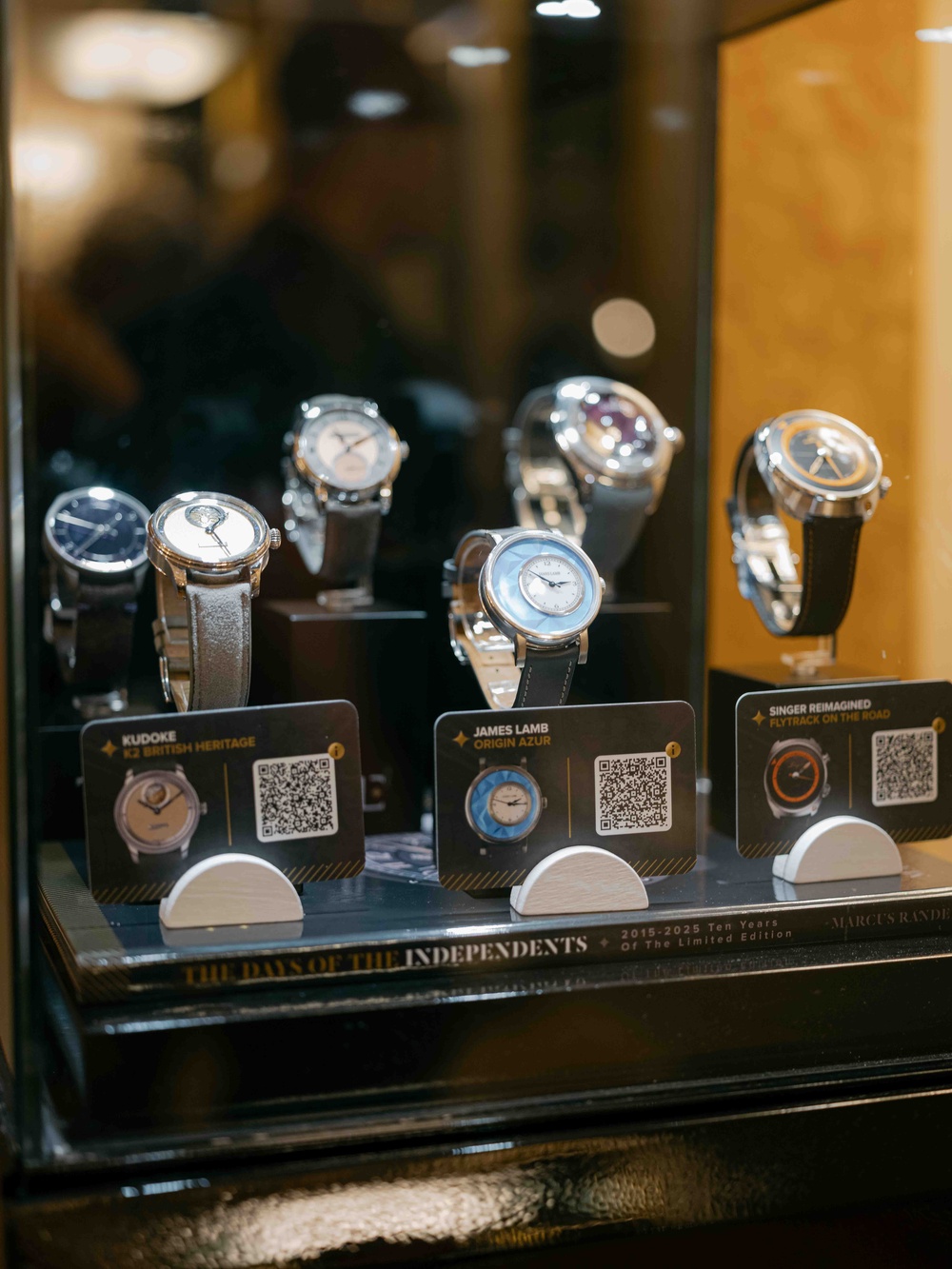
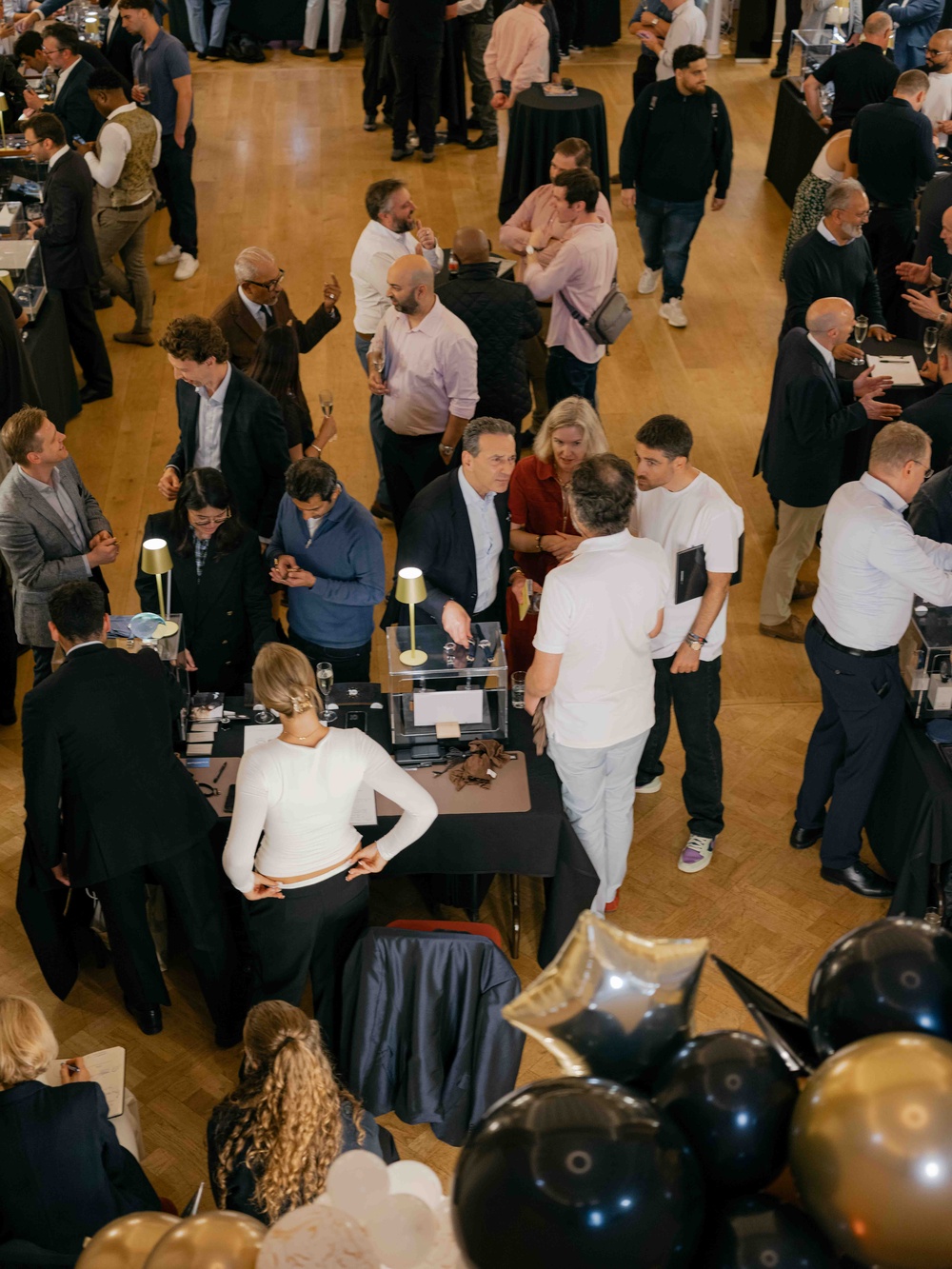
Independent watchmaking is in its ascendancy. This year, 38 of the 66 exhibitors at Watches & Wonders were independents. Last month, London’s Days of the Independents, courtesy of The Limited Edition, brought 35 independent brands together at the Lansdowne Club. Small, two-person ateliers are getting more notice and commanding greater respect than ever before, while mid-range, agile brands are proving some of the most innovative names in the industry. And the industry is taking notice.
Over the past two years, big names have been taking stakes in independent brands. Chanel, for example, announced it was purchasing 25% of eccentric collaboration brand MB&F in August 2024. It’s a minority stake alongside the 15% of Serge Kriknoff (head of R&D) and remaining 60% owned by Max Büsser himself, but that’s a luxury powerhouse buying into an independent icon – a powerhouse that already owned stakes in F.P. Journe, Romain Gauthier, Bell & Ross and movement maker Kenissi.
They’re not the only ones, of course. De Bethune these days is majority-owned by The 1916 Company, a specialist retailer and Paul Atreides himself, Timothée Chalamet, became a shareholder in Urban Jürgensen in April 2026. In that light, you might assume the smart money is on investing in independent watchmakers themselves. But that’s not the whole story – or even the most important part. Because what’s a watchmaker without its suppliers?
The problem with a small, independent workshop is that, unless you’re following the Daniels Method à la Roger Smith, you can’t do everything yourself. You may be able to develop a movement in-house; you may be able to do a lot of the finishing. But production, prototyping, building cases, hands, crystals and advanced components are often done by specialist third parties.
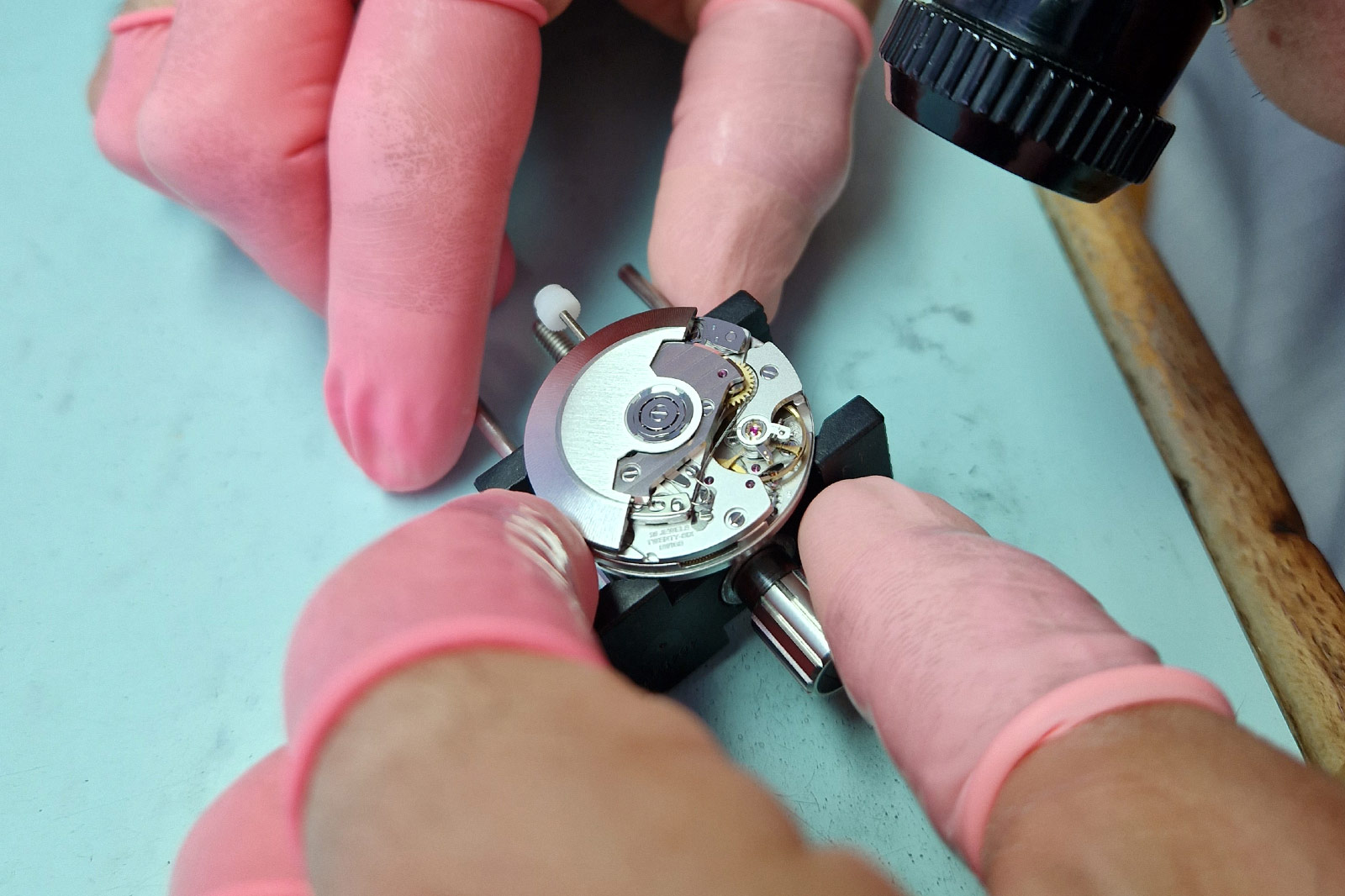

That’s not a negative. It’s not even ahistoric. This is how watchmaking was historically done and today it’s just a fact of life that allows certain parts of the modern watch industry to work. And indeed, it gives horological savants the time and space they need to do the concept work they do best. But it’s also an opportunity.
In November of last year, LVMH bought a minority stake in movement producer La Joux-Perret. While LJP was already owned by a group, namely Citizen, they were also a major supplier for mid-range independent watchmakers. If you were a small brand ready to up your calibre game, they were often your first port of call. LVMH explicitly made this move to ensure that their own brands – TAG Heuer, Zenith and Hublot – can maintain a supply of movements (especially sustainable solar movements) and movement development expertise.
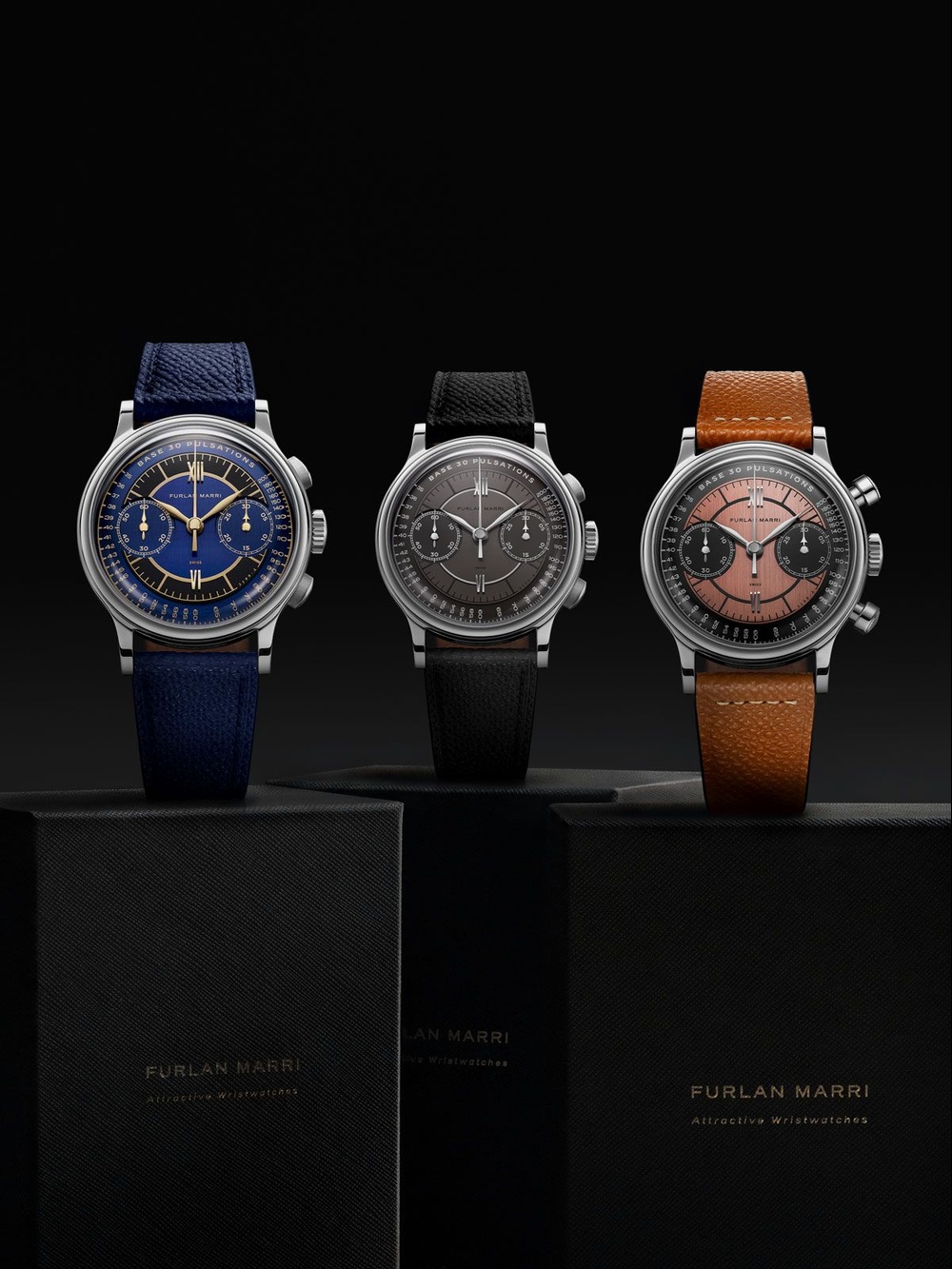
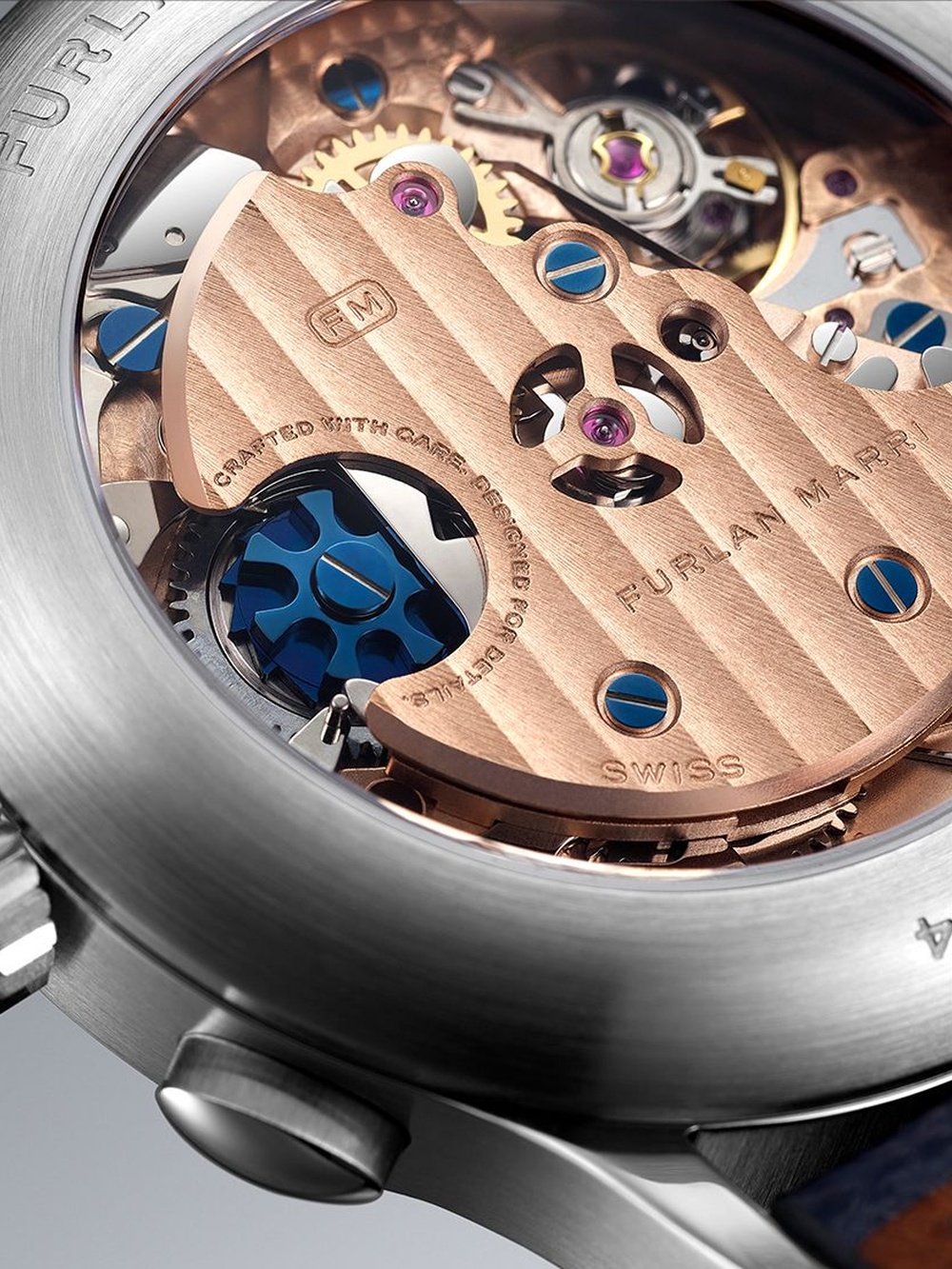
This makes complete sense as a business, and LVMH has been clear about wanting to deepen their stakes in Swiss industry. But there’s only so many movements a manufacture can make, and if LVMH’s massive brands come first, then there will be less available for the smaller, lower-volume makers. Given manufacturers like AMT (Sellita’s high-end arm) have a minimum order of 1,000 units, the days of small batch builders are dwindling.
It has to be said though that this situation isn’t much different from ETA’s ownership by Swatch Group. And while that historically caused supply issues when the group decided to be pickier about their supply, you can still get ETA movements. What’s more interesting is Audemars Piguet’s latest move. In August 2025, the makers of the Royal Oak bought a majority stake in Inhotec, a micromechanics firm they’ve been working with for years on baseplates, springs and other fine mechanical components.
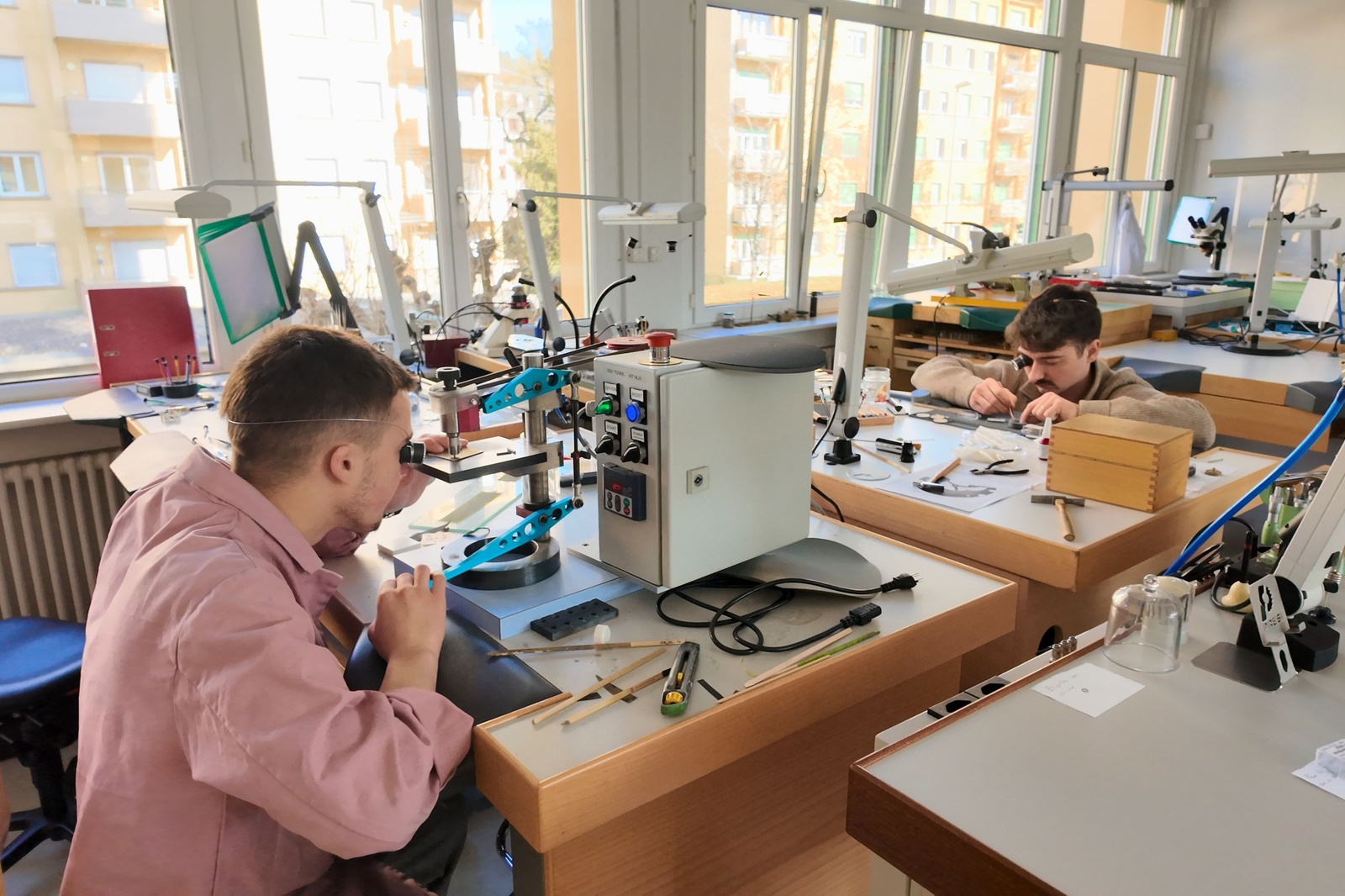
Since they were founded in 2011, Inhotec has produced components for many brands across the industry, but now Audemars Piguet are snapping them up as part of their goal of vertical integration. Founder Alexandre Eme is still chief executive and Inhotec is staying nominally independent – but when they’re beholden to a single brand, it’s hard to see them doing much for the competition.
It’s a very similar move to the recent acquisition by BA111OD of BCP Tourbillons, bringing their expertise in-house. Though at least in that instance, it’s two young, agile and importantly independent makers joining forces rather than an industry giant getting even bigger.
That brings us to the most surprising recent acquisition, Chanel’s investment in Kross Manufacture. As explained earlier, Chanel’s stakes in independent watchmaking are deep. But Kross is a very, very deep cut. Founded by Marco Tedeschi as recently as 2020, Kross is the antithesis of Sellita and AMT, meaning they specialise in very small runs of complete movements. They are one of the brands that ensures two-person watch labels, the kind that bigger machinists don’t bother with, can actually operate.
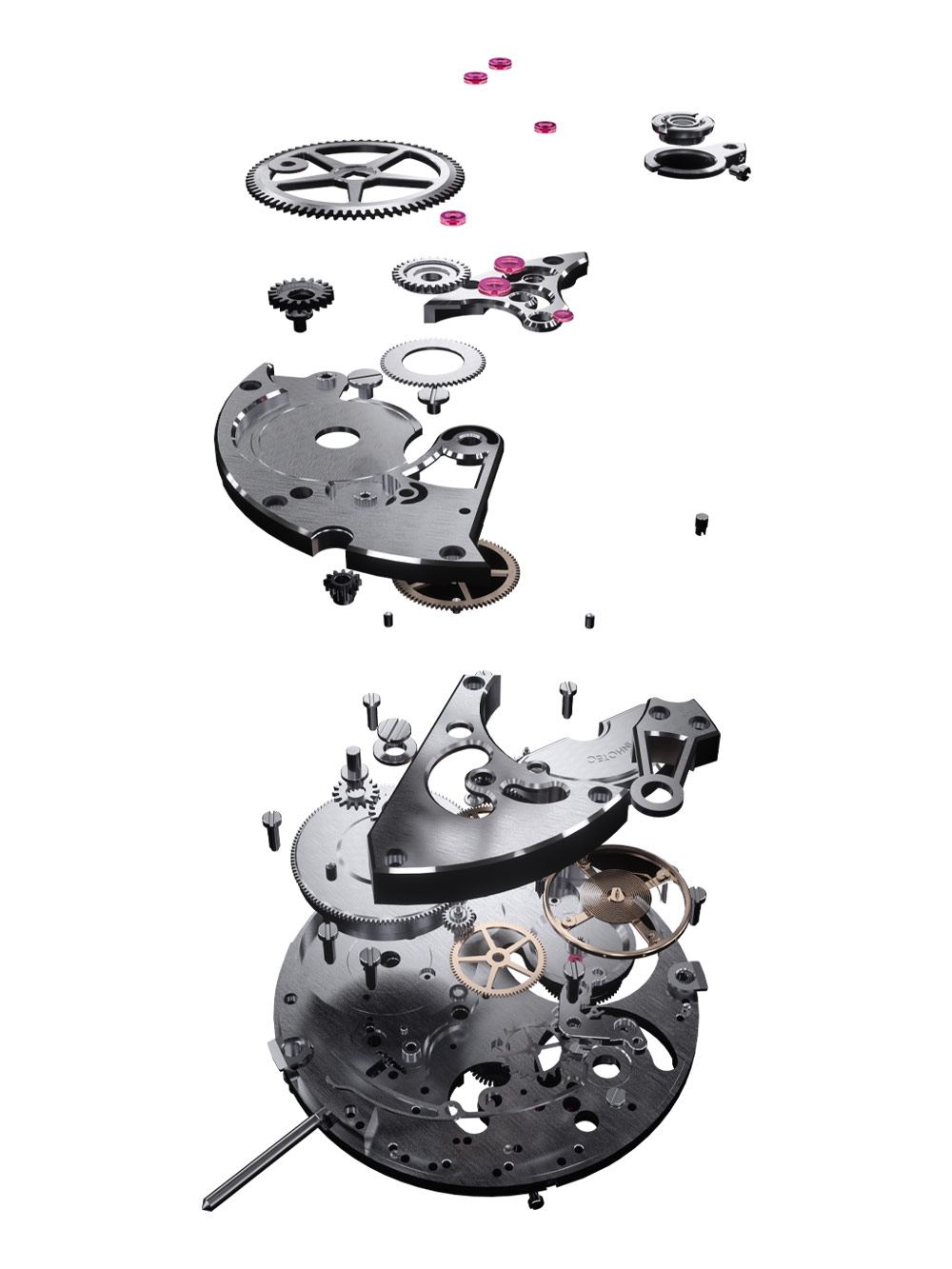
It’s unlikely Kross Manufacture will stop supplying these smaller brands, but it does illustrate one underappreciated fact: even if you own 100% of your own brand, you don’t own the supply chain; even if you’re trying to stand out from the biggest players in watchmaking, you still have to work with them. And with three supplier deals in 18 months, you can be sure we’re only going to see more big names getting involved.
This paints a grim picture for small-scale horologists. The combination of high floors on movement numbers, the proverbial door slamming shut on makers without a foot already in it and the hoarding of expertise into vertically integrated conglomerates will all make it harder than ever to start from scratch. And yet, it’s more complicated than that. Because all of this interest is a solid indication of just how important independent watchmaking is – and that there’s more money than ever to fund it.
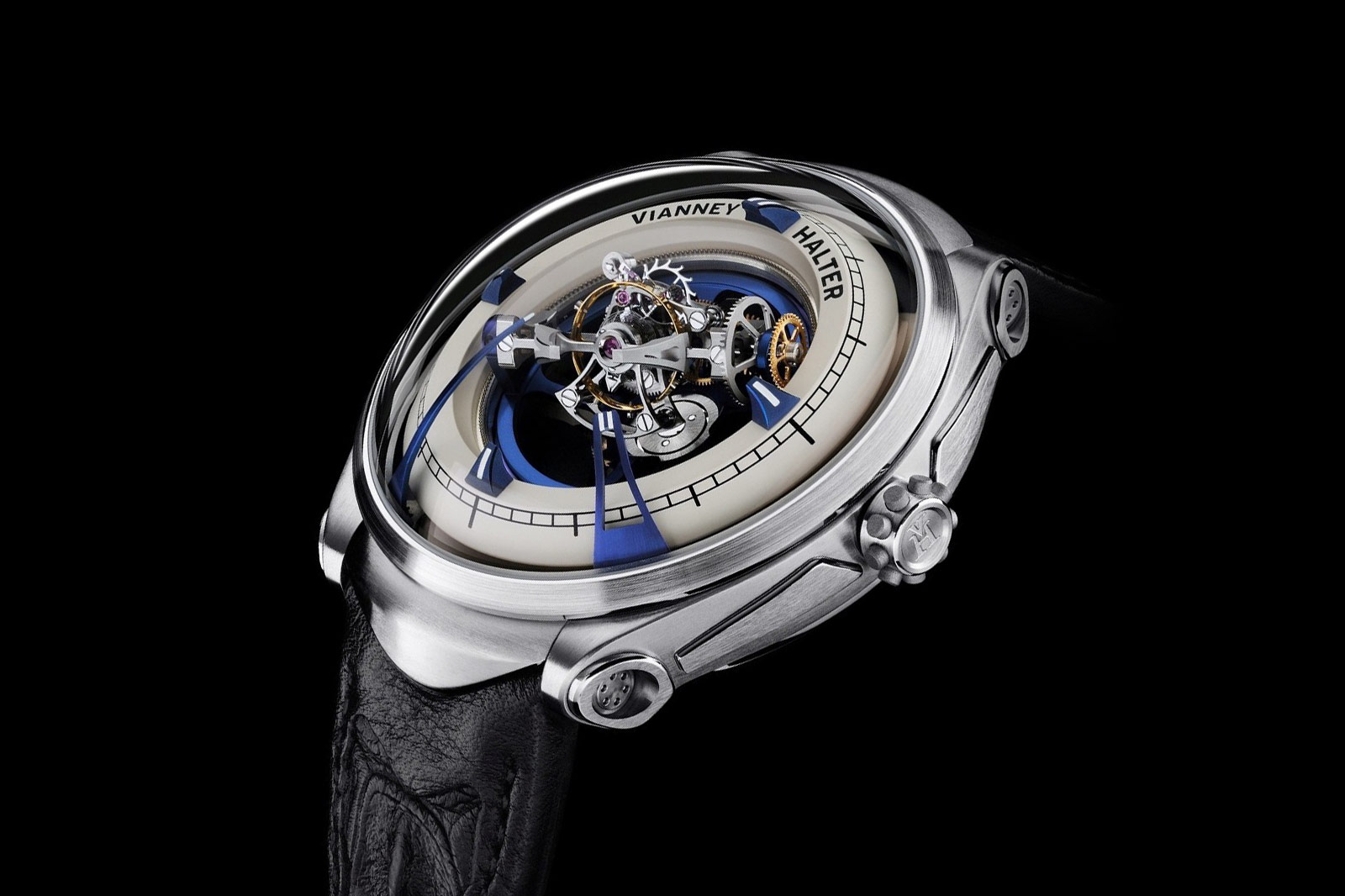
Back in 2008, the global financial crisis hit independent watchmakers hard. Famously, before his seminal Deep Space Tourbillon, Vianney Halter struggled when his Janvier workshop had to empty out its employees. He, like many others in his field, just didn’t have a safety net or the backing to weather the storm. Powerhouse companies owning minority stakes across independent watchmaking could be that safety net.
The bottom line is that we’re all rightly eager to celebrate independent watchmaking as the most exciting frontier of modern watchmaking. From two-person ateliers to disruptive, agile brands, there’s a lot going on. But we can’t lose sight of the fact that a fully independent watchmaker doesn’t mean fully independent watchmaking. And as bigger names move into the space in force, calcification is a genuine worry. More money in the ecosystem is a net good, but if the cost of that safety net is the small, up-and-coming watchmakers that make the independent field so exciting, is it worth it?