“Plus ça change, plus c’est la même chose”, as an allegedly-English-speaking GPHG ceremony might put it: the more things change, the more they stay the same. This year’s Grand Prix d’Horlogerie de Genève (GPHG) – the “Oscars of the watch world” as it is always referred to – took place at the weekend. Walking into the ceremony, we had been told to expect a number of changes compared to previous years and a sense of excitement and hope was in the air. Most obviously, Wei Koh (the Revolution, The Rake and Legare supremo) had been appointed to replace Nicholas Foulkes as the chair of the jury, resulting in some big changes to how the prize is run: selecting a smaller jury to allow for more discussion and participation, the GPHG announcing that the ceremony should be in English and introducing a couple of new categories – as well as opening a couple of categories to every watch released this year whether they chose to enter their watches or not.
Each of those seemed a good thing: the smaller jury allows for a more nuanced discussion of the merits of each nominee while avoiding too much group-think or politics (something that has plagued past editions). Running the ceremony in English would make it accessible to a larger global audience at a time when the worldwide watch fandom is growing, allowing for both the results and the broadcast to be more meaningful (and monetisable) going forward. The creation of categories open to all will – one hopes – bring Patek, Rolex and the bigger Richemont brands into the fold in the future, as they start being awarded prizes. Although I still think this is a big ask: the brands that currently do not take part presumably view the prizes as something of a “heads you win, tails I lose” proposition: a win is unlikely to add much cachet to brands that arguably sit at the apex of their horological categories while a loss carries the threat of some bad press. “Better not to play at all than to risk it” may well be the view.
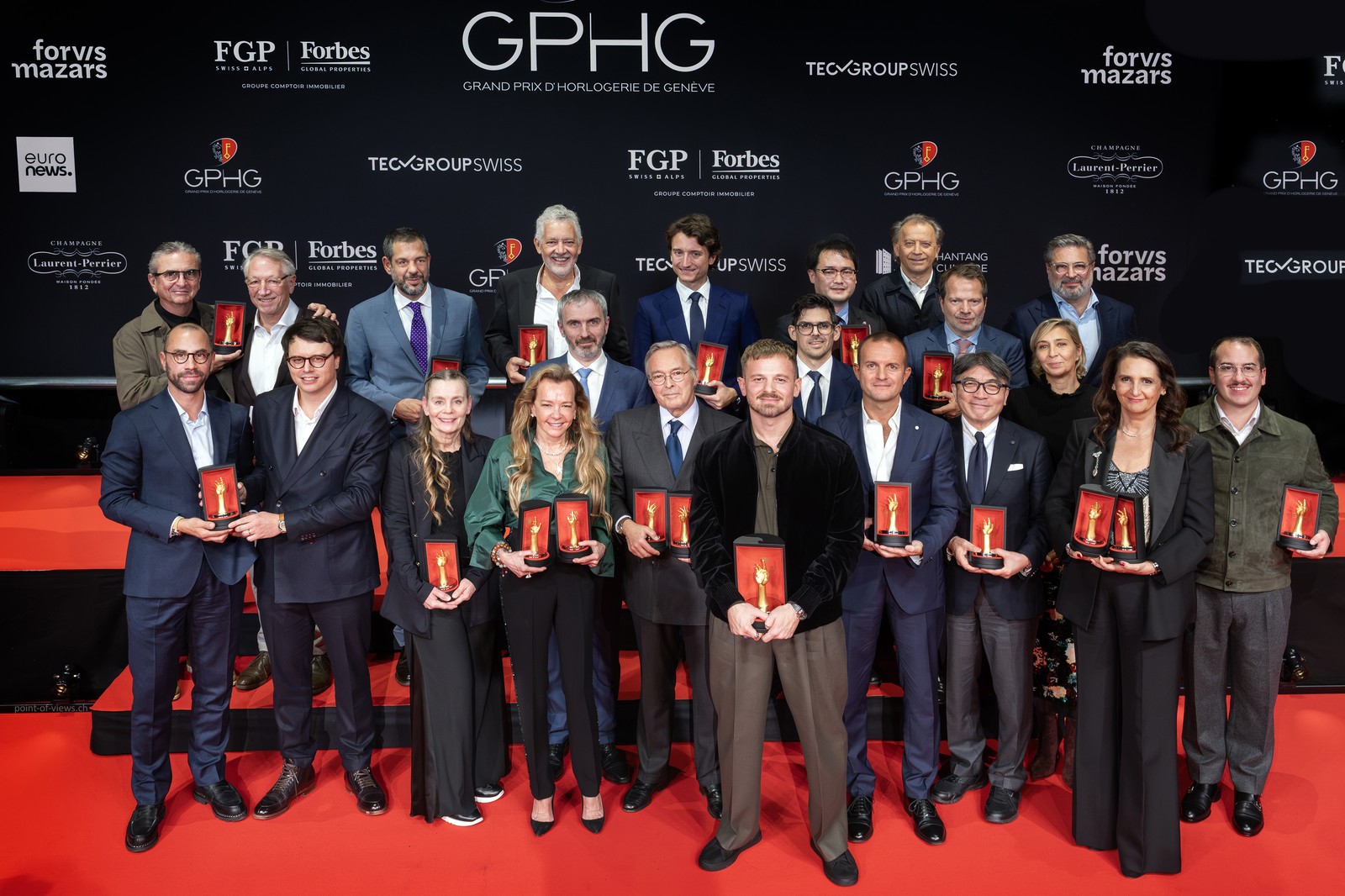

While that all sounds fine on paper, these considerations only half worked out on the night. The ceremony was certainly more English-speaking than in past years but a solid half of it was still in French (and still, inexplicably, without surtitles or other translation, despite tech solutions in accurate instantaneous translation having existed for years). More to the point, the language did nothing to improve the presenting abilities or banter of the hosts or the smooth running of the ceremony itself – while the bigger technical glitches of last year were largely (but not entirely) avoided and some jokes from individual prize presenters landed well, the ceremony still lasted almost three hours and the duo of the main presenters had virtually zero chemistry and were too earnest while delivering anodyne lines about the meaning of time and the creation of metaphorical gold through the love of horology. It must be said that the mood and restlessness of the audience was also not improved by the unexpected decision by the organisers conspicuously to set out scores of empty champagne flutes before the ceremony while also sullenly refusing to actually serve champagne or any other alcohol to those heading inside for three hours.
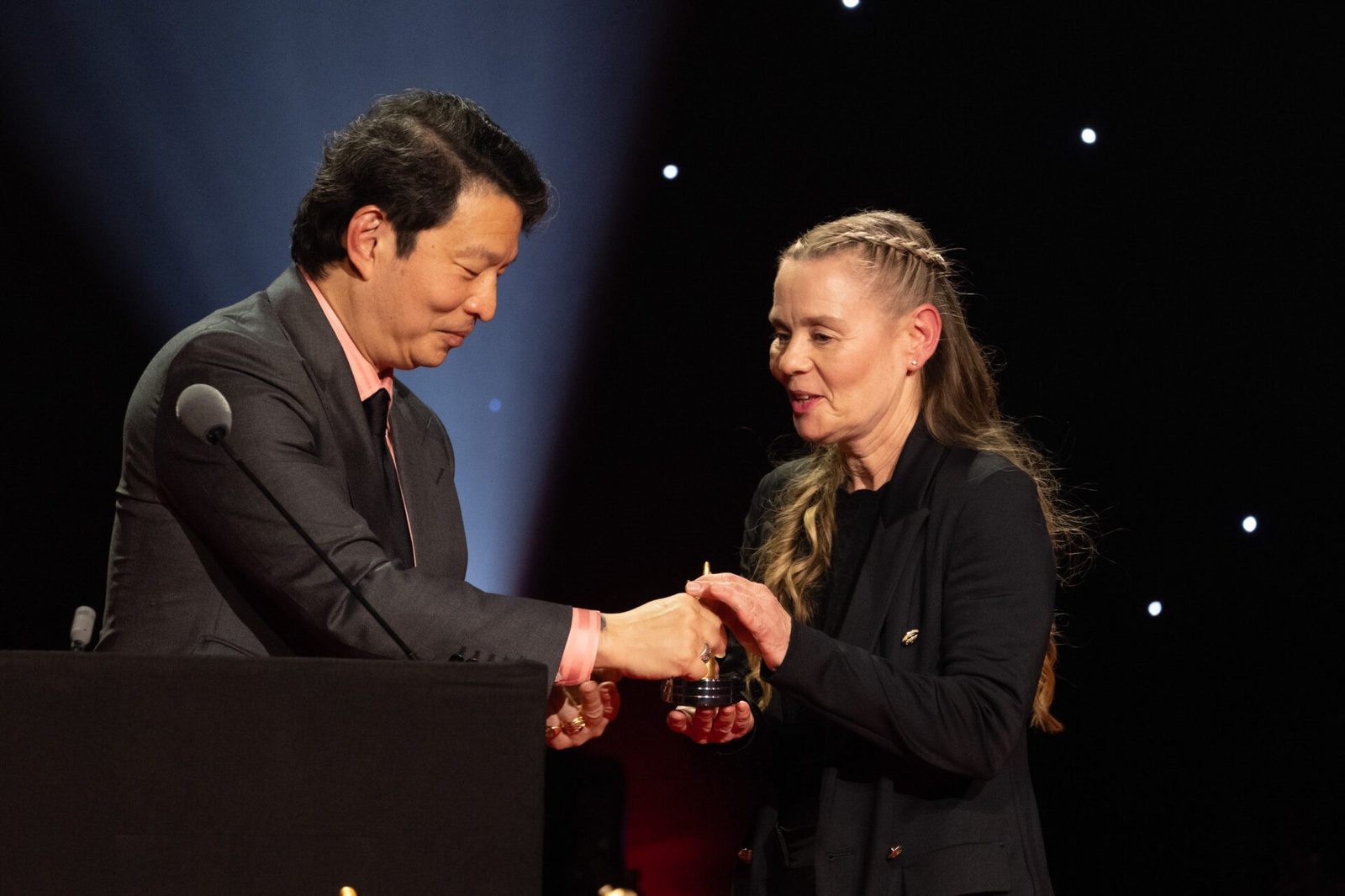
The widening of the possible participation for the Special Jury and Iconic Watch prizes did yield one external win – for Patek for their blockbuster Milan show last month in the Special Jury Prize; the Iconic Watch Prize was awarded to GPHG-favourite AP for a piece that was in fact nominated, the RD#5. Time will tell whether that starts to yield results and wider participation in future from the Rolexes and Pateks of the world.
More to the point – whether due to jury changes, Mr Koh’s chairing prowess or mere fluke – it did feel like the winners this year were seldom the wrong ones: while a (highly-unscientific) poll of collectors, dealers and others in the industry did produce inevitable disagreement as to exactly who should have won each category, there was less head-scratching than in prior years and most seemed to accept that, in a strong field, one of several winners was possible and justifiable. Few, if any, of the wins seemed bizarre.
The biggest and least surprising win of the night was the Aiguille d’Or, which went to Rexhep Rexhepi and his Chronograph Flyback: a wholly in-house calibre with a column wheel and horizontal clutch incorporated into a symmetrical layout. This was designed and executed from the ground up by a still-young watchmaker at the peak of his powers in a typically-restrained form factor, uncompromising as to finishing and quality of execution but without feeling the need to “gild the lily” by over-designing the piece or showing any more dial-side than needed to be shown. The piece was almost-universally praised on its release and, despite a strong field across all the categories, I found it hard to see who else could realistically have won.
Rexhepi’s impending win in the biggest category became all the more obvious when he didn’t win Best Chronograph because the rules forbid the Aiguille d’Or winner from also taking its category prize (and also mean that last year’s Aiguille d’Or winners, Breguet, were ineligible for nomination in any category this year, meaning their staggering Expérimentale 1 went un-lauded). His win became even more inevitable when it was leaked 45 minutes ahead of it being announced by one of the bigger watch blogs on Instagram – presumably a sign that the actual ceremony (and press release embargo) was 45 minutes out of joint with what had been planned.
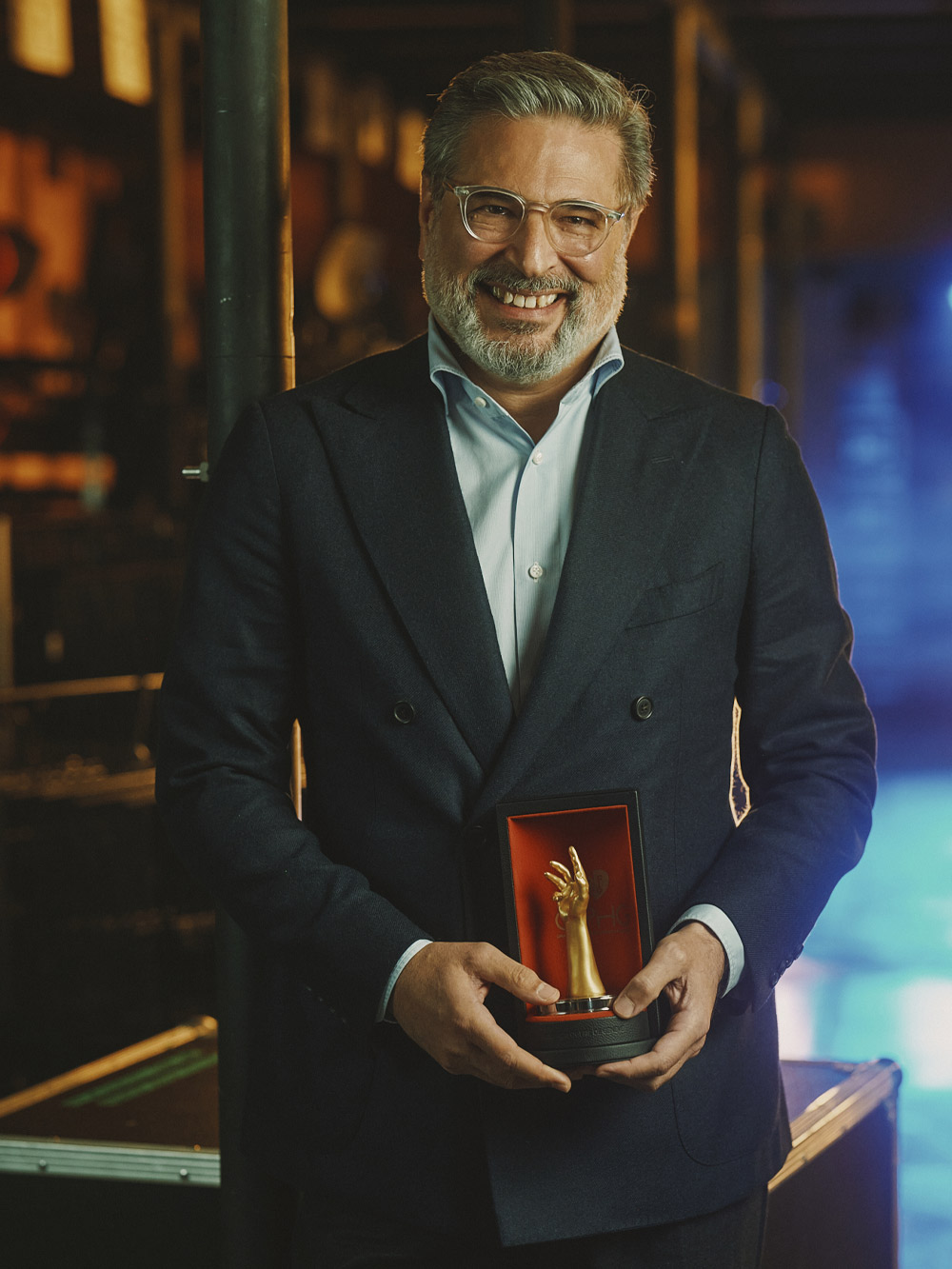
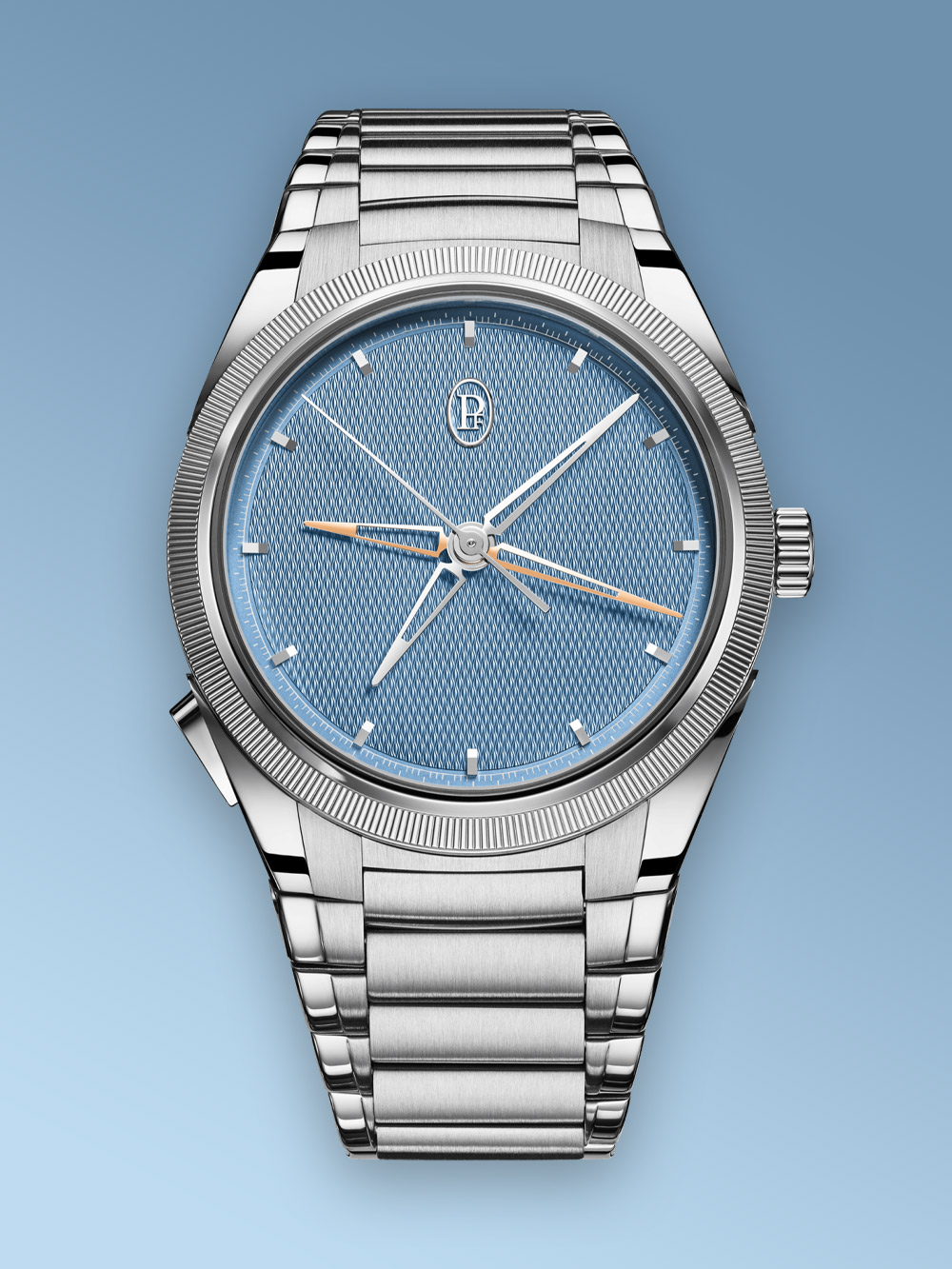
The best chronograph prize instead deservedly went to Parmigiani Fleurier for their Chronographe Mystérieux, a watch that appears to be a simple three-hander until the chronograph is engaged and hands that were hidden under the hour and minute hands suddenly appear to show the elapsed time. Just like their perpetual calendar (nominated elsewhere), it was a restrained and welcome design and one that was the talk of the fair at this year’s Watches and Wonders.
Similarly predictable since its April release was the “Audacity” win for Konstantin Chaykin’s “ThinKing Mystery”, a 1.65mm thin watch that is the world’s thinnest and shows the time in the now-familiar “Wristmon” format: a small face whose left and right eye rotate independently to show the hours and minutes. The watch was astonishing for its thinness when seeing it in the metal, but the design remains polarising even among those who could consider spending the asking price on the limited run.
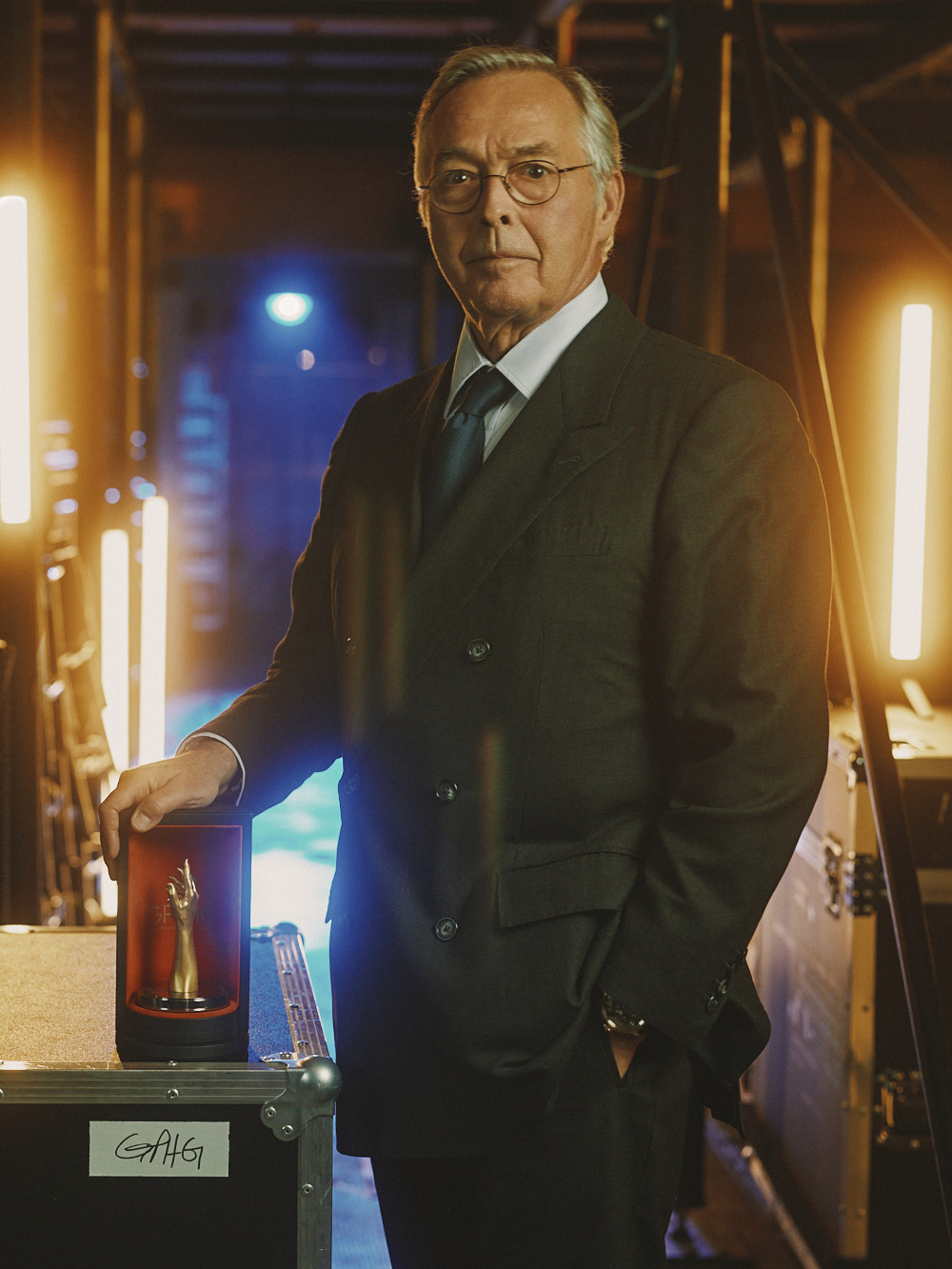
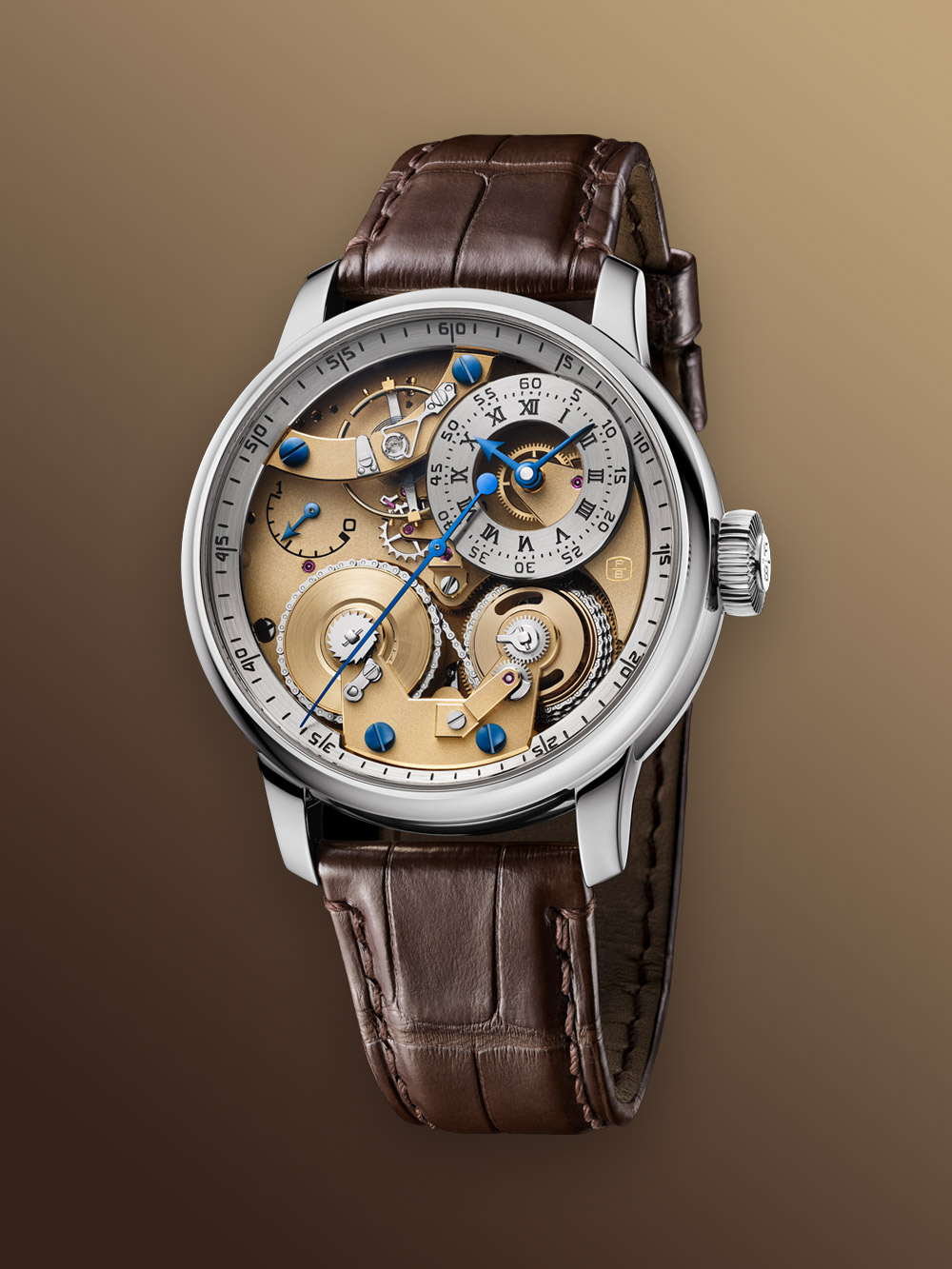
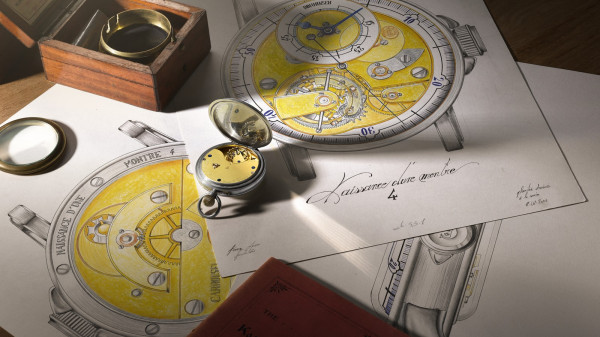
The chronometry and tourbillon prizes justly rewarded Ferdinand Berthoud (part of the Chopard stable, which brought their total wins for the night up to four) for the “Naissance d’une Montre 3” and Chronomètre FB 2TV, both watches with literally unparalleled levels of finishing and hand-execution (11,000 hours – equivalent to 5 years’ full time work for one person – for the prototype of the Naissance d’une Montre 3) and showing that the brand continues to value, invest in and safeguard the craft of horology while producing stunning pieces year after year. To win twice in one year for two pieces of such complexity was a well-justified feat.
Another change this year was a going-with-the-times scrapping of the “Men’s” and “Women’s” categories and the introduction of a “Gemset” category (stones used must have a total weight of under 6 ct) and an “Essential” category. The first of these was clear enough and the win for Piaget’s beautiful “Swinging Pebble” pendant watch well deserved. The second was hard to evaluate or reconcile, being defined by GPHG as watches including indications beyond time-only including date, power reserve, moon phase, day/night, jumping or retrograde displays, but no major complication.
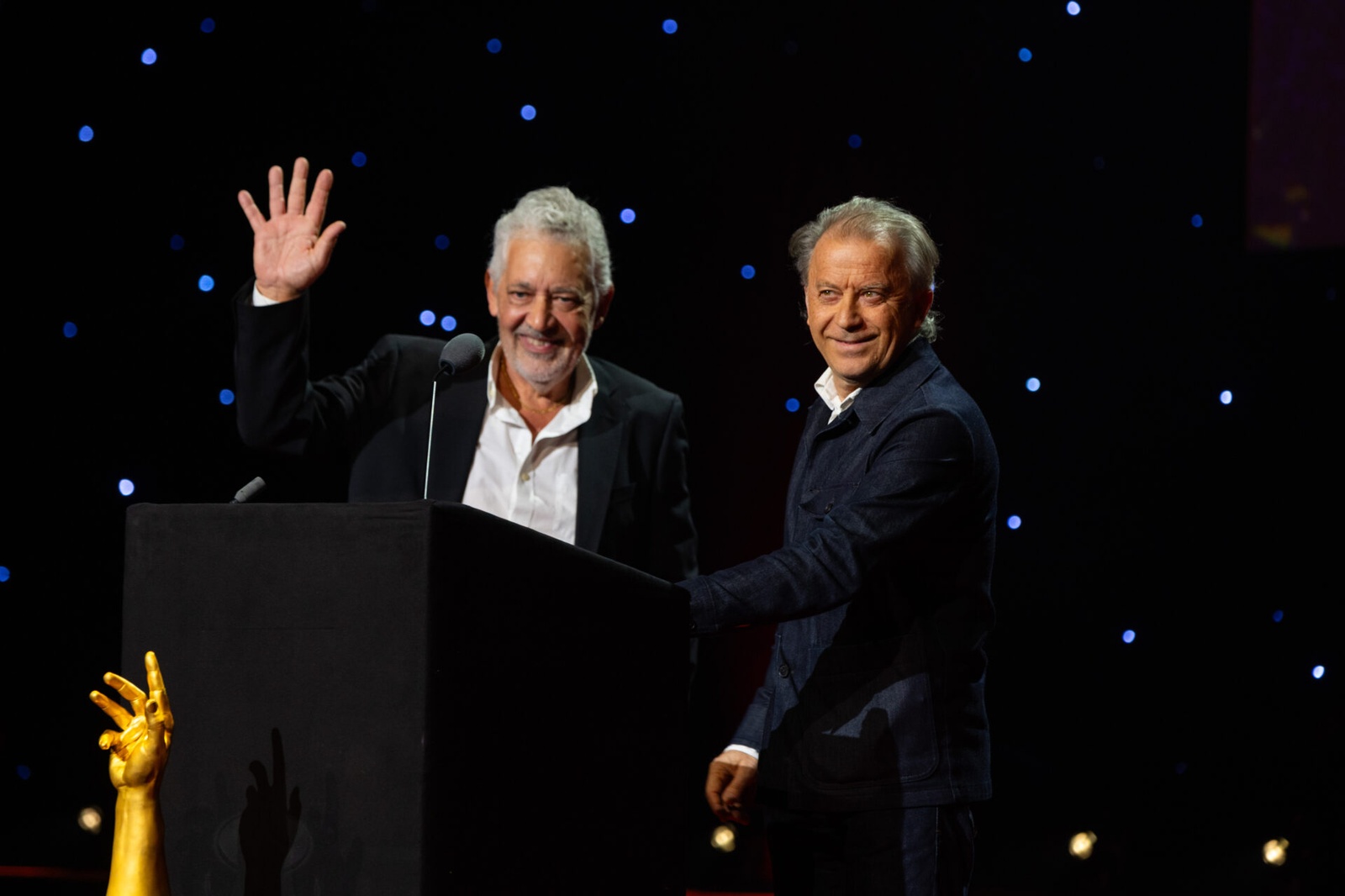
That’s fine in principle, but what was it that really united a jump hour, a skeletonised two-hander, a “rattrapante” (of sorts), a hand-engraved quartz-regulated three hander and two open-worked watches that use wildly different ways to display time? And, given that none of them was exactly a “daily beater”, what is it that makes any of these more “Essential” than the others? It was hard to tell; the win by Daniel Roth, perhaps the best revival of any brand in the past few years, went to a watch that was certainly beautiful and well-executed but it did seem like something of an apples and oranges comparison (and seemed that watch was nominated here only because it couldn’t be nominated in the Time Only category, which requires a solid dial).
Chopard also won, in addition to the Ferdinand Berthoud wins, two prizes in its own right: for the fantastically executed “Mystery Nut” in the Jewellery category and its blue LUC 1860. The latter of these felt like a rare misstep for the ceremony: while the 1860 is certainly beautiful and I have to disclose my bias in owning one of the original run of pieces, it was originally released 30 years ago and has been iterated several times since. The only change from the salmon-dial version of a few years ago was a change in dial colour – beautiful, certainly, but perhaps not the stuff of prize awards. I felt that the Naoya Hida Type 8A, a 31mm perfectly executed and hand engraved piece, released for the first time this year, would have been a more worthy winner.
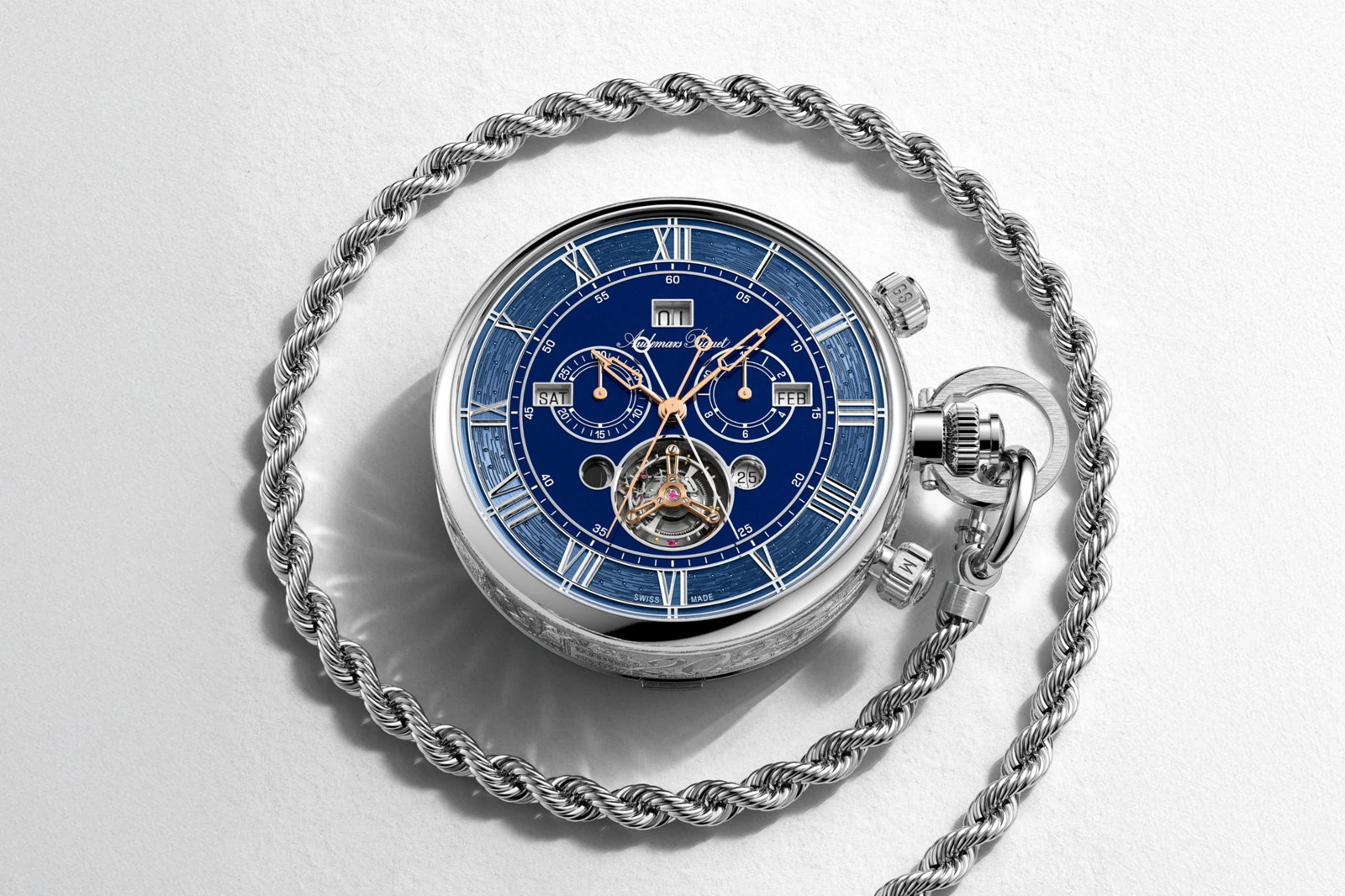
Another slightly-unexpected win was in the Calendar and Astronomy category (although this was a strong category, with at least five deserving contenders). While my vote would have gone to the beautiful Parmigiani Fleurier Toric Perpetual (or, perhaps, the Krayon Anyday), it was awarded to Audemars Piguet’s 150 Heritage, a £2.5m pocket-watch that certainly packs a lot into its 50mm and 24mm case but is unlikely to be worn out and about by any collector, remaining a museum-level curiosity rather than a properly functional object.
SpaceOne also deservedly won for its collaboration with Baltic – a handsome and considered piece at an accessible price – and Mathieu Cleguer triumphed for “Complication” in a tough field for his excellent “Inspiration One”, designed by the ever-talented (and ever in-demand) watch designer Lee Yuen-Rapati. This was Cleguer’s first piece in his own name and it was a justified win, even against titans like Bernhard Lederer and Dominique Renaud (although the latter did pick up the “Horological Revelation” prize for his piece). Oracle Time had also pinned the Cleguer as one to watch earlier in the year.
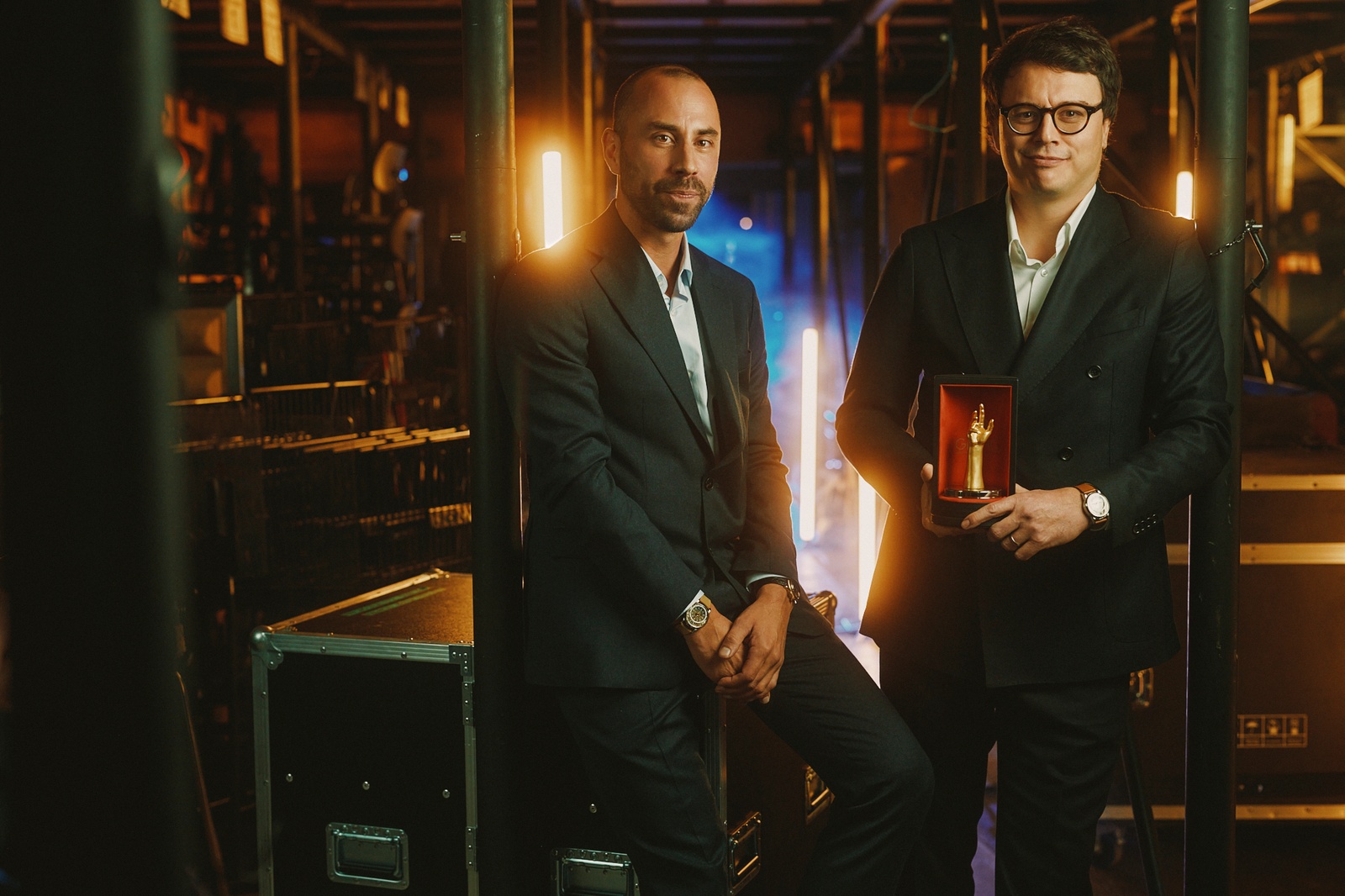
The Blancpain Grande Double Sonnerie won the “Mechanical Exception” prize: a worthy winner for the most complex Blancpain ever, playing one of two melodies with its Westminster chime hammers: the wins by Chaykin and Ferdinand Berthoud in the special categories thinned the field of nominees here but it was still a strong line-up of which any of the remaining four could have justifiably won.
Ultimately, while the judging and the results were decidedly better than they have been in the past; the ceremony itself still needs work. Part of what has made the real Oscars “the Oscars of the film world” is the slick production, great writing and considered and rehearsed timing and flow of the ceremonies. An investment in these by GPHG should more than pay for itself with greater visibility and viewing figures for the broadcast (maybe even affording the serving of drinks before the ceremony in future years).
All of the winning pieces will be on display at Watches of Switzerland in Knightsbridge from 18-23 November: do go and admire (and make up your own mind) if you get the chance.
GPHG 2026 Winners
Who won the “Aiguille d’Or” Grand Prix at the GPHG?
The “Aiguille d’Or” Grand Prix went to Rexhep Rexhepi for the Chronograph Flyback.
Who won the Iconic Watch Prize?
The Iconic Watch Prize went to Audemars Piguet for the Royal Oak “Jumbo” Extra-thin Selfwinding Flying Tourbillon Chronograph RD#5 “150th Anniversary”.
Who won the Special Jury Prize?
The Special Jury Prize went to Patek Philippe for the Watch Art Grand Exhibition.
Who won the Audacity Prize?
The Audacity Prize went to Konstantin Chaykin for the ThinKing Mystery.
Who won the Chronometry Prize?
The Chronometry Prize went to Ferdinand Berthoud for the Naissance d’une Montre 3.
Who won the Horological Revelation Prize?
The Horological Revelation Prize went to Dominique Renaud for the Pulse60 Titanium Black.
Who won the Mechanical Exception Watch Prize?
The Mechanical Exception Watch Prize went to Blancpain for the Grande Double Sonnerie.
Who won the Complication Watch Prize?
The Complication Watch Prize went to Cleguer for the Inspiration One.
Who won the Chronograph Watch Prize?
The Chronograph Watch Prize went to Parmigiani Fleurier for the Tonda PF Chronographe Mystérieux.
Who won the Tourbillon Watch Prize?
The Tourbillon Watch Prize went to Ferdinand Berthoud for the Chronomètre FB 2TV.
Who won the Sports Watch Prize?
The Sports Watch Prize went to Grand Seiko for the Spring Drive U.F.A. Ushio 300 Diver.
Who won the Calendar and Astronomy Watch Prize?
The Calendar and Astronomy Watch Prize went to Audemars Piguet for the 150 Heritage.
Who won the Essential Watch Prize?
The Essential Watch Prize went to Daniel Roth for the Extra Plat Rose Gold Skeleton.
Who won the Time Only Watch Prize?
The Time Only Watch Prize went to Chopard for the L.U.C 1860.
Who won the Jewellery Watch Prize?
The Jewellery Watch Prize went to Chopard for the Mystery Nut.
Who won the Artistic Crafts Watch Prize?
The Artistic Crafts Watch Prize went to Louis Vuitton for the Tambour Taiko Arty Automata.
Who won the Gemset Watch Prize?
The Gemset Watch Prize went to Piaget for the Swinging Pebble.
Who won the “Petite Aiguille” Watch Prize?
The “Petite Aiguille” Watch Prize went to Otsuka Lotec for the No.8.
Who won the Challenge Watch Prize?
The Challenge Watch Prize went to SpaceOne for the SpaceOne X Baltic – Seconde Majeure.
Who won the Mechanical Clock Prize?
The Mechanical Clock Prize went to La Vallée for the Cosmo.
More details at GPHG.