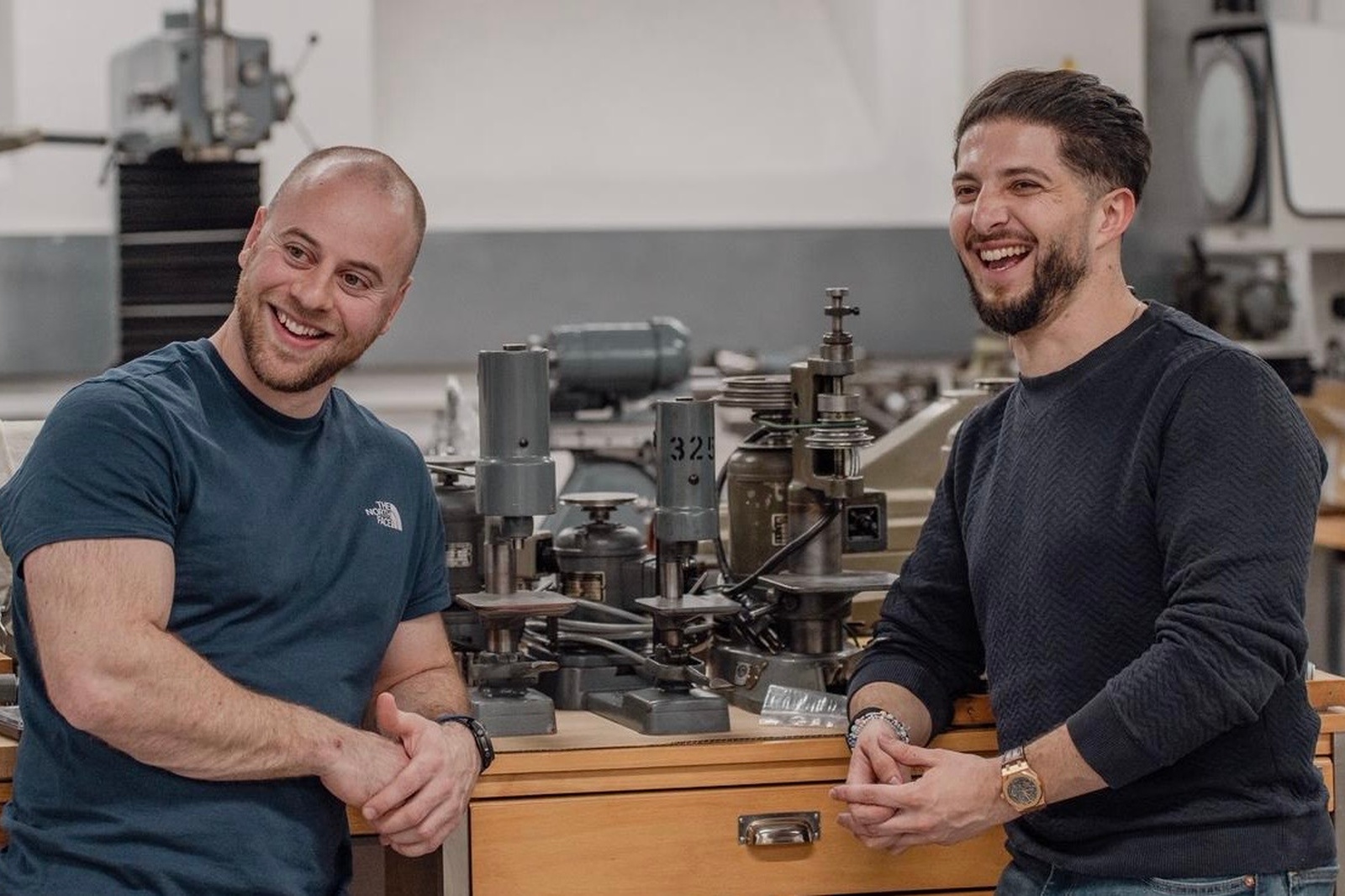
In La Chaux-de-Fonds, Maximin Chapuis and Jason Chevrolat are both still under 30, but have already been in the industry for many years. Both have spent two years quietly researching a name and a movement that horology mislaid a century ago, with a distinct British connection. Bahne Bonniksen was a Danish watchmaker who worked out of Coventry and gave chronometry the Carrousel. You would be forgiven for not knowing its significance, unless you are a dyed-in-the-wool pocket watch collector, but it was a rival to the tourbillon. A rival, complex mechanical solution that history and two world wars buried, now to be reborn in a smaller, wearable format.
Chapuis and Chevrolat are creating their brand and the first Bonniksen watch under the mantle of Naissance d’une Montre 4, an ongoing series backed by the Time Æon Foundation – a group dedicated to the preservation of skilled horological crafts and championed by legends like Greubel Forsey, Philippe Dufour, Vianney Halter and more. This is the first time the Time Æon Foundation has helped to found a brand rather than just producing the next model in the NDM range.
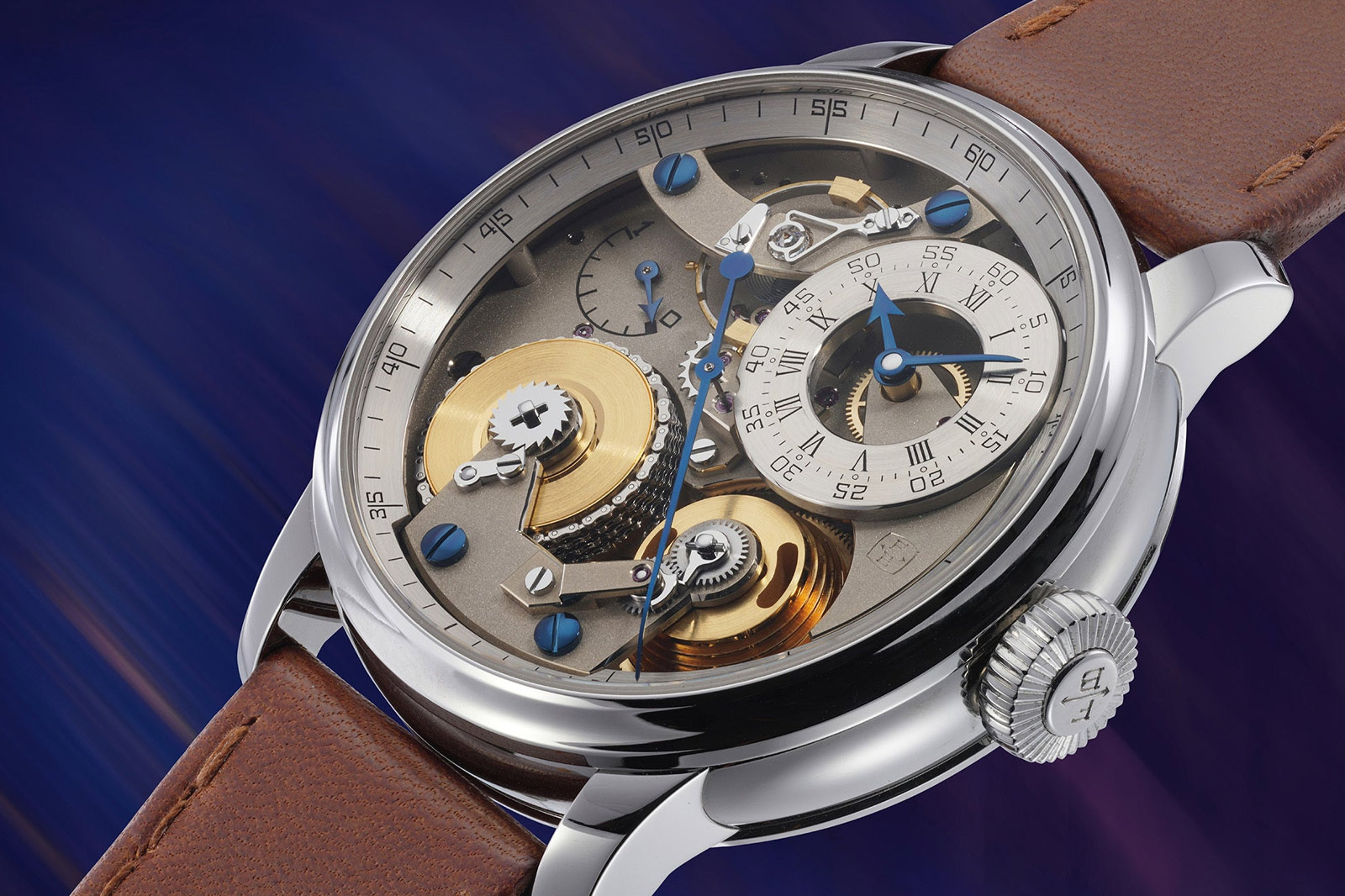
The NDM 3 came out in 2025 and was made by Chopard’s top tier, historical brand Ferdinand Berthoud, a piece unique in steel auctioned off last November with ten more in 18K coming this year. The Bonniksen team is backed by Greubel Forsey, and the upcoming 40mm watch will be fielding the argument that the Carrousel deserves its place back at the top table. I would also argue that Bonniksen, the man, deserves his name back on a dial, just like Urban Jürgensen, the Danish watchmaker whose brand was revived last year.
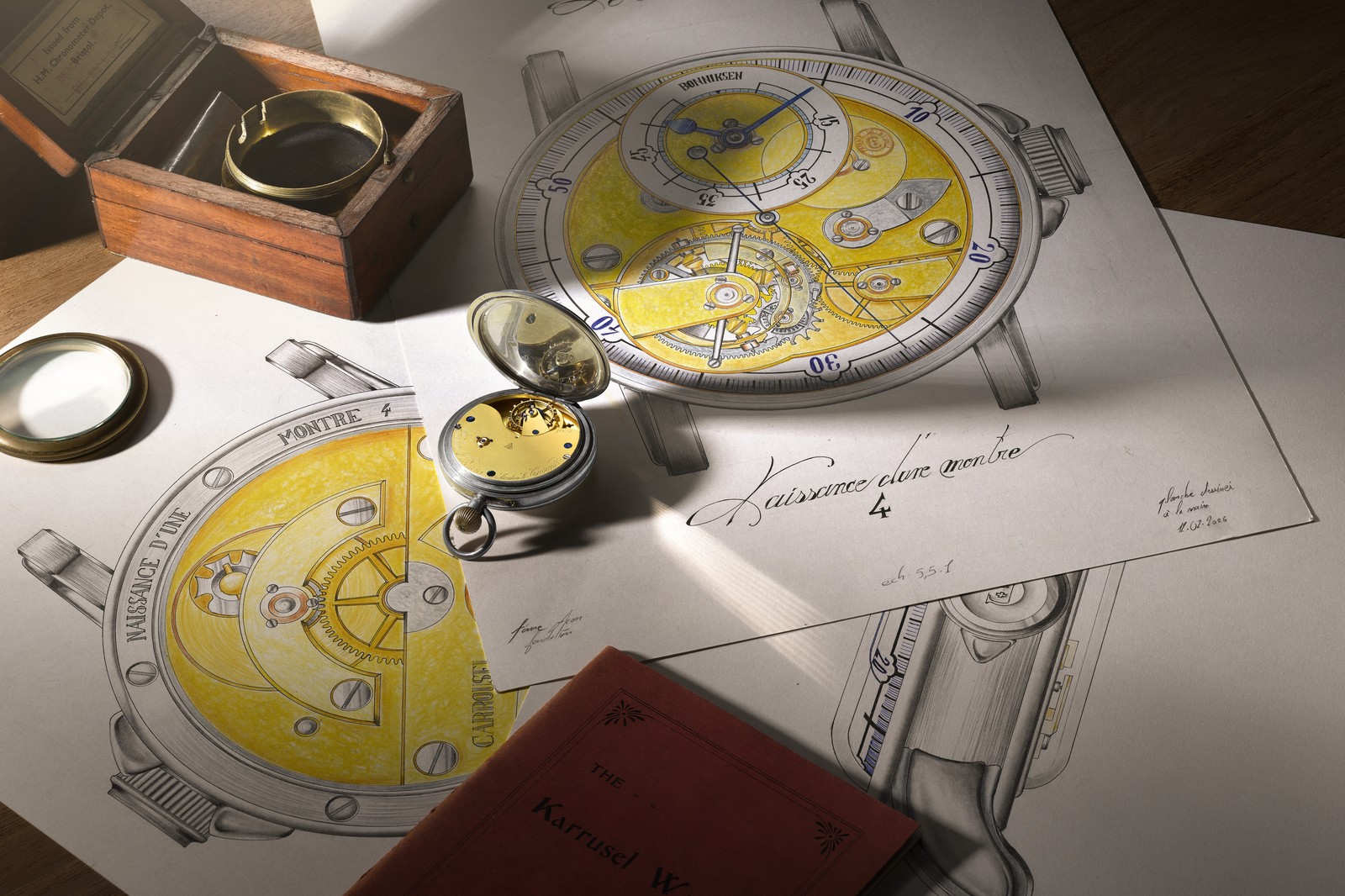
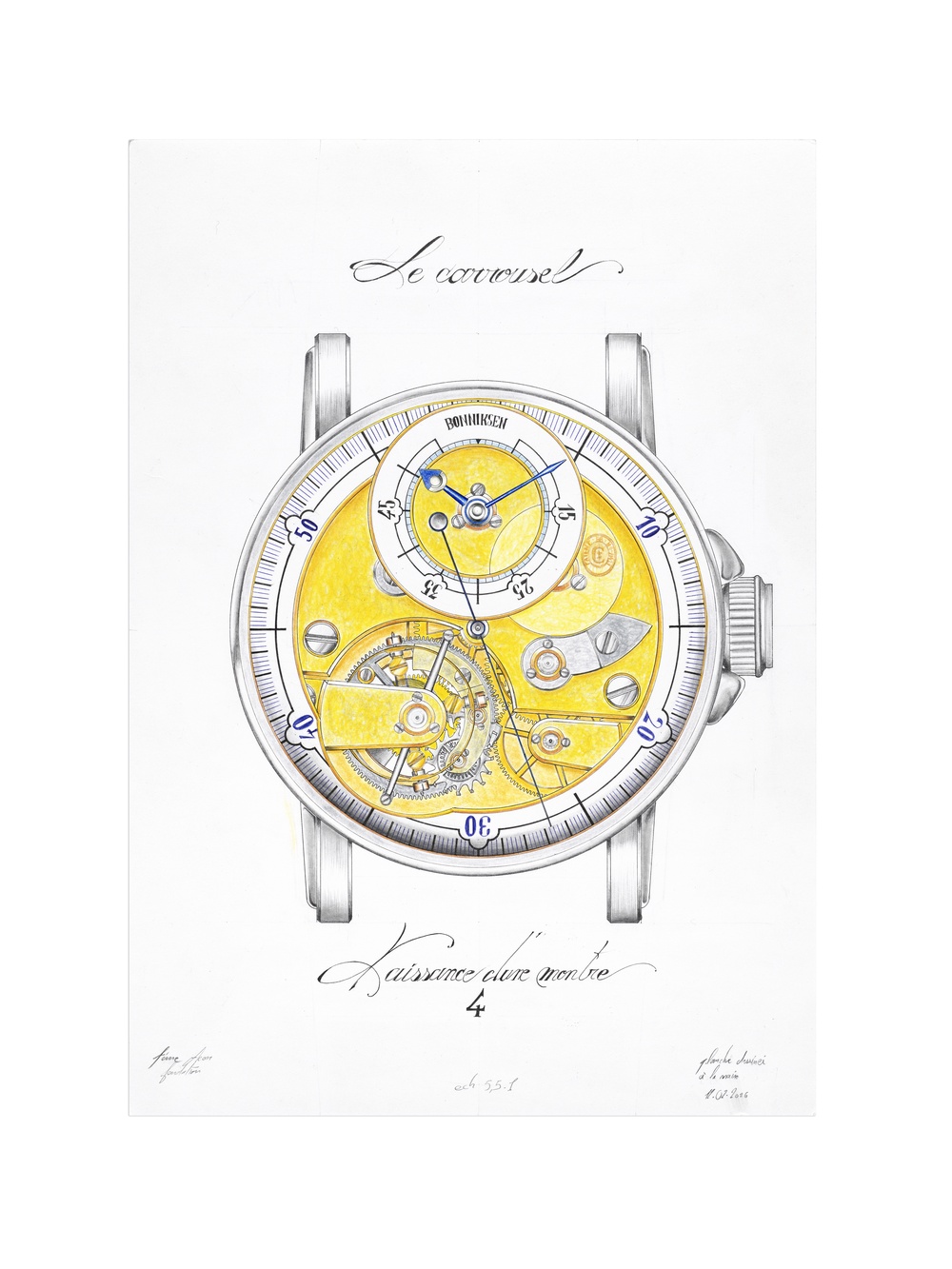
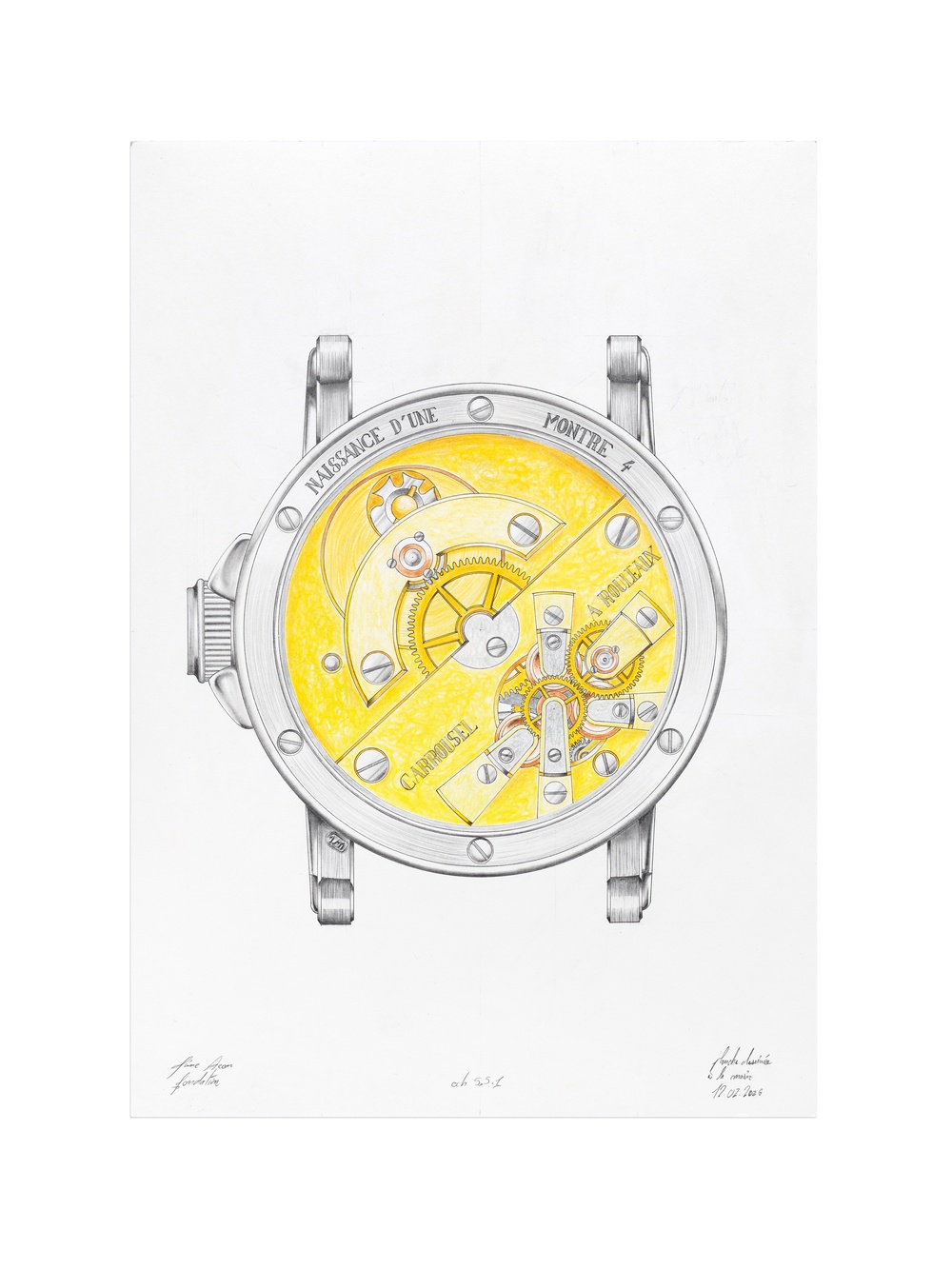
The piece itself will feature the first hand-crafted Carrousel built into a wristwatch under 40mm, a scale nobody attempted in Bonniksen’s own lifetime. Two domed crystals expose the three-hand inverted calibre from both sides, while its atypical three-quarter plate will do away with any pretence of hiding the reborn tourbillon challenger. The finishing surpasses the English vocabulary Bonniksen himself would have recognised, with screwed chatons, a mainspring barrel boss, six-spoke wheels, hand polished chamfers and black polish on many components. The debut piece unique in steel piece will go to auction, with ten more follow.
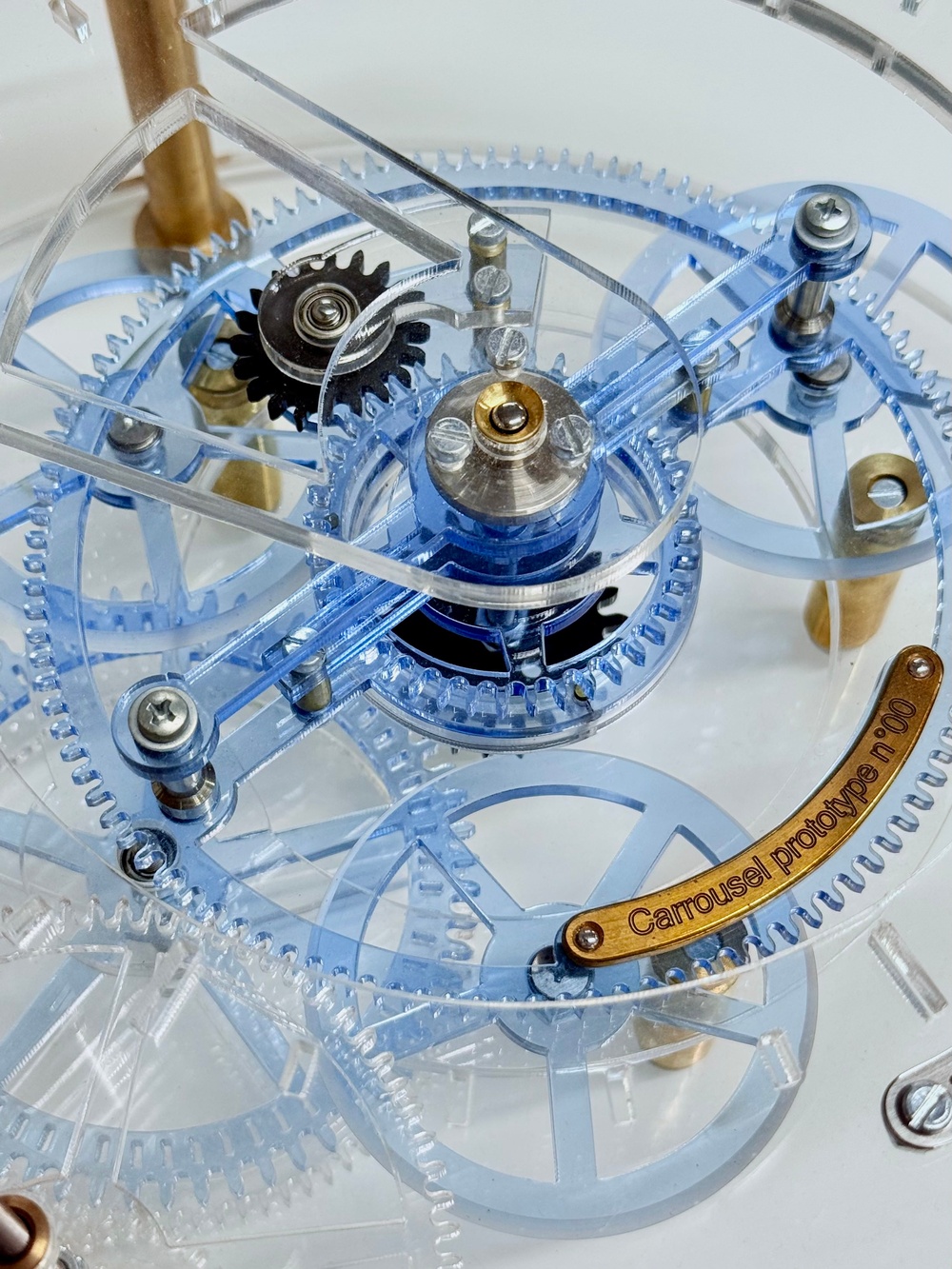
Talking to Maximin Chapuis before the summer, later joined by Jason Chevrolat, in a Genevan hotel suite, one major goal is made crystal clear. Like Greubel Forsey’s Hand Made One and Two, the Bonniksen duo aims to exhibit a genuinely handmade piece, not merely hand-finished.
The Carrousel you’re basing the project on has been largely forgotten for over a century. What made you decide to bring it back, and what made it worth the, what, over 5,000 hours of research?
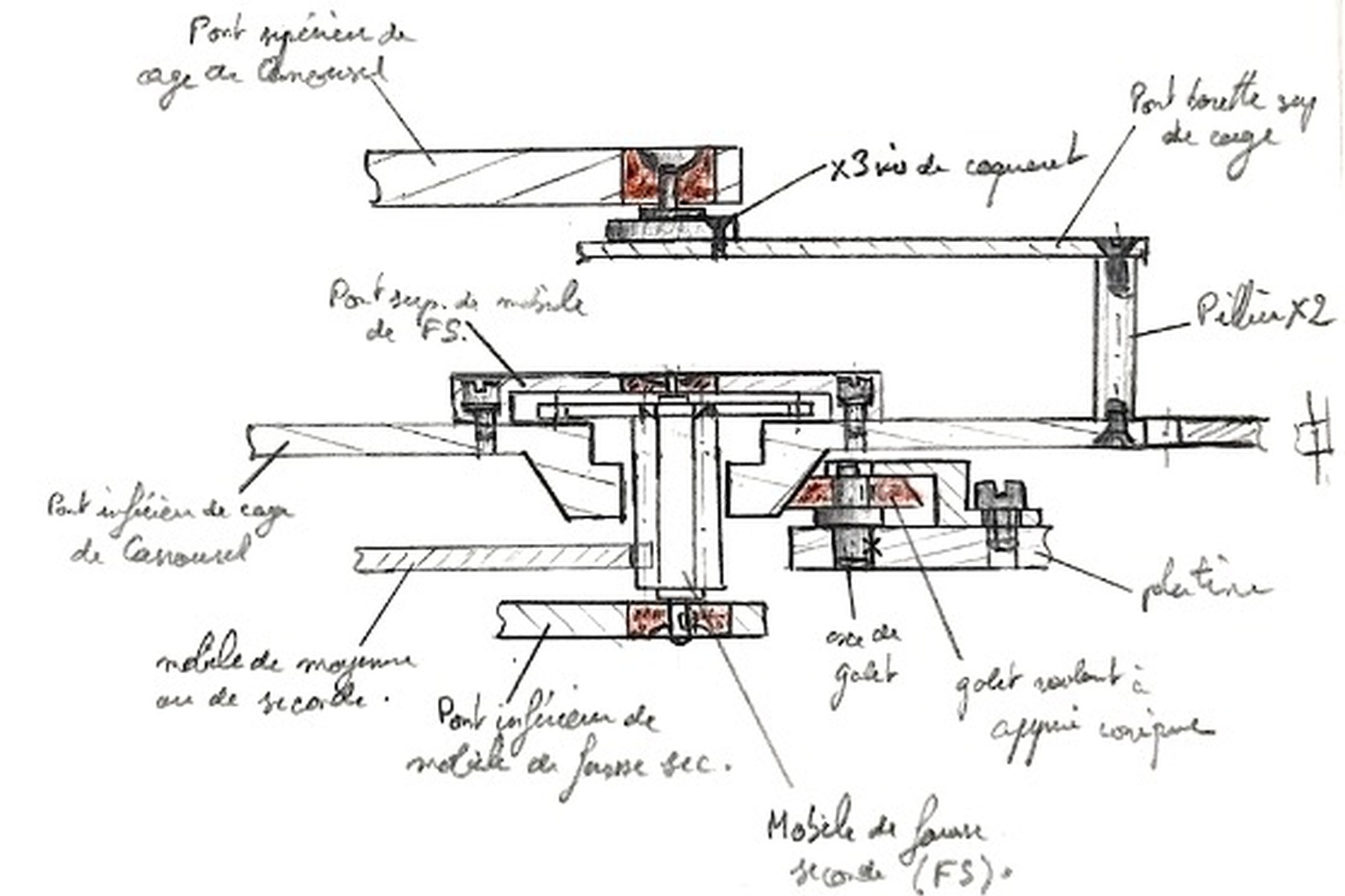
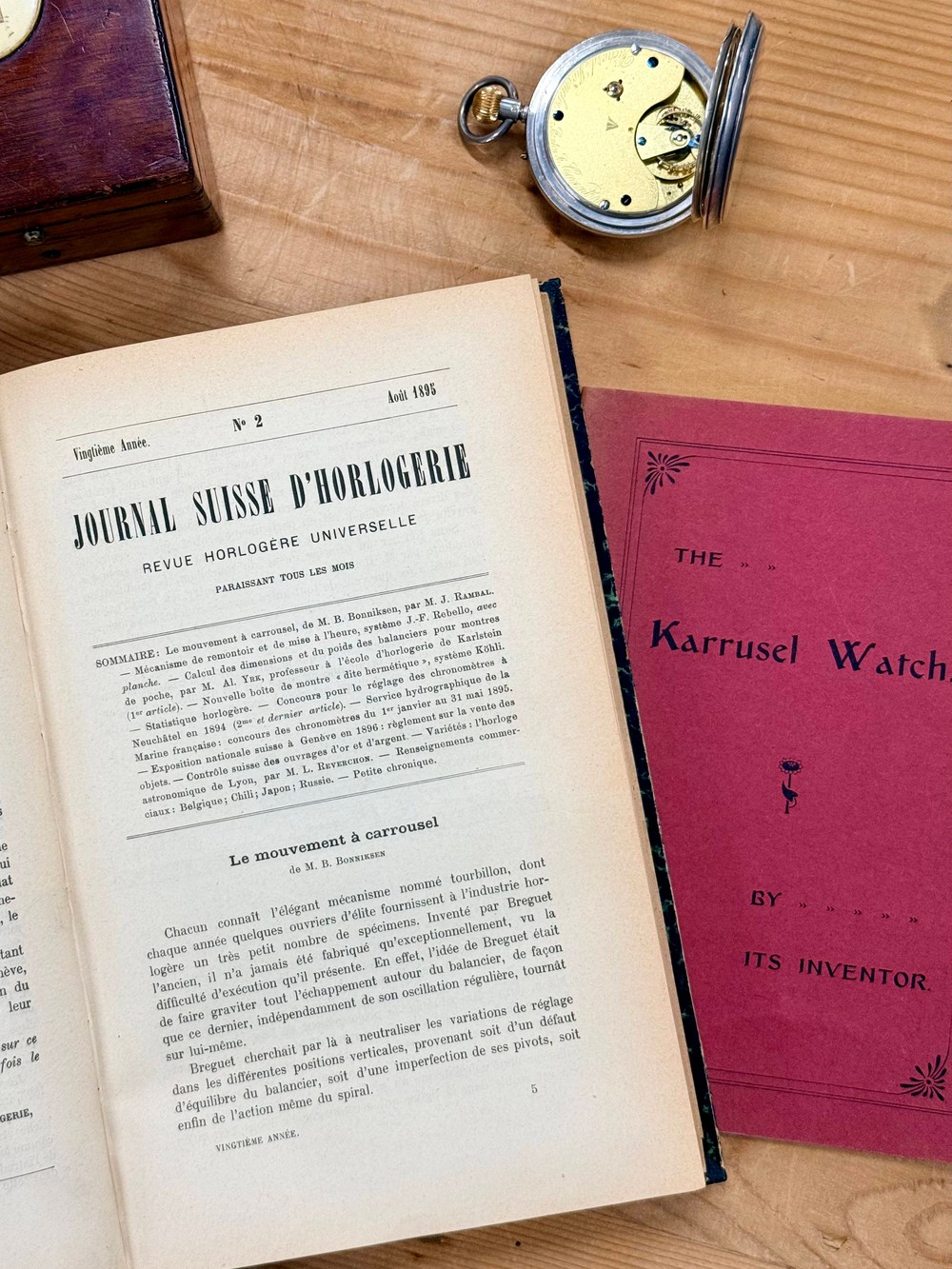
Maximin Chapuis: The Carrousel mechanism was invented in 1892 by Bahne Bonniksen, a Danish-born watchmaker established in Coventry, England. To answer your first question: the Carrousel was really an unknown mechanism, how it actually works. I chose it because, during my studies, when I asked in Switzerland how it worked, I never got a proper answer. I found out, while doing my bachelor’s degree, that there weren’t many experts, and I really needed to dig into it, because I also discovered that Bahne Bonniksen made a last drawing in 1903, of a fully pivoted Carrousel that never existed.
You’ve also been in direct contact with the descendants of Bahne Bonniksen. Did that relationship open up anything you weren’t expecting?
Maximin Chapuis: We didn’t want to just buy a name and make watches like that. We wanted to make contact with the family first, out of respect, to pay tribute to Bahne Bonniksen. We found out his family wasn’t making watches at all anymore. When Bahne Bonniksen passed, nobody took over his horological business. Around 1905, just at the turn of the 20th century, the British horological trade was starting to collapse.
You have the backing of Greubel Forsey on this project, while operating independently and building your own brand. How important is that connection?
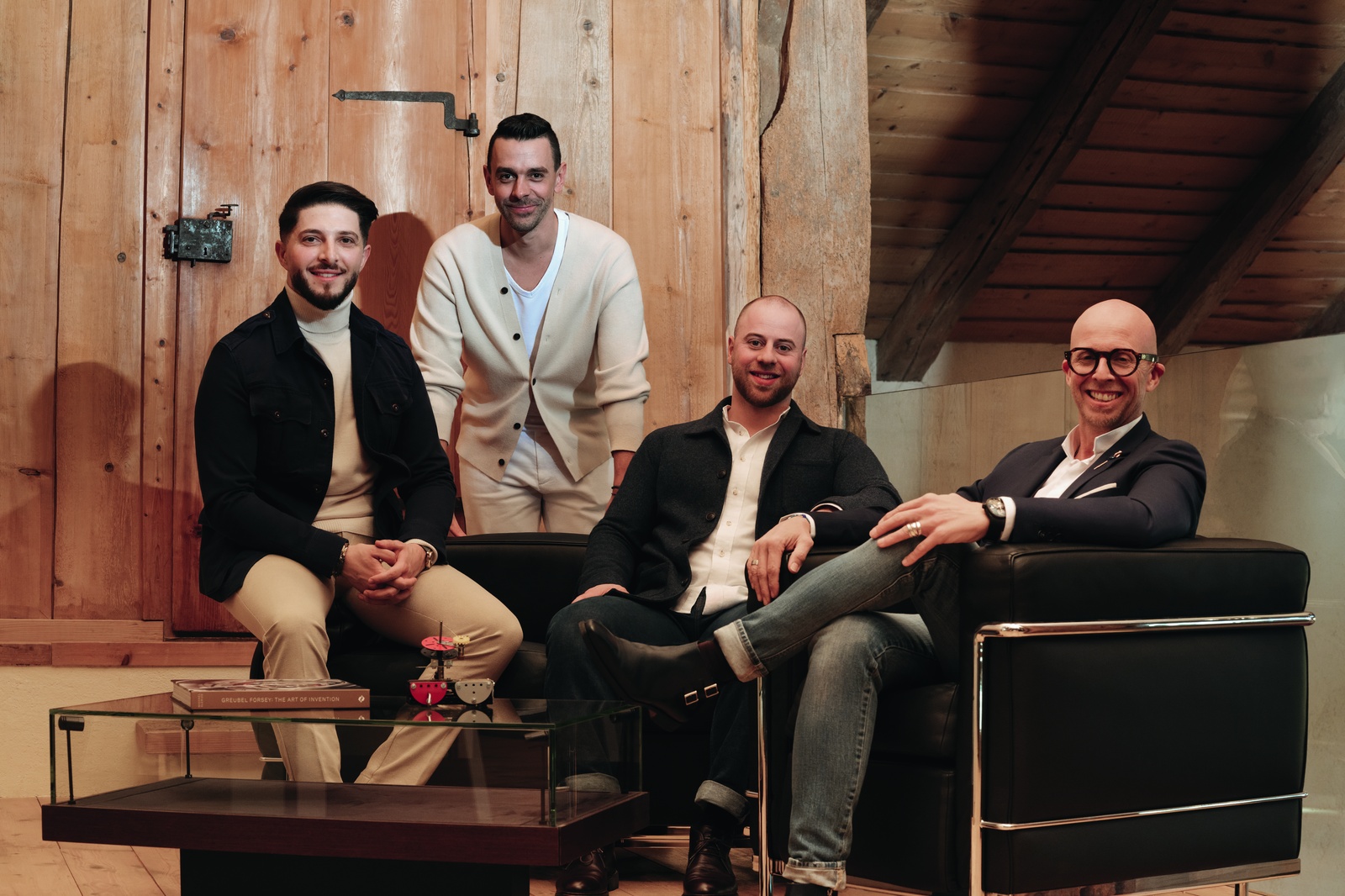
Maximin Chapuis: It’s extremely important to me as a watchmaker. When I started out, I dreamed of being a watchmaker and machinist, following Naissance d’une Montre. The brand was really at the top of all of that, in terms of quality, hand-finishing, machining, transmission of knowledge. To have their support, to have them as a godfather, it feels genuinely lucky. With NM4, it’s Naissance d’une Montre, the birth of a watch. The birth of watch number four, but also the birth of a handmade workshop, and the birth of the brand.
So you both come from very different backgrounds. What about your journey, Jason, and how did the two of you end up building this together?
Jason Chevrolat: I was a dreamer, and I used to dream about living off my passion. I was a national-level professional athlete in mountain-bike downhill. I quickly realised I couldn’t make a living from that alone, so I decided to put the same intensity into my studies instead. I finished my education in France with two master’s degrees at the same time, one technical, from Polytech Paris, and the other in management, marketing and entrepreneurship. In the Chevrolat family, we were blacksmiths, father to son, going back generations. I always say I’m quite simple: I like cars, good wine, and watches. Watches are, to me, the real definition of luxury, because at the end of the day we don’t actually need them anymore.
A mutual friend told me, “Jason, I met this very young, passionate watchmaker, you should go have lunch with him, you’ll be impressed.” After that first meal together, I loved the human side of it. I met someone who wasn’t just passionate but genuinely knowledgeable, technically, and in terms of horological history. That first lunch went on for three or four hours. He had this thing he’d been working on for years, this dream of turning it into a brand one day. I said, “Max, this might be crazy, but what if we did it together?” And Max said, “That was exactly what I had in mind. This dream can become real, with you.”
Have you got investors, or is this self-financed?
Jason Chevrolat: We’re self-financed. In full transparency, we did have some remarkable offers along the way. A client of mine said, “Jason, I trust you. If you trust him, I want to trust him too. Here’s the number.” It was the kind of number that makes you pause when you hear it. But starting a journey like this, with everything it demands, and letting some pieces of my own collection go along the way, our independence has no price. So we’re not for sale. I think we’ll be proud if we get through this and can look at each other in twenty, thirty, forty years and say we did it.
The Foundation’s mission is to preserve the skills of handmade watchmaking. Does that feel more urgent now?
Maximin Chapuis: I’d say even more urgent. From a historical point of view it’s urgent not to lose these skills. So many brands describe things as handmade. Jason often gets asked by collectors: is this handmade? If you actually count, there’s the Greubel Forsey handmade department, Ferdinand Berthoud, Vianney Halter’s Naissance d’une Montre 2. Who else is genuinely making handmade watches, rather than a hand-finished watch marketed as handmade? We need to keep transmitting it, creating documentation, sketches, drawings. Every component made with the same care, under a microscope, and it takes real time.
What Chapuis and Chevrolat are creating in the end, isn’t only a Carrousel. It’s a wager that the slow production emanating from a centuries-old hand-turned version of watchmaking still has a market willing to pay for the hours. And judging by the success and collectability of earlier Naissance d’Une Montre pieces, as well as Greubel Forsey’s own Hand Made creations, the eleven buyers might already have made a note of Bonniksen. And my fellow Scandinavian Bahne Bonniksen would rejoice in what is a celebration of ingenuity as well as the British golden age of watchmaking, now with a Swiss, exquisite twist.


![Ulysse Nardin Introduce Freak [One Blue Enamel] and Freak [One Guilloché] for 25th Anniversary](https://oracleoftime.com/wp-content/uploads/2026/09/Ulysse-Nardin-Freak-ONE-Featured-600x337.jpg)
