The watch industry has its fair share of iconic timepieces, the kinds of watches that you know instinctively from a simple outline. But for every watch that’s survived 50 years of horological ups and downs, there are more that did not do that. The forgotten designs from major watch brands.
I’m not just talking about discontinued dial colours or complications; Patek and Rolex do plenty of those each year. I’m not even talking about little known brands here. No, I’m talking about whole collections that some of the watch industry’s biggest players have relegated to old dusty catalogues and occasional quirky vintage auctions. They may have made a splash when they first burst onto the scene – and most of these very much did – but since then they’ve been all but forgotten.
So, without further preamble here are my picks for the best forgotten watches from big watch brands. And as I’m not even attempting to be comprehensive, let me know which you’d put forward in the comments.
Bulgari Diagono Scuba
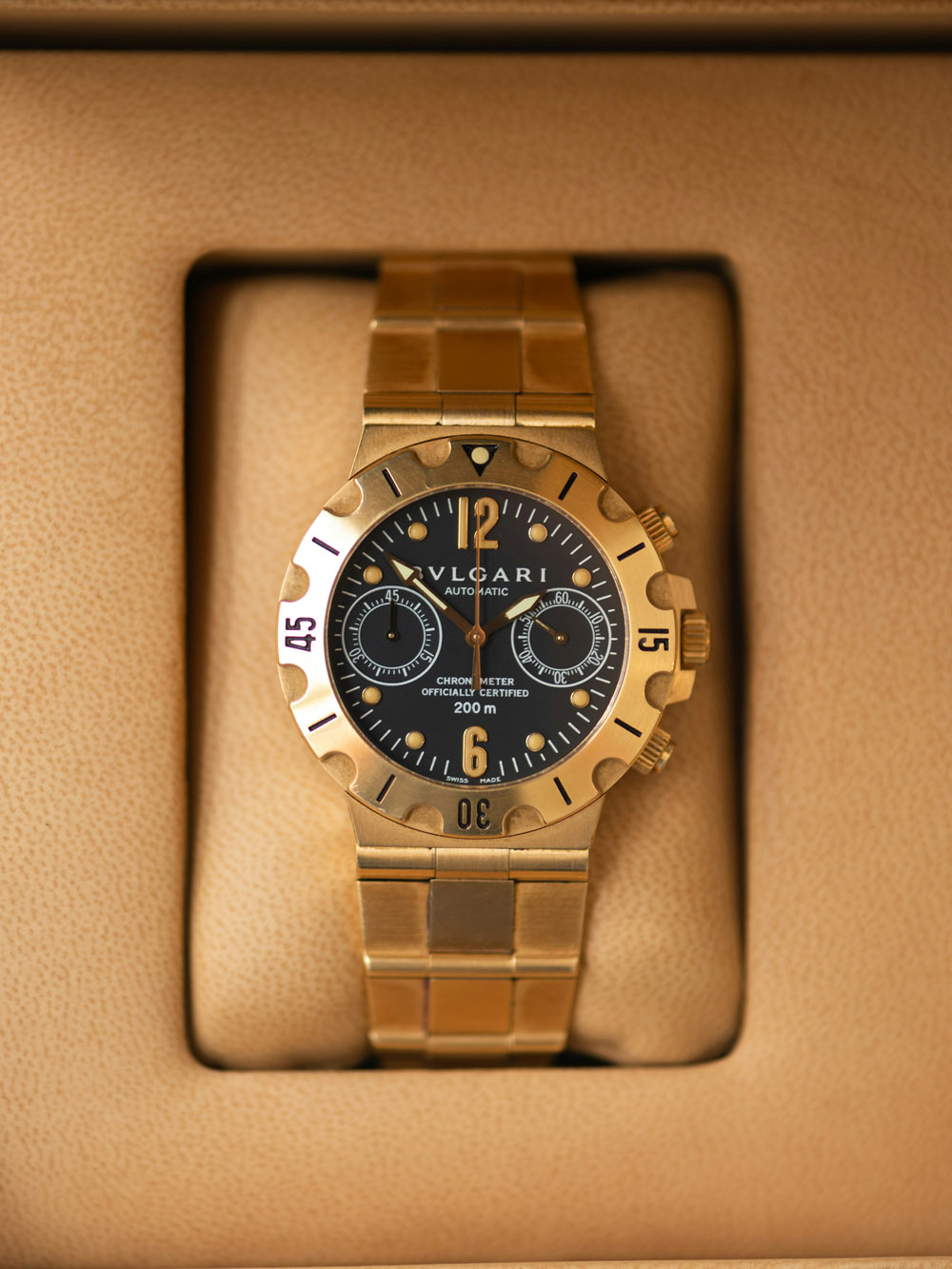
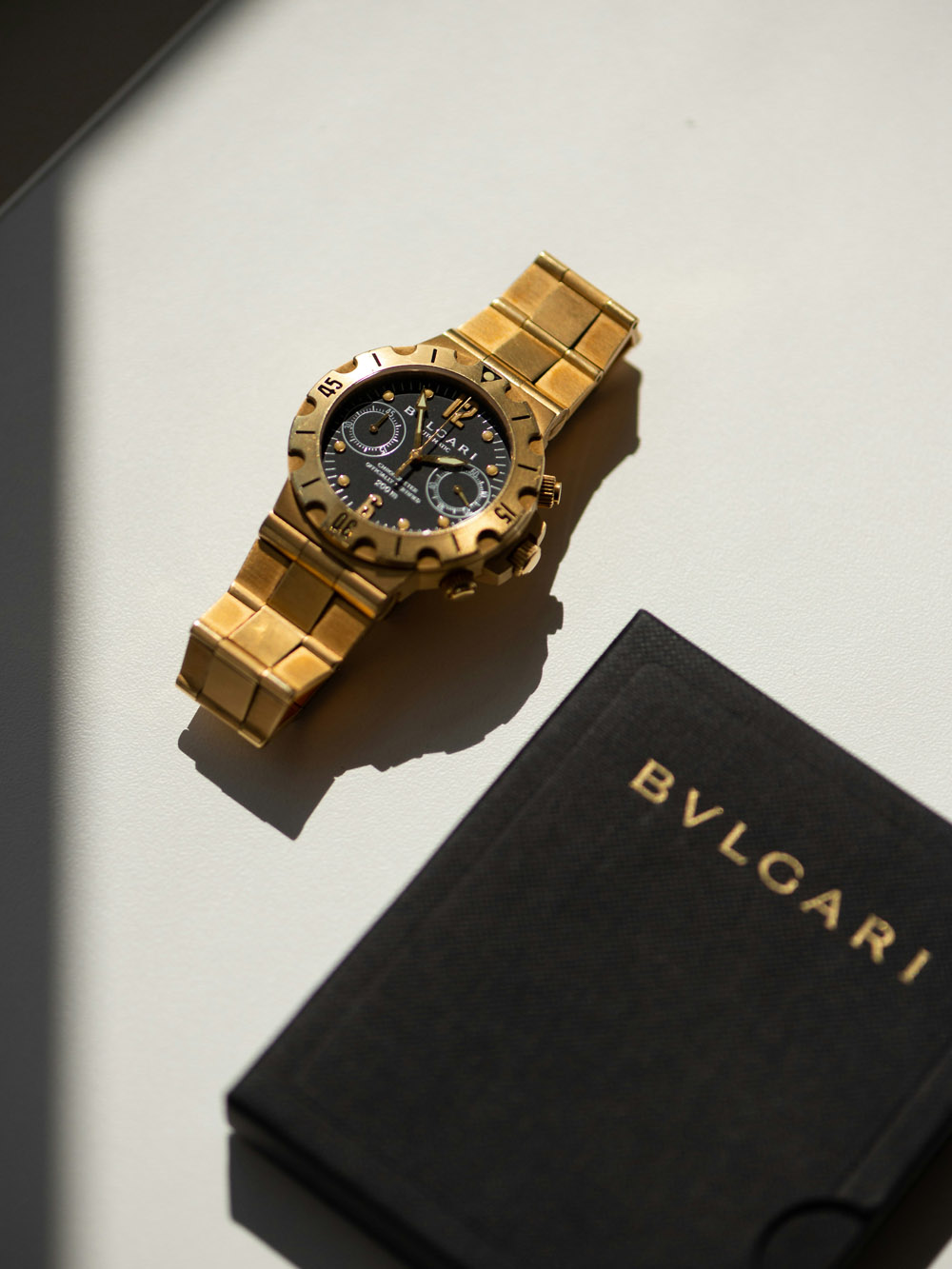
Image credit: Watch Collecting
Let’s start with something worryingly recent. Before Bulgari started making annual headlines with the Octo Finissimo, they tried their hand a few times at sports watches. While the end result of that was the 1998 Aluminium (recently revived last year), there was a particularly funky missing link in there: the Diagono Scuba.
A diving version of their Diagono sports watch, the Scuba version was defined by its intense cogwheel-esque diving bezel and gargantuan crown protector. It makes sense; Italians love huge, out-there diving watches. But it wasn’t all style over substance, as not only did it house a COSC-certified movement, but said movement was protected (in the Professional version at least) by 2,000m water resistance. They also included a broad, flat-linked rubber strap that was transcribed wholesale onto the Aluminium.
The Diagono Scuba saw a brief revival in 2015 but has otherwise completely fallen off as a brief footnote in the Aluminium’s history. But if you like this kind of off-kilter Italian flair, submarine-worthy diving specs and a price tag under £2,000, look no further.
Heuer Monza

In 1976, Ferrari won both the F1 constructors’ championship and drivers’ championship, a double whammy they’d not accomplished for over a decade. As their timing partner for the season, Heuer were on hand to celebrate with them and, along with a couple of helmet-shaped desk clocks (seriously, they’re kitsch perfection), they did so with the Heuer Monza.
It was similar in overall design to the early automatic Carrera, meaning curvaceous sides flowing into the lugs. The big difference here was that it was blacked-out, Heuer’s first dabbling in stealthy coated watches. It also included plenty of red against black and arguably laid the blueprints for the stereotypical ‘dashboard inspired’ racing watch. It was equipped with the brand’s more economical (read entry-level) calibre 1 and basically aimed at the audience the Formula 1 would later capture.
There were a few versions, such as the ultra-rare Modena, which replaced ‘Monza’ on the dial, or a Japanese version dedicated to motorsport sponsor Racing Mate. But for the classic Monza – which in TAG Heuer circles sits just below the grail-worthy Monaco “Dark Lord” and the Autavia 11063 – you’re looking at somewhere between £3,000 and £5,000.
And yes, I know TAG Heuer did a re-issue back in 2016 and 2023, but a couple of LEs does not constitute a comeback.
Longines Comet

Image credit: Analog Shift
Honestly, Longines has been a watchmaking force long enough that there are more forgotten watches in their catalogue than anyone but an archivist can remember. But if there’s one that deserves a long overdue return to the limelight it’s the pitch-perfect retro good looks of the Longines Comet.
Just take a look at what we’re working with here. You have a squared cushion of a case that would feel at home in a kickstarter-hot microbrand, bright colours and concentric rings and a genuinely inventive mystery dial layout. The hour ‘hand’ is just a central disc with a huge, cartoony arrow printed on it, while the minutes are relegated to a dot on the outer ring of colour – the titular comet.
It was available in red, blue and yellow – the latter being a particular highlight – and it’s the type of watch that Longines should have leapt on as soon as the modern vintage revival started gaining steam. Still, a decent version shouldn’t set you back much more than £1,500. And if you need more convincing, vintage expert Ken Kessler is a big fan, too.
Omega Polaris
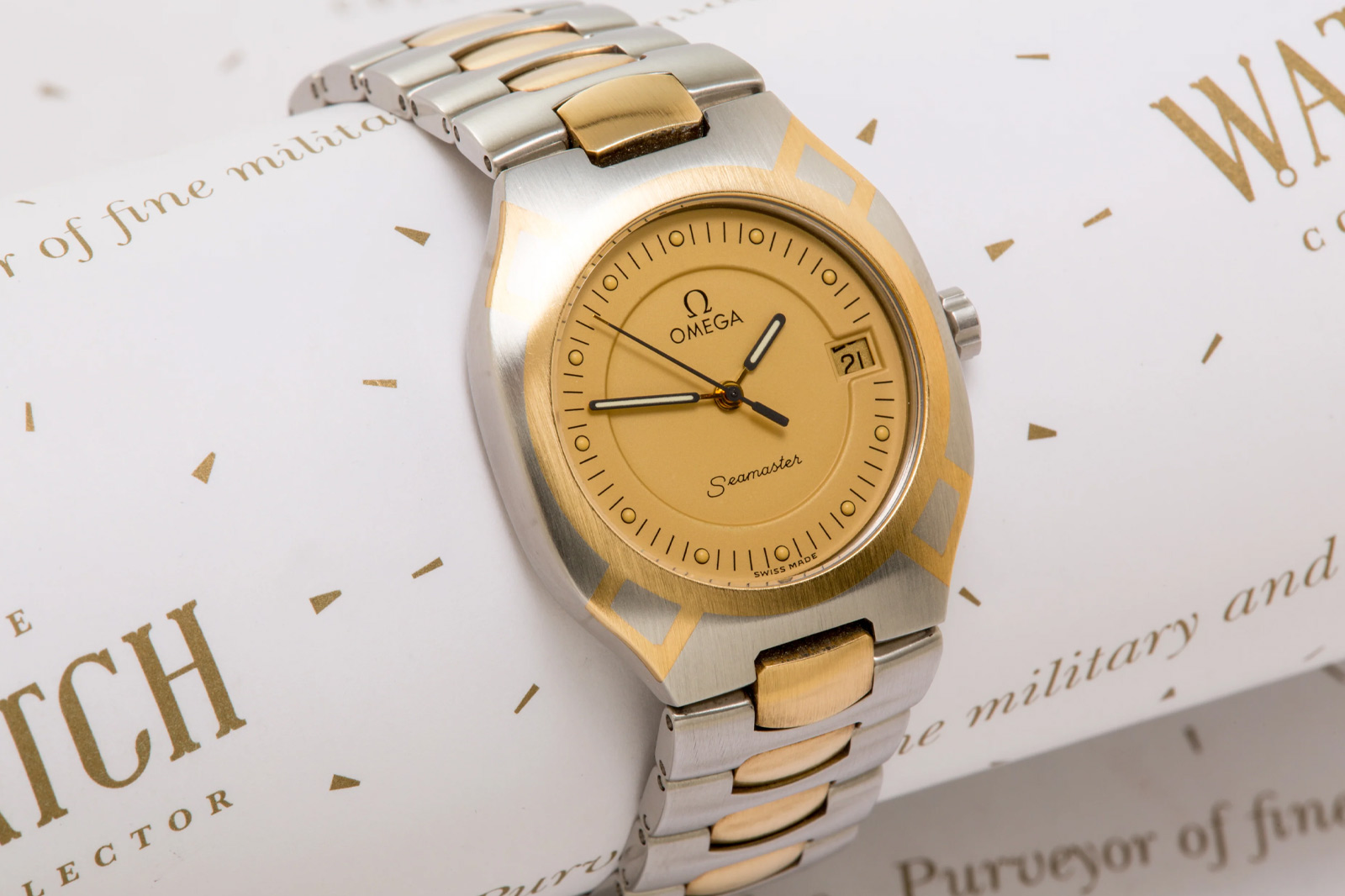
Image credit: The Watch Collector
Some watches don’t stand the test of time because of a shift in brand direction, changing tastes or advancing technology. The Omega Polaris was the victim of all three. The poor thing never stood a chance – despite having the gravitas the watch world’s most legendary designer behind it. Not only is it aesthetically of its era, it’s an early quartz model. Yes, this is a quartz-powered Gerald Genta watch.
Originally launched in 1982, the Polaris was ostensibly part of the Seamaster collection but only because it didn’t fit anywhere else. Diminutive at 32mm in diameter and just 7.3mm thick, it really played up to the size benefits of quartz. But it’s only the size that could be called minimalist.
The Polaris is defined by its… unusual looks. Lozenge shaped and an early adopter of titanium, it featured inlaid gold in a weird geometric shape outlining the bezel and the case shoulders. Those elements carried through the Polaris’ lifespan, which saw chronograph models, more bi-colour elements, diamonds and a particularly cool Olympic edition.
It’s certainly a conversation starter and the kind of weird and wonderful thing I’d love to see Omega reprise. They won’t, but I’d love to see it. The fact that you can pick one up for between £1,000 and £2,000 feels kind of nuts.
Audemars Piguet Jules Audemars Ultra-Thin Automatic
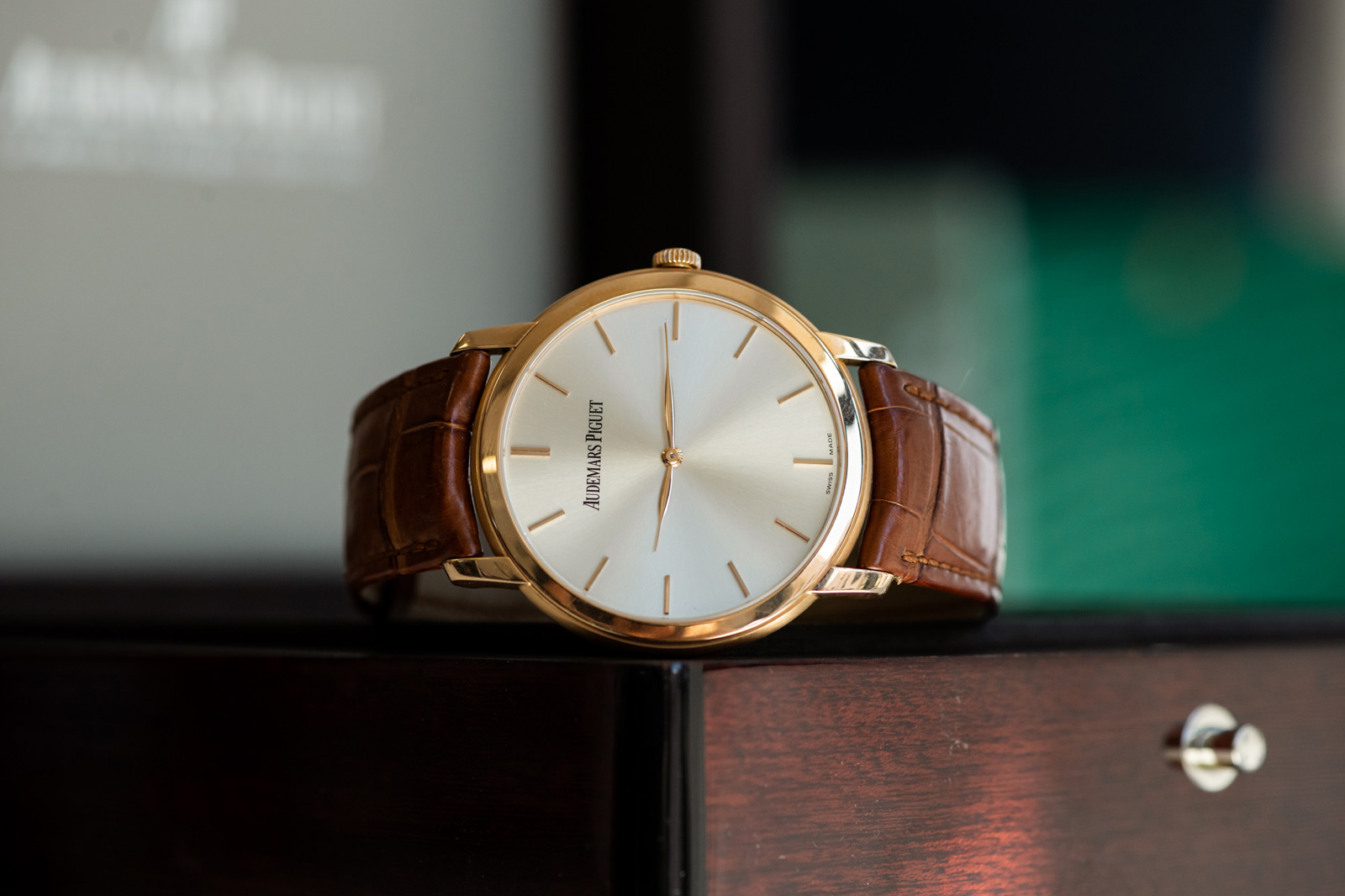
Image credit: Watch Collecting
Audemars Piguet has always struggled to get out from under the hexagonal shadow of the Royal Oak, but they’re not regarded as one of the ‘big three’ of watchmaking for a single piece of Gerald Genta’s inspired design. The hallowed house has always been a maestro of classical watchmaking and the Jules Audemars collection was an ode to that legacy, one that ended in the 2000s (alongside their rectangular Edward Piguet) as they moved away from dress watches.
There were a few complications dotted across the collection but the automatic ultra-thin number is a winner. 41mm of restrained, rarefied dial in silver or black with minimal indexes, they were the consummate less-is-more piece, not what you’d expect from modern AP. In fact, most of the action happened on the movements which were gorgeously decorated, emphasizing watchmaking over punchy aesthetics.
The fact that AP still have a page on their website for the Jules Audemars suggests some faint glimmer of hope that we’ll see it again. But I wouldn’t bet on it. For now, you can get a decent non-complication example for the £8,000 – £10,000 mark, which is money well spent.