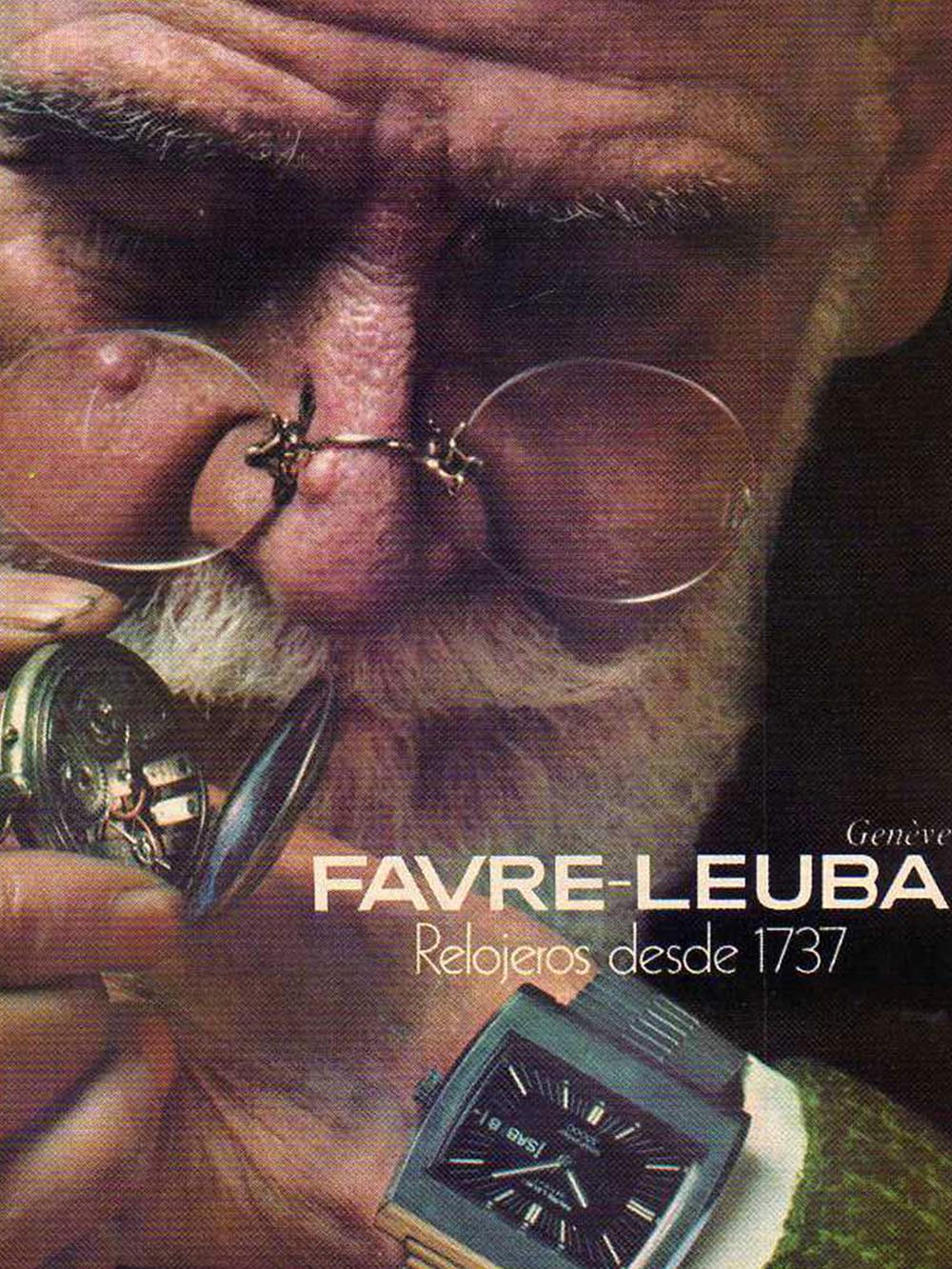
In our recent article on the Age of Watch Brands you can learn that the second oldest watch brand in history is Favre Leuba, founded in 1737. But a watch brand’s history is more than a simple number or age. It’s a story told across the span of years, decades and in Favre Leuba’s case, centuries. So, let’s dive in and learn all about one of the most venerable brands in the industry.
The Early Years 1718-1764
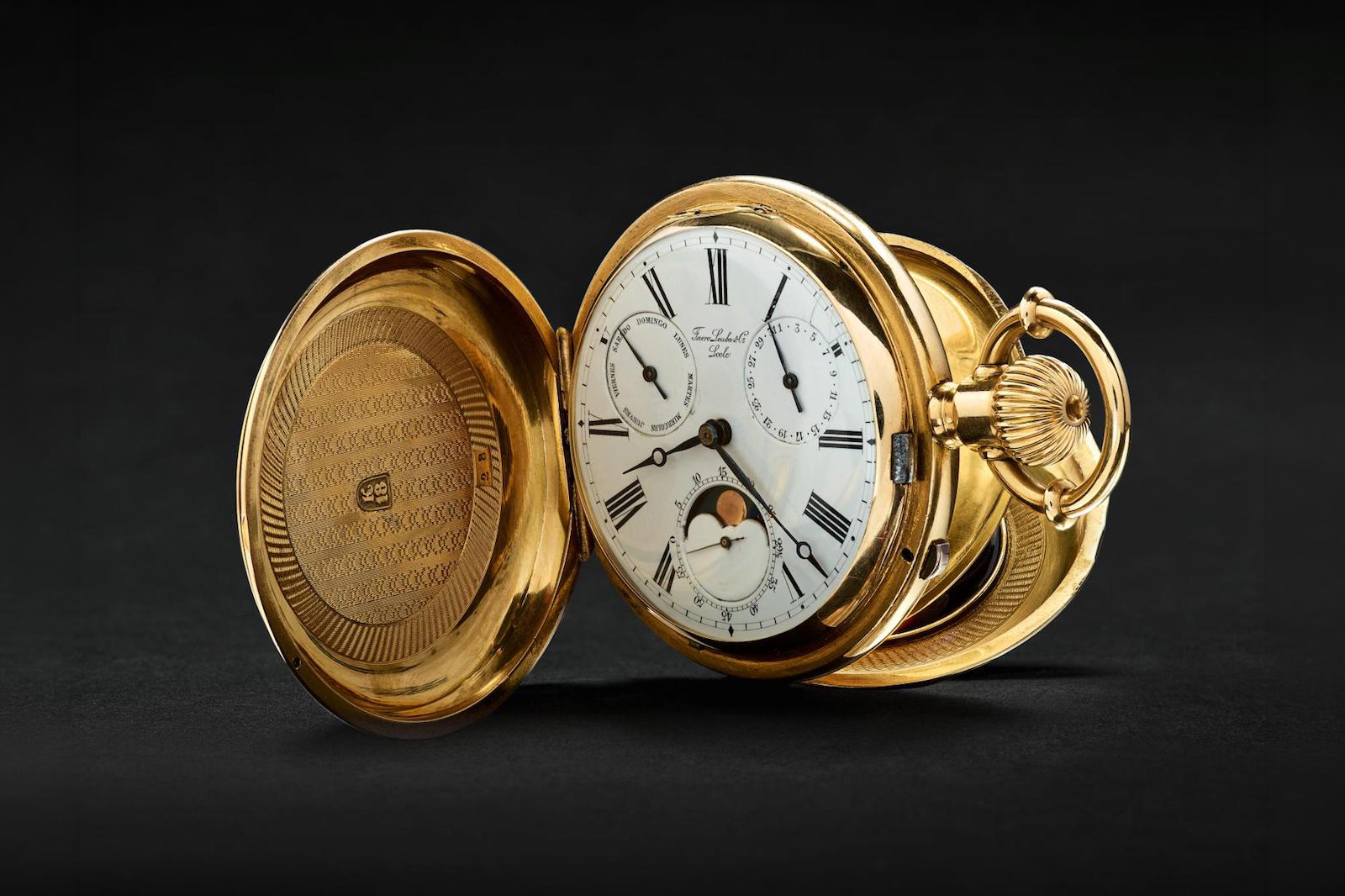
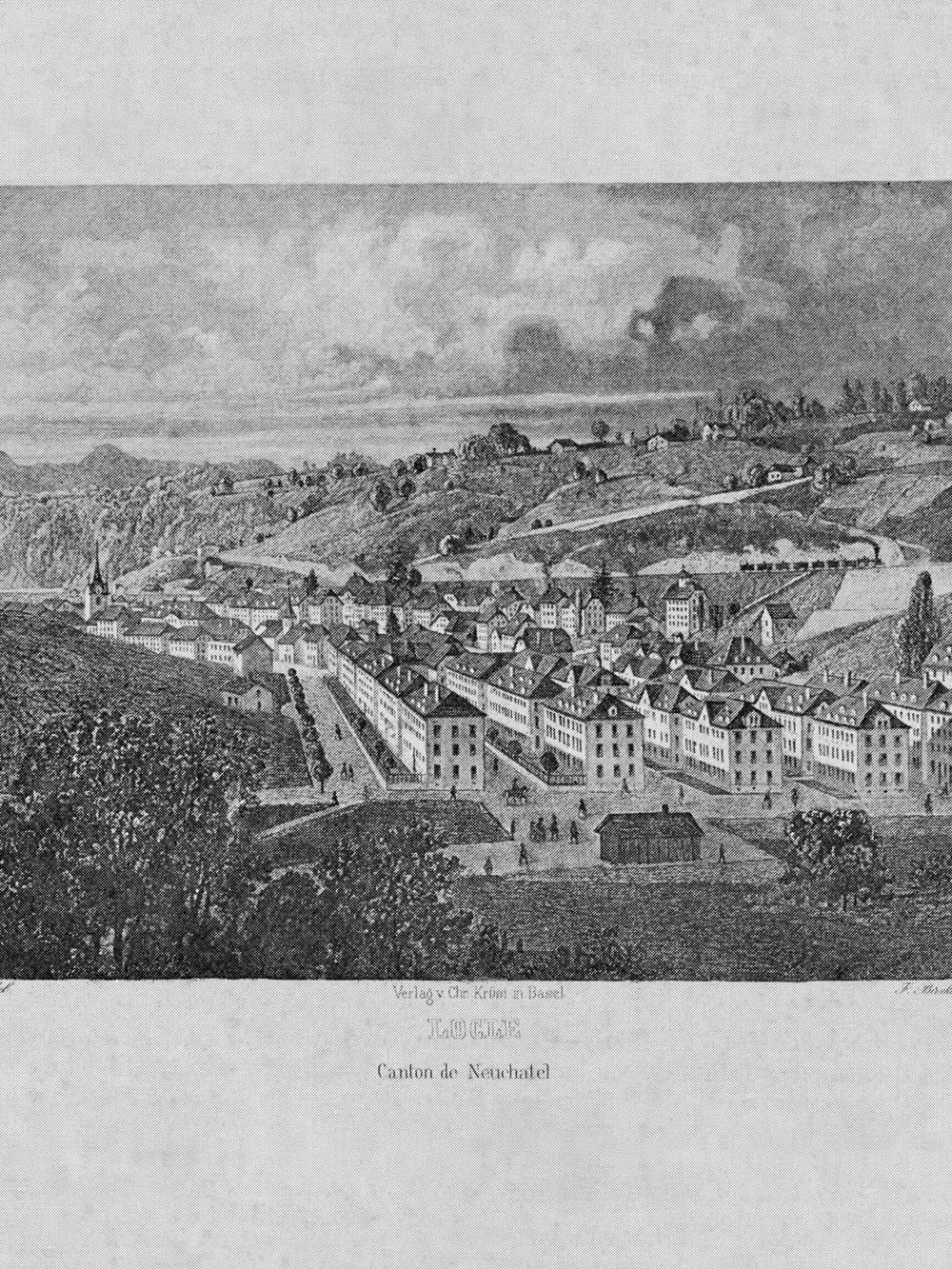
While Favre Leuba was founded in 1737, the story actually begins in 1718 when a then 16-year-old Abraham Favre began his watchmaking career as an apprentice to David Gagnebin in Le Locle. Of course, at that time watchmaking was very different to how we think about it today and so Abraham specialised in pocket watches and traditional methods of handcrafting components and horological mechanisms.
Less than 20 years later, when Abraham would have been around 35, he founded his first recorded independent workshop. This is the moment historians point to as the founding of the company that would come to be known as Favre Leuba. But Abraham’s ambitions were bigger than just establishing his own workshop and a few years later in 1749 he was awarded the title of Maître Horloger du Locle – the Master Watchmaker of Le Locle. Essentially acknowledging him as the best watchmaker in a place known for having really good watchmakers. As you can imagine, the growth of his reputation and opportunities at this time were huge.
In 1764 we have one of the first recorded examples of a theme that will continue throughout the existence of Favre Leuba – collaboration. It is recorded in Favre Leuba’s archives that Abraham collaborated on a watch with Jacques-Frédéric Houriet, a man known as the Father of Swiss Chronometry. Houriet is credited with being among the first watchmakers obsessed with chronometric performance to the point of inventing a new spherical balance and championing the concept of anti-magnetic field protection by experimenting with different materials – revolutionary at the time. This is evidence of the calibre of watchmaker Abraham Favre was rubbing shoulders with and considered a contemporary of.
Favre Leuba After Abraham 1820 – 1865
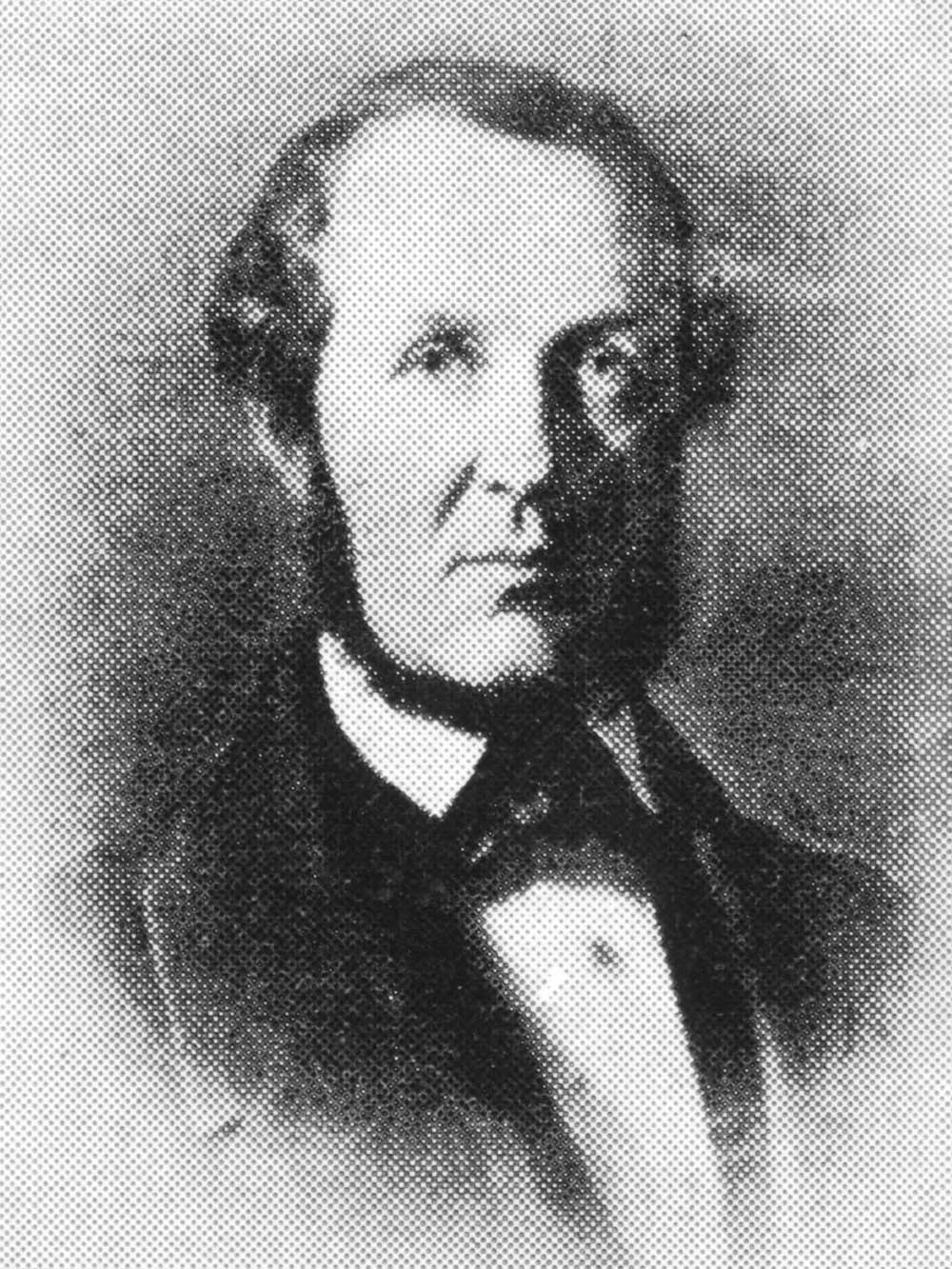
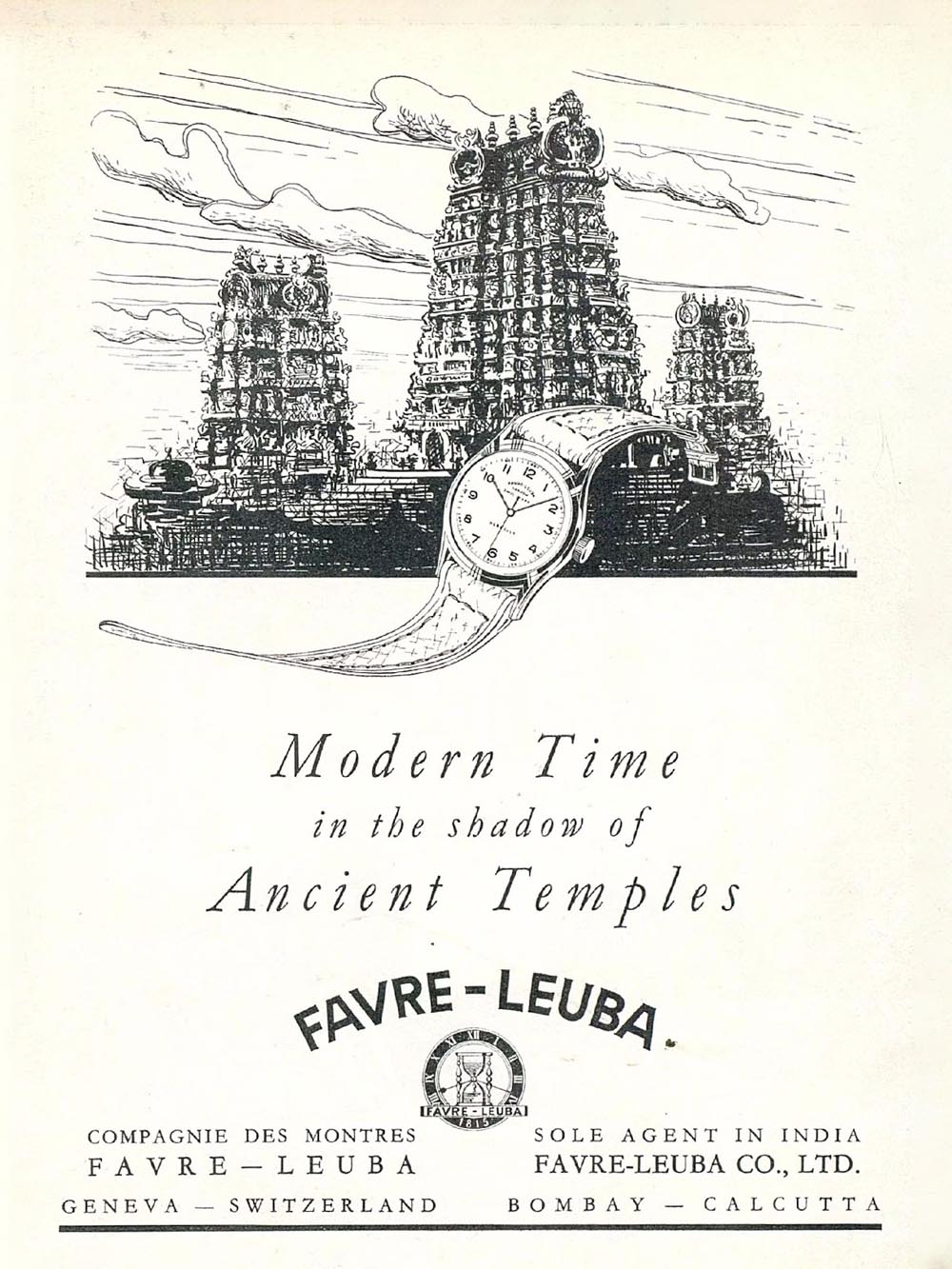
Abraham Favre died in 1790 and the operation of Favre Leuba fell to his family. Rather than slowing down, Favre Leuba’s reputation continued to grow. In 1820 Henry Auguste Favre began the process of global expansion. He personally visited a wide range of countries including Germany, Russia, Cuba, United States, Brazil and Chile among others to find clients to sell their finely made pocket watches to. Meaning the name Favre Leuba became a staple in not just the established western European markets, but remote places too.
This meant that in the 1850s when it became fashionable to host chronometry and watchmaking prizes, Favre Leuba was well positioned to sweep the international awards scene. London (1851), New York (1853), Paris (1855), Bern (1857), and Porto (1865) are just some of the recorded prizes won by Favre Leuba at this time.
20th Century Favre Leuba 1908 – 1985
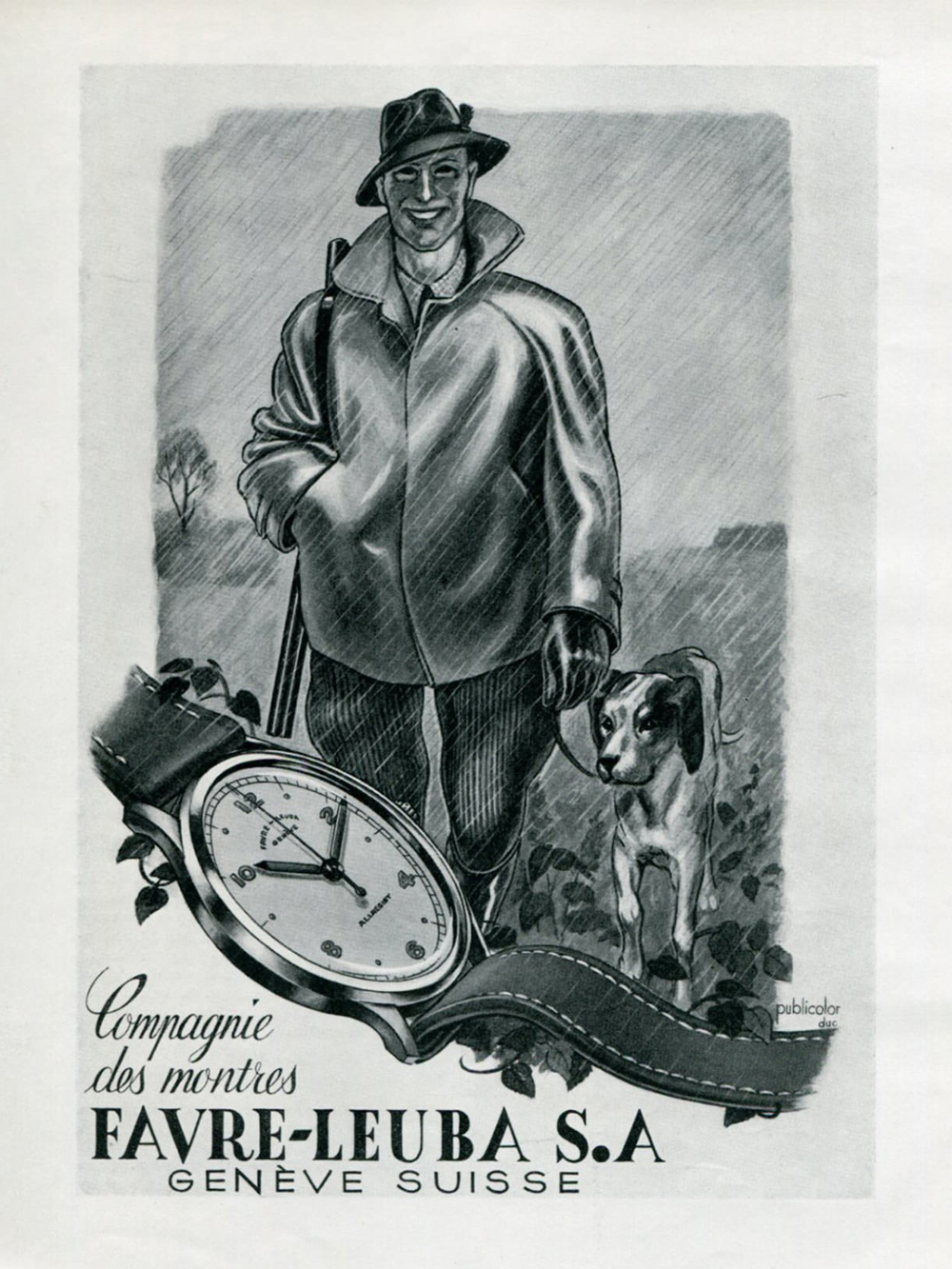
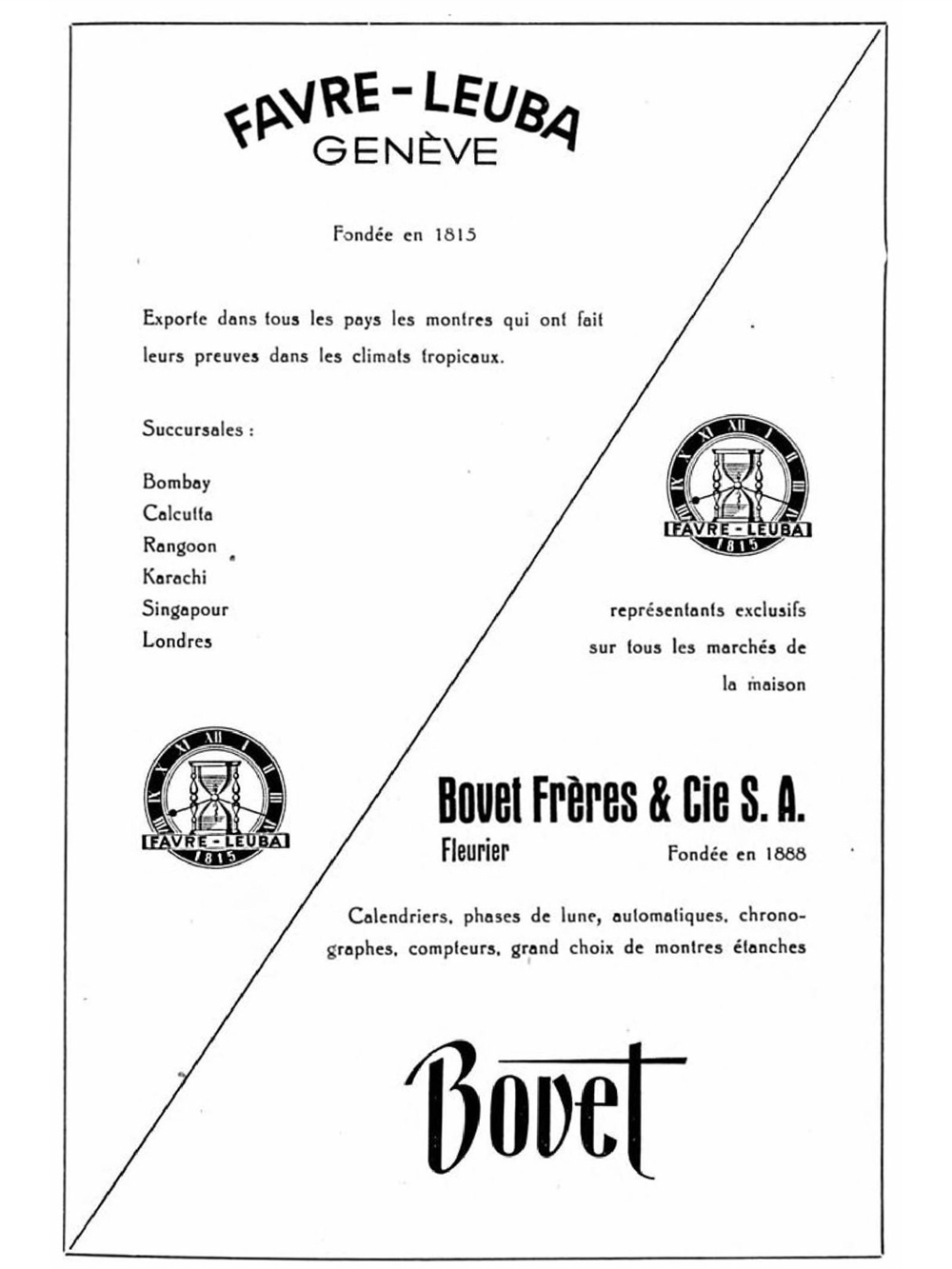
The 20th century was a busy time for Favre Leuba, overseen predominantly by the stewardship of Henri Favre Leuba as president of the board of directors until his passing in 1961. The first major challenge to Favre Leuba in this time was the outbreak of World War Two in 1939-1945. As was the case with many watch brands, their presence in Europe was destroyed in almost its entirety as workshops closed due to wartime pressures and people had less money to spend on luxuries.
In 1948 they made a major move in their quest of re-expansion by buying out the name and workshops of Bovet – producing co-branded watches for a time under the name Favre Leuba Bovet. This helped to springboard them into the 1950s with their own revitalised workshops allowing them to produce in-house movements. In turn that prepared them for the 1960s and the advent of one of the greatest shifts in the watch industry, the birth of the dive watch. The Water Deep became one of the brand’s flagship models and laid the foundation for years to come.
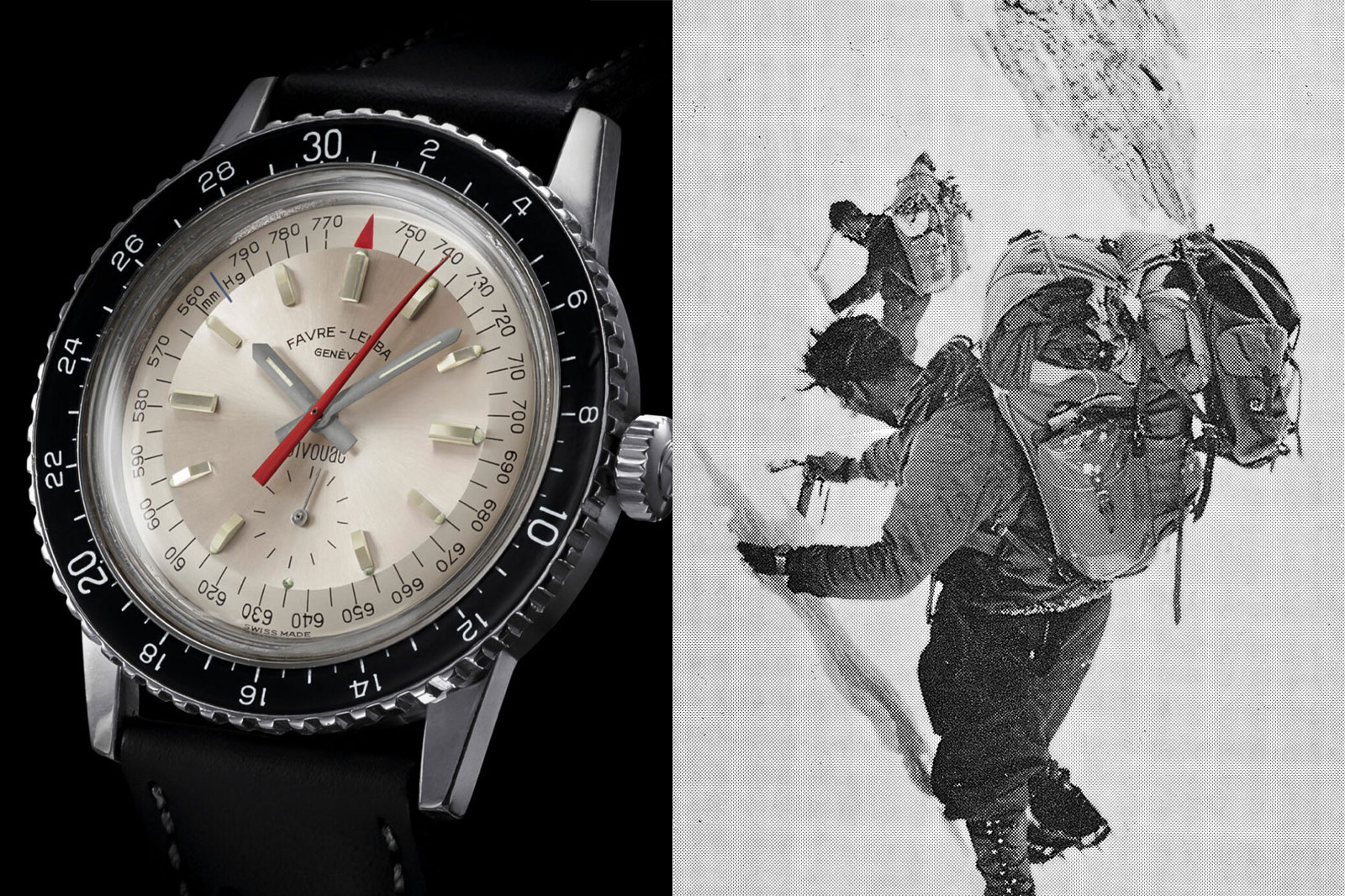
The notion of collaboration continued to be important to Favre Leuba in this period but this time in the 20th century sense of collaboration. That means putting watches on the wrists of notable figures in sport, exploration and fashion. The Swiss National Parachuting Team, Italian mountaineer Walter Bonatti, Swiss Mountaineer Michel Darbelley and polar explorer Paul-Emile Victor all wore Favre Leubas, specifically a model called the Bivouac.
Watchmaking collaborations didn’t disappear entirely though and in 1969 Favre Leuba purchased SAPIC Group (the owners of Jaeger-LeCoultre at the time). This resulted in some of the coolest cross-branded releases of the period such as Favre Leuba Reversos and Memovoxes.
However, then the 1970s struck. While there were some hits from the period like the Sea Raider, Sea Sky and Sea Sky GMT, they also had to contend with emergence of quartz mechanisms and the coming quartz crisis. Like so many brands, Favre Leuba ended up changing hands with a reduced presence.
The Revival 2024 – Present

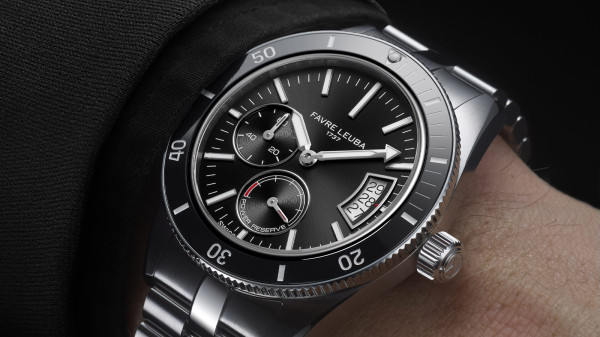
Favre Leuba’s modern revival took flight in 2024 under the guidance of new CEO Patrik Hoffman. The brand made its grand entrance at Geneva Watch Days 2024 with the launch of three modern, mechanical collections. The Chief, the Deep Raider and the Sea Sky. The three models that are still the cornerstone of the brand two years later. In 2025 they achieved a significant milestone by getting back into the realms of prestigious haute horology – the type of high-end watchmaking that Abraham Favre had helped define over 200 years earlier. They did that with the launch of the Chief Tourbillon, produced in collaboration with modern master watchmaker Jean-François Mojon. Mechanical collaboration once again becoming a pillar of the brand.
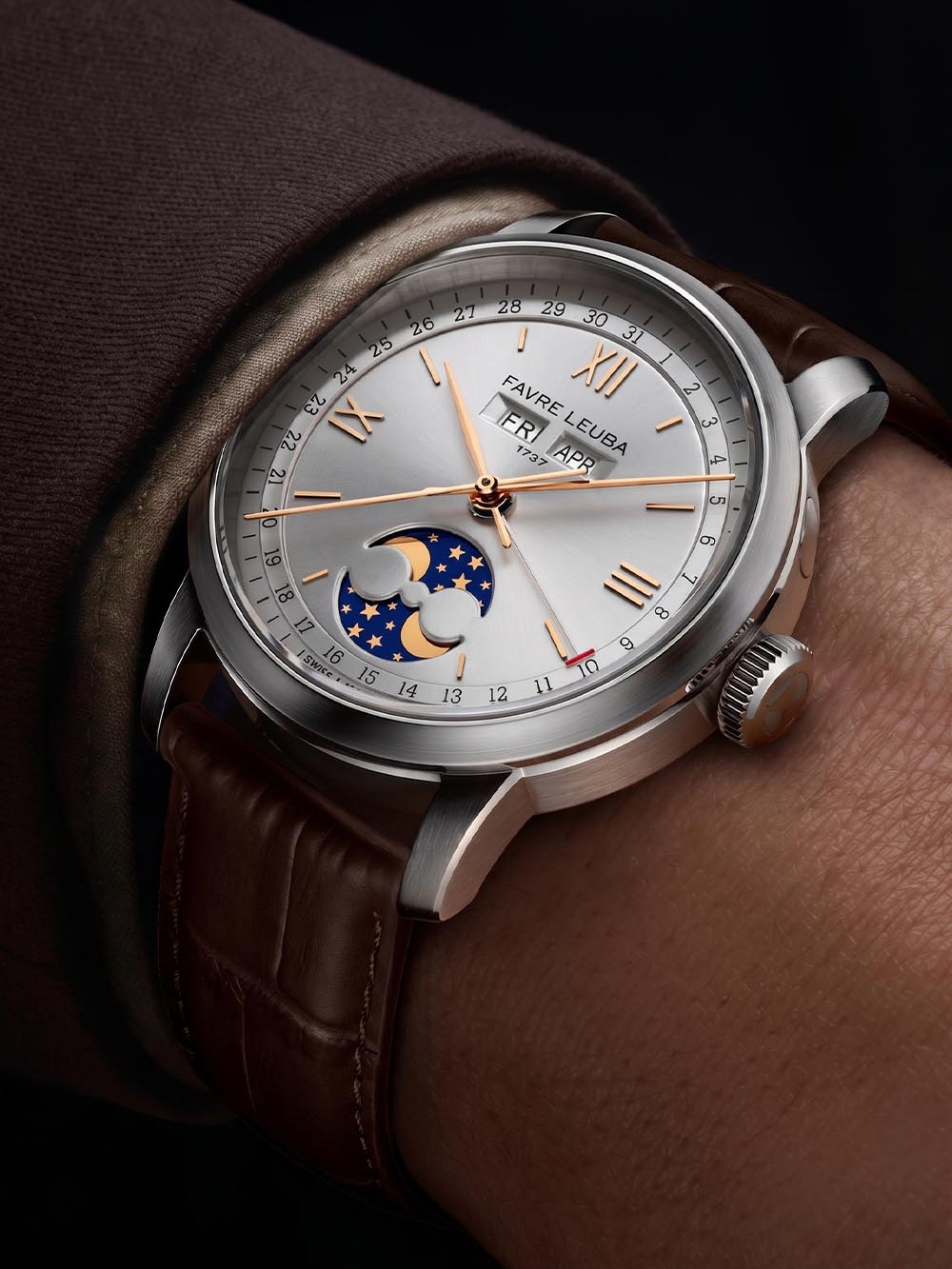
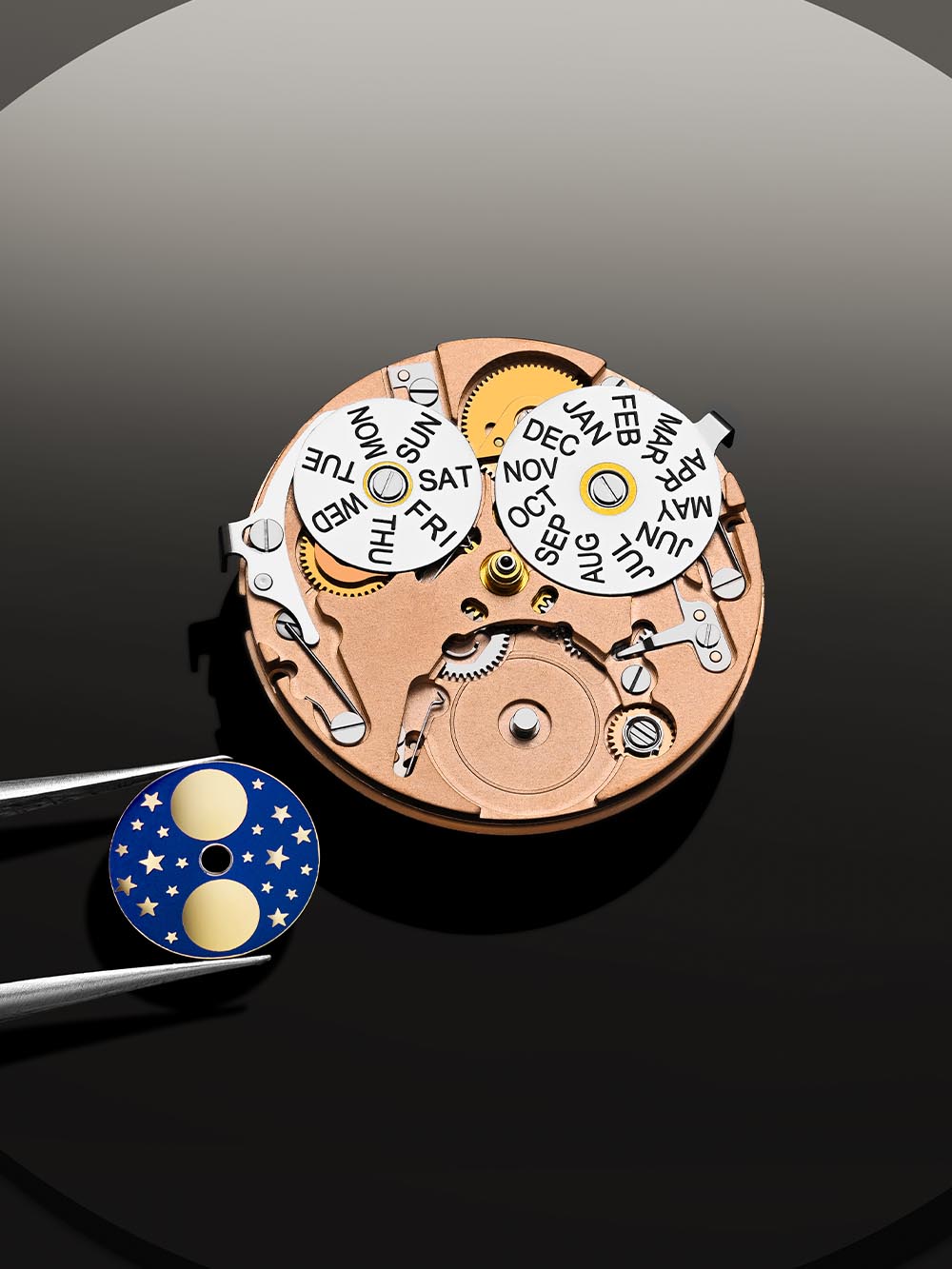
That brings us neatly to 2026 where Favre Leuba attended Watches & Wonders, the biggest watch event in the world, taking their place among the greats of the watch industry once again. At that show they introduced two new models, the Harpoon Revival and perhaps most poignant of all, the 1737 Triple Calendar. A calendar watch that will not only keep time for years to come but is named after one of the most important years in the history of one of watchmaking’s oldest brands.
More details at Favre Leuba.