
Every year the watch world brings a slew of new anniversaries: the birth of a specific collection, the invention of a certain complication and, most loudly touted, the foundation date of a brand.
I say touted rather than important for a reason. Most traditional watchmakers use their age as shorthand for horological expertise. That makes sense; the longer you do something, presumably the better you get at it. Brands like Blancpain and Vacheron Constantin stretch back centuries. Those two specific examples, however, bring up an issue with looking at age and age alone.
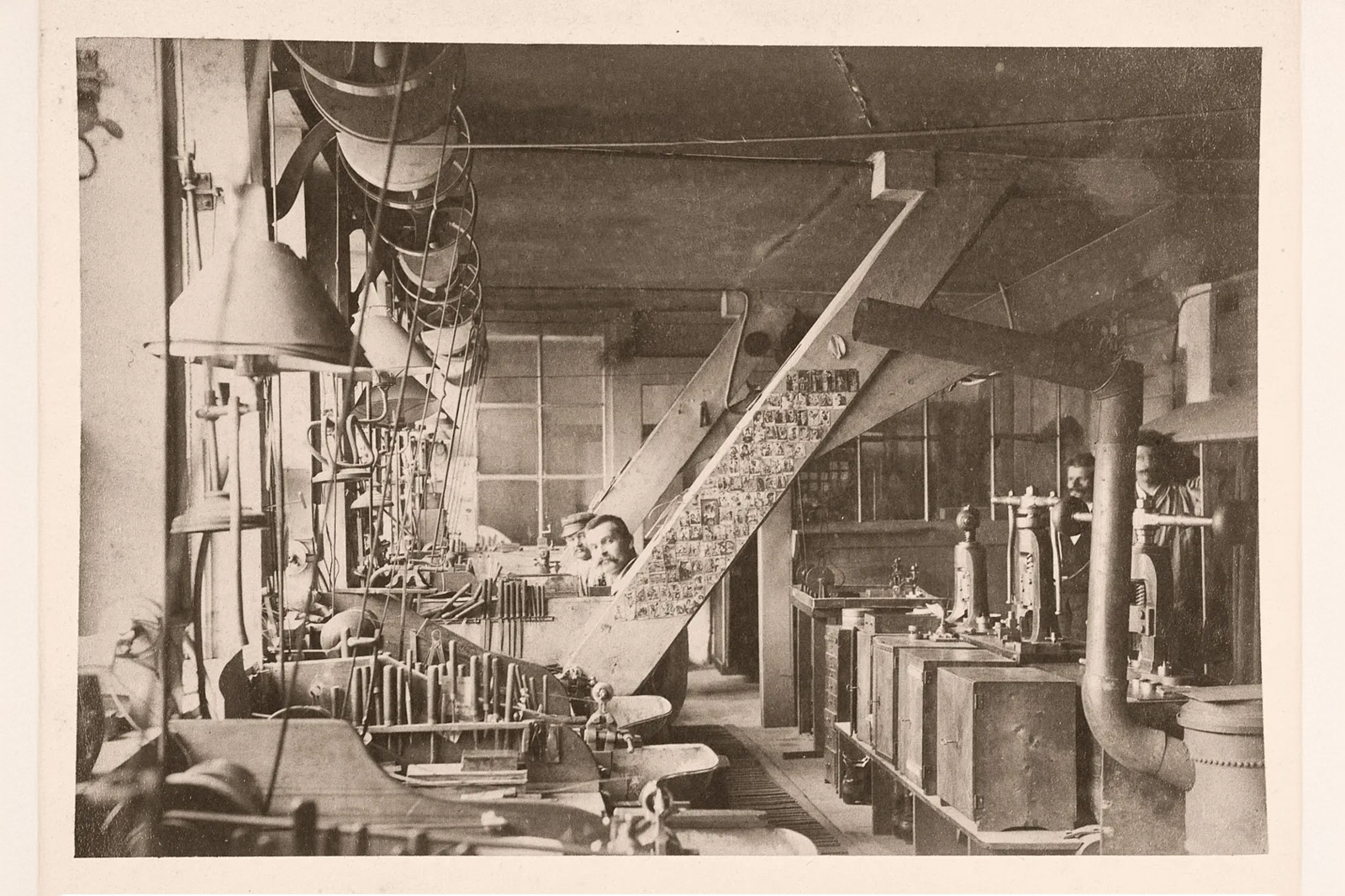
Last year, Vacheron celebrated their 270th anniversary and hold their crown (I assume forever) as the oldest, continually operating watchmaker. That caveat matters. That’s because the great culling of the quartz crisis put hundreds of watch brands under, established houses and newer watchmakers both – including Blancpain.
Between 1975 and 1983, there was no Blancpain. They shut down and were reopened under Jean-Claude Biver as the first wave in the revival of modern watchmaking. But it wasn’t just an eight-year hiatus. Blancpain was brought back with a focus on high complications, 20 years before they once again resumed production of their legendary Fifty Fathoms collection. The brand that closed and the brand that opened shared a name, a postcode and an emphasis on traditional skills, but in many ways they were different.
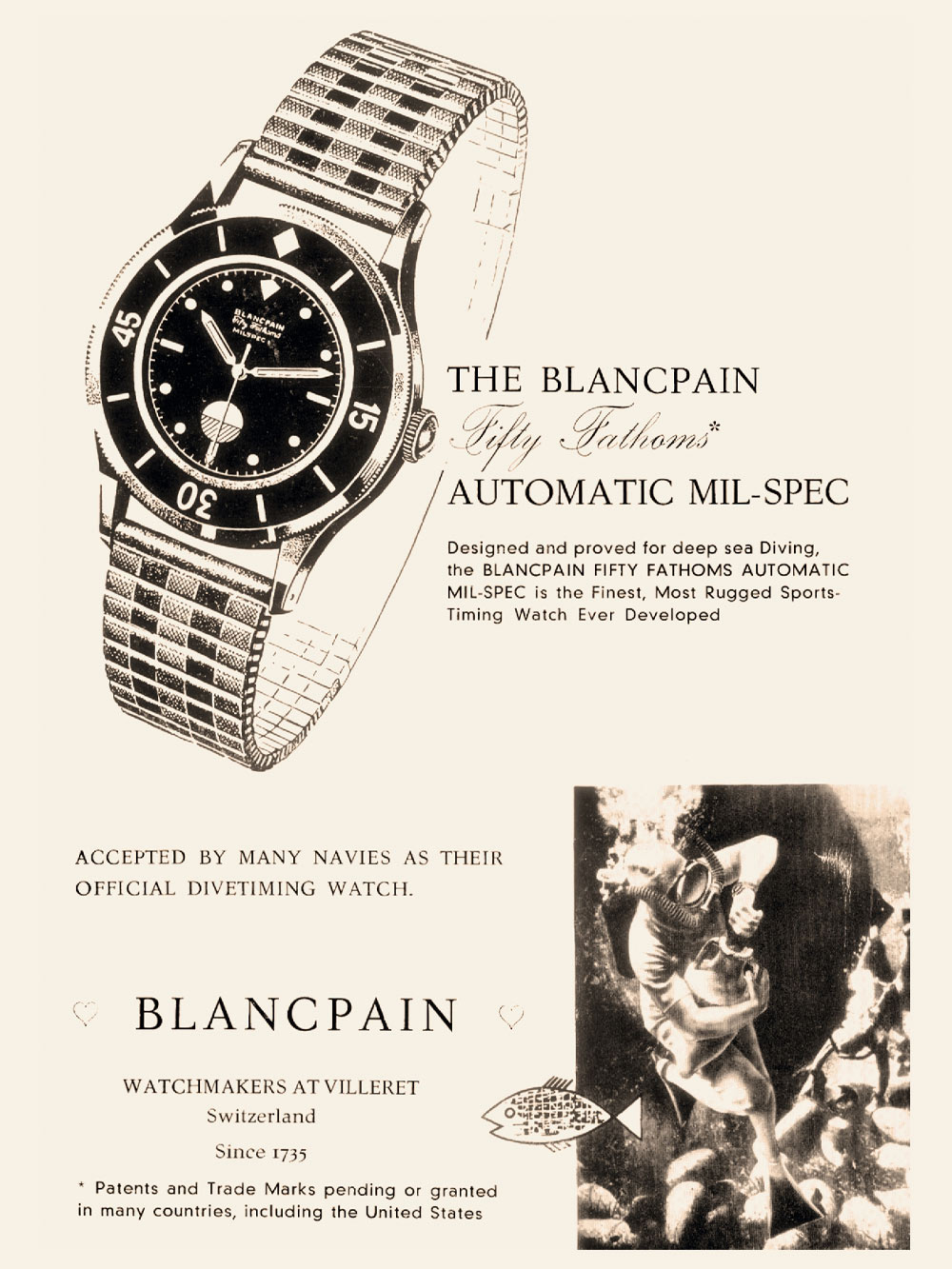
On the one hand you have Vacheron, with a clear through-line from the distant past until now; on the other, Blancpain, with a hard reset in living memory.
It’s impossible to know if today’s Blancpain would be the same or even similar if their doors had never closed. But it’s impossible to ignore the break, and it’s important to understand that modern Blancpain isn’t over 290 years old; it’s under 50.
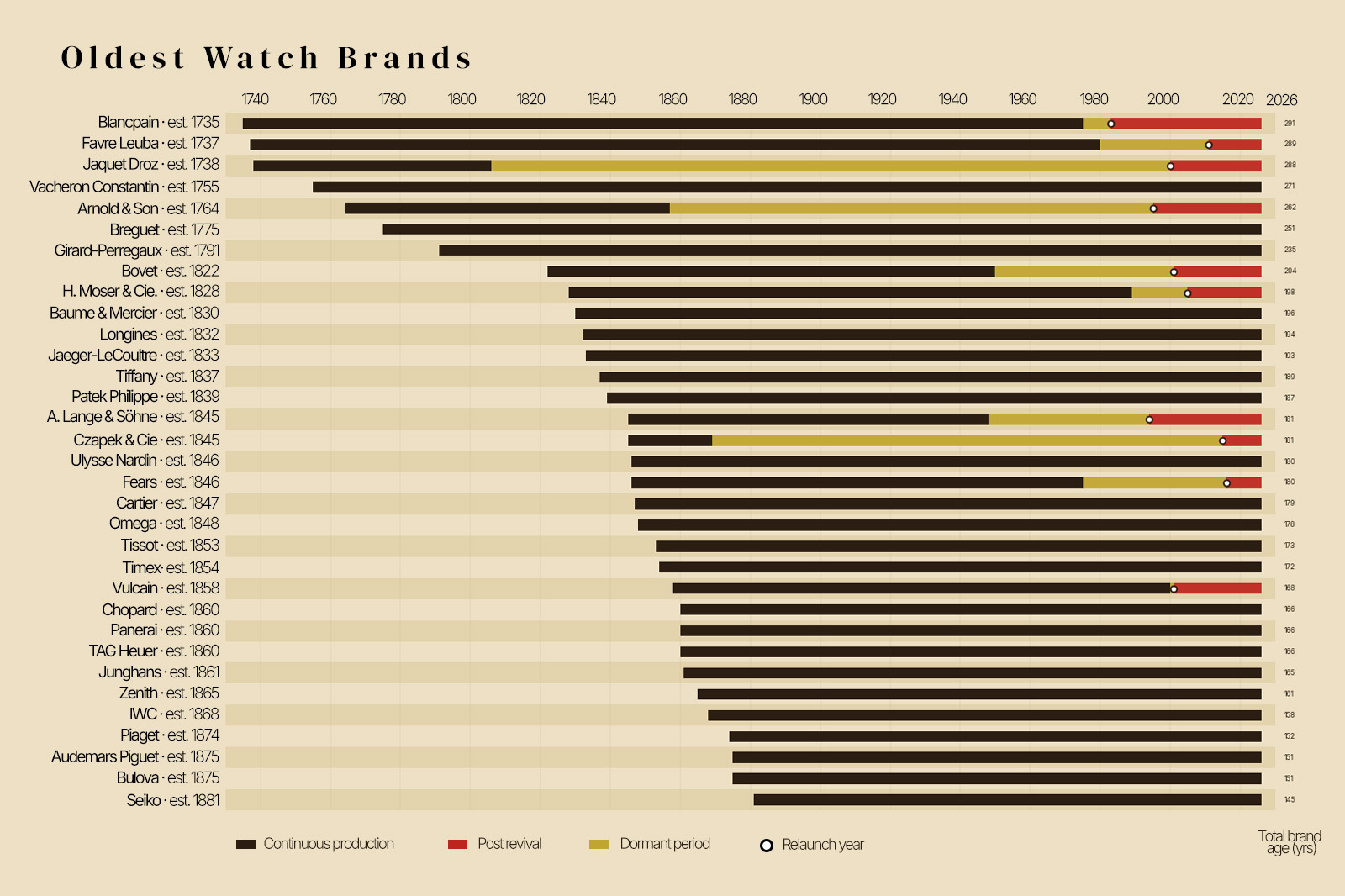
We’ve investigated the ages of the oldest brands in the watch world, it’s something you can see repeated in the vast majority of watchmakers dating back to the 1800s. Most of the oldest brands have a sharp divide where they closed their doors around the 1970s and opened again in the last few decades.
Founding dates are just an arbitrary number and even old brands like Vacheron have continued to evolve over the years. It’s impressive they’ve stayed open, and there’s certainly a subset of collectors that enjoy that prestige of history. But more important is why that break in the majority of brands even happened: the quartz crisis.
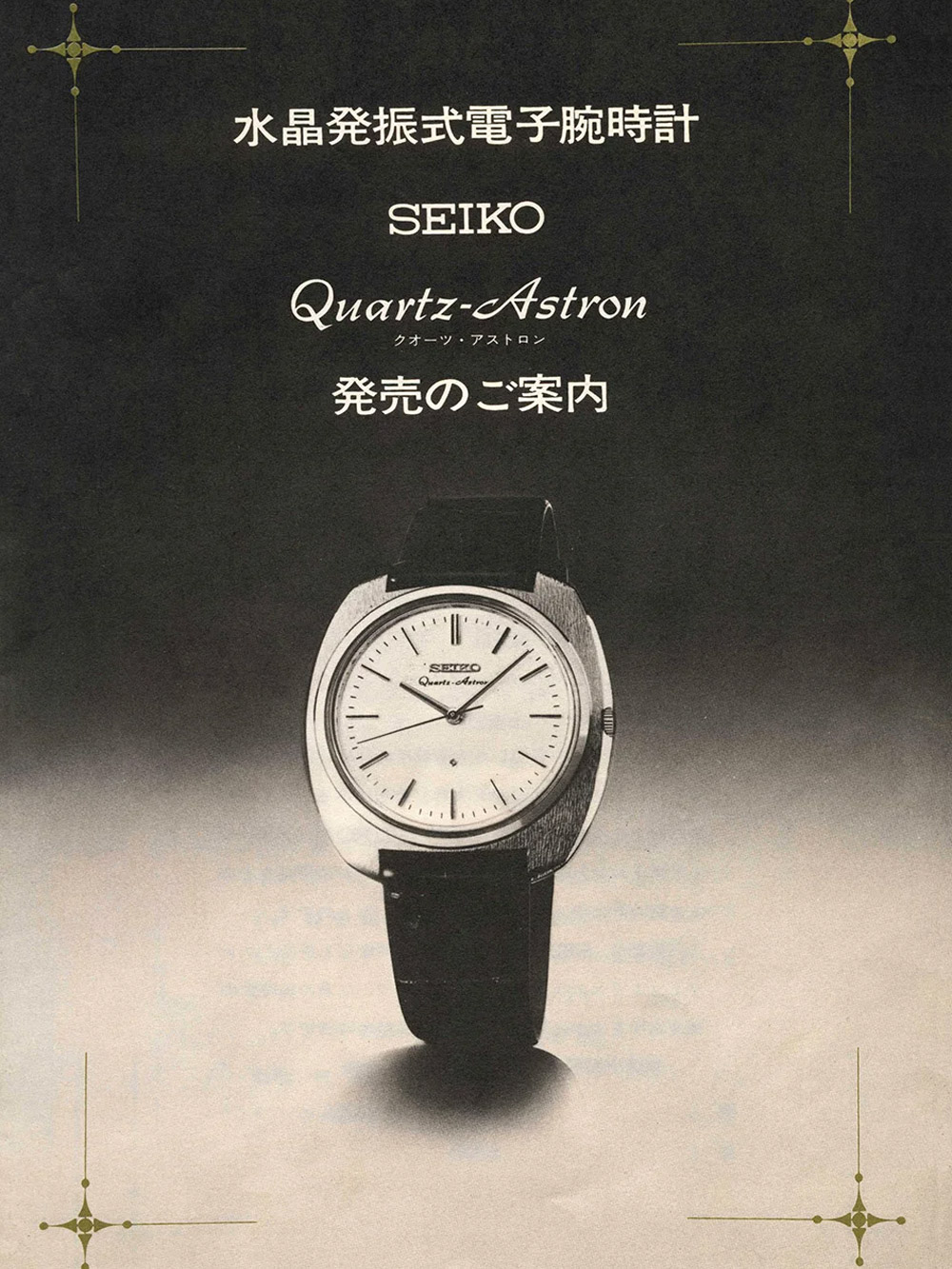
When Seiko invented quartz, in tandem with Swiss watch brands, it unknowingly spelled disaster for the traditional watch industry. It became increasingly hard to justify expensive watches when a cheaper, more reliable and more accurate alternative was in plain sight. The quartz crisis therefore offers us a neat dividing line between watch past and watch present.
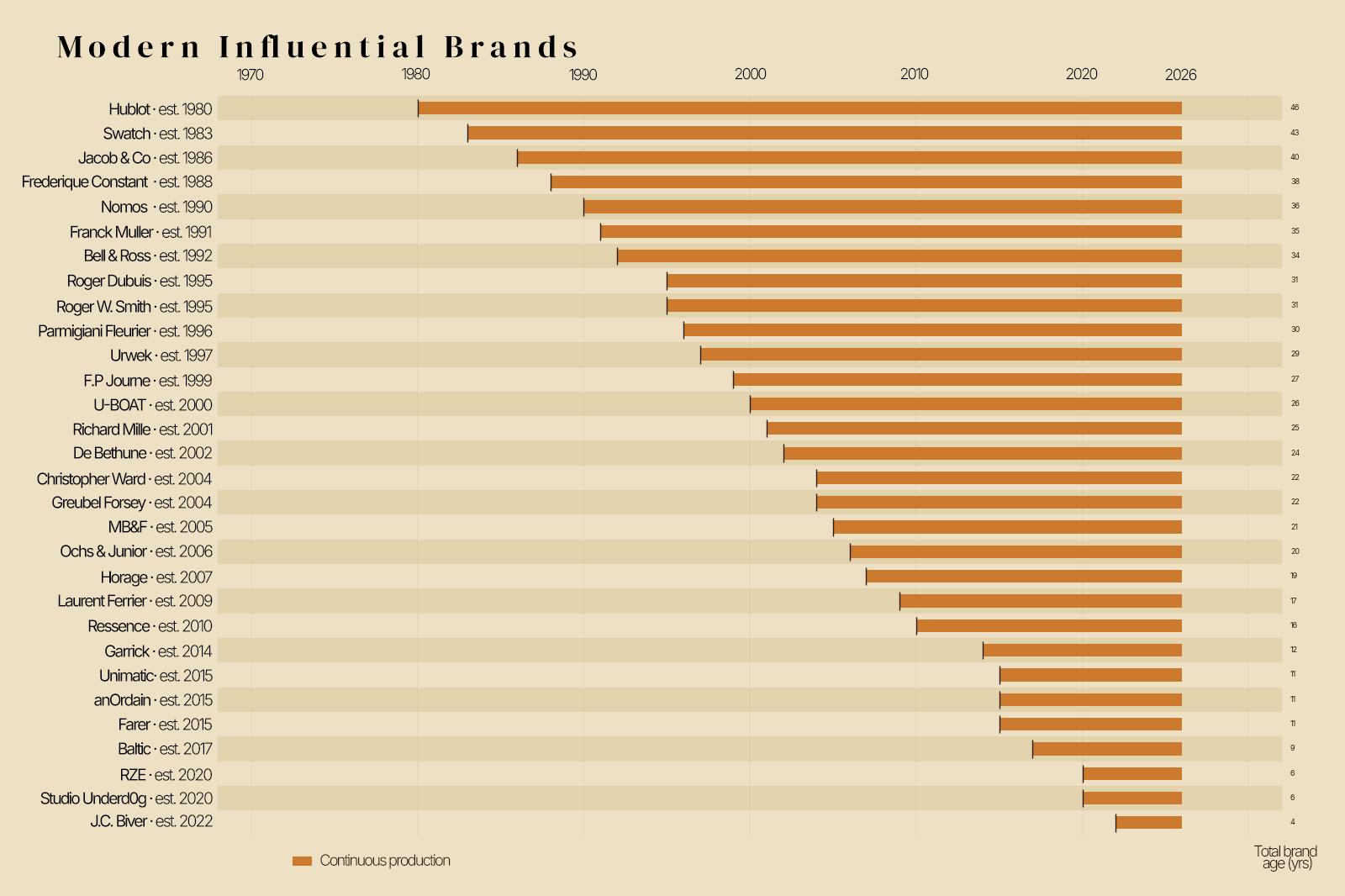
That brings us onto our second set of ages. Post-1980s there was an explosion of new watch brands, a trend that’s only accelerated in the past 20 years. More important than the number, however, is the diversity of styles and personalities.
The key to the revival of watchmaking as a craft was justifying why watches existed in the first place. They weren’t timekeepers as much as they were luxuries. That meant that personal taste was more important than ever in deciding on the right watch for you. Given how different one collector’s taste is to another, that left plenty of room for smaller, independent watchmakers to carve their own niches.
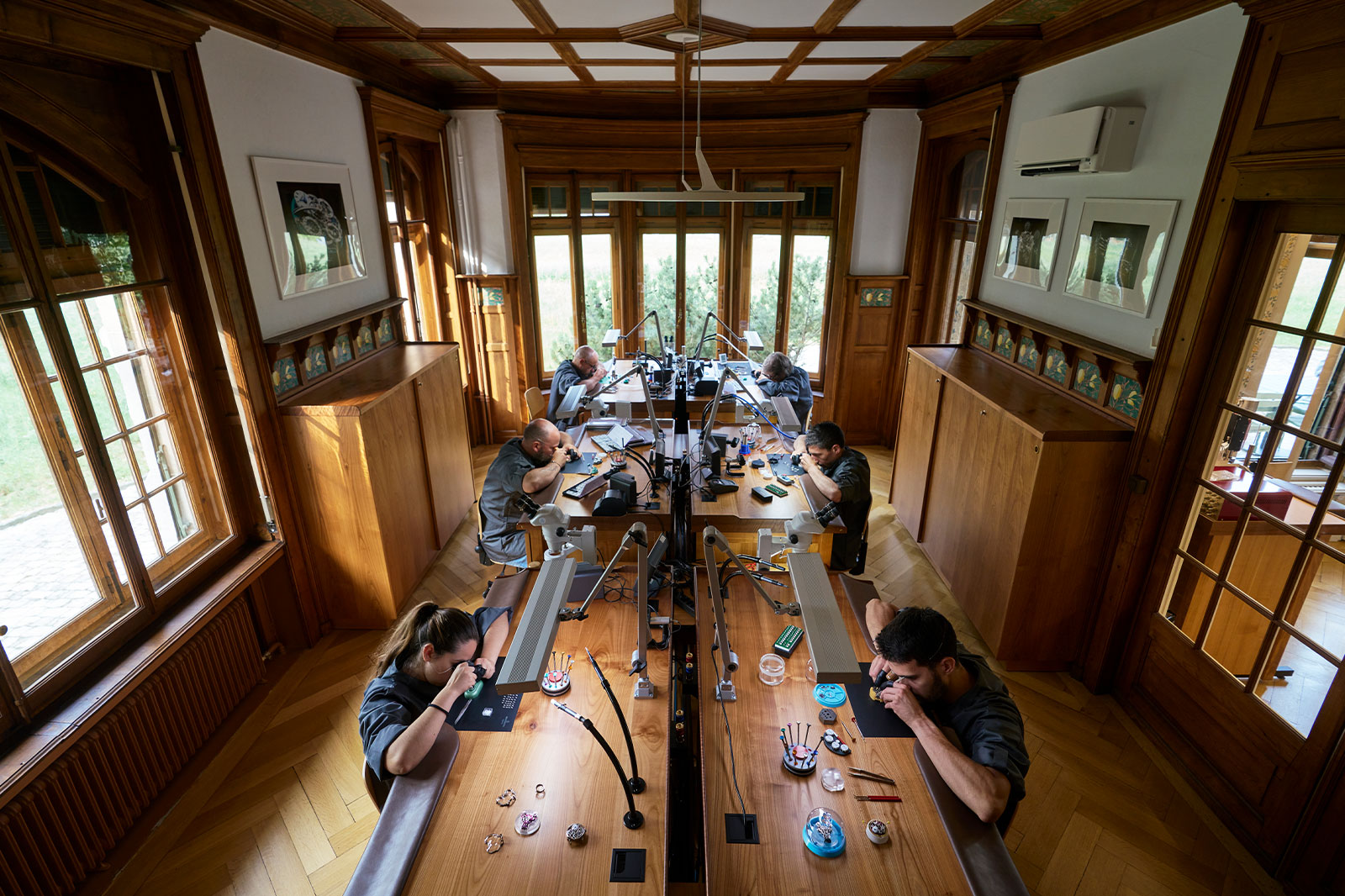
MB&F for example is a brand that simply couldn’t have existed before the quartz crisis. Their idiosyncratic approach favours sci-fi shapes and small numbers that would have been lost in a pre-internet era. They’re not just young in age, they’re young in their approach to watchmaking. Urwerk, Richard Mille, Roger Dubuis, Greubel Forsey, these are all brands where modernity is built into their identities.
The result is that age as a concept more than a number has come to define watch brands. There are two ways to look at that definition and it likely depends on whether you as a collector are a traditionalist or modernist.
You could say that older brands are carrying on the lineage of the golden era of traditional watchmaking with all the metiers d’art and historical expertise that includes, or you could say they’re burdened by the past. New brands can be the new innovators and iconoclasts leading the watch industry; or they’re upstarts standing on the shoulders of giants.
Does age matter? Undoubtedly yes. But it’s not a matter of dates, but of context. The quartz crisis is a clean divide, but it’s not simply a case of pre- or post-crisis. It’s the culmination of the environment into which a brand was born, its heritage and the niche it has carved out for itself.
So, in short, age is important not in years, but in generations.