With travel back on the post-pandemic agenda, it’s time to venture into a different corner of the globe. For me, getting away is all about adventure and exploration and with these endeavours, preparation is key. So I need a new companion that fits my needs – that’s right, I need to invest in a new wristwatch specifically built for timezone travel.
A GMT watch that enables me to track two different time zones simultaneously is the obvious choice. Dating back to the 1950s, the traditional Greenwich Meantime watch has come a long way since its Pan Am days, but with more options available, I’ve found myself hitting a stumbling block. I’m torn between the often-called office GMT and true GMT or traveller’s GMT – as it is frequently referred to.

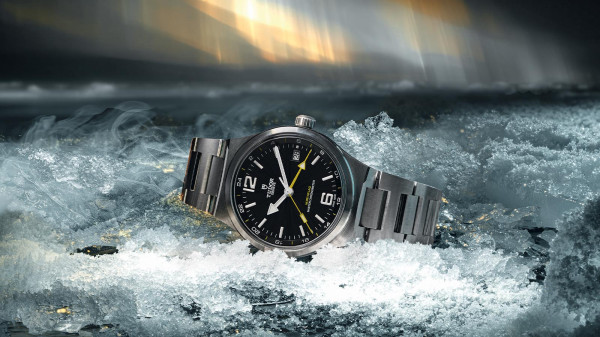
Tudor Black Bay Pro, £3,080
So, what are the main differences between these two-zone timepieces? Essentially, the big boy brands of the watch world that offer true GMTs are the likes of Rolex with their Explorer and the obvious GMT Master II. But with Rolex’s sibling Tudor, and its recent foray into GMT watches with the Tudor Black Bay, and the newly released Tudor GMT Black Bay Pro, we are beginning to see a new breed of true GMT hitting the market, which is welcoming news for those of us who are frequent flyers and need both practicality and functionality.
But how do both styles of watch actually work? At first glance, both true GMT’s and office GMT’s are similar in appearance, yet both timekeeping options work very differently from one another.
The ‘Office’ GMT

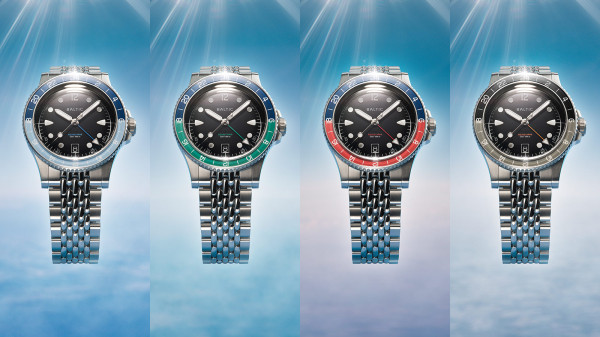
Baltic Aquascaphe GMT, €920 (approx. £780)
With an affordable price tag (they can be found for under £1,000), the two-timing office GMT has been designed with a rotating 24-hour bezel and a second hour hand that’s primed to run half as fast. The 24-hour hand circles the dial once per day, with its hand pointing to the corresponding hour, clearly demonstrating whether it’s a.m. or p.m.
Some say the office GMT is a slightly tedious option, because upon arrival at your new destination you must reset the time of your arrival and adjust the GMT hand separately. This is because the GMT hand automatically moves with the hour hand when winding the crown. Another setback is that the date also has to be manually adjusted. First world problems I hear you say! I mean it’s not so arduous that it will hinder you from missing your connecting flight or anything, just more faff.
The ‘True’ GMT

Longines Spirit Zulu Time, £2,480

A true GMT is a pricier option than an office GMT largely because it utilises a more complex in-house movement. This enables the traveller to simply adjust the hour hand on the watch to display the local time, while the GMT hand will stay in its set position. In essence, you can quickly set the watch to the local time with a few winds of the crown, all without interfering with your home time zone.
In addition, these movements also automatically reset the date for you when the local time passes midnight. However, there is no quickset date so during shorter months the wearer has to rotate the local hour hand twice around the dial. This also needs to be done if the watch has been dormant for a period.
The Verdict
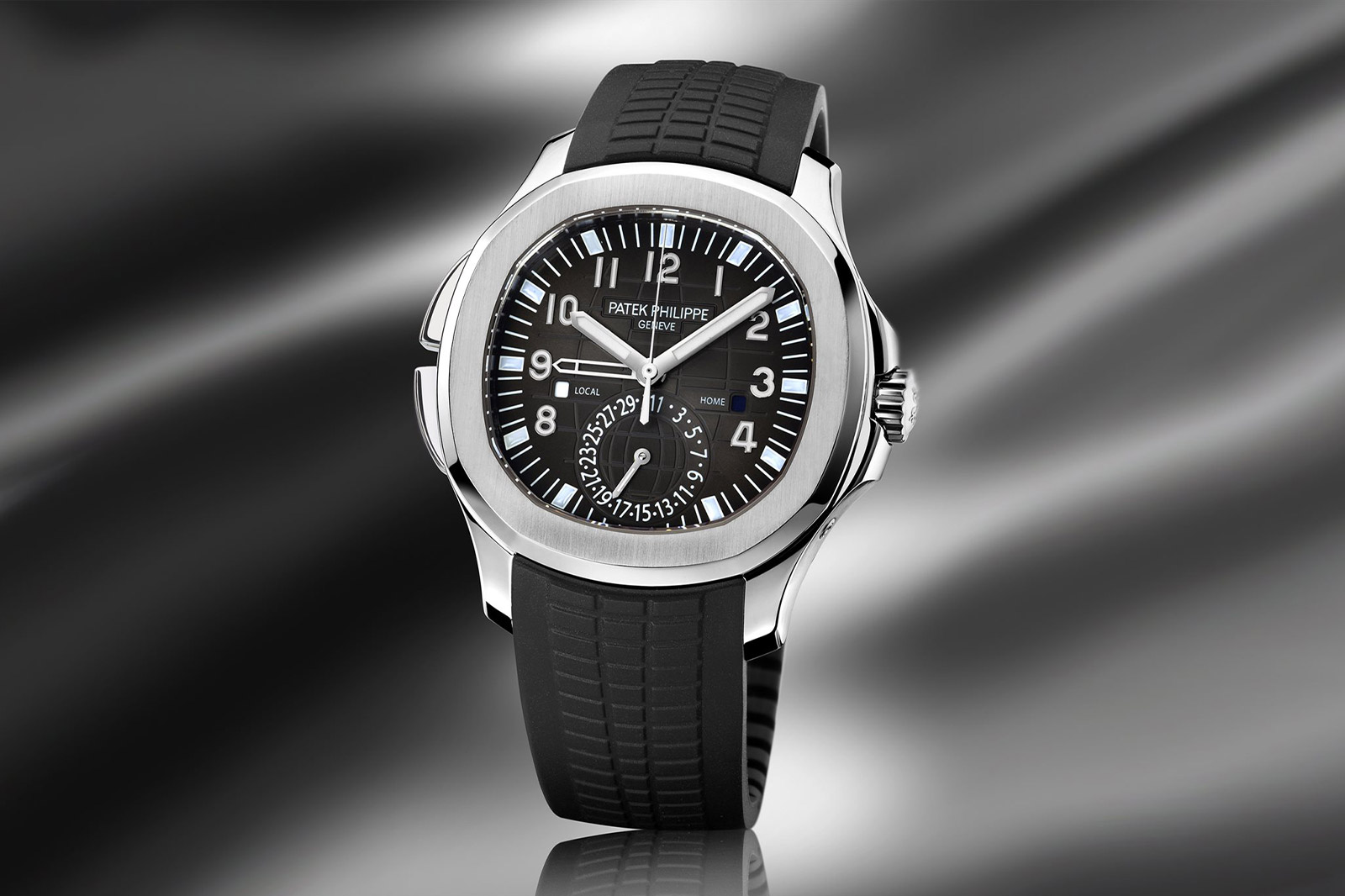
Patek Philippe Aquanaut Travel Time 5164A, £31,430
I personally find pleasure in both styles of watch. Sometimes spending more time engaging with one’s timepiece is not such a bad thing but, in a world where we need everything yesterday, it can be worth paying the price for convenience. And as singer and watch obsessive John Mayer once said; “the GMT is one of the world’s greatest apps.”