Watch design. I’m sure we’ve all thought about dabbling now and then; we here at Oracle certainly have, if you’ve ever seen any of our collaborative watches. But while there are a number of very different approaches to creating a watch, there are a scant handful of brands that have really nailed not just a singular design but a singular design language – and none I’d argue that are as instantly recognisable as Unimatic. The Italian tool watch specialist has been killing it with an unending series of hype-laced limited editions over the past 10 years. From proper divers to field watches to GMTs, their entire collection is held together by a thread of Italian flair. It’s a flair that didn’t come out of nowhere. In fact, it was hard learned by Unimatic’s founders Giovanni Moro and Simone Nunziato. Well, around Milan Watch Week, we managed to get time to speak to Giovanni to get to grips with his particularly industrial approach to watch design.
“I was 10 years old, or something,” says Giovanni of his first watch, “and at Christmas the average Italian kid received at least two or three colourful watches, so that was the very first one. If we want to speak about the first important watch, that’s a different story. Basically, when I was a young industrial designer, the company I was working for designed some outdoor lamp system. They gave me the cheque and without going back home, I went to the Omega dealership and I bought a Speedmaster.”
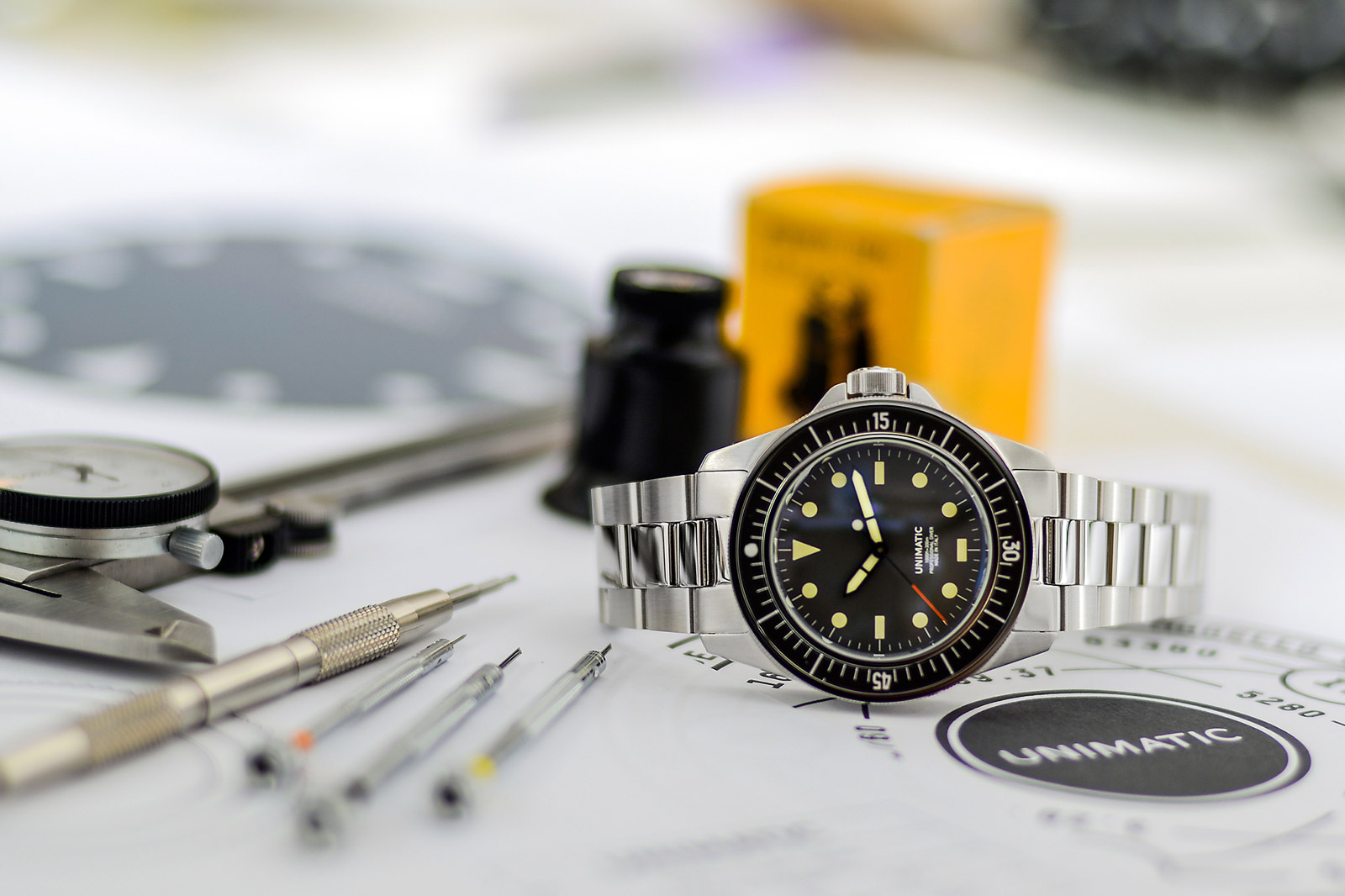
Unimatic Modello Uno U1-A
There’s no denying that a Speedmaster is a solid first watch, but more importantly, it’s a solid illustration of what Unimatic do as a brand. If you look at the evolution of the Speedy over the past few decades, you won’t see revolution; you’d see evolution, small, incremental changes from release to release that add up to glacial but appreciable changes over time. Square that kind of timeline into 10 years and you’d get something approximating the lifespan between Unimatic’s 2015 debut, the Modello Uno U1-A and their most recent U2-GMT. And that’s entirely intentional.
“It’s such an iconic watch,” says Giovanni of his Speedmaster, “as much so today as it was when it was first built. It had an adherence too and consistency within the design intent that I appreciated, something I like to think we show in Unimatic. It’s still a fantastic watch today and even if there are some modern improvements – a sapphire lens, that kind of thing – the inspiration remains unchanged. I bought some other watches over the years, and sold most of them to finance Unimatic, but the Speedmaster is still there in my hometown in its box. Hopefully it will remain that way forever, even if I don’t get the chance to wear it anymore.”
Unlike many mainstream watch designers, Giovanni didn’t come from watchmaking, nor did he just have some desperate need for a watch that didn’t exist, a la most microbrands. Instead, his training was far more formal. Both he and co-founder Simone studied at Politecnico di Milano, “the dumb brother of the architectural university”, as he puts it. Whether or not that’s true (I’ve got no skin in that particular game), it was an invaluable course in industrial design with one solid goal: “the idea was to give you some specific skills, a way of reading objects, a way of seeing things and trying to intervene with the design process and bring it into reality.”
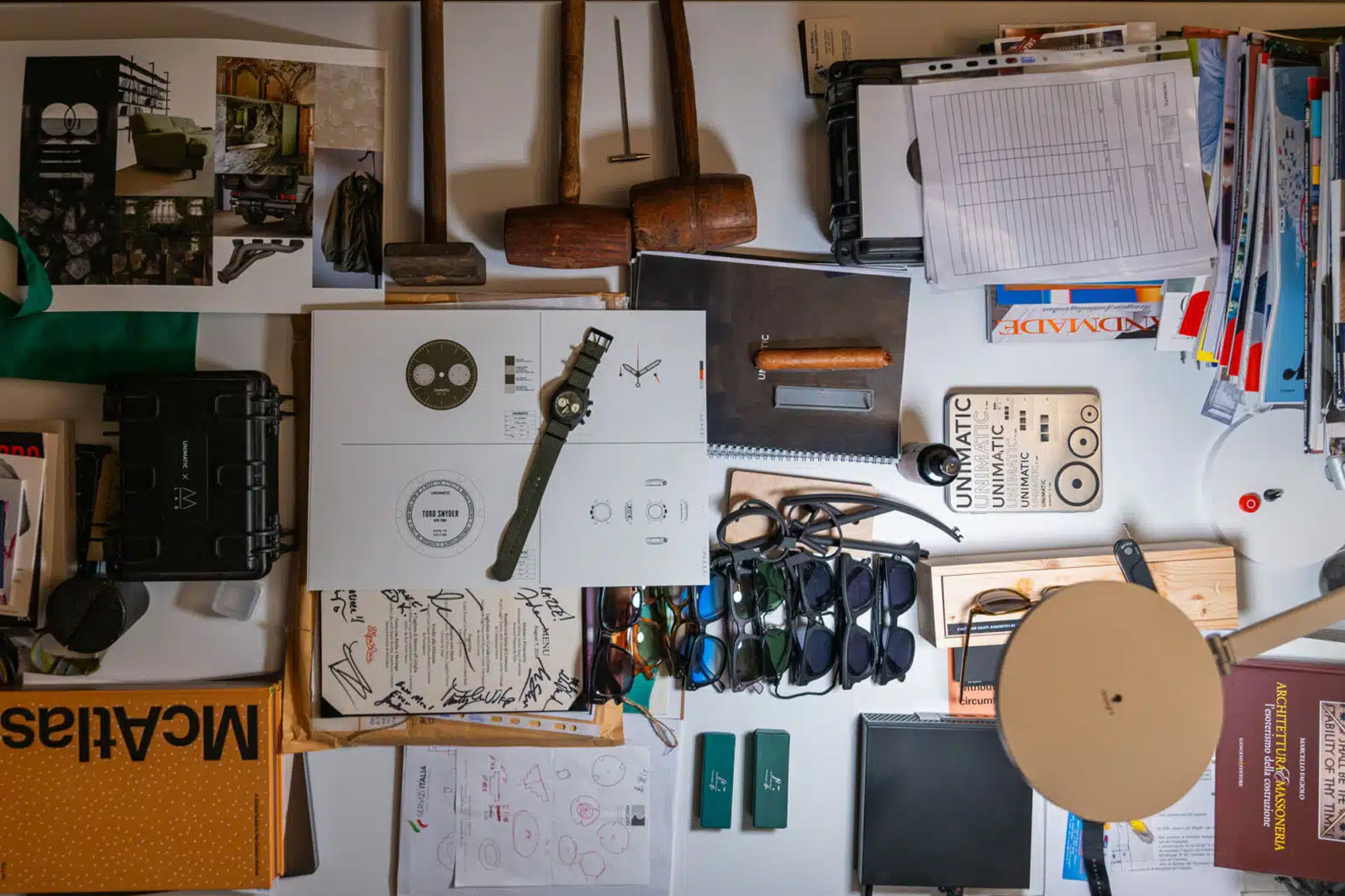
As Giovanni’s early garden lamp project shows, it’s an approach that can be applied to pretty much anything. Indeed, his office is a crash course in just how diverse and hard to pin down industrial design can even be. “I like objects altogether,” Giovanni says, brandishing a knife. “In front of me, I have three/four knives. On the wall behind me, I have a collection of hammers, some design objects, some art. A pile of sunglasses, there’s a lot of shit going on. It’s easier to pin down what I don’t like. It’s like some kind of hoarding disease.”
And yet watches were always his first love, a love that he shared with Simone throughout their time at Poletecnico di Milano. But it wasn’t just a love of watches that made them a good pairing.

Omega Speedmaster Moonwatch

“Before my Speedmaster we were small time collectors, buying and selling vintage Seikos on eBay or at flea markets. So, we were talking watches all the time, Simone and I. We were influenced by our course and by each other and we had a similar way of looking at things and using the same design language – whether we were talking about a field watch or a baseball cap. We had the same grammar.”
It’s a design grammar that starts from a very, very basic idea: what is the particular item for? What is it designed to do? An umbrella for example, is designed to keep the rain off. That’s its core principle and the one thing that defines what an umbrella is. It’s a thought process that ties into why Giovanni happens to have a wall of hammers behind him.
“We don’t know who, but maybe 6,000 years ago or 10,000 years ago, someone came up with the idea of adding a handle to that stone that they were using to open a coconut, or whatever. From there, we see variations, speciality hammers for specific tasks. But at the end of the day, the archetypal shape of a hammer will be the same for another 1,000 years. There are plenty of differences between a hammer and a watch, but a dive watch, for example, is still a tool. It still has a job to do.”
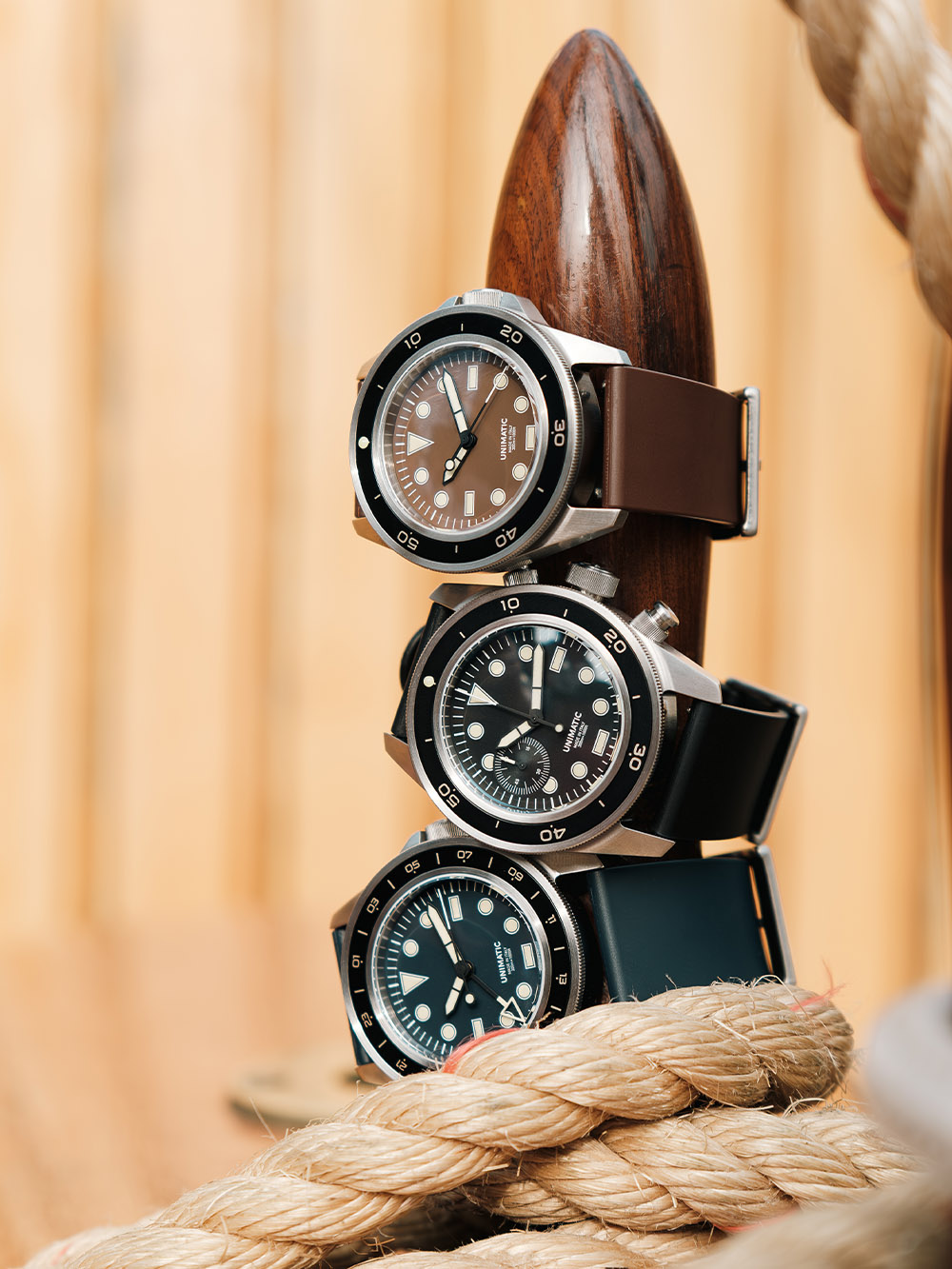
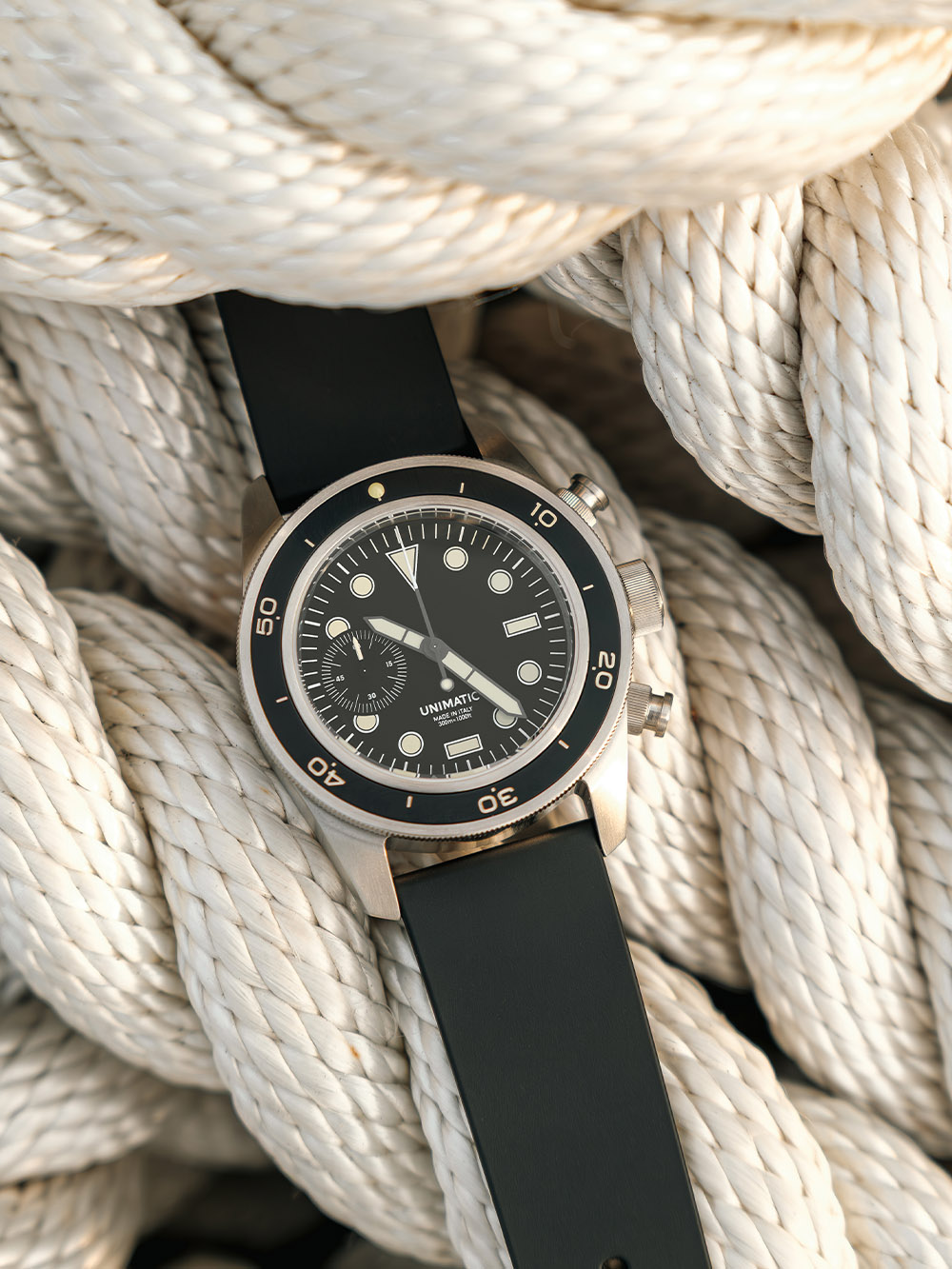
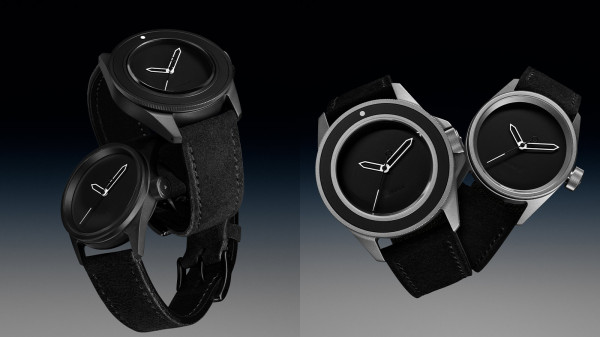
Unimatic Diving Heritage Models
Let’s take a dive watch and look at what defines it. It needs to work underwater, so water resistance is a must. It needs to be seen to be working too, so that means lume. It needs to keep working even if it takes a few knocks on some unseen rocks, so it can’t do without being rugged. So, if you have those elements, you have a dive watch. As far as Giovanni’s concerned however, you should only have those elements – and as little else as possible.
“It’s not that all of a sudden we come and we reinvent the wheel or reinvent the bicycle. This is not what we want to do. What we wanted to do was to take all of the elements that must be there and embed those into a product that was fairly priced, made with modern materials and technology, while taking out everything that was unnecessary. There are no frills. There is no decoration. There is not much of anything that doesn’t have a function.”
While that makes sense when Giovanni says it, it’s the antithesis of the rest of the watch industry. Most brands try to differentiate themselves with unusual dials, weird finishes, complications, funky case shapes, anything they can throw in to give people a reason to come back to them. There’s a lot to love in that; our shoot this issue shows just how cool weird case shapes can be. Variety is fun. But it’s telling that no other watch designer out there aspires to be the horological equivalent of a paper clip.

Unimatic x Massena LAB Modello Quattro Meteorite Titanium Edition
“The paper clip is the perfect design; nothing is unnecessary. It’s very cheap to make, it’s functional. It’s something that might still be working when I need it in 20 years’ time. My dream is that Unimatic is like this paperclip. Maybe in 100 years, I want someone to find one of our watches in a drawer and not dispose of it, but keep it because they can see that it was designed with scope and was designed to be a nice subject both to look at and to use. It might be worthless by then, but it’s not something that you just want to trash, as if it were a dirty towel or an empty can of Coca-Cola.”
The end result of that aim is Unimatic’s fantastic range of distinctly Italian paperclips, a mix of monochrome cool, large, flat planes and a fittingly industrial twang. Even in their relatively recent ‘Classic’ line-up, some of their first non-limited pieces, you can see the timelessness of Gionvanni’s less is more approach. The incredibly broad, brushed bezel of the U4 is a particular standout, with simple, lumed diving indexes and a solid crown guard. You know it’s a dive watch in the same way you can recognise a paperclip or hammer at 100 paces. And yet even without being halfway through an interview in Milan, you would probably be able to tell where it was designed. But what does that distinctive Italian sensibility mean to Giovanni?
“There are very, very few Italian watch brands. Usually, you deal with Swiss, with Japanese, and some German here and there. But Italy is not the first country that comes to mind when you think of watches. But we do have, I think, a different approach to life altogether, for better or worse. We may be slightly less business-oriented and more careful about the look and feel of things. Honestly, for myself, I’ve never been a watch movement geek. I don’t care about the beat per hour, or the amount of jewels, or the power reserve. I do still care about the movement, but it’s secondary to the look and feel of a watch. I feel that is a very Italian outlook. It doesn’t make us better or worse, just different.”
Now, it’s time to play devil’s advocate a bit. If the idea of distilling a product down to its bare necessities means getting rid of anything that’s not necessary… how does one come to terms with the idea that a watch is innately unnecessary?
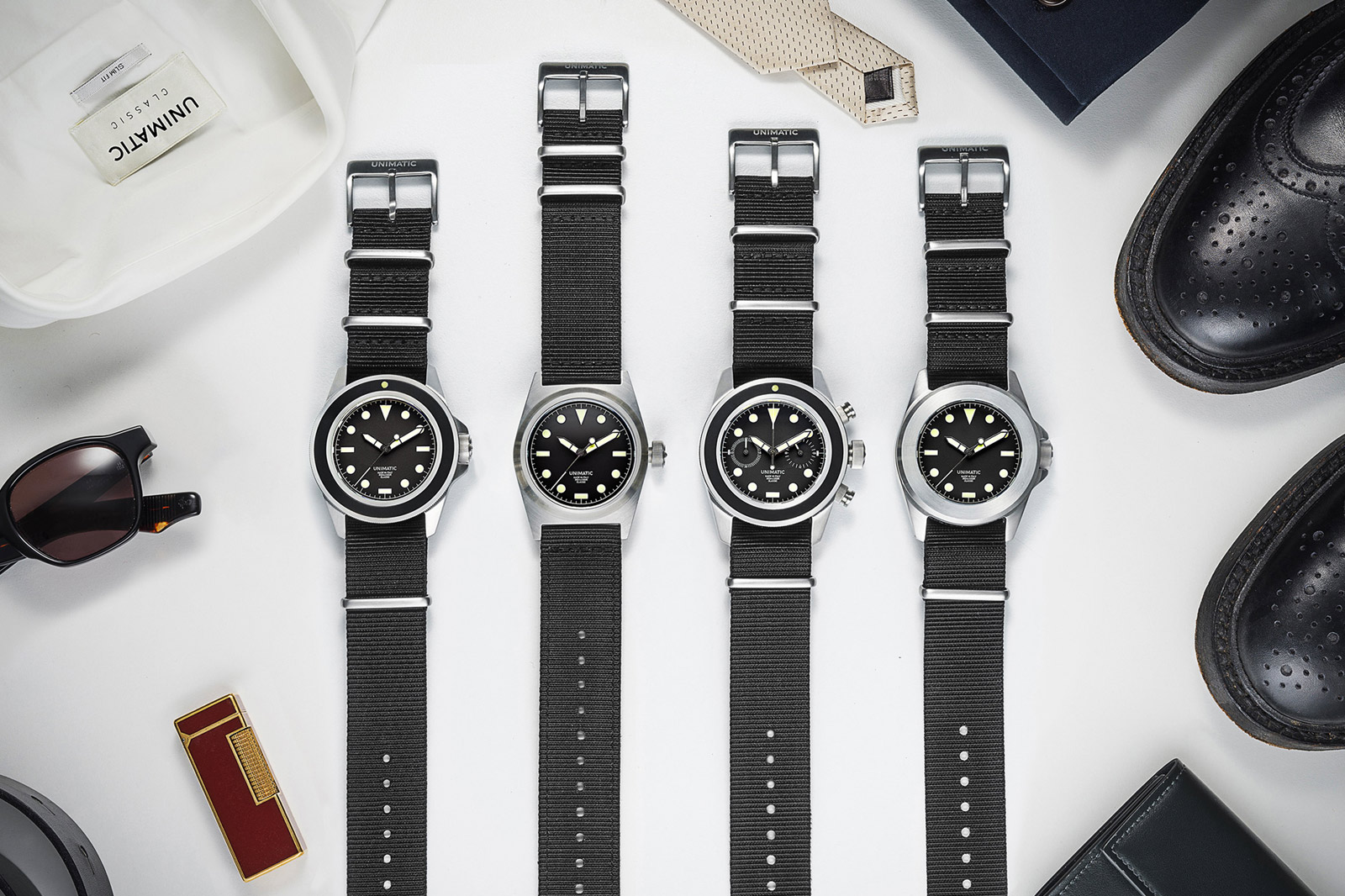
Unimatic Classic Line
“I mean, I do myself, check the time on the phone screen,” says Gionvanni. “True, when you get down to it, humans don’t need mechanical watches. But if we’re being really radical, we don’t need to be having this conversation right now, I don’t need my fancy iPhone 16 Pro Max with the time in the corner. But we still feel the urge to do so. We want to go higher than the animal world and part of that is expressing ourselves through symbolism.”
If this has started sounding a touch philosophical, let’s get back to our solid example: the hammers hanging on Giovanni’s wall.
“The hammer is a tool; it does a job. But sometimes my friends see the hammers in the background and think they’re menacing. The same goes with my nice, quick-release knife. I use it to open envelopes, not to stab anyone. But both have a vast symbolic meaning. I don’t see a contradiction between functionality and symbolism. Symbolism is just another function of any tool.
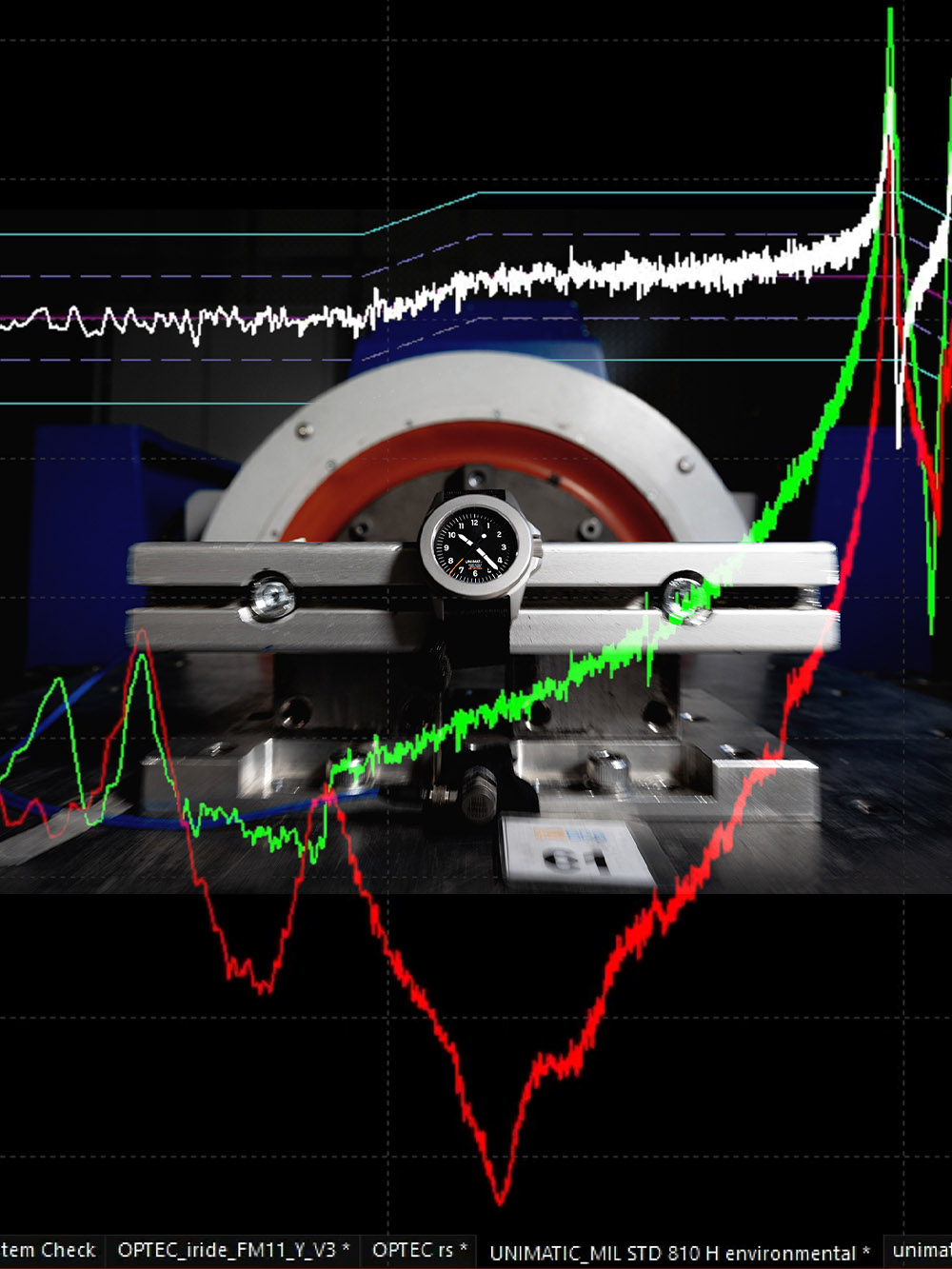
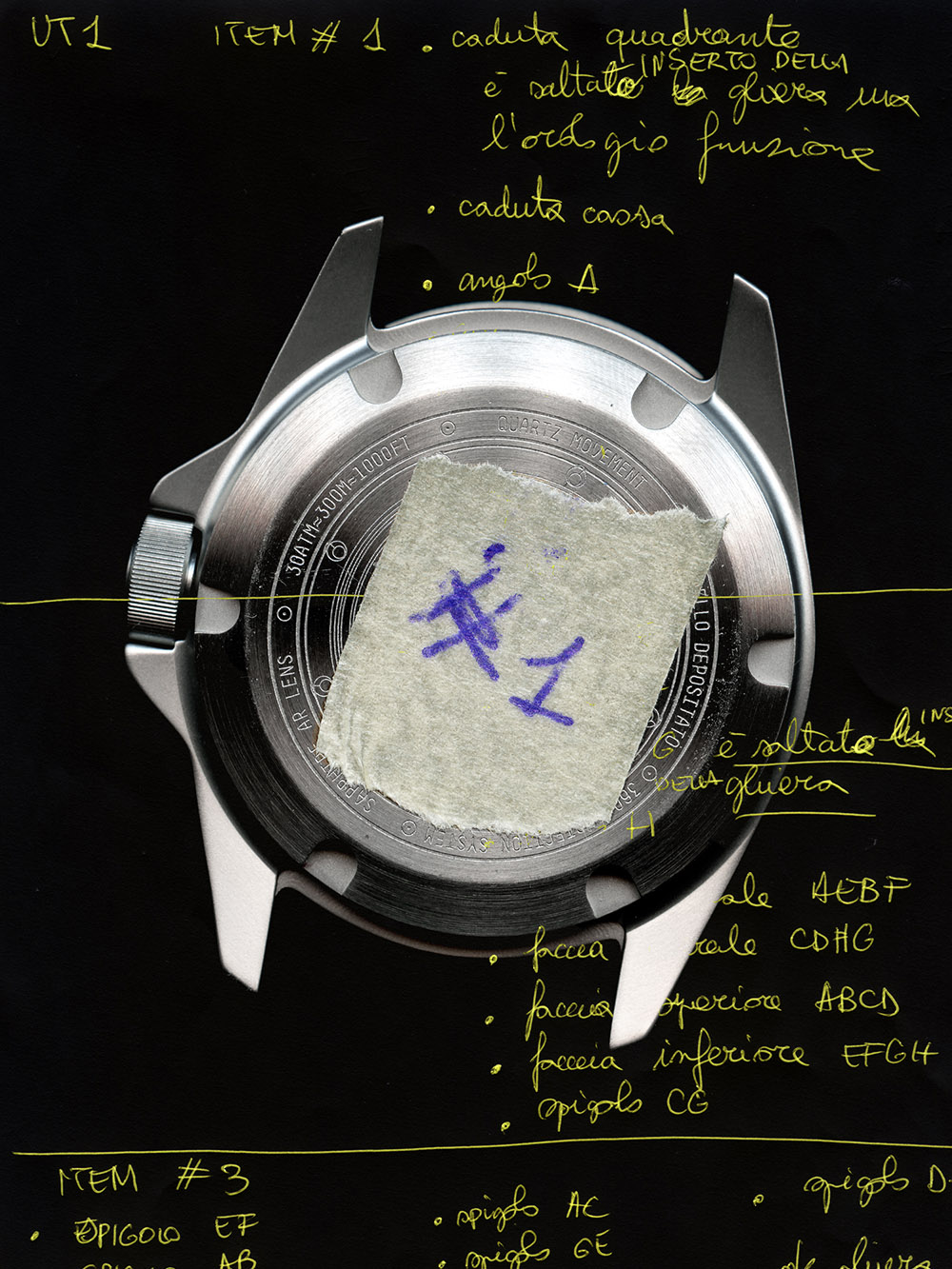
Unimatic Tool Watch Testing
“If you look at my iPhone. It’s a necessary tool these days. I send you messages, you send me messages. But at its root, there are two levels of existence there. There’s the physical world, where you are, where I am, and then there’s the other where the data is. That could be considered symbolic, too – but necessary.”
Honestly, I completely agree. I won’t wax too philosophical, but it all comes down to why we wear watches. We don’t need to, but at the same time, we need things we love, to have objects that we enjoy. For me – and I assume for most of you – that’s watches, but it could be art, music, anything near the top of Maslow’s hierarchy of needs.
However, Giovanni’s design ethos brings up another problem. If your aim is to strip a watch down to its fundamental atoms and get rid of anything unnecessary… surely there’s an endpoint. Surely, if you’re doing your job, you’ll get to a point where there’s nothing else to remove or improve, where you’ve, you know, done watches. Is there a natural endpoint for Unimatic?

Unimatic Modello Due U2-GMT
“That’s a problem I’ve been thinking about ever since we started Unimatic. But it’s also one that’s not actually been a problem thanks to technical advancements. The dumbest but concrete example I can give – stepping back from the philosophical for a moment – is our GMT watch. We were limited in our case construction by the movement. We were stuck using Sellita 330 or ETA 2893. They were expensive so limited what we could do in our price point. Then, all of a sudden Seiko comes out with the NH34, which is one hell of a GMT. It’s very reliable, very affordable and opened up what we could do with the watch and keep it at the same price. That’s just one example, but we keep finding ourselves able to evolve our ideas in new ways.
“Sure, maybe in 100 years we’ll have reached the apex of dive watches for a certain price, that’s definitely possible. But that’s a long path with plenty of scope, and every day we’re discovering new things, new approaches. And anyway, my plan is to have a 100 year company, not 1,000.”