It’s often surprising to me when you learn that a major brand has completed a new milestone that you assume they would have achieved decades ago. Case in point, Tudor has created their first ever moonphase wristwatch after 99 years of existence. I will admit that the moonphase is not exactly in their wheelhouse because they tend to focus on their dive and tool watch collections but there has been plenty of opportunity to dress up the Prince, Royal or as they have finally done, the 1926 with a lunar complication. The new watch is fittingly called the 1926 Luna.
Starting with the case, the new watch measures 39mm in diameter with a 100m water resistance rating. That makes it the largest 1926 model by quite a margin – the rest sitting at 36mm – which has the side effect of making the watch feel less like a dress watch and more like a daily wearer, which has both pros and cons. On the pros, a bigger size improves the readability of the watch with a larger display that can more easily accommodate the new complication. On the cons, it feels a little bulky in comparison to the rest of the collection. In terms of style, a smooth, polished bezel sits atop a case body with matching polished lugs that in turn lead into a 7-link bracelet with alternating satin brushed and polished links.
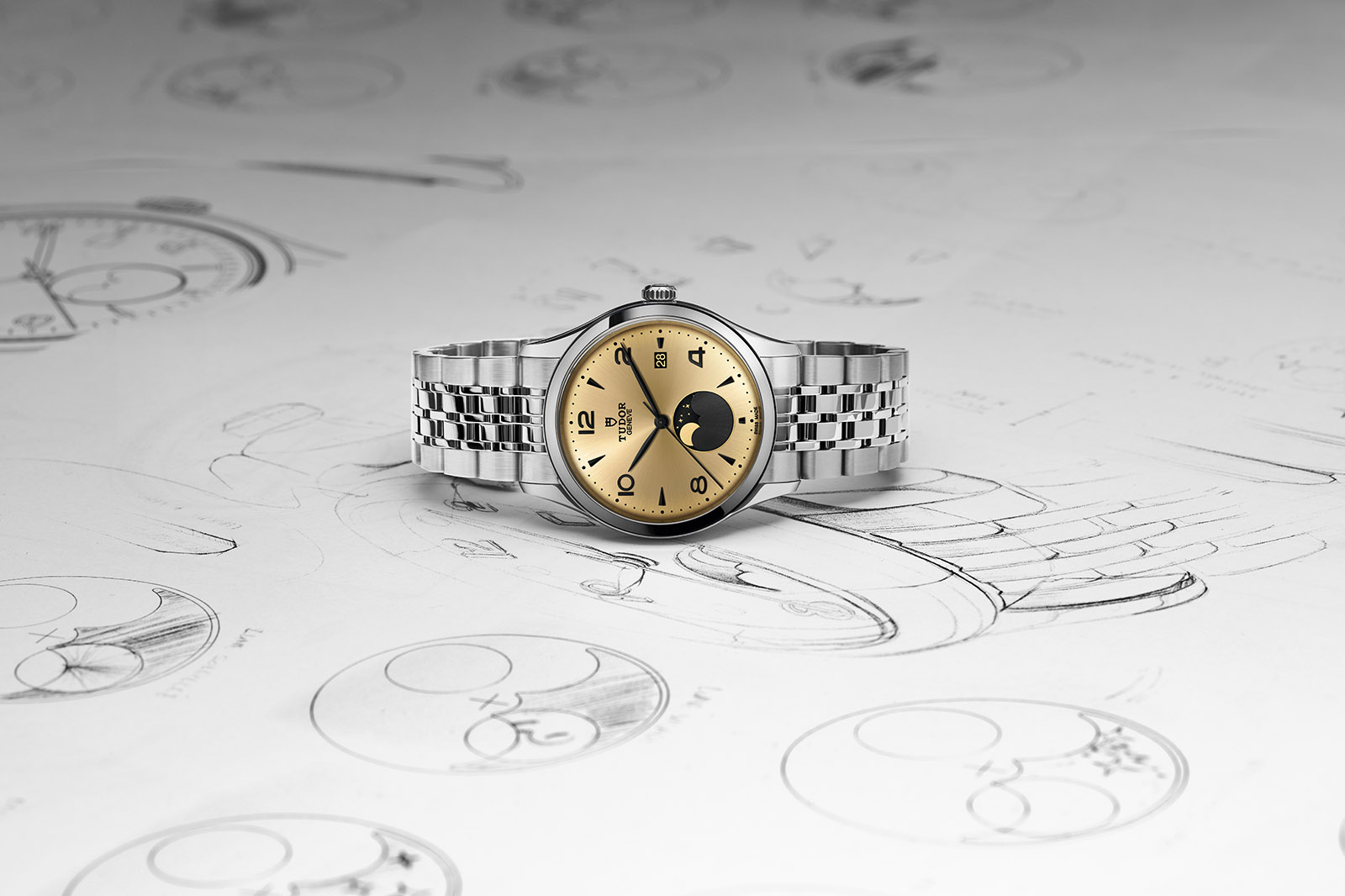
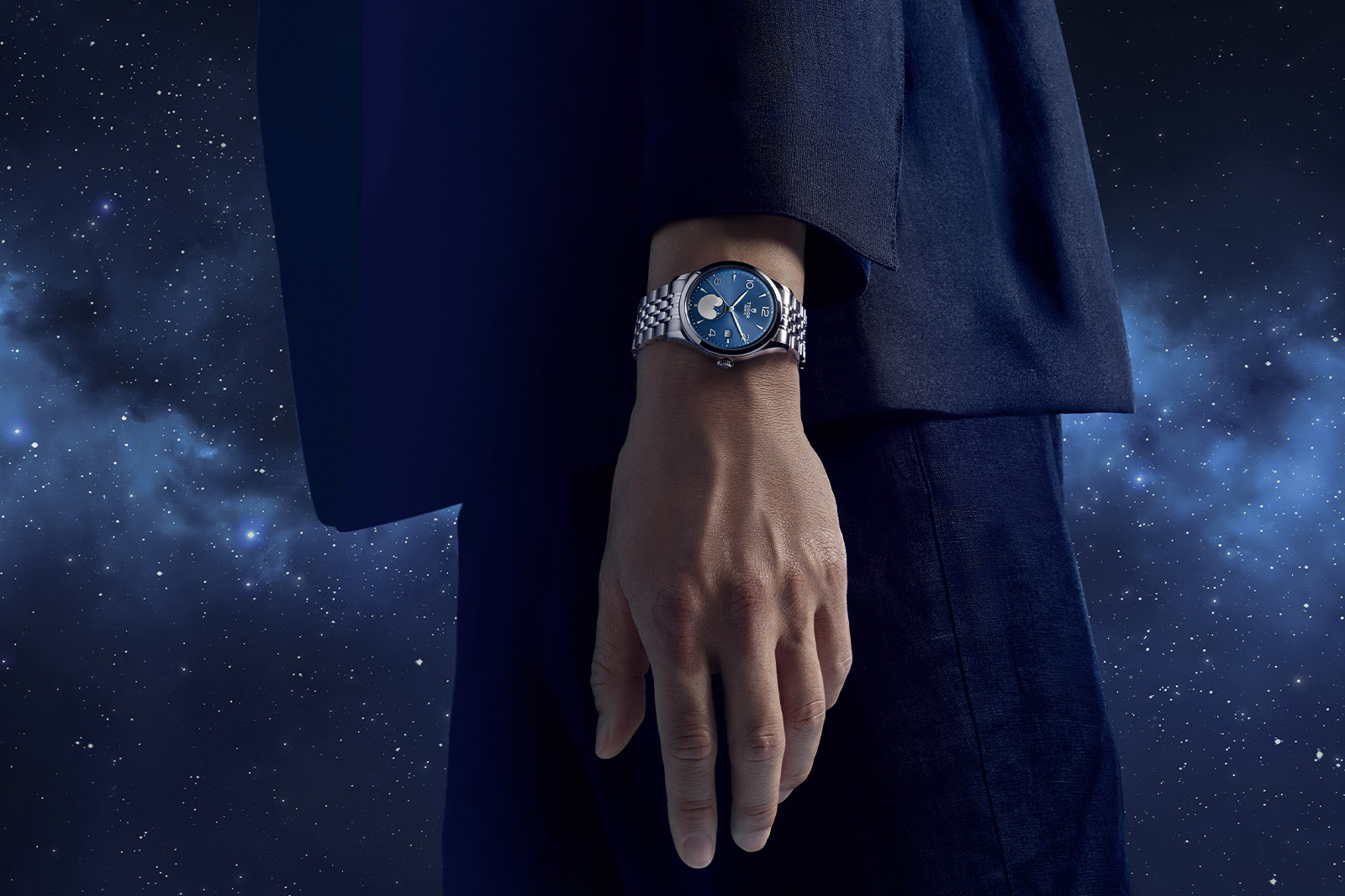
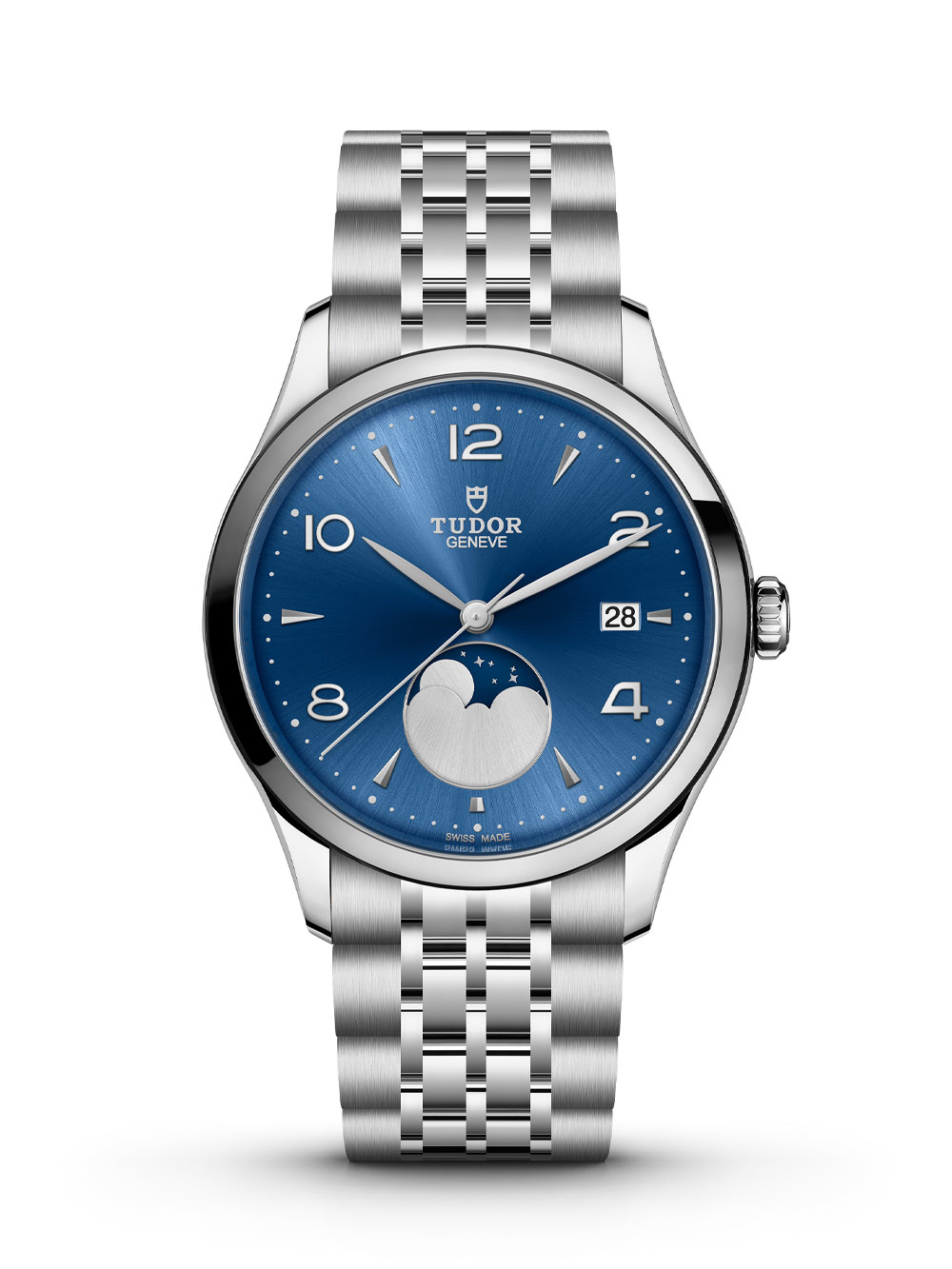
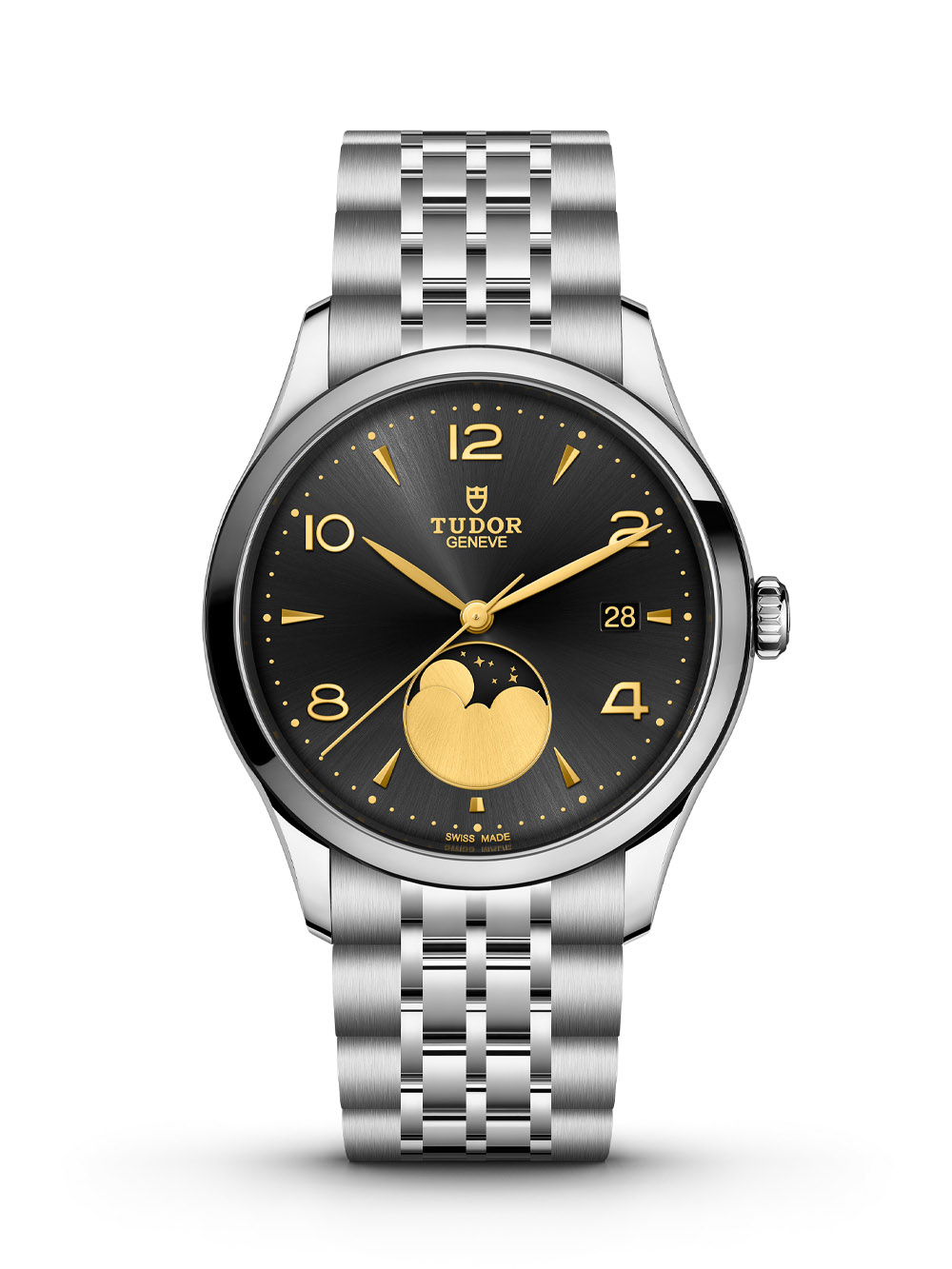
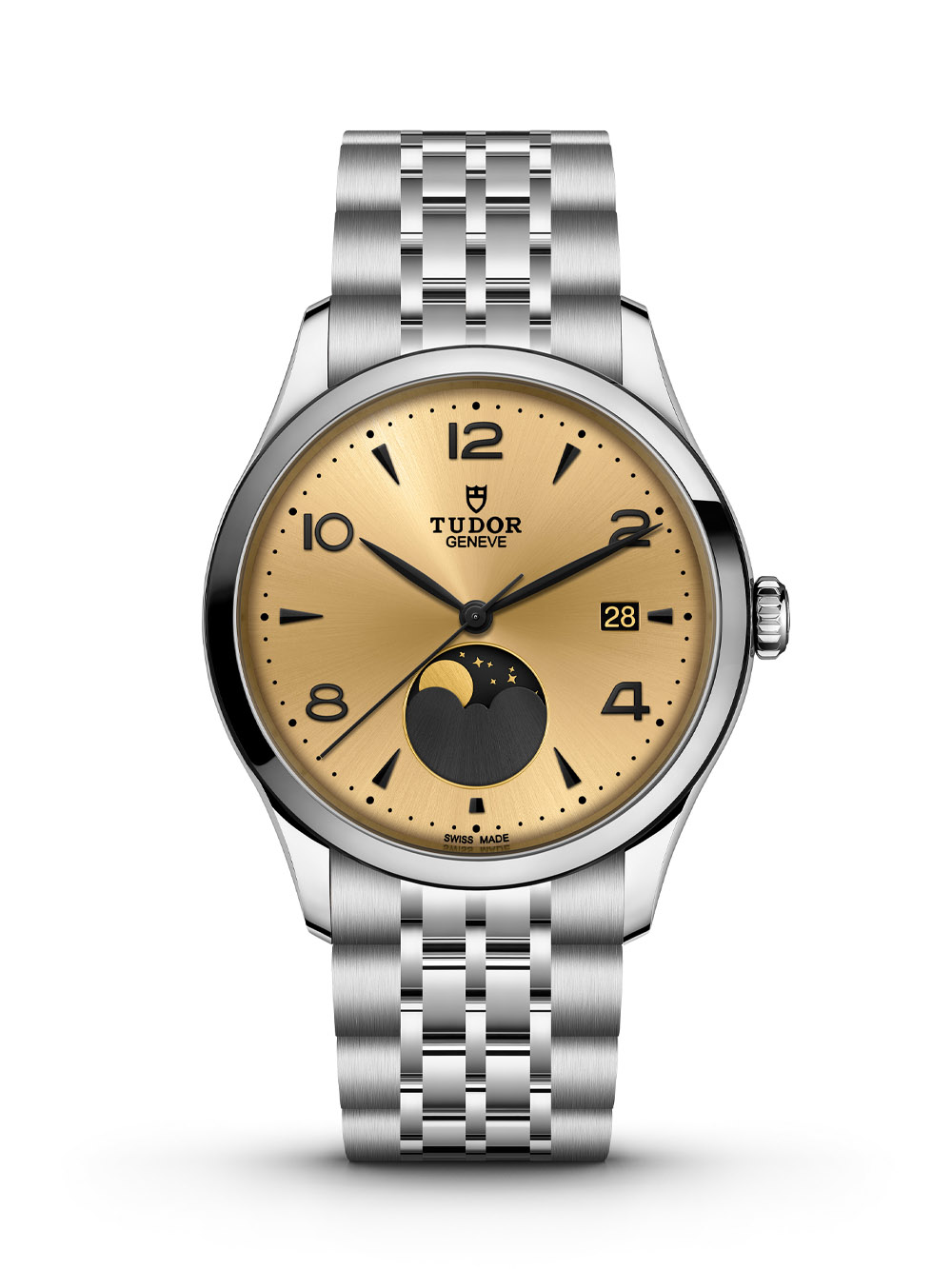
For the dial, there are three options available. The one that feels most authentically Tudor is the blue edition with silver moonphase and hour markers, a signature colour scheme we’ve seen time and time again from Tudor such as with the Chrono Boutique edition from last year. The other two dials are black with gold accents and champagne gold with black accents, which are much more in line with Tudor’s S+G sub-collections. Personally, I find them a little bit too ostentatious, especially in the context of the larger dimensions.
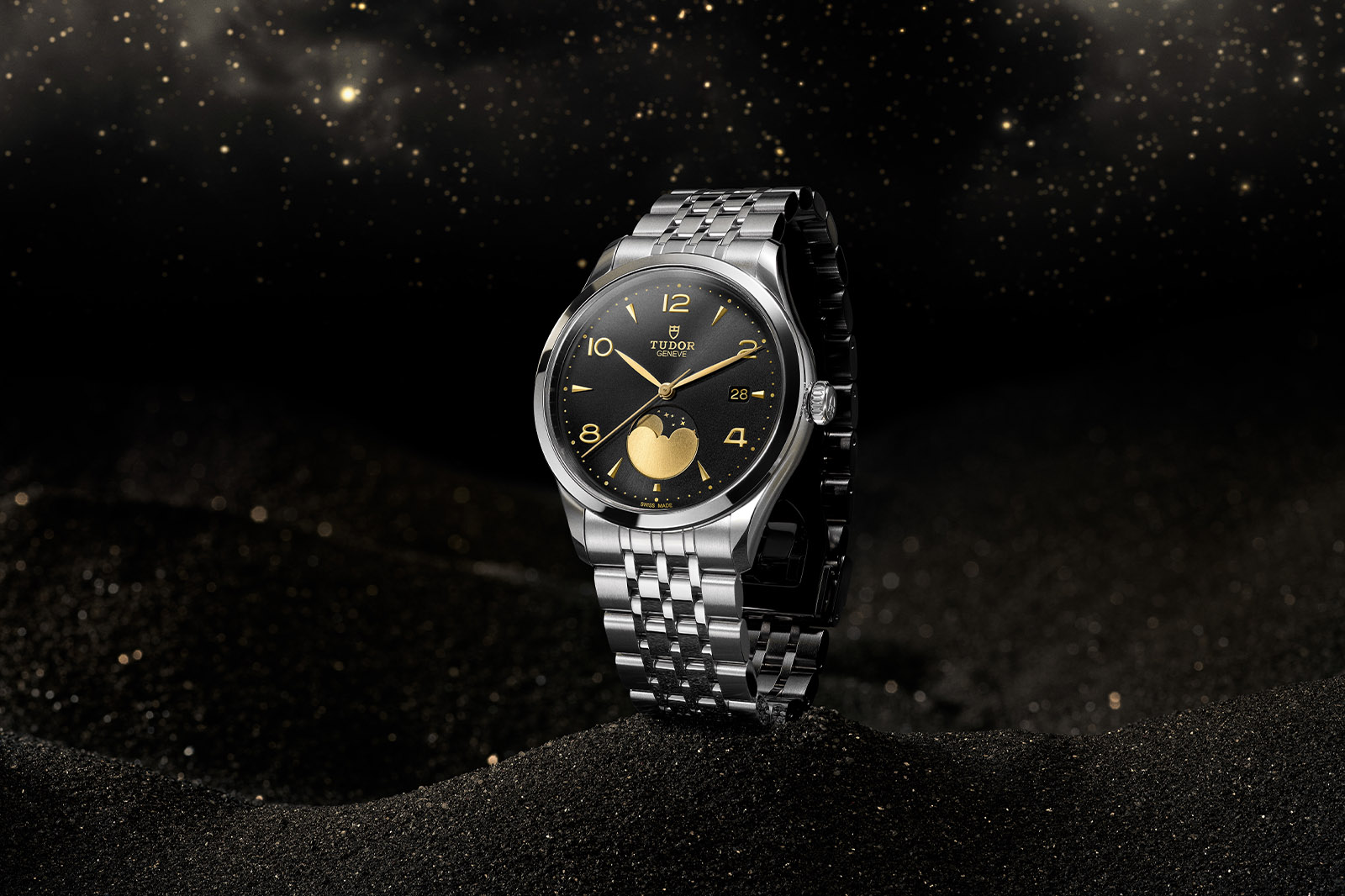
Focussing in on the 1926 Luna’s moonphase complication specifically, it’s a very standard execution of the mechanism. A metallic moon on a rotating disc that depicts the night sky with stars, which sits behind a cutout that obscures parts of the moon to create the moon’s phases. There’s nothing particularly innovative or exciting about the way it’s been styled or designed. You can counter argue that by saying you don’t always need to reinvent the wheel and sometimes a simple execution is the best.
The movement powering the 1926 Luna is the Tudor T607-9 with 38-hour power reserve. From a brand like Tudor that level of power reserve in a modern watch is almost inexcusable, especially when you’re not constrained by a 36mm case. It is at least COSC chronometer certified meaning that it will remain accurate so long as it’s kept wound.
I find myself torn on whether I like this release. The thing that ultimately wins me over is the price of £2,210, which I think does represent a really good value for a Tudor complication watch with chronometer certification. Though you do have to ask yourself if for only £1,000 more, a watch like the Frederique Constant Manufacture Moonphase isn’t worth the extra investment with its more refined dress watch style, 72-hour power reserve and more interesting moonphase display.
Price and Specs:
More details at Tudor.