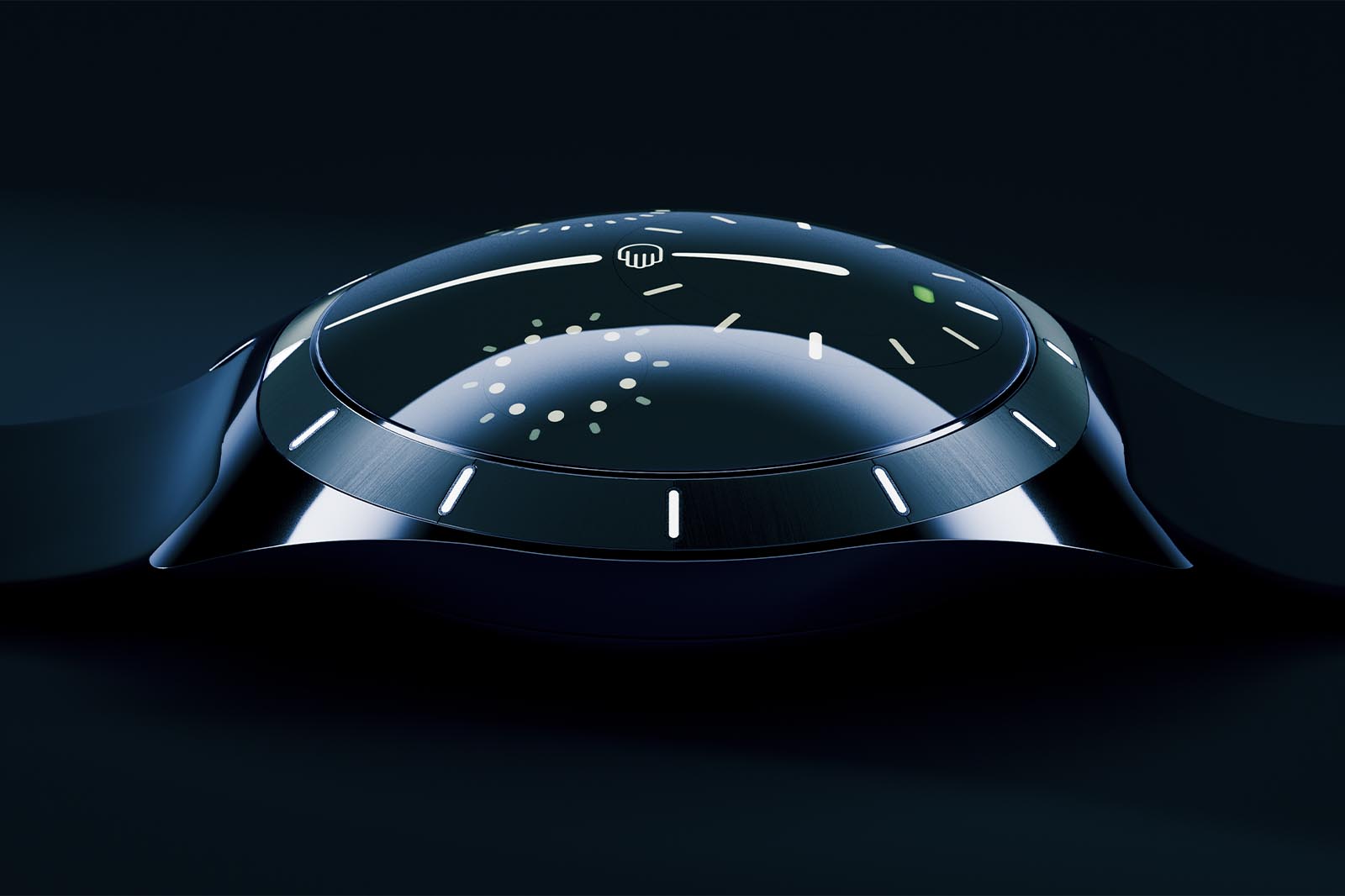
Ressence is a Belgian watch brand that uses rotating, orbital displays and oil-filled dials to create watches look like extraordinary futuristic devices. However, a consistent criticism that the brand has faced is that despite the creative concepts and bespoke modules they’ve created, the base calibres powering the watches have been workhorse Sellita numbers, creating a cognitive dissonance with the premium price tags that the watches command. However, in 2026 they have stepped up their game by introducing their first in-house movements, including in the new Type 10.
The Type 10 took four years to develop because it’s arguably the brand’s most ambitious project to date. The core concept behind its development is the natural evolution of technology such as the automobile or plane. The example that Ressence provides is that the first cars were essentially engines strapped to existing carriages and it was only once the invention was a success that people started manufacturing automobiles from scratch. You can see how that mirrors the evolution of Ressence moving from existing, off the shelf calibres to producing custom movements designed expressly for their watches.
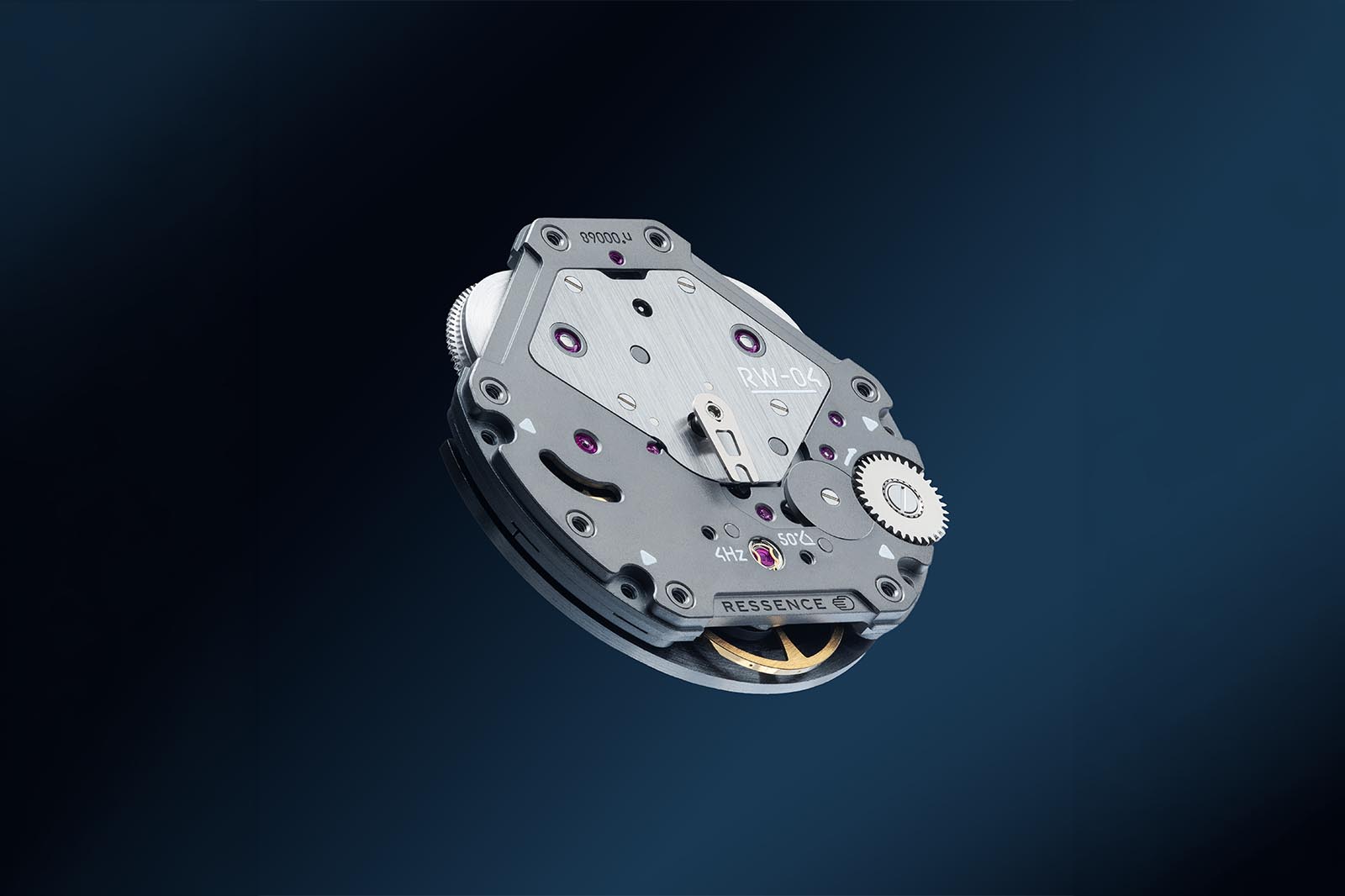
Starting with the new movement, it’s the RW-04 equipped with the ROCS 10 module. It features manual winding and a 60-hour power reserve. Structurally, the most interesting thing about the movement is how it engages with the architecture of the watch. Since the dial is filled with oil that would stop the calibre from operating, the case is split into two chambers, oil-filled and air-filled, respectively. However, the movement in one chamber needs to affect the motion of the dial in the other chamber without allowing for leaks.
As such, Ressence have used a magnetic transmission system where the dial and movement are connected via magnetic fields rather than physically. In order to do this, the moving parts of the dial are produced separately both inside the movement and on the dial and then the duplicated pieces are connected by small but powerful magnets so that as the movement moves, so does the dial.
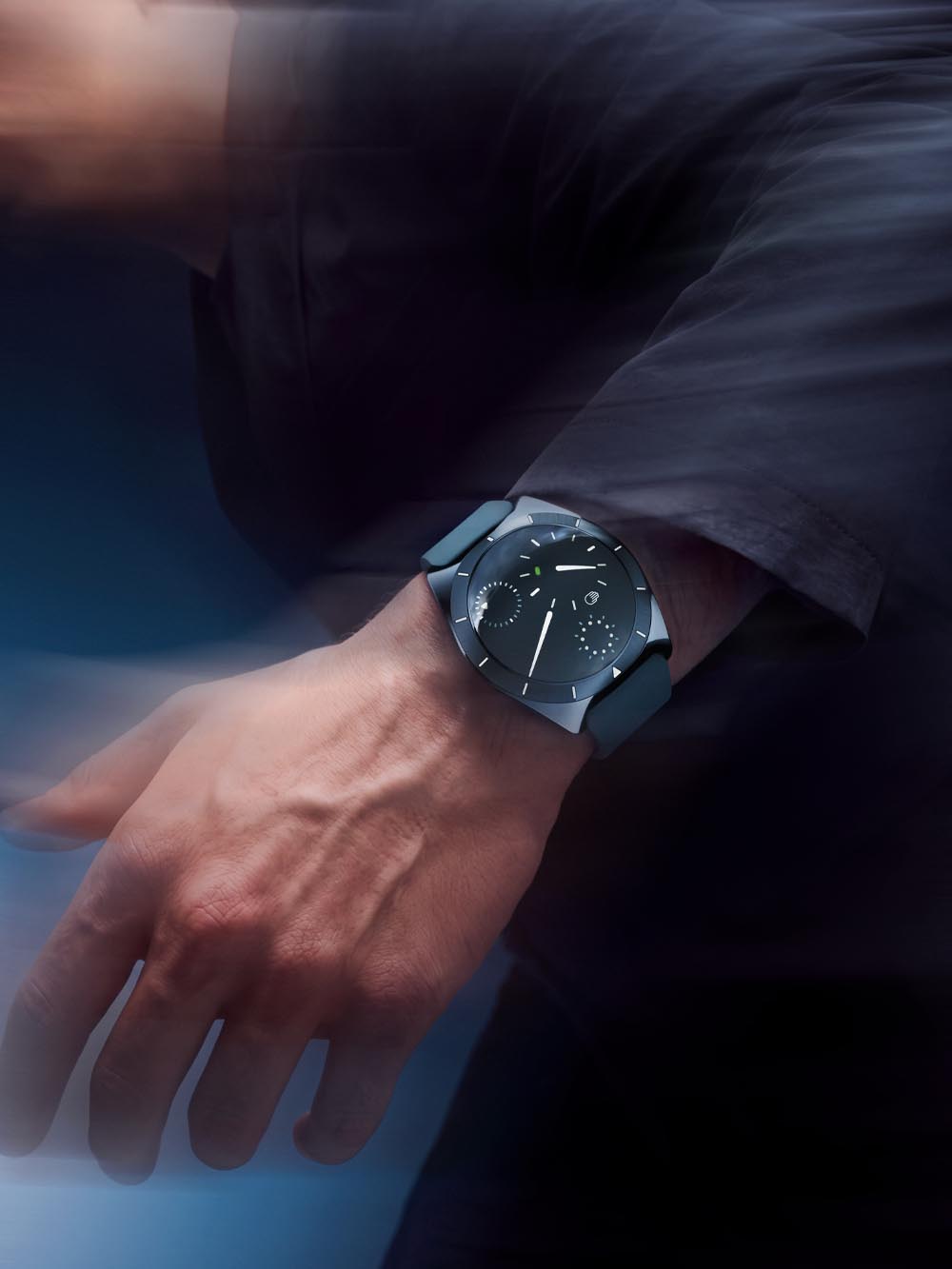
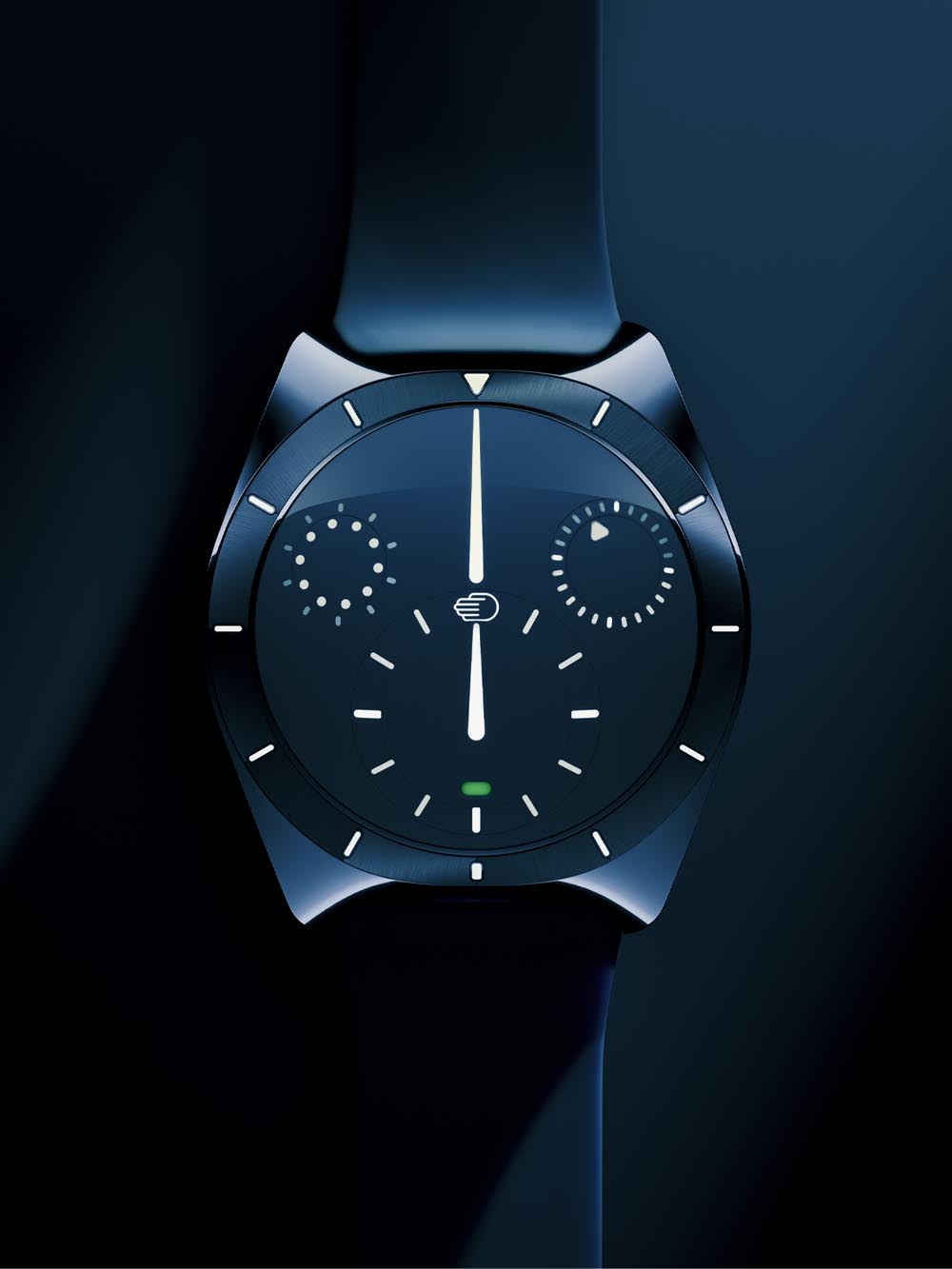
Housing this mechanism is a 41.5mm Grade 5 titanium case protected by a dark blue HarDeCo coating to add colour and improve scratch resistance. It’s quite a minimalist design with a fixed bezel that ties in with the minimalism of the dial itself. It displays minutes through the rotation of the dial with a large hand pointing to the peripheral scale. Hours are shown on the orbiting subdial at the base of that minute hand with the Ressence logo marking 12 o’clock and a coloured marker indicating oil temperature. It also features a running seconds subdial and a second time zone.
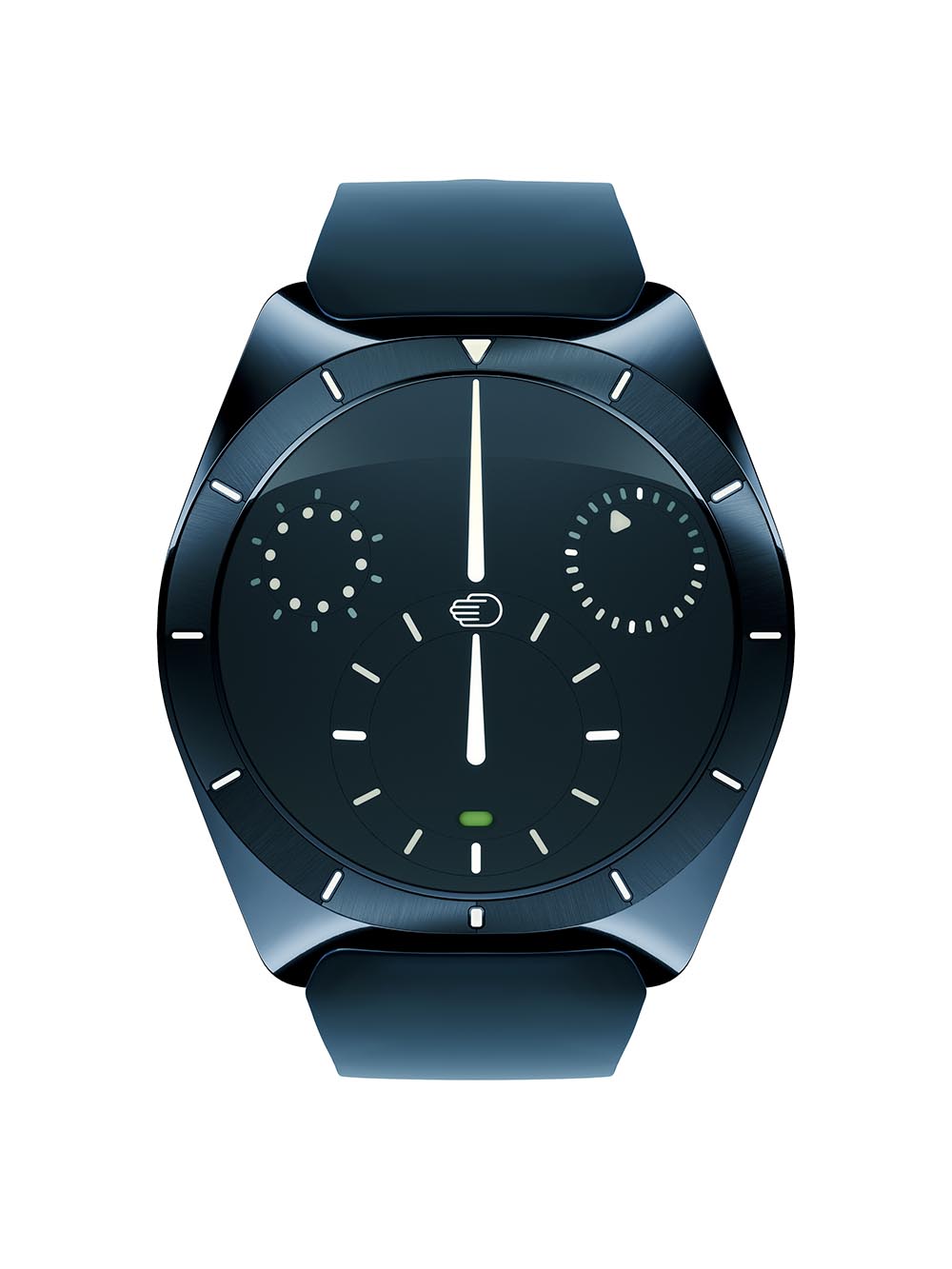
Now that Ressence are taking a more hands-on approach to the actual watchmaking aspects of their timepieces, the premium prices begin to feel more appropriate. The Type 10 costs CHF 45,000 excl. taxes (approx. £40,900). It’s still very, very exclusive but now it feels like that exclusivity is earned. I would like to see a more affordable version in future but perhaps that’s the next stage in Ressence’s evolution.
Price and Specs:
More details at Ressence.