
The most telling gesture in modern military watch history is a Special Forces combat diver taking off an automatic time-only Rolex Submariner in exchange for a Casio G-Shock. For a generation of frogmen the Submariner had been one of the finest instruments a navy could issue. Then, sometime in the 1980s, quartz watches – that cost a rounding error against a Rolex – did the same job better: tougher, cheaper, and eventually loaded with functions no mechanical movement could match.
The Submariners and Tudors became aspirational consumer offerings, and militaries bought digital tool watches by the crate and treated them like a rebreather, a pair of fins, or any other bit of kit. Despite the loss, collectors have come to appreciate that the romance of military watches isn’t in the dial, hands and the mechanical movement, but in the history of the people who wore them.
Before Digital Tools

It first helps to remember what the digital tool watch replaced, because there have been some extraordinary timepieces in military history.
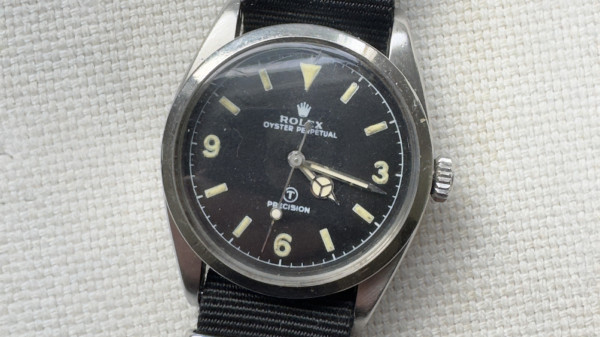
Britain famously fielded the Rolex “MilSub”, the references 5513, 5517 and the double-reference, on the wrists of Royal Navy divers, and later issued Omega’s Seamaster 300s.
French Navy combat swimmers collaborated with Blancpain to give us the Fifty Fathoms, and then built one of the greatest military-watch partnerships of all time with Tudor, whose “Snowflake” hands were made for the Marine Nationale’s diving units.
Special Operations in the United States famously adopted the Fifty Fathoms too, via Tornek-Rayville (fun fact: “Rayville” is a wordplay on “Villeret”; the home of Blancpain). The US later used Tudor Submariners too, and the legendary Seiko “Turtle” Ref. 6309.
These were tools, but they were also treasures, precise, costly, and expected home at the end of a tour. The cost-benefit only held while a mechanical dive watch was genuinely the best instrument for the job. Then by the time of the Quartz Crisis in the early 1980s, that all changed.
The Ana-Digi Shift
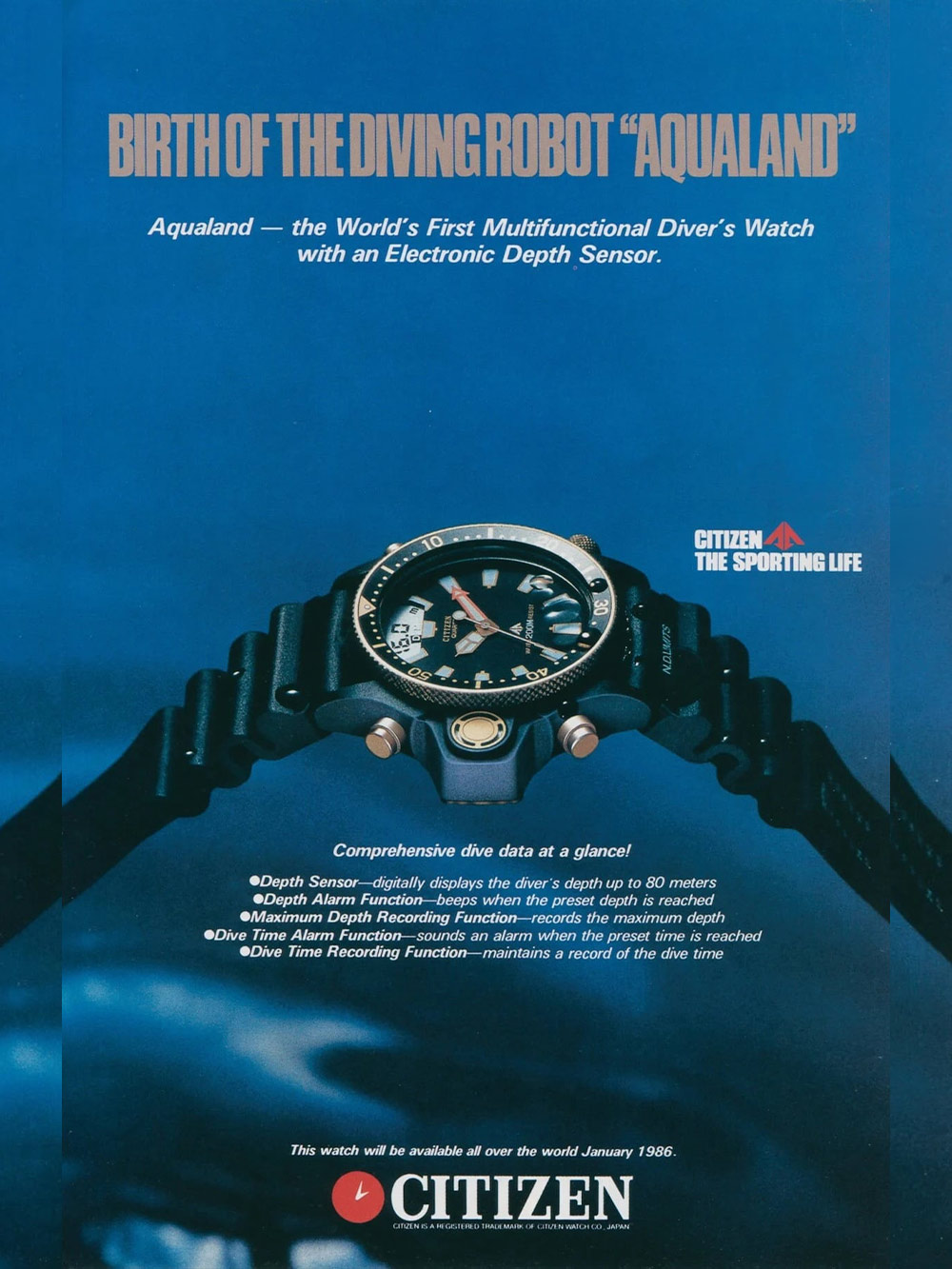
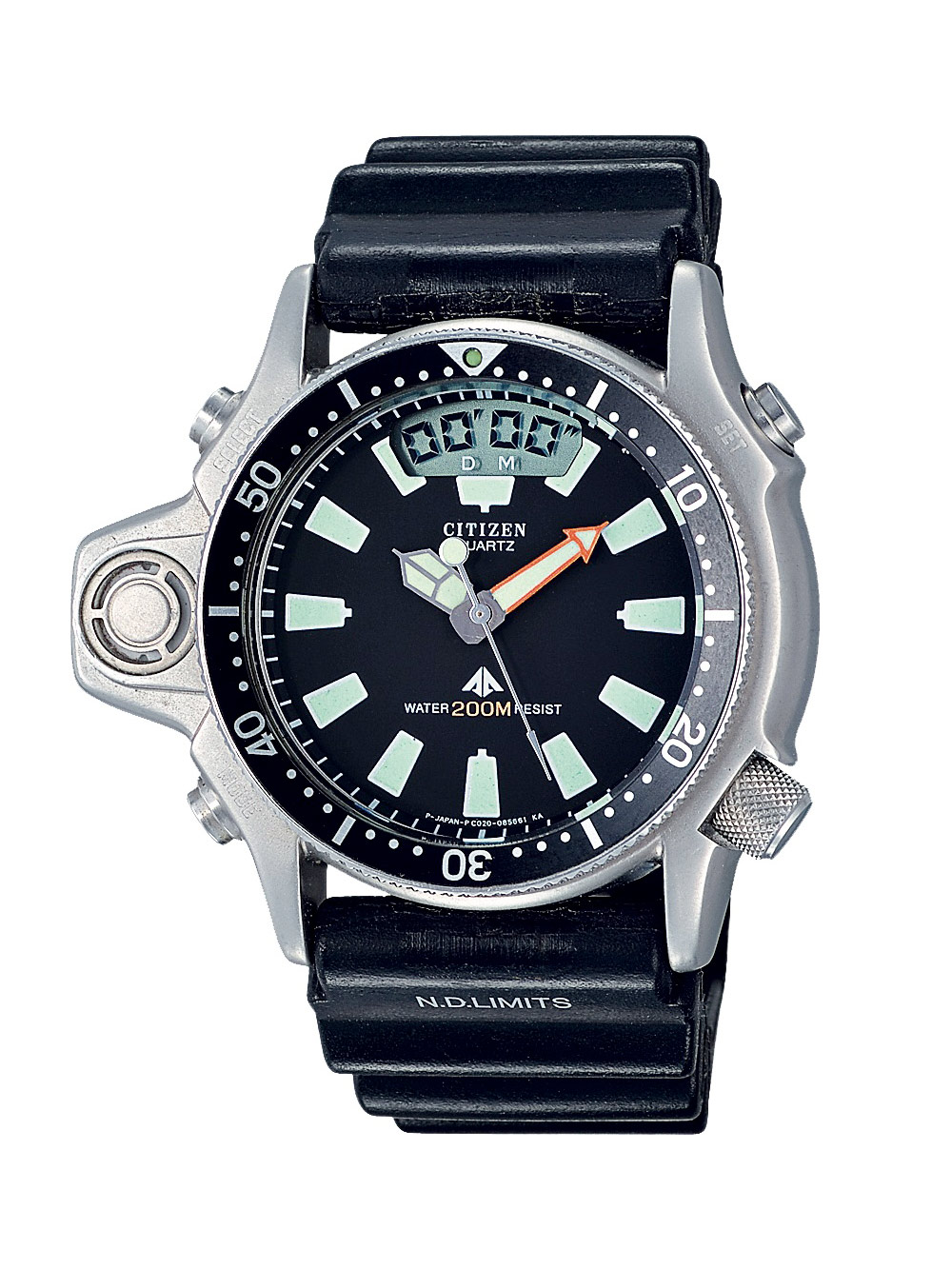
The cleanest way to see the changeover to digital military watches is a watch that is, quite literally, half old world and half new: the Citizen Aqualand.
Launched in 1985, the Aqualand married an analog dial to a digital depth readout, pioneering the electronic depth sensor — a distinctive extrusion at nine o’clock that measured the water directly, rather than a bezel and some charts. For a working diver this was a revelation, and several navies noticed.
The Royal Australian Navy issued it. So too did British Clearance Divers. And Denmark’s Frogman Corps, the Frømandskorpset, the country’s maritime special-operations unit, took to the Aqualand from the model’s earliest days and never really let go, moving from the original C022/C023 to the JP2000-08E when that arrived around the turn of the millennium, and running it to this day.
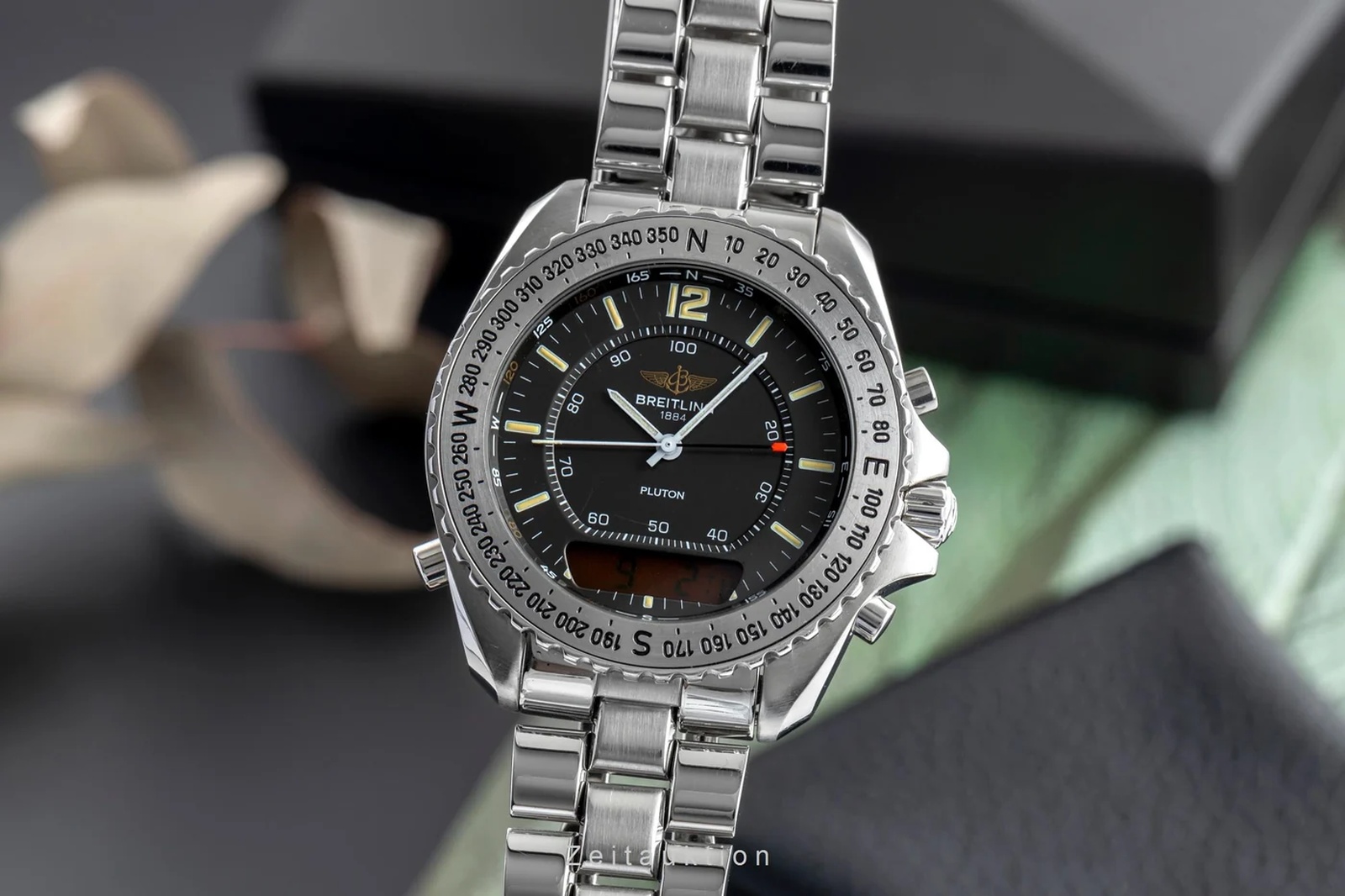
Ana-digi watches appeared in other militaries too, and the Marine Nationale issued the Breitling Navitimer Pluton to SHOM – that’s the Service Hydrographique et Océanographique de la Marine; the official French agency responsible for hydrography, oceanography, and marine cartography.
United States: From Fifty Fathoms to G-Shocks
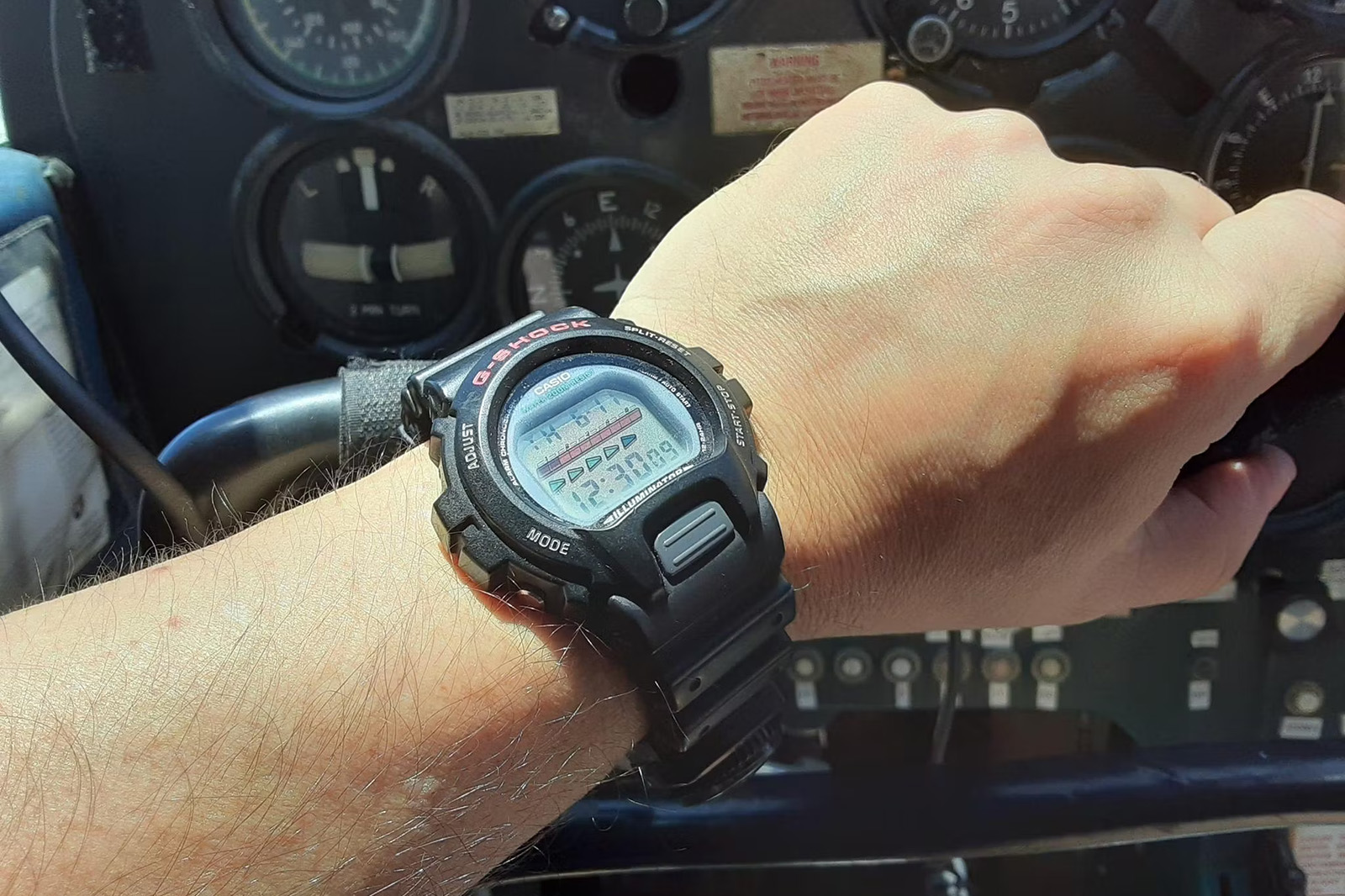
But if anything defined the fully digital military watch, it was the Casio G-Shock, and it was the United States who wrote the template for how a nation adopts one.
The mechanism was the NATO Stock Number: the code that inducts an item into the federal supply system and makes it orderable like any other piece of kit; the same system that catalogues boot laces or a rifle sling.
Only four basic G-Shock references have ever earned a NATO Stock Number – deep breath: the DW-5600E-1V, DW-6600-1V, DW-6900-1V and DW-9052-1V.
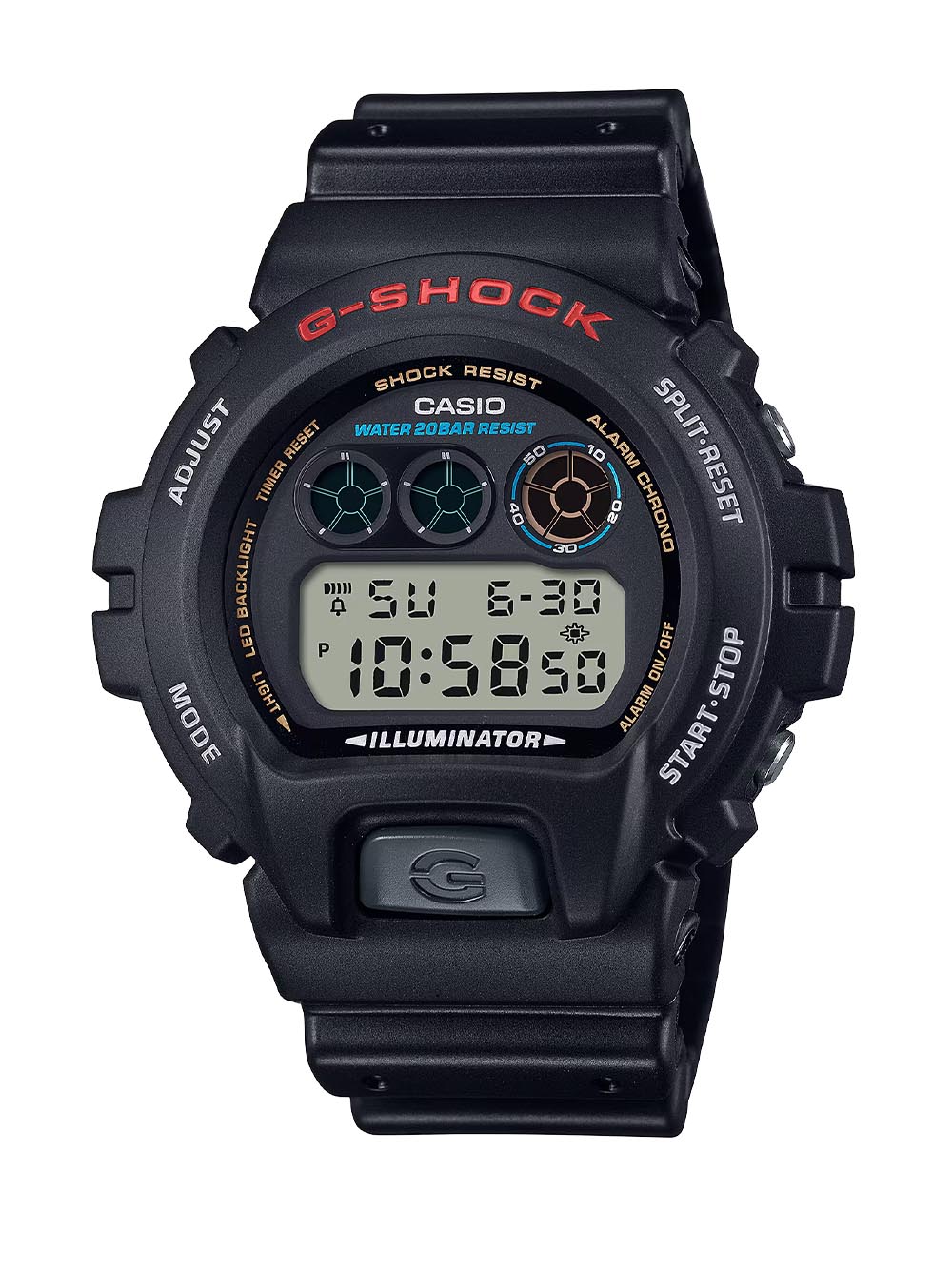
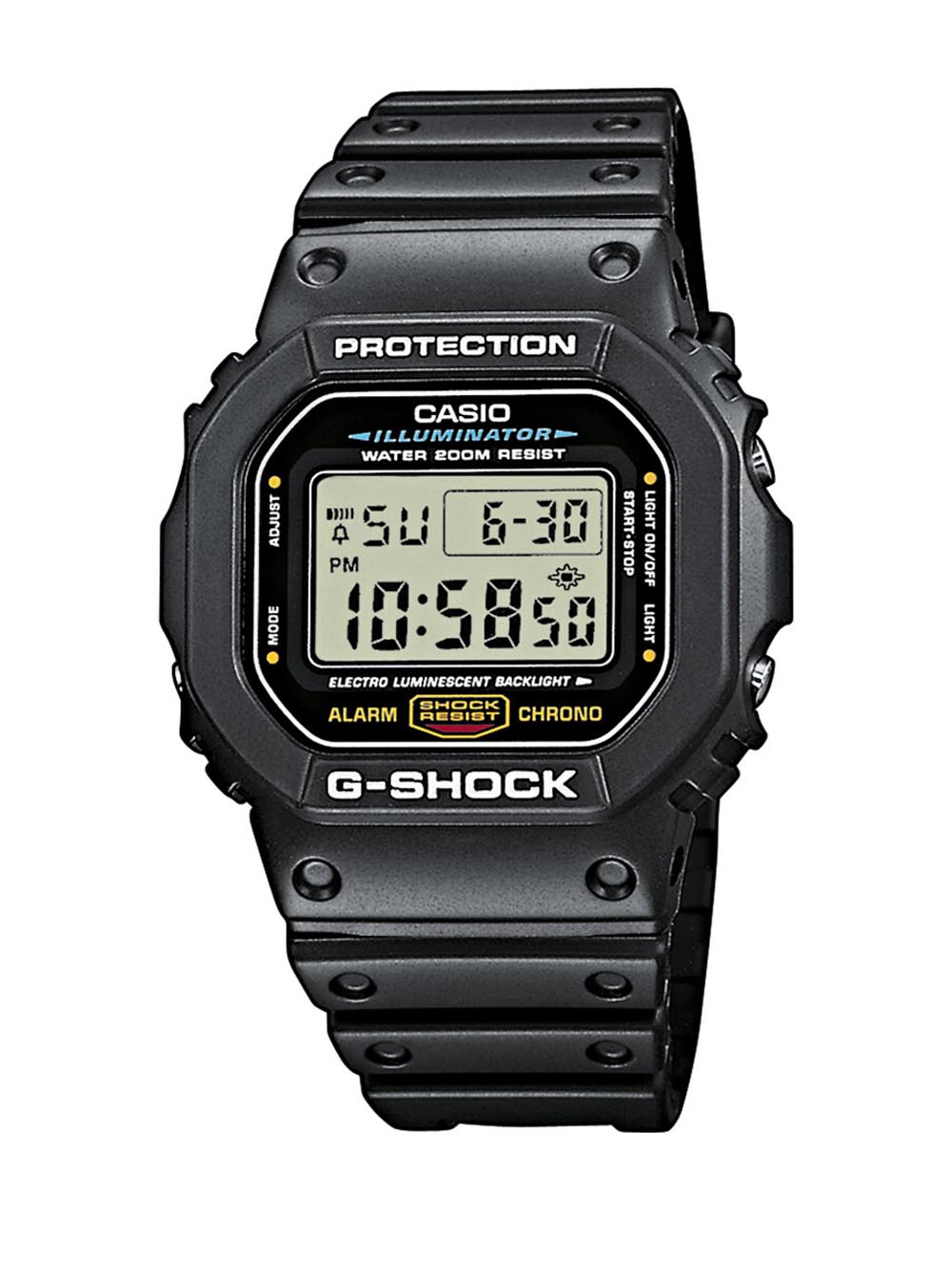
The DW-6600 became the archetype, effectively retiring analog watches to the SEAL sock drawer and turning up, years later, on Chris Kyle’s wrist in American Sniper. When Casio discontinued it, the DW-9052 took over; right up to 2018 it was standard issue to new divers at the Naval Diving and Salvage Training Center and to SEAL candidates at BUD/S.
The useful distinction here is between standard issue and unit purchase. Standard issue means everyone in a specialty gets one, while a unit purchase is a batch bought for a select few. The Mudman G-9000 is the textbook case of the latter, U.S. Special Operations Command ordered them in 2014, in two runs of 400 and 600.
Today there is no officially sponsored US military G-Shock at all. The old references, like with their mechanical issued watches, are a legacy. The watch a special operator relies on today is likely the same one you’d grab off a rack at a hardware store.
Britain: From MilSubs to Solar

Britain’s transition is perhaps the best documented of the lot, because you can prise it out of Ministry of Defence records.
After the MilSub era, the analog baton passed to the Cabot Watch Company, the Hamilton spin-off firm set up in 1972 expressly to feed British military contracts, and CWC still supplies the blacked-out quartz SBS Diver to specialist units today.
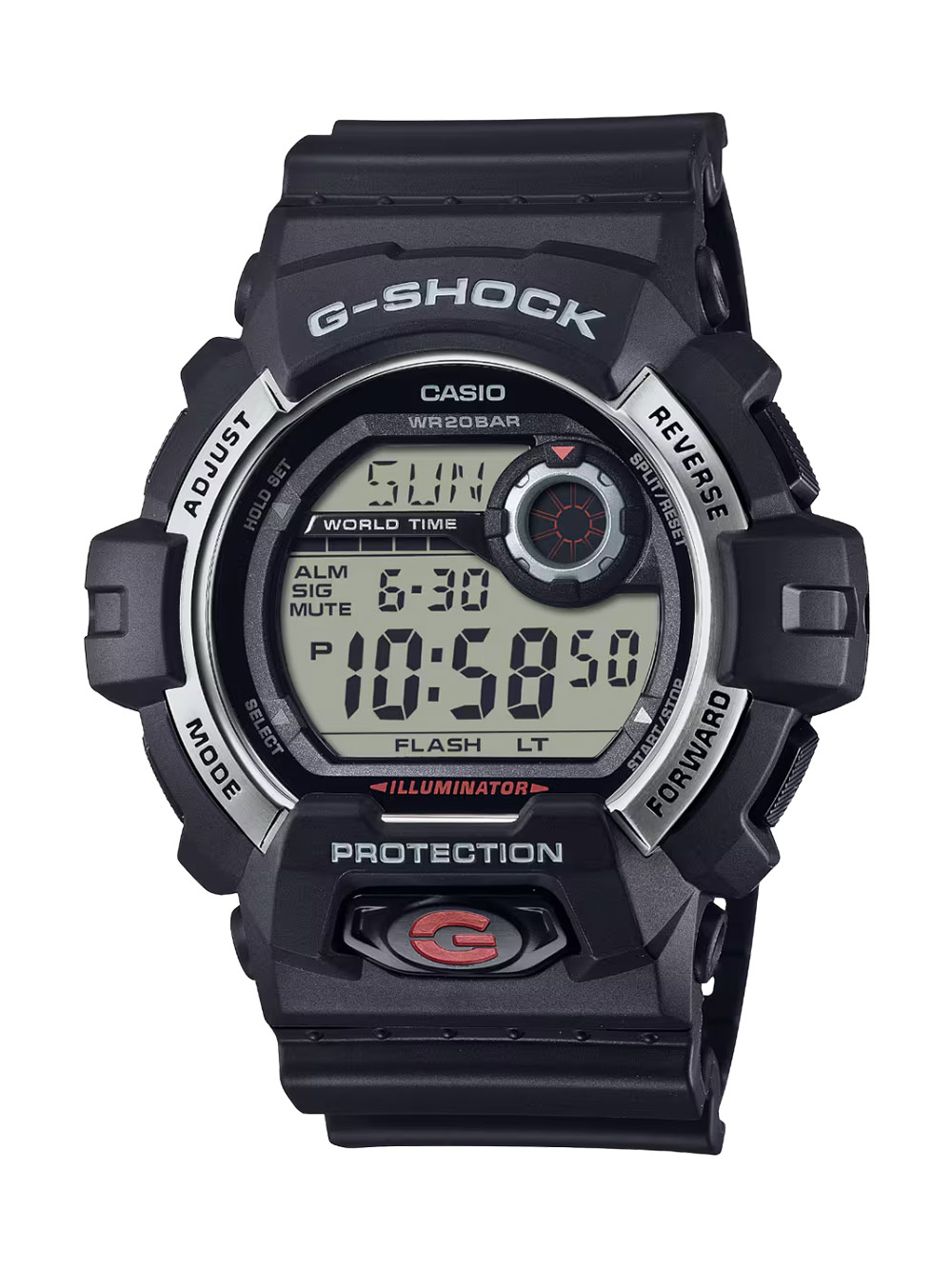
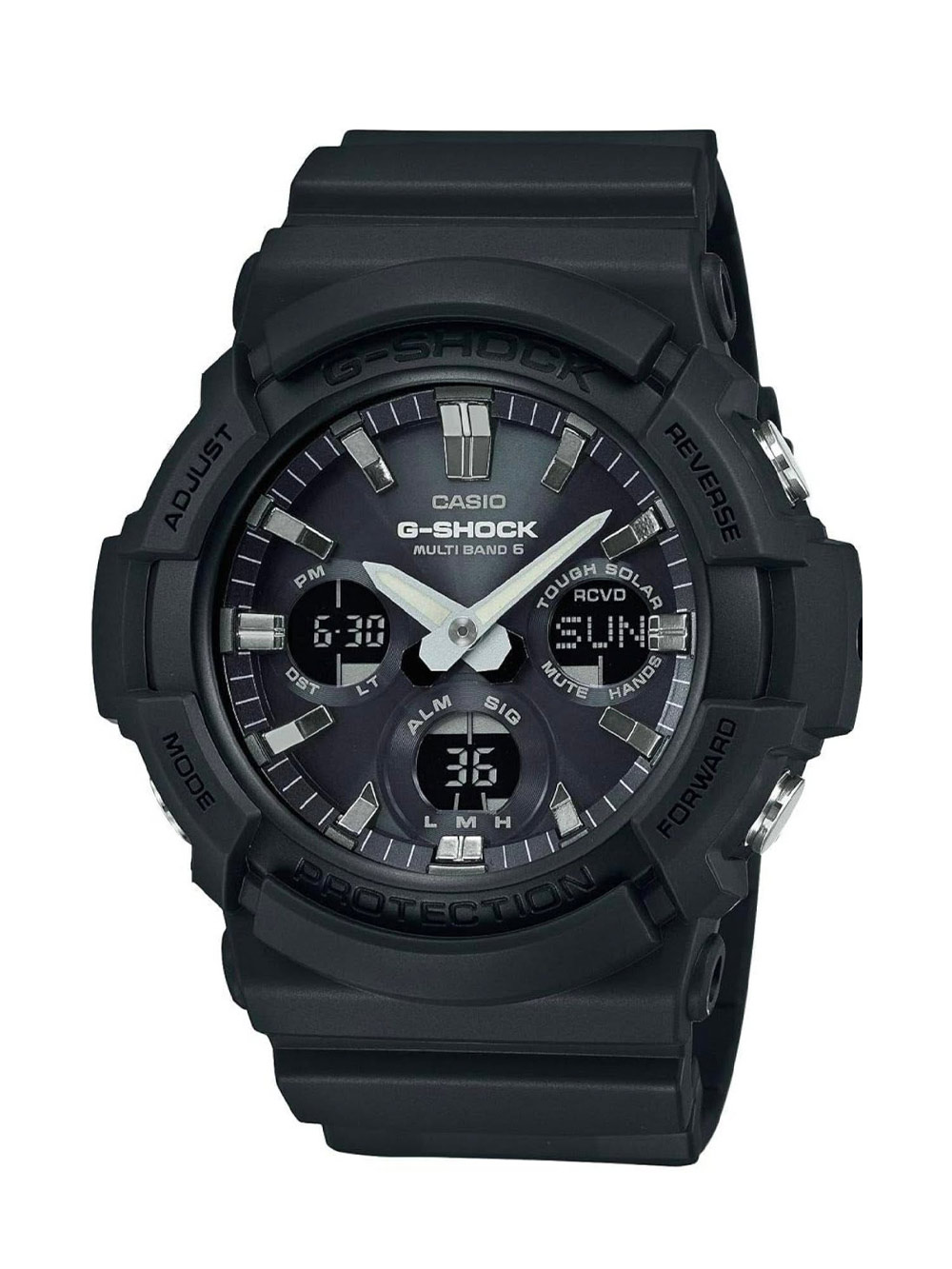
But alongside it, the Royal Navy went digital, and Freedom of Information requests have laid out the succession in good detail. Ask what the Navy’s divers were issued and the answer, as of 2020, was the solar-powered Casio G-Shock GAW-100B, with 135 in service. It had replaced an earlier G-Shock, the GR-8900, of which 508 were issued.
Ask the obvious follow-up about Special Forces and the shutters come down. A separate FOI request in 2019 confirmed Royal Navy divers were issued the G-Shock GR-8900, but on the make and model of watch issued to Special Forces, the MoD’s answer was that the information is exempt under Section 23(1) of the FOI Act, the clause covering information relating to national security, which is as close as officialdom comes to confirming there’s something worth hiding.
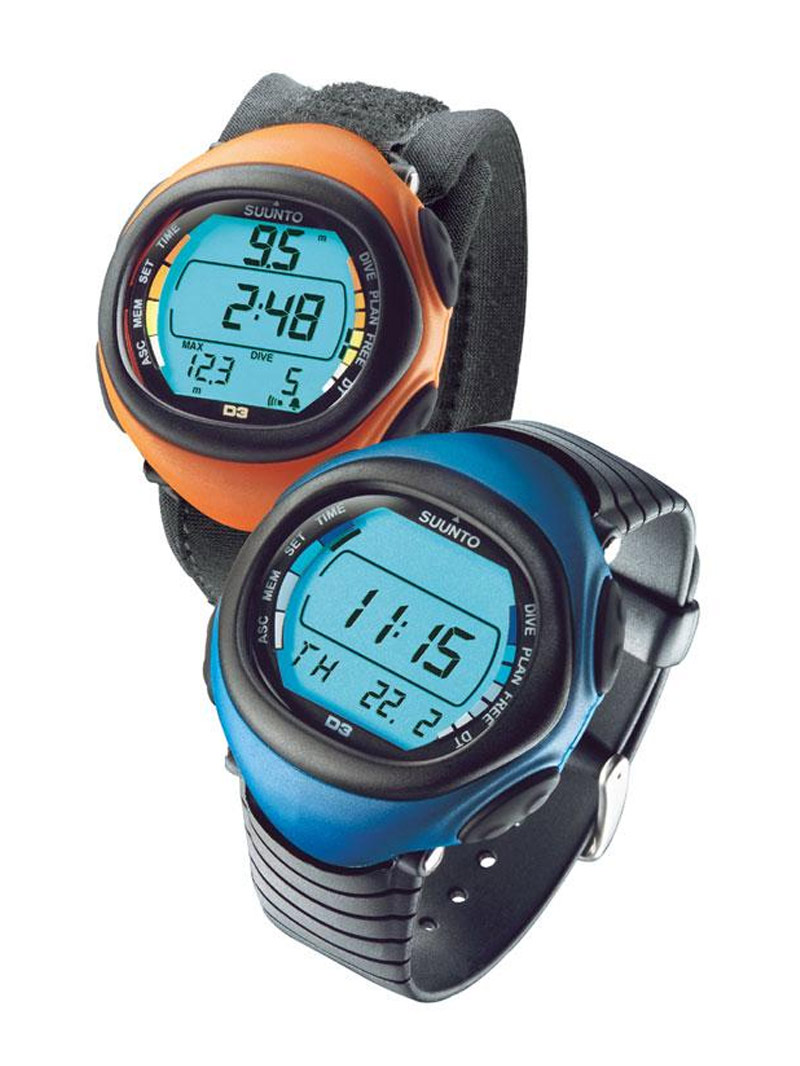
The dive computers followed the same path. A Suunto D3 has surfaced carrying a NATO Stock Number which includes the ’99’ country code for the United Kingdom.
One trap for the unwary: the retail collaborations are not issued watches. Casio’s “official supplier” partnership with the MoD launched a camo British Army Mudmaster, an RAF Gravitymaster, and a Royal Navy Frogman, handsome, tough and limited. But these are marketing efforts, not military-issued kit, and they belong in a different category from a plain G-Shock in a stores’ supply box.
France: From Snowflakes to Timex

Unlike the British, who specified what they needed out of a military timepiece and contracted companies to supply them, France procured civilian watches, marked them, and then issued them to soldiers.
But just as the British went from MilSubs to quartz CWCs in 1983, the Marine Nationale started opting for quartz “Monnin”-case watches in the early 1990s from brands like Luxia, Le Forban and the aforementioned ana-digi Breitling Pluton.
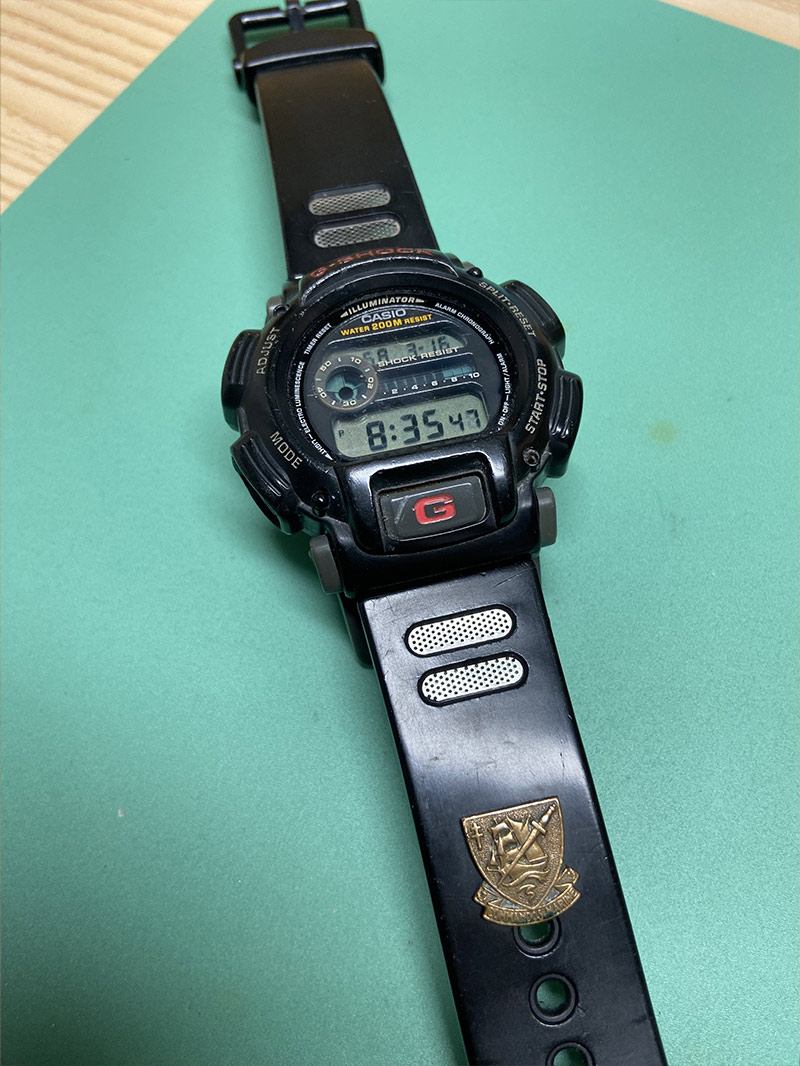
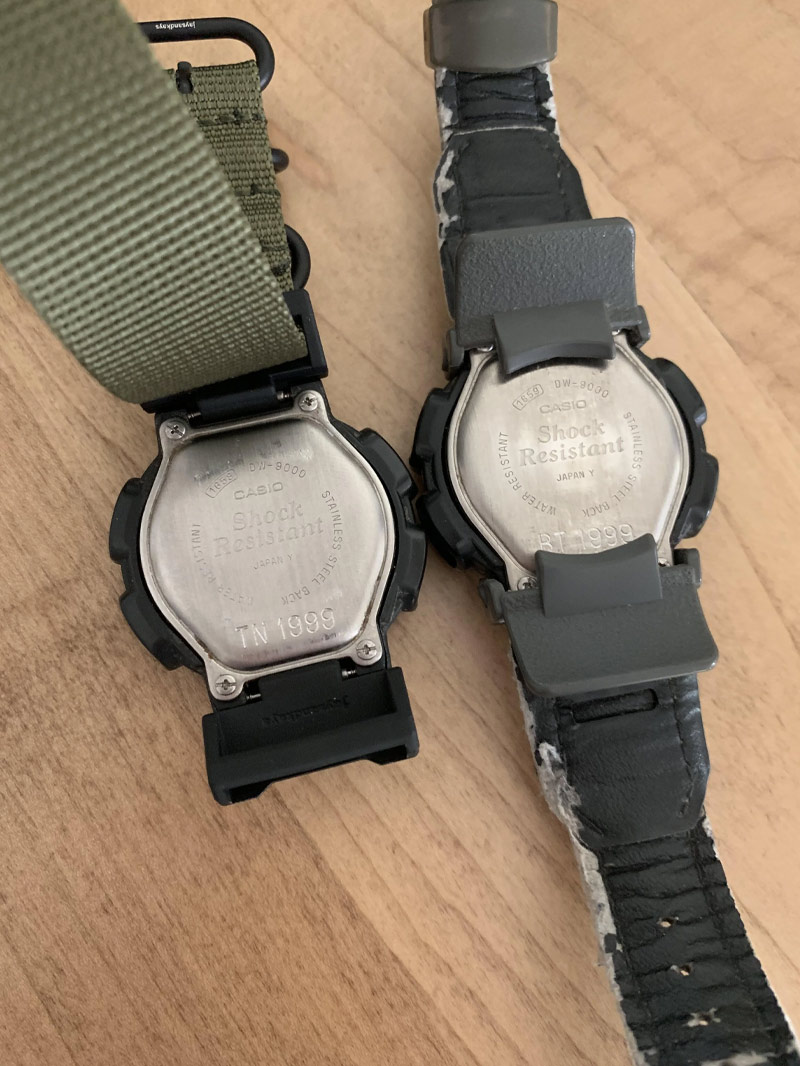
The MN’s later digital watches ran largely on Casio’s DW-9000 and DW-9052. On the aircraft carrier Charles de Gaulle, sailor riflemen wore G-Shocks too. In 1999, the Toulon arsenal’s supply service bought a run of DW-9000s and scattered them across the fleet’s elite: the base-protection company at CIFUSIL, the combat divers of Commando Hubert, and the undersea-intervention specialists at CEPHISMER, where one watch went to a hyperbaric nurse.
Others reached the bases at Brest and Lorient; some have been found with a pinned badge of the Commandos Marine insignia, further indicating it belonged to the unit; another was engraved by hand for the individual-survival training school at CESI.
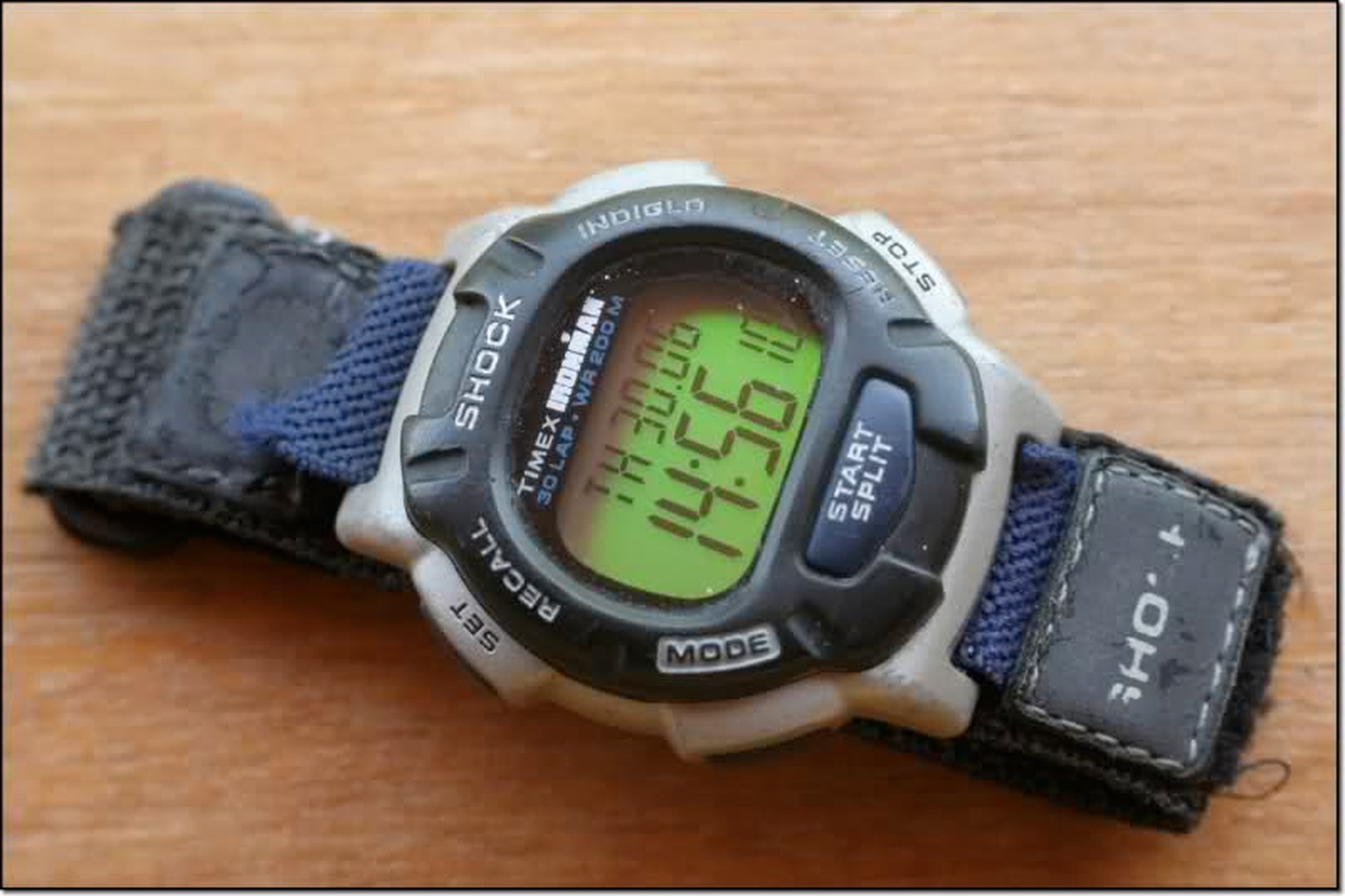
Then France did something the other navies mostly didn’t: it kept iterating, and traded down again. In the early 2000s the Marine Nationale moved from Casio to the Timex Ironman, chasing a cheaper watch for the same job, but procured it in batches so small that they still demand collector attention.
The Lorient run of Timex Ironmans of 2003 totalled fewer than a hundred pieces, with barely thirty having been identified. Some went aboard the Charles de Gaulle again, mostly to the Plongeurs de Bord, the onboard divers responsible for a vessel’s underwater maintenance and security, and were maintained like ship’s equipment, with the odd service note recording the last battery change. A Beuchat catalog entry of the time shows the Ironman with a corresponding NATO Stock Number.
Rarest of all was a batch of Timex Ironman issued to the Groupe de Plongeurs Démineurs, the mine-clearance divers, of which fewer than ten have surfaced.
Digital Watches vs Instruments
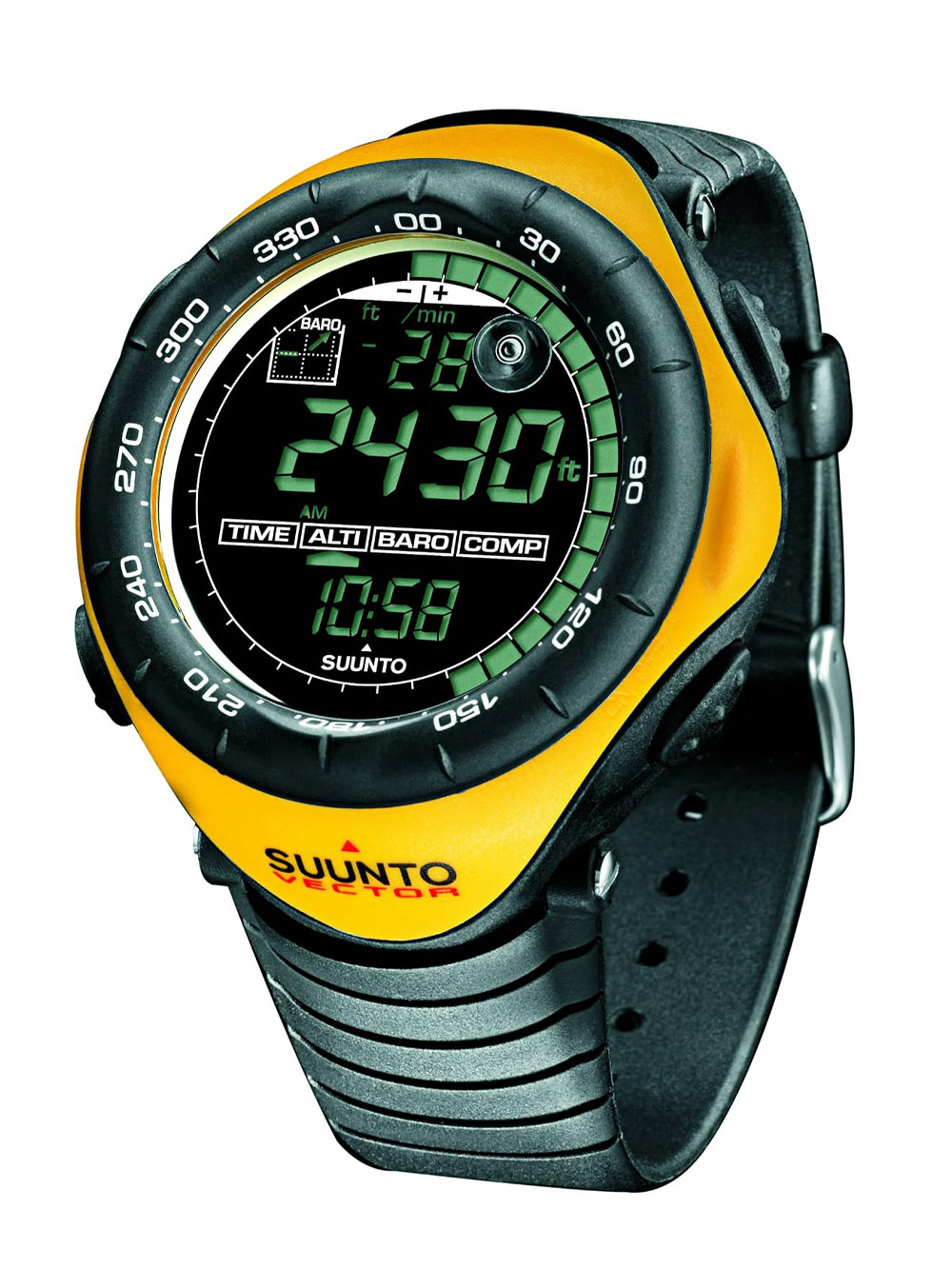
While Casio owned the basic digital watch, two other names pushed the format toward the wrist computer, and both also left a procurement trail.
Suunto, the Finnish brand whose compasses have guided armies since the Second World War, leaned hard into its military offering. Its dive computers include a model sold for military use only, and its altimeter-barometer-compass wristwatches became issued and unit-purchase items.
Wright-Patterson Air Force Base placed multiple orders for the olive-drab Suunto Vector across 2014 and 2015, and the FBI followed with an order of its own in 2021, presumed to be for its SWAT teams.
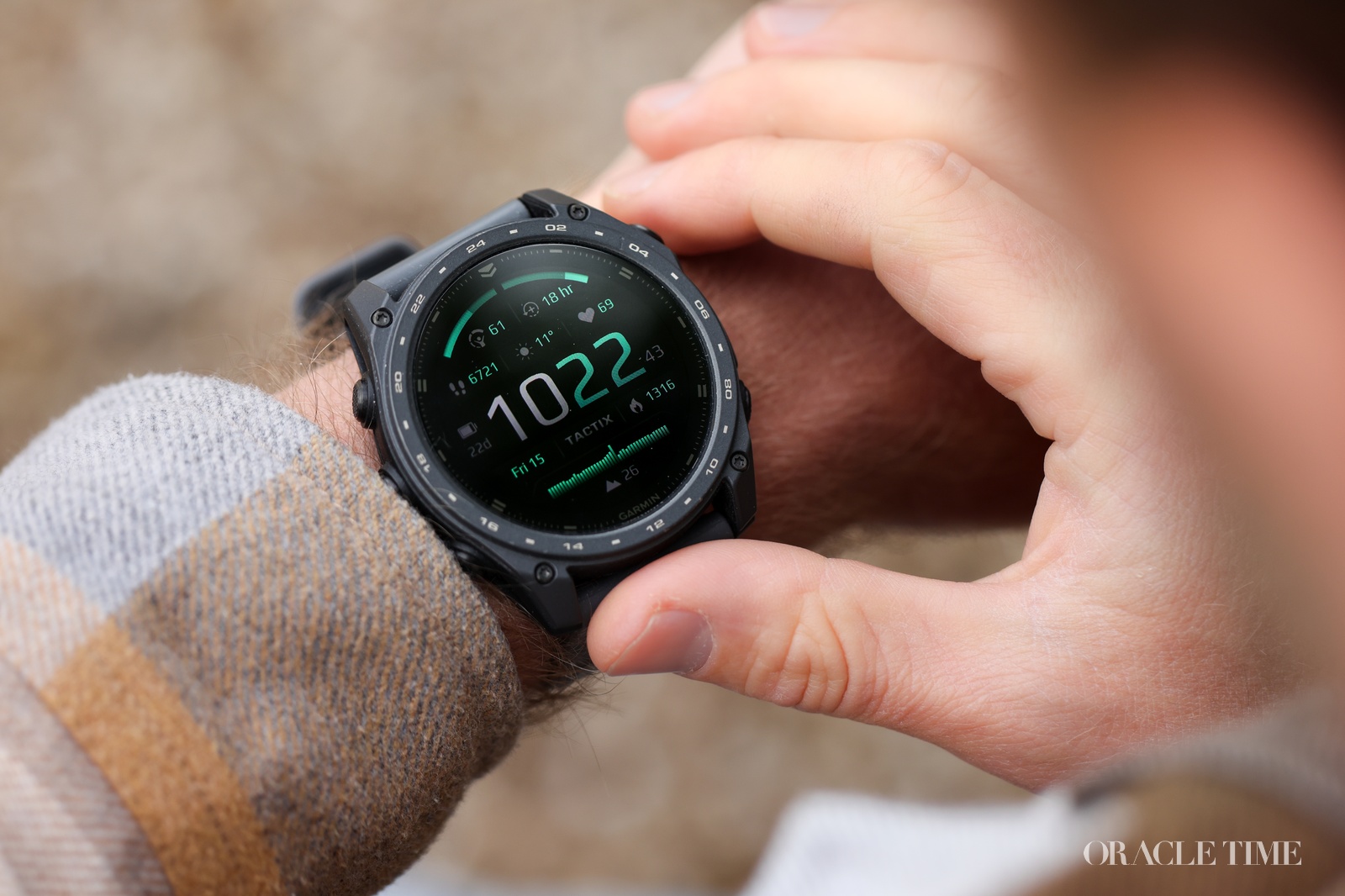
The Suunto Core carried the torch into rebreather territory with a depth-gauge function pointedly rated to ten metres — the working limit of a pure-oxygen set — and turns up again and again in first-hand accounts, including a unit issued the all-black Core by its commander in Afghanistan.
Garmin took the next steps into GPS. The Tactix, a Fenix with a night-vision display mode, ballistics calculators, and a jumpmaster function, was ordered by US Air Force Special Operations Command as early as 2015, by certain Marine Corps units, and by the US Navy Experimental Diving Unit.
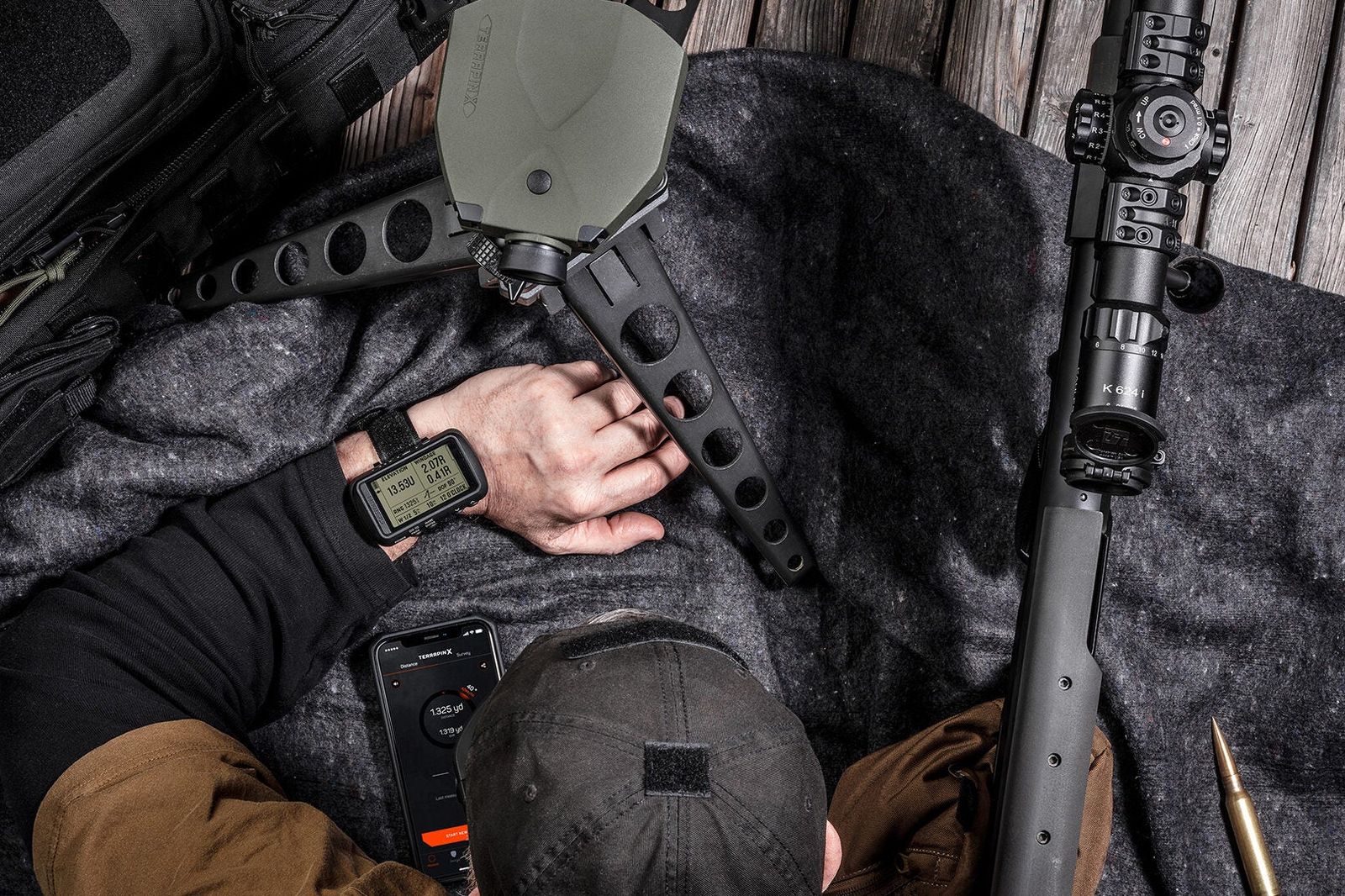
Every Tactix also carries a MIL-STD-810 badge, the Pentagon’s environmental test standard for shock, heat and immersion. Its stablemate, the Foretrex wrist-mounted compass, became so ubiquitous that, as one soldier put it, it lived less on the wrist than lashed to the rifle.
Which raises the question every enthusiast on this subject eventually hits: at what point does a wrist instrument stop being a watch? Somewhere between the Aqualand’s depth pod and the Foretrex’s satellite fix, the tool watch became a wearable computer.
In any case, each new iteration of the tool watch inevitably demands collector attention, and it would be no surprise if military-issued G-Shocks eventually found their way to auction houses.


And now they want to replace real Engines for electric. What a messed up world
I had both…..I was issued a G10 then when G Shock appeared on the scene I purchased one, most blokes wore a G Shock I recall as the G10 was only issued when you got to a certain rank!
Ridiculous article.
G-Shock didn’t “replace” Rolex because it was somehow a better military watch; it happened simply because the military stopped issuing a Rolex for free, leaving underpaid servicemen to buy their own timepieces out of pocket.
The real reason the era of the mechanical military dive watch shifted wasn’t a tactical preference—it was the late 1980s introduction of the dive computer, which effectively rendered a bezel on a dive watch defunct.
I was there, living through the transition during and post dive watches. And to this day, I still wear a Submariner. So in short, it was the dive computer that happened to tell the time that replaced the mechanical watch.