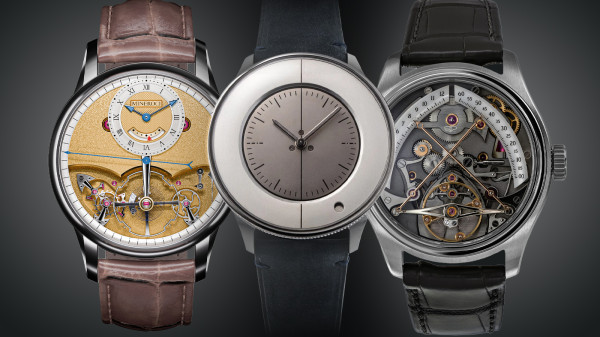
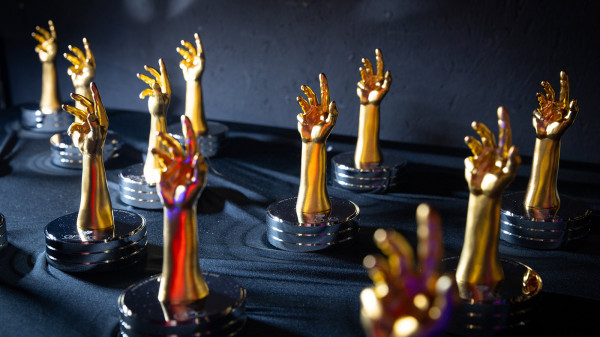
If you’ve spent any amount of time learning about watches, you’ve probably seen the acronym GPHG thrown around a fair few times. It stands for Grand Prix D’Horlogerie de Genève and it’s an awards show that is often described as the Oscars of the watch world. But how does the Academy whittle down the hundreds of watches released each year to the 15 or so award winners? How do brands get involved? Who gets to make the decisions? And why don’t Rolex ever win? Let’s explore how the GPHG actually works.
Registering for Entry
The GPHG is open to watch brands with releases between summer of the preceding year and autumn of the award year. This year, that means May 2024 to October 2025. Each brand can enter up to seven watches across the 15 award categories.
There are two main ways to enter, either the Academy invites you to enter a specific model into a category or a brand can enter their watch themselves. There’s a registration fee of CHF 800 for each candidate timepiece. This cuts down on timewasters but is also a bit of a barrier to the smallest brands. In the challenge category for example, which is for watches worth less than CHF 3,000, the registration fee could well be higher than the value of the watch – with more fees to come, later.
You can view this year’s competing watches here.
The Categories
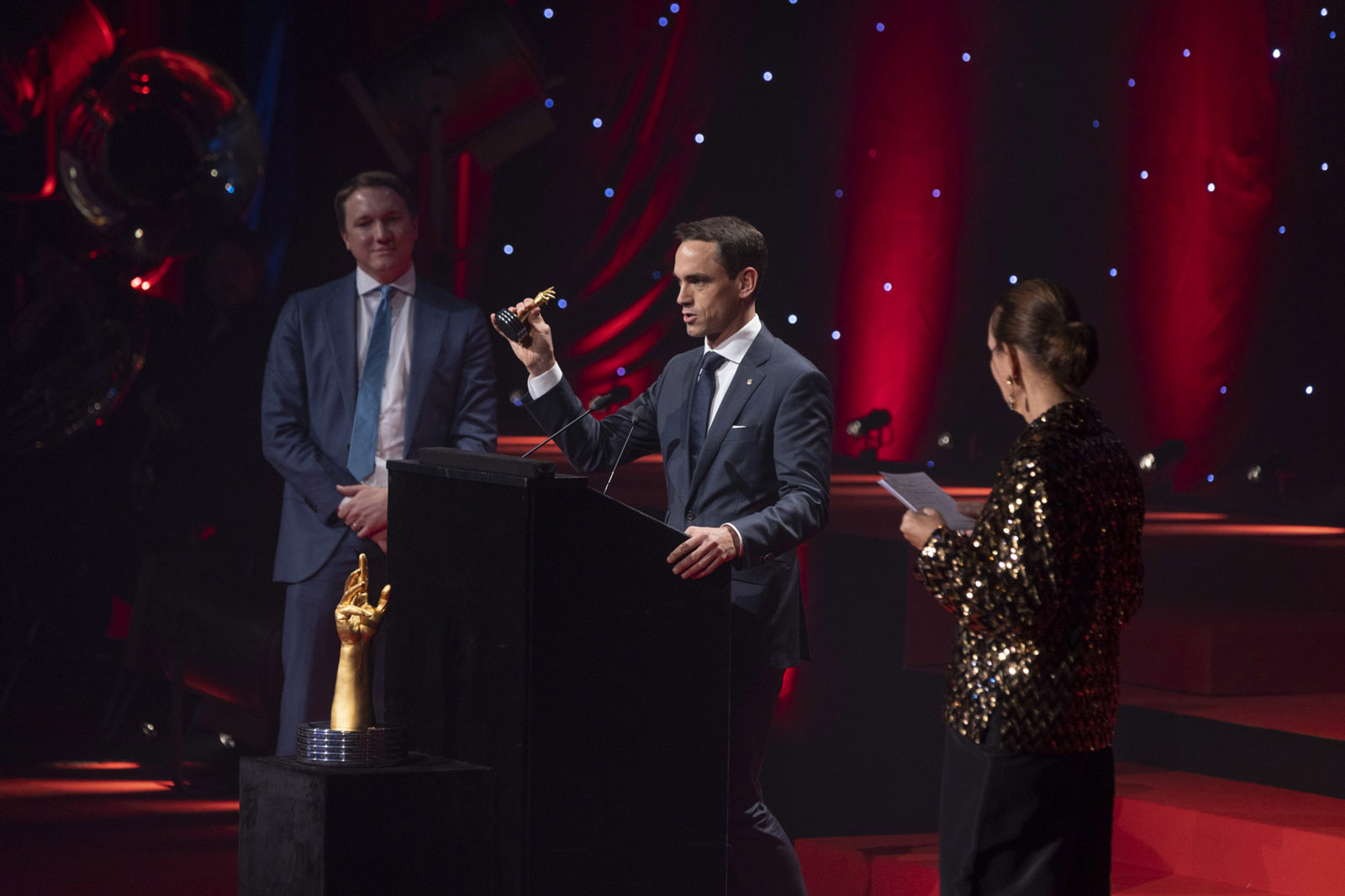
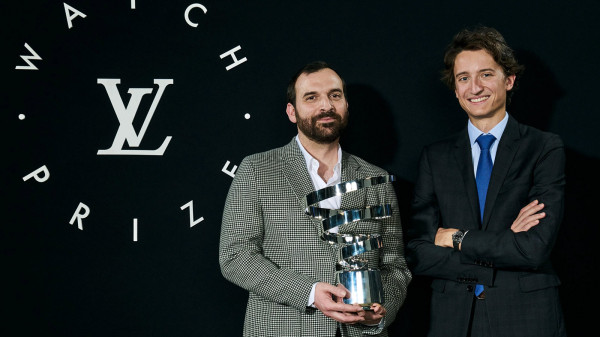
Edouard Meylan accepting the award for Time Only on behalf of H. Moser & Cie. (2025)
There are 15 award categories: Women, Women’s Complication, Time Only, Men, Men’s Complication, Iconic, Tourbillon, Mechanical Exception, Chronograph, Sport, Jewellery, Artistic Crafts, Petite Aiguille, Challenge and Mechanical Clock.
Watches can be entered into any category, though a commissioner ultimately decides on whether it’s valid or not. There are specific criteria that say what constitutes a men’s watch versus a men’s complication watch, while some are even more restrictive. The Iconic category for example is only being available to modern watches with a design heritage of more than 20 years. Each watch can only be entered in a single category.
There are also a series of categories awarded at the jury’s discretion, like “Horological Revelation” and “Audacity”, and the grand price, the Aiguille d’Or which is open to any watch.
Pre-Selection
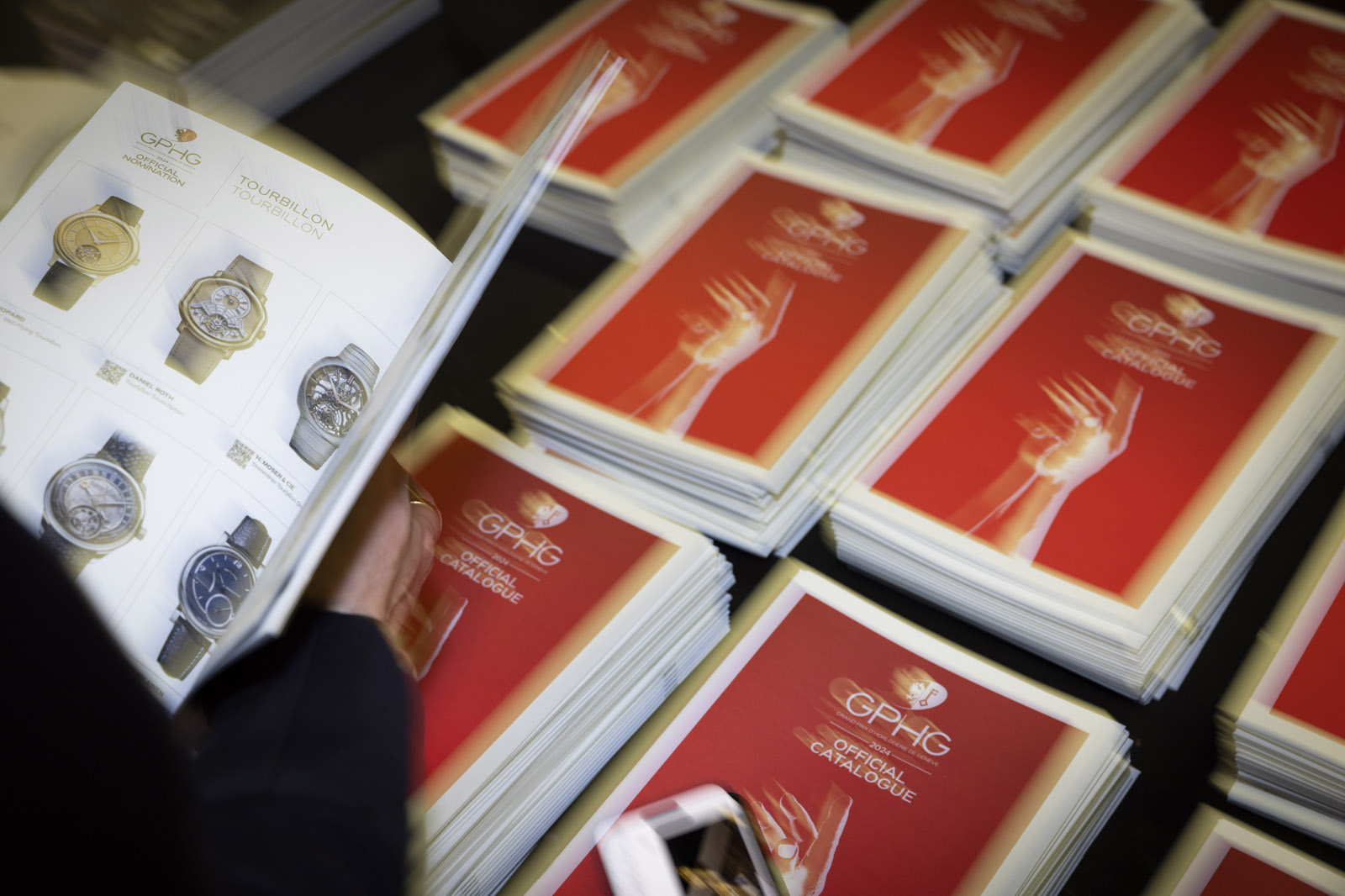

The next stage is pre-selection, which sees the 1050 members of the GPHG academy (which in 2025 includes frequent Oracle Time contributors Ken Kessler and James Dowling) rank 6 watches from each category in order of preference. The Academy membership is a who’s who of the watch industry, made up of CEOs, designers, watchmakers, social media influencers and beyond. However, while such an elite base certainly offers a lot of expertise, their opinions and tastes don’t necessarily reflect the humble enthusiast or watch buying public.
These academy members award between 6 and 1 point per position and at the end of the process, the 6 high-scorers in each category earn a spot on the shortlist. To take that next step, there’s a fee of CHF 7,000 (or CHF 4,000 for the clocks category), which covers the costs of a global exhibition and showcase of the pre-selected watches. If you’re counting, that takes the total fees up to CHF 7,800. For most brands that’s not such a big deal, but for tiny micros working on razor-thin margins, it can be tough.
The Jury
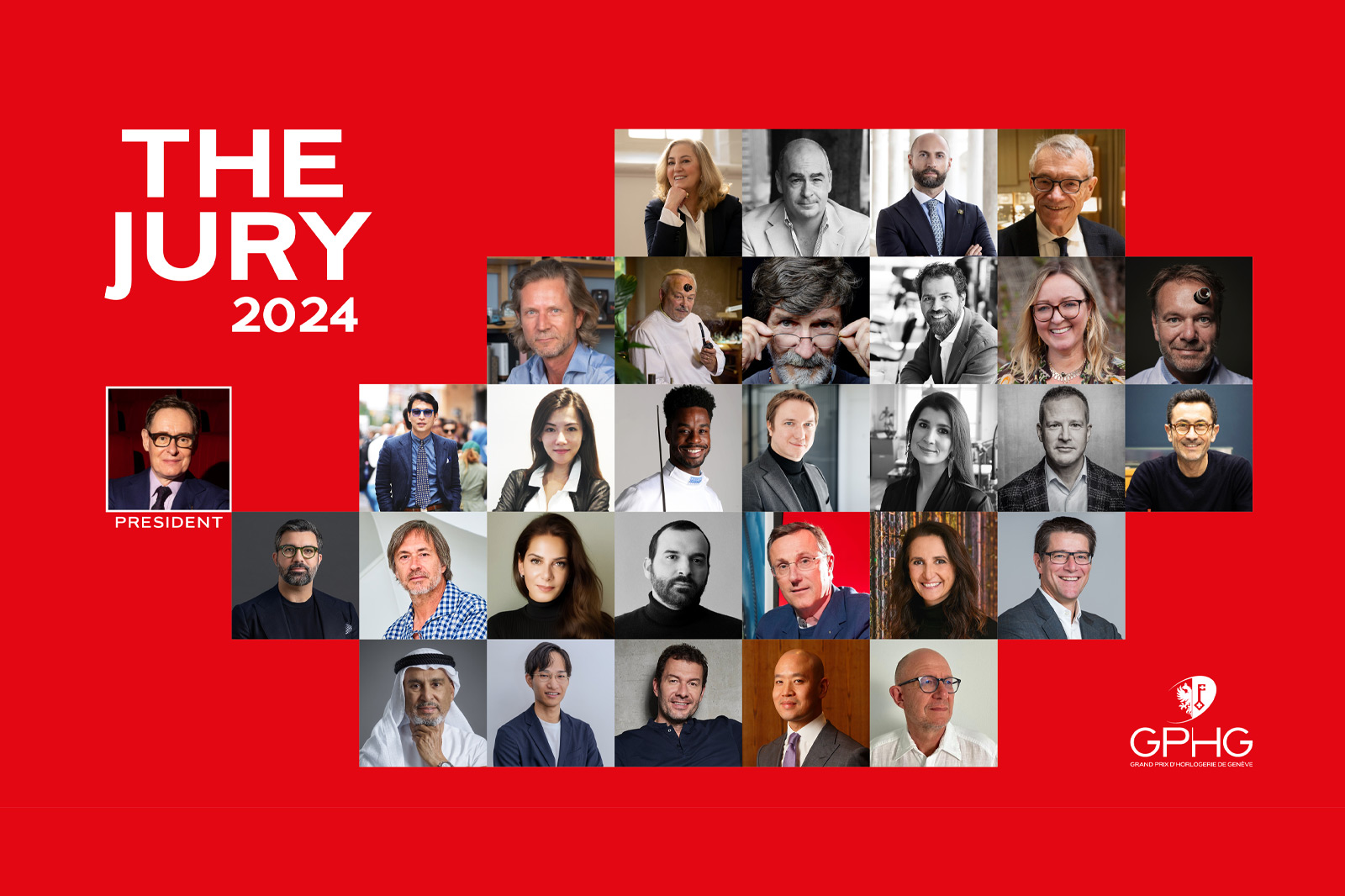
The GPHG (2024), the 2025 Jury has yet to be announced
After pre-selection and the global exhibitions, a Jury of just 30 academy members are invited to Geneva to view the watches in person to decide on the winners. The Jury consists of a President chosen by the GPHG Foundation Council, 14 randomly chosen academy members, 14 academy members picked out by agreement between the Jury President and the GPHG council and finally a representative from last year’s grand prize winner. Don’t worry, that brand is ineligible to win two years running, though can still win prizes in other categories – though their representative can’t vote on those.
The jury take a secret ballot for each category, ranking the watches again from 1-6 with this time the points for each position being distributed between 10 and 1. 10 for first, 6 for second, 4 for third and so on. They then also hold votes for the Aiguille d’Or, revoting multiple times until a winner is chosen with at least a 50% majority. Then there are the discretionary prizes like Horological Revelation, which may or may not be awarded depending on how worthwhile the jury feel it is.
The Academy membership at large does also get their say, with their votes weighted to the equivalent of 15 jurors, meaning there are a total of 45 votes per category. In cases of ties, the President of the Jury’s vote counts double.
Award Allocation
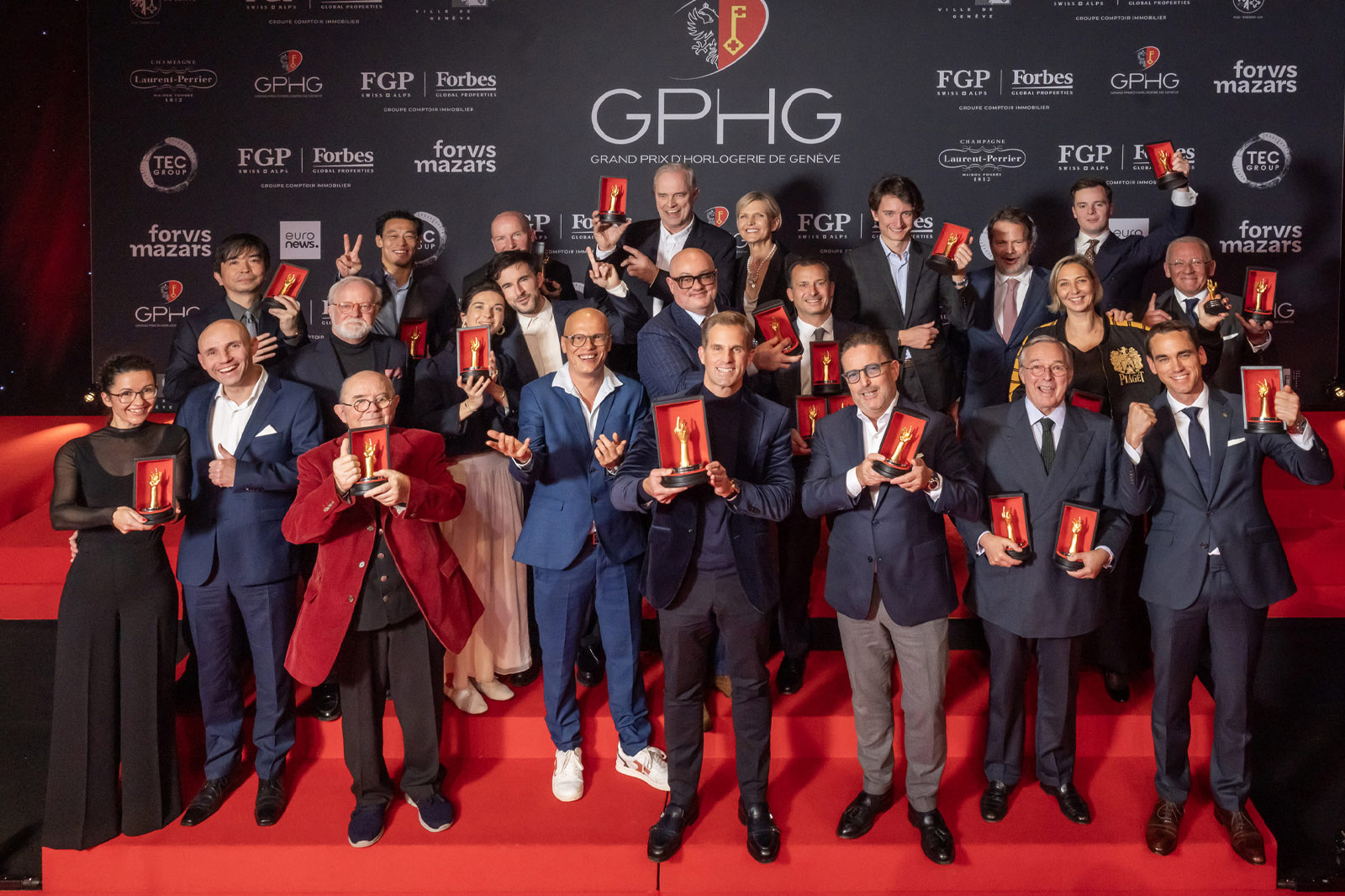
No watch brand can win more than 2 awards. If a brand were to win in three or more categories they instead win the two highest priority awards they are eligible for. Priority begins with the Aiguille d’Or then the discretionary Jury prizes and lastly the main categories ranked in order by how well they scored.
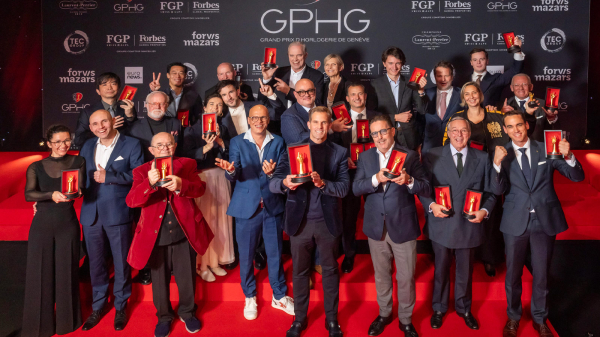
Finally, the winning timepieces are revealed at the GPHG awards ceremony, which this year takes place on November 13th.
Pros and Cons
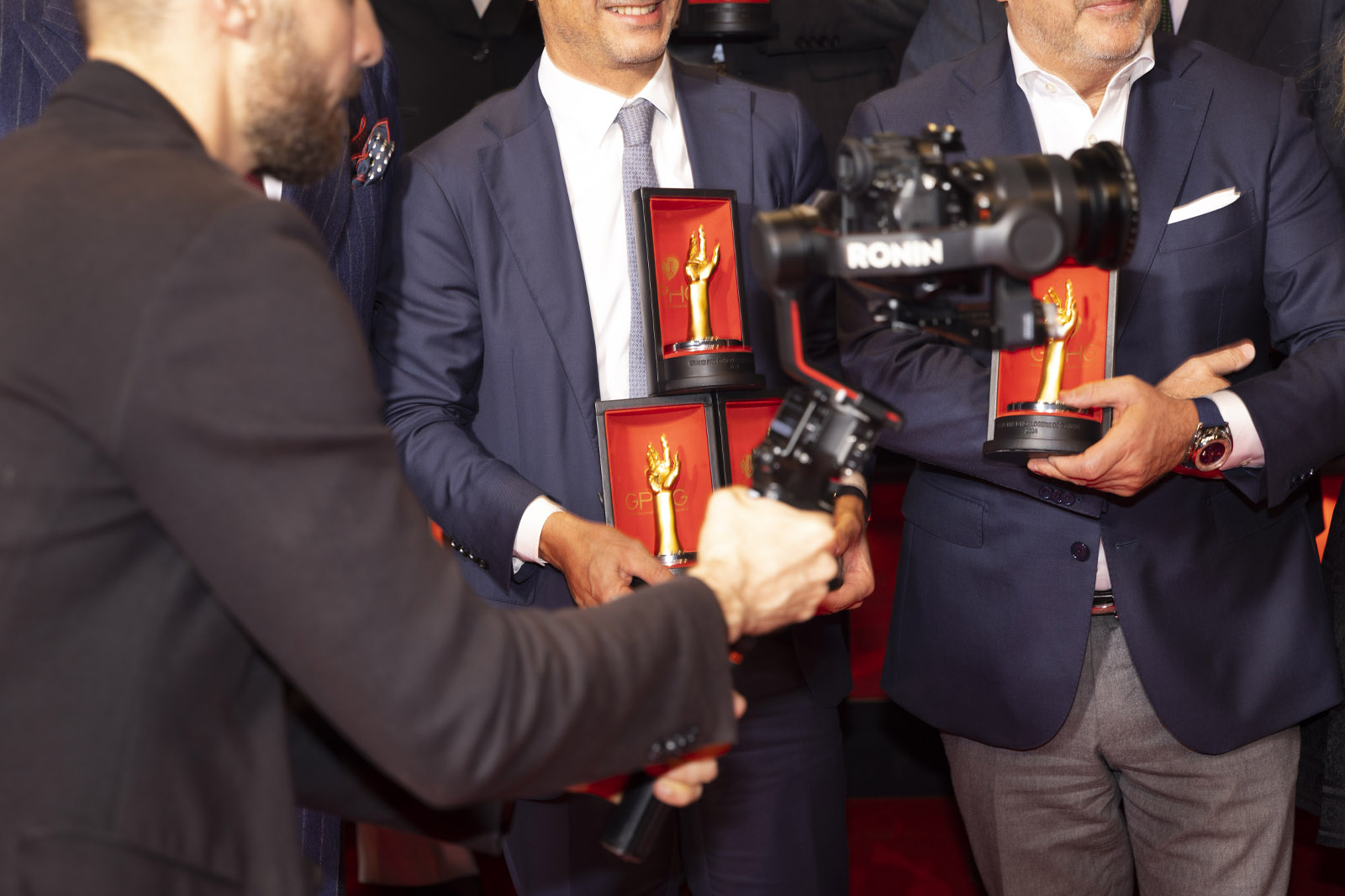
As with all major industry events there are pros and cons to how its operated. On the plus side, bringing people together to celebrate horology increases visibility for the industry as well as for specific brands who may not have the opportunity to exhibit watches globally or receive as much attention traditionally. As the Oscars of watchmaking, it feels like people are genuinely interested in the results and the prestige associated with them.
However, it’s not perfect. You might have noticed that some big players aren’t included in the shortlist. Rolex and Patek Philippe apparently don’t see the need to put themselves forwards and, as all entries are voluntary, that means they essentially boycott the event.
Then there’s the elitism. As mentioned, the associated fees could exclude smaller brands, while the fact that the entire voting body is selected from within the academy’s members means there is a limited pool of elite experts with different agendas to the watch buying public. The fact that many members have personal connections to brands or the individuals involved in those brands also raises questions about bias and voting integrity. It’s the Oscars of Watches in more ways than one.
That’s a key reason behind the creation of the Oracle Time Watch Awards. In our awards, watches are nominated, shortlisted and eventually awarded entirely by you guys, the regular community members, enthusiasts and collectors who keep the watch industry running. In order to keep up with the Oracle Time Watch Awards including when nominations open in September, sign up to the Oracle Time Newsletter.