

The Horage MicroReg is a proprietary regulation system developed by Swiss watchmaker Horage in collaboration with Miniswys SA. It uses a miniature ultrasonic actuator integrated into the movement to allow the balance spring’s effective length to be adjusted from outside the case, without opening the caseback, in increments of 0.1 seconds. The first production watch to feature MicroReg is the Horage Revolution 3 MicroReg, priced at CHF 6,900 and due for delivery in late summer 2026.
While the inimitable Jean-Claude Biver might like to argue that absolute precision is unnecessary for high-end watches, at any end of the scale it’s good to know that your timekeeper is, well, keeping time. It’s why COSC-certified still carries weight and, more recently, brands like Jaeger-LeCoultre and Omega have been wheeling out their own chronometric certifications. But behind all those +/- seconds a day, there’s a fallacy.

Testing accuracy at the moment a movement is constructed is important. But from the moment that movement is cased up to the seconds it starts to lose on your wrist, your watch’s performance won’t line up with what’s on its paperwork. Instead, it’s worth thinking about timekeeping certification as a guarantee of quality rather than accuracy.
For independent brand Horage, the headline-grabbing solution to the problem has been their MicroReg system, a way for owners to regulate the movement themselves. When we last talked about the idea back in July 2024, however, it was a long way off being useable. Now that it’s on the horizon and might genuinely be the biggest innovation in watches for decades, it’s worth drilling deeper.
What Is Watch Regulation?

Regulation is, to put it simply, adjusting the balance of a watch to ensure it’s keeping good time. Traditionally this has been done one of two ways. In a free-sprung balance this means adjusting the tiny weights that line the balance wheel; with a classic pin regulator it means changing the length of the balance spring. Either way, this means opening up the watch and manually manipulating the delicate balance assembly, which takes both time and skill.
The Problem With Traditional Regulation
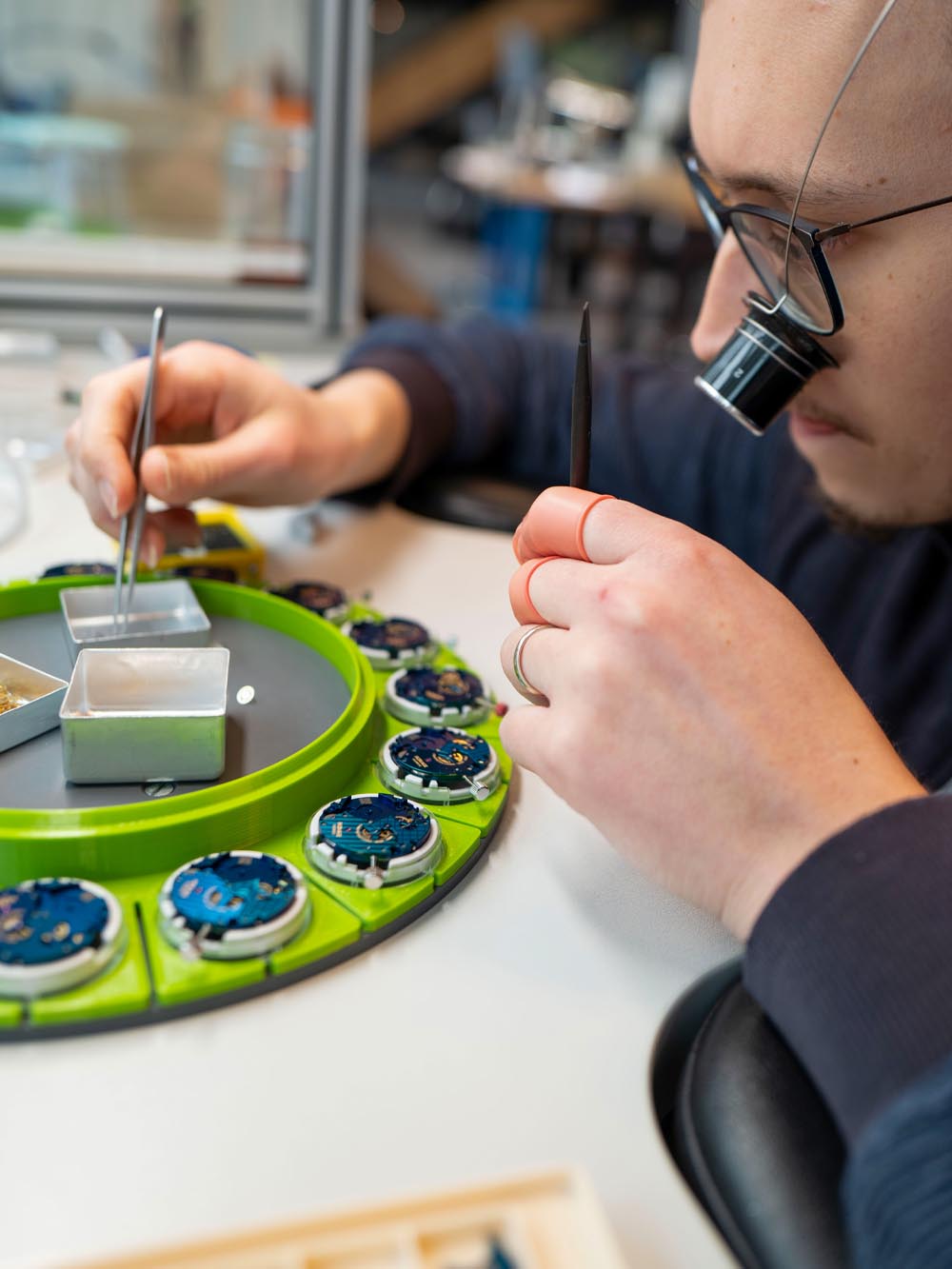
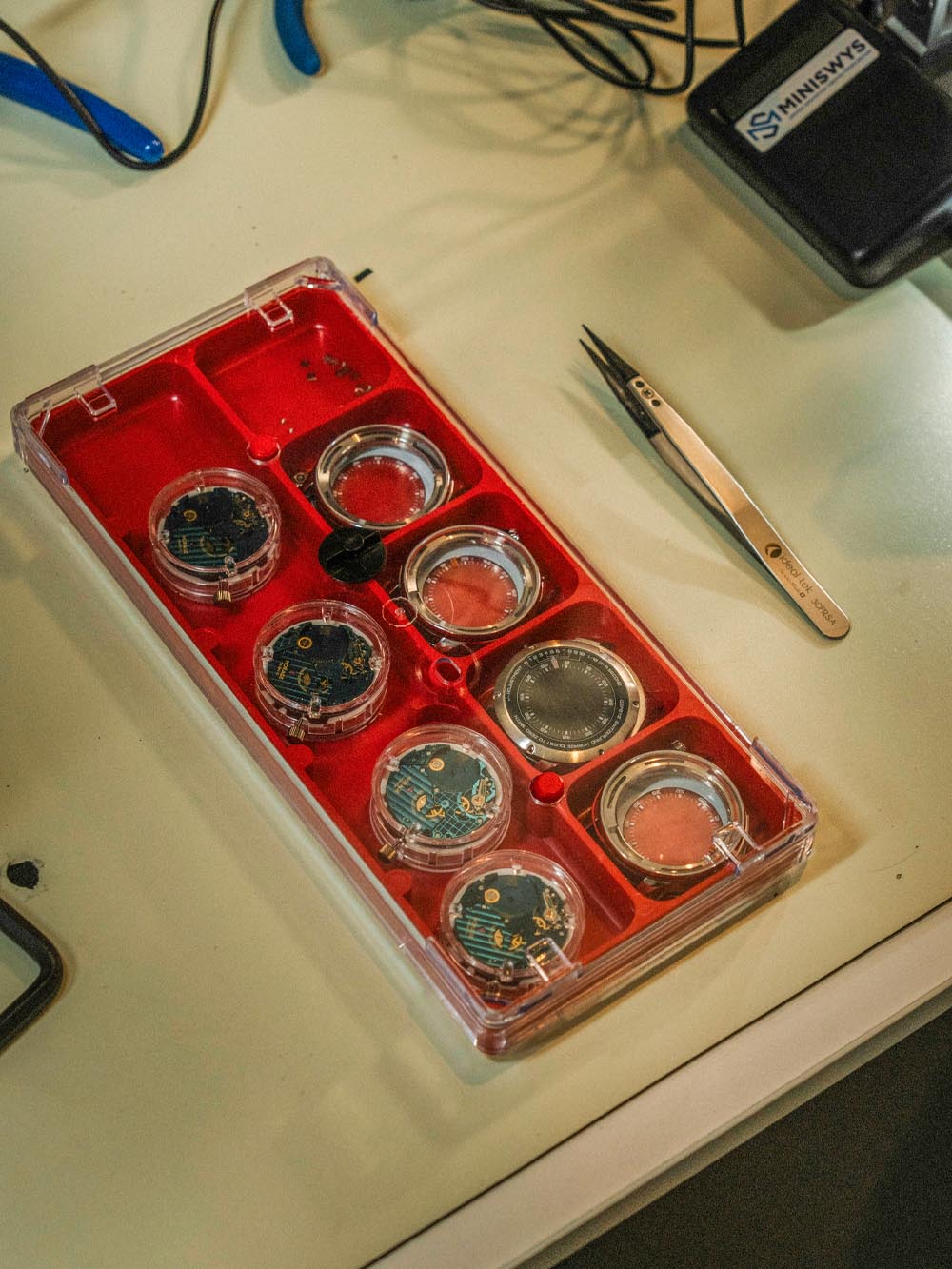

This was an issue for Horage co-founder Andreas Felsl. “The first problem,” he explains, “is the initial regulation when they leave our manufacture. When it comes to regulation, you have a watchmaker that has to listen to what a movement is telling you, stick their finger in it to change things and listen again. It’s trial-and-error and in manufacturing, trial-and-error is not a good thing. At the same time, we couldn’t afford to automate the regulation process like Omega or Rolex can.”
For some watchmakers, this final regulation stage can take as long as an hour, meaning that you can quickly end up with a bottleneck and buildup of finished but unregulated movements. It needs to be done, but without Rolex-scale automation budgets, there’s no shortcut. The second, compounding issue Andreas had however, was that it all felt a bit pointless:
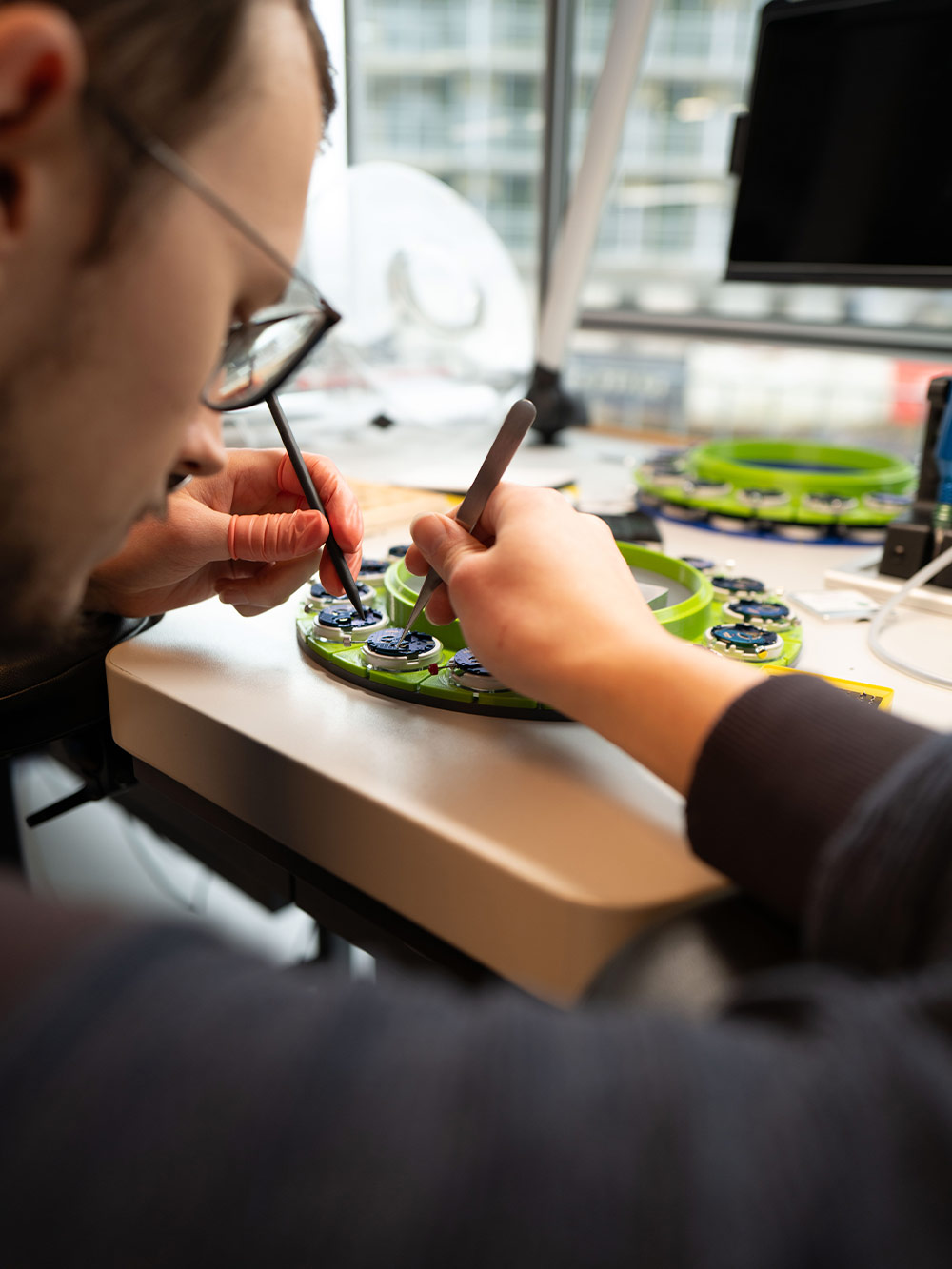
“We meticulously hand-regulate these watches. Then they sit on a plane to London, next to a big turbine that’s vibrating for a couple of hours so that when you put it on your wrist, it won’t run as it was originally regulated. We’re spending all this money on regulation, and the end user quite often just isn’t happy when they need to send their watch back for adjustment.”
Making regulation of the movement easier would help both sides of that particular equation. It would make the final production step quicker and mean quicker turnaround for adjustments. And the biggest barrier in the way of simplifying regulation is that the watch needs to be opened up. So, what if it didn’t? What if, rather than a watchmaker having to open the caseback and manually adjust the balance, they could do so from outside the watch?
The Origin of MicroReg
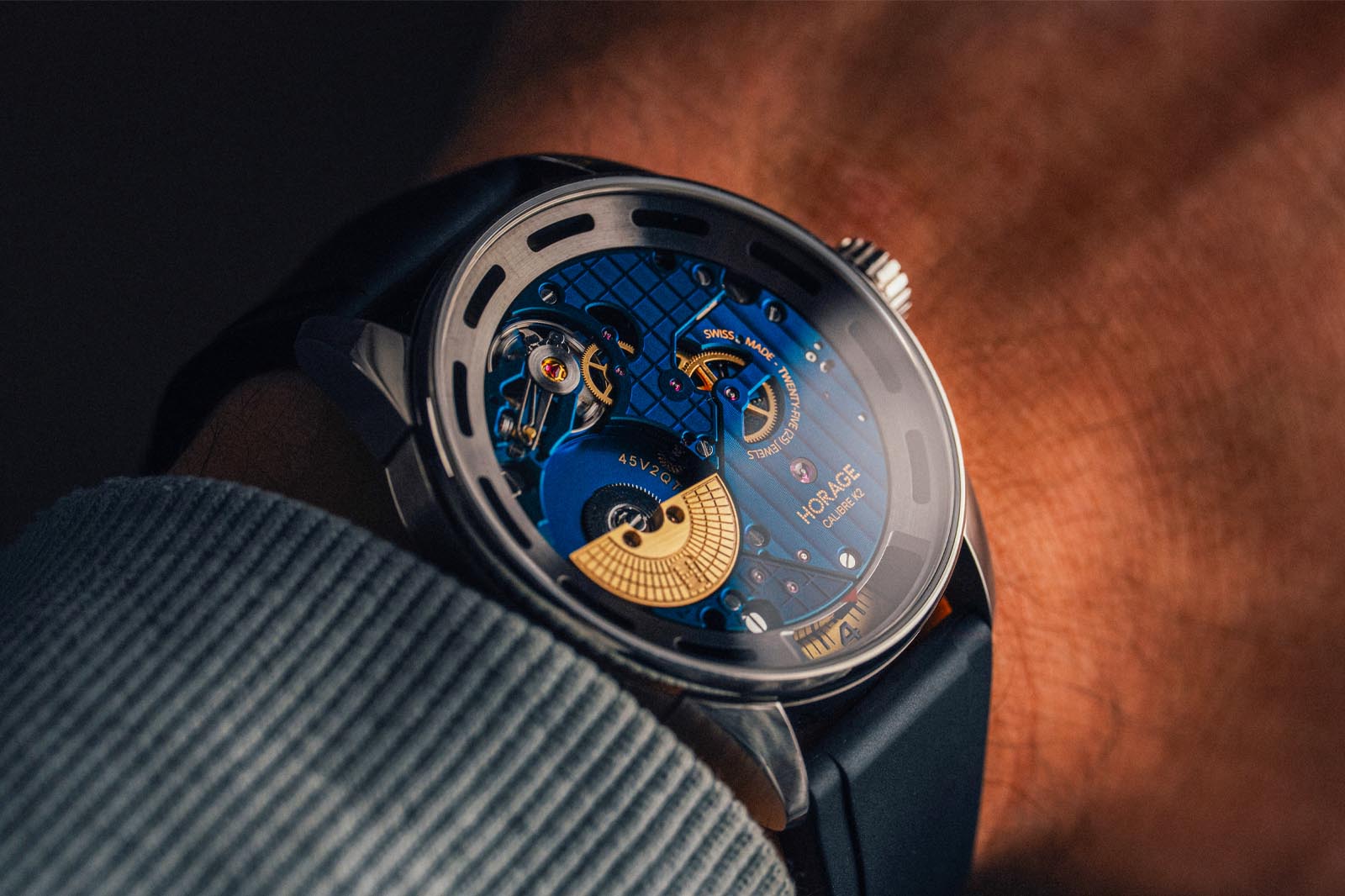
“It was just a wish,” he says of the idea, “lingering around for about seven years.” That was until Andreas was lecturing at the University of Lausanne and in his class was the CEO of a small tech company called Miniswys. Their work was largely based on that of Elmar Mock, the man who in the 1980s developed an ultrasonic welding technique that enabled the creation of the Swatch watch. His technique allowed the movement to be sealed in a single-piece plastic case and, using similar ideas, Miniswys were, as Andreas puts it, “figuring out how to use vibrations to move stuff.”
“Once I understood what their technology was,” says Andreas of the lightning bolt moment, “my first question was, ‘can you turn a screw?'” Thus, Horage’s MicroReg system was born.
How the MicroReg System Works

The idea behind MicroReg is simple. When ultrasonic waves pass through the Miniswys actuator, it can be activated to either push or pull a small object – like a screw head. The Schwanenhals-Grossmann regulator allows lengthening or shortening of the balance spring using a screw. Put the two together and you have a way of adjusting the balance without ever actually touching it.
What This Means for Watch Owners

In one go, this solves Horage’s two big problems with regulation. It means that the initial regulation is quicker and that any watchmaker with the right tool can re-adjust as and when necessary. In an industry where iteration is seen as innovation, this is something genuinely new and potentially important. And yet Horage were keen to take it one step further. What if you didn’t need to even send the watch back to have it regulated?
The App and Self-Regulation Tool
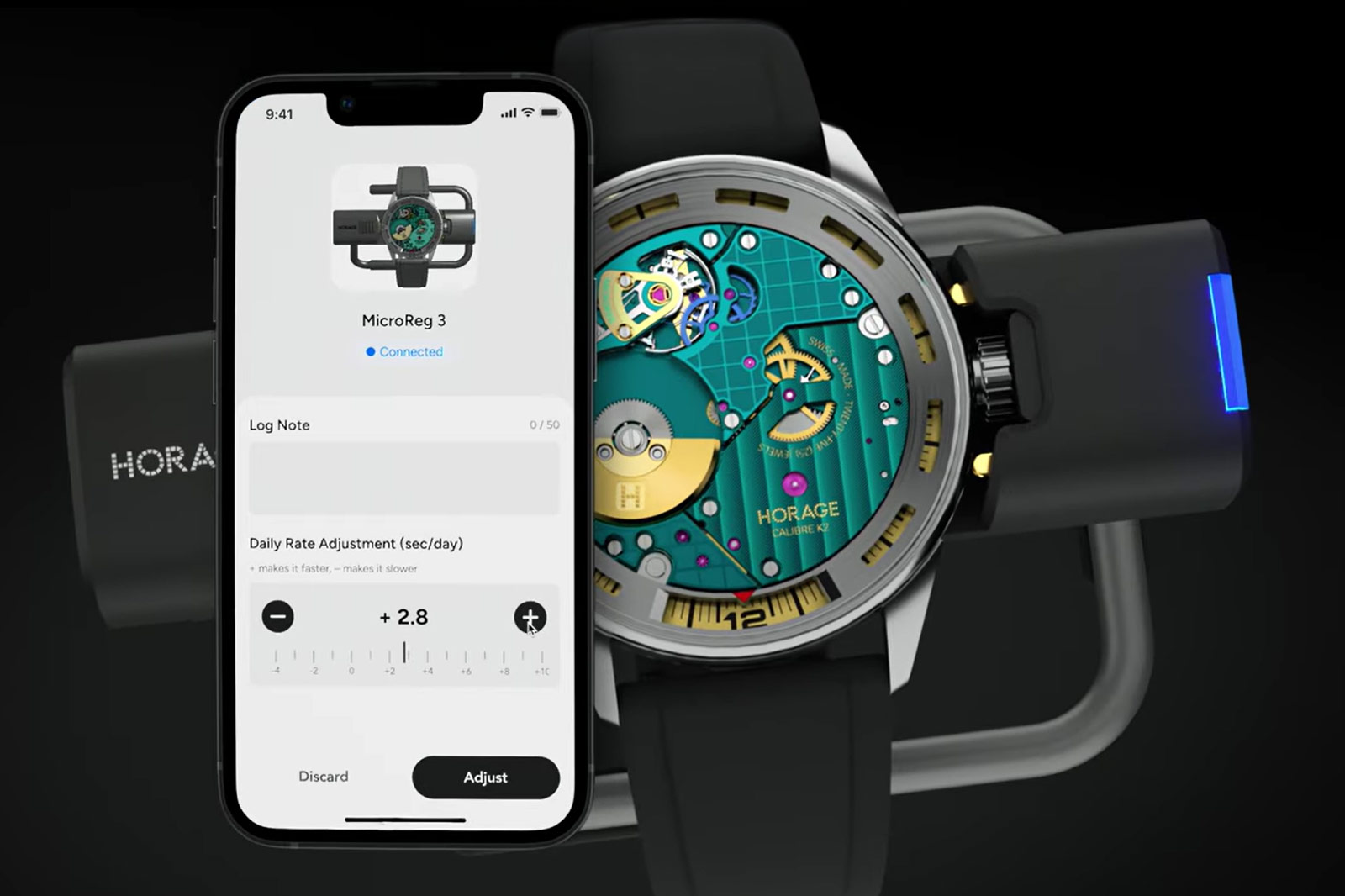
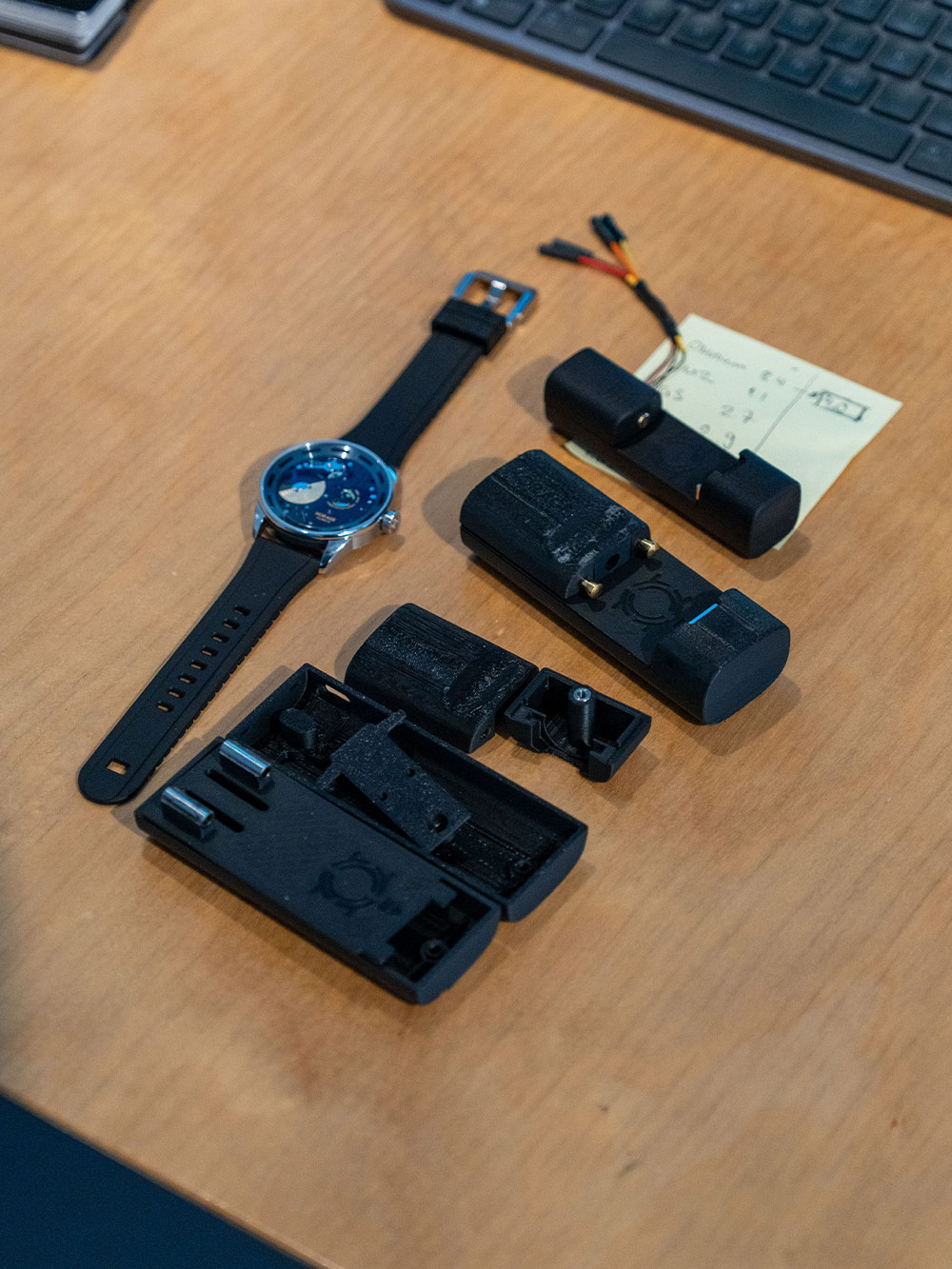
That’s why the new MicroReg system is more than a behind-the-scenes mechanism, but will come with both a user-friendly ultrasonic adjustment system and an app for Horage owners to regulate their own watches. This app is still in its prototype phase – the screenshots we have here are still in development – but the idea will be the same in the production version. If you’re the kind of person who tracks seconds lost per day, MicroReg is designed for you.
Availability, Pricing, and What to Expect

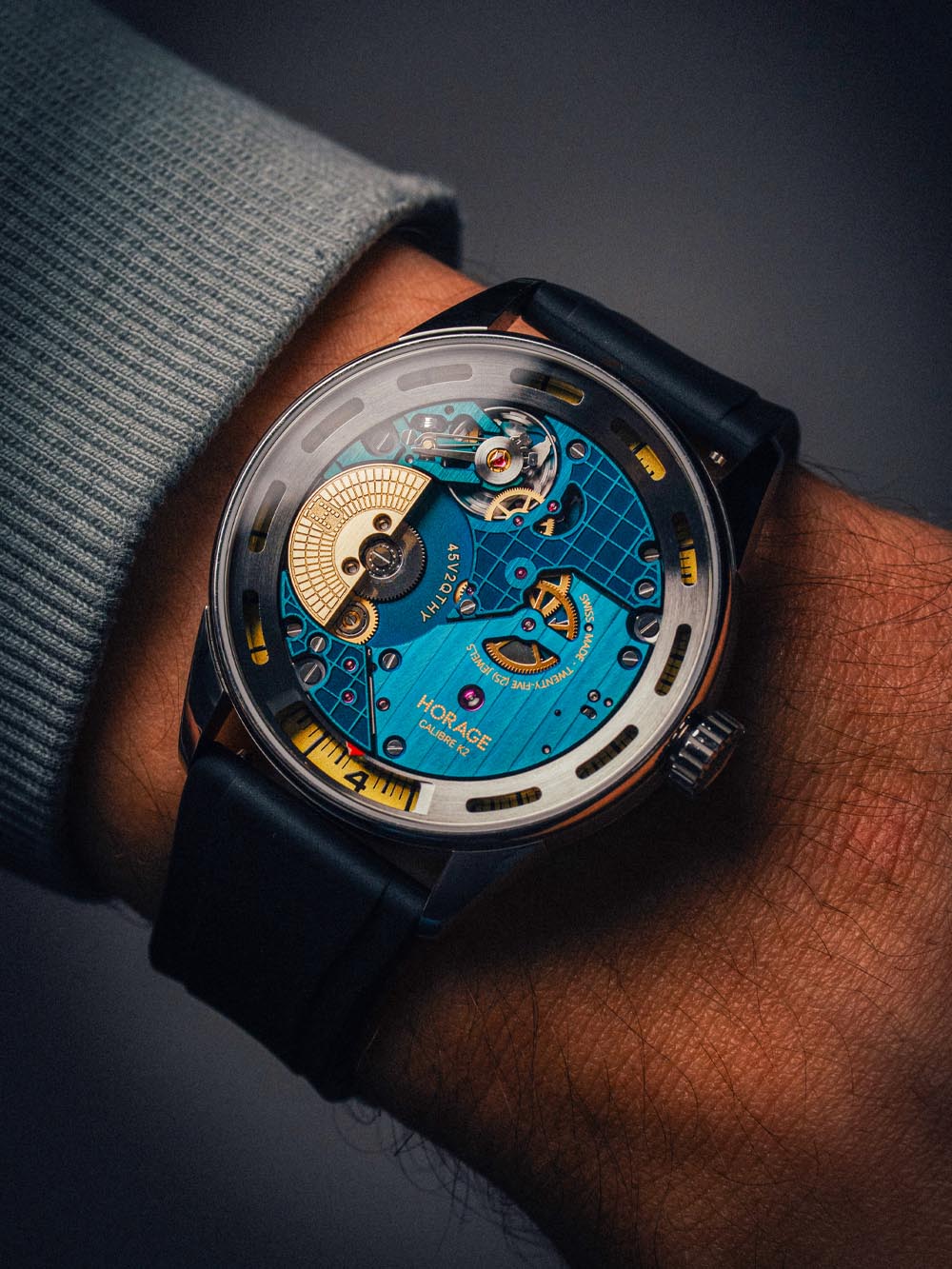
At first, like all new things, this will be a slow roll-out in Horage’s line-up and we don’t yet have definitive answers as to what that will look like. What we do know is that the first, finished MicroReg watches, complete with an app and regulation tool, will be available before the end of the year. More importantly though, it won’t come as some showpiece limited edition but as a production watch with all the reliability and practicality that entails – including proper water resistance.
Licensing Potential and Industry Implications

More significantly, MicroReg has licensing potential beyond one brand. Horage already develop and build movements for other brands and according to Andreas, licensing out MicroReg is definitely an option. It’s easy to see the appeal to brands in a similar boat to Horage. The system means slightly quicker production and far easier regulation at only a slight increase in cost. If collectors start realising that a COSC certificate only lasts as long as the watch is in the testing facility, the demand will definitely be there.
At the same time, any new innovation has its imitators and it might not be long before other watchmakers start pursuing similar solutions. After all, while the Miniswys technology might be impressive (not to mention patented), the concept of regulating a watch from the outside is simple enough to be tempting to big players like Rolex.
Andreas however isn’t worried; quite the opposite. As his previous experience with new technology has proven, he could well be in the perfect position. “I think it could be the best thing that could happen. It’s something I had before, I invented a travel adjustment system in mountain bikes and built a company off it. But it was only when Rockshox issued a similar technology that we were taken seriously. Then, however we were too early, we were more than 10 years ahead. With MicroReg however, I think we’re hitting the industry at the perfect time.”
Price and Specs:
More details at Horage.




Fascinating technology.
If I had a pound for every time I’ve had to wait for weeks for a watch to come back from servicing when all that was needed was a regulation tweak…
I wish the guys at Horage all the success in the world (especially with the potential of licensing this innovation to other brands and manufacturers) and I do wonder when the “big boys” will decide they want to follow suit and come up with their own version of what the clever folks at Horage have already achieved.