

The Rolex Explorer II is the archetypal adventure watch, built to withstand a wide variety of adventurous and dangerous terrain and provide useful information while at it. In fact, it was custom-built for the express purpose of spelunking, the exploration of caves. A multi-discipline activity that involves climbing, hiking, swimming and more. The Rolex Explorer II was created in 1971 and the current edition being produced by Rolex is the ref. 226570, available with either a black or white dial.
However, as is increasingly the case with Rolex, buying one isn’t as easy as it should be. Long waiting lists and high pre-owned prices make them difficult to procure (£8,100 retail, approx. £9,000-£10,000 pre-owned). With that in mind, here are five of the best affordable alternatives to the Rolex Explorer II.
Boldr GMT Tarengire

Boldr produce several watches that could be classified as adventure watches but the one that bears the closest resemblance to the Rolex Explorer II is the GMT Tarengire. It’s named after the Tarengire National Park in northern Tanzania and features a 40mm stainless steel case with fixed 24-hour bezel. One thing that makes it stand out from the Rolex is the fact it has a California dial, which is a style featuring Roman numerals above the 9-3 o’clock horizontal line and Arabic numerals below. This type of display is designed to be instantly legible at a glance because you don’t have to orientate it vertically in order to read accurately.
The GMT Tarengire also has the benefit of being incredibly accessible at £298 despite housing an automatic calibre. Specifically, it’s the Seiko NH34 GMT with 41-hour power reserve. For the price, it’s a really solid movement.
Available at Boldr.
Christopher Ward C63 Sealander GMT
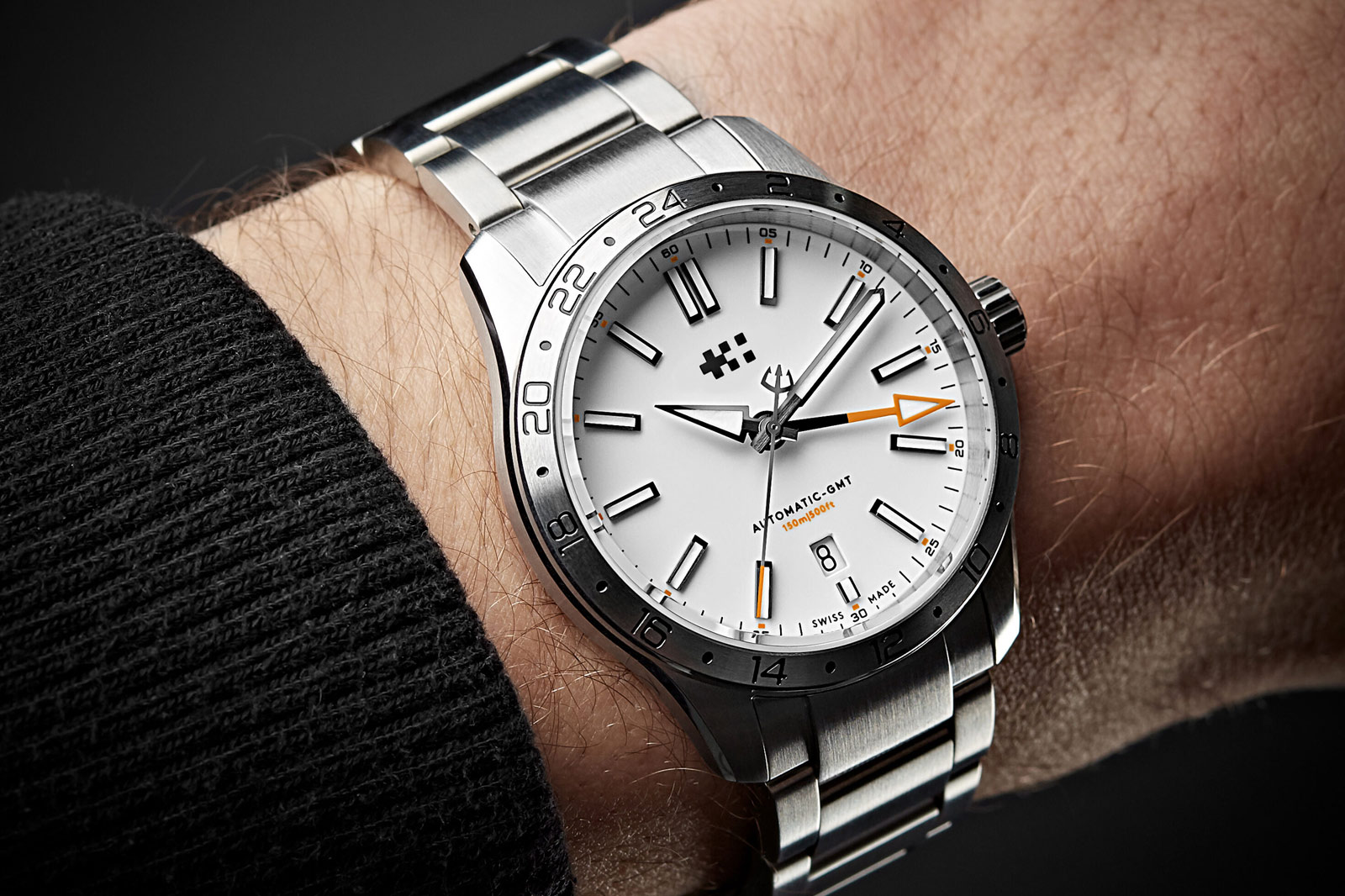

One of the defining features of the Rolex Explorer II is the fixed bezel in steel with a 24-hour scale corresponding to the central GMT hand to tell the time in separate time zone to the main time display. The same combination of a fixed bezel and GMT hand are found on the Christopher Ward C63 Sealander GMT. When you’re travelling across the world it’s useful to keep track of multiple time zones, making it easier to stay in contact with people across the globe.

Although that isn’t the only use of the GMT function on an adventure watch, with one of its other roles being associated with spelunking. When spending extended periods of time underground a GMT function serves as a day/night indicator, allowing you to reliably keep track of your sleep and remain healthy without our natural circadian rhythms.
Available at Christopher Ward.
Steinhart Ocean 39 Vintage GMT

Of the watches we’ve looked at so far, the Steinhart Ocean 39 Vintage GMT bears the closest resemblance to the Rolex Explorer II. In fact I’d go so far as to say it’s a flat out homage. It’s 39mm in diameter with long, tapering lugs and that signature fixed bezel. The dial is also very similar to the black dial version of the Rolex with a black colouration, orange GMT hand and hyper legible hour markers.

Interestingly, the Ocean 39 Vintage GMT’s case is actually higher spec than the Explorer II as it has 300m water resistance in comparison to 100m, justifying its name Ocean. Although despite that name I wouldn’t call it a dive watch as it lacks a dive timer and uni-directional rotating bezel. However, those high specs make it a really serious adventure watch that can tackle all terrain, including extended underwater exposure.
Available at Steinhart.
Tudor Black Bay Pro

When we talk about affordable alternatives to Rolex one brand always comes to mind, Tudor. As Rolex’s sister brand, they started life specifically to make affordable alternatives to Rolex, literally taking Rolex cases and giving them off the shelf movements. In the decades since, Tudor has begun to develop its own personality and reputation outside of Rolex’s shadow, although sometimes they don’t help themselves by releasing watches like the Black Bay Pro, which is so clearly an interpretation of the Explorer II.
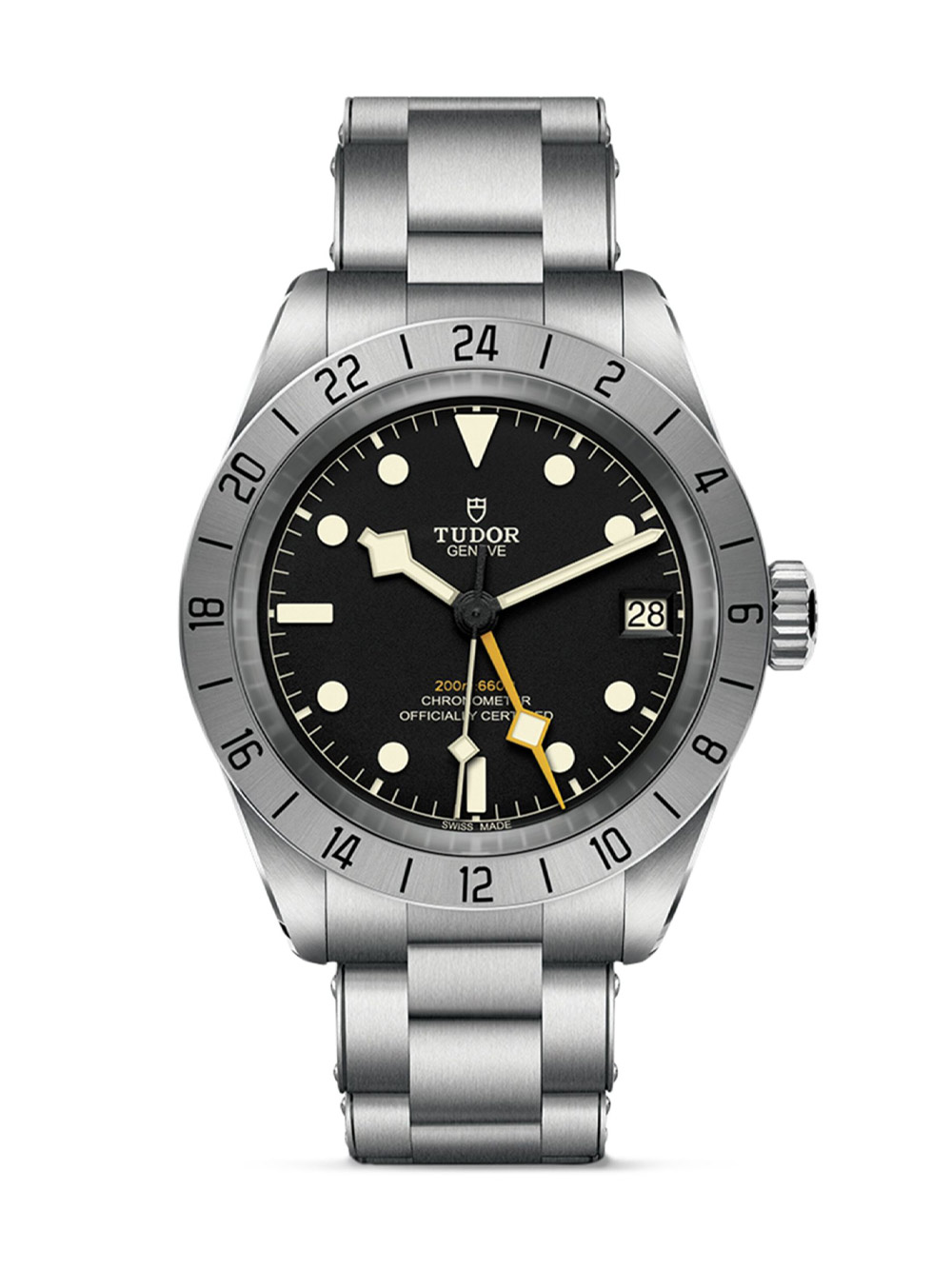
Where the Black Bay Pro has the advantage over the other watches we’ve looked at is the movement. It’s the manufacture Calibre MT5652, a COSC chronometer certified movement with a 70-hour power reserve. A serious watch in its own right.
Available at Tudor.
Grand Seiko Evolution 9 Spring Drive GMT

At £7,650 the Grand Seiko Evolution 9 Spring Drive GMT is not exactly a budget version of the Rolex Explorer II, but it is technically more affordable. It also features an absolutely stunning dial known as Mist Flake, featuring an incredibly delicate and intricate texture of vertical lines and dimples that give it the aesthetic of a gentle snow storm. Flakes of ice dancing softly on the wind. The dial is accented by the large hour markers, dark GMT hand, power reserve indicator and date window.
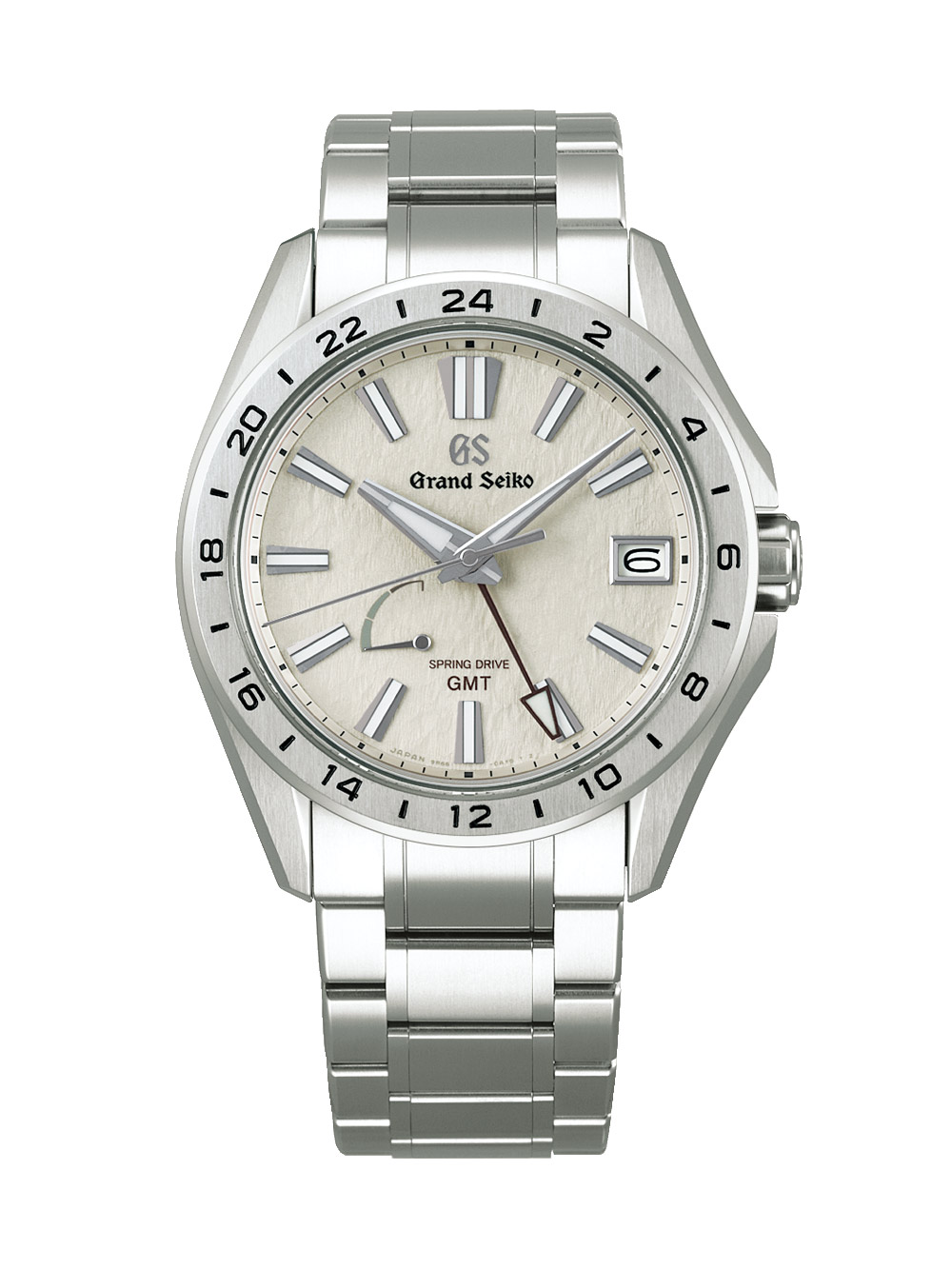
Structurally it features a 41mm titanium case that houses the 9R66 spring drive movement with an incredible +/- 1 second per day accuracy. Plus, of course, the all important fixed 24-hour bezel. There’s actually a neat little trick for spotting whether or not a GMT bezel is fixed or rotating: a fixed bezel will normally have a 24 numeral at 12 o’clock whereas a rotating bezel will have an arrow or lumed marker so that you can re-align it properly to the original position.
Available at Grand Seiko Boutique.



Great post, I have the Steinhart 39mm version with the cyclops but wasn’t aware of that Boldr option! Know it’s been discontinued, but surely the Grand Seiko SBGN003 should have made this list?
You got the specs for the Grand Seiko mixed up with a Ball Engineer 3.
Thanks Rob! We have amended the article.