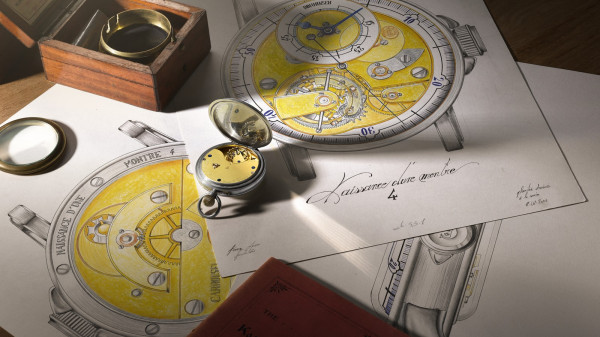
Like the workshops of many watch manufacturers, Jaeger-LeCoultre’s Le Sentier manufacture is a long way from anywhere. The Vallée de Joux sits at just over 1,000m altitude in the Swiss Jura, an hour’s drive from Geneva. Driving up the mountain pass, the last stretch climbs through dense spruce forest on narrow roads before the valley opens out, flat and very still, around its lake. The story goes that, cut off for much of the year, the valley’s farming families, armed with a new set of industrialised tools, turned to making watch parts through the long winters. The reality is that the area already had a history of ironworking and gem cutting, but the long winters did mean more hours stuck working inside.
Jaeger-LeCoultre has been here since 1833. Today’s manufacture holds 82 workshops, 180 different crafts and more than 800 people on production alone. This is where the watches are made, and increasingly it is where the brand would like them to come back to, thanks to the new MasterCare service that is being announced today. However, that’s only one reason for our visit to the manufacture.
In April, at Watches and Wonders, the brand launched the Master Control Chronometre collection and with it a new in-house certification called the High Precision Guarantee, or HPG. We reviewed the collection at the time and loved it, but what we had not seen was how the new standard is earned.
What Is the Jaeger-LeCoultre HPG Seal?
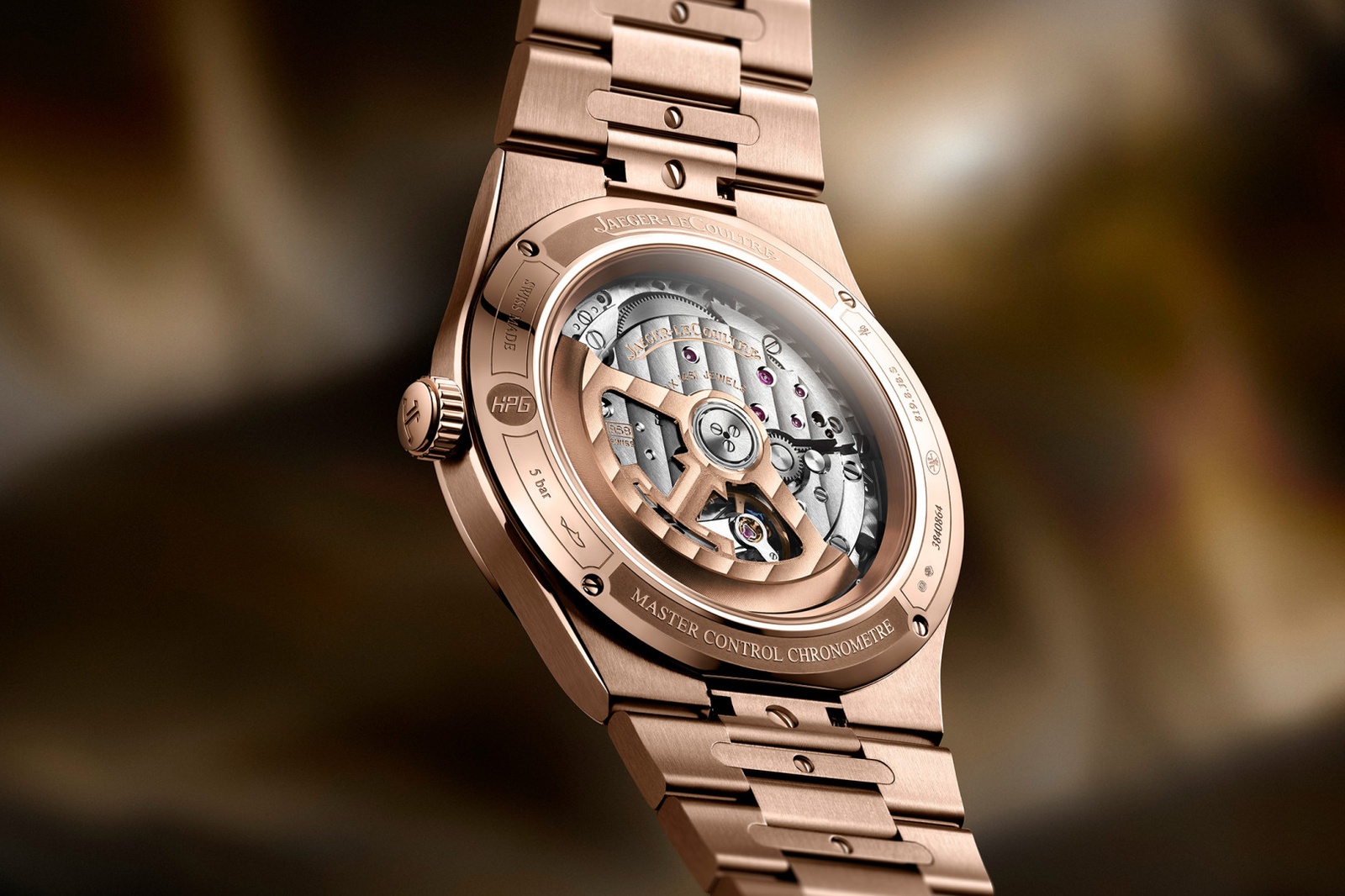
The short version: HPG is Jaeger-LeCoultre’s own standard for a finished watch, covering both how accurately it runs and how well the movement is finished. Every watch that carries the seal has been through the full test on its own, not as one lucky sample from a batch, and the HPG emblem is engraved on the caseback.
The longer version is more interesting, because of what HPG is up against. The industry’s benchmark has long been the Contrôle Officiel Suisse des Chronomètres (COSC), the Swiss chronometer certification set up in 1973. Its standard test is rigorous with 15 days of testing in five positions across three temperatures, but it tests the movement on its own, before it goes into a case. It tells you that a calibre can keep time but it does not tell you much about the finished watch.
Testing cased watches isn’t anything particularly new. The Swiss Federal Institute of Metrology (METAS) has certified cased watches for Omega since 2015 and for Tudor since 2021. Plus, this year COSC added a second tier of certification with the Excellence Chronometer, which tests the cased watch under simulated wear to a tighter -2/+4 seconds a day tolerance. However, Jaeger-LeCoultre has been testing cased watches for far longer than either of those organisations. Its 1,000 Hours Control watch, launched alongside the original Master Control in 1992, tested the whole cased watch more than 20 years before METAS did. HPG is the 2026 version of the same idea.
How the HPG Test Works

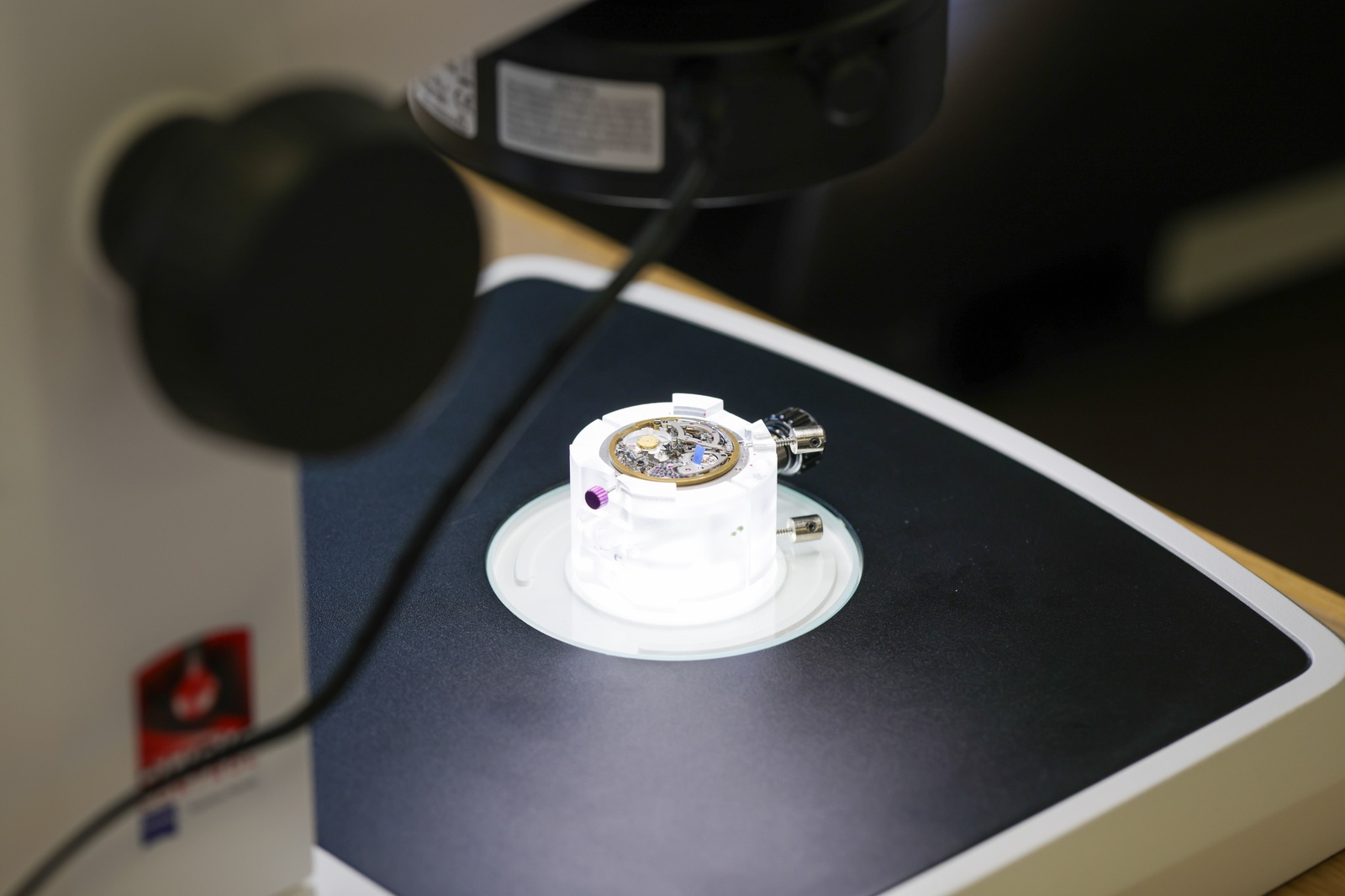
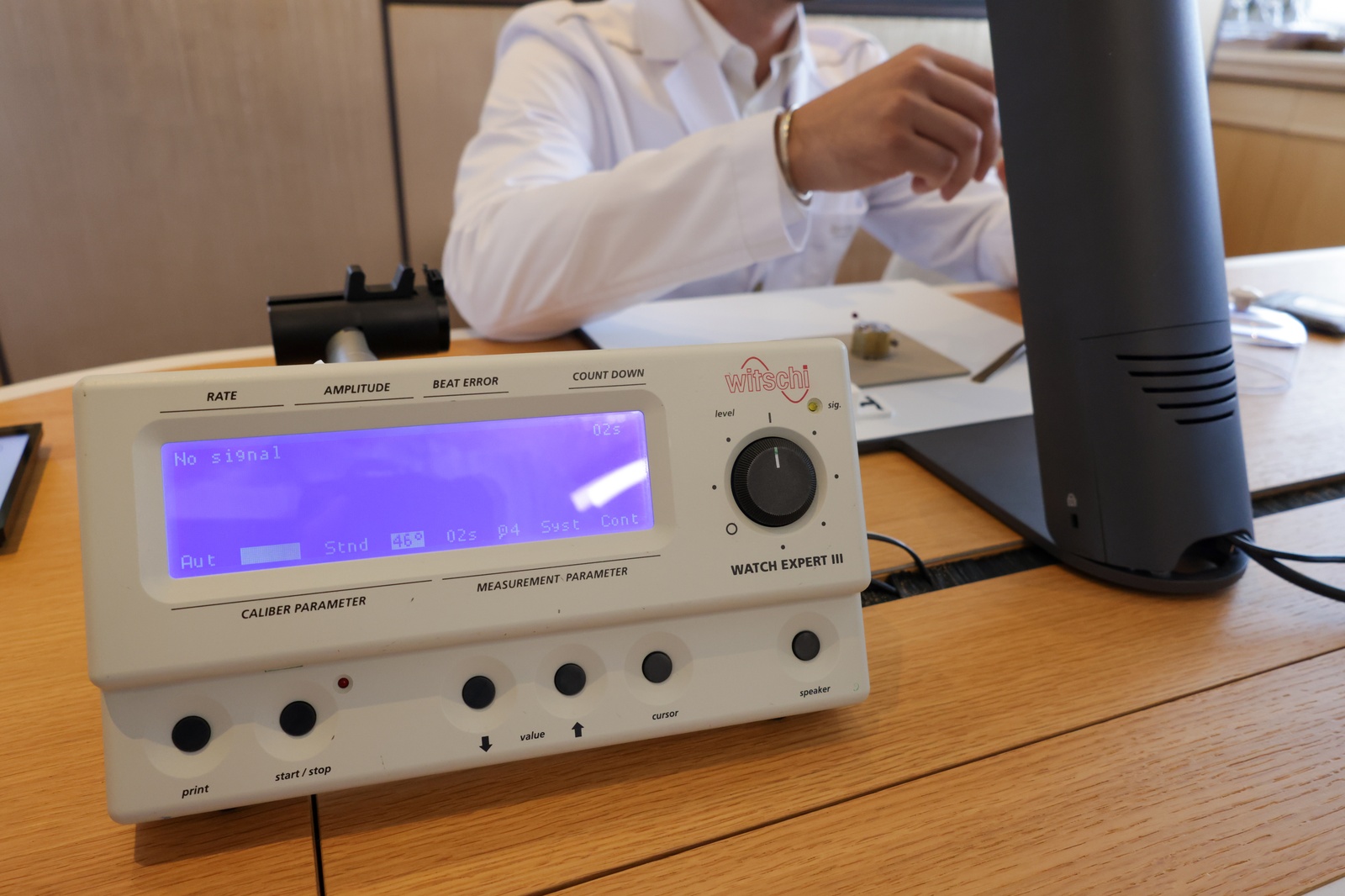
The test runs over three days on a machine Jaeger-LeCoultre built for the job (patent pending, as the brand is keen to point out). Altitude is tested on the calibre alone, from sea level up to 1,004m. If that number sounds oddly specific, it is the elevation of the manufacture itself.
Everything else happens to the finished watch, and the machine tests several things at once, mimicking real life. For the first two days, the working week, it keeps turning the watch into different positions (dial up, crown down and so on, since gravity affects accuracy differently in each), gives it sharp knocks of 25G to 50G, the sort you’re used to cursing when you catch the doorframe, and holds it at 35°C during the active phases, dropping to 18°C when it rests. The third day acts as the weekend, and the watch is left still, doing absolutely nothing, much like me after a hard week.
The temperature range is where HPG looks softest. An 18°C low is well above the daily winter average here in London, and nowhere near as frigid as a February morning in Le Sentier. It is also a narrower range than standard COSC, which tests movements at 8°C and 38°C. Anyone who skis in their watch, or leaves their window open on a cold night, is outside what HPG alone checks.
For the Master Control Chronometre, each movement passes COSC first and then goes through Jaeger-LeCoultre’s new series of tests, so that potential weak point has already been covered for.
Precision of Finishing, Not Just Timekeeping
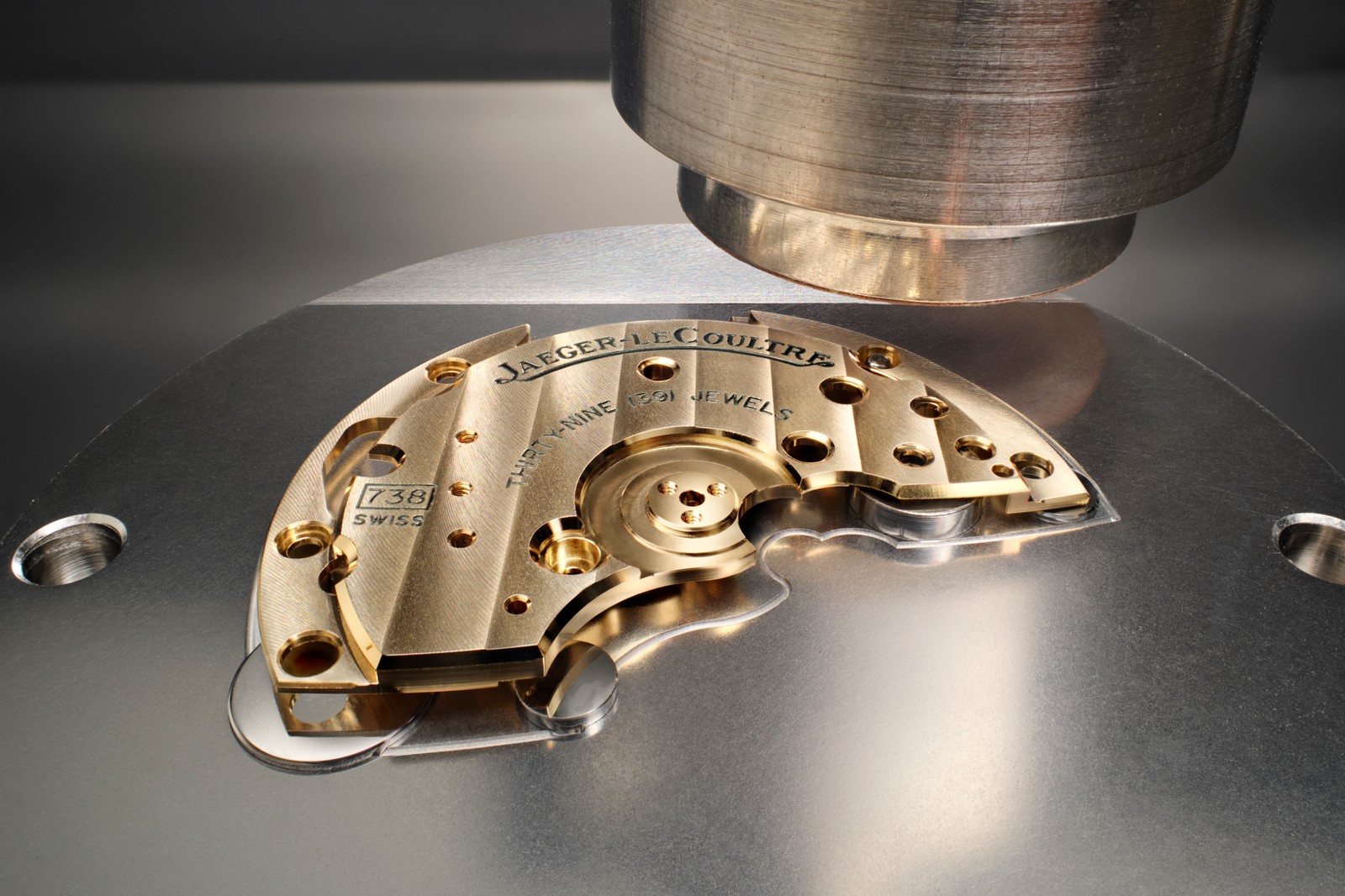

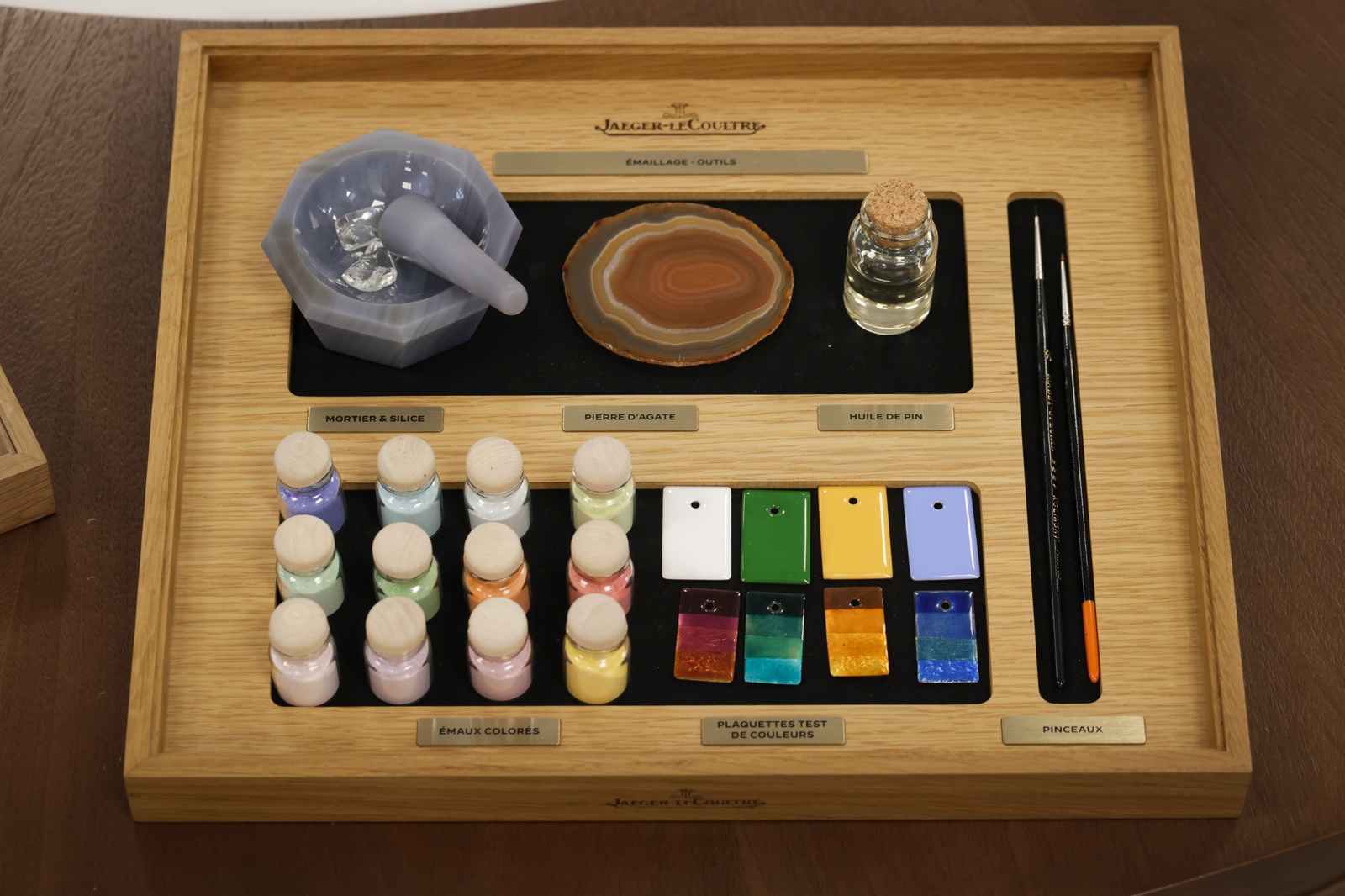
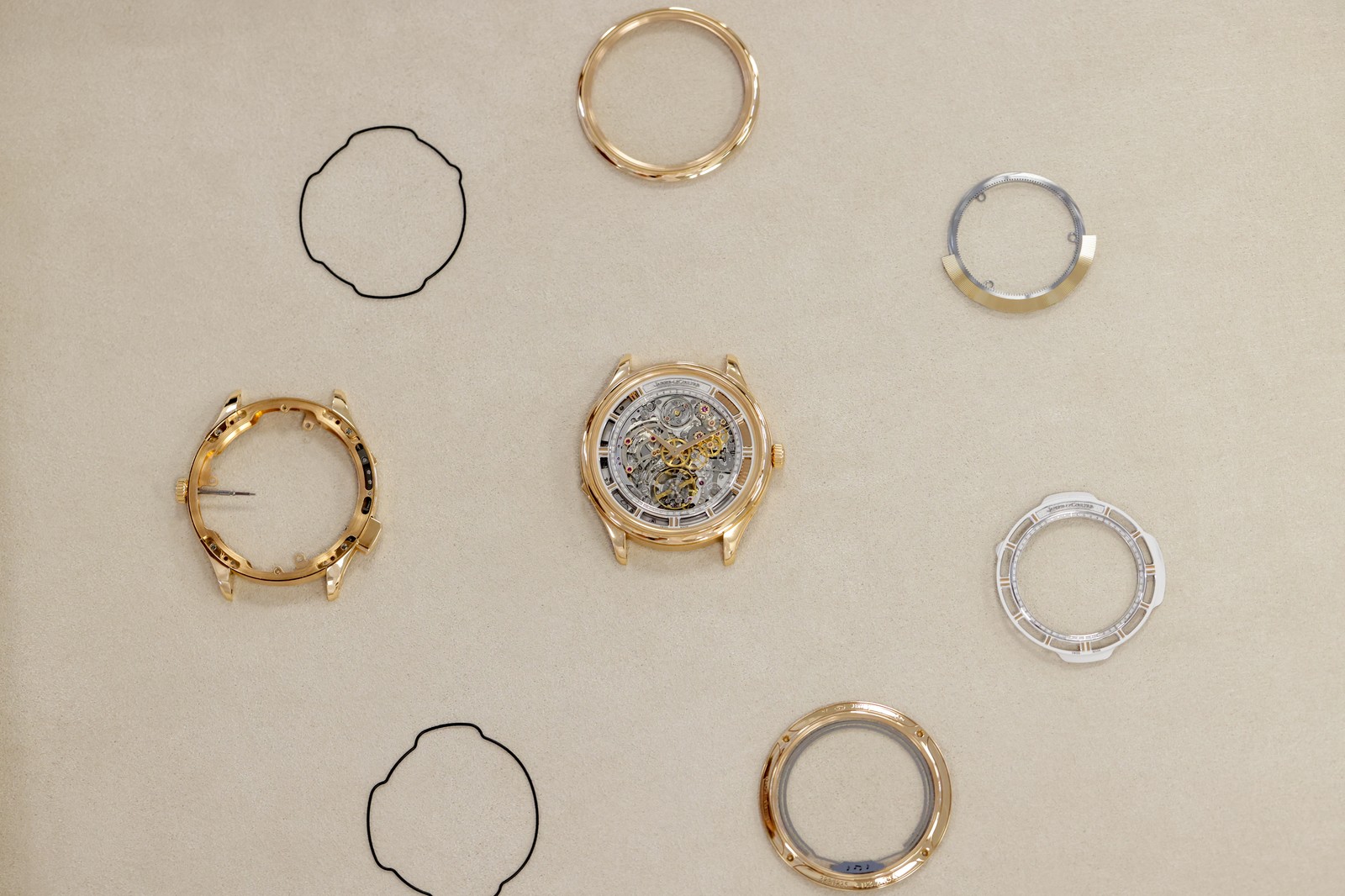
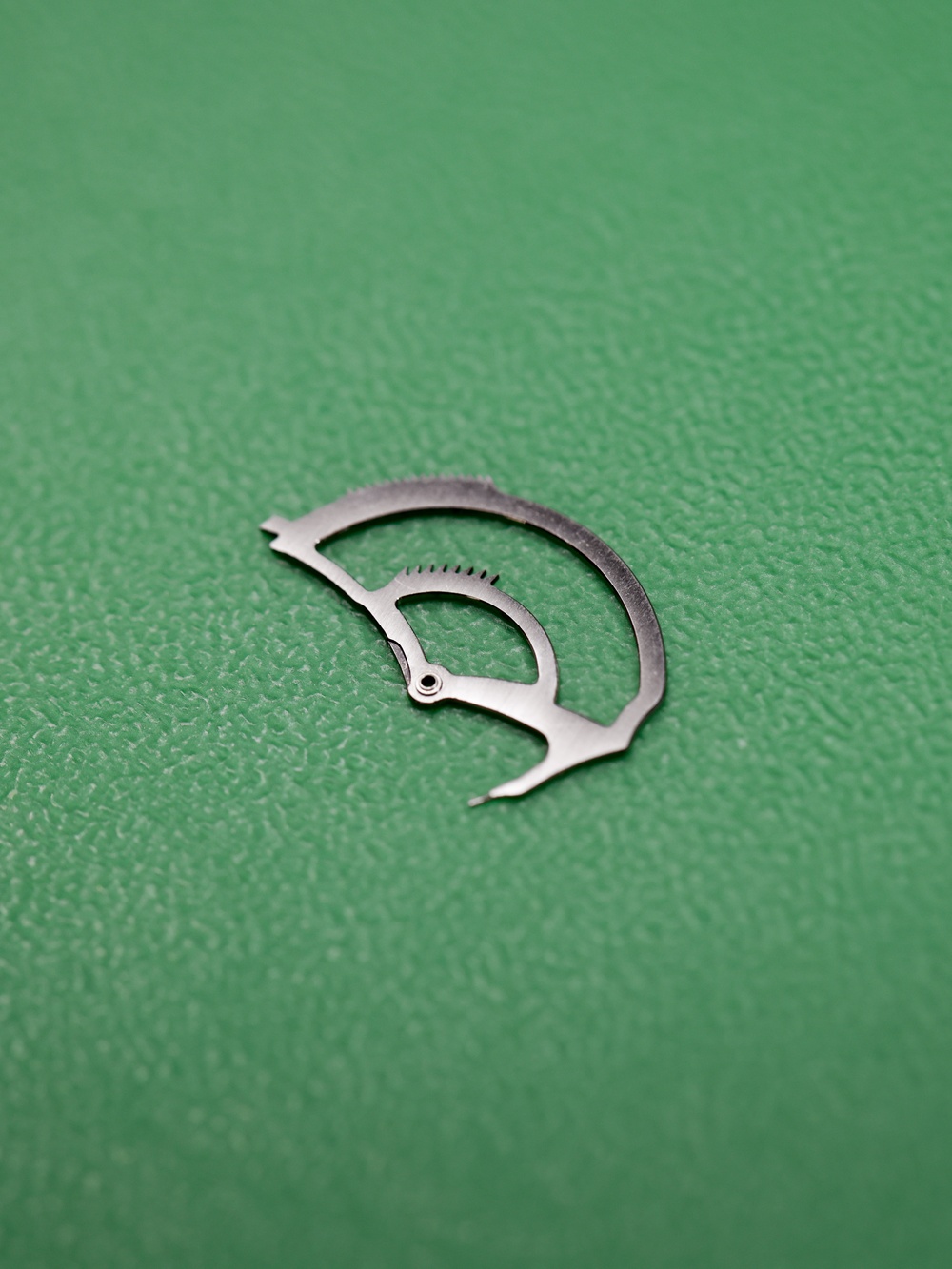
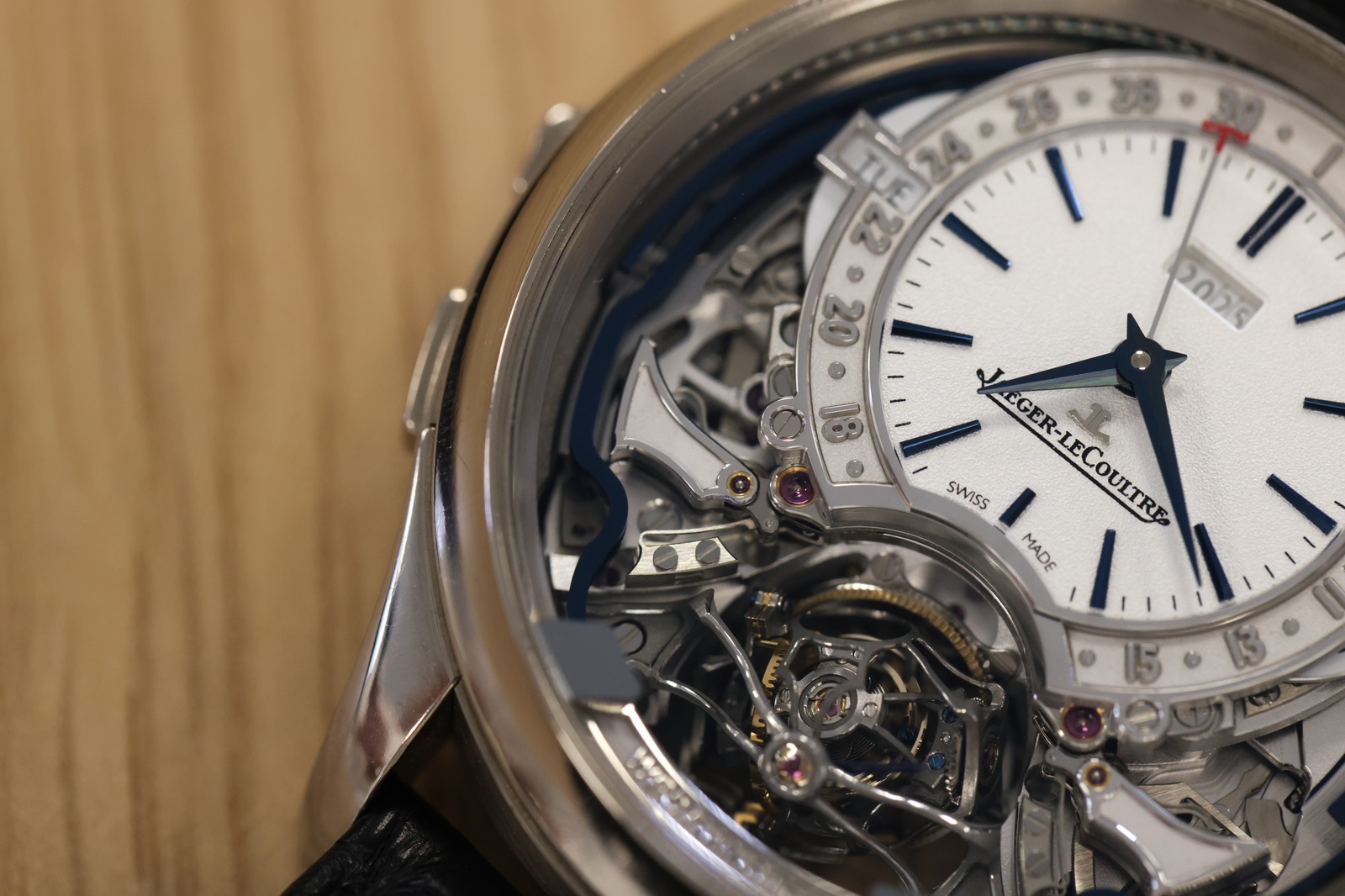
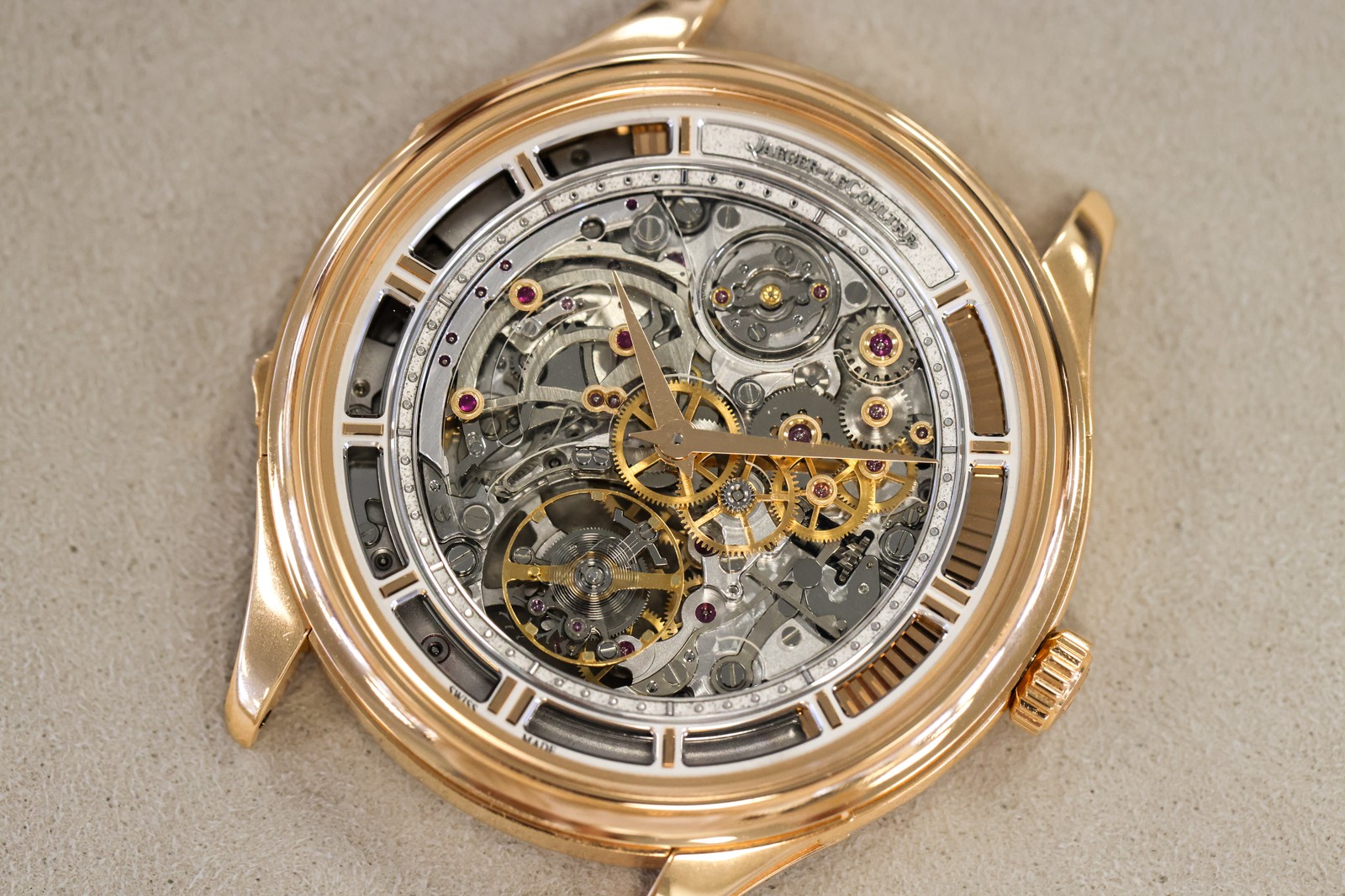
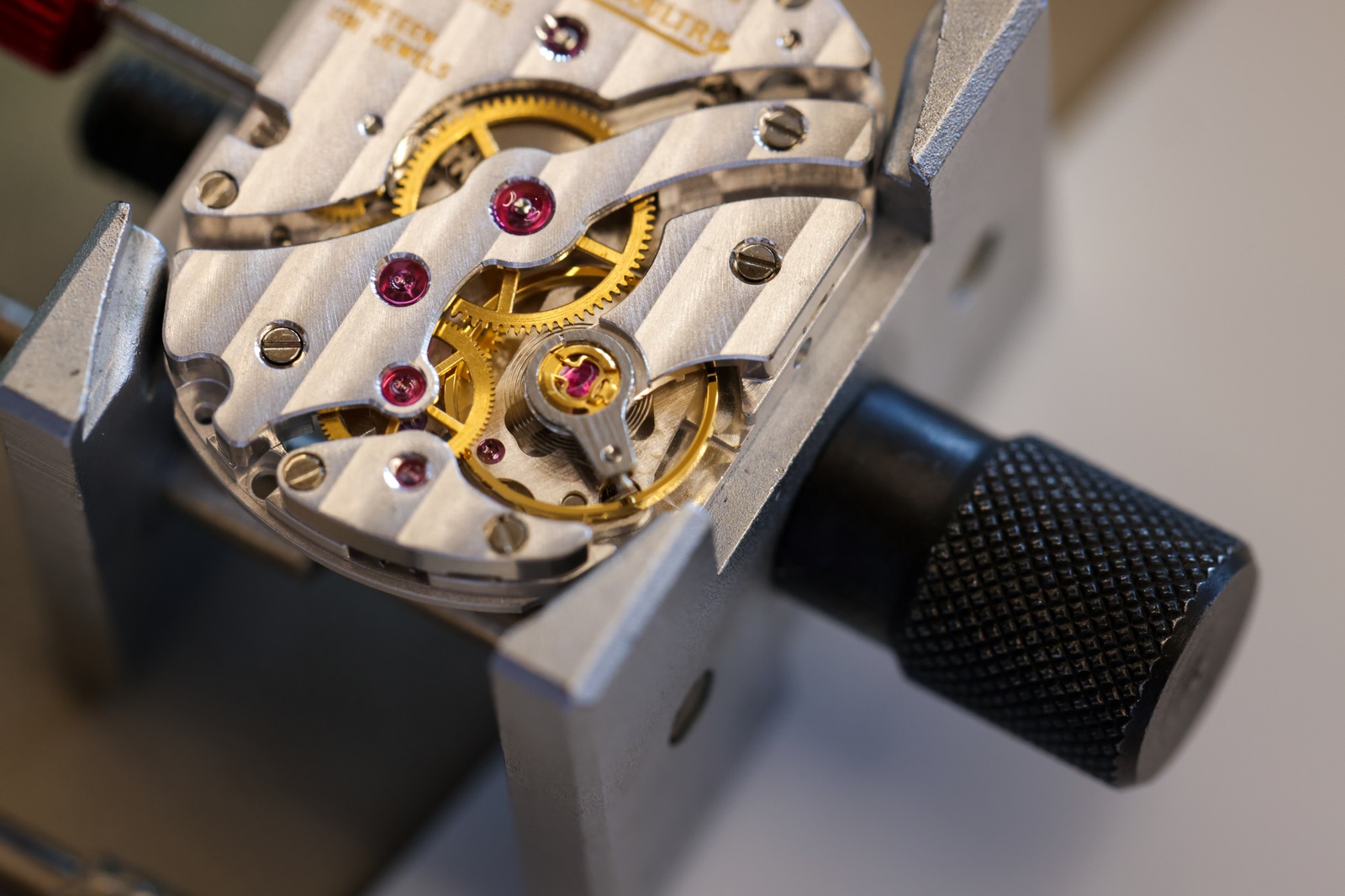
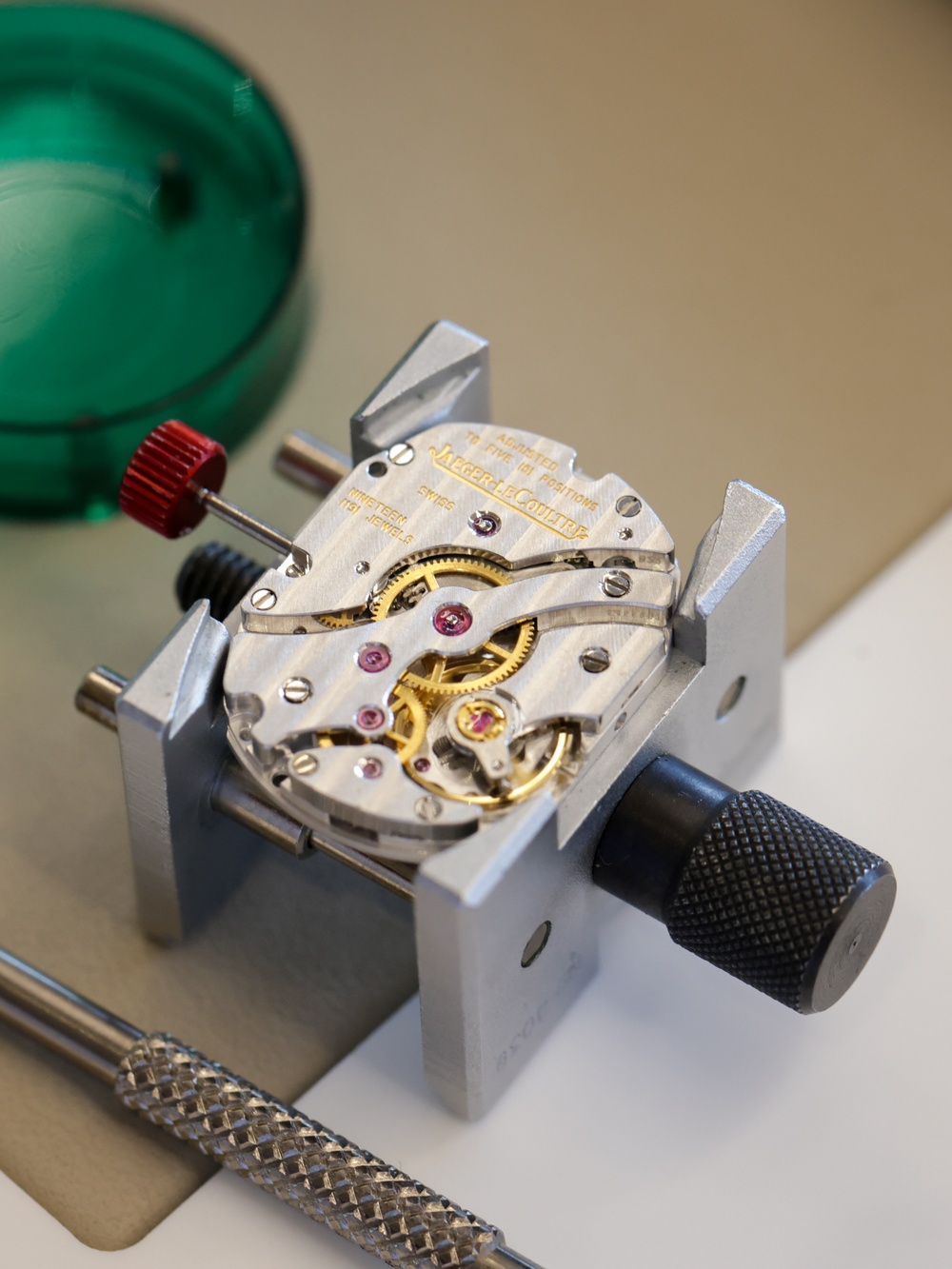
On top of the chronometry testing, HPG has a self-regulated finishing component. To qualify, a movement must show at least six of eight traditional techniques: bevelling, burnishing, circular smoothing, linear smoothing, countersunk jewels, Côtes de Genève, perlage and polished screw heads. Nowhere does it say they must be done by hand, and most can be done by machine, which is where purists may offer some criticism. But then again, reports put Jaeger-LeCoultre’s output at around 100,000 watches a year, which would be impossible to finish by hand.
Jaeger-LeCoultre’s case for including finishing as part of the HPG requirements is that finishing isn’t just decoration. Polishing cuts friction, Côtes de Genève are said to trap dust, and a properly polished edge has no rough burr to shed a particle into the movement. Done well, finishing helps a watch keep time.
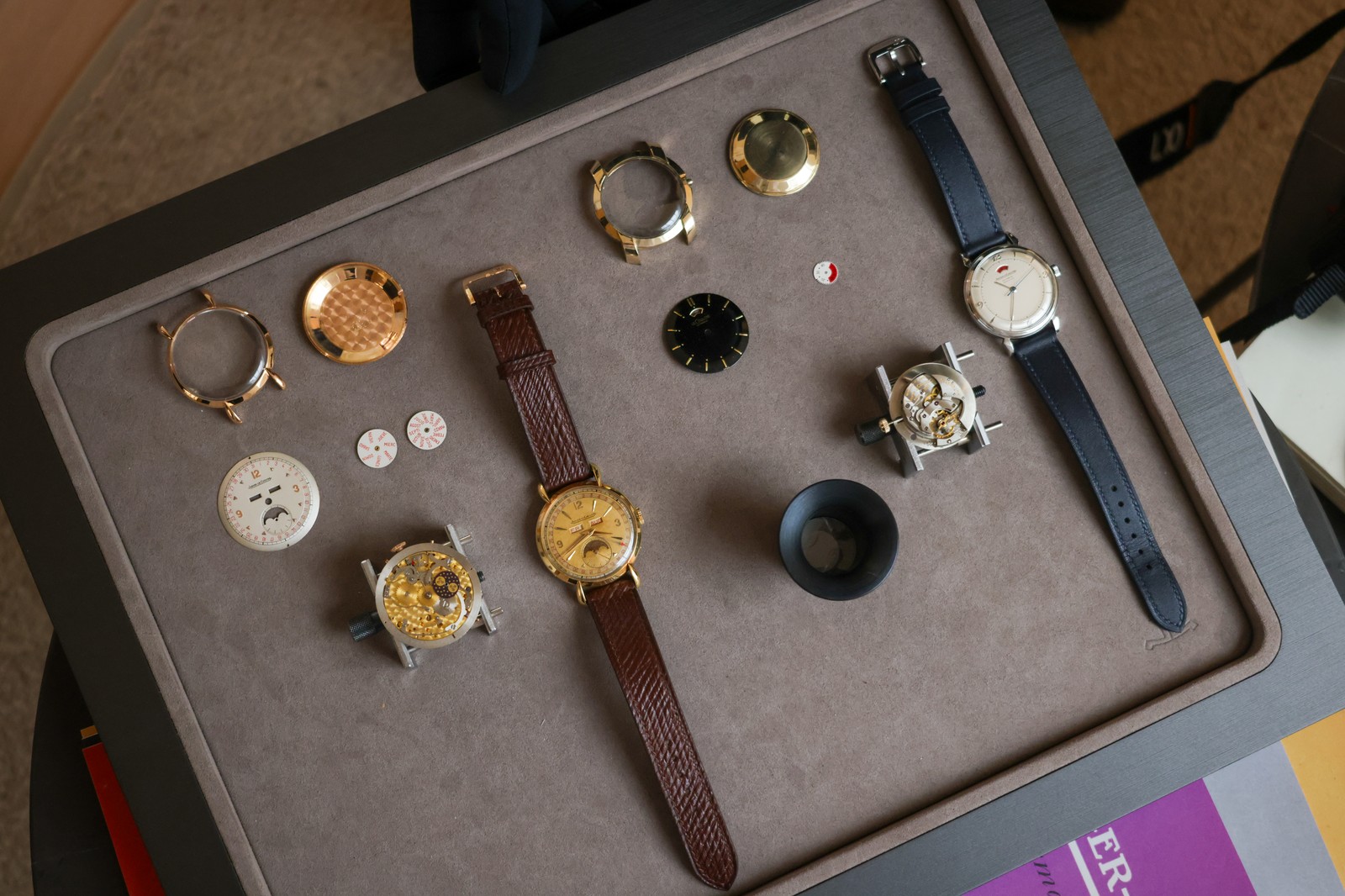
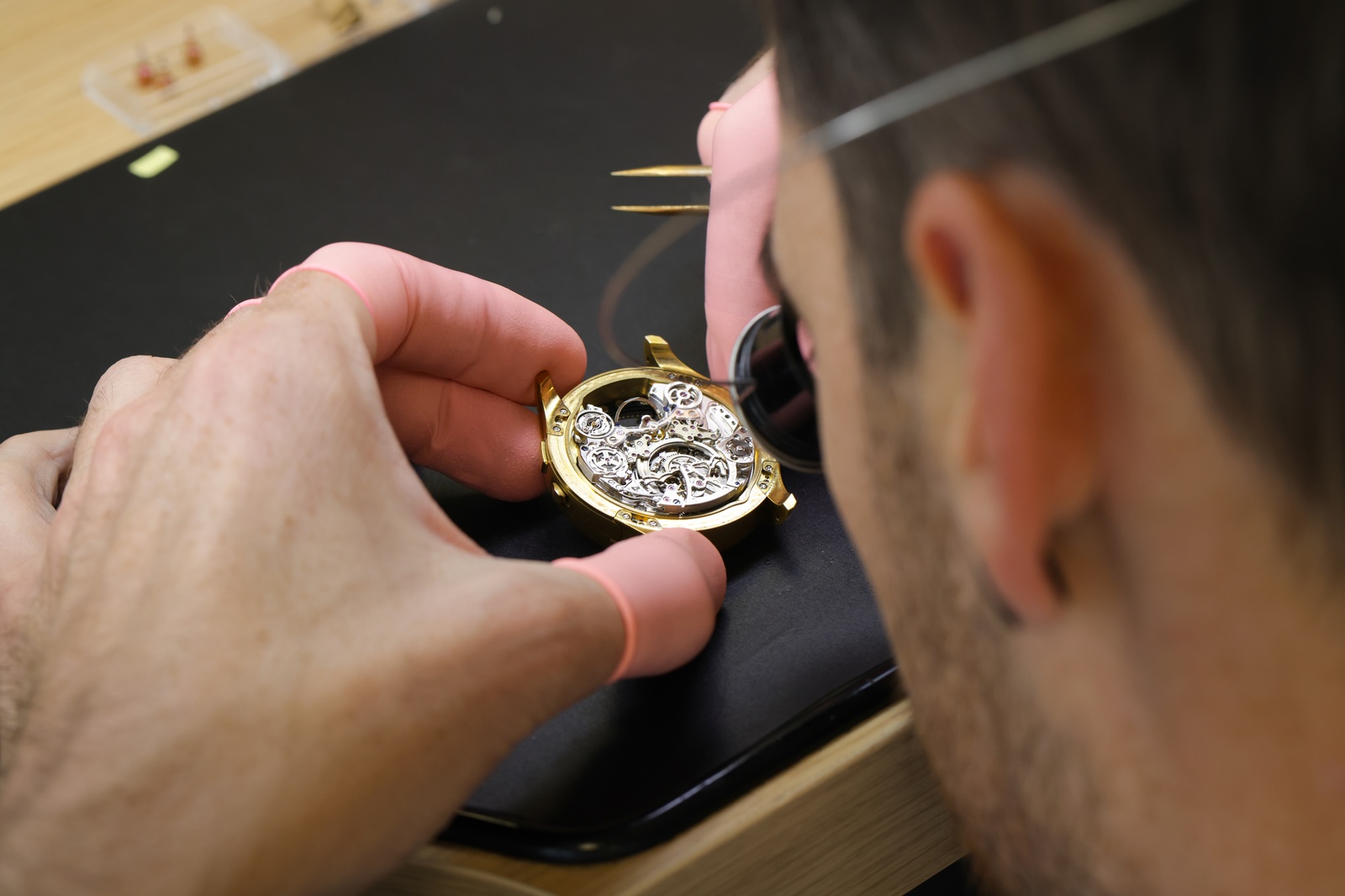
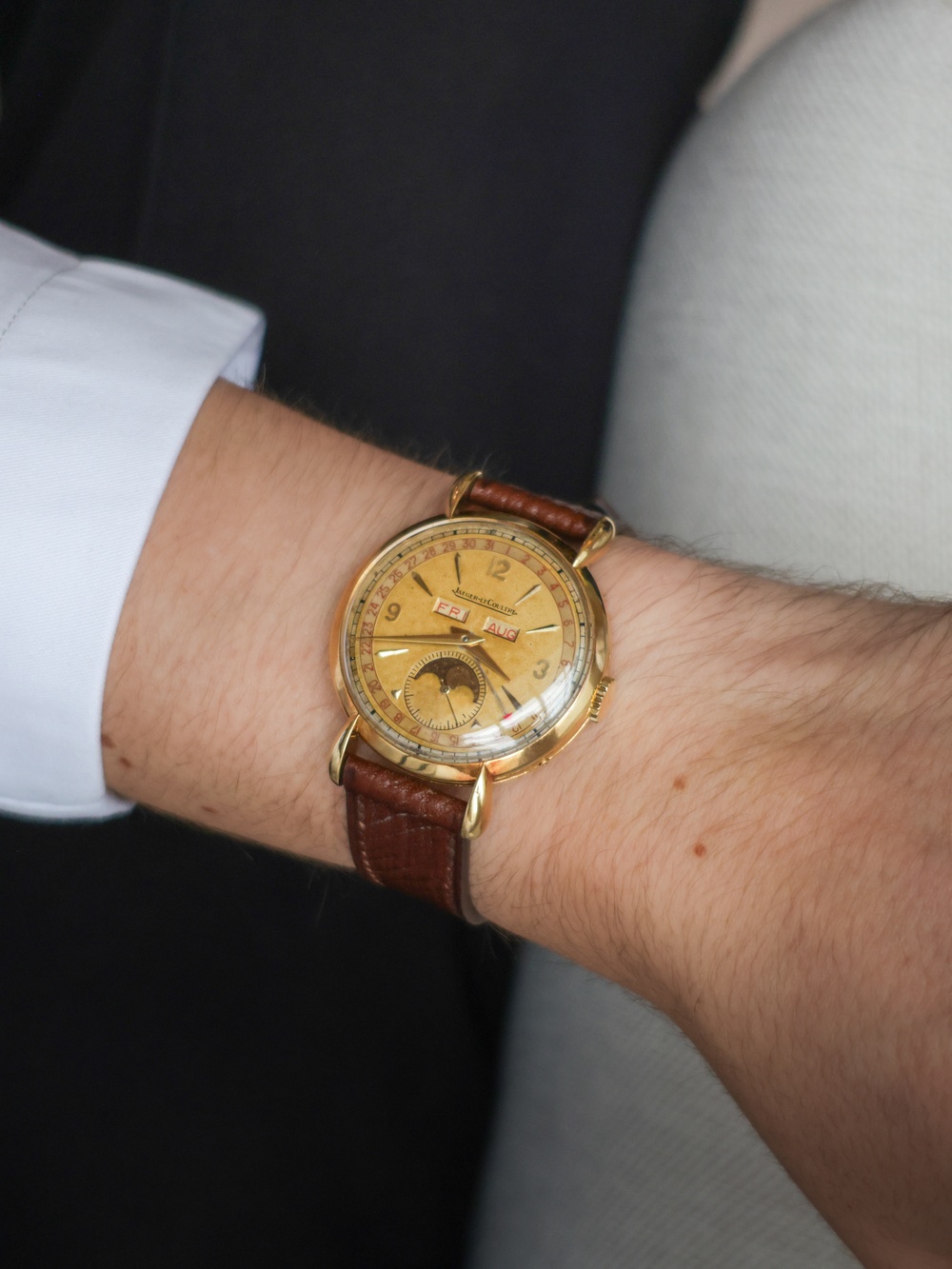
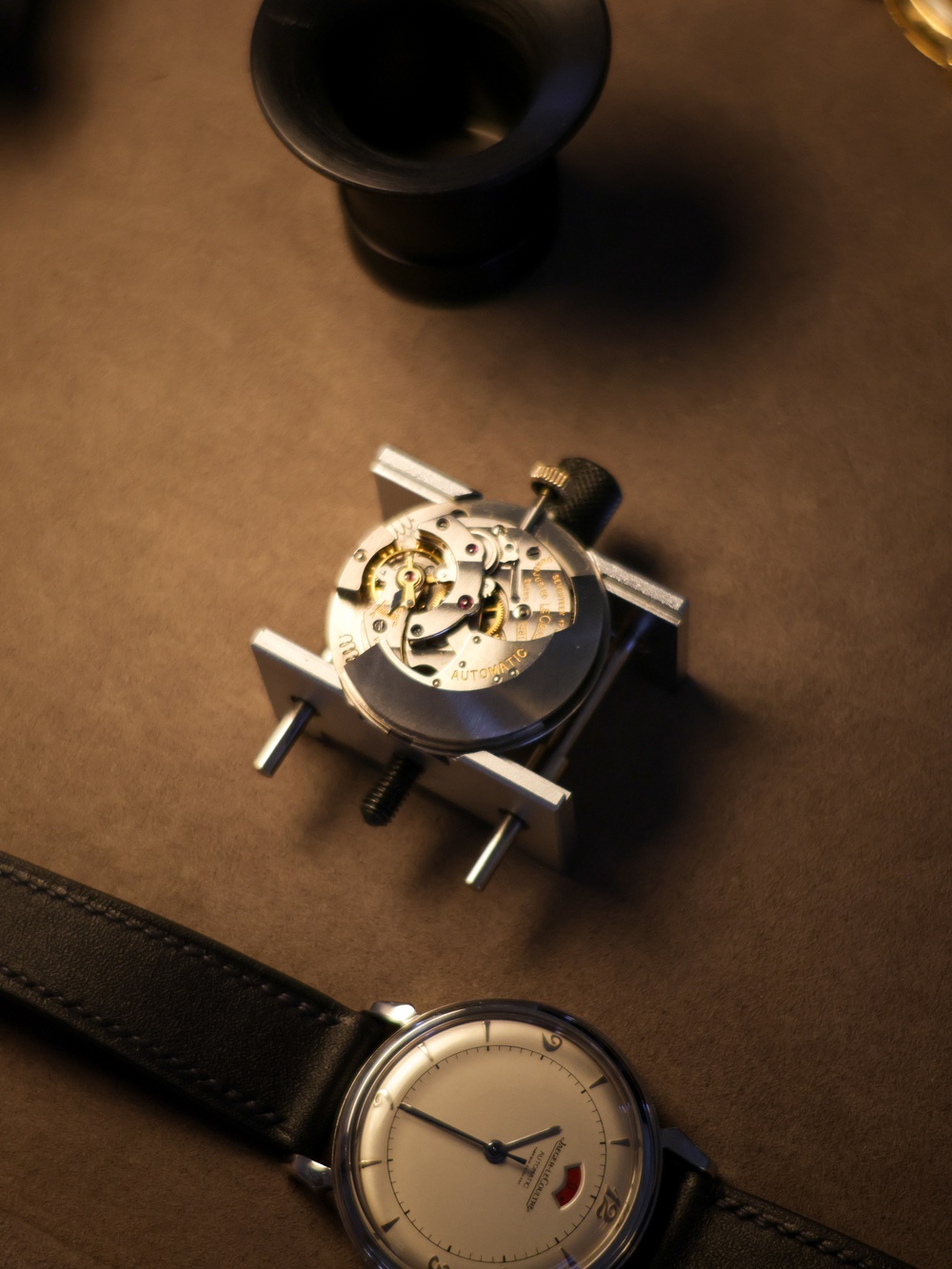
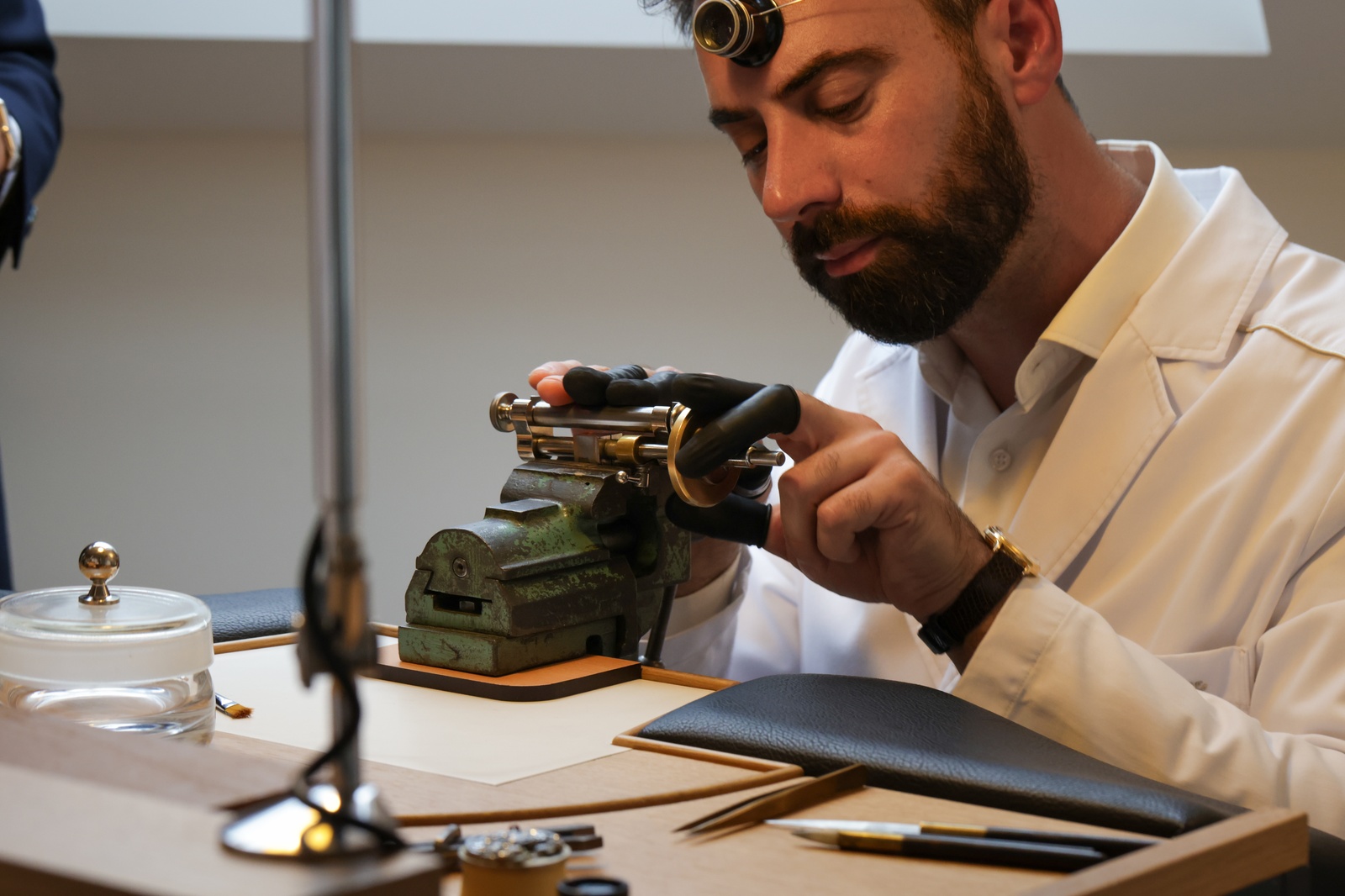
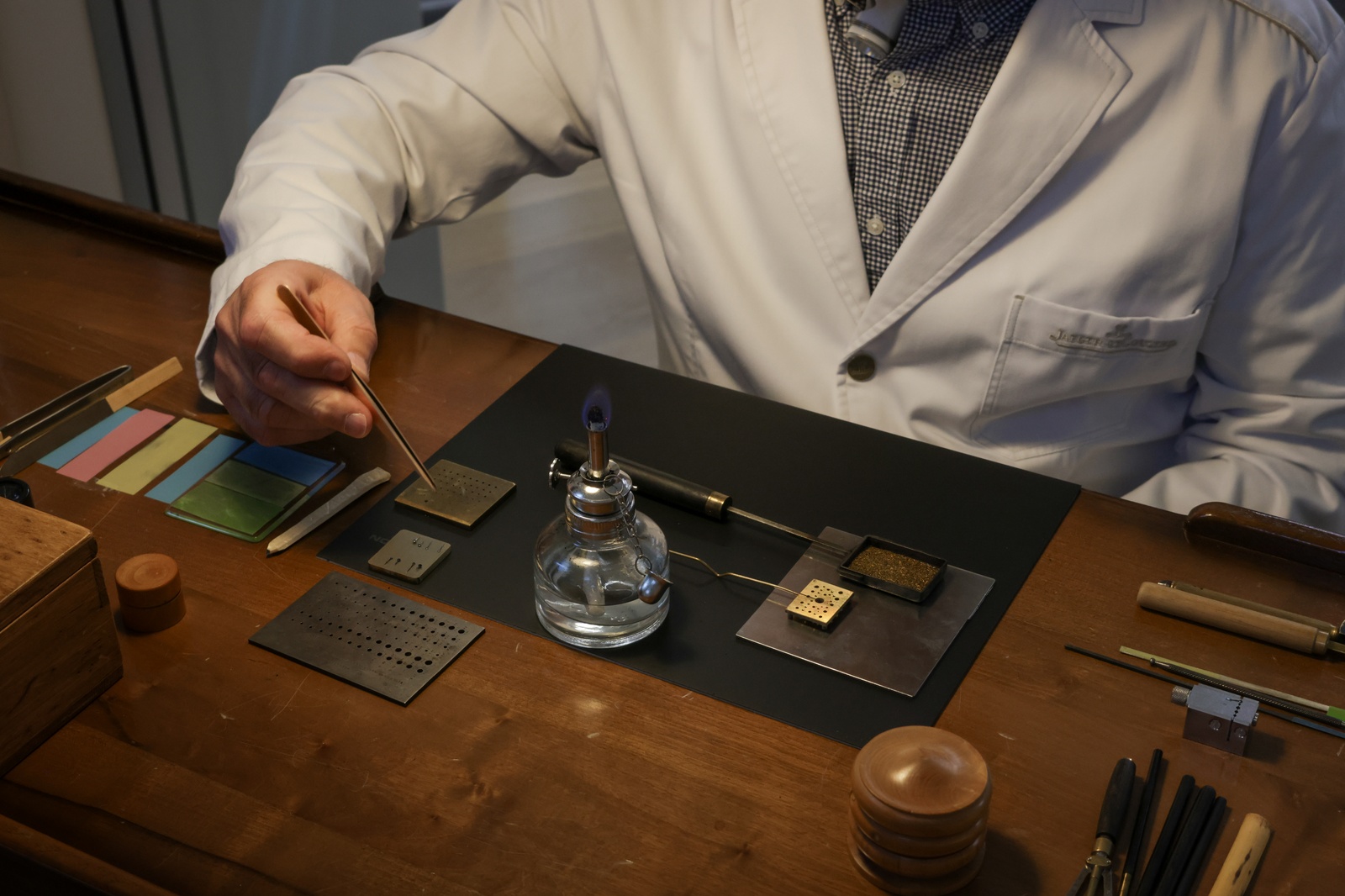
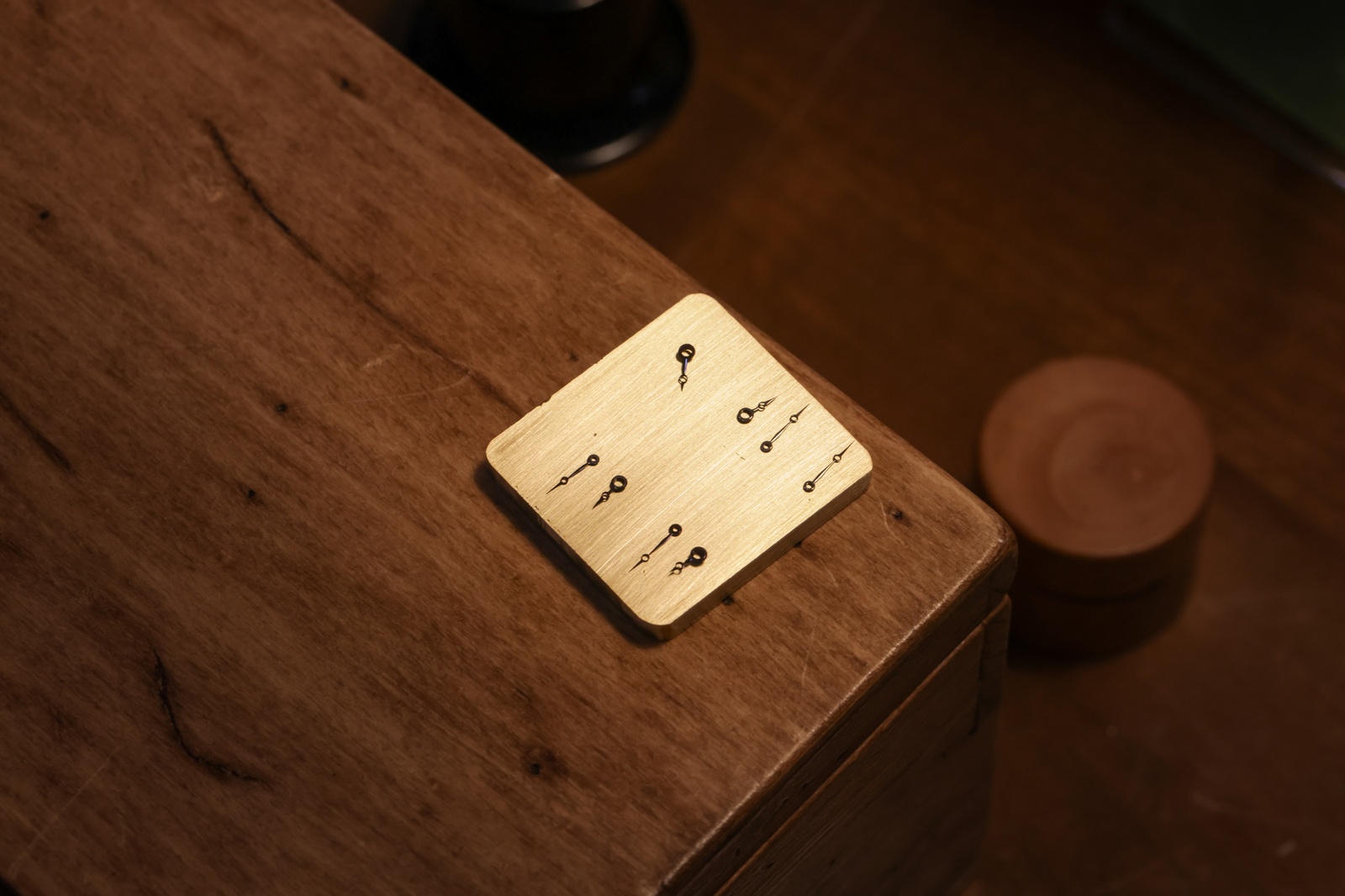
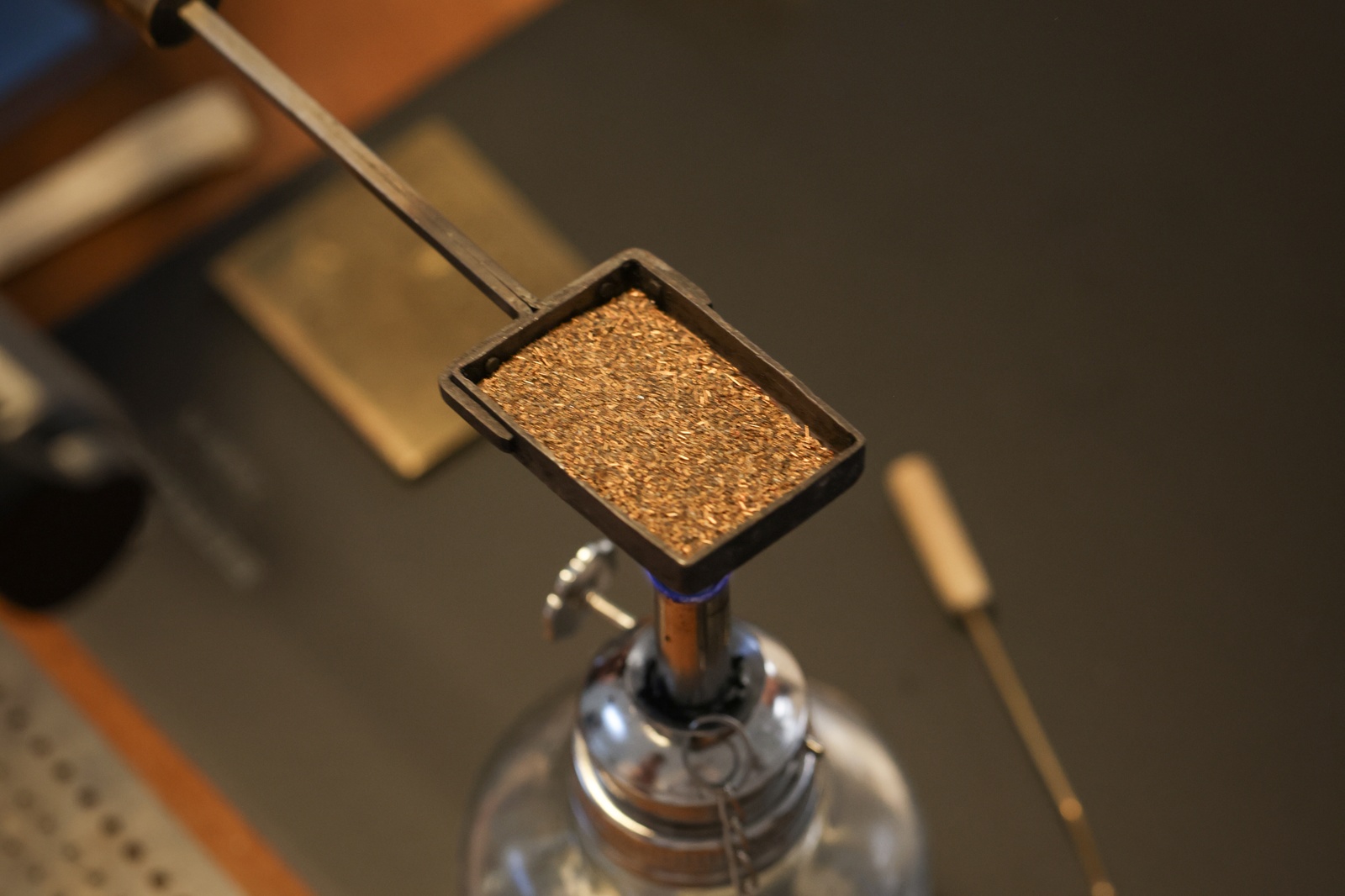
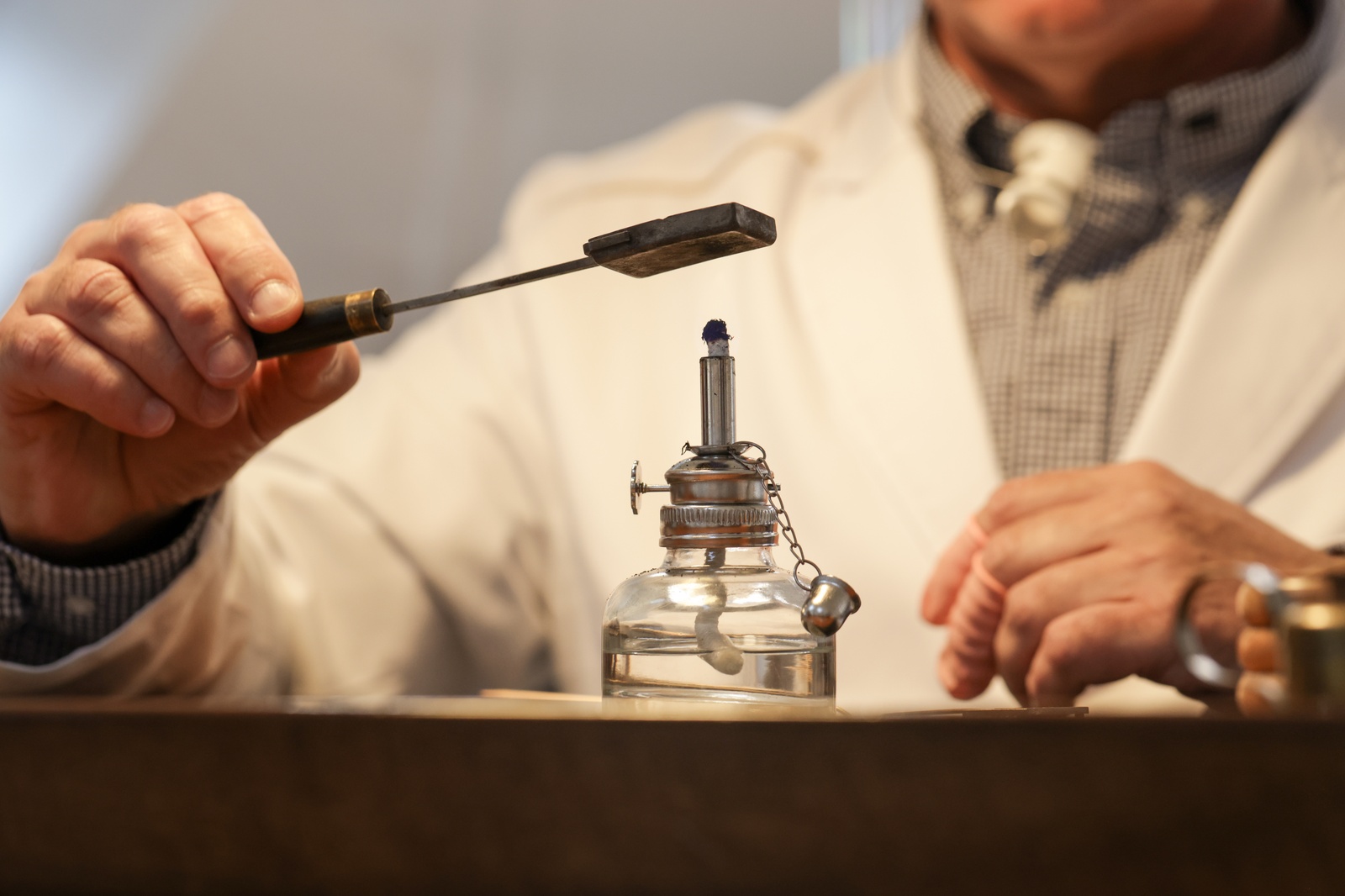
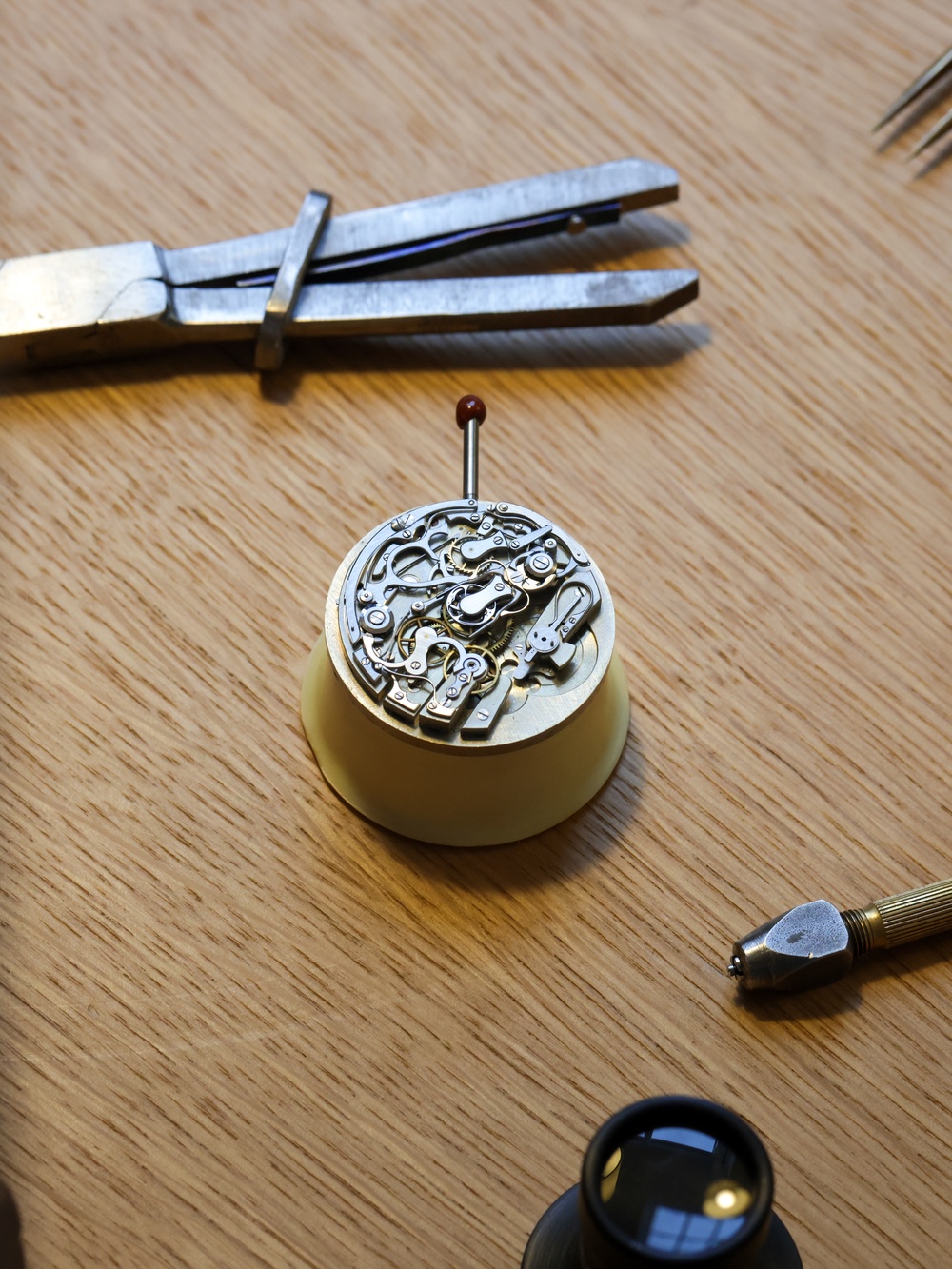
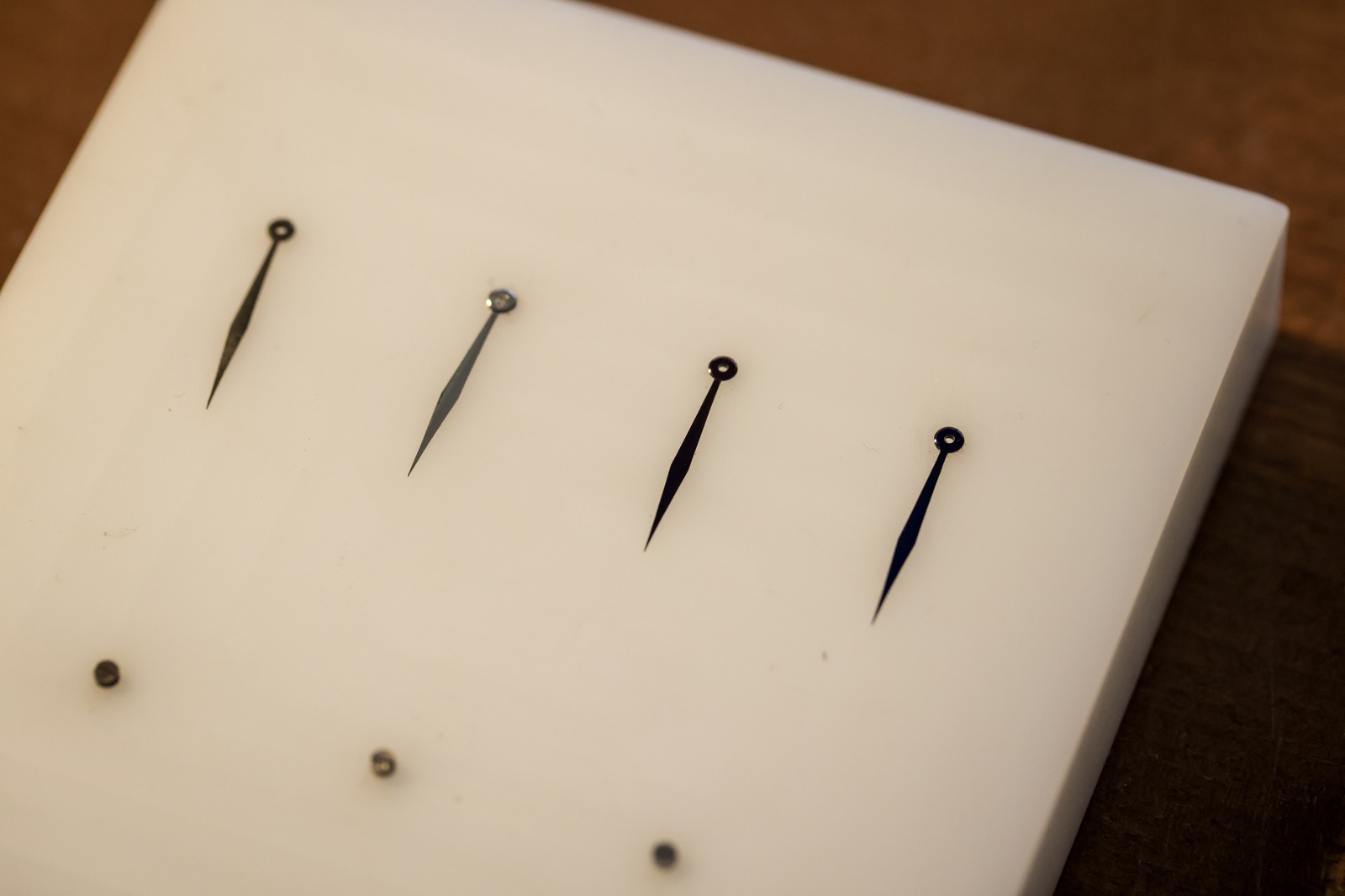
The precision that Jaeger-LeCoultre hold themselves to is perhaps most apparent when we take a quick stop in the restoration workshop, where vintage Jaeger-LeCoultre pieces come back to be put right. A watchmaker holds a steel hand over the flame of a spirit lamp as it turns brown, then purple, then the deep blue you want. Take it off a second too late and it has to be polished back and started again, no small thing when polishing one hand takes around three hours.
What This Means If You’re Buying
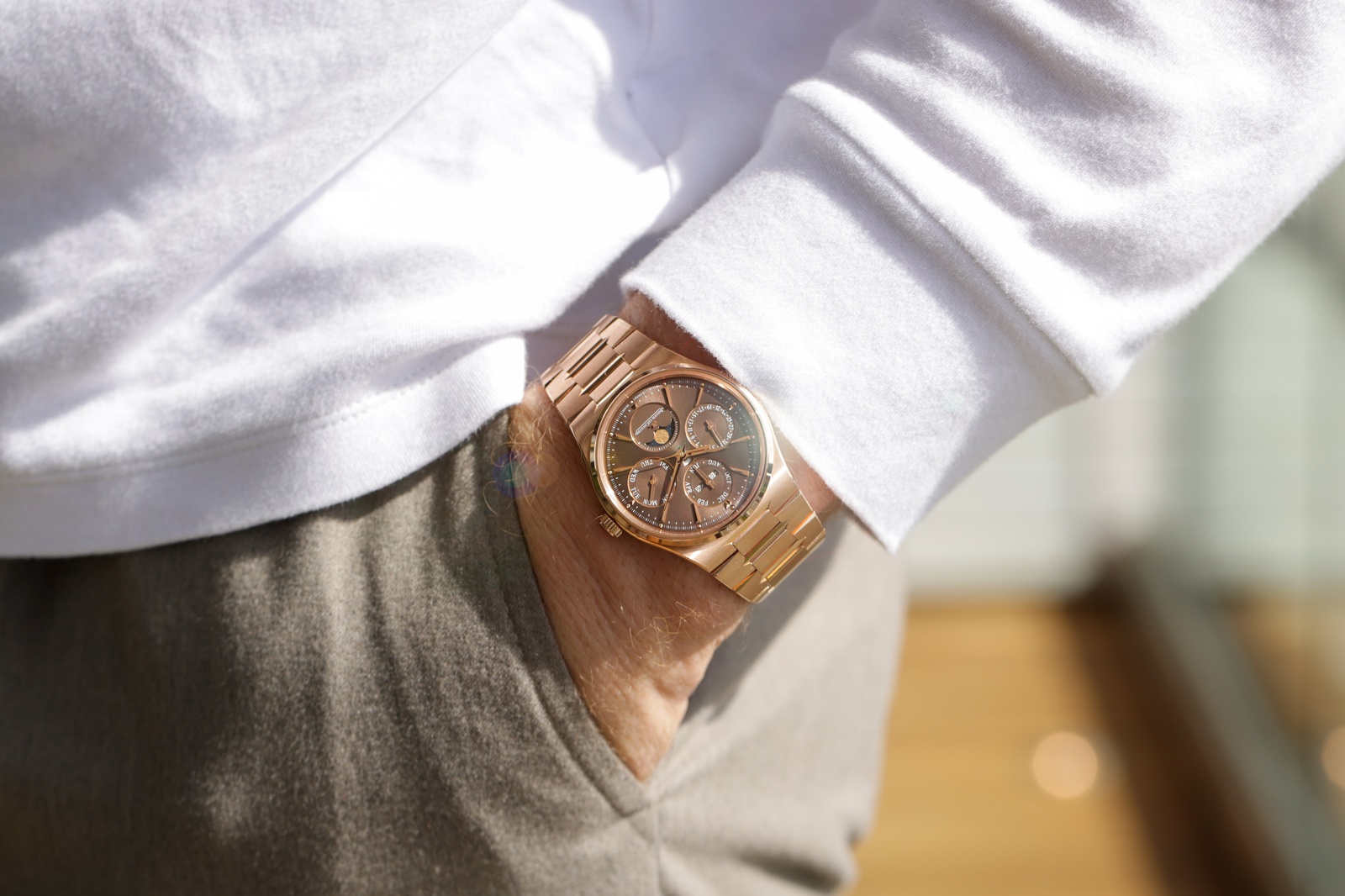
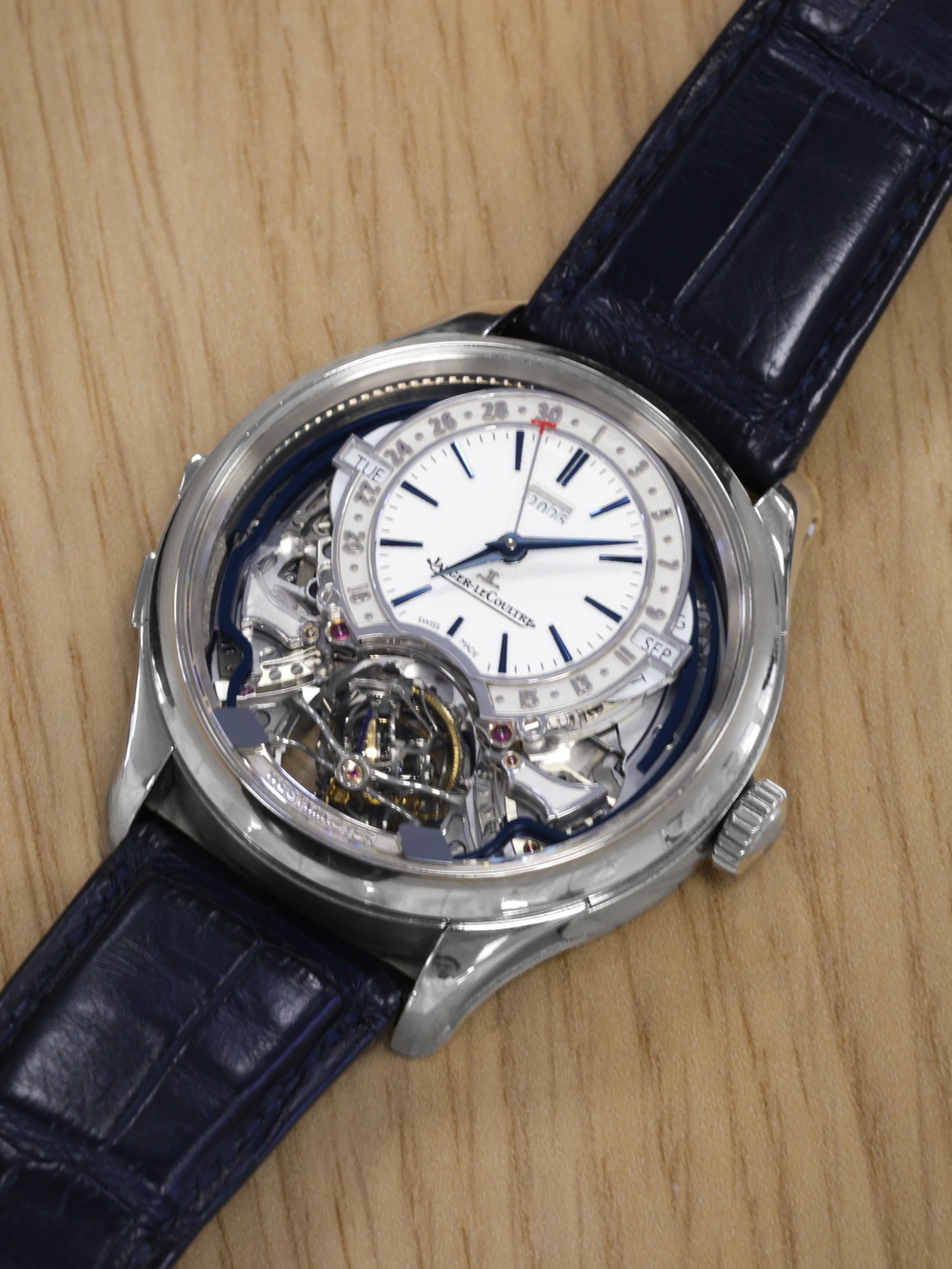
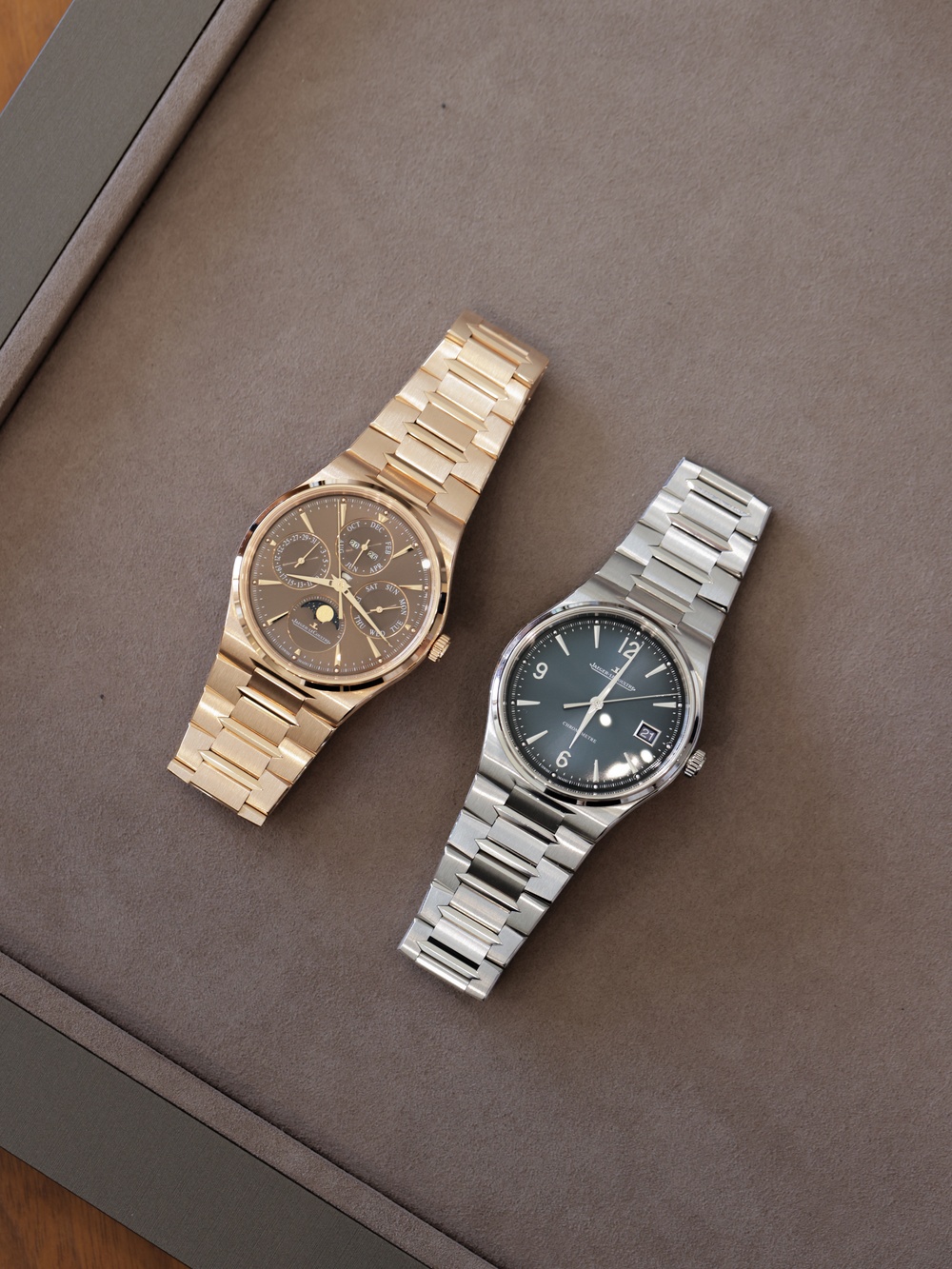
First, HPG does not appear as a line on the receipt. The Master Control Chronometre Date starts at £12,700 in steel, the Date Power Reserve is £15,300, and the Perpetual Calendar is £41,000 in steel. Each one has been through the full three-day test before it leaves Le Sentier, the engraving on the caseback isthe receipt, much like the Master Controls of the 90s.
Second, HPG is not an independent certification, and Jaeger-LeCoultre does not pretend it is. HPG is the brand marking its own homework. It is very thorough homework, but it is still self-marked, which is presumably why the Master Control Chronometre carries COSC certification as well. COSC tells you a neutral body checked the movement, and HPG tells you the manufacture checked the finished watch under simulated real-life conditions.
At the moment, the number of watches with HPG seals are fairly limited but the line is moving. JLC plans to spread the seal through their collections from 2027, meaning new Reverso and Polaris models may well arrive having been through testing that today’s examples have not.
MasterCare: Jaeger-LeCoultre Will Now Keep Your Watches for You
There is one more piece of the picture, and it says the most about where high-end collecting has got to. From 16 November, Jaeger-LeCoultre will offer a service called MasterCare. You deposit your watches in a secure facility inside the manufacture, and the brand looks after them. That means winding, timing checks across the full power reserve, functional checks on every complication, and a quarterly report on each piece. If anything needs attention, they call you before touching it.
It is not for everyone, and it is not meant to be. Access is by application, subject to a fee and a qualification process that looks at your history with the brand and your proof of ownership. Each watch must already have been serviced by Jaeger-LeCoultre, and vintage pieces are not eligible. You bring the watches in and collect them yourself, with 48 hours’ notice for pickup. Visits come with private tours, workshops and lunch.
Whether you find the idea of paying a manufacture to keep watches you own in a vault in the Jura appealing or faintly absurd probably depends on how many watches you own. For the rest of us, there is always the sock drawer. But it does complete a circle. Jaeger-LeCoultre now certifies a watch when it is born, restores it when it is old, and, if you would like, keeps it in between.
Gallery



















Frequently Asked Questions
What does HPG stand for?
High Precision Guarantee. The name first appeared on a Jaeger-LeCoultre dial in 1970, on the Polaris II, and was revived in 2026 as a certification seal.
Is HPG the same as COSC?
No. Standard COSC is an independent Swiss test of the uncased movement. HPG is Jaeger-LeCoultre’s own three-day test of the finished, cased watch under simulated wear, plus a finishing standard. The Master Control Chronometre carries both.
How does HPG compare with COSC Excellence Chronometer?
Both test the cased watch under simulated wear. COSC Excellence is independent, publishes a tolerance of -2/+4 seconds a day, and adds magnetism and power reserve tests. HPG is in-house, does not publish a tolerance, adds shock and altitude testing, and certifies finishing.
Which watches have the HPG seal?
The Master Control Chronometre Date, Date Power Reserve and Perpetual Calendar. The seal extends to other Jaeger-LeCoultre collections from 2027.
What is Jaeger-LeCoultre MasterCare?
A storage and care service launching on 16 November 2026. Owners deposit their watches at the manufacture in Le Sentier, where they are wound, tested and maintained, with quarterly condition reports. Entry is by application and subject to a fee.