
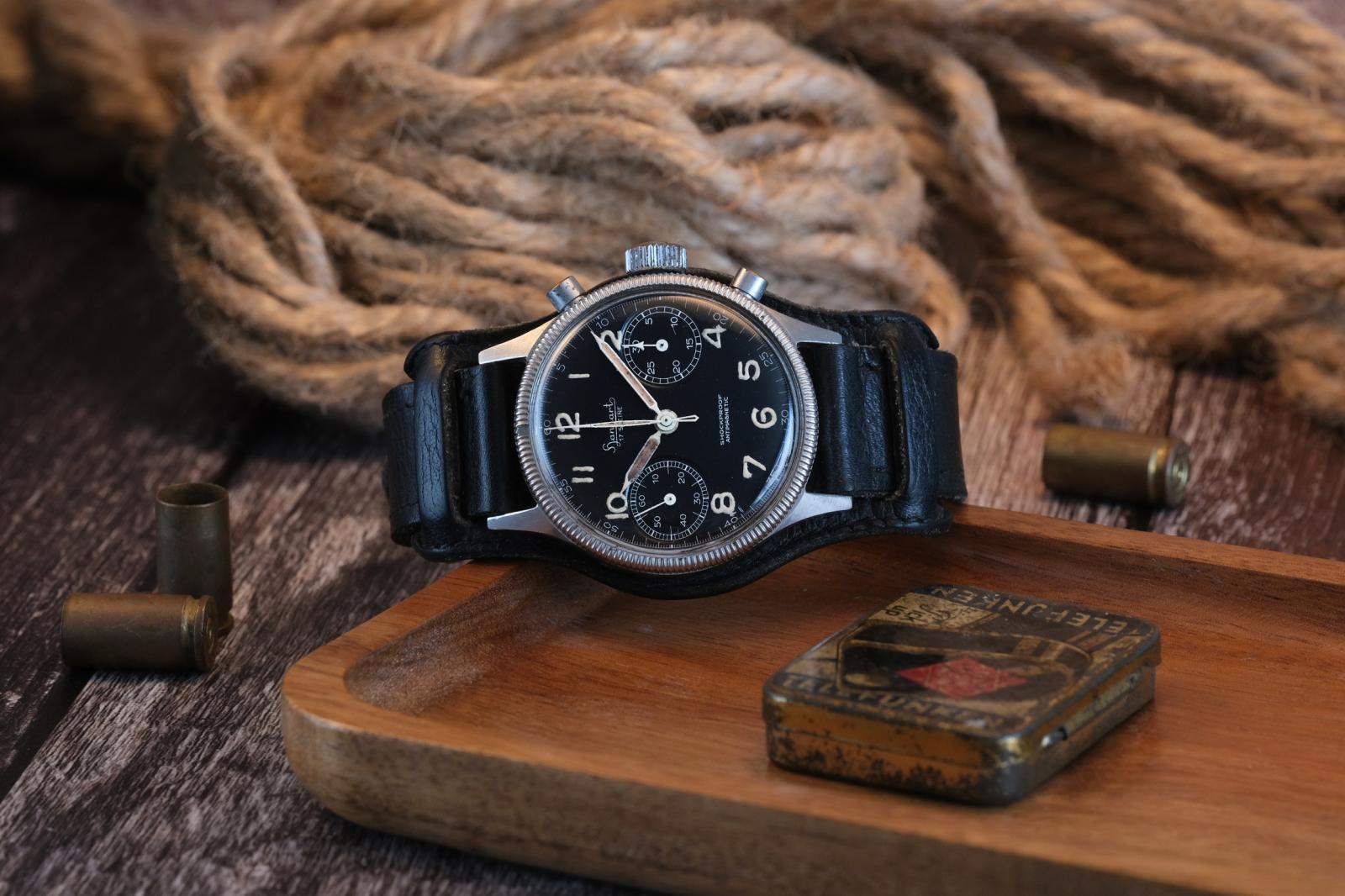
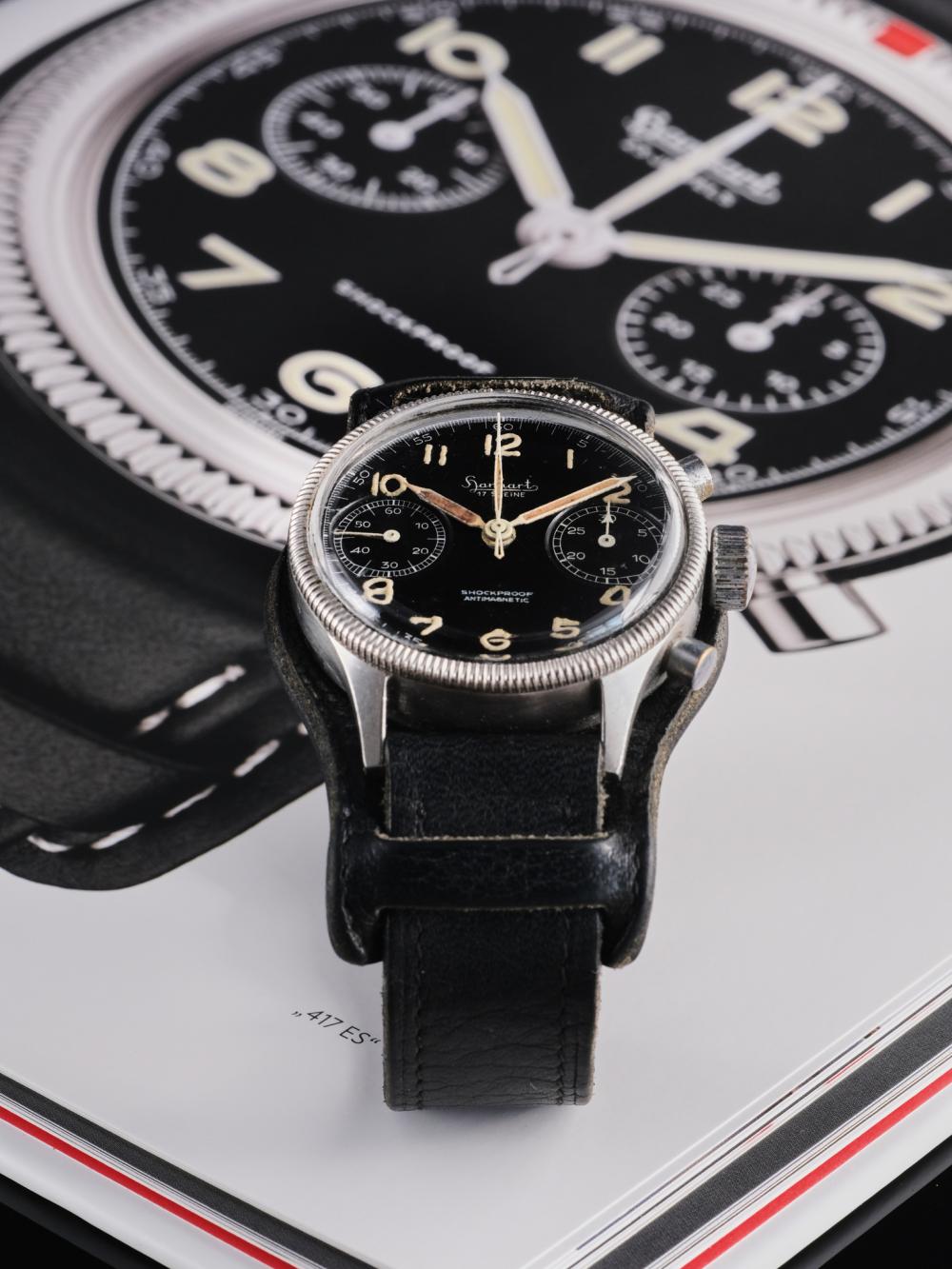
There’s something special about wearing a watch that has already lived a life. Modern reissues can faithfully recreate the dimensions, dial layout and even the mechanics of a historic timepiece, but they can never recreate the feeling of fastening on a watch that has genuinely witnessed history unfold. That feeling hit me the moment I strapped on this Hanhart 417 ES, kindly loaned by @diversewatchcollector.
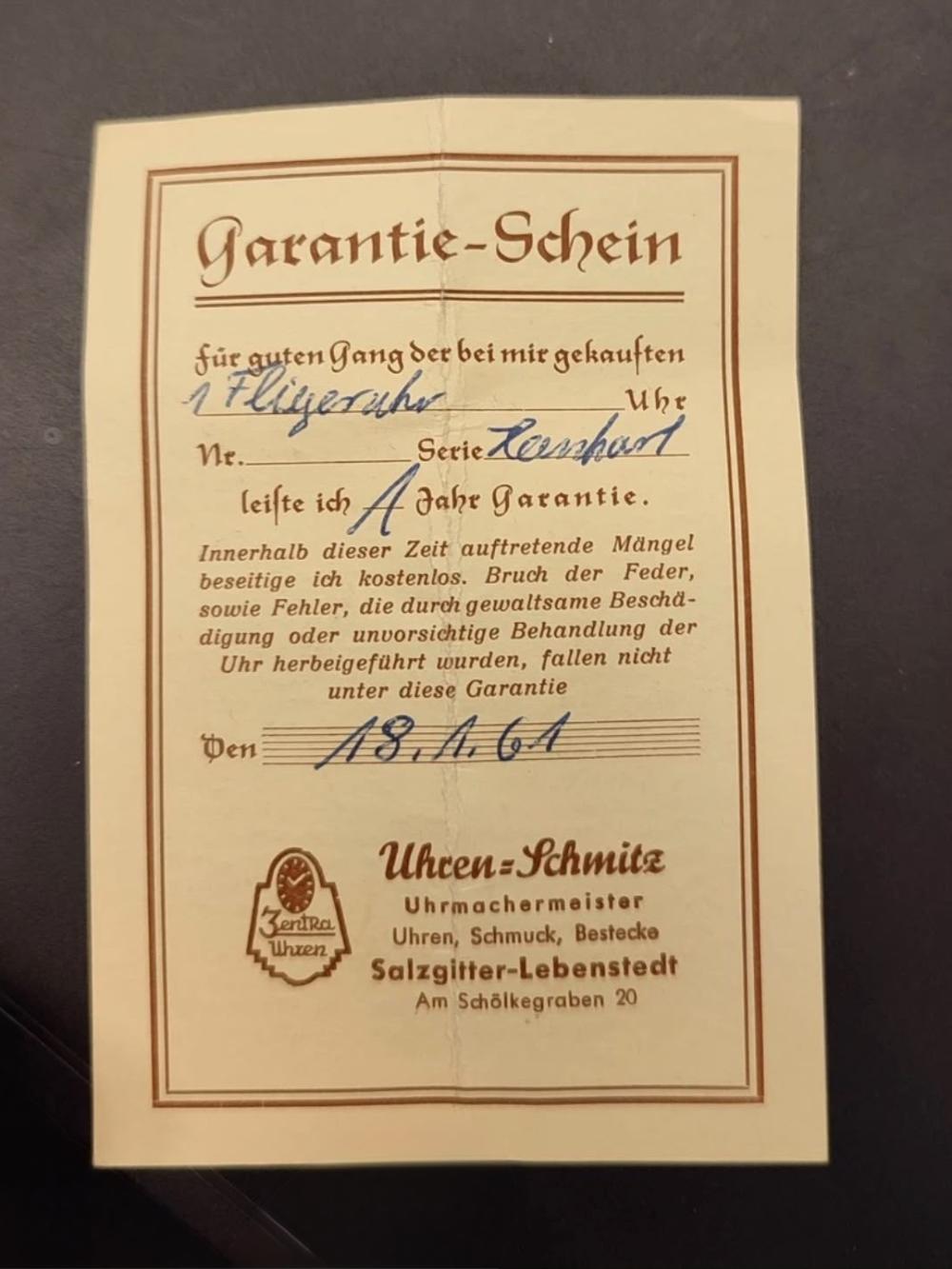
This particular example stands out because of its remarkable provenance. It comes complete with its original paperwork, including the original sales receipt from 1961. Interestingly, although it changed hands in 1961, the watch itself almost certainly dates to the late 1950s. Like many military timepieces, it likely spent several years in storage before eventually being sold, making its surviving documentation all the more extraordinary.
Most 417 ES chronographs found their way onto the wrists of the newly formed German Air Force. This one didn’t. Instead, it was one of a small number allocated to the civilian market, offering a fascinating glimpse into a lesser-known chapter of Hanhart’s history. It’s also believed to be one of around 500 stainless steel examples produced, making it one of the rarest variants of one of Germany’s most celebrated military chronographs.
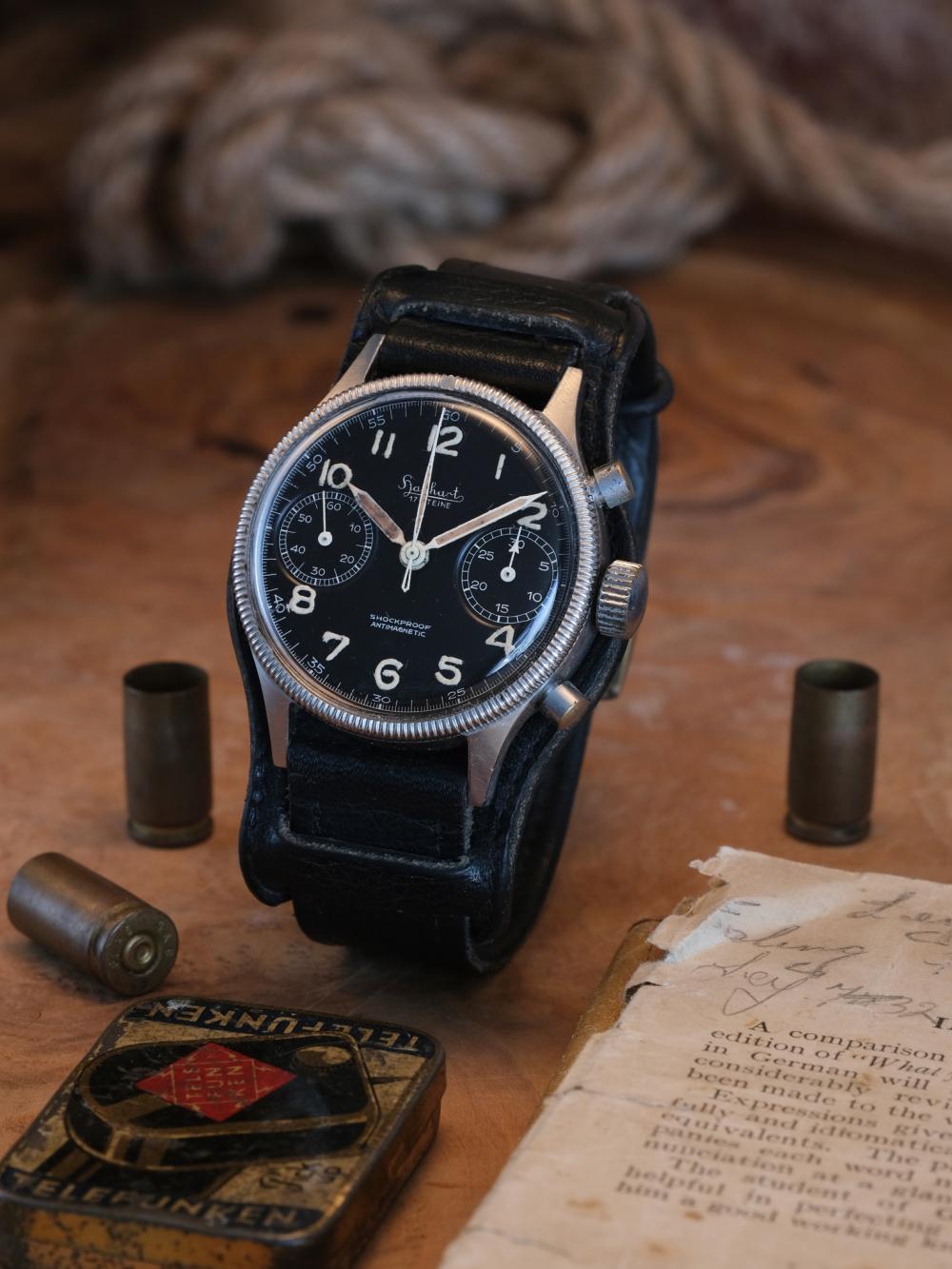
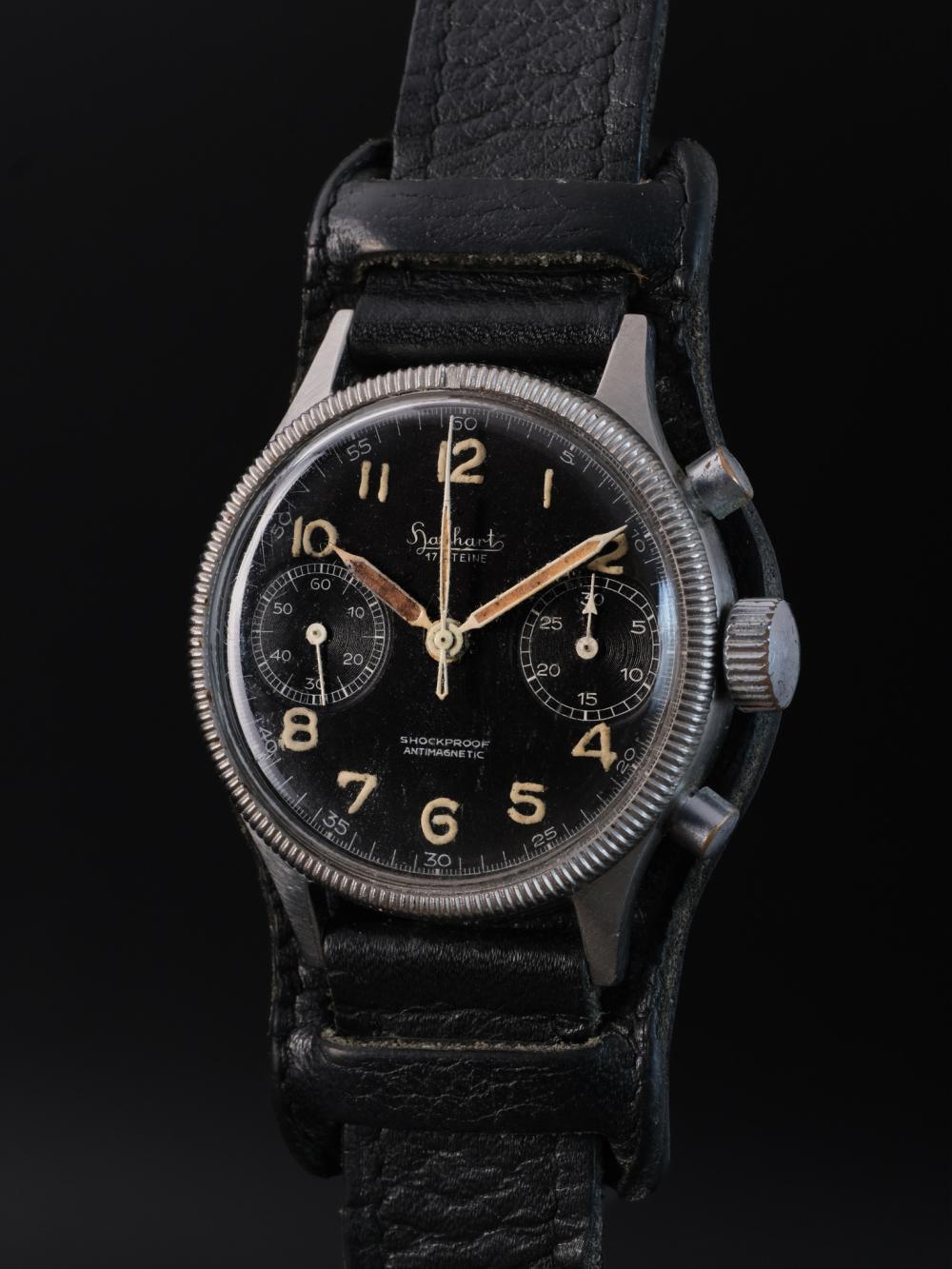
Its original Bund strap only adds to the experience. The leather has softened over decades of wear, the stainless steel case carries the honest marks of a life well lived and every turn of the coin-edge bezel reminds you that Hanhart built this watch as an instrument, not a luxury accessory.
Spending time with a watch like this is a privilege. Photographing it for this feature became one of those rare occasions where the camera almost gets in the way. Every image revealed another detail, another imperfection and another reminder that this isn’t simply a vintage watch. It’s a survivor. That’s why the 417 ES still matters.
Its significance goes far beyond its age, rarity or even its association with Steve McQueen. It embodies a philosophy of purposeful watchmaking that continues to influence military chronograph design more than seventy years after it first appeared.
The Hanhart 417 ES: A Military Chronograph Built for Purpose
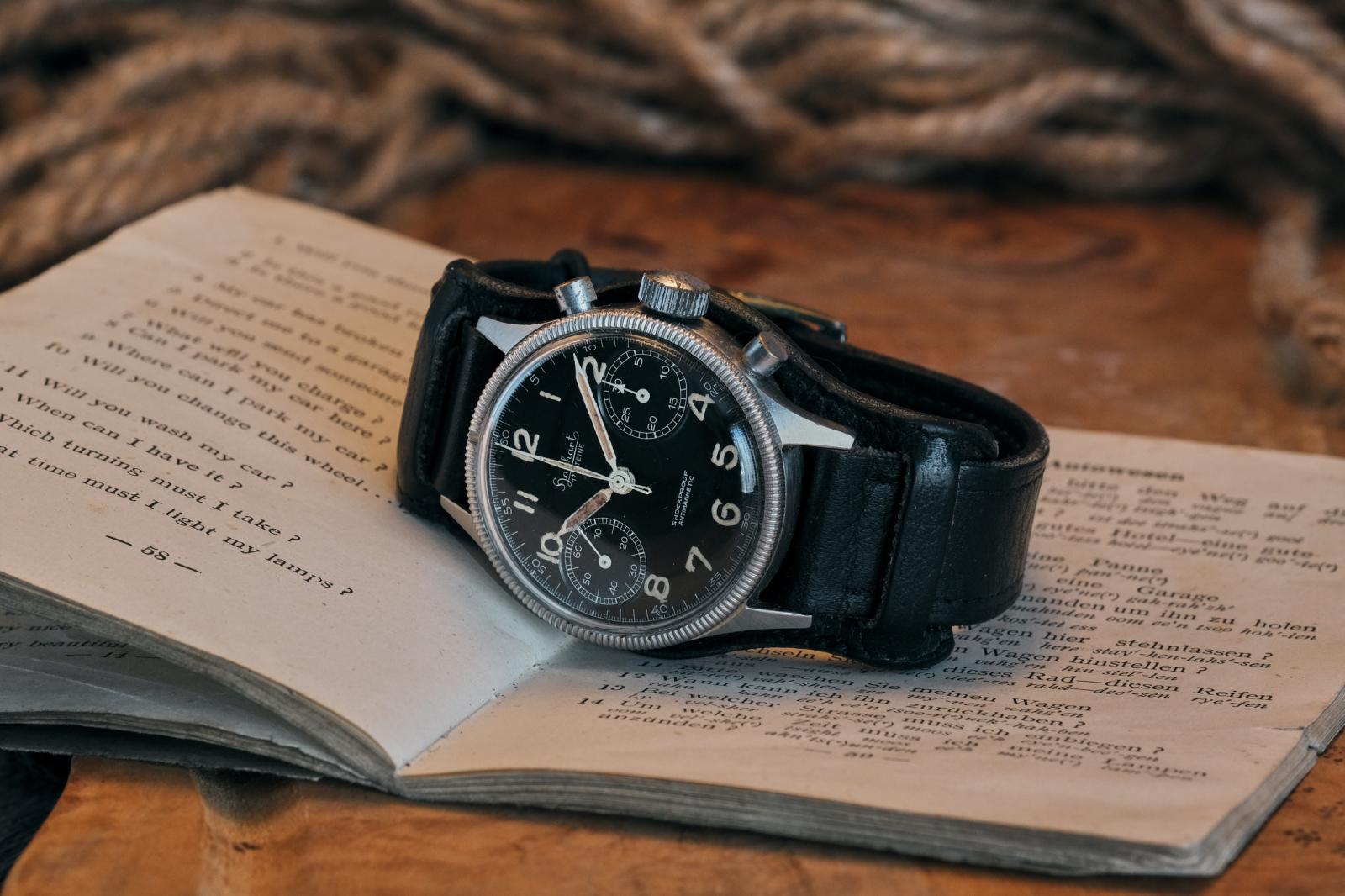

Today, the chronograph occupies an unusual place in the watch world. Manufacturers originally developed chronographs as practical timing instruments for pilots, racing drivers and military personnel. Today, they rank among the most desirable luxury watches you can buy. The Hanhart 417 ES comes from a very different era.
Hanhart didn’t design it to turn heads or convey status. Instead, the company built it to withstand demanding conditions while delivering clear, reliable timekeeping when it mattered most. Every detail reflects that purpose.
The oversized Arabic numerals deliver exceptional legibility, while the distinctive syringe hands leave little room for confusion at a glance. The balanced bi-compax layout keeps the dial clean and uncluttered, and the coin-edge rotating bezel adds another practical timing function without compromising readability.
Hanhart didn’t include a single element simply because it looked attractive. Ironically, that’s exactly why the 417 ES looks so good today.
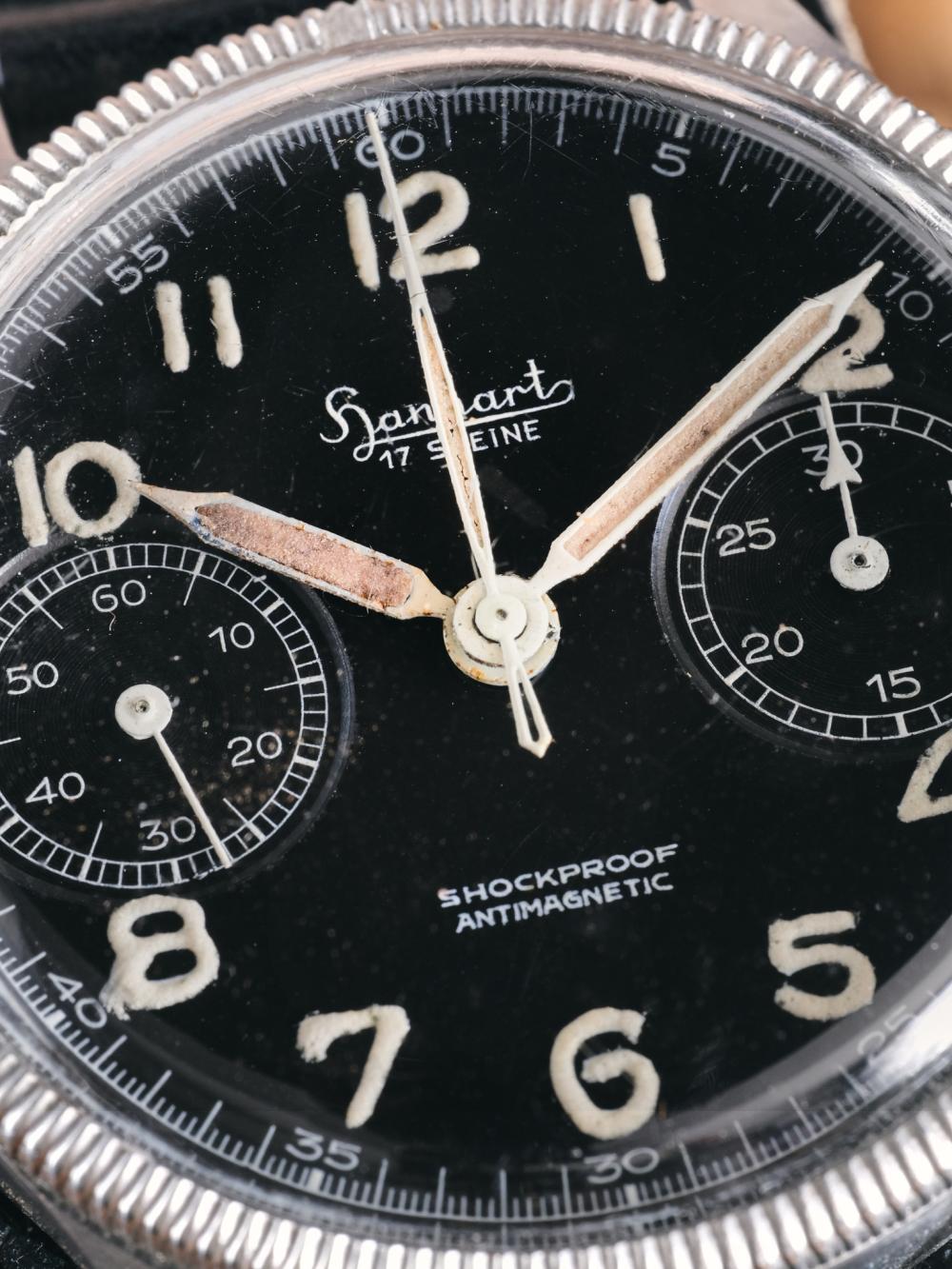
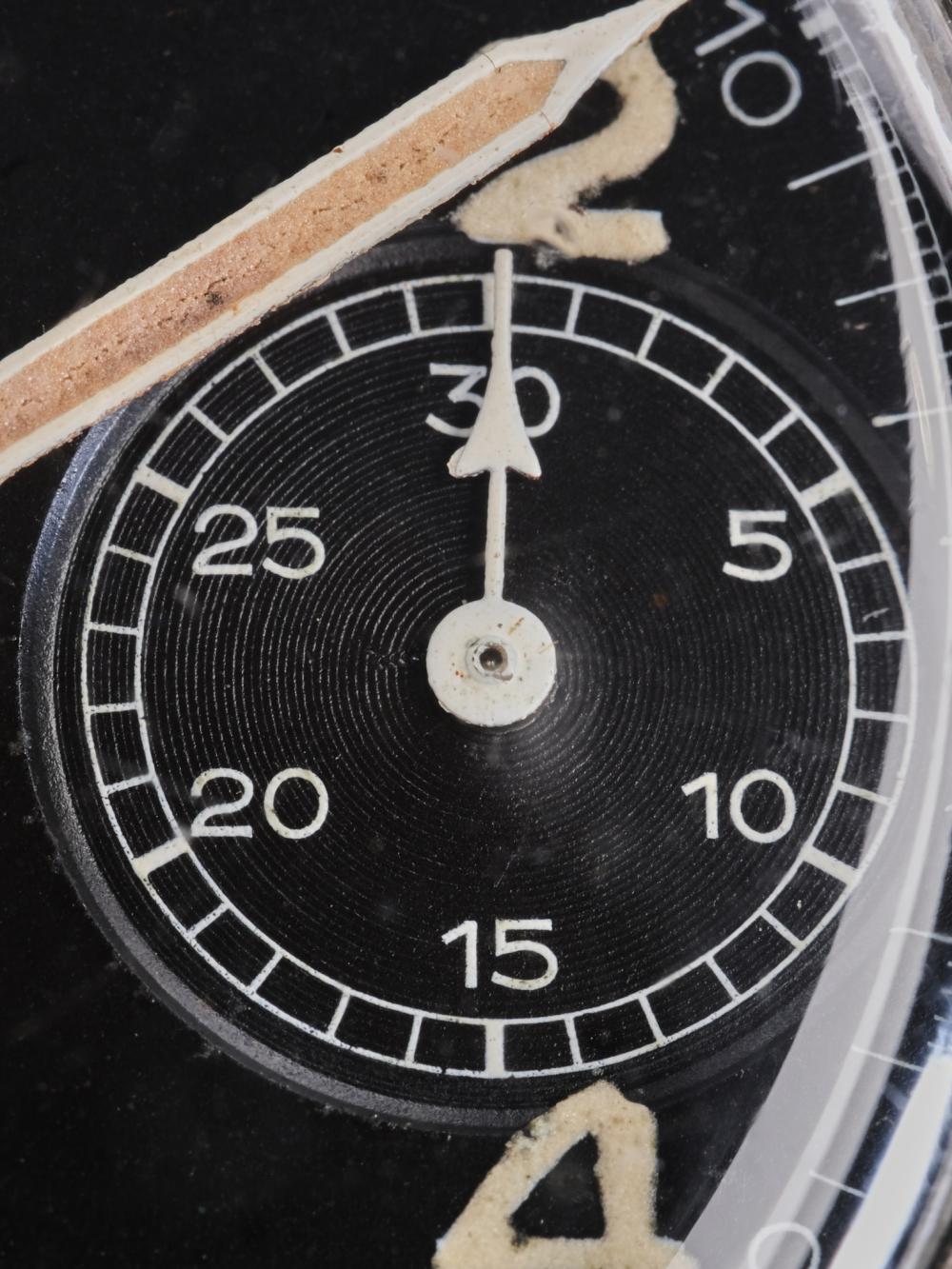
The more time you spend with it, the more you appreciate the discipline behind its design. Every line, every numeral and every proportion exists for a reason. Hanhart stripped away anything unnecessary, leaving behind a chronograph that feels as purposeful today as it did more than seventy years ago.
Produced between 1953 and 1962, the Hanhart 417 was offered in two distinct forms. The 417 E featured a matt chrome-plated brass case, while the more desirable 417 ES was crafted from stainless steel. Both were produced primarily for the newly formed German Air Force, earning the watch its enduring nickname among collectors: the “Bundeswehr Chronograph”. While the vast majority were military-issued, a small number were made available to the civilian market, making surviving commercial examples, such as the watch featured here, particularly sought after today.
The Hanhart 417 ES and the French Type 20 Connection
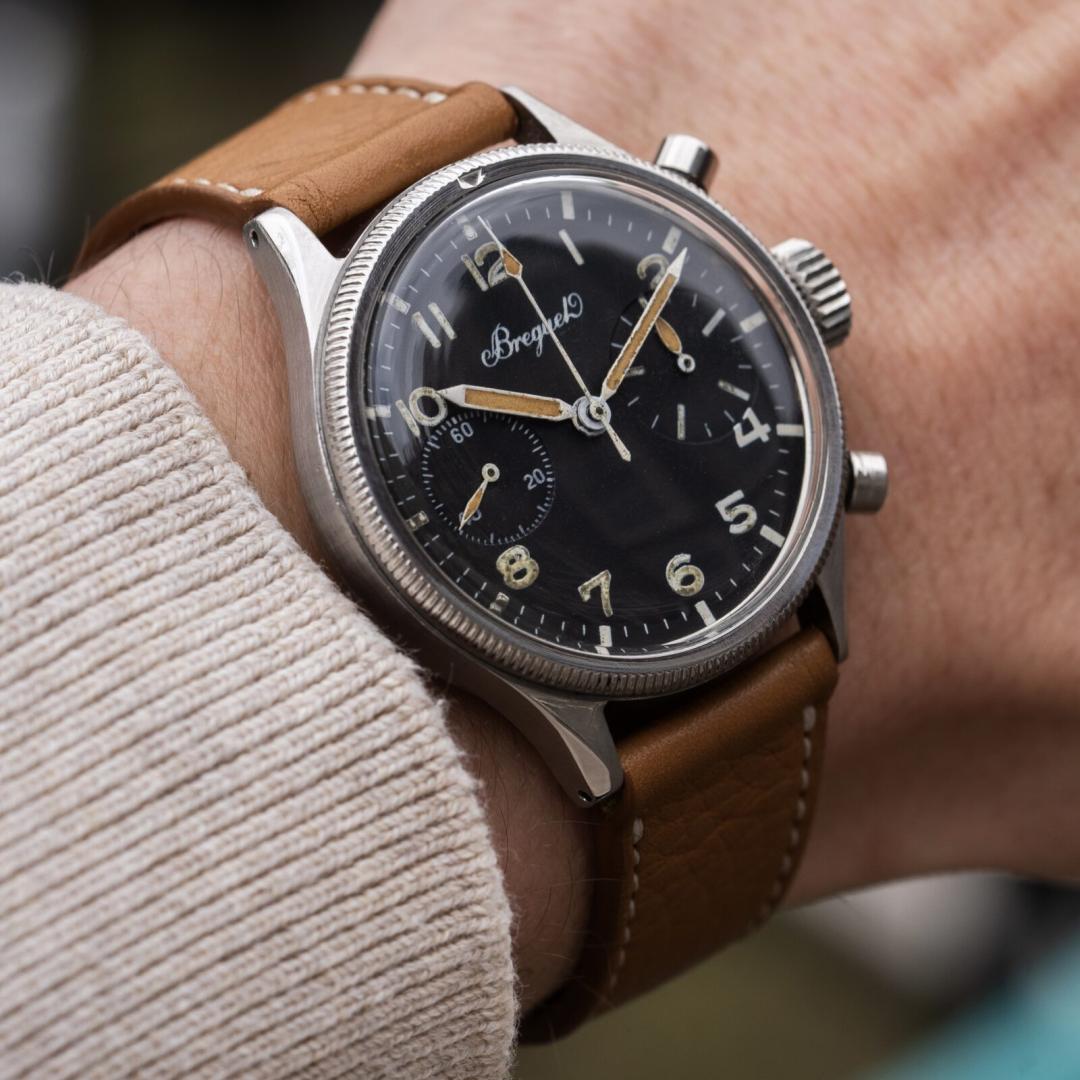
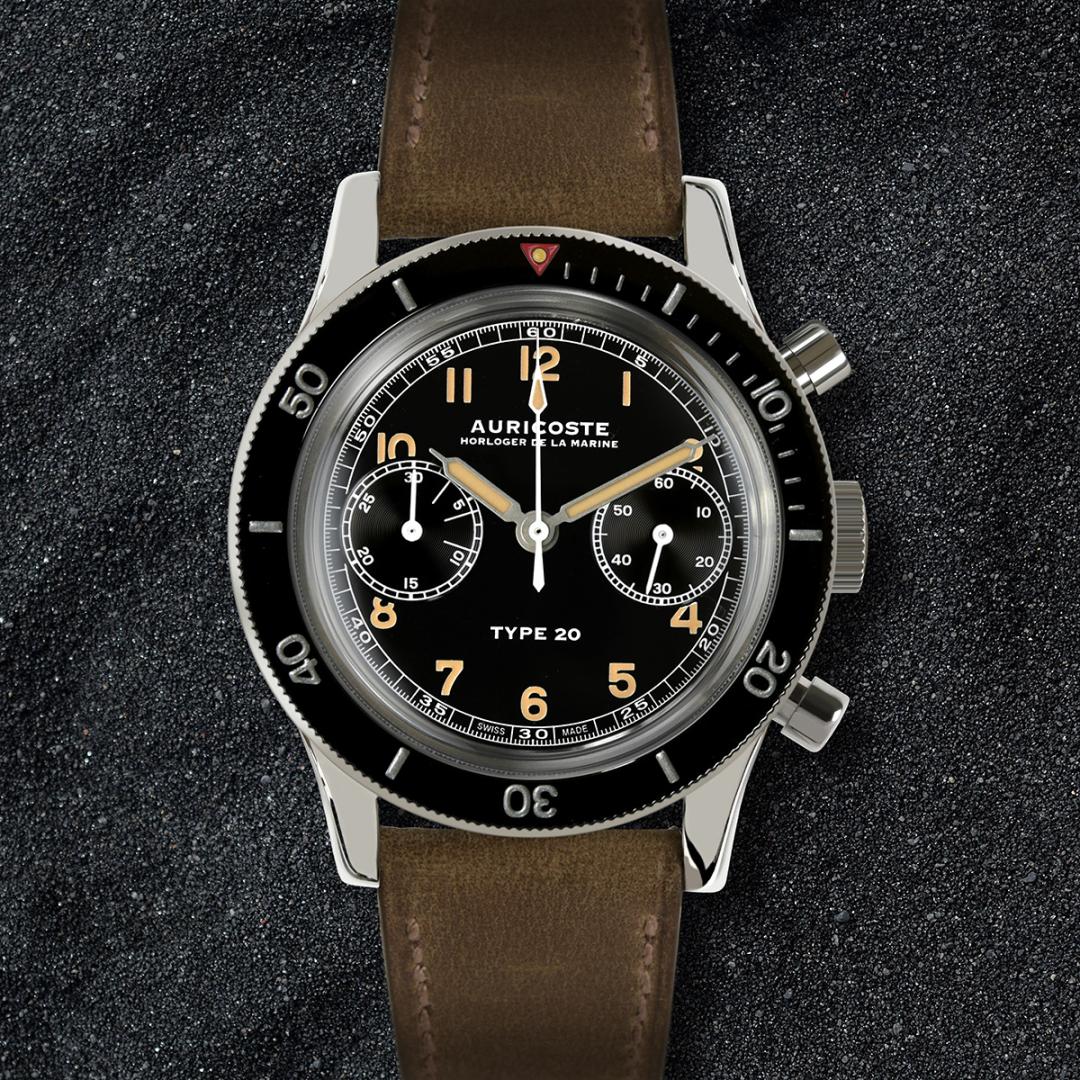
Hanhart’s influence didn’t stop at Germany’s borders. Following the Second World War, the French government commissioned a new generation of military flyback chronographs for its armed forces. The resulting specification became known as the Type 20, laying the foundations for what many enthusiasts now regard as one of the greatest military watch programmes ever created.
Although the Type 20 followed a uniquely French specification, it reflected many of the lessons learned from wartime aviation chronographs. Manufacturers had already proved the value of highly legible dials, robust construction and uncompromising functionality, principles that had long defined Hanhart’s pilot’s watches.
Companies including Breguet, Auricoste, Dodane and Vixa answered the French government’s brief, producing chronographs that have since become some of the most desirable military watches ever made.
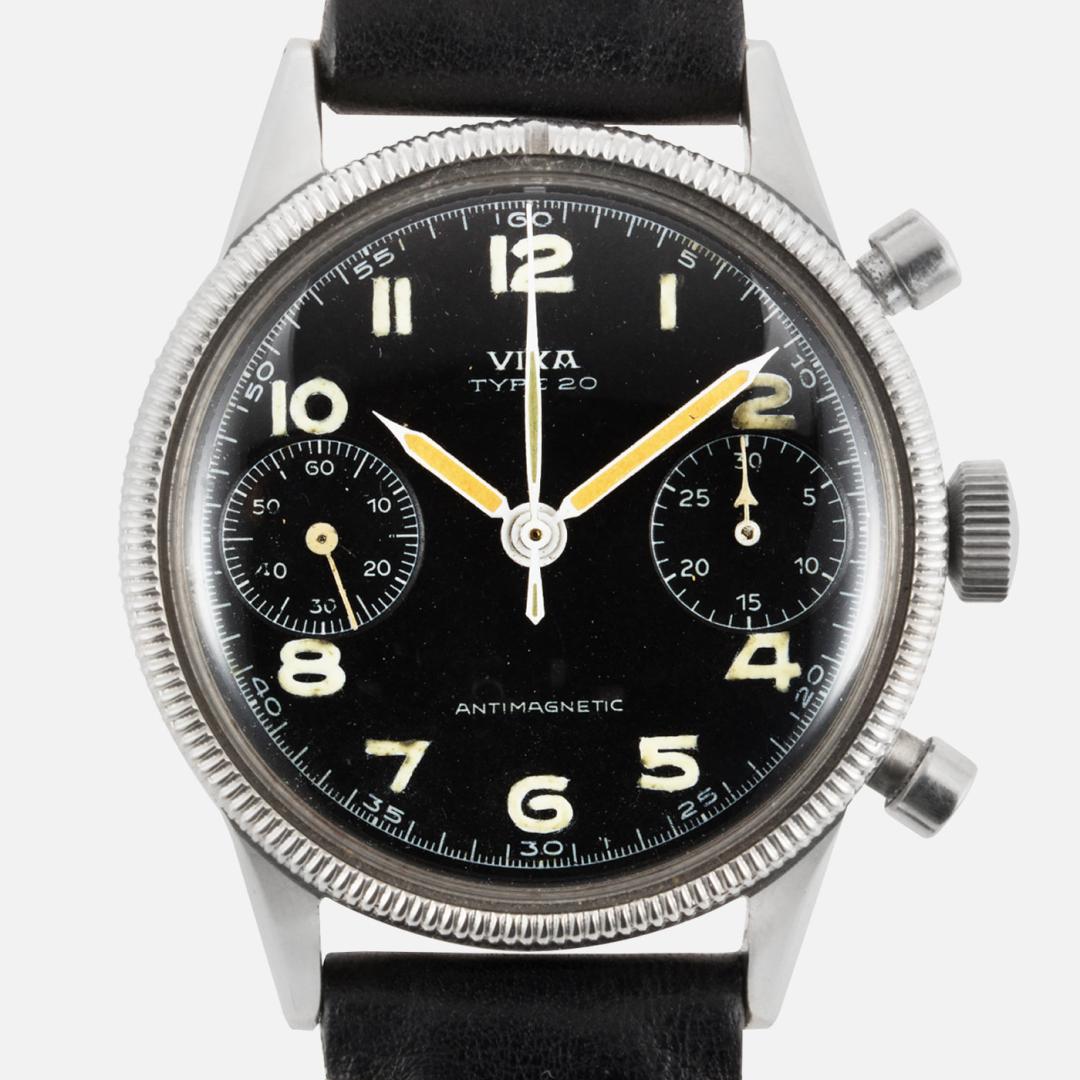
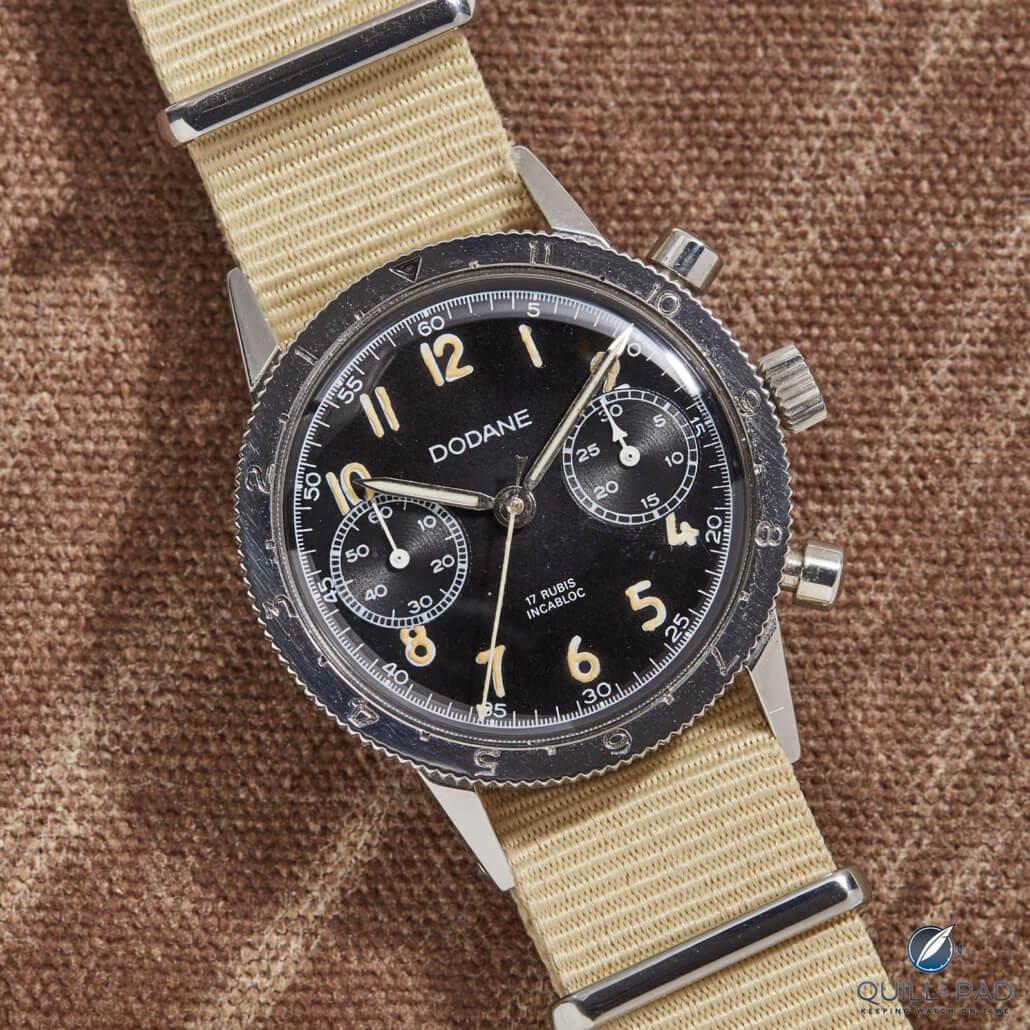
Today, collectors prize original Type 20s just as highly as their German contemporaries, while countless modern reissues continue to celebrate the design. Although the French programme developed its own distinct identity, it also demonstrated an important truth about great watchmaking. The best ideas rarely belong to a single manufacturer or a single nation. They evolve, they influence one another and, ultimately, they shape the watches that follow.
The Hanhart 417 ES sits comfortably within that wider story. It didn’t directly create the Type 20, but it embodied the same philosophy that defined Europe’s finest military chronographs: build a watch that performs flawlessly under pressure, and timeless design will follow.
Why the Hanhart 417 ES Design Still Feels Modern
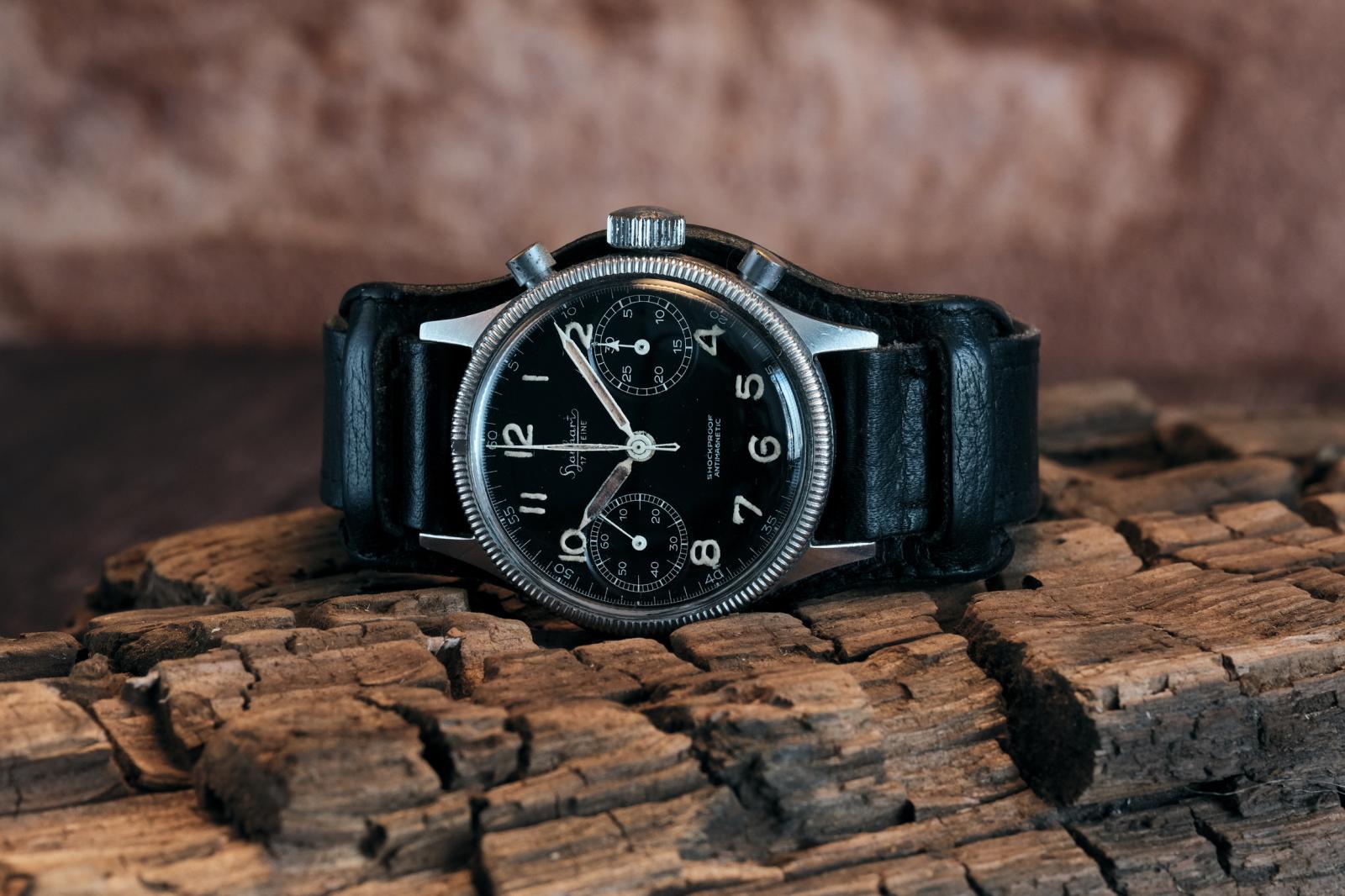
One of the greatest achievements of the 417 ES is how contemporary it still feels. That’s surprisingly rare.
Many watches from the 1950s immediately reveal their age through exaggerated styling or proportions that no longer resonate with modern tastes. The Hanhart avoids that entirely.
The typography remains beautifully restrained, the dial is perfectly balanced, and the case feels purposeful rather than oversized. It serves as a reminder that timeless design isn’t accidental. It’s usually the result of relentless editing.
Modern watchmaking often mistakes complexity for improvement. Cases grow larger, dials become busier and every available surface seems to demand another finishing technique or colour variation.
The 417 ES demonstrates the opposite approach. Restraint is often far more difficult than excess.
The Hanhart 417 ES and Steve McQueen: More Than a Celebrity Watch

Of course, no conversation about the Hanhart 417 ES can ignore Steve McQueen.
Images of the actor wearing his own Hanhart have undoubtedly contributed to the watch’s cult status, introducing an entirely new audience to what was once a relatively obscure military chronograph.
But reducing the 417 ES to simply “Steve McQueen’s watch” misses the point. Celebrity ownership might create awareness, but it doesn’t create enduring design. If McQueen had never owned one, collectors would still recognise the 417 ES as one of the cleanest and most thoughtfully executed military chronographs of its generation.
Yes, the watch industry loves an icon. It celebrates rarity, celebrity ownership and record-breaking auction results, yet the Hanhart 417 ES proves that none of those things define greatness.
Instead, Hanhart earned its reputation by designing a watch with absolute honesty. The company solved a problem exceptionally well and, in doing so, created a design language that continues to resonate more than seventy years later.
Why the Hanhart 417 ES Still Matters Today
Whether you recognise its influence in the celebrated French Type 20 chronographs or simply admire its disciplined approach to design, the 417 ES represents something that’s becoming increasingly rare in today’s luxury watch market.
Purpose.
That’s what stayed with me long after I took the watch off my wrist.
Knowing that this particular example survives with its original paperwork, 1961 sales receipt and original Bund strap only strengthened that connection. It isn’t simply a rare vintage chronograph. It captures a pivotal moment in military watchmaking, preserved almost exactly as its first owner would have known it and still fully capable of performing the task Hanhart designed it to do.
The greatest watches rarely chase icon status. Instead, they solve a problem so well that they outlive the era that created them.
More than seventy years after this Hanhart 417 ES first left the factory, it continues to prove that thoughtful design, honest engineering and genuine purpose never go out of style.





Such a fantastic article and great to see this piece getting the attention it deserves. So glad to have been part of sharing that history with others and thanks Neil, Mark and OT for doing such a great job with this article.