
Rotary is on the up. Yes, over the past decade, the brand has established a less-than-stellar reputation for cheap, unremarkable watches that have only really been notable for their price. But at one point in Rotary watch history, they were among the most important Swiss watchmakers here in the UK. So, as the brand undergoes the first tentative rumblings of a renaissance, it’s worth looking at what that history entails.
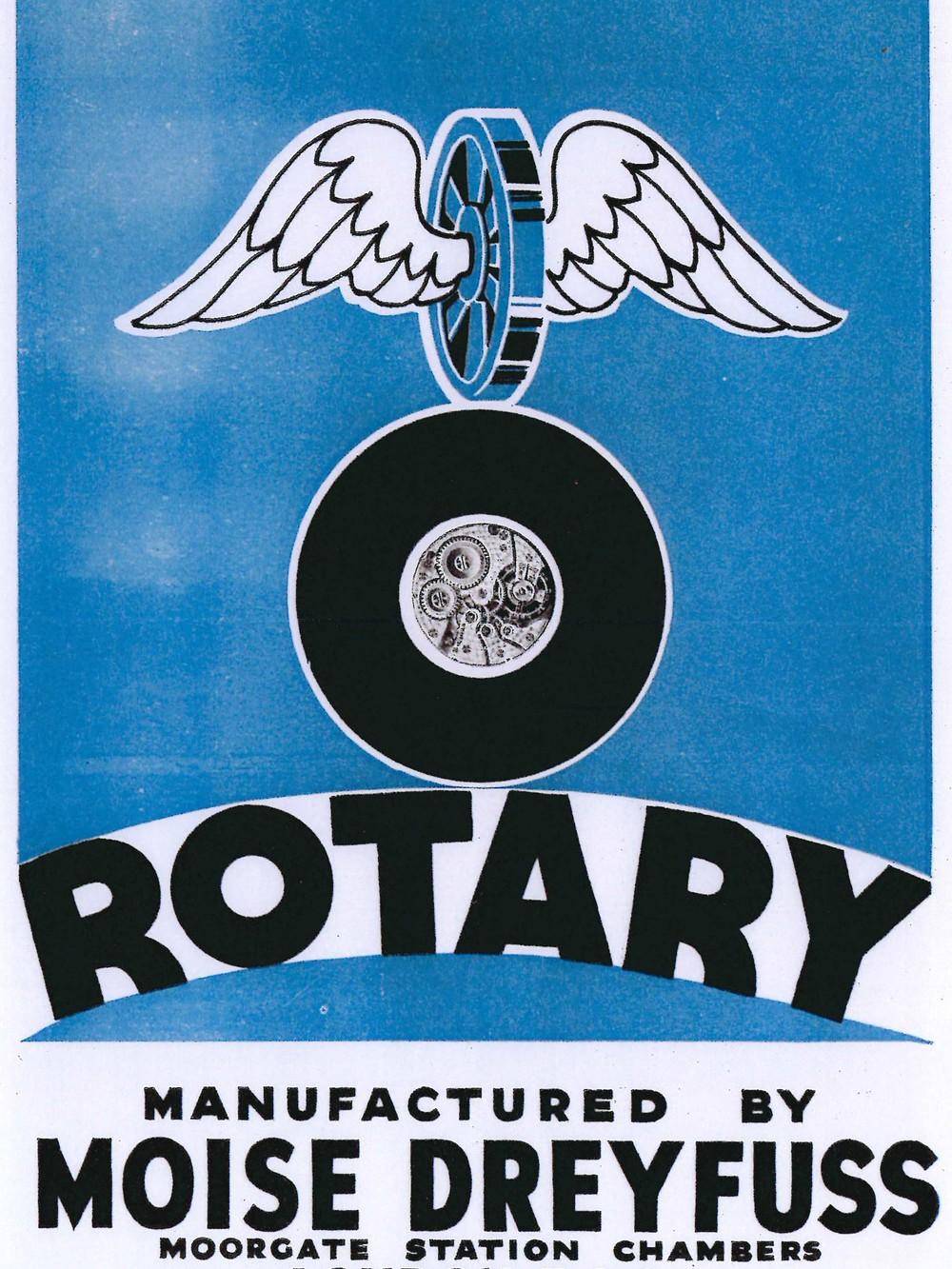
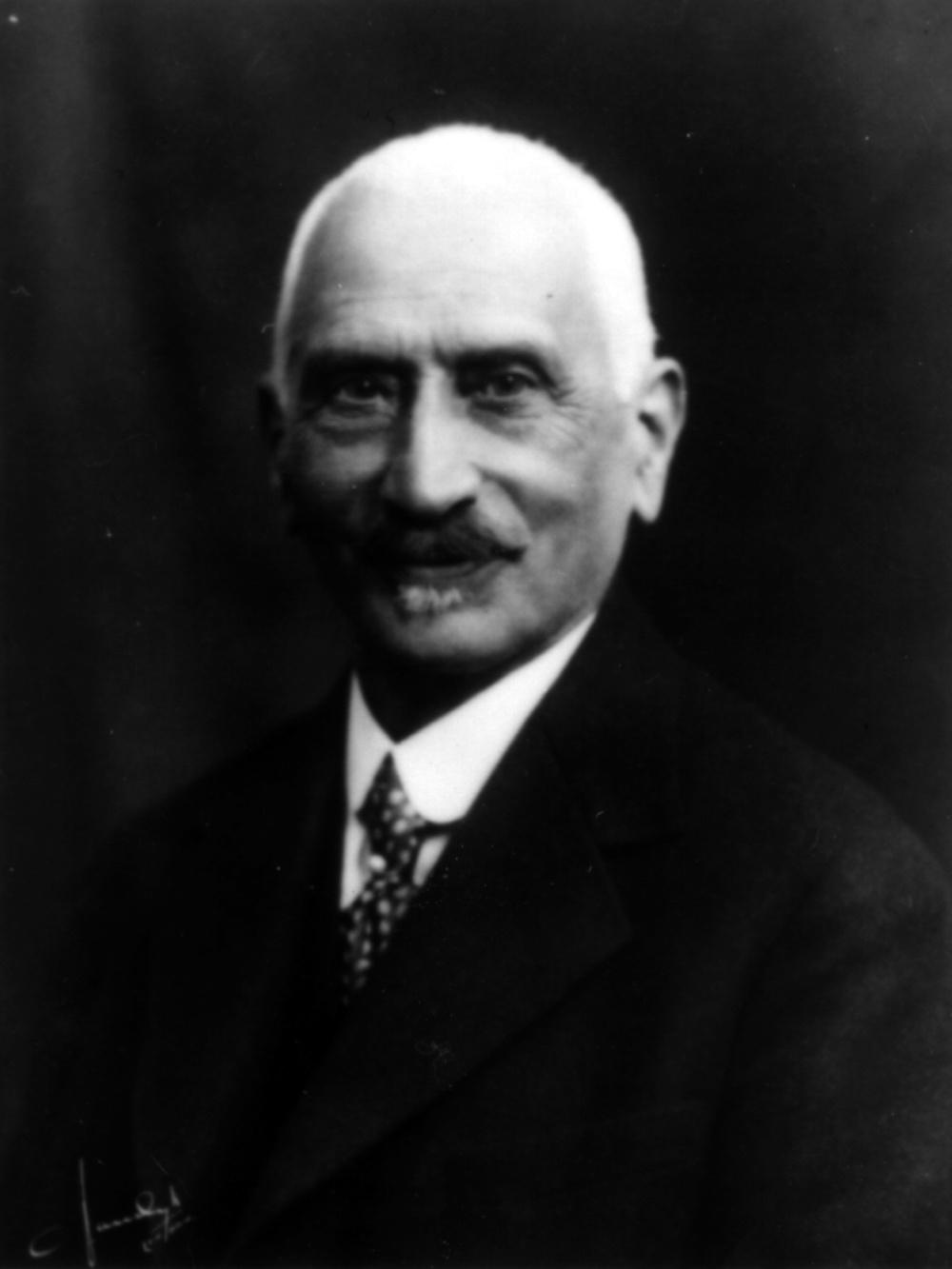
Rotary was founded in 1895 by one Moise Dreyfuss. That’s young compared to the grand old maisons like Blancpain and Vacheron, but puts them on the same solid foundation as Hamilton (1892) and Breitling (1884). More importantly though, Rotary was founded in La Chaux-de-Fonds.
Where some of their Swiss contemporaries focused on innovation for innovation’s sake, Rotary instead focused on precision and reliability above everything else. The fact that these early watches still come up for sale – and at temptingly accessible prices in the £200 to £500 bracket – shows just how reliable they were.
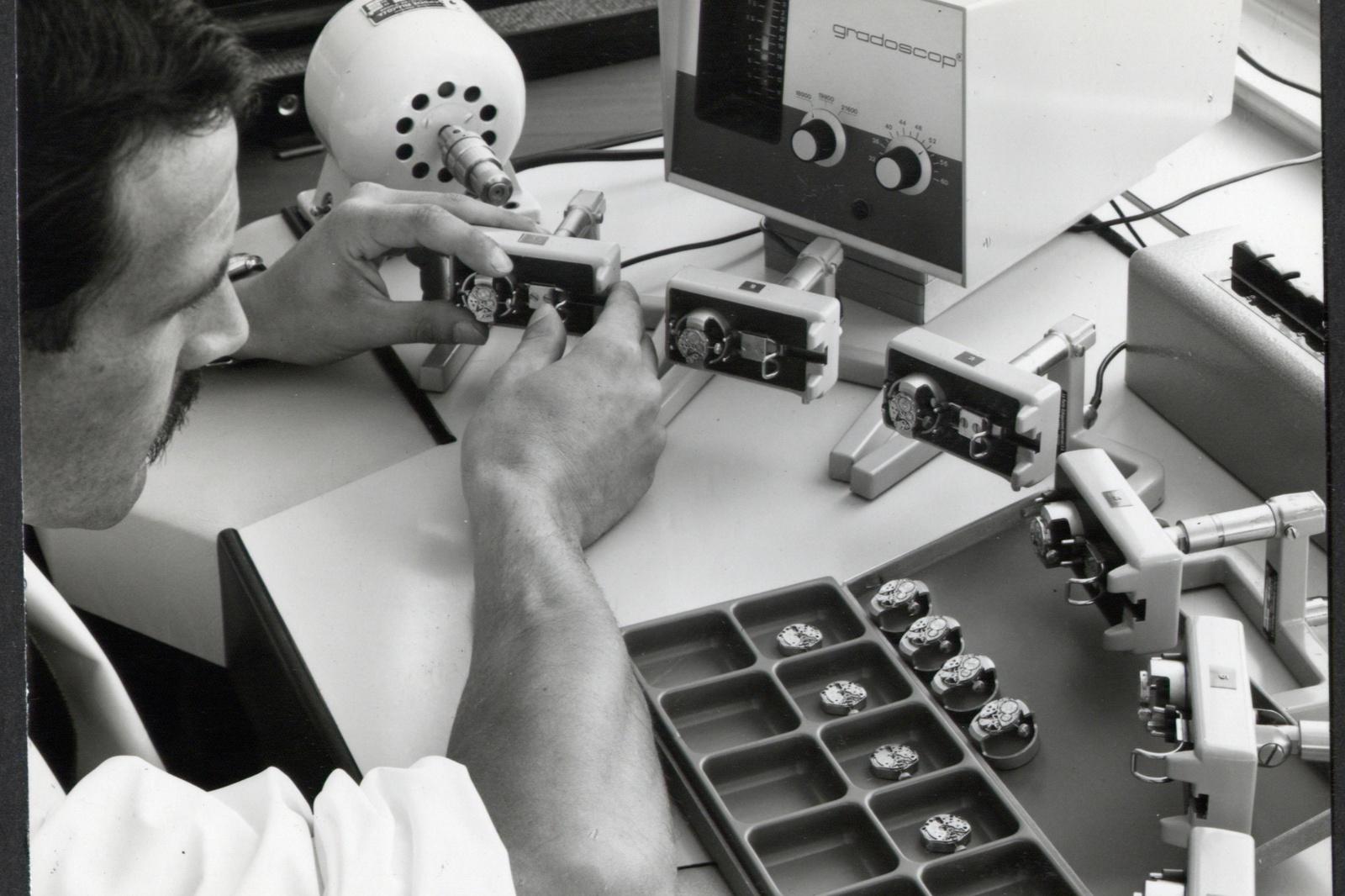
In 1905, very early in Rotary’s lifetime, the Swiss company made the leap to the UK. This would prove to be the formative moment in the brand’s history, almost a second founding. What started as an office importing Rotary watches became a second HQ, and as timepieces came flowing in, so too did British tastes and sensibilities flow back to Switzerland. In 1925, they introduced their Winged Wheel models, which had a distinctly British look, capitalising on their adopted second home.
In 1934, Rotary built their first shockproof watches. For a watchmaker all about reliability, this was the next logical step – though they were less aimed at the military and extreme environments and more at manual labourers. They were affordable, robust and some of the first watches that could be worn everywhere and anywhere in daily life. They were, in essence, the first GADA watches.
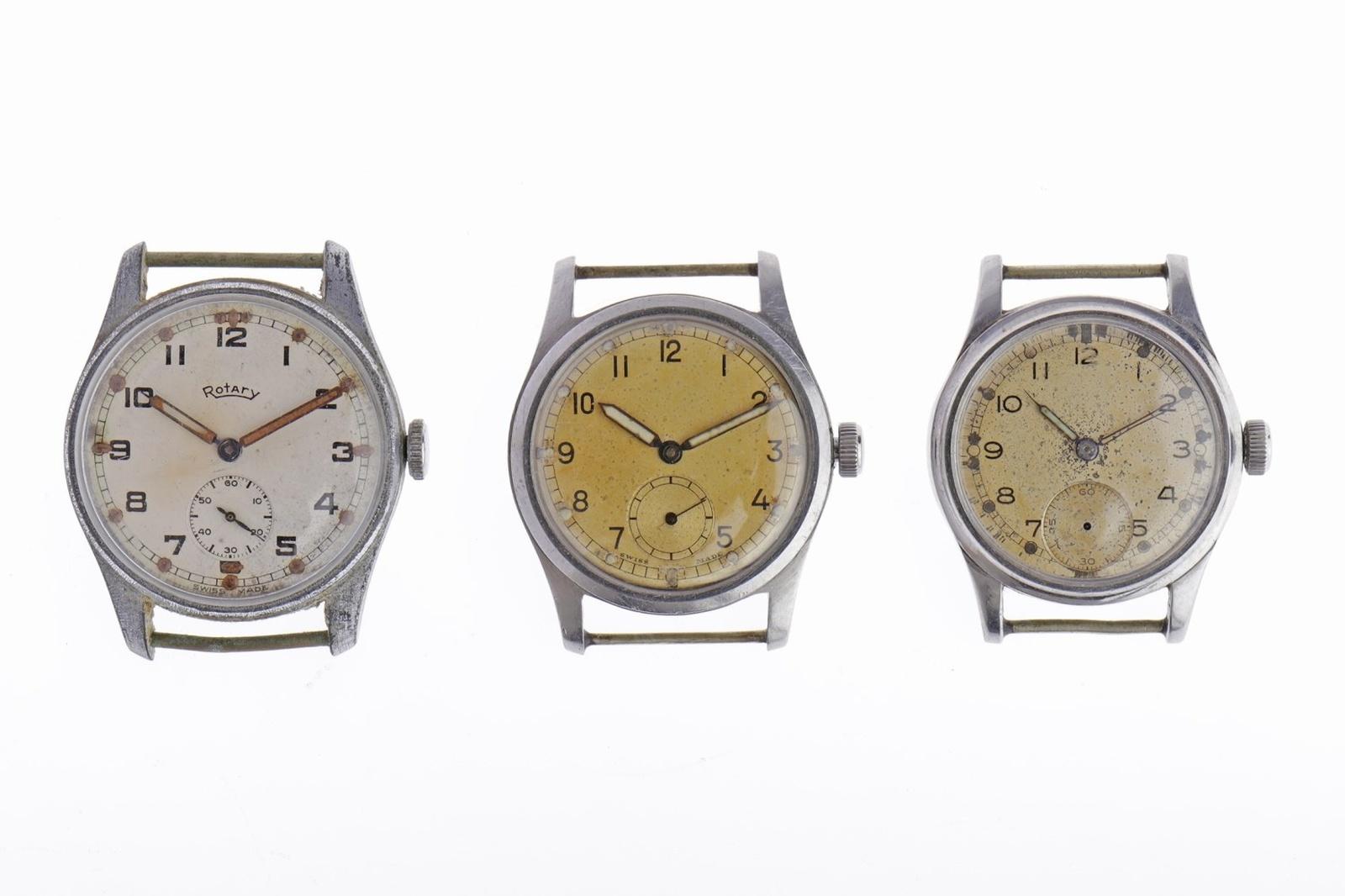
So, when World War II broke out and the Ministry of Defence needed to equip British troops with service watches, there was nobody else they would consider going to. While the famous Dirty Dozen steal the spotlight from that era, they weren’t the watches on the average British soldier’s wrist. They were delivered near the end of the war and earmarked for specific personnel. Instead, while British soldiers were fighting in Europe, they were wearing the Army Trade Pattern (ATP) Rotary.
Wartime production didn’t slow down development either. In 1942, Rotary introduced their first automatic movements. While Rolex introduced their seminal automatic Oyster Perpetual 11 years prior, Rotary was much more accessible and included all the antimagnetic, shockproof elements they had developed previously. The end result was one of the earliest, widely accessible automatic watches.
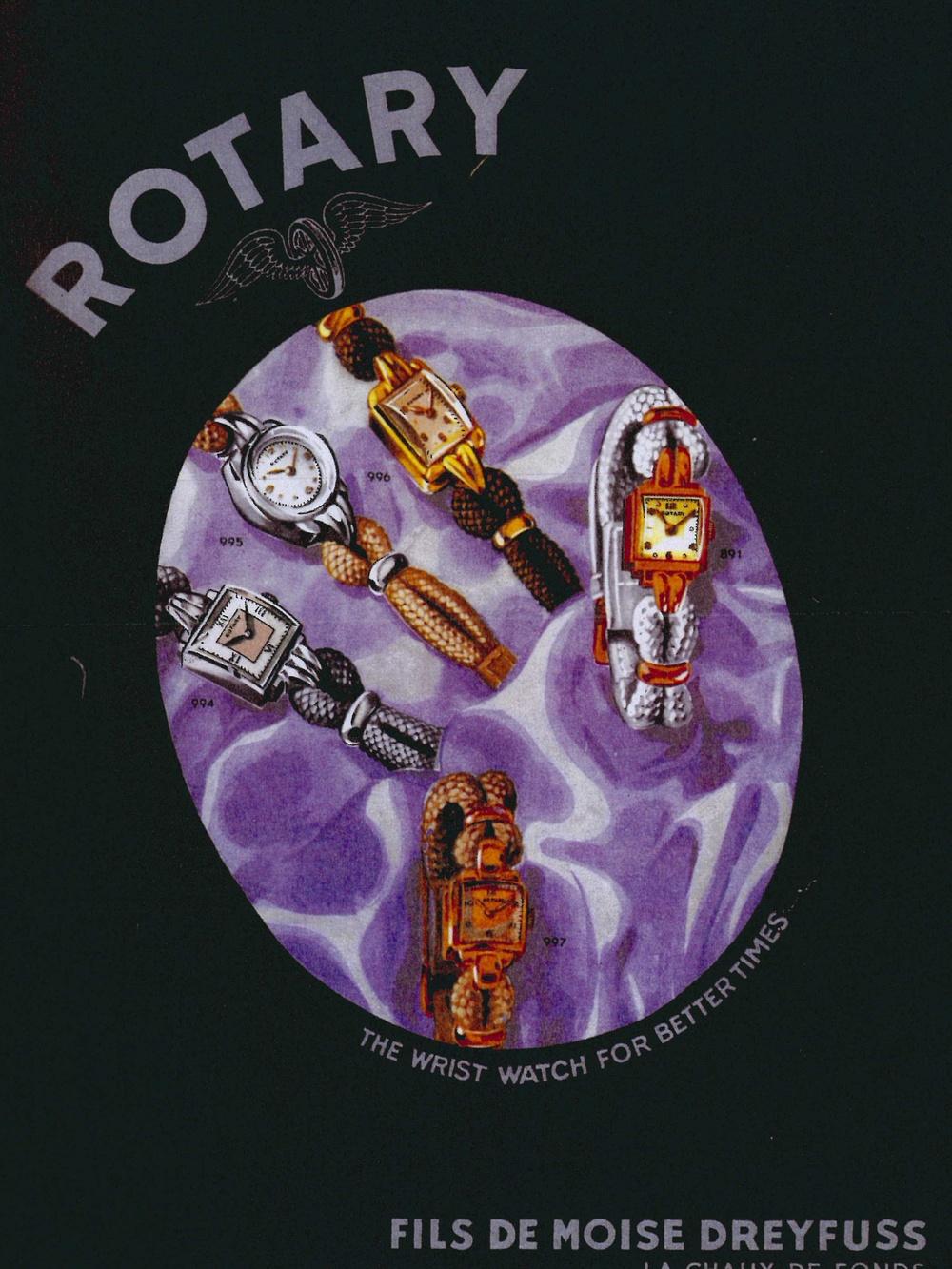
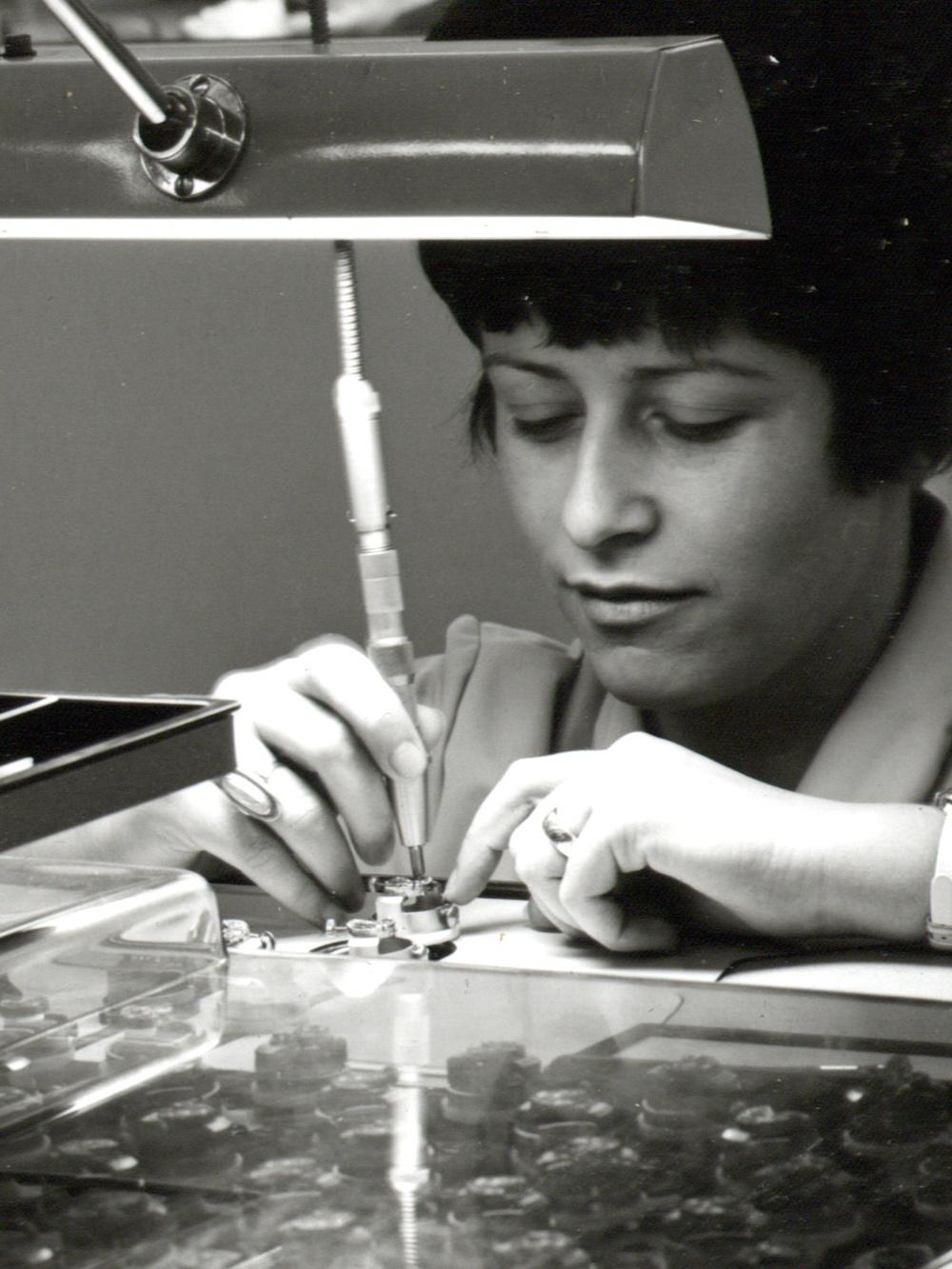
Post-war, Rotary became a household name in the UK. The 1950s was the golden age of tool watches, the origin point of the Rolex Explorer, Submariner and GMT-Master, the Blancpain Fifty Fathoms, and more. Rotary didn’t have any similar tentpole release. Instead, they took their wartime-established reputation for reliability and started building slim, elegant, distinctively British watches. Their early Gold Tank models and 17-jewel manual-wind dress watches became a staple of jeweller’s windows across the country.
That shift however had a downside. Where other watchmakers of their era had big, heritage stories to hang onto, Rotary’s reason for being – specifically to make Swiss watchmaking accessible – meant they were always low-key, on plenty of wrists but not the kind of watches wearers really showed off.
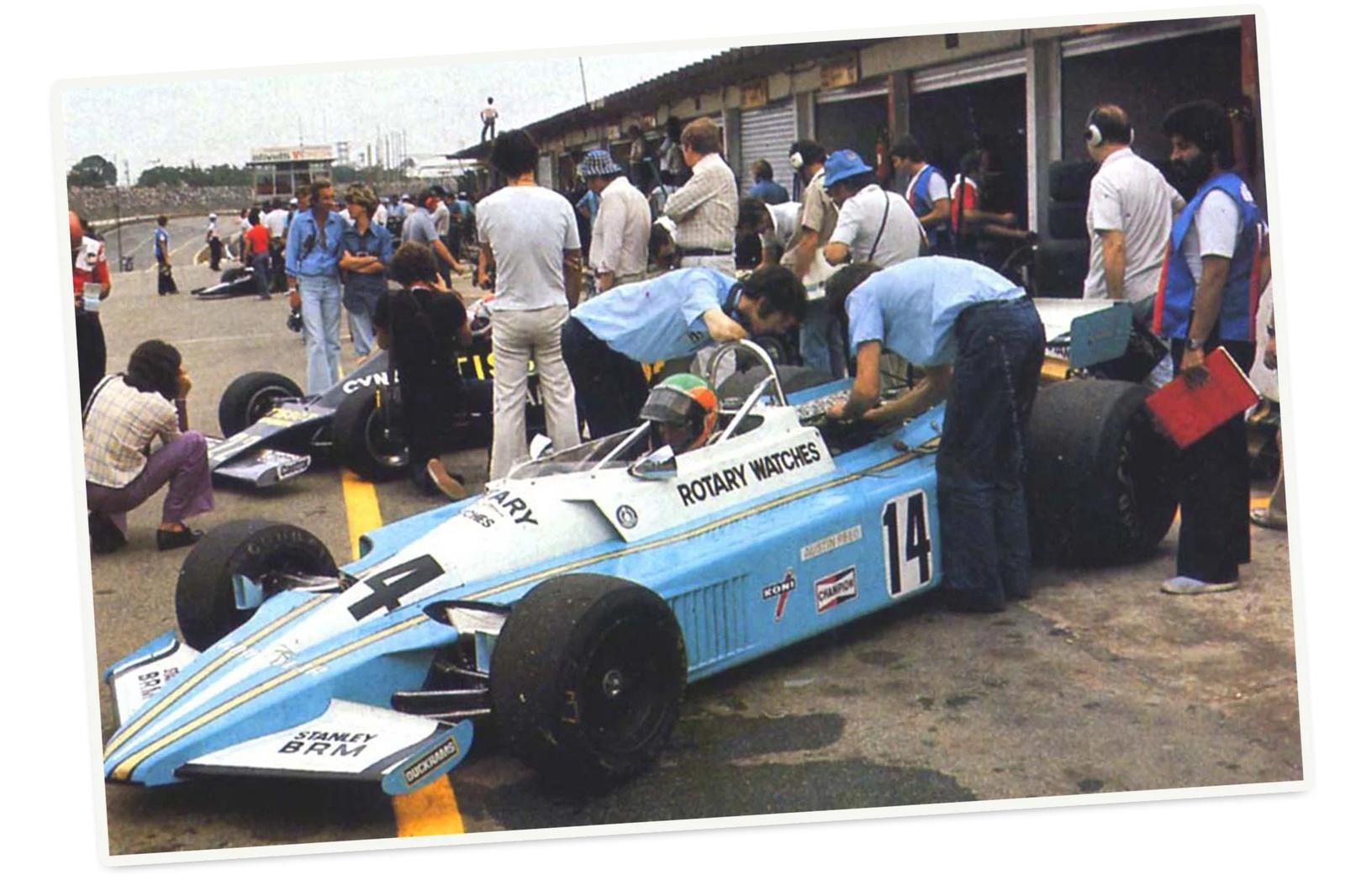
Their last big release before the modern era was in 1977, when Rotary partnered with the British Racing Motors Formula 1 team. It’s a name that will get many a racing fan excited, with a historical line-up of drivers including Graham Hill, Sir Jackie Stewart, Juan Manuel Fangio, Sir Stirling Moss, and Niki Lauda. The watches released under the partnership were a hit and remain highly collectable today. However, the team itself shuttered that same year, making the partnership too short-lived to have an impact.
The next few decades for Rotary were quiet, enough that you might assume they were one of many casualties of the quartz crisis. They were not, instead content to quietly continue producing well-made, accessible Swiss watches, balancing accessible prices with great quality. That was all the way up until 2014, when they were acquired by the Chinese holding company Citychamp.
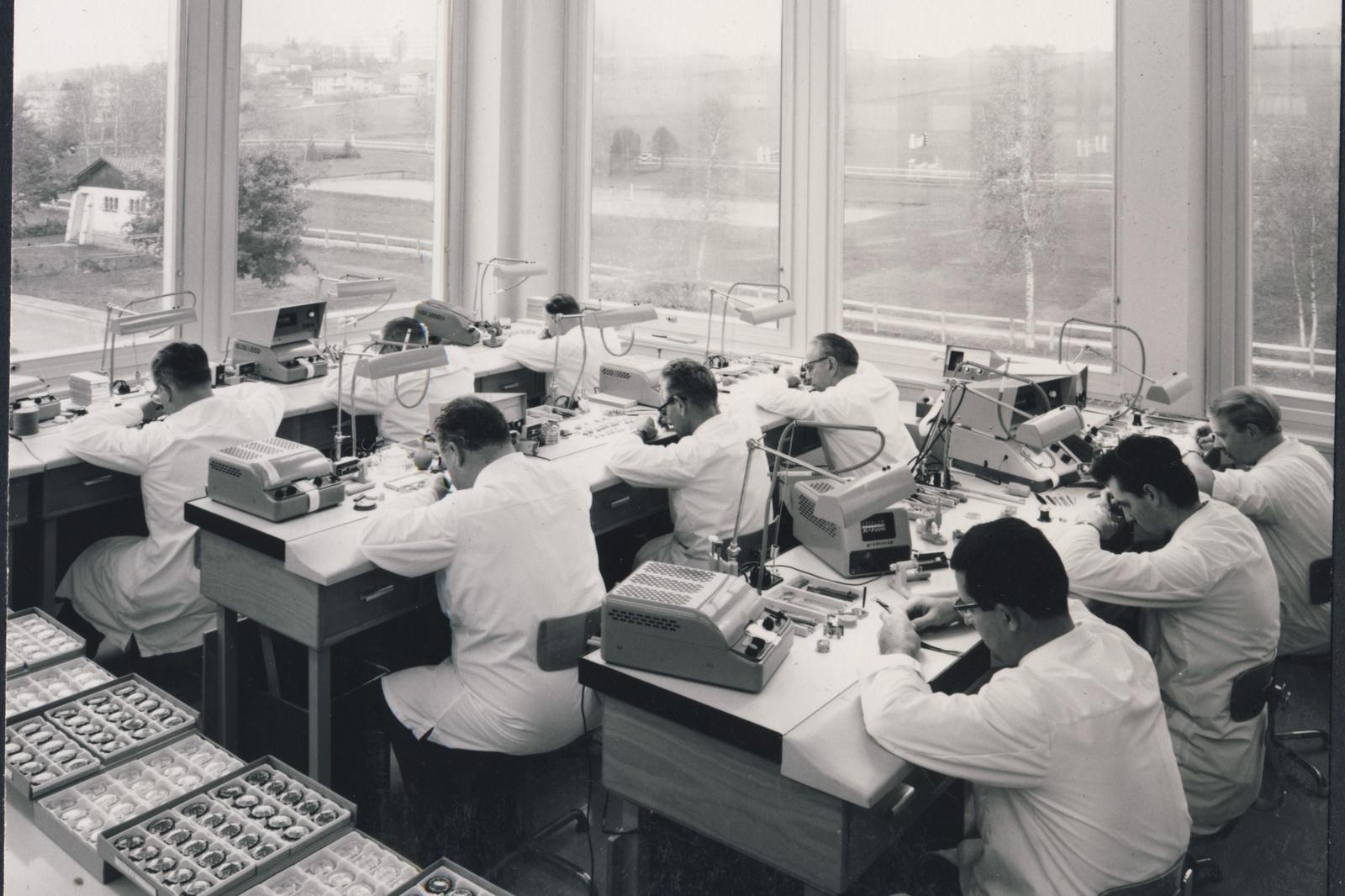
This was not a good era for Rotary. Three years previously Citychamp had acquired the legendary Eterna; a year earlier, they added Corum. What happened to both those brands hints at where Rotary were heading: mass-produced watches and squandered prestige. This is the Rotary most of us know.
However, just as Corum was recently relaunched, so too has Rotary gained a new lease of life, albeit with less fanfare. At the beginning of 2025, they were bought from Citychamp by Peers Hardy Group who, over the past 18 months, have been giving the brand a much-needed refresh.
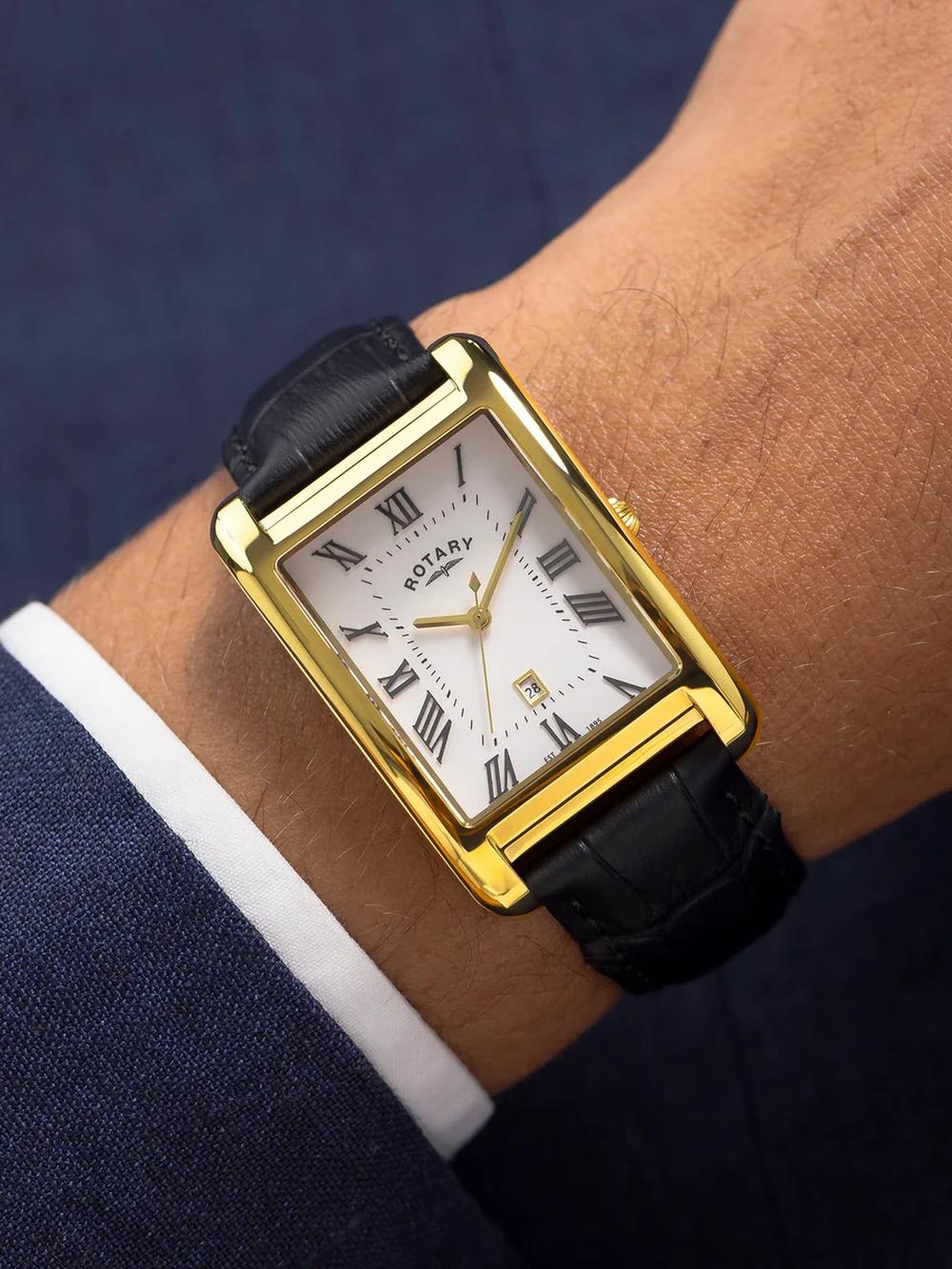
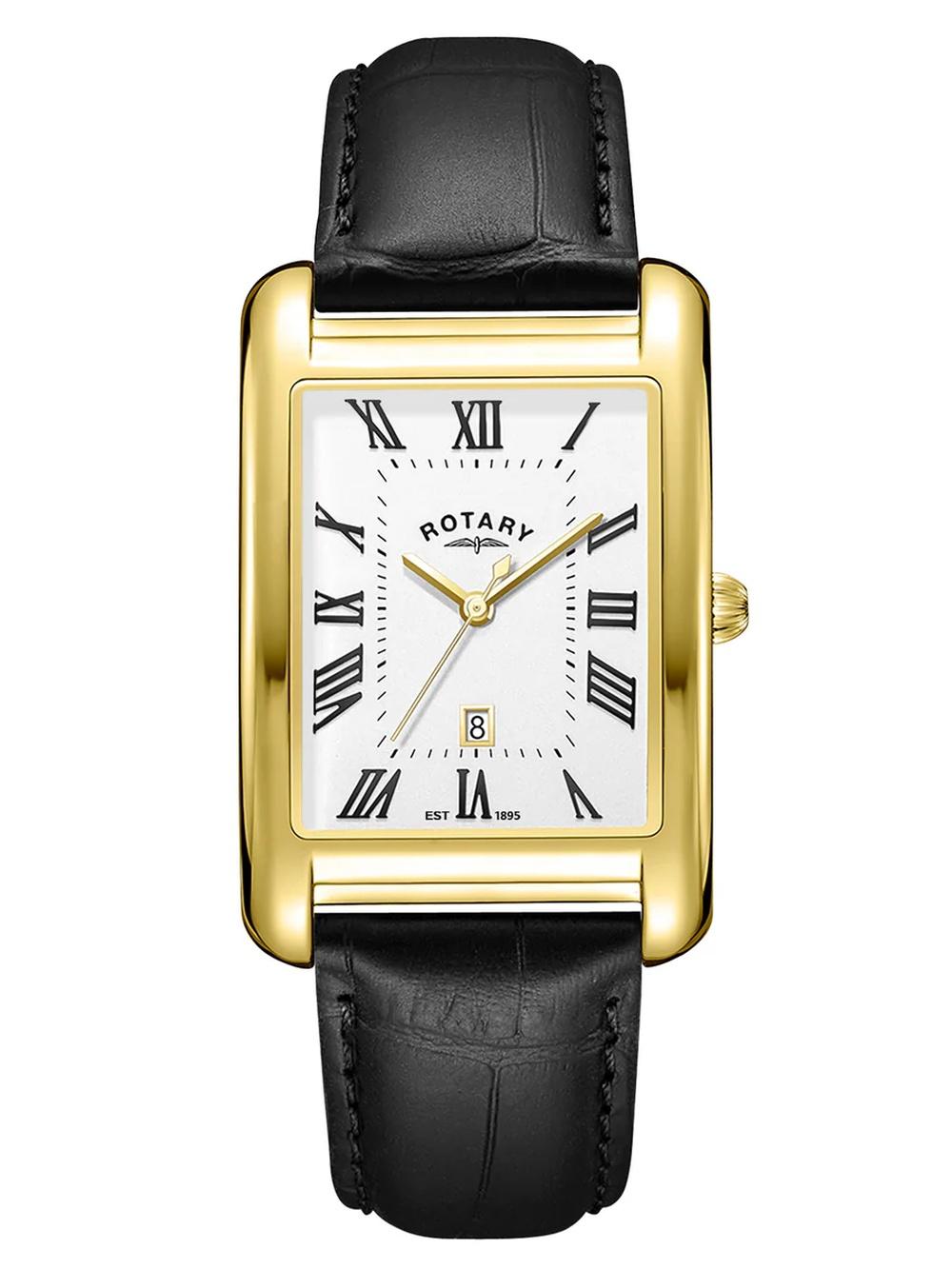
On the one hand, the new Rotary line-up leans on heritage pieces like the Tank-inspired Astoria and the entire archival 1895 collection. On the other, the Seamatic underscores their historical reputation for accessible reliability with a series of clean, utilitarian skindivers with specs that far outweigh their sub-£300 price tags: automatic movements, 100m to 300m water resistances and optional GMT complications.
There’s a long way to go before Rotary recaptures their golden age in the eyes of collectors, but they’re heading in the right direction. One solid re-issue – the ATP perhaps – could be all they need.
Learn more at Rotary Watches.


Good to see a couple of comments supporting Rotary watches, – way too much snobbery about watches that don’t cost a kings ransom (unlike certain brands that are often featured on OT).
I too have a Rotary watch that I purchased for everyday wear whilst an insurance claim was being settled), this was back in the early 2000’s , and as a “stand-in” was a quartz movement, but is most attractive and still gets worn occasionally. Still works perfectly and the chrono features also work great. Not sure what quartz movement is used, but it has outlasted another quartz movement watch from a higher end maker that cost far more, so, come on, they do make some lovely watches, just like other brands that have fallen by the wayside and now appear to be making headway again, they shouldn’t be dismissed.
Not all of us can afford Patek’s.
Rotary produced some very beautiful dress watches in the late 50s and 60s. Good dials, but especially nice cases, sometimes with outstanding polishing. I have 3 in my collection, a 60s piece in a classical 40s/50s style case, a similar piece which is 100% Rotary but sold by H.Samuel as an Everite Helmsman, and a tasty 60s/70s transition piece with that developing angular style but not yet hit by the ugly-stick. All use Schild movements which are reliable and easily serviceable. Plenty about so take your time and pick up a stunner, have it serviced, fit a new strap. The end product gives pleasure way beyond the meagre cost.
I have an Everite watch that I had for my 18th in 1976. Still works, just could do with regulating