Lightweight, strong, and modern, it’s clear that titanium is really having its moment in the industry. From industrial toughness to refined elegance, it’s the metal that finally bridges performance and luxury on the wrist. While steel has dominated the watch world for the past century, we are finally seeing a shift, a material revolution. But how did this revolution start and what are the key features of the many grades of titanium that we see in watches?
To understand the impact of titanium in modern watchmaking, lets go to the the evening of the 5th of August, 2024. The crowd inside Paris’s Stade de France stadium rises to its feet as eight women charge down the home straight in the 800m Olympic final. One runner edges ahead. With every stride the gap widens, and Keely Hodgkinson surges across the line to claim gold.

Keeley Hodgkinson wearing her Omega Aqua Terra Ultra Light while winning gold in the women’s 800m final at the Paris 2024 Olympics, image credit: British Athletics
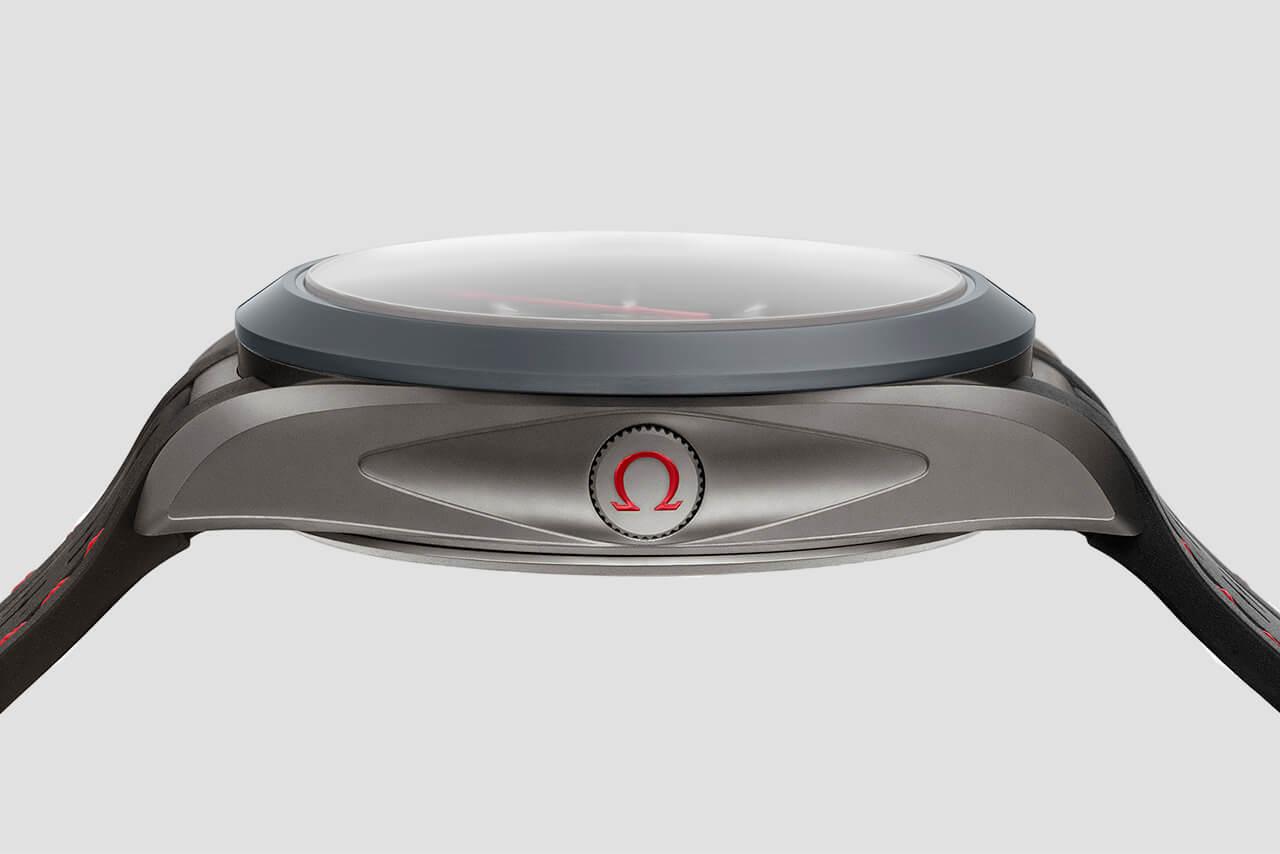
As she’s hugging fellow competitors on the track, we notice she’s the only athlete wearing a watch. But it’s not a running watch. It’s mechanical, 41mm, but it isn’t heavy or bulky, potentially slowing her cadence while she runs. It’s sleek, matte, weighs almost nothing, and boasts subtle blood-red accents. Her watch is like a microcosm of the athlete herself – tough, sporty, elegant and unfalteringly precise.
Omega originally developed the Aqua Terra “Ultra Light” in collaboration with golfer Rory McIlroy, a watch that was revolutionary when it launched in 2019. Omega uses not only its “Gamma Titanium” for the case, but also ceramic-coated titanium plates and bridges in the movement. The result is a watch weighing only 55 grams, which feels almost weightless on the wrist despite its relatively large 41mm size.
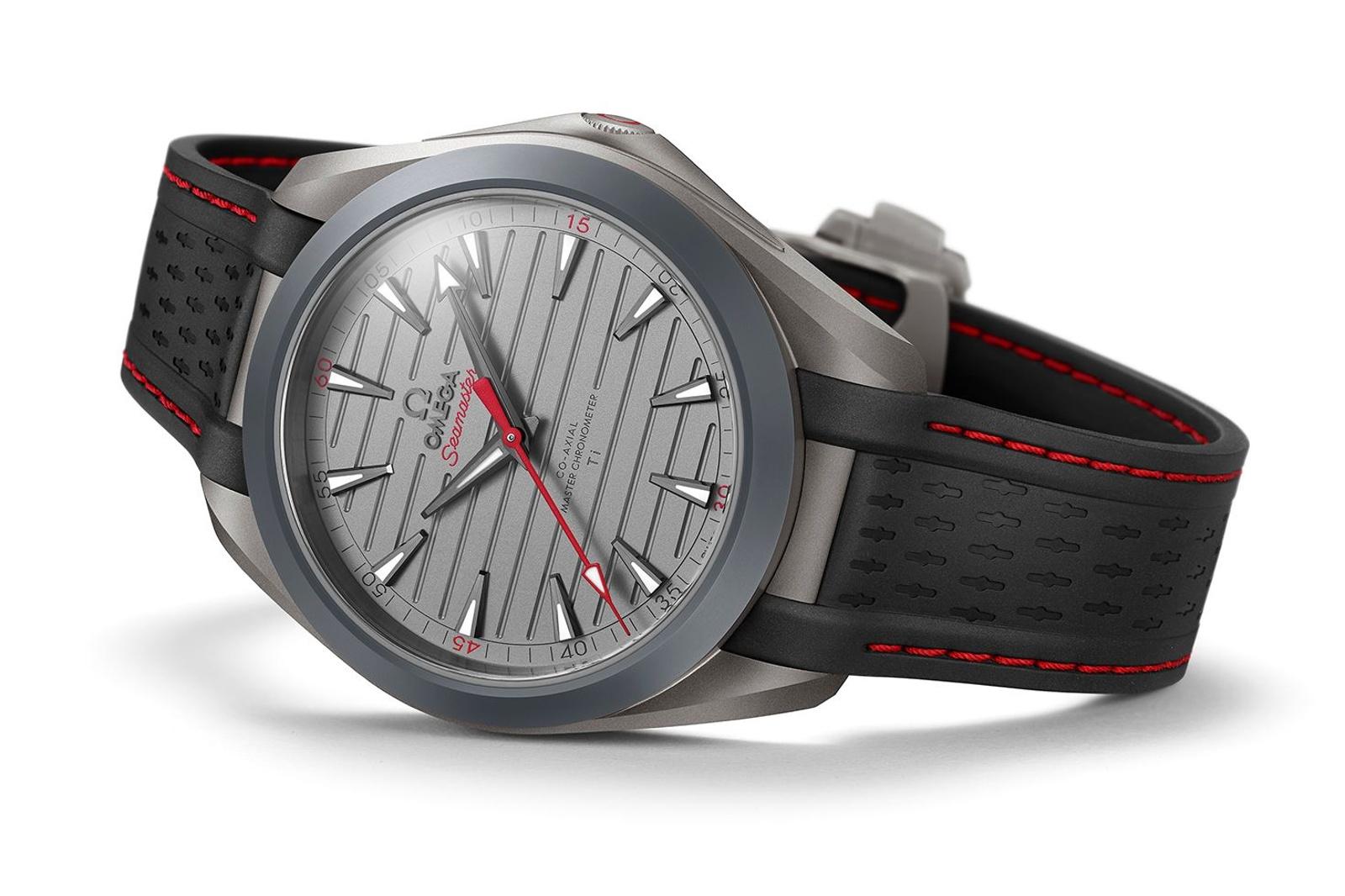
Omega Seamaster Aqua Terra Ultra Light
Considering Omega’s Ultra Light, and now being only three years on from Rolex’s first fully-titanium watch, the Deepsea Challenge, titanium is really starting to revolutionise the watch world, especially the tool-watch genre. So where did it start? and where is it going?
The best way to appreciate titanium’s value in watchmaking is to compare it with the metal that transformed the watch industry in the 20th century: stainless steel. Before stainless steel’s rise, most watches were ornate, expensive pieces made from soft, precious metals. The arrival of Staybrite steel changed that, ushering in an era of affordable, durable, and waterproof timepieces for everyday and military use, especially after the 1929 Wall Street Crash shifted tastes toward affordability.
Now, about a hundred years after the stainless steel revolution, titanium is poised to spark a similar shift in tastes. About 40% lighter than steel yet just as hard, it’s also hypoallergenic, naturally antimagnetic, and sports a darker, more utilitarian finish. In short, titanium builds on everything stainless steel achieved, and takes it further. And while we enthusiasts might crave smaller cases, in the dive world, size still reigns, and titanium makes those big beasts wearable.
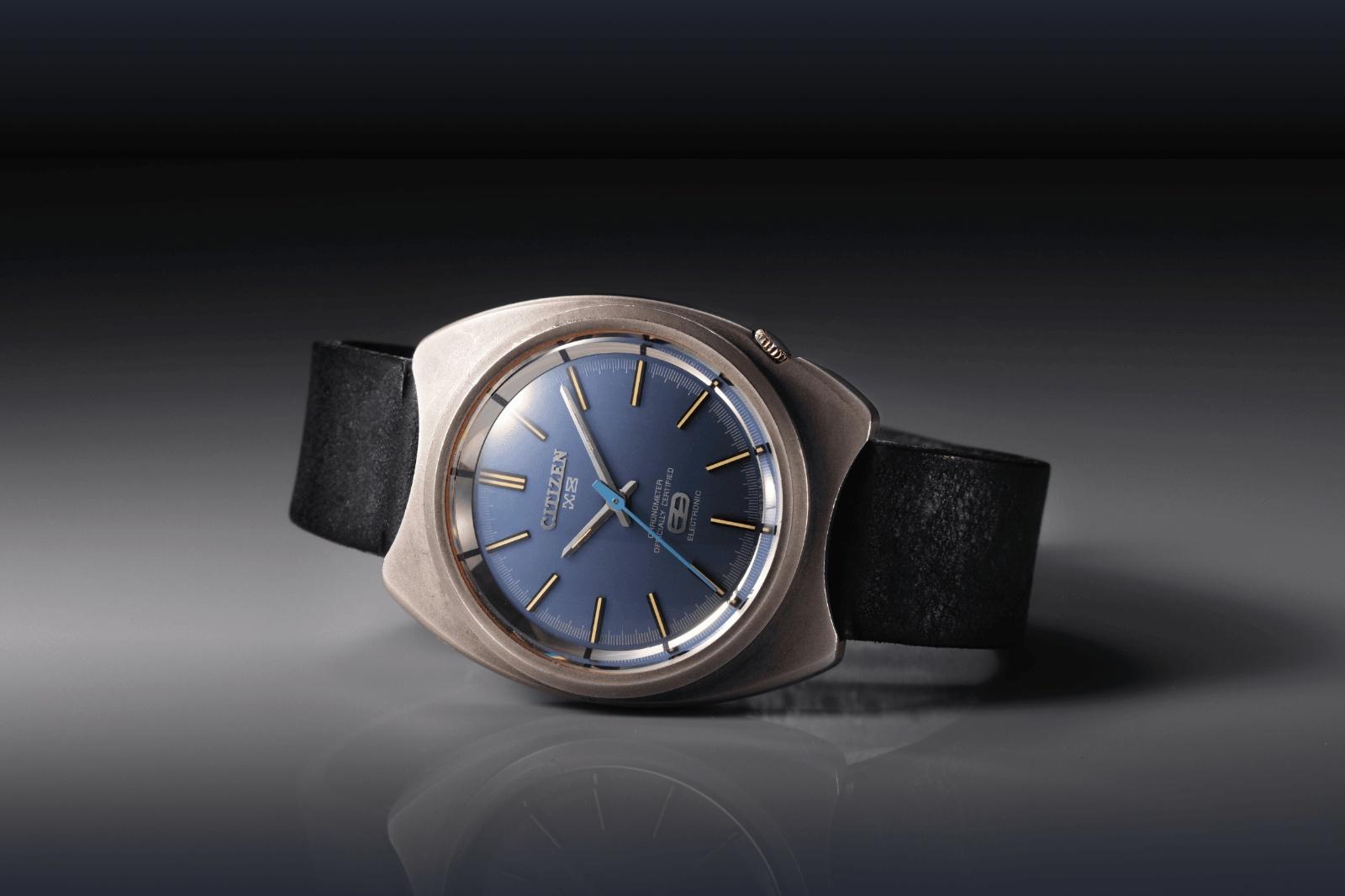
Citizen X-8 (1970s)
Although many today view titanium as a relatively recent evolution from stainless steel, Japanese brands like Citizen and Seiko began exploring its advantages in watchmaking as early as the 1970s. At the time, the Swiss watch industry was still refining its mastery of steel. Rolex had embraced 316L low-carbon steel, valued for its corrosion resistance in dive watches, while Omega went a step further, introducing the even more resilient 904L alloy, nicknamed “Uranus Steel”, for its Ploprof diver.
Meanwhile, the Japanese watchmakers had already seen titanium’s potential for tool-watches. In May, 1970, Citizen introduced the X-8 Chronometer, the world’s first titanium-cased wristwatch. Far ahead of its time, it featured a high-beat, chronometer-certified electro-mechanical movement (Calibre 0820). Inspired by NASA’s use of titanium, Citizen cased the watch in 99.6% pure titanium. This early grade of titanium was so notoriously difficult to press, machine, and polish due to its hardness that it earned the nickname “triple trouble” within the company. Just five years later, Seiko followed with the Professional Diver’s 600m, the first titanium-cased diver.

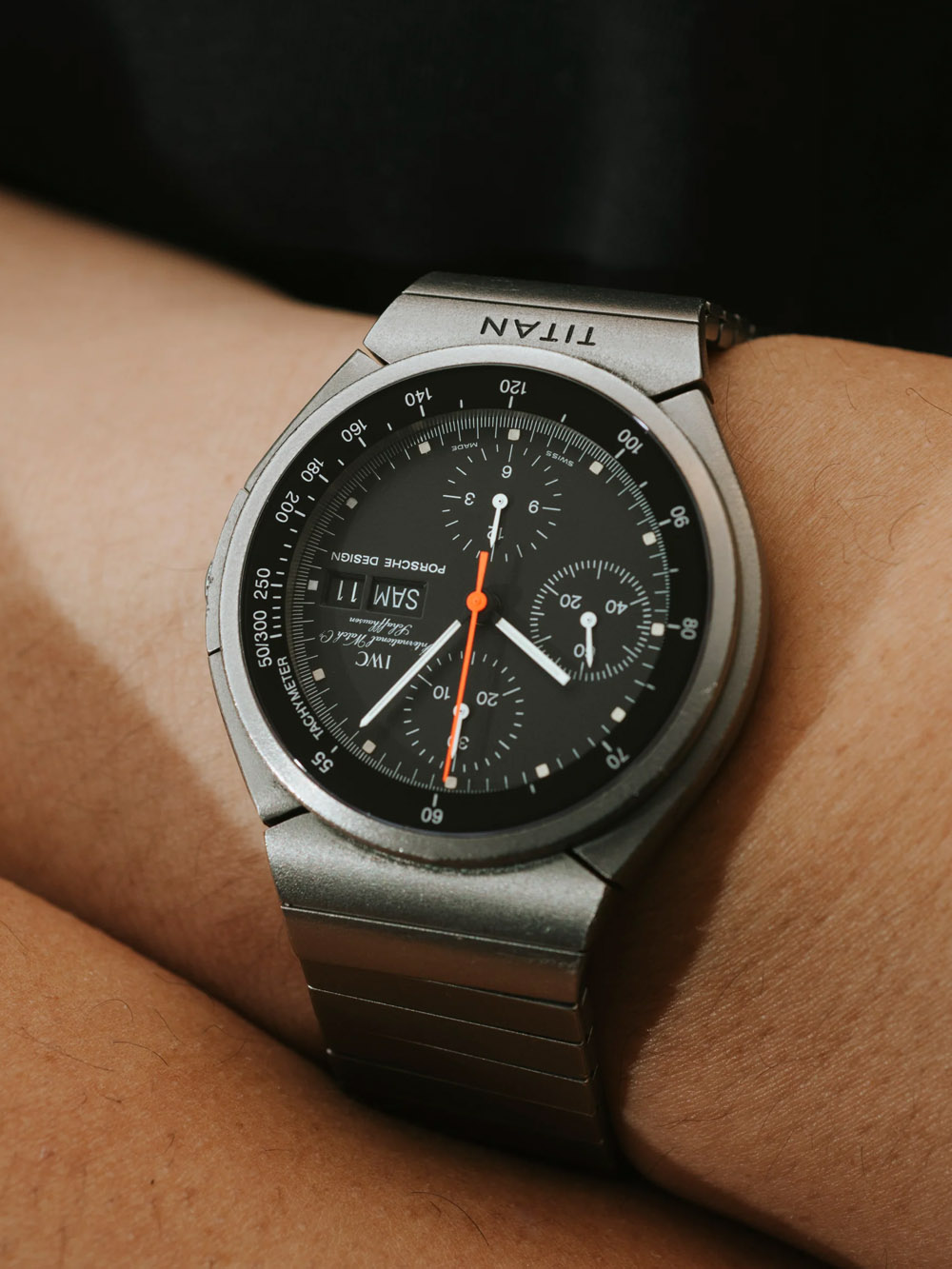
IWC Porsche Design Chronograph Titan IW3700
While Japan had already mastered titanium’s promise underwater, the Swiss were slower to take the plunge. It wasn’t until IWC’s collaboration with Porsche Design in 1980 that titanium truly arrived in Switzerland. A risky release at the time, the IW3700 was a titanium-cased chronograph with integrated lugs and orange second hand. A utilitarian tool-watch aesthetic that brands are only just starting to really embrace now. Tudor put Swiss titanium dive watches on the professional map with the 2012 launch of its Pelagos model.
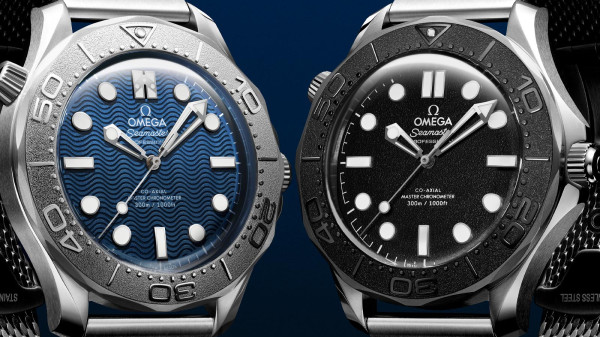
When Citizen launched the first titanium watch, the X-8, it used “pure titanium,” now classified in metallurgy as “commercially pure,” or grades 1, 2, and 3. The distinction between grades 1, 2 and 3 depend on the levels of iron and oxygen in the metal. Long story short, for watch cases, the “pure” grades are excellent for lightness and corrosion resistance. However, they are very tough to machine. Milling and stamping it can even break the tools used to make them, hence the nickname “triple trouble.” High-end brands still choose pure grades for their lightness. Examples include Hamilton’s Khaki Field Titanium, Omega’s Seamaster 300 007 Edition, and Tudor’s Pelagos 39.

Garmin Fenix 8 Pro AMOLED Sapphire Titanium
Grade 4 titanium adds oxygen to the mix, making it much harder than grades 1, 2 and 3. But, grade 4 is therefore even more difficult to stamp, machine and finish. The tradeoff is that grade 4 is more rugged and scratch-resistant, but then also requires more expensive manufacturing techniques. Grade 4 is usually the choice for smartwatches, like Garmin’s Fenix 8, but also Sinn’s T50 diver.
Grade 5 is where titanium really becomes more of an alloy: 90% titanium, 6% aluminium, and 4% vanadium. The inclusion of aluminium and vanadium improves scratch and corrosion resistance while allowing a higher polish. For that reason, we can liken Grade 5 to titanium’s equivalent of 904L steel. It’s very popular in the watch industry, used by Grand Seiko, Longines, IWC, Audemars Piguet, and many more. Apple use it for the Apple Watch Ultra and Rolex’s proprietary RLX is a grade 5 alloy.
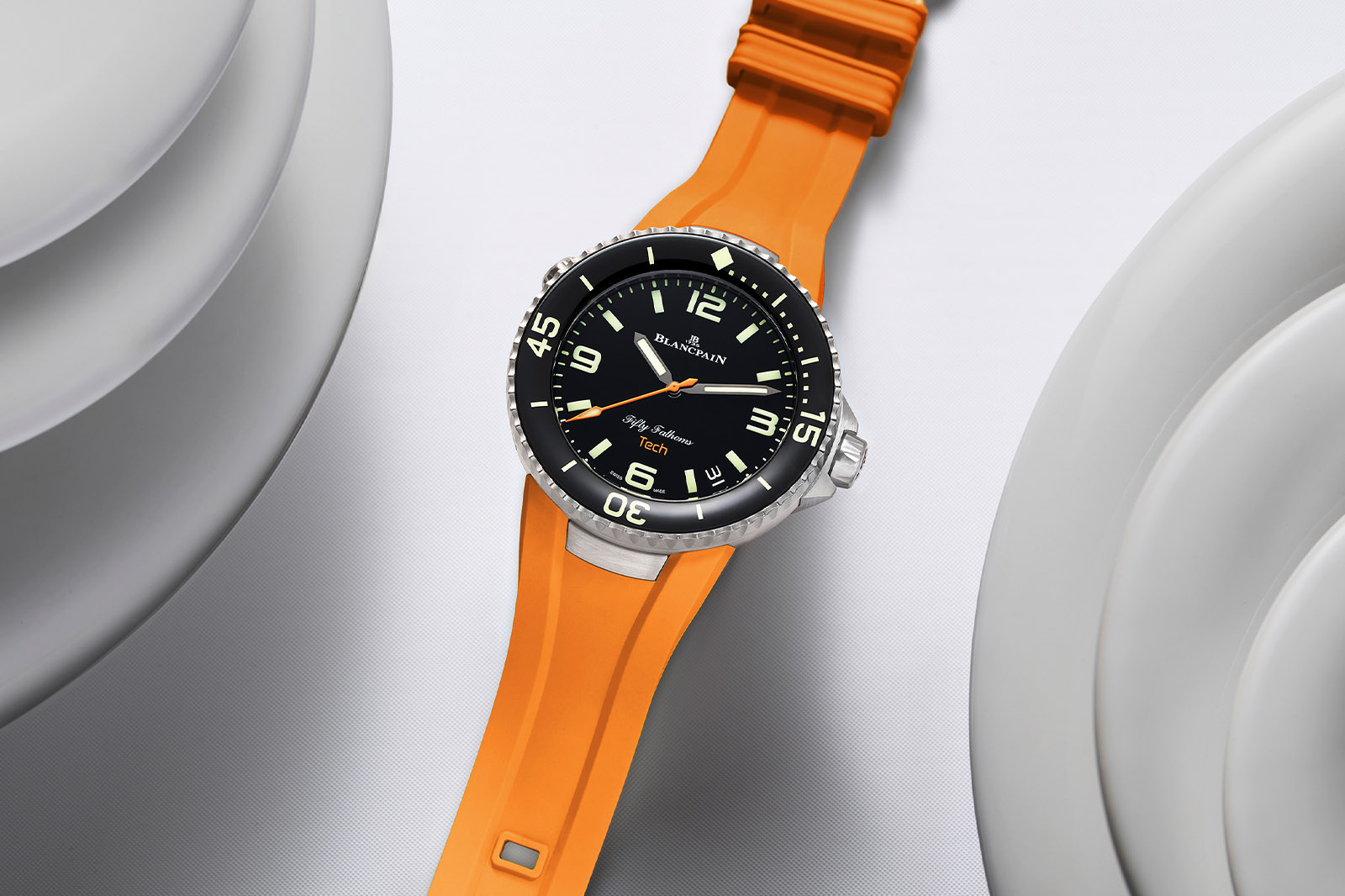
Blancpain Fifty Fathoms Tech
Grade 9 is a mysterious middle ground. It isn’t commercially pure and therefore isn’t insanely light, like grades 1, 2 and 3, but also isn’t as strong as grades 4 and 5. It’s application for watches is that it’s therefore easier to stamp and machine, meaning the manufacture costs can be lower. You generally see grade 9 used in budget pieces.
The king of titanium alloys is Grade 23. It’s tougher, more fracture-resistant, and even more hypoallergenic thanks to its ultra-inert nature. In reality, the differences from Grade 5 are subtle, its allure is mostly marketing magic. Still, Blancpain hasn’t hesitated to use it almost like proprietary titanium. The brand employs it in the Fifty Fathoms Bathyscaphe, Bathyscaphe Flyback Chronograph, Air Command Chronograph, and the latest Fifty Fathoms Tech lineup.
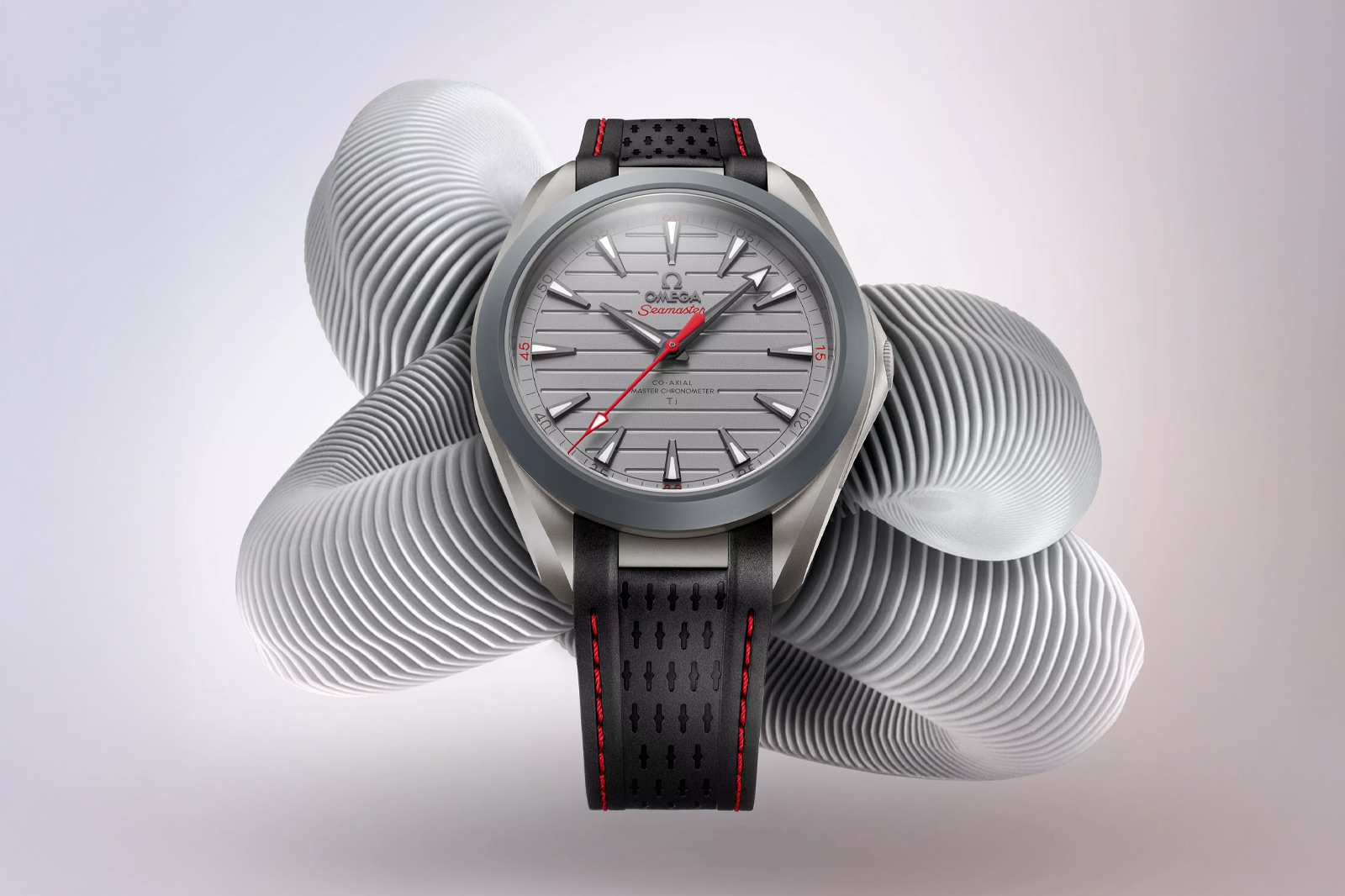
Omega Seamaster Aqua Terra Ultra Light
Speaking of excess, Keeley Hodgkinson’s ultra-rare Aqua Terra Ultra Light uses what Omega calls Gamma Titanium, also known as titanium aluminide. It is a cousin of Grade 5, but technically a different beast altogether. Its unique crystal structure makes it harder, lighter, and astronomically expensive.
Ultimately, whether it’s Grade 2, 5, 23 or Omega’s space-age Gamma Titanium, the appeal is simple. Titanium makes a tool-watch feel effortless. It’s the material that captures modern watchmaking’s paradox: industrial yet luxurious, rugged yet refined. A century after steel redefined the wristwatch, titanium is now doing the same, deftly reshaping what we expect from the metal on our wrist.


Lightweight watch aficionado here. Wish all my watches were sub 60 grams
Thanks for clearing up the mystery of why oh why Omega’s “superlight” 55gram watch is 50k +++. Something magic about the Ti blend and the plates and bridges were lightened with ceramized Ti. (??!). All to achieve 55 grams…
Yet…
A CW Colchester has a regular old COSC SW200, same retractable crown, and in carbon composite is 38 grams – 1500 bucks
A Ming Ghost is 35 grams (!!) with a grade 2 case and regular SW300 inside – 3500 CHF
The Ming Bluefin – a steel 600m dive watch – has a 58 gram case weight, and it’s not at all designed to be light!
How is it that the Omega super expensive not so light AT is so uncompetitive?