
Rolex is often regarded as the most important watchmaker in the world and certainly the best known. As such, when they set out their projects for the year, typically in the spring, and hold forth on their incredible innovations and new creations, we have a tendency to believe them. However, when looking into the details of Dynapulse escapement in the new Land-Dweller and the new ceramic dial of the GMT-Master II, I was strongly reminded of another watchmaker, Charles Frodsham. Leading me to question, are Rolex’s 2025 innovations actually new?

Rolex Dynapulse escapement used in the Land-Dweller (2025)
First, what is the connection between Rolex and Charles Frodsham? Well, both brands were founded in London more than 100 years ago. But while Rolex is 120 years old, Frodsham is more like 190. Additionally, Rolex are believed to make around a million watches per year but Charles Frodsham make just a dozen or so watches each year, typically for exclusive clientele and royalty. Beyond the London connection, it would be difficult to find two more different manufacturers, yet, on the face of it, it looks like Rolex has been observing Frodsham and following in their lead.

Double Wheel Escapement diagram
Let me explain, it was in 2004 that Frodsham first showed a working example of their double wheel escapement. This is essentially two completely separate drive trains, each with its own escape wheel rotating in a different direction, locking onto a central detent. After a lengthy development process, the finished watch, known as the Double Impulse Chronometer, was first shown in 2018 and was available shortly after. The Dynapulse escapement seen in the Rolex calibre 7135 in 2025, despite its many intricacies, is at a fundamental level another example of a double wheel escapement.

Frodsham Double Impulse Chronometer Wristwatch (2018)
The other radical feature of Frodsham’s 2018 watch was the dial. It looked like a classic white enamel dial, but it wasn’t. Rather, it was made from a zirconium ceramic, the exact same material used by countless brands for watch cases. It is, in many ways, the perfect material for a watch dial as it doesn’t discolour or fade with time and it can be machined perfectly flat and is highly resistant to impacts. Enter Rolex with a new, green ceramic dial for the white gold GMT-Master II, executed in almost identical fashion save the colour and styling.
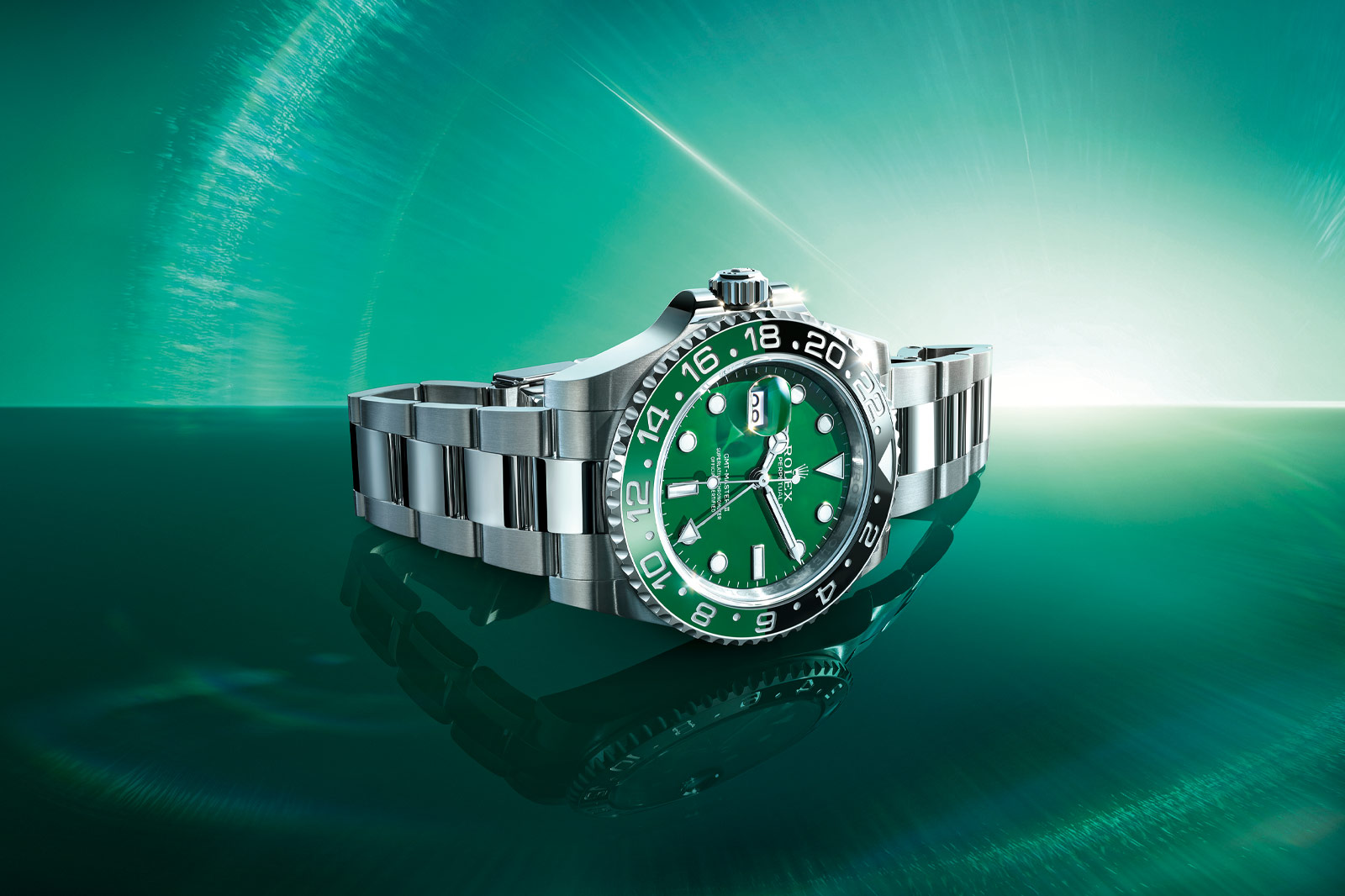
Rolex Oyster Perpetual GMT-Master II (2025)
To me it appears pretty cut and dry that Rolex’s innovations are not the first of their kind and that they owe a great deal to makers like Frodsham. As Auric Goldfinger says in the Ian Fleming novel, “Once is happenstance, twice is a coincidence, and three times is enemy action”. So far, it’s just a coincidence. As a final note, I would allow that Rolex’s advances are still important and shouldn’t be dismissed simply on the merit of not getting to the punch first because after all, there is a great difference in applying these advances to a million watches versus a dozen.

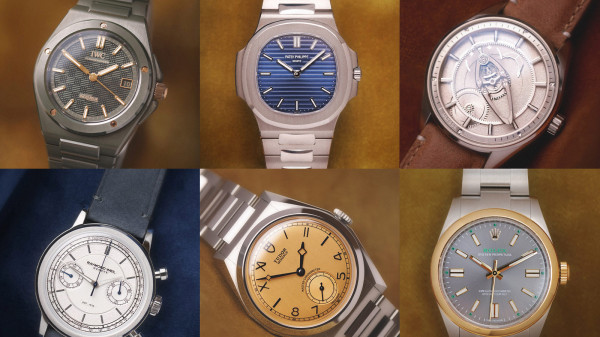

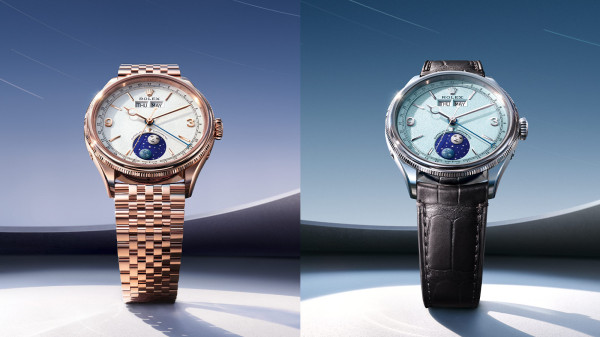
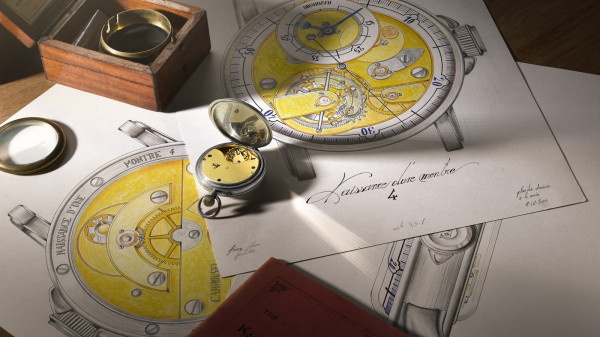

It’s the Rolex way to take a low profile innovation – claim it as your own – and in a few years write a book claiming you were first and it was your innovation. Yes doing it at scale is different – but with infinite resources behind you, that is the easy part.
role’s history of claiming new advances in horology goes back to there claim to have invented the first automatic movement and then withdrawing the claim in a 2″ high column in a national newspaper and the use of zenith el primero movement in the daytona great watches but
even better marketing.
There is nothing new under the sun. It’s all based at least partially on one or more ideas that went before.