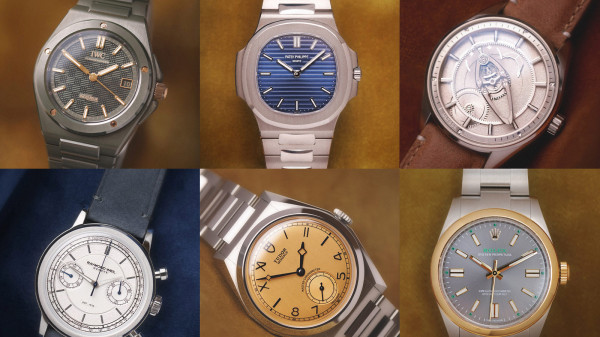
The chances are that you’ve come across Bjoern Altmann on Instagram – at least, if you’re as perennially locked into cool watch-related content as we are. In 2020, he burst onto the scene with slick, cool watch illustrations that showed not just an in-depth understanding of watches, but of all things aesthetic.
Since then he’s published books on the ephemera of infrastructure, designed jewellery, and works on creative projects for brands across watches and interior design. He’s a multi-hyphenate in the truest sense, and we sat down for a chat.

Omega Seamaster (1966)
What was the last watch you bought?
That was an Omega Seamaster chronograph from 1966 with the calibre 321, which has a story behind it. I first had one in 2014, however in quite poor condition. The crystal, crown, and chrono hand were not original and the case was over polished. The case back notches were worn out.
When one of the hands fell off, I sent it to Omega for a service. It came back looking fantastic, but as I wasn’t used to wearing nice watches yet, I felt it was too precious, and I was afraid of damaging it. So, I sold it.
I kept regretting this decision and sometimes looked for one like this becoming available again. However, after the re-release of the 321 by Omega the prices had risen considerably, so it seemed impossible to get it again at an affordable price.
Fast forward 10 years and I saw one. Good price too. The only catch: it was in Argentina. I decided it needed to be now or never, so I bought it. After a 10-year search and a very long journey a cal 321 Seamaster was finally back in my collection.
Do you collect anything outside of watches?

I also collect chairs and lamps. I think what draws me to these objects is my interest in good design and how the same problem can be solved in many different and interesting ways. A task lamp for instance solves the problem of lighting a desk in a focused and glare-free way, but within this category there are a multitude of designs addressing the same problem.
This is a parallel to watches: a field watch solves the problem of being legible under tough outdoor conditions and within this category we find many solutions from different brands. It’s then down to our preference which manufacturer we choose – always assuming the designs are equally excellent to begin with.
Speaking of solving the same problem in many different ways: this is something we see in manhole cover designs. All the various patterns are meant to give better grip to the surface. – My background is in graphic design, branding, and illustration. I always look around for interesting typography and signs and first noticed an unusual manhole cover design in 2005 when on holiday. I then started to collect photos and asked anyone I knew if they could help me out with photos. These were translated into black and white drawings as the focus was on the variety of patterns. Some of these were reminiscent of the petit tapisserie of the AP Royal Oak – or a particular chocolate. Probably a coincidence, but all of these come from Switzerland. In 2022 I published these 170 designs from 80 countries in a book with the title Manhole Covers of the World.
What’s at the top of your wishlist?

Cartier Grand Tank Cintrée (1941)
I think that would be a Cartier Tank Cintrée or a Tank Louis in platinum, probably a modern reference so that it can be worn without worrying about fragility. Platinum not because it’s expensive, but because it’s understated.
What inspires you?
I also work with jewellery – on my own as well as with another jewellery designer – and tend to find inspiration in mythology and natural patterns. We’ve all seen hexagons in honeycombs, basalt columns, crystals, or maybe a tortoise’s shell. What really fascinated me was the hexagon at Saturn’s north pole though – one of its sides is greater than Earth’s diameter (14.500km). Why it is there has not been fully explained yet. Apparently, it has to do with a certain speed of rotation within the weather system. I just love how nature organises itself and how certain basic systems are repeated everywhere throughout our universe.
What is a book, podcast or album that changed the way you think?

Potentially the book, Never Split the Difference by Chris Voss. Everything in life is a negotiation. I find the methods to be quite helpful in business.
Who is a celebrity or person of note that you admire?
Charles and Ray Eames. They managed to design furniture in the 1940s and ‘50s that was so far outside of fashion and design trends that it looks as modern today as it did back then. I find that truly amazing. And what they said about good design is something that always stayed with me since I read it, “the details are not the details. They make the product.” This is true for anything design related, watches too.
What is your ideal long weekend?
I tend to get up early and if the weather is nice, I might go to Portobello Market in Notting Hill or some other antiques market, Lewes perhaps. Especially in summer it’s quite nice to be there early and beat the traffic and the crowds. It’s also the best time to find something interesting. I do remember a foggy August morning in Brighton, when I discovered an Anglepoise lamp from 1935, first generation. Quite incredible. This is a story in itself that led to me working on a project for them last year.

Tag Heuer illustrations
What would we always find in your fridge?
A bottle of ginger shots. Very healthy.
What is a rule or mantra that you live by?
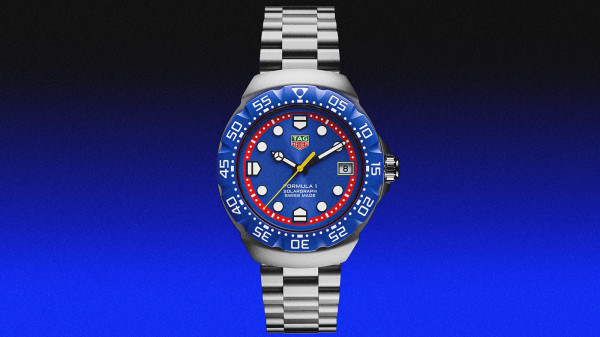
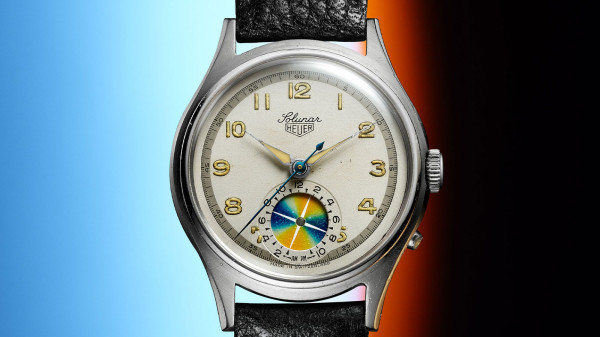
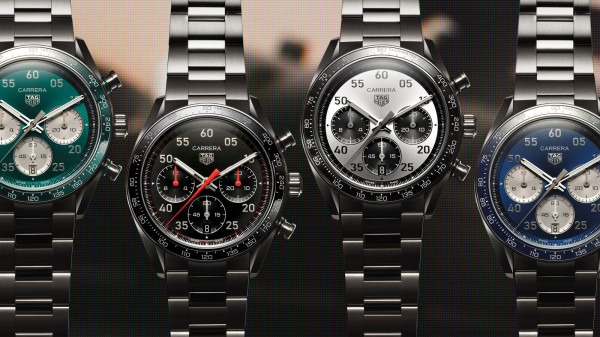
Per aspera ad astra – through hardship to the stars. I need to elaborate a bit here: in 2020 I lost my job, and it all looked a bit scary with no work available and no one knowing what might come next. I then created my website and also started to post watch illustrations from June that year onwards. I could have never imagined that two years later I’d be working on projects for Emmanuel Gueit and TAG Heuer.
What does the year ahead look like for you?
My focus will be on work related to the watch industry. There are some exciting things coming up, but I can’t talk about them yet, sadly.
More details at Bjoern Altmann.