
According to Google Search data, Rolex and Omega are the two most frequently searched luxury watch brands in the world. It’s not a surprising fact given they are two of the few watch brands that can be considered genuine household names – being recognised by people who are not interested in watches. But how do these two giants of the watch industry actually stack up against each other? Who wins the battle of Rolex vs Omega?
The short answer: Rolex wins on prestige and resale value, while Omega wins on value for money and availability. For comparable steel sports watches, Rolex is generally perceived as more desirable, backed up by extensive waiting lists for premier models while Omega carries the convenience of actually being able to buy one at retail. Which is “better” comes down to whether you prioritise investment and status (Rolex) or engineering and value (Omega).
Rolex Vs Omega: The History
Founding
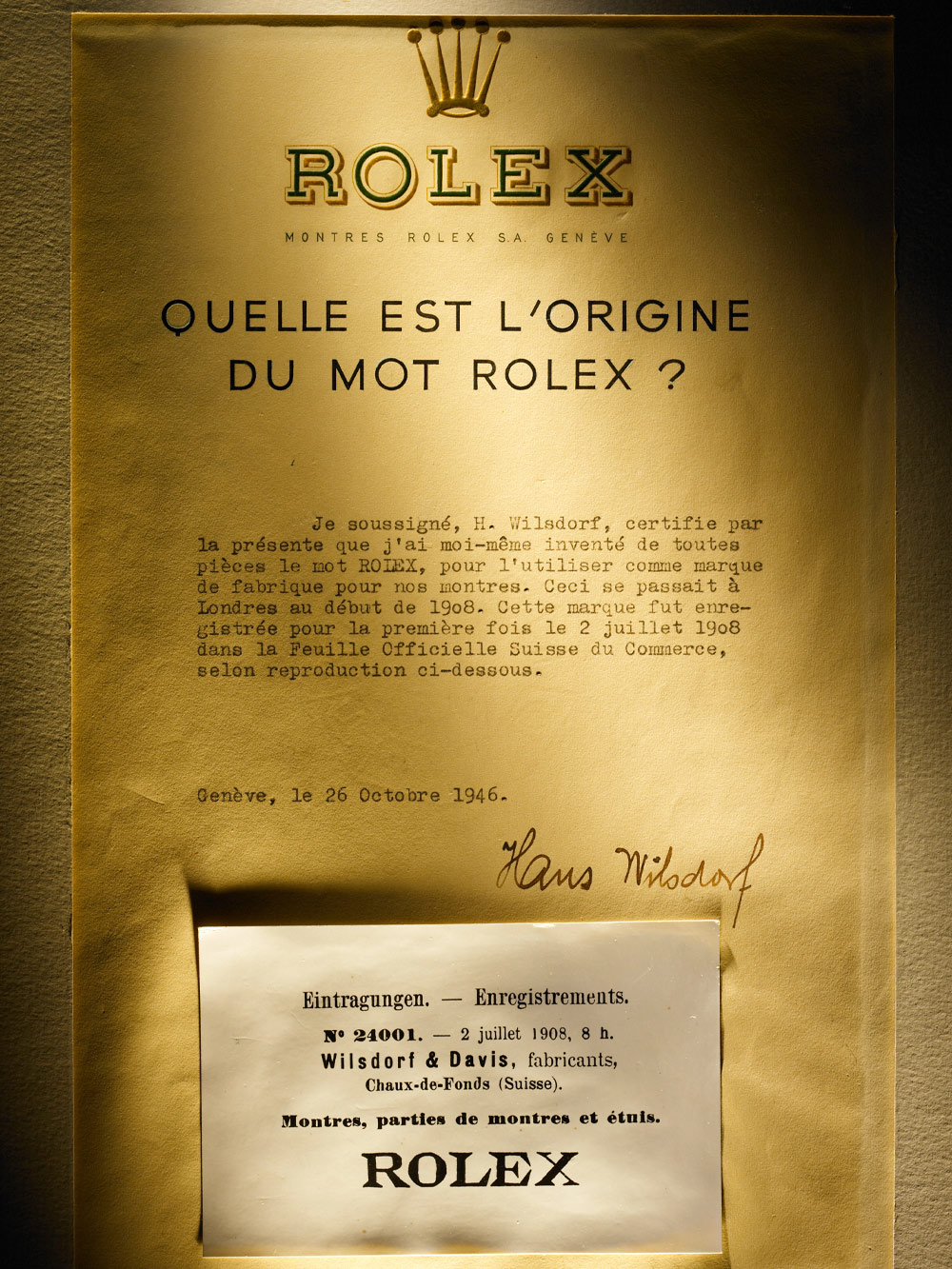
Rolex was founded in 1905 by Hans Wilsdorf, not in Switzerland as you might expect, but London. At the start of the 20th century, London was the epicentre of polite company and luxury living and so it was a shrewd move on Wilsdorf’s part to establish his brand not in the home of watchmaking, but in the home of watch buying. Rolex subsequently relocated to Geneva to escape post-war British taxes and import duties in 1919.
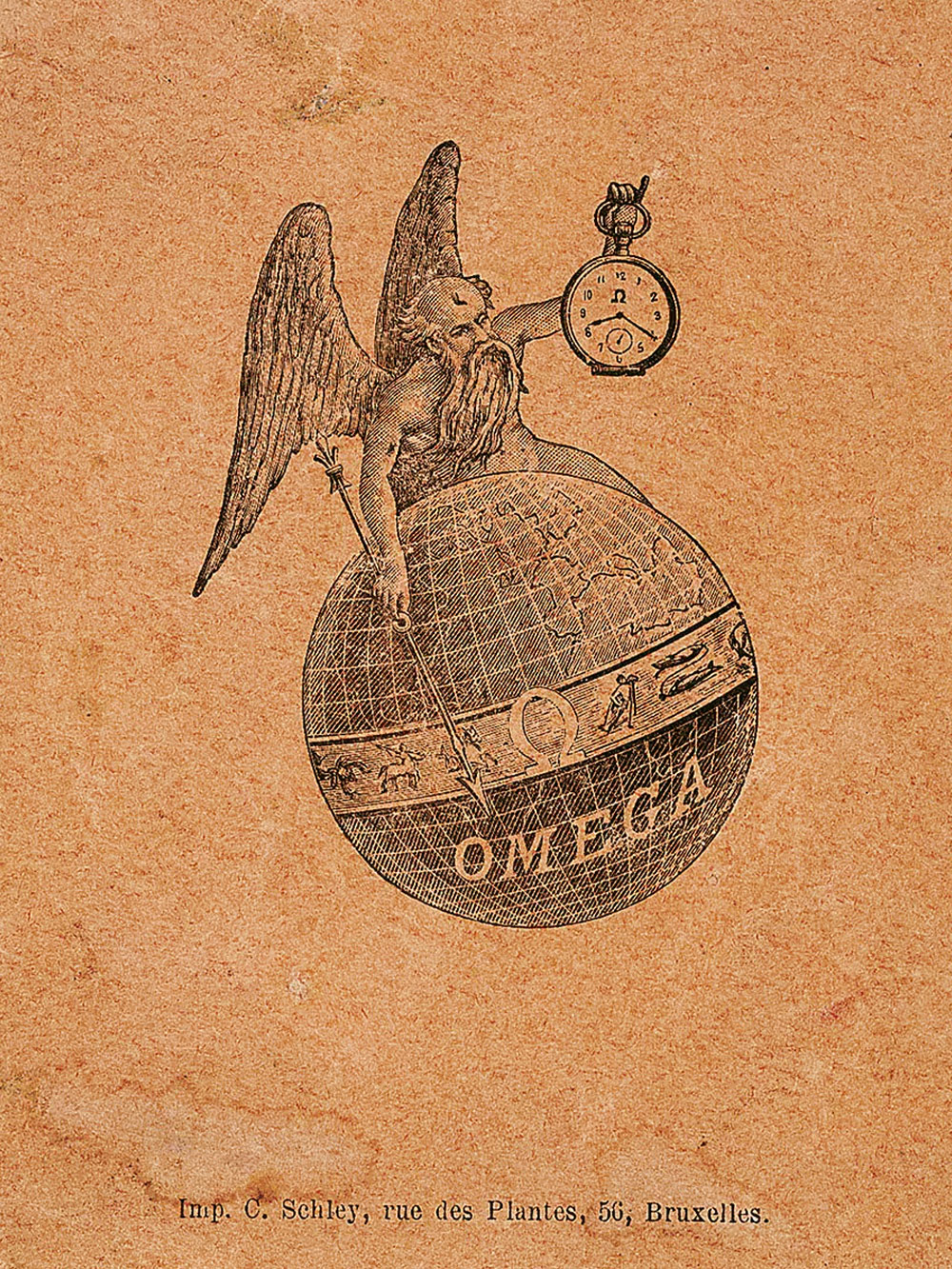
Omega is a significantly older maison, tracing its lineage to the workshop of Louis Brandt established in 1848. It was in 1894 almost half a century later that the company changed its name to Omega, coinciding with the launch of a new calibre by the same name. By 1903, Omega was the largest manufacture of finished watches in Switzerland.
Organisational Structure

A key difference between Rolex and Omega is how their organisations are structured. Rolex is a private company owned by the Hans Wilsdorf Foundation, a charitable foundation that uses the revenue from Rolex to fund various projects in and around Geneva. Although a more cynical point of view would point out that by being a charity, it gives Rolex favourable tax treatment.
By comparison, Omega is owned by the Swatch Group, a public company. The Swatch Group was established in the 1980s in response to the quartz crisis, it swooped in to save several watch brands and companies that were under financial strain at the time – one of which was Omega’s parent company at the time SSIH. Being part of a group means Omega has access to a wide range of manufacturing resources and the ability to collaborate with other brands, such as the hugely successful Swatch x Omega MoonSwatch.
Significant Achievements

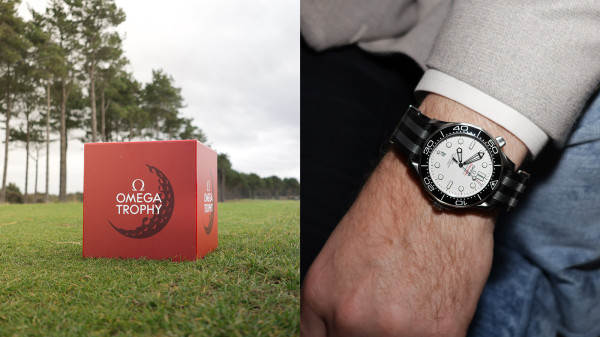
Both Rolex and Omega engage in horological research and development, often competing against each other to create landmark watches and achieve greater horological heights. Omega’s most famous milestone – arguably the most famous watchmaking milestone of all time – was putting the first wristwatch on the moon when in 1969 Buzz Aldrin wore the Speedmaster Professional on the lunar surface during the moon landings. It cemented the Speedmaster’s legacy as the Moonwatch, a moniker still used today. Omega is also renowned for being the official timing partner of the Olympics since 1932 as well as the watch of choice by James Bond.
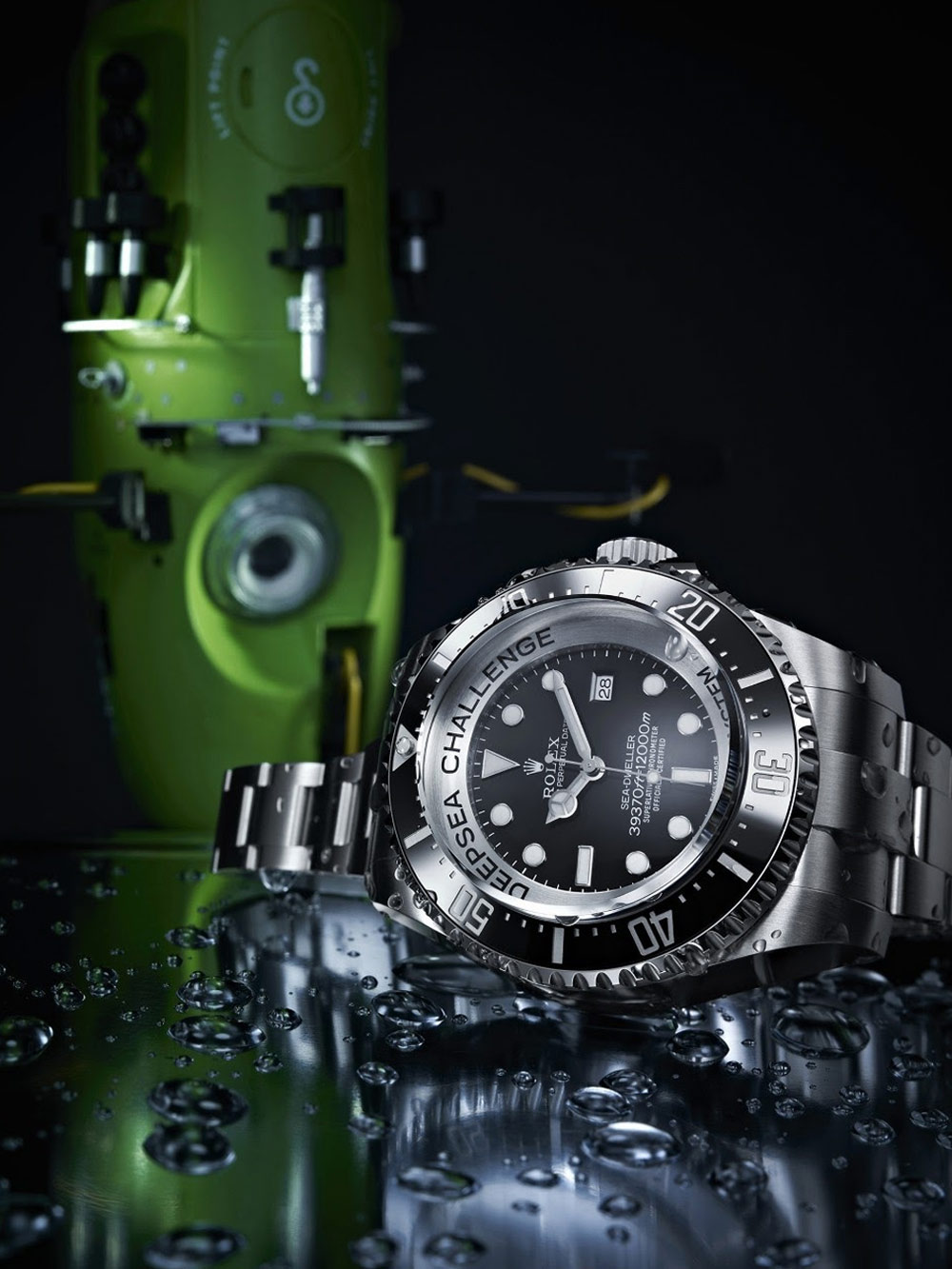
With the space race already won, Rolex looked to other areas of exploration and in 2012 they participated in the Deepsea Challenge. The Deepsea Challenge was a record-breaking solo dive by director James Cameron aboard the Deepsea Challenger submersible that saw him reach 10,908m below the surface of the Pacific Ocean in the Mariana Trench. Strapped to the exterior of the submersible was an experimental Rolex wristwatch, also called the Deepsea Challenge, which survived the expedition in perfect working order. That experimental watch was the inspiration behind the 2022 launch of the commercially available Oyster Perpetual Deepsea Challenge. Another Rolex achievement is being the first wristwatch to reach the peak of Mount Everest, worn by Sir Edmund Hillary on his ascent with Tenzing Norgay.
Rolex Vs Omega: The Watches
Rolex Submariner vs Omega Seamaster Diver 300M
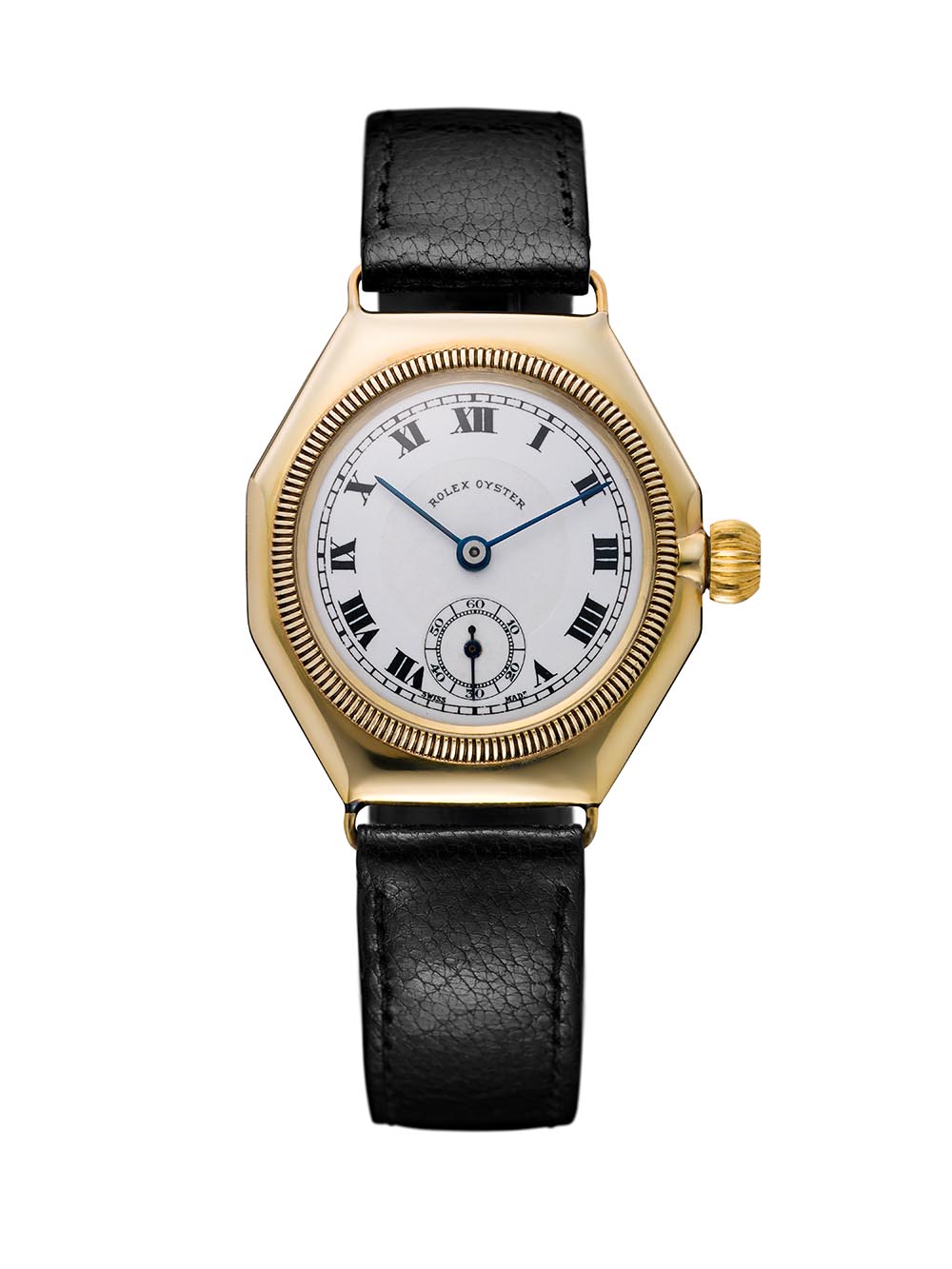
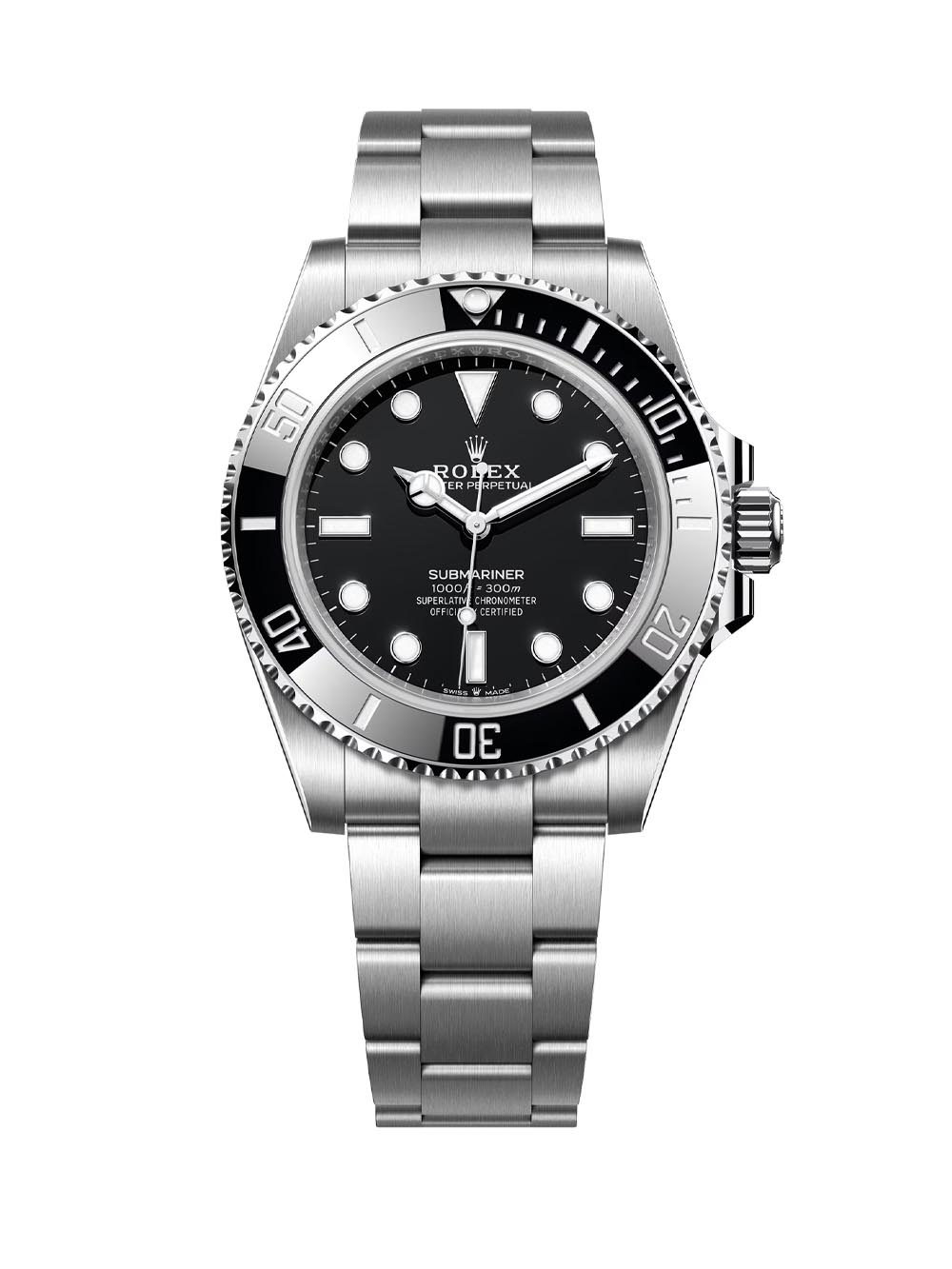
The Rolex Submariner finds its origins in the 1926 Rolex Oyster, widely considered to be the first waterproof wristwatch. The Submariner took the concept of waterproof design to the next level by incorporating design elements specifically for professional divers such as an improved water resistance rating, unidirectional bezel and hyper legible display. It debuted in 1954, one year after Blancpain’s Fifty Fathoms became the first commercially available professional dive watch.
The current Submariner is the Ref 124060, measuring 41mm in Oystersteel with 300m water resistance rating. It’s powered by the calibre 3230, an automatic movement with a 70-hour power reserve and Rolex’s Superlative Chronometer certification, which it achieves with an accuracy rating of +/-2 seconds per day. It’s priced at £8,450 RRP but on the pre-owned market is typically priced between £9,600 and £12,000.
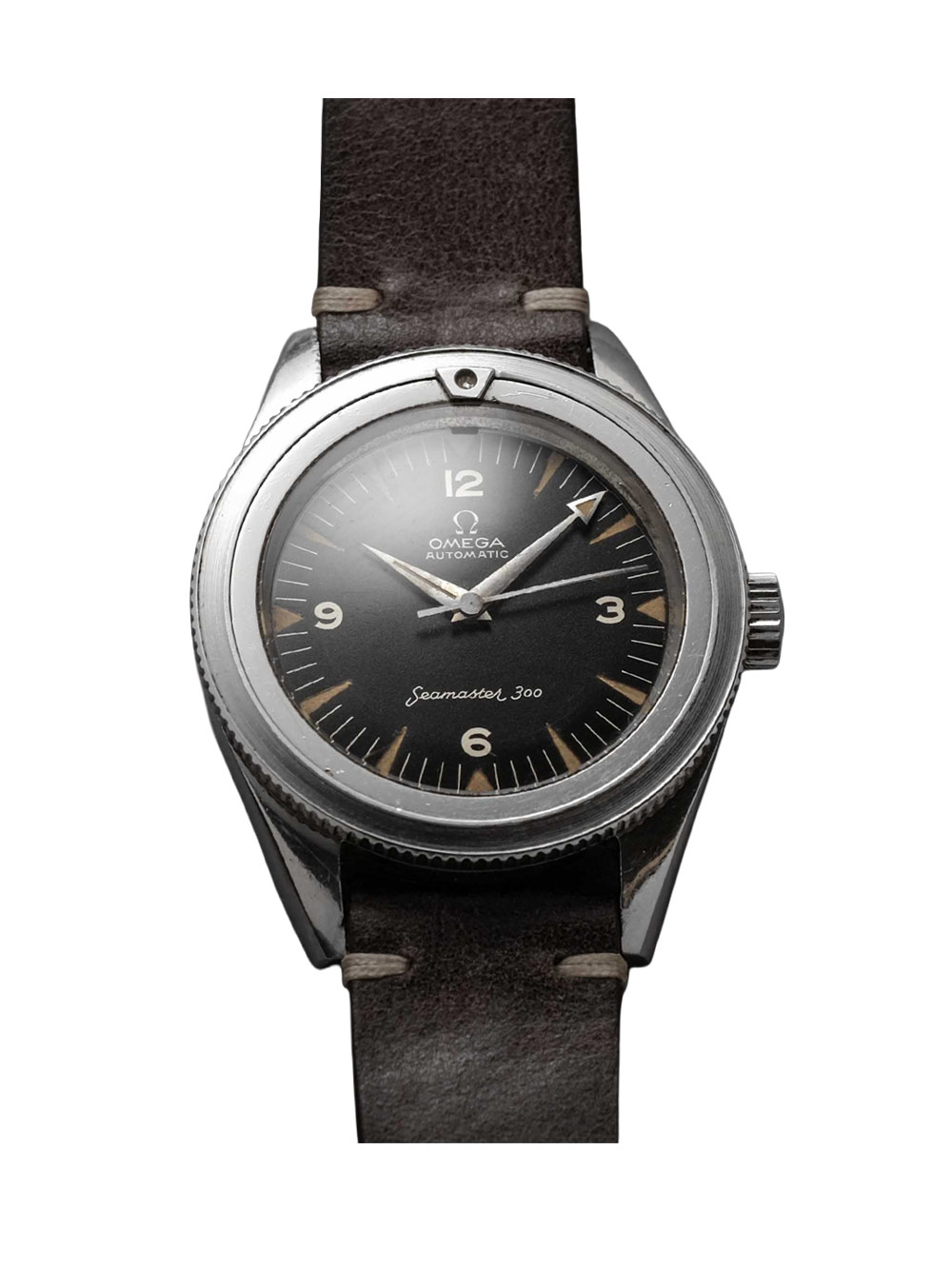
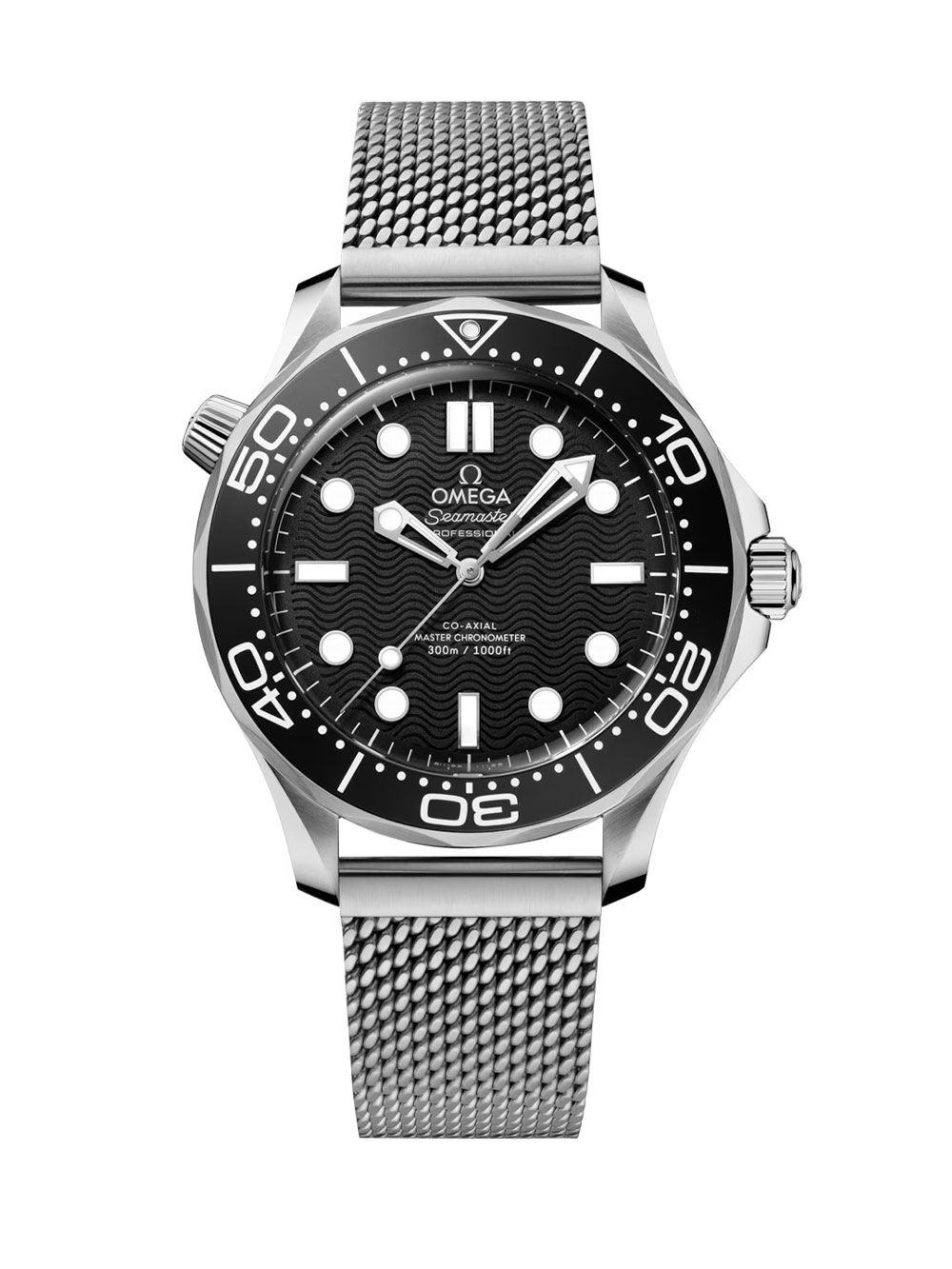
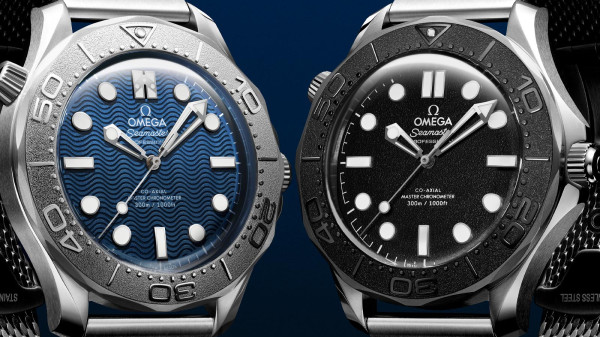
Omega’s entry into professional dive watches came in 1957 when they launched the Seamaster 300 as part of the Professional Trilogy alongside the Speedmaster and Railmaster. In 1993 they released the watch that would come to define the modern Seamaster line, the Diver 300M. The watch then shot to fame in 1995 when it became the signature watch of James Bond, worn in GoldenEye – replacing the spy’s previous watches that included a Rolex Submariner.
For a close comparison, the Omega Seamaster Diver 300M Ref. 210.30.42.20.01.010 is their take on a black dial design with no date. It has a 300m water resistance rating and measures 42mm in diameter with a helium escape valve at 10 o’clock, making it the larger of the two watches. Inside is the Master Chronometer movement 8806 with 55-hour power reserve. It’s £6,100 on steel bracelet but is actually available pre-owned for around £4,500 – £5,000.
Rolex Cosmograph Daytona vs Omega Speedmaster Professional Moonwatch
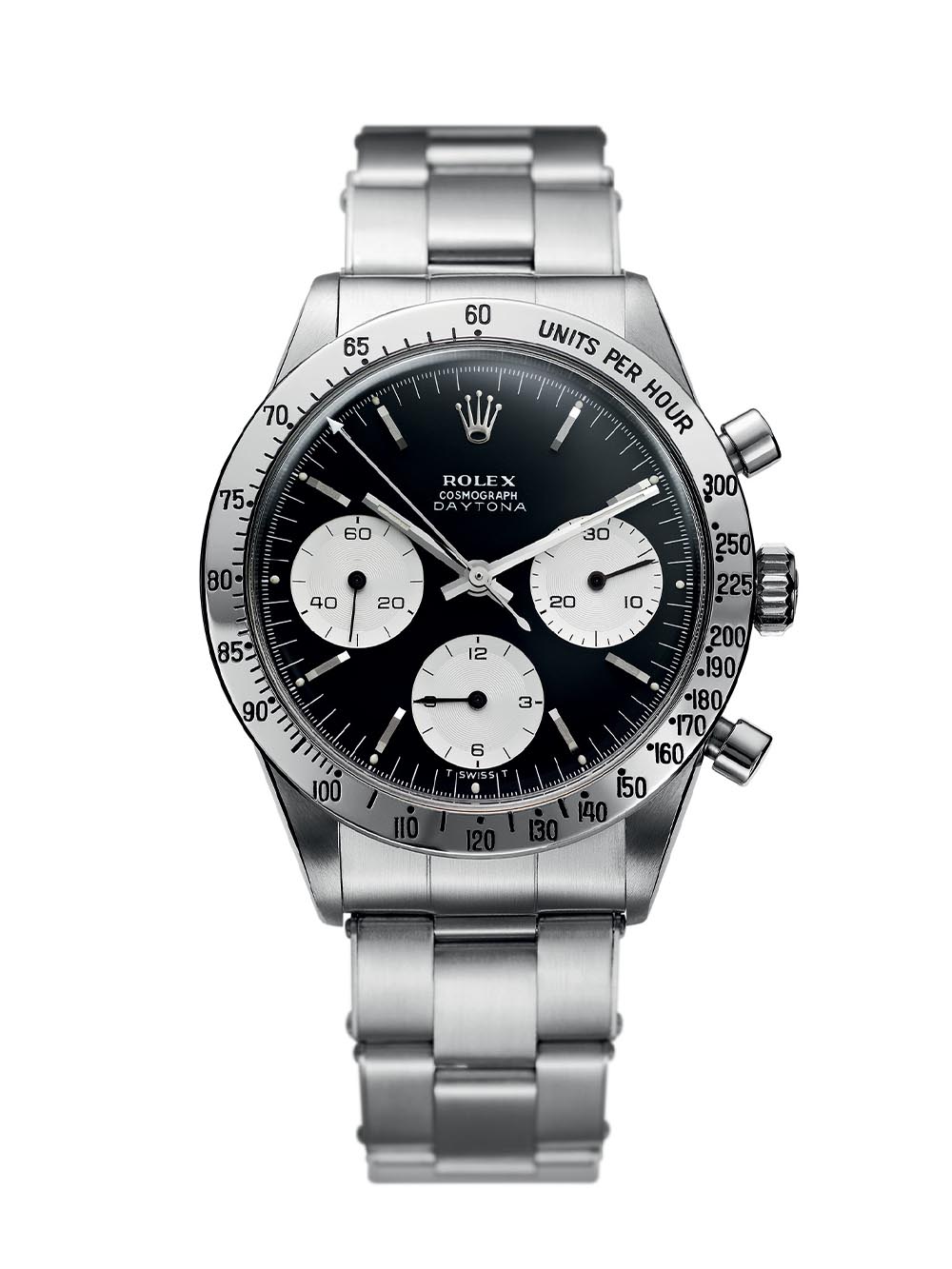
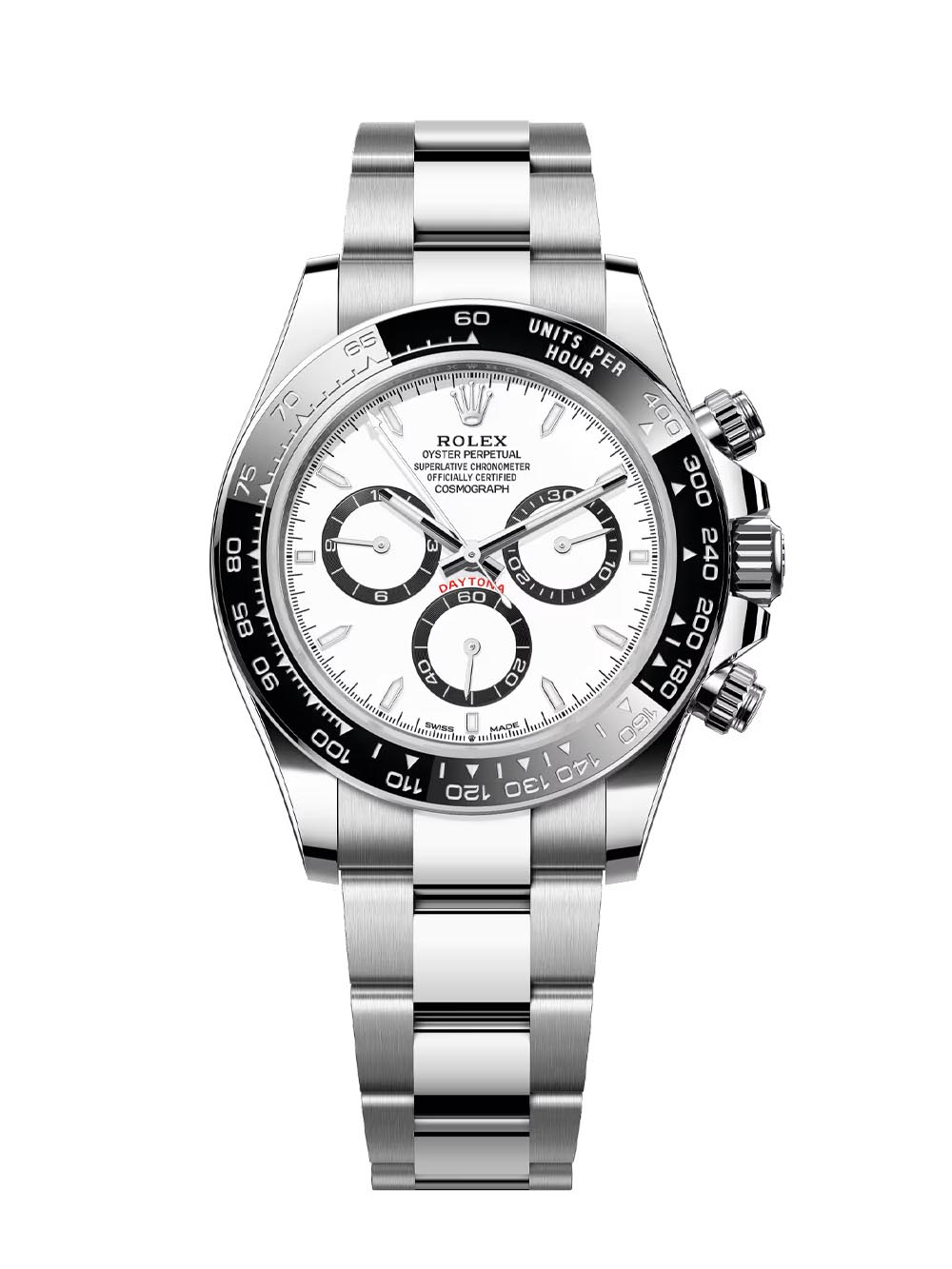
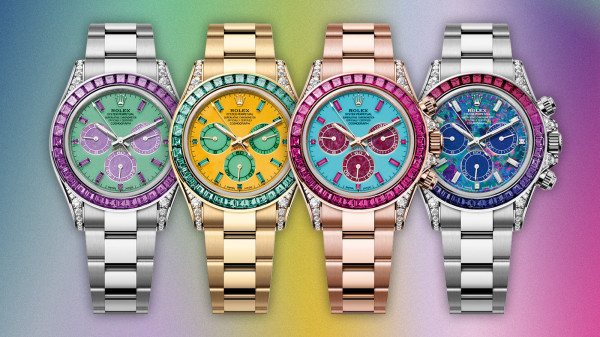
Launched in 1963, the Rolex Cosmograph Daytona was initially a smaller family within the Rolex oeuvre and couldn’t really challenge the dominance of established collections like the Day-Date and Submariner. However, the fortunes of Rolex’s sporty chronograph changed dramatically after it was championed on the wrist of Hollywood legend Paul Newman. The Ref 6239’s reputation as a niche timepiece suddenly blossomed into extreme cult status backed by low production quantities and attractive colourways such as the panda.
Off the back of this groundswell of popularity, the Daytona has been carried into the 21st century as a modern icon among racing chronographs. The modern Ref. 126500LN came from Rolex’s collection reboot in 2023, featuring a black dial, silver ringed subdials and a 40mm Oystersteel case. The movement inside is the calibre 4131 Superlative Chronometer with 72-hour power reserve. For pricing, it’s £14,050 RRP or pre-owned from £22,000.
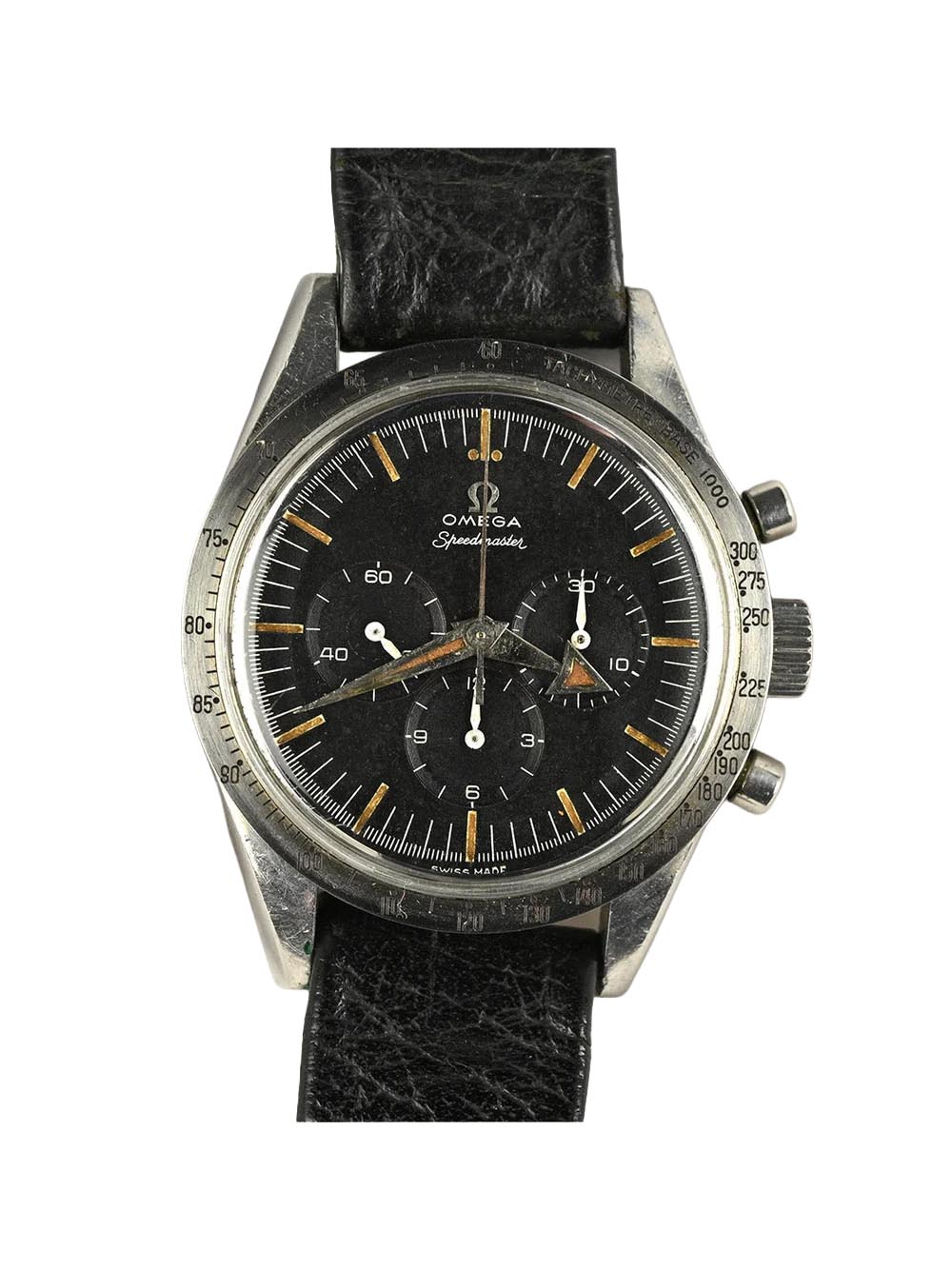
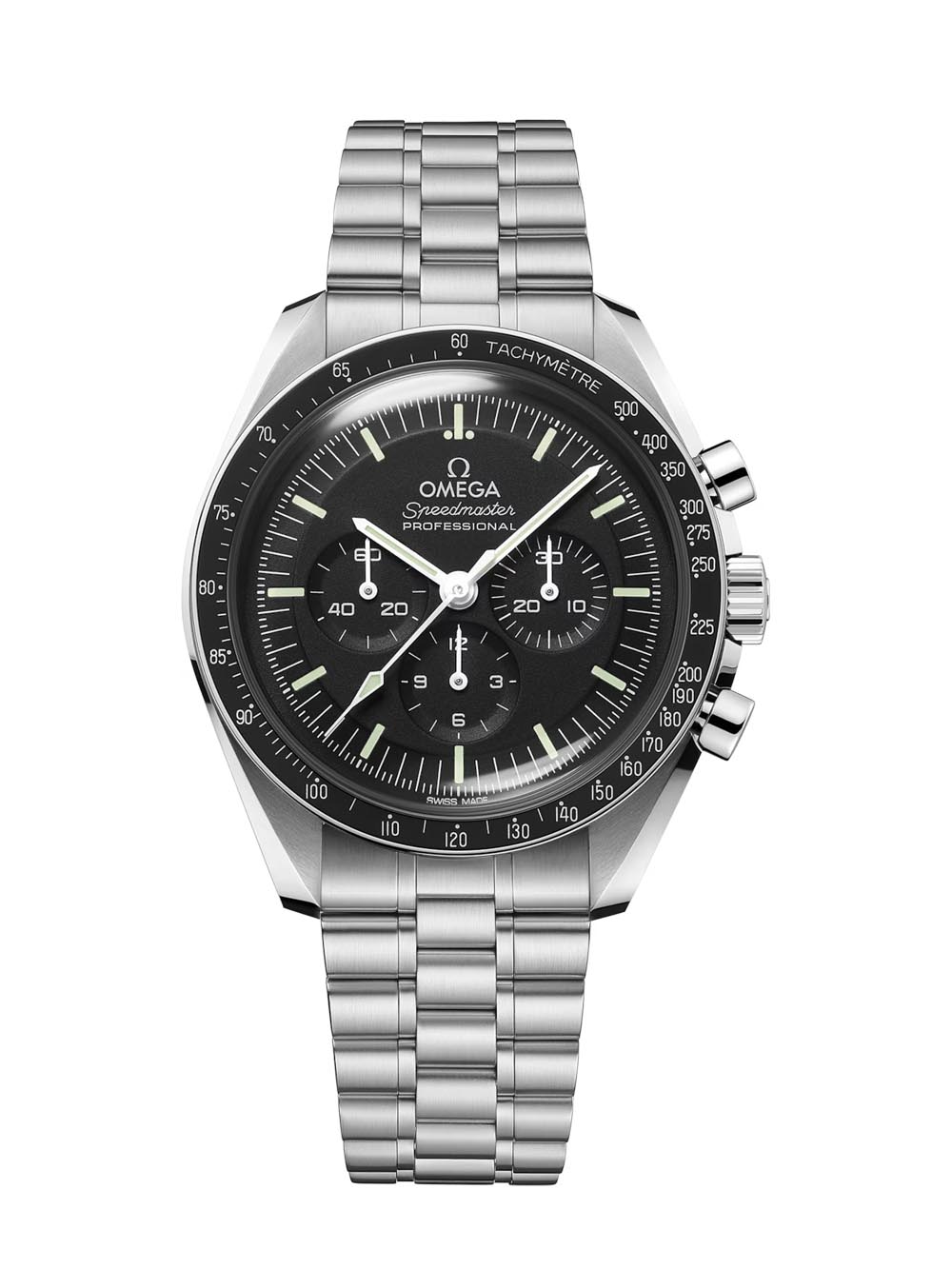
The Omega Speedmaster dates back to 1957 as part of the Professional Trilogy alongside the Seamaster and Railmaster. However, it earned its fame in 1969 when it became the Moonwatch. That spacefaring reference was the 105.012, which achieved its NASA qualification a few years earlier in 1965 for all manned space missions and extravehicular activities – that’s spacewalks to you or me.
Unsurprisingly, Omega have been proudly displaying that heritage on practically every Speedmaster since. The modern Speedmaster Moonwatch is even available in two versions to appeal to collectors who want the latest innovations and those who prefer a vintage slant – the primary difference being the choice of either a sapphire crystal or a hesalite crystal. Regardless of which glass you prefer, it’s a 42mm steel chrono with a manual calibre 3861 for £6,600 – £7,500 depending on the version. Pre-owned you’d be looking at £4,000 – £5,000.
Rolex Vs Omega: Price Performance

If you look at the four example watches above, the story of Rolex and Omega’s comparative price performances is stark to see. Across the examples given, pre-owned Rolexes are more expensive than new ones while pre-owned Omegas are more affordable. The Daytona and Submariner sit at a 78% premium and 7% premium on average. By comparison, Omega’s steel sports watches are generally around -30% across both the Speedmaster and Seamaster lines according to data from watchcharts.uk. It is important to note that the difference between the brands appears exaggerated here because models like the Daytona are the absolute strongest for Rolex.
However, raw price figures don’t tell the whole story. One of the reasons Rolexes are so expensive is that they don’t produce enough watches to meet demand, creating scarcity and waiting lists that result in collectors sourcing watches from secondary markets. Whereas Omega produce enough watches to cover demand, meaning collectors tend to buy direct and the appetite for pre-owned watches is lower. So while Rolex is performing better price-wise, that doesn’t mean it’s a healthier collector environment. Ironically, it’s almost certain that Rolex actually produces more watches than Omega based on sales quantity estimates from the Morgan Stanley Watch Industry Report, but despite making more watches, they still don’t meet demand.
Verdict
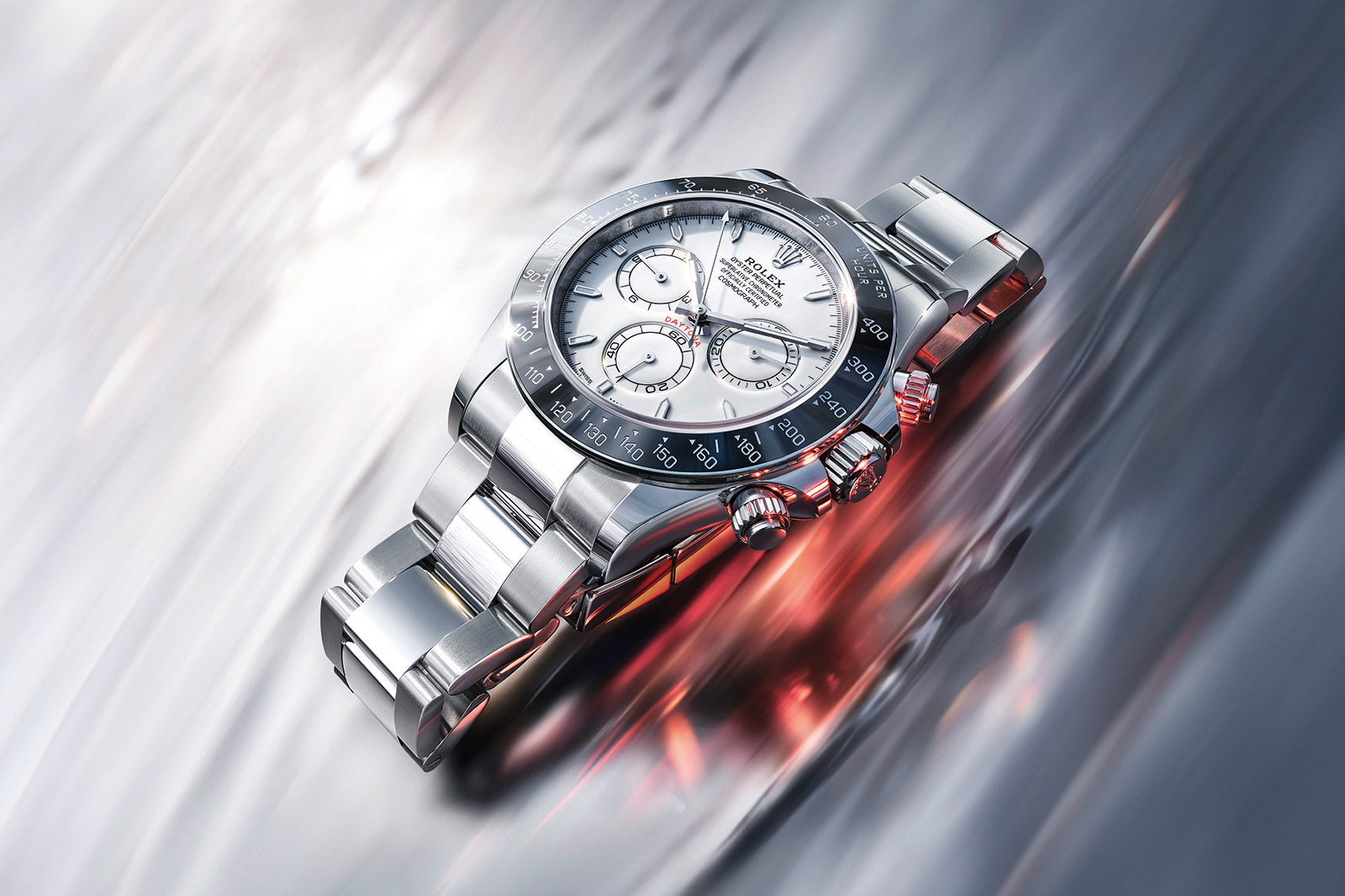
While Rolex is undoubtedly the bigger name between the two (at time of writing Rolex has 17.7M followers on Instagram to Omega’s 4.7M) both maisons have contributed to watchmaking in almost equal measure. Their achievements are comparable and both are influential in terms of providing inspiration to other brands and watchmakers.
The question as to whether you should buy a Rolex or an Omega depends on several factors. If prestige and long term investment are essential to you, then it is probably worth weathering the capricious world of Rolex waiting lists and starting to cultivate a relationship with your local Rolex AD to improve your chances of getting higher up that list. However, if you aren’t concerned with random people on the street recognising your watch (while still having plenty of recognition among watch collecting circles) with better purchase value and availability, Omega is the route to take.
Frequently Asked Questions
Is Omega as good as Rolex?
On movement technology and finishing the two are broadly on a par. Omega’s Master Chronometer calibres are METAS-certified and resist magnetism to 15,000 gauss whereas Rolex uses an in-house Superlative Chronometer certification.
Is Omega cheaper than Rolex?
Generally yes. Comparable steel models from Omega cost roughly 30-40% less than Rolex at retail, and Omega sports watches typically sell below retail on the pre-owned market, whereas Rolex sports models often hold or exceed retail.
Which holds its value better, Rolex or Omega?
Rolex, by a clear margin, driven by constrained supply and waiting lists rather than superior engineering.
Is Omega or Rolex better for a first luxury watch?
It depends on your purchasing goals. Choose Omega for value and same-day availability. Choose Rolex if resale and status are the priority and you can ideally secure one at retail.


It’s worth pointing out that Omega released the Marine in 1932, which was the world’s first commercially available dive watch, and it significantly predates the 1957 Seamaster.