Image credit: Sports Illustrated (1990)
The men responsible for radical change at Rolex are well known, the Heinigers who followed Wilsdorf, both Andre and then his son Patrick, irrevocably changed the firm. As has the current company head J-F Dufour. But, as everyone knows, I am a contrarian and I like to think that the man who did the most to change the firm is an almost forgotten American lawyer turned agent, Mark McCormack.
McCormack initially met R-P Jeanneret in Japan and suggested that he could help the firm – Jeanneret thought it a good idea and suggested a trial period.

At first, McCormack misjudged Rolex. He assumed the company could profit by licensing its prestigious name to other manufacturers, such as camera makers, and was surprised to learn that Rolex strongly opposed this idea, believing dilution of its brand would undermine its core value. Realizing his proposal was a non-starter, McCormack quickly pivoted to suggesting Rolex sponsor major golf tournaments, a move that resonated far better. An initial sponsorship deal was soon struck for a prominent golf event in Tokyo. This strategy made sense, given the popularity of golf in Japan and the fact that a failure there would reflect less on Rolex in Geneva, as Rolex Japan was still independently run.
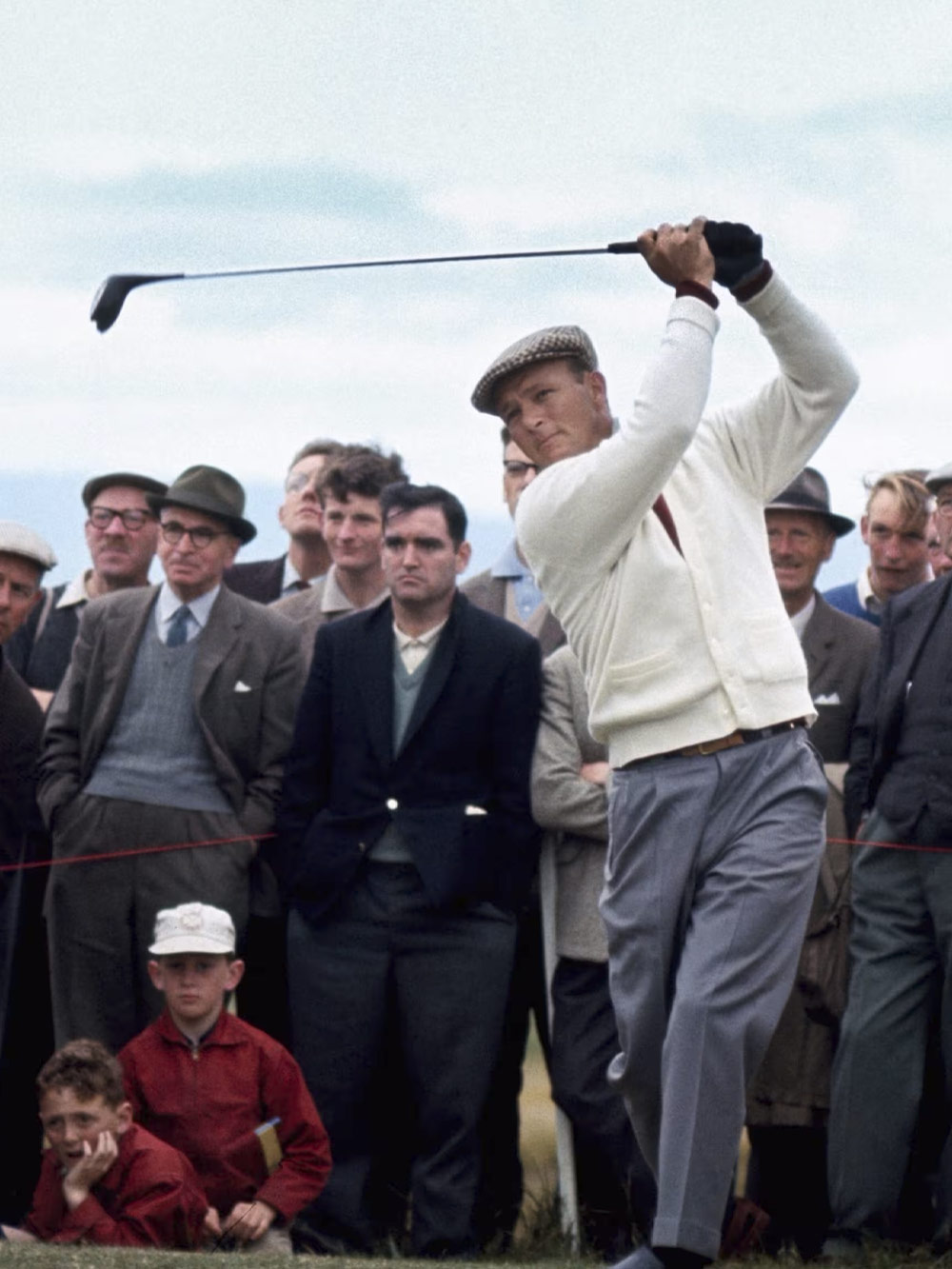
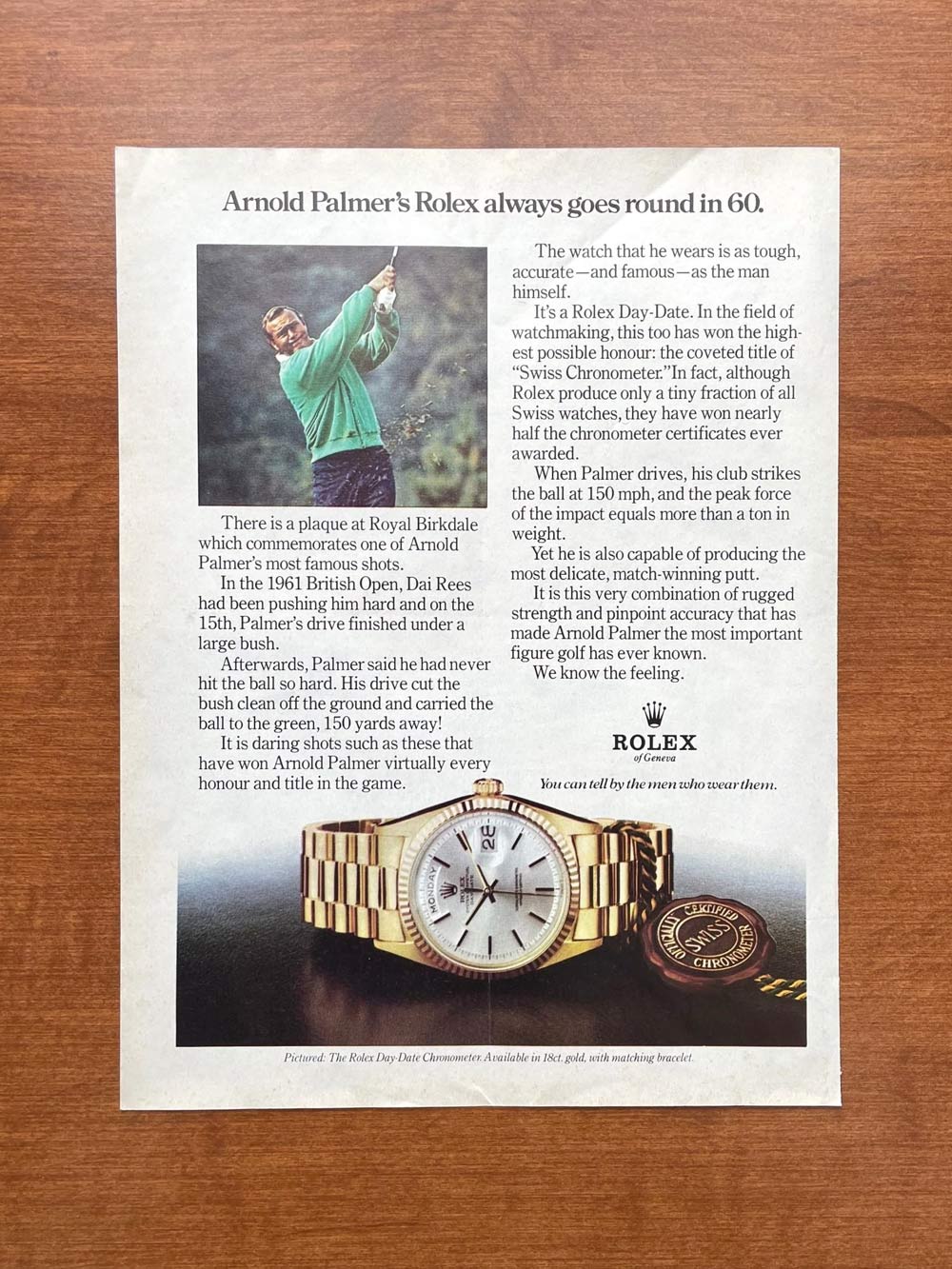
Arnold Palmer playing golf, Rolex Day Date Ref. 1803 Arnold Palmer Advert (image credit: Ad Patina)
By the end of 1971, Andre Heiniger took direct control of negotiations with McCormack. In March 1972, McCormack proposed that Rolex consider working with famous athletes like Arnold Palmer (McCormack’s first sports client) and Tony Jacklin and suggested alpine skier Jean-Claude Killy as a potential ambassador. Agreements were reached, and figures like Palmer and Killy became the official faces of Rolex.
This marked a significant shift in Rolex’s long-term marketing strategy, transforming its image from that of just another watchmaker to an aspirational brand linked with excellence and elite personalities. Through McCormack’s network, Rolex ads soon began featuring not only sports figures but also renowned classical musicians like Dame Kiri Te Kanawa and Placido Domingo.
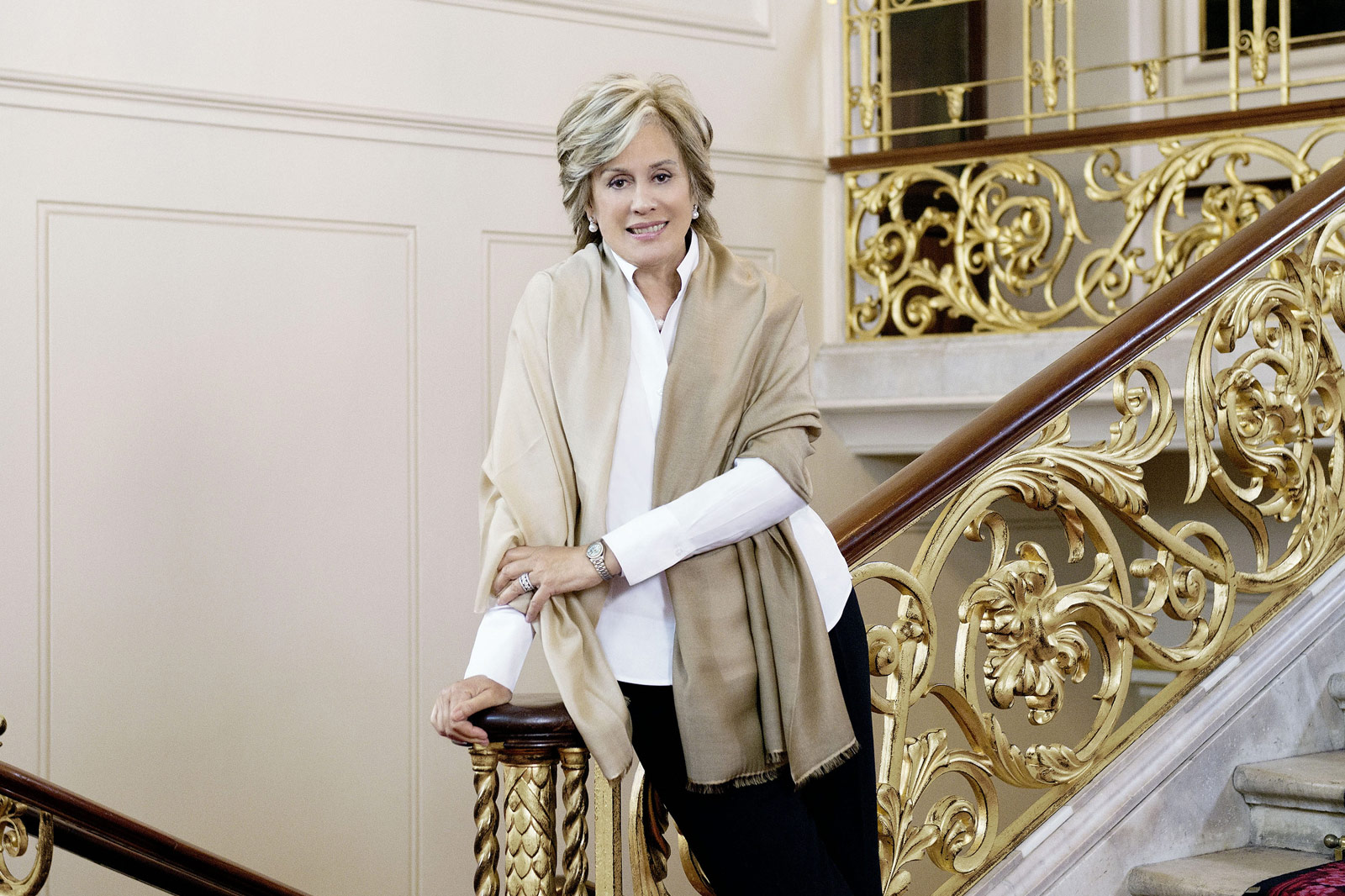
Dame Kiri Te Kanawa
Perhaps McCormack’s most notable success was connecting Rolex with The All England Lawn Tennis and Croquet Club – better known as Wimbledon. Their first step was subtle: a Rolex-branded clock on the scoreboard. Over time, Rolex’s involvement with Wimbledon deepened, cementing the brand’s association with the world’s most distinguished sporting events.
Rolex also evolved its advertising. The long-running “Men who guide the destinies of the world” campaign kept featuring symbolic settings, like racing yachts or aircraft cockpits, implying that no matter the challenge, “If you were here…,” a Rolex would be on your wrist, ready to meet it.
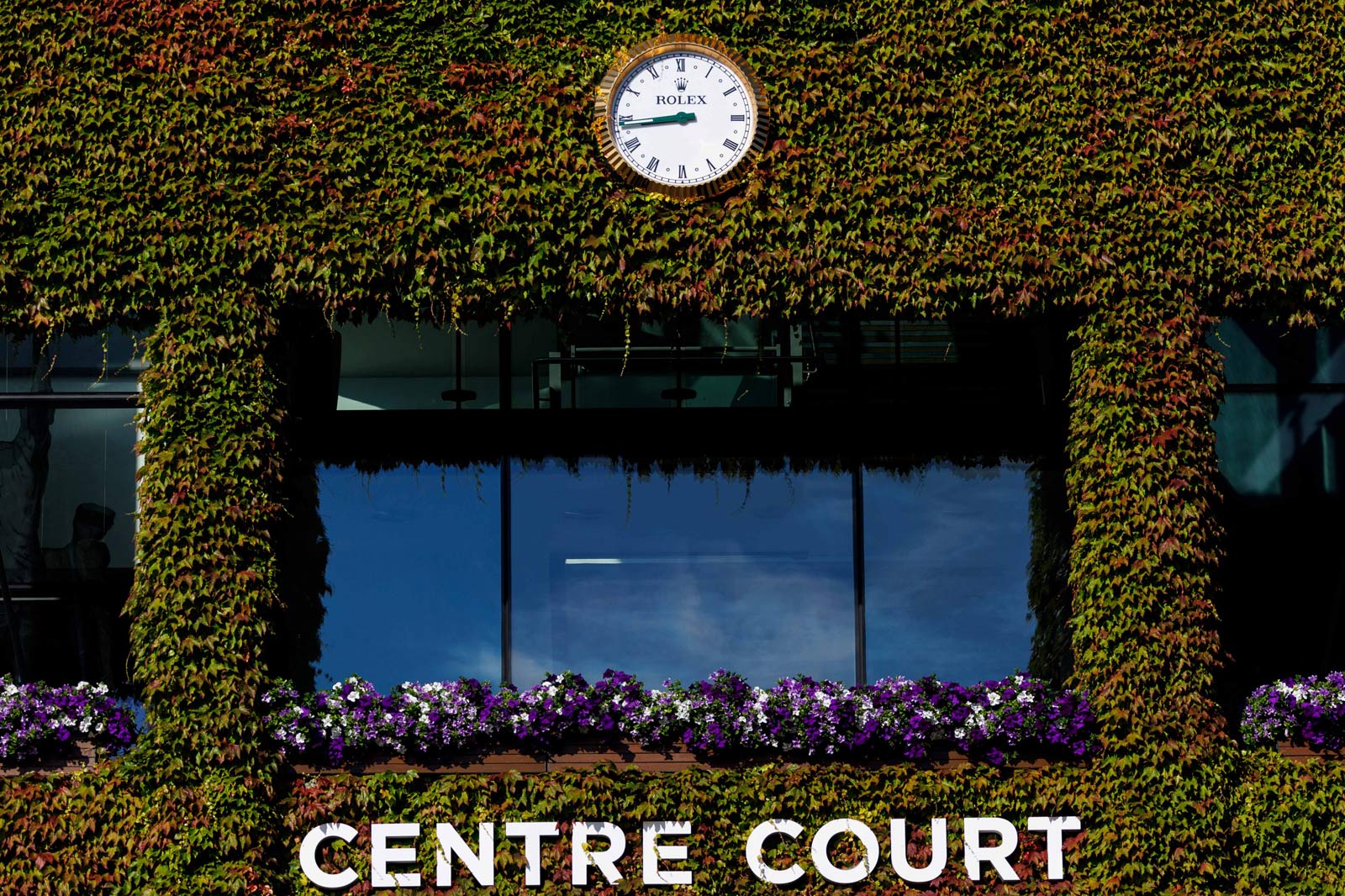
Rolex sponsoring Wimbledon
All this took place as the rest of the Swiss watch industry was collapsing during the so-called ‘quartz crisis’ of the 1970s. Contrary to the usual narrative blaming Japanese quartz watches, the real trigger was the monetary upheaval caused by President Nixon’s 1971 abandonment of the gold standard. The Swiss Franc appreciated by 40%, gold prices soared, and the cost of Swiss watches in the US skyrocketed, hurting sales catastrophically.
Yet Rolex weathered the storm. As Mark McCormack later recounted, when someone once asked Heiniger, “How’s the watch business?” Heiniger replied, “I have no idea. Rolex is not in the watch business. We are in the luxury business.” This attitude and the marketing vision it inspired carried Rolex through turbulent times, securing its transformation from respected Swiss watch brand to aspirational icon.