The Longines Hydroconquest GMT has a lug-to-lug measurement of 49.4mm
When it comes to choosing the perfect watch, most people (especially people starting out on their collecting journey) obsess over one number: the case diameter. Is it 36mm? 39mm? 42mm? It’s the first figure most brands list, and for years, it’s been treated as the deciding factor in whether a watch will fit. But let’s be clear, diameter only tells part of the story. If you really want to know how a watch will wear, there’s one measurement that matters far more: lug-to-lug.
Lug-to-lug refers to the total vertical length of a watch, from the tip of the top lug to the tip of the bottom one. It’s how far the watch stretches across your wrist, not around it. A watch may be 40mm wide, but if the lug-to-lug is 50mm, it’s going to wear big. Meanwhile, a 42mm diver with short, curved lugs can feel surprisingly compact.
This hidden spec often explains the difference between “this feels perfect” and “why does this thing hang off my arm like a dinner plate?”

The Dennison ALD Dual Time has a lug-to-lug measurement of 37mm
There are several reasons why lug-to-lug matters more than you think. For one, wrist real estate is limited. Unless you’re blessed with Popeye forearms, the flat part of your wrist only goes so far and watches that exceed that width tend to overhang, twist, or just look awkward. There’s also visual balance. A 36mm case with long lugs can look larger than a stubby 40mm with short ones. The overall footprint, not the width, determines visual presence. On top of that, it’s generally true that comfort comes from fit. A good watch hugs the wrist. It doesn’t wobble or dig in when you move and lug-to-lug plays a huge role in achieving that comfort.
The lug-to-lug of a watch can also give an indication as to its intended design purpose and establish its archetype. Dress or tool? It’s in the lugs. Tool watches often have shorter, downward-sloping lugs for a snug, practical fit, while dress watches favour longer, elegant lugs for a refined silhouette. Lug shape isn’t just a detail; it defines how a watch feels and looks and there are several types you should be on the lookout for.

The Panerai Radiomir Otto Giorni has a lug-to-lug measurement of 48mm
Straight or tapered lugs keep things formal, while contoured lugs curve naturally with the wrist for comfort. Wire lugs, thin loops soldered to the case (like on the Panerai Radiomir), nod to early military watches, minimalist and lean. Hooded lugs hide beneath the case edge, making the strap look like it flows straight out of the body. Integrated lugs go further, blending into the bracelet, sleek, but not strap-swap friendly. Bombe or lyre lugs, those crab-claw curves seen on vintage Speedmasters and Seamasters, soften the profile and guide the eye to the bracelet. Even the smallest tweaks to lug shape can transform a watch from utilitarian to sculptural.
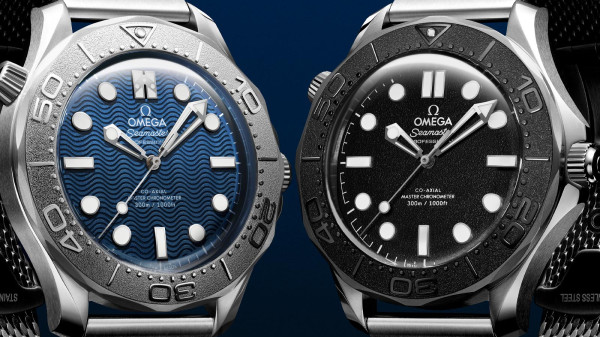
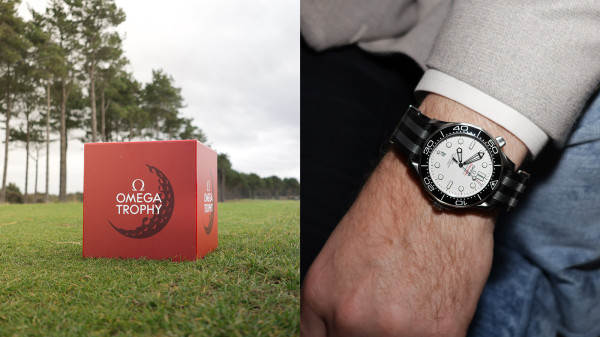
Consider the Seiko SBSA315 – at 42.5mm wide but just 46mm lug-to-lug, it wears much smaller than you’d expect. The Omega Aqua Terra, with a 38mm case and 44.2mm lug-to-lug, hits that sweet spot of under 47mm for most wrists. In contrast, the Oris Big Crown ProPilot (41mm diameter, 49mm lug-to-lug) feels larger than the numbers suggest, while the Longines HydroConquest (43mm, 53.5mm lug-to-lug) is definitely one for broader wrists.

The Jaeger-LeCoultre Reverso Tribute Small Seconds has a lug-to-lug measurement of 45.6mm
Non-round watches exaggerate this even more – the Jaeger-LeCoultre Reverso Tribute, for instance, may be only 27.4mm wide, but its 49.4mm lug span gives it far more wrist presence than the specs imply.
There’s no universal rule for wrist sizing because all humans are unique, but here’s a rough guide:
Under 6.5″ wrist: stay below 47mm lug-to-lug.
6.5″–7″ wrist: 46–50mm feels balanced.
7″+ wrist: 50mm and beyond, especially with curved lugs.
Ultimately, there’s no such thing as “too big” or “too small”, only too long.

The Omega Seamaster Aqua Terra has a lug-to-lug measurement of 47.91mm
Here’s the catch: not every brand lists lug-to-lug measurements. Some, like Grand Seiko, NOMOS, Omega and Christopher Ward, proudly include them. Others? Not so much. Which is a shame, because it’s often the number that decides whether a watch fits perfectly, or not at all. Case diameter may grab the headlines, but lug-to-lug is the quiet hero. It determines comfort, balance, and the elusive “just right” feeling.
So next time you’re comparing specs, do yourself a favour: look beyond the diameter. Find that lug-to-lug number. Because that’s the one that decides whether your next watch sits perfectly, or perches awkwardly, on your wrist.