Twenty years ago, casemaker Jean-Pierre Hagmann was in a motorcycle accident and injured his eye. While he was at the hospital, the heads of the most important watch brands in Switzerland stopped by and told his doctors in no uncertain terms that his eye had to be saved; all expenses would be covered. That’s how important he was to the Swiss watch industry.
To call Hagmann a legend is an understatement bordering on insult. When he died last year, the outpouring of messages, eulogies and obituaries capped the 84-year-old’s career as arguably the most sought-after casemaker in history.
Casemaking as a craft often plays second fiddle to movements, or even dials, and yet it’s the cohesive element that brings it all together. These days nearly all cases are mass-produced or at the very least, rely heavily on CNC machines; Hagmann was one of the last true artisans in his field.
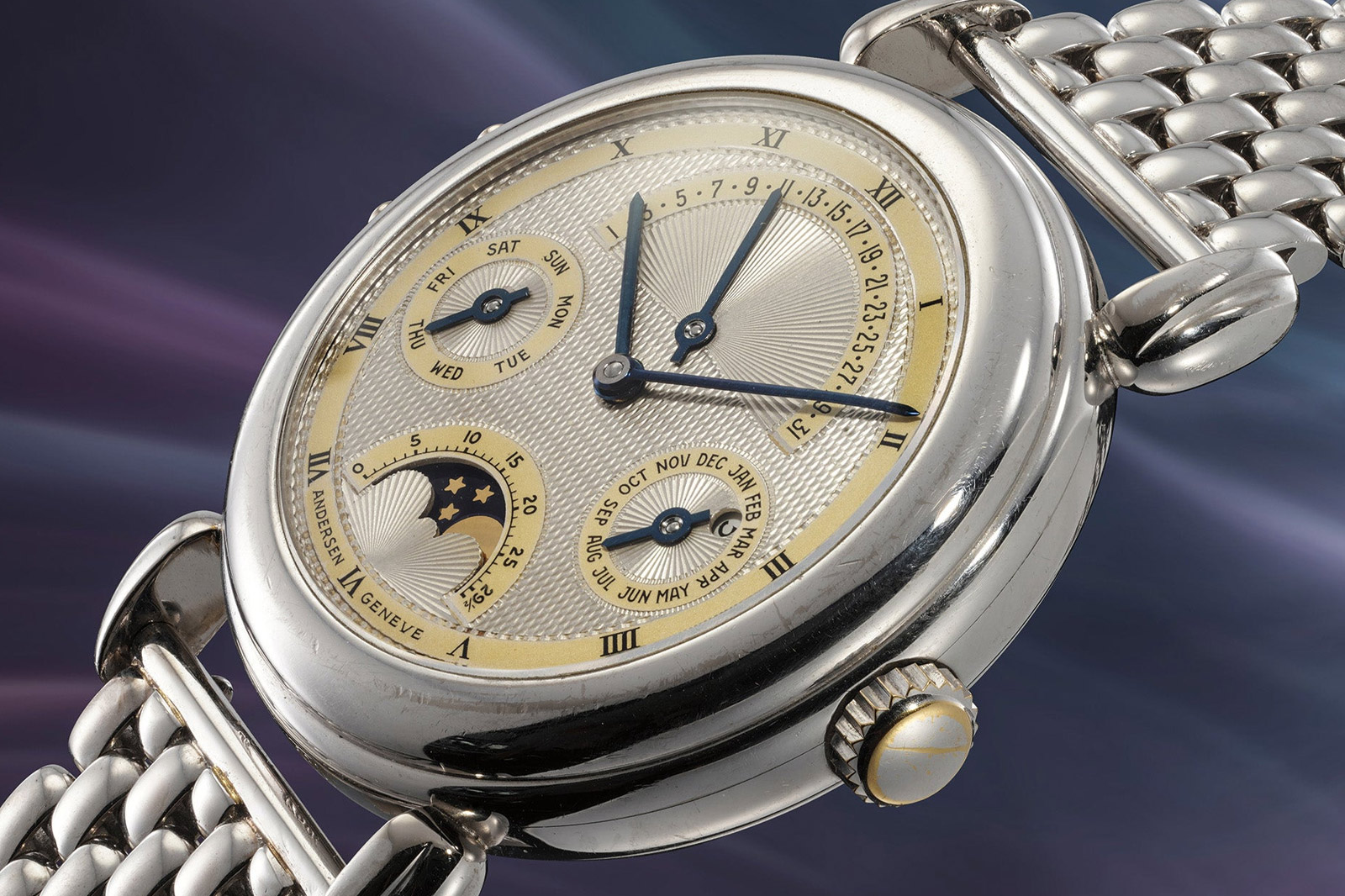
Hagmann began his casemaking career in 1968, after short yet informative periods at jeweller Ponti Gennari, legendary bracelet-maker Gay Frères, and restoring vintage motorbikes. But casemaking was to be his calling. He learned the craft at Gustave Brera but refined it at Jean-Pierre Ecoffey, where he not only built cases, but changed how the company made them, managing the entire case department for 12 years.
After a brief stint making dials with Stern Création – brief as he was fired from the job – he decided to start his own company, and in 1984 opened his workshop in Geneva. His first client was the pioneering Svend Andersen of Andersen Geneve and almost as impressive as his first client was what he was working on: minute repeaters.
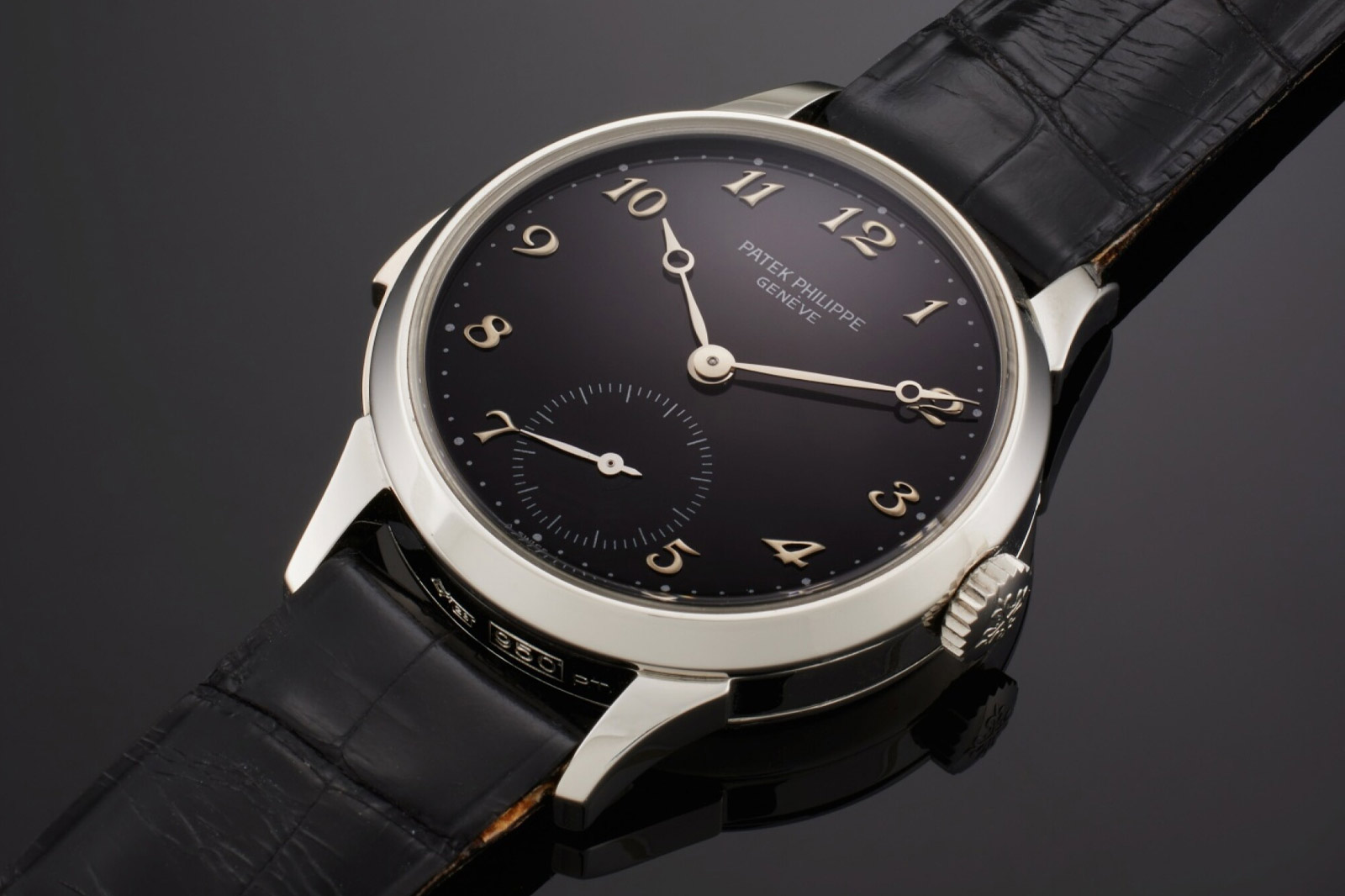
The understated hero of the minute repeater is the case. Different metals and different shapes have distinct acoustic qualities. A chime might sound crisp and clear outside the case, but cover it on all sides with dense platinum walls and you lose any semblance of clarity. Fortunately, Hagmann had a winning formula.
Smaller, lighter cases are vital for maximising the volume and gold – particularly rose gold – was much better than platinum. The case should be no thicker than 0.5mm either side of the movement and the crystal should be domed. It sounds like a relatively straightforward recipe to follow, but that’s simply because it’s missing a key ingredient: Hagmann himself.
Not only did Hagmann figure out the best way to amplify the sound of a repeater, but he invented the recessed track on the side of the watch for the repeater slide, something that’s since become the norm. He wasn’t just a perfectionist but an innovator – and his cases were the gold standard for minute repeater watches. So in demand was the JPH hallmark that Hagmann produced 1,500 repeater cases across his career, a third of which went straight to Patek Philippe for pieces like the Ref. 3974, 3979, and 5029.
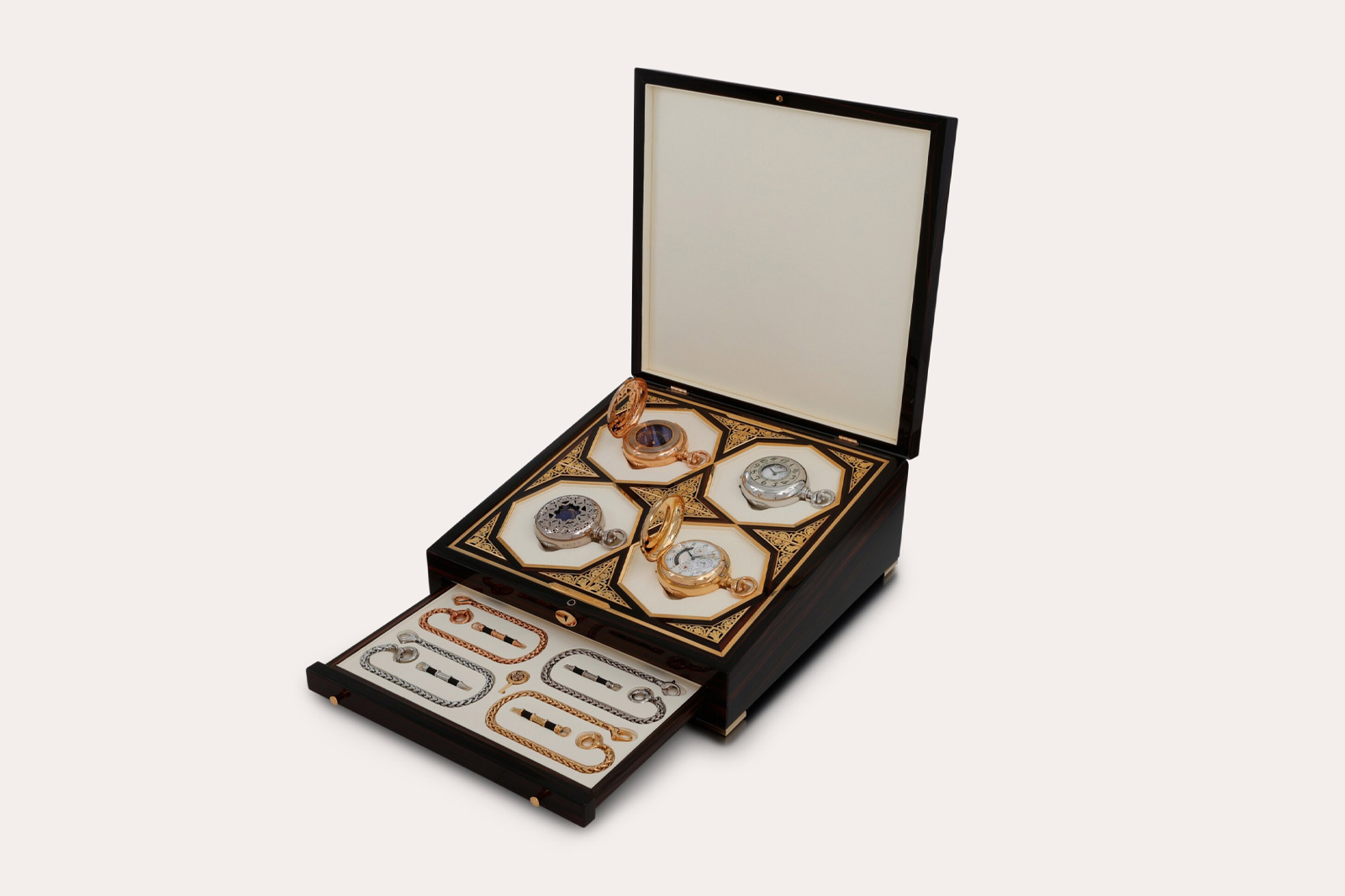

When Patek Philippe were designing a watch to celebrate the new millennium, it perhaps wasn’t a surprise that they turned to Hagmann. This was the Patek Philippe Star Caliber 2000, a pocket watch with 21 complications and a Westminster chime. Not only was Hagmann required to show off the sound and functions to their full, but the Star Caliber 2000 was presented in four different metals: rose, white and yellow gold and platinum.
To make it readable, the Star Caliber 2000 case needed to open on both sides, which necessitated a bit of invention. Hagmann created a patented system that allowed the owner to rotate the pocket watch’s pendant to unlock the sprung covers individually. Simply twist the pendant and the side with the Calatrava cross will unlock.
The prototype of the Star Caliber 2000 still lives in the Patek Philippe museum and more recently the full set of four different precious metals sold at Sotheby’s for $11.9 million – and Hagmann’s work as much as the watchmakers at Patek Philippe defined the watch.
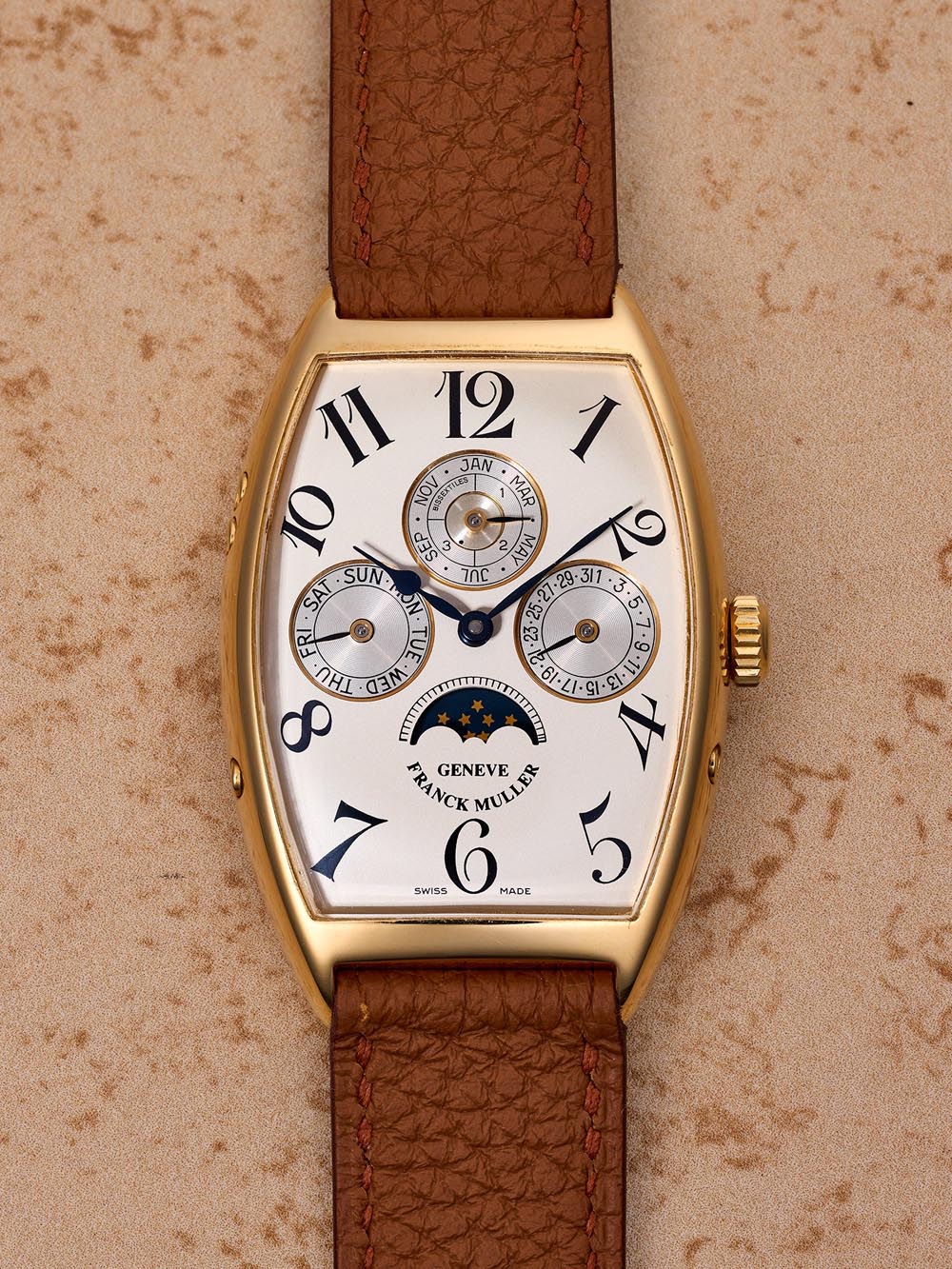
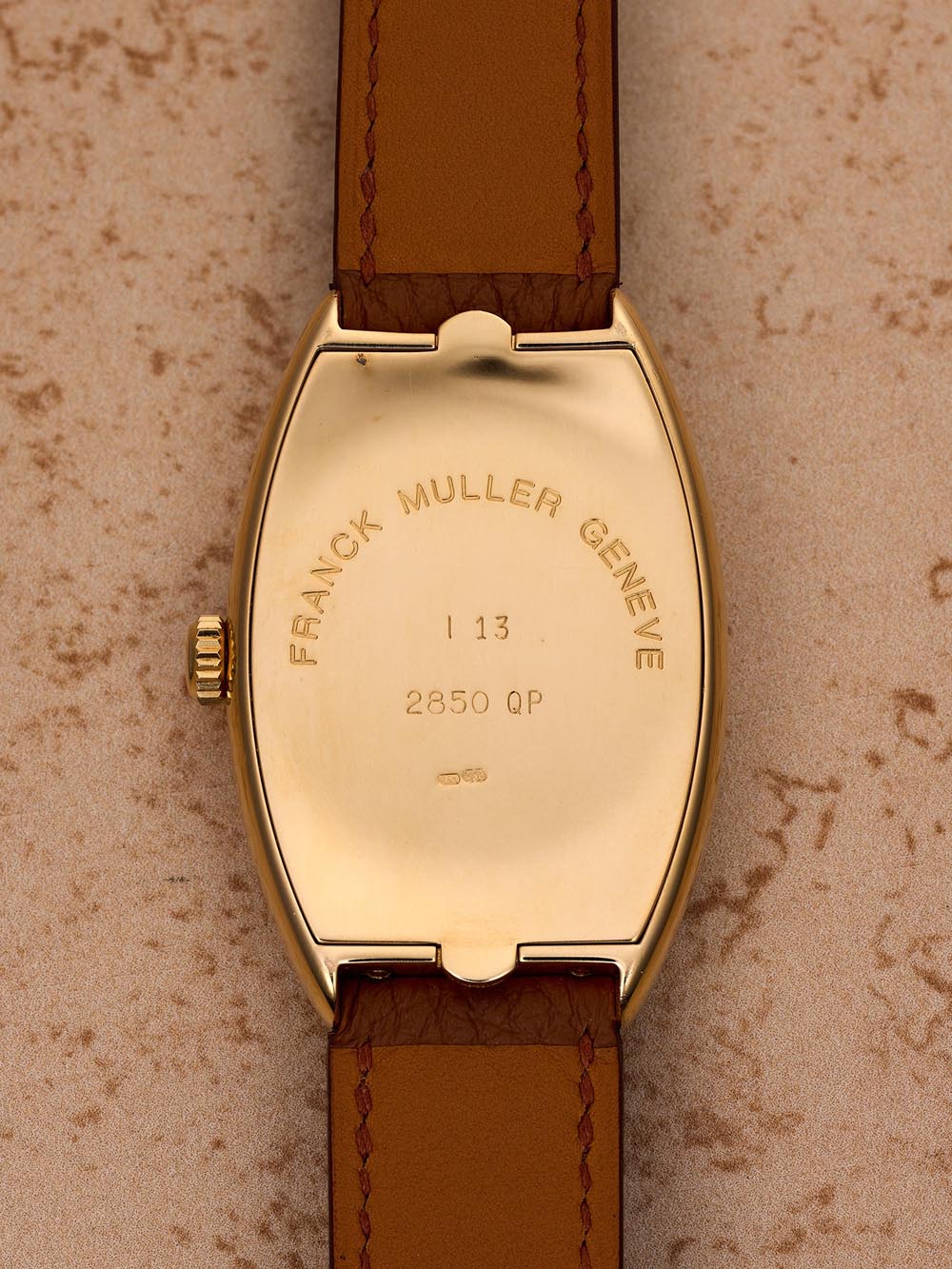
Hagmann didn’t just produce cases for Patek Philippe of course. Before he retired in 2017 at the age of 75, you could find his hallmark on some of the most collectible watches ever built. He worked with established brands and independent watchmakers – including Franck Muller’s Cintrée Curvex. But his legacy is better exemplified in one of the most important modern independent watchmakers: AkriviA.
Rexhep Rexhepi is one of the most important names in high-end independent watchmaking and Hagmann saw something special in what he was doing with AkriviA. In 2019, just two years after announcing his retirement to the world, he went in-house at the Geneva-based watchmaker. He joined not only to make beautiful cases but – in a bit of morbid practicality – to ensure that he passed on his skills. As he put it, it was to be his “last great fireworks.”
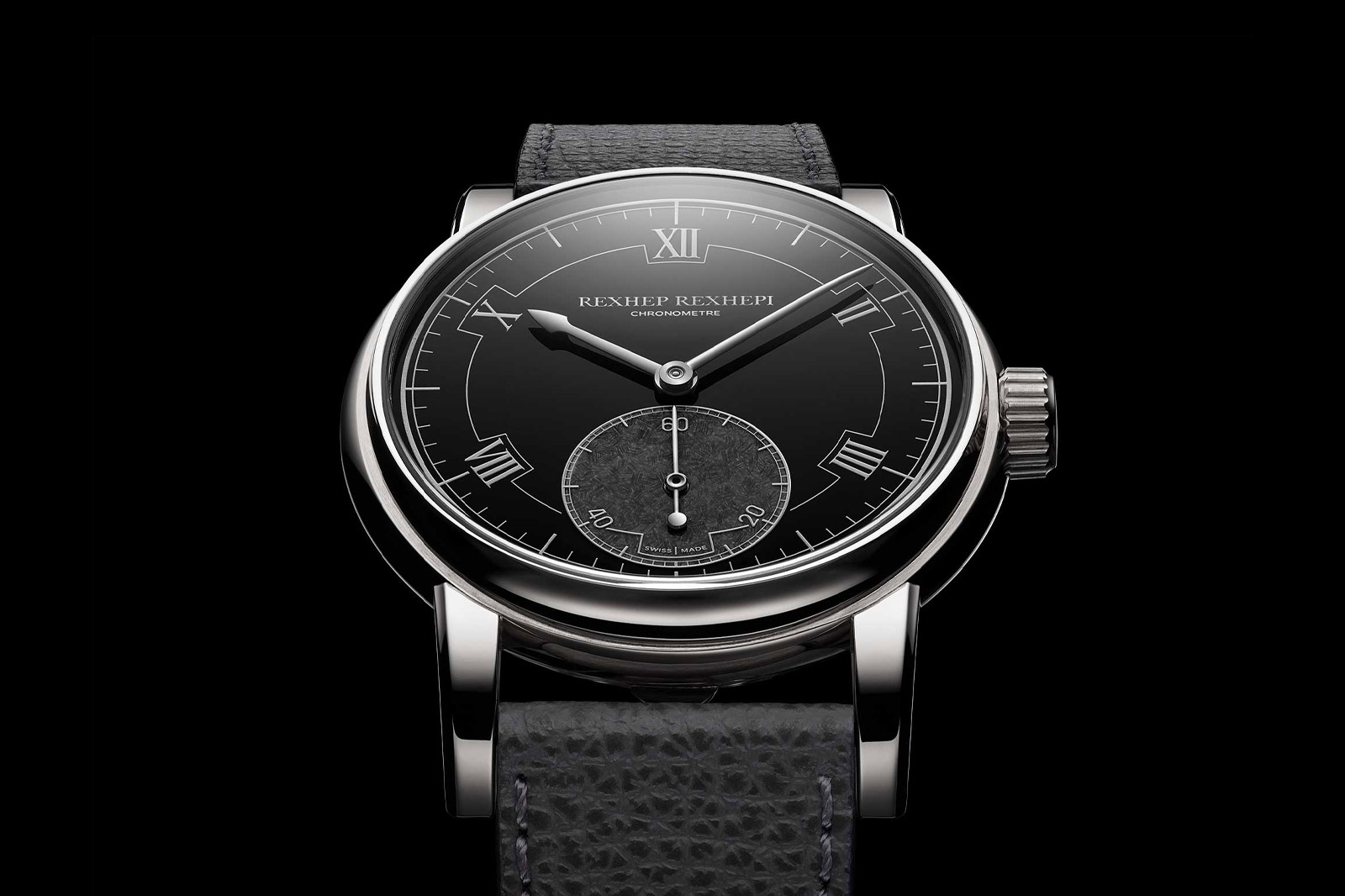
Just one of those final displays was the award-winning Chronomètre Contemporain, a watch that came to define Rexhep Rexhepi’s blend of classical watchmaking sensibilities with an idiosyncratic modernity. Now it’s a watch that anchors major auctions.
Throughout his career, Jean-Pierre Hagmann worked on cases ranging from accessible pieces from mainstream brands all the way up to rare Patek Philippes. You can find signed quartz pieces for around CHF 2,000 at auction. No matter which end of the horological spectrum he worked on however, his cases commanded respect.
It’s that respect that saw multiple horological CEOs heading to his bedside – and a respect for true, hand-made casemaking that we may never see again.