Watchmaking is a serious business, it’s a precision industry that requires engineering on a miniscule scale and involves the use of rare and exotic materials. It’s a world of tradition and heritage. However, there is one tradition that has mostly been forgotten about that the founders of microbrand Lundis Bleus, Johan and Bastien, are trying to revive. Best of all, it’s a tradition that involves alcohol.
Before the Industrial Revolution and the standardisation of working hours and factory conditions, many watchmakers were in control of their own time. And just like any of us, they hated Mondays so would often choose not to go into work and instead spend the day drinking and embracing their artistic freedom. A habit that came to be known as ‘Blue Mondays’ or in French, ‘Lundis Bleus’ – hence the name of the modern brand.
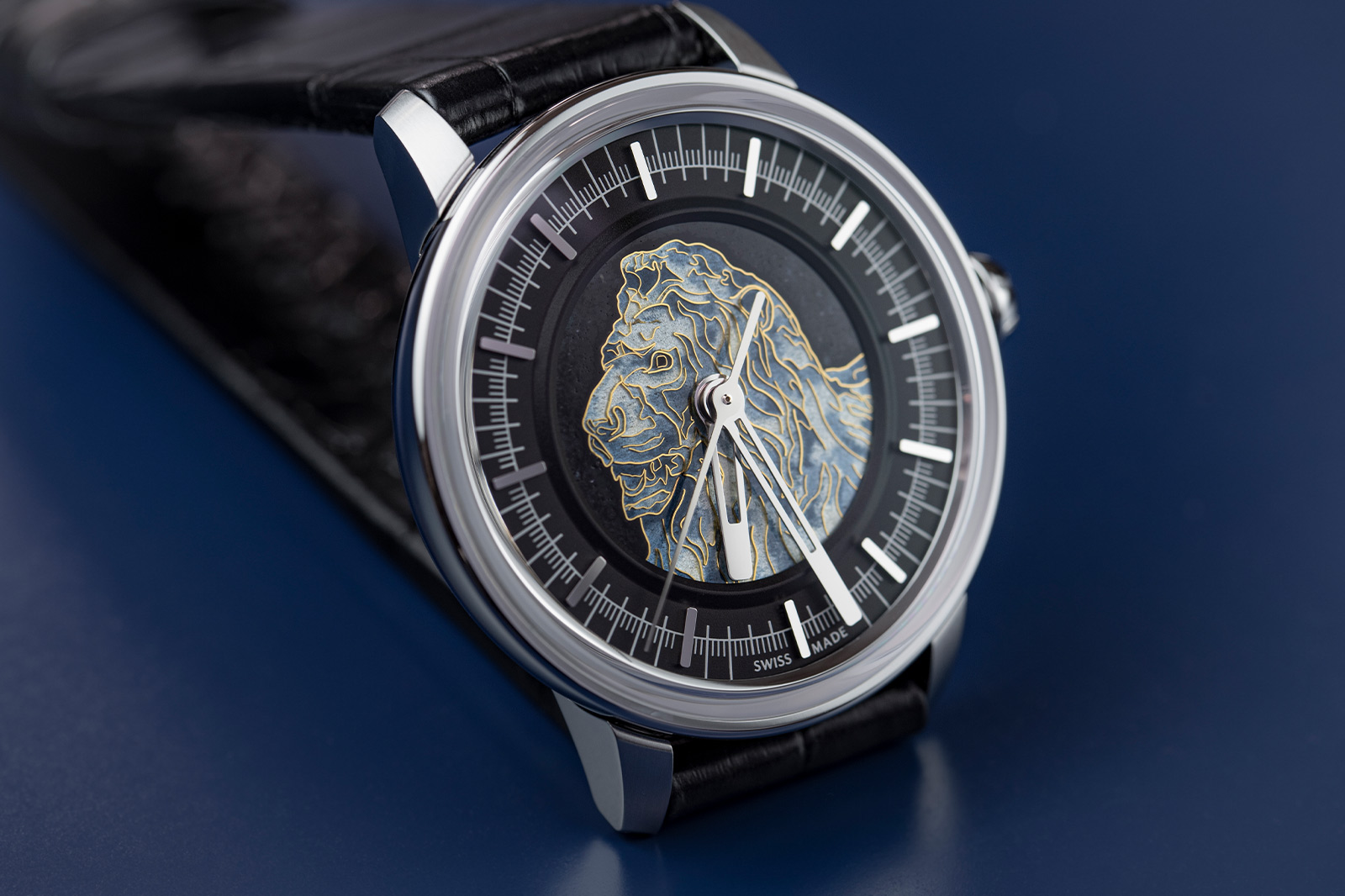
Lundis Bleus Ref. 1120-MA “Ginza Mitsukoshi Lion”
While it might be fun to imagine a group of drunk artisans discussing the latest complications, that isn’t the case at Lundis Bleus, who are more interested in the creative freedom and expression that went hand in hand with the shorter working week. The only place for alcohol within their watchmaking is their logo, which is a stylised alcohol molecule.
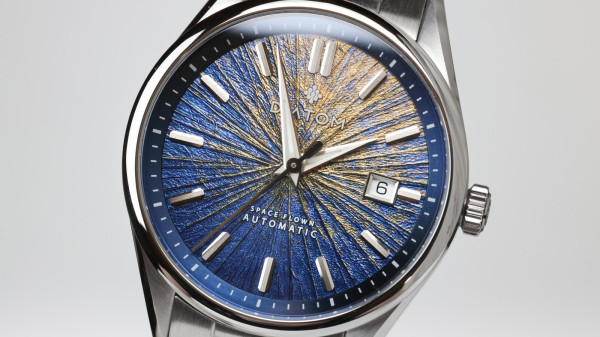
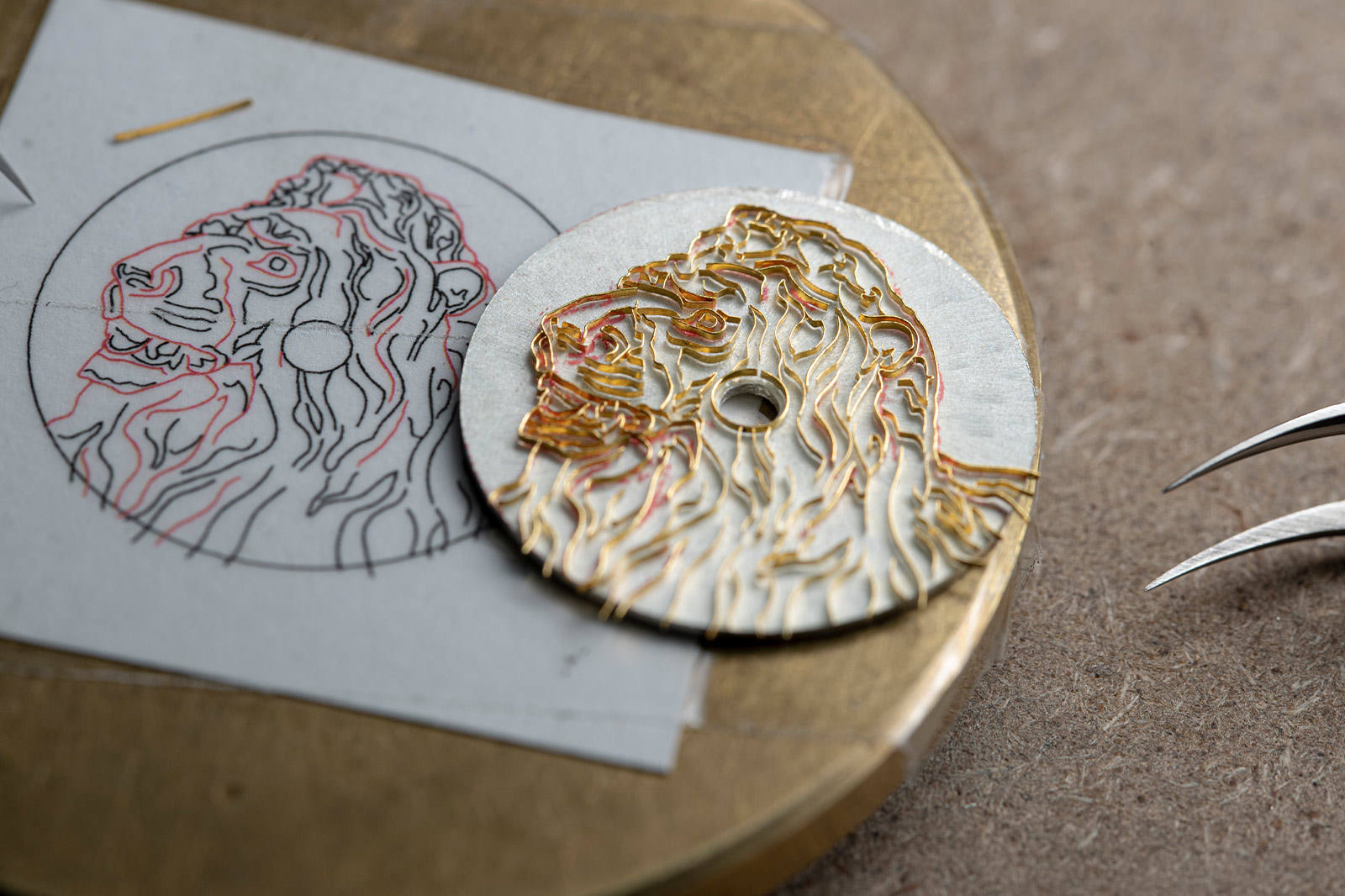
That freedom is expressed by the brand in the huge character and variety of dials that are available on their timepieces. They use semi-precious stones, mother-of-pearl and all sorts of exotic materials, but lording above them all has to be their signature Grand Feu enamel dials, one of the trickiest dials to make, which they remarkably produced in-house.

Lundis Bleus Ref. 1120-EM “Random Abstract Mosaic”
So much of the brand’s time goes into creating each dial that they have a production limitation of 150 timepieces every year, making even their simplest watches in the Essentielles collection extremely exclusive and rare. The Essentielles range consists of fairly traditional silver, rose gold and black dialled watches that are nice but don’t really capture the essence of what Lundis Bleus is about.
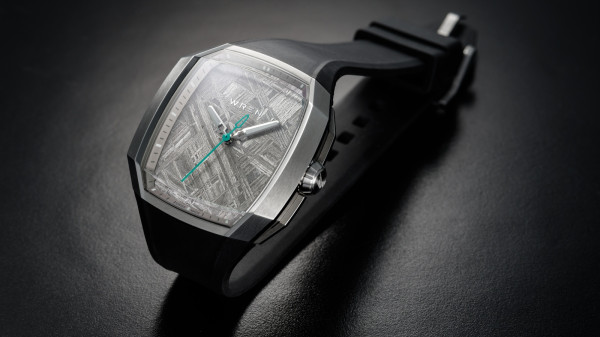
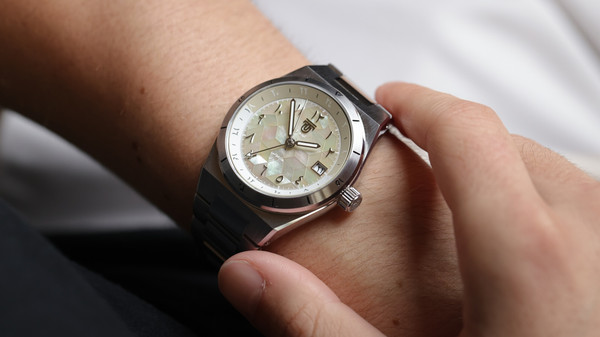
Their more exciting collections are the Contemporaines, Métiers d’Art and at the very top end, the Unique Pieces. Contemporaines is where you’ll find the majority of the semi-precious and exotic materials such as mother-of-pearl, meteorite and polished stone like Nephrite Jade, as well as some simple Grand Feu dials in bold, block colours.
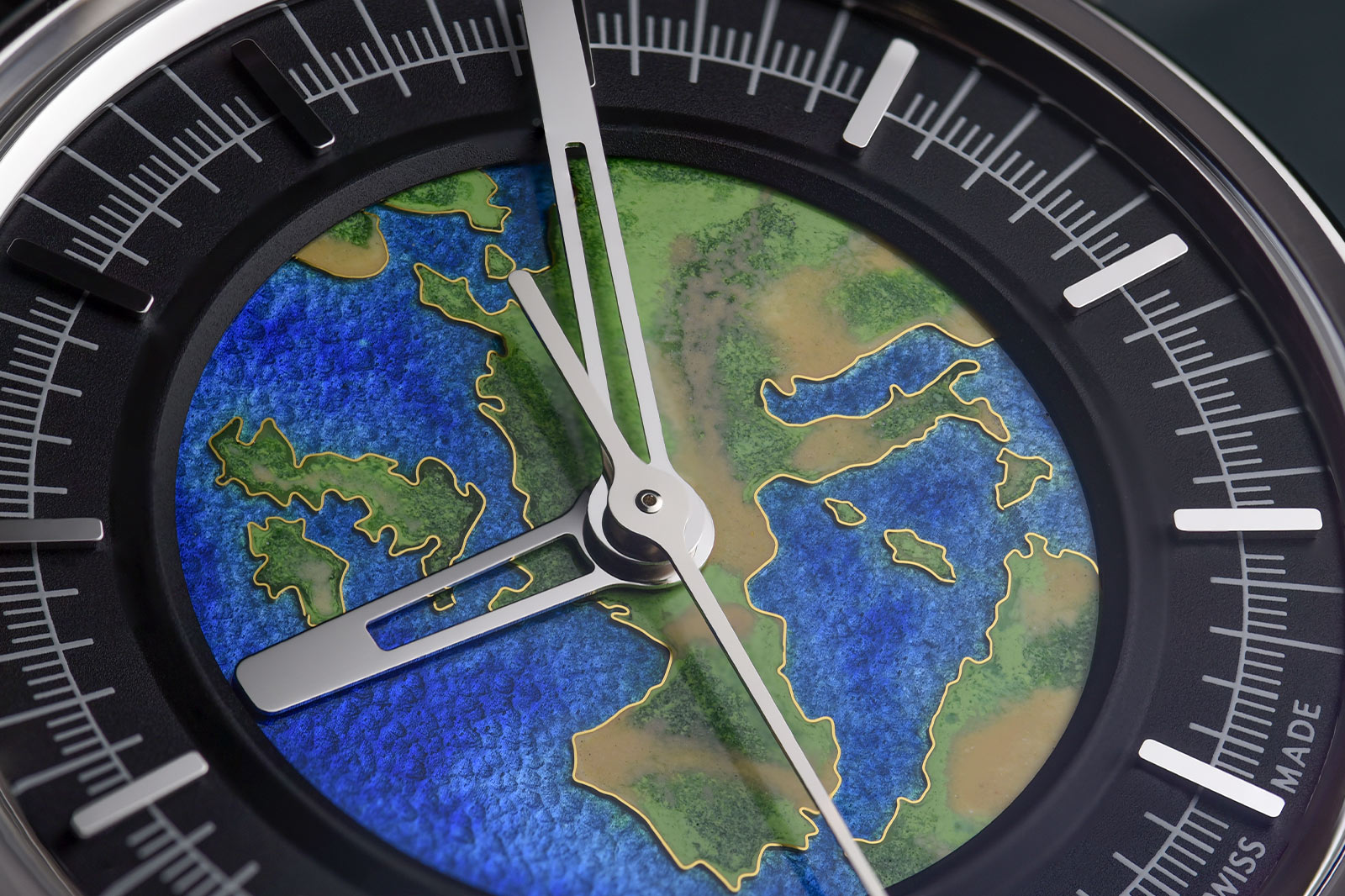
Lundis Bleus Ref. 1120-MA “Europe – Black”
Where there’s a real step up is when you progress to the Métiers d’Art collection that introduces intricate patterns to the Grand Feu enamel and more defined hour markers and minute tracks that give a sense of a more holistic timepiece. As part of their ‘map’ series, for want of a better term, they will render any map of the world you request in cloisonné Grand Feu enamel, a special technique that uses pure gold wire to shape individual portions of enamel – their examples are a map of the Mediterranean Sea or the Sea of Japan.
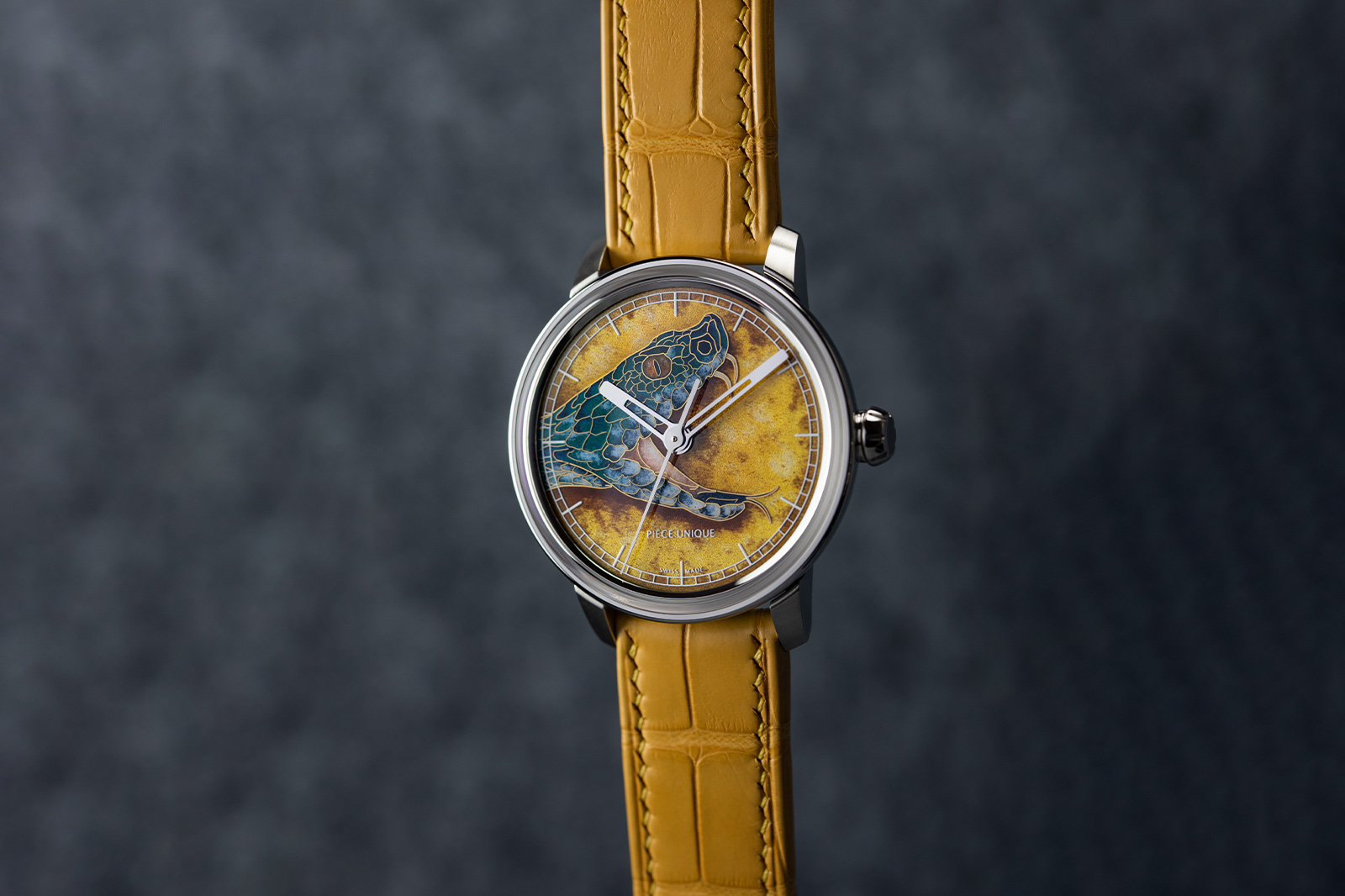
Lundis Bleus Ref. 1120-UP “Vipera Aspis Blue Green”
Then there are the Unique Pieces that are quite literally one of a kind. These timepieces, such as last year’s Ref.1120-UP Vipera Aspis Blue Green can take up to an entire month to produce due to the difficulty of producing them and the delicacy required. As custom pieces, their price tags are understandably higher, the Ref. 1120-UP Fushimi Inari Taisha is currently on their online store for CHF 12,924.00 (approx. £10,175).
More details at Lundis Bleus.