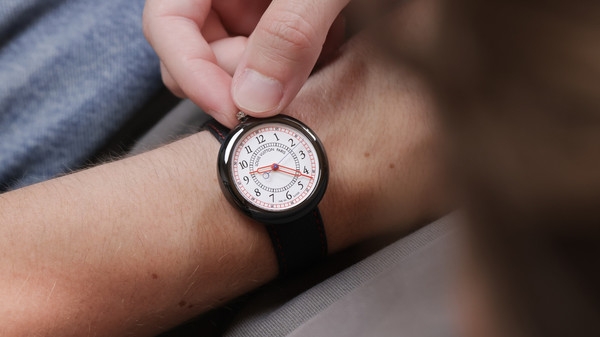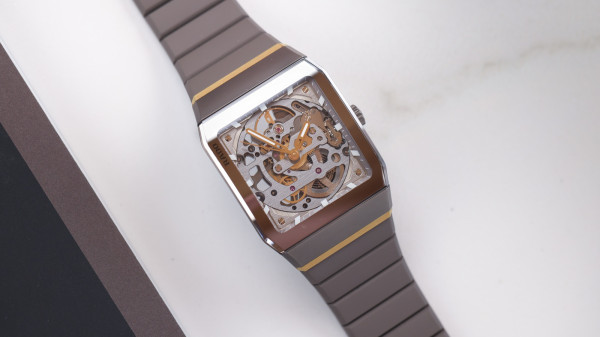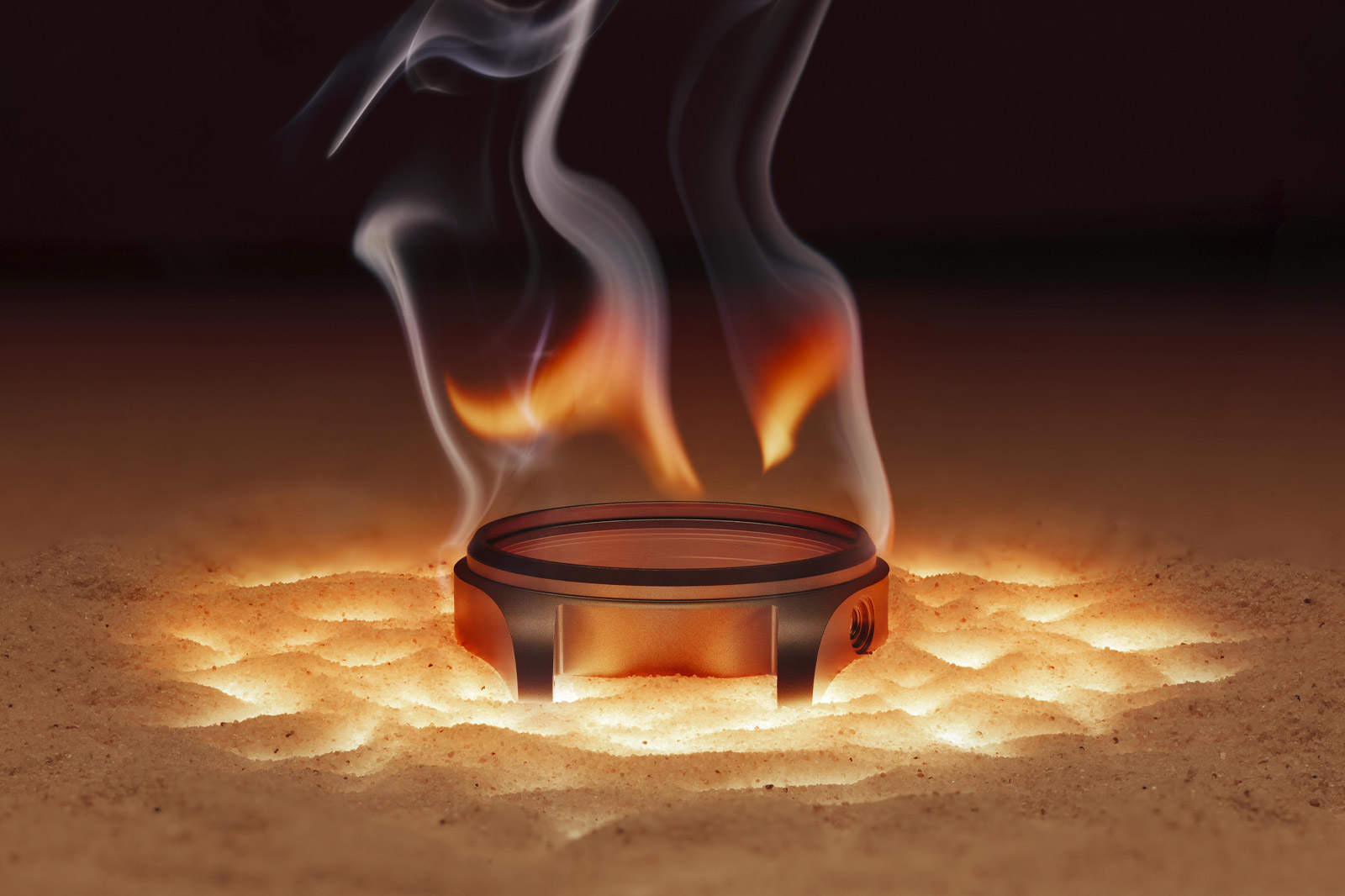
Ceramic watches are undeniably on the rise. In recent months, Audemars Piguet has unveiled several stunning deep blue ceramic Royal Oaks, while this year’s Watches & Wonders saw an array of new releases featuring this exotic material from prestigious brands including IWC, Tag Heuer, Zenith and more. Notably an impressive three quarters of Zenith’s releases new offerings were blue ceramic.
Starting with a little of the history of ceramic in watchmaking, Rado was the first brand to experiment with ceramic when it released the Diastar in 1962. It featured an early example of a ceramic bezel and was described as the first truly scratch-resistant wristwatch because of it. The first watch to use ceramic to craft a case was the 1986 IWC Da Vinci ref. 3755. Though it wouldn’t be until 2013 and the Omega Speedmaster Dark Side of the Moon that a ceramic chronograph would feature a dial, crown, pushers and buckle all made from the material as well.

Hublot Big Bang Unico Summer 2025
In the 40 years since IWC’s Da Vinci, ceramic watches have only grown in popularity. Especially in the past 10 years with Google searches for “Ceramic Watches” increasing by 14% year on year. During the same period sales of ceramic watches have soared by around 380%. Focusing solely on last year, several brands saw major upticks in sales of their ceramic models. Omega increased ceramic sales by 90%, Tudor by 66% and Tag Heuer by 25%.
Though the most popular ceramic watches by model are actually the Hublot Big Bang, IWC Pilot’s Watch Chrono and Tag Heuer Formula One (in the sub-category of ceramic bezel watches). Between them those three families are responsible for an entire fifth of ceramic watch sales. As noted, IWC have one of the longest standing traditions of using ceramic and recent creations like the full ceramic Ingenieur only build on that legacy.
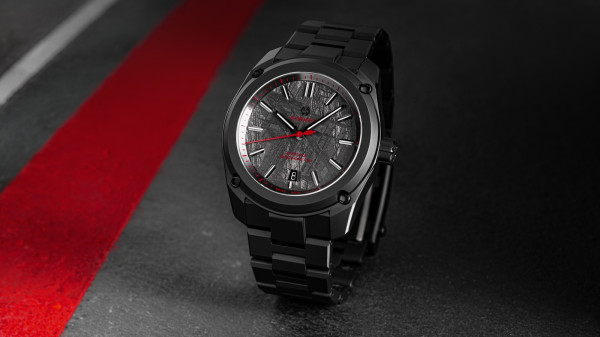
When it comes to colours though, one reigns above all others, despite the incredible growth in coloured ceramic during the same period – over the past three years 60% of ceramic watches sold were black. It makes a certain amount of logical sense because black is one of the easier colours to produce so there are simply more black ceramic watches out there to be bought.

IWC Pilot’s Watch Chronograph 41 Top Gun
It’s all well and good looking at ceramic watches in isolation but how are they performing in relation to their counterparts in other materials on the secondary market? It’s worth noting that the secondary market has been in overall decline over the past couple of years meaning the statistics may seem to contrast with the positive figures above, this is due to comparing retail to the secondary market.
Starting with the price performance of the IWC Pilot’s Watch Chronograph 41, the Top Gun ceramic edition and its steel cousin. The steel model has seen a decrease of around 5% from £5,362 to £5,092. Meanwhile the Top Gun has seen a minor increase from £9,033 to £9,045, though it reached that figure after recovering from around a 3% drop initially. The most interesting detail though is that while ceramic was peaking, steel was troughing, and vice versa – implying that when customers are buying one style, they aren’t buying the other.

Audemars Piguet Royal Oak Perpetual Calendar Blue Ceramic

What about one of the most iconic watches of all time, the Audemars Piguet Royal Oak? The blue ceramic RO Perpetual Calendar has seen a drop of 15% over the last year while the titanium Royal Oak perpetual calendar dropped 14% and the platinum by 14% as well. All in a very close ballpark despite the actual prices being hundreds-of-thousands-of-pounds apart. Implying there’s actually very little difference between the popularity of the materials and more an overarching popularity for the model and brand – especially when you’re at money-no-object levels of prestige.
Ultimately, the growth in retail statistics of ceramic watches over the past 3 years or so has meant the material has caught up to its non-ceramic counterparts and the overall levels of popularity are now comparable in terms of price performance. They are subject to the whims of the market like any other style of watch and are not necessarily stronger or weaker innately due to their material.