

While Rolex are known for making the President watch, that reputation also led to them being the favoured watch of world leaders outside the US. One of the unintended consequences of which is that many of the world’s most famous communist leaders wore Rolex.
In 1956, when Rolex launched the Day-Date, they also launched a new advertising slogan to go with it: “Men who guide the destinies of the world wear Rolex.” The implication behind the slogan was that the leaders of the great nations all wore watches from the “Crown.” Rolex made sure that they did, by giving them to people like Churchill, Eisenhower, Mountbatten, and all the leaders of NATO.
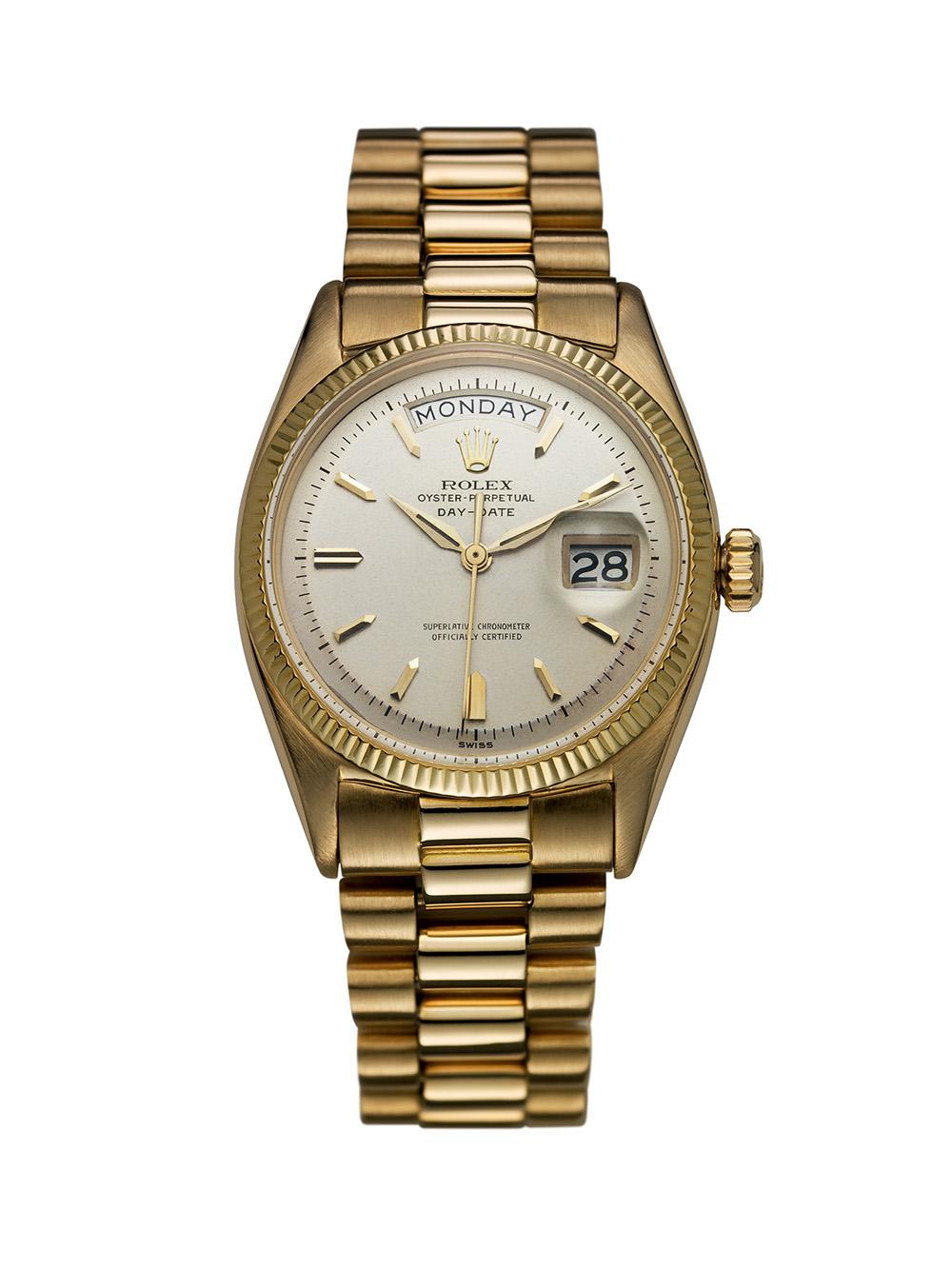
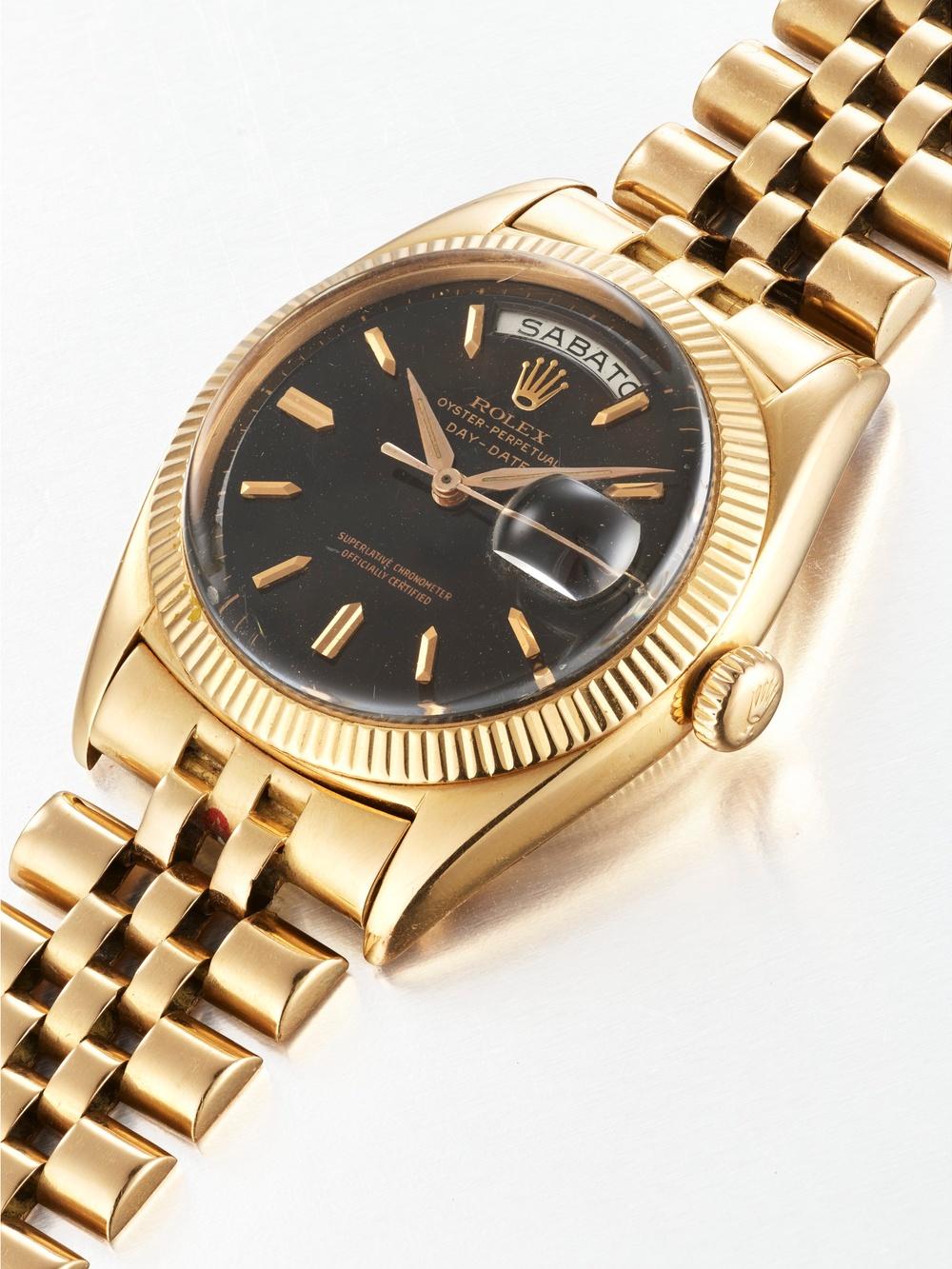
The purpose of the campaign was, like all good advertising campaigns, to establish a connection in the minds of potential buyers that owning the product would improve your social standing in the eyes of your peers, as well as perform its basic function of telling the time. The message worked, not only on its chosen audience but also with the most unusual of audiences: leaders of communist states behind the “Iron Curtain.”
Fidel Castro’s Rolex Collection: Submariner, GMT-Master and Day-Date
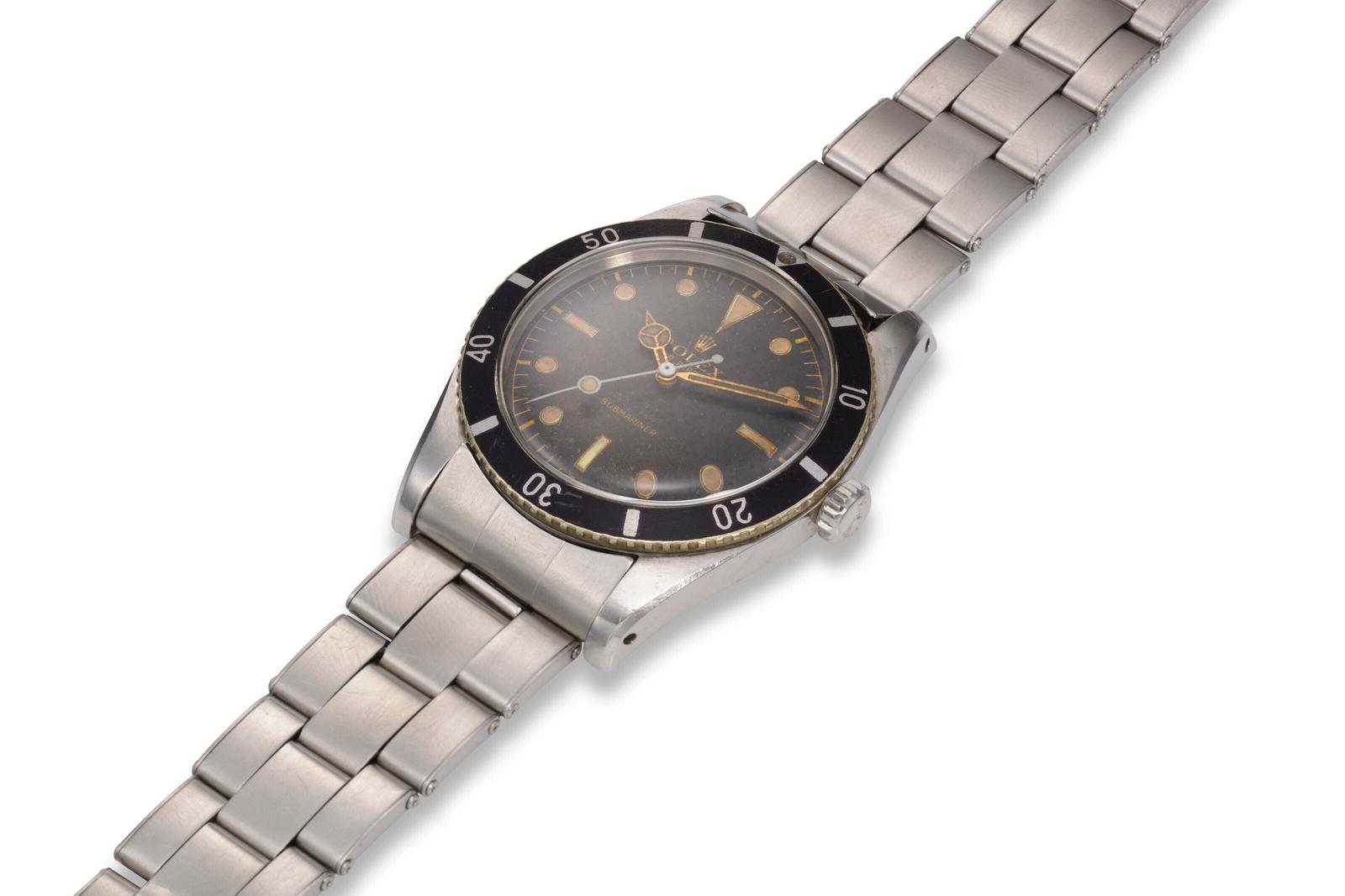

The most famous communist Rolex wearer was, of course, Fidel Castro, who accumulated at least four Rolex models: a Submariner ref. 6536 worn from 1956 during the Cuban revolution, a GMT-Master ref. 6542, a GMT-Master ref. 1675, and a yellow gold Day-Date. He was famously photographed wearing two watches simultaneously. Castro regularly gifted GMT-Masters to trusted colleagues: Ernesto “Che” Guevara is perhaps the best-known recipient — and the story of that watch is remarkable in its own right.
What Happened to Che Guevara’s Rolex? The GMT-Master Ref. 1675
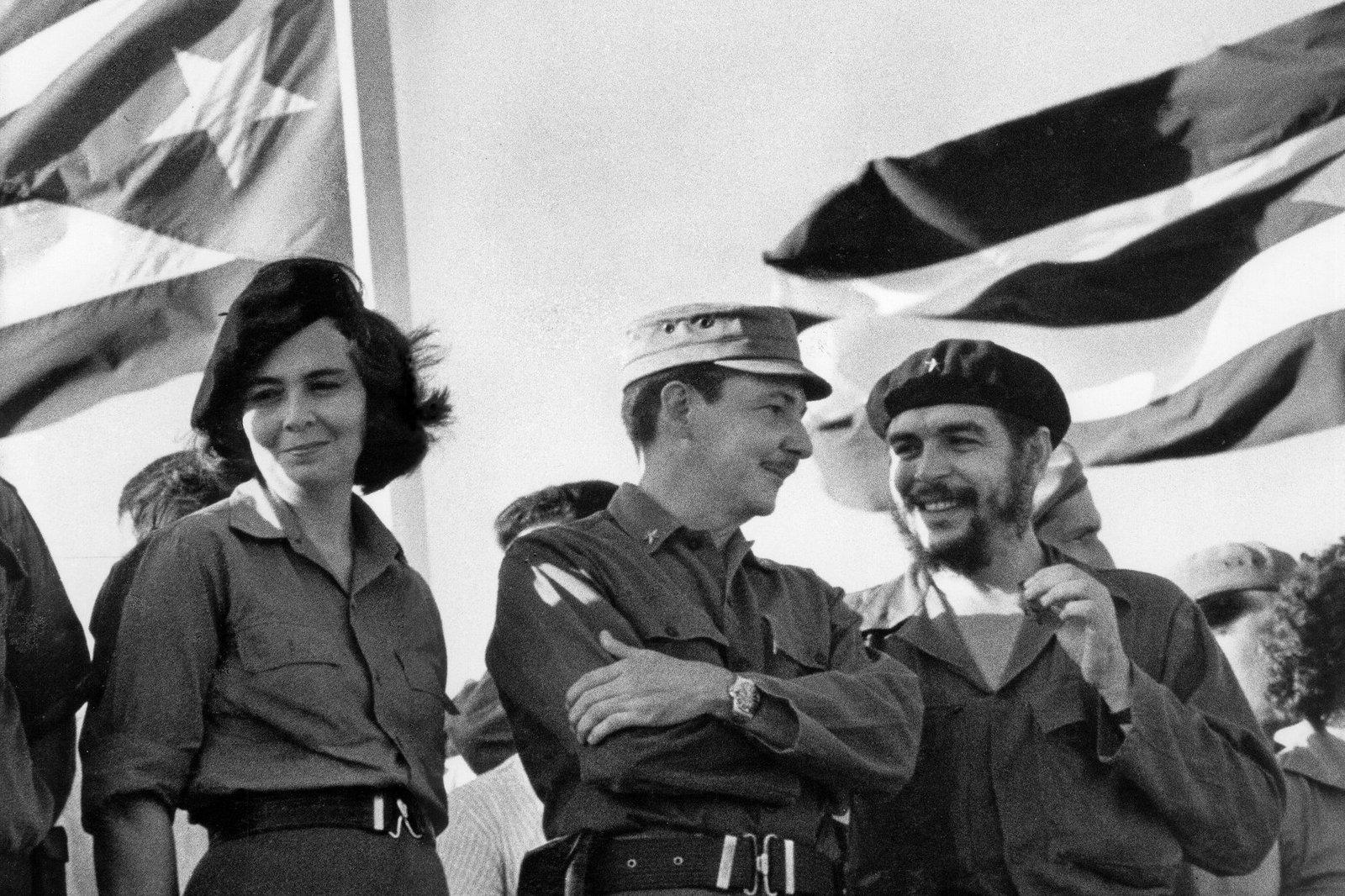
Guevara received his first Rolex from Castro in 1958, upon being promoted to Comandante, though he passed that watch to his father within a year. In 1966, on the eve of Guevara’s departure for Bolivia, Castro gave him a second Rolex: a GMT-Master ref. 1675. It was still on Guevara’s wrist when he was captured and executed on 9 October 1967. CIA operative Félix Rodríguez, present at the execution, removed the watch from Guevara’s body, a detail that has made the GMT-Master ref. 1675 one of the most historically significant Rolex references in existence. Rodríguez reportedly still has the watch in his possession today.
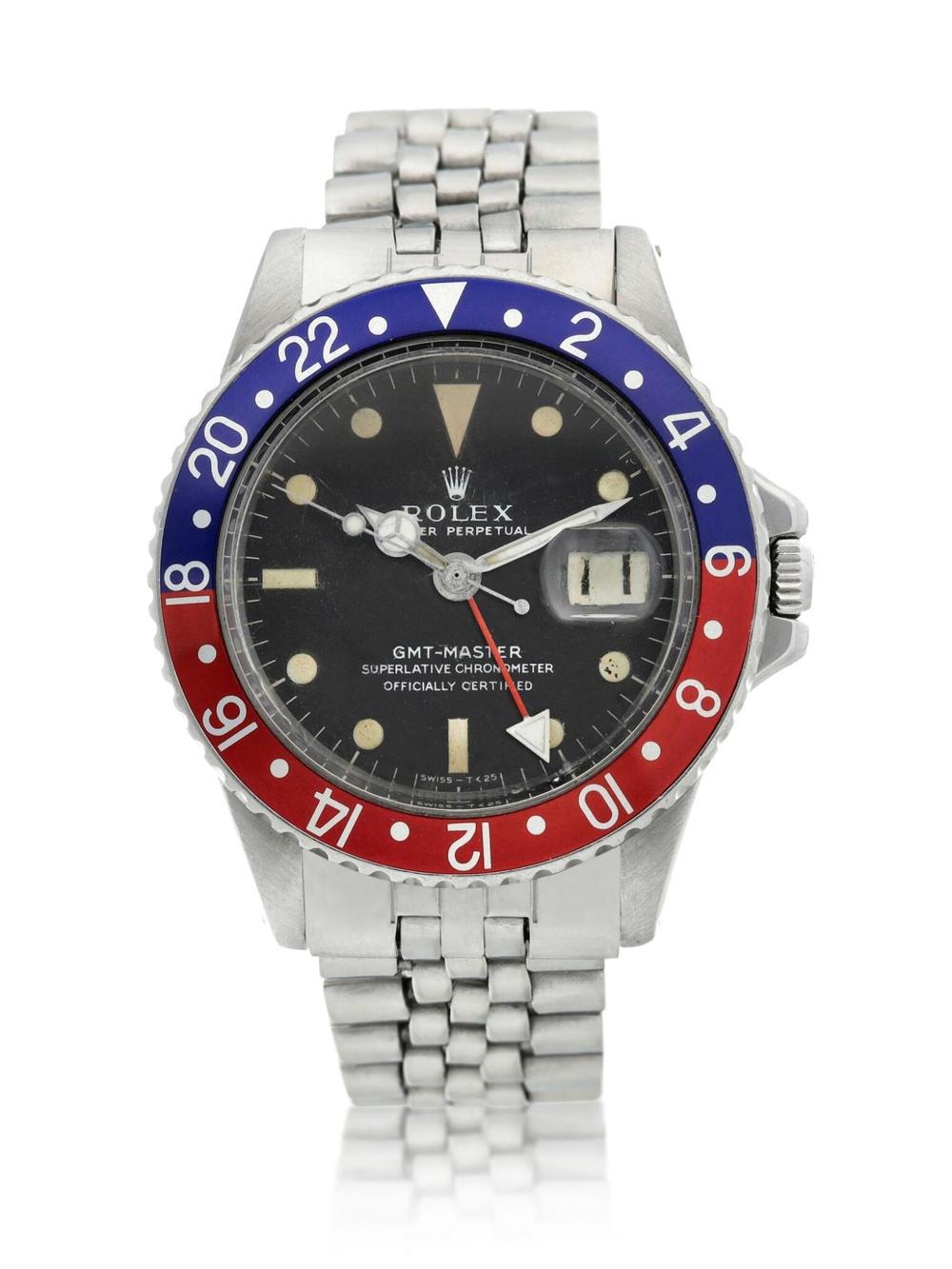
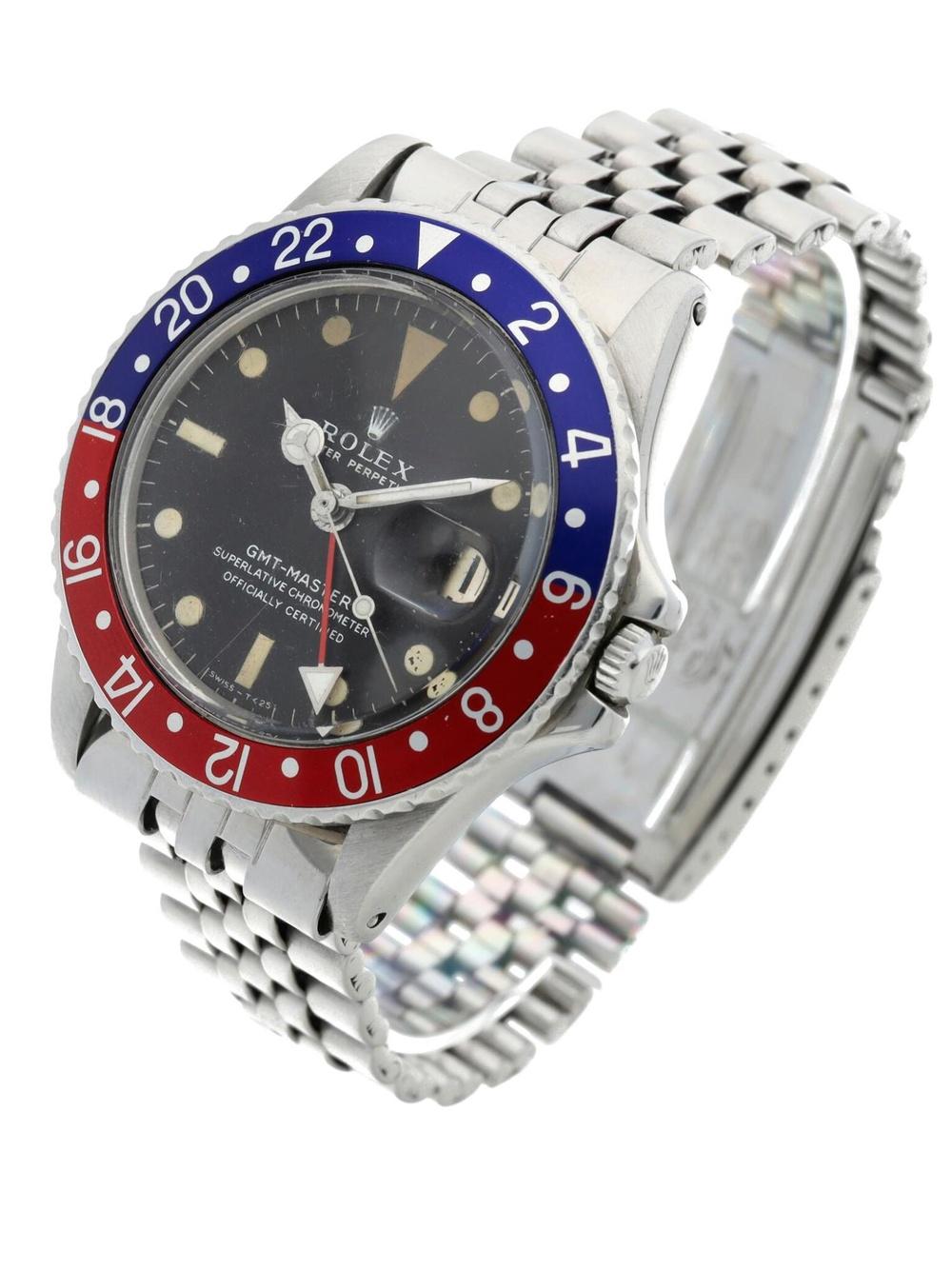
Both Castro and Guevara had spent time fighting in Cuba’s humid jungles, where the ruggedness and accuracy of the Rolex proved essential in timing military operations. None of this was true for the rest of the communist leaders who also chose to wear Rolex. What was common to these leaders was that their watches were all solid gold on gold bracelets.
Leonid Brezhnev: The Soviet Leader Who Wore a Gold Rolex Datejust
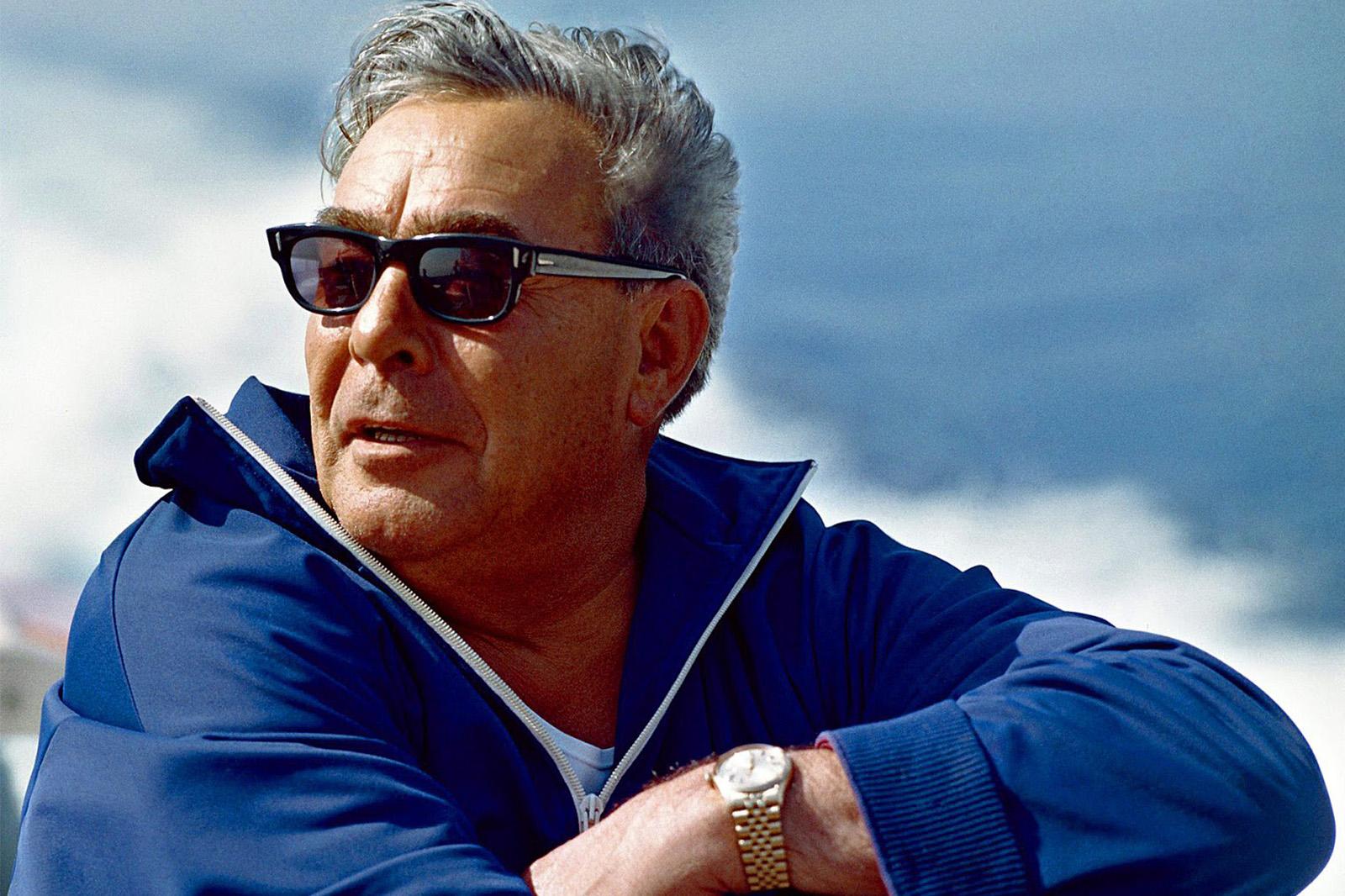
After the death of Nikita Khrushchev, Leonid Brezhnev became the leader of the Soviet Union and, de facto, leader of the countries in the Soviet bloc. From his accession to power in 1964 until he slipped from power in the late 1970s, after a stroke, he was always seen with a gold Datejust on his wrist. During his time in power, Brezhnev had clamped down on the small freedoms introduced by his predecessor and heavily restricted any signs of individual thought.
Mao Zedong, Erich Honecker and Josip Broz Tito: More Gold Rolex Datejusts
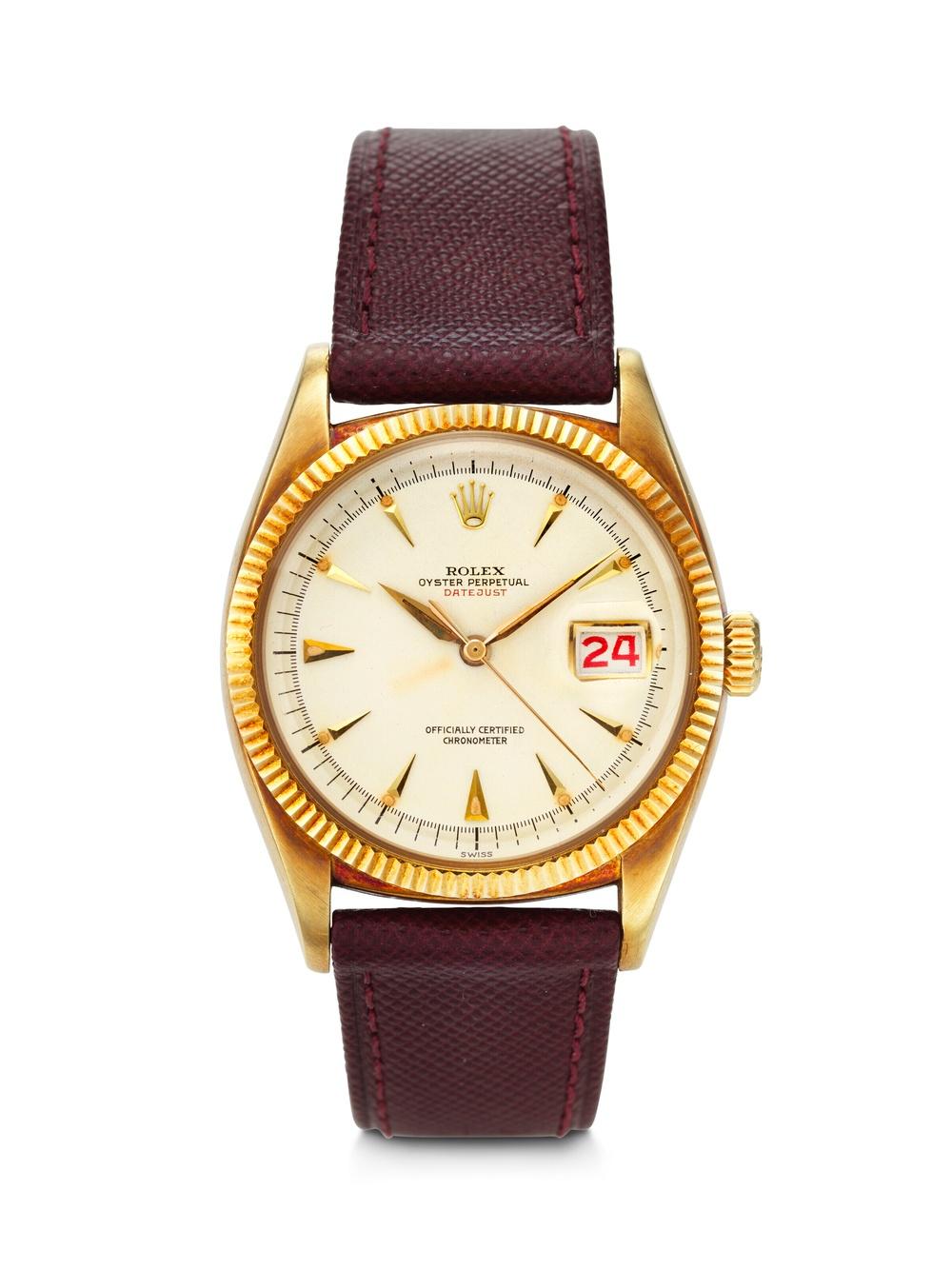
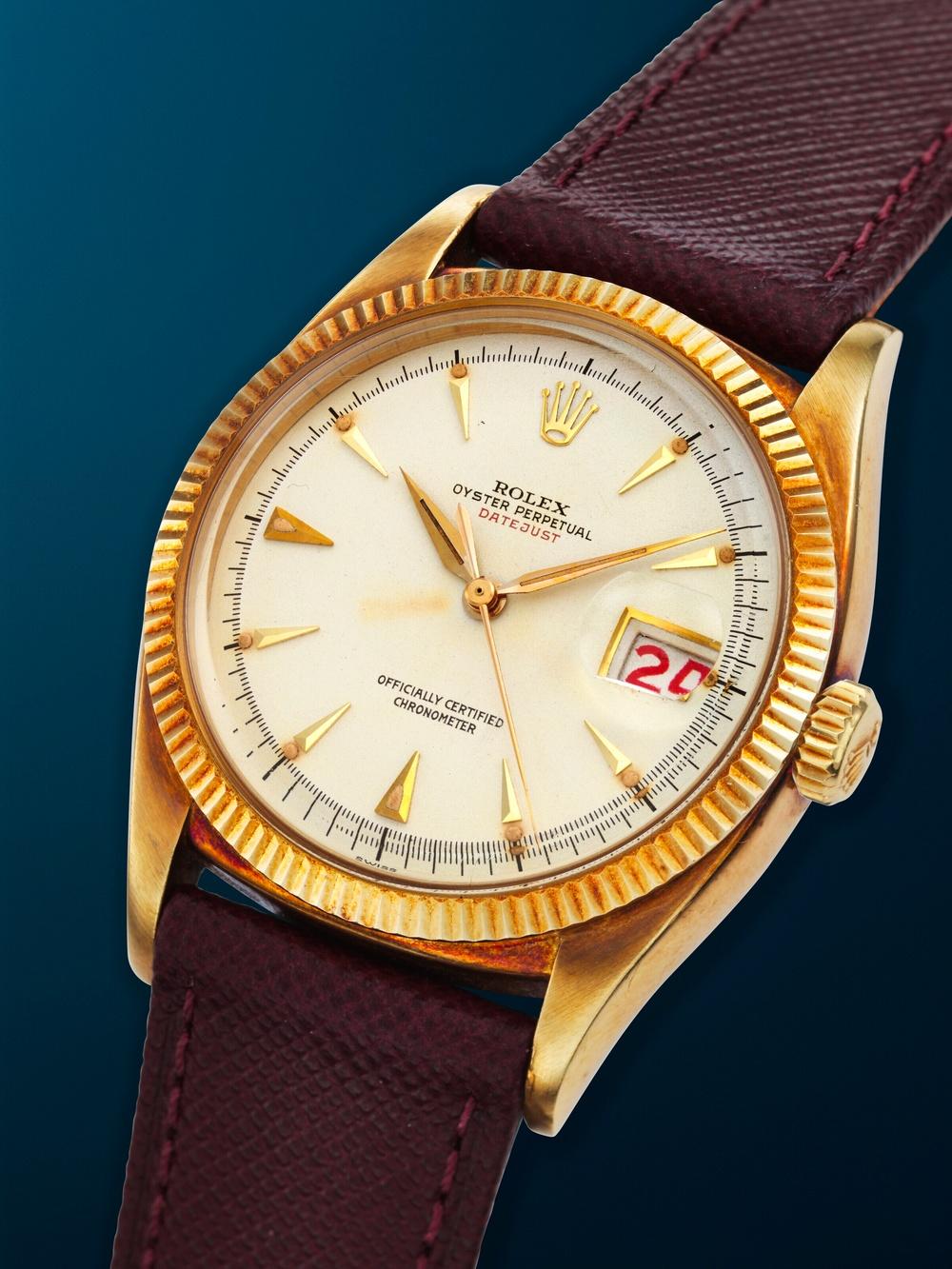
Yet he was a barrel of laughs compared to his Chinese colleague Mao Zedong, who instigated the Cultural Revolution in 1966, where Red Guards descended on anyone deemed to be an “intellectual.” Specific punishment was reserved for those who read Western books, as they were thought to be influenced by anti-proletarian thought. Yet Mao also wore a gold Datejust. So did Erich Honecker, the leader of East Germany, and Josip Broz Tito, of Yugoslavia. It was the Rolex of choice among communist leaders.
Nicolae Ceauşescu and OREX: The Romanian Watch Brand Rolex Defeated in Court
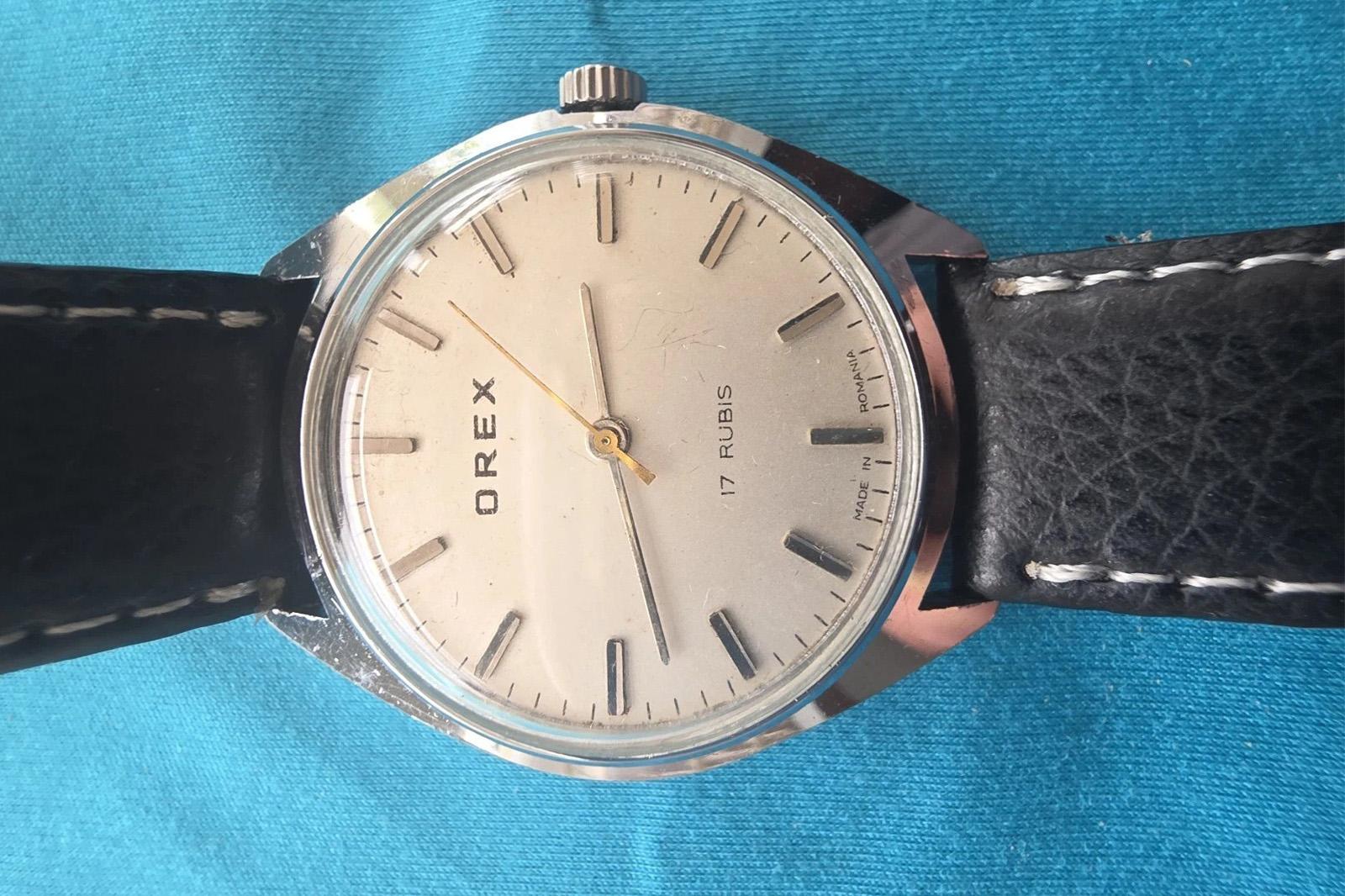
But the story of Romania’s Nicolae Ceauşescu and his gold Datejust, and the fallout from it, is worth discussing. In 1977, Ceauşescu decided that Romania should become self-sufficient in watches and so set up The Fine Mechanics Enterprise in Bucharest to produce mechanical watches. That’s quite a handful of a company name to fit on a dial, so the brand name was chosen by adding the letters “EX” (for excellence) to the Romanian word for an hour, “Ora,” and coming up with the brand name “OREX.” Guess who sued them and forced the company out of business? Rolex.


Fantastic article, showing the true hypocrisy of men while in positions of power. And the lure of a Rolex!
Very informative but weird in the sense that soviet leaders who emphasized on using their own products for the public ,but themselves used high end western products !