Innovation is a word used far too often. A new case material? Innovation. A new dial colour? Innovation. A slight tweak to the power reserve? Yep. Innovation. There’s so much white noise around what’s new in watchmaking that it can be hard to glean what’s more than novelty for novelty’s sake. That’s where we come in.
Rather than fawn over proprietary alloys that shift their nickel content by a decimal point, we’re here to look at the advancements in 2026 that genuinely matter – from revolutionary new movements to advanced ways to create cases.
Here are the five biggest watchmaking innovations of 2026, so far.
Moser & Cie’s Streamliner Pump Makes Winding Fun

The collaboration nobody saw coming, Moser & Cie collaborated with Reebok to ape their famous Pump sneakers in a black-cased Streamliner. Core to that idea is the new winding pusher at eight o’clock taken directly from the shoe. Rather than fiddling with a winding crown or waiting for the rotor to kick in, all the system takes is a few pushes. One press, one hour of power – meaning 74 to fill it from empty.
On one level, this is a fun bit of novelty tied into the story of a streetwear icon. It’s very Moser. But on another level, it changes how you interact with the movement itself. Winding the crown is a ritual to some, an annoyance to others. But it also means consistent operation of one of a watch’s most delicate parts – the crown stem. It’s worryingly easy to damage a crown and here you don’t need to worry about that.
It also enhances useability. If you don’t have the dexterity to operate a fiddly crown, the pump button offers a much easier, much more straightforward method of keeping your power reserve topped up. Physical accessibility isn’t something often discussed in the watch industry, so even if it’s a byproduct of another idea, it’s worth celebrating.
This being Moser and therefore very low volume, it’s not necessarily going to change the game. But like the Harwood Perpetual’s winding bezel way back in 1924, any new way of approaching how we interact with a watch opens the door to innovation.
Tag Heuer’s Evergraph Evolves the Chronograph

Where last year we had Rolex’s Dynapulse escapement, this year we have Tag Heuer’s Evergraph – that’s how significant this new launch is. That’s not because it’s a particularly cool looking watch (it’s another skeletonised Monaco) but because it’s a fundamentally different approach to the stopwatch complication.
The idea behind the new TH80-80 movement begins with a compliant mechanism with bistable components. That sounds incredibly technical, but it boils down to a mechanism that bends into one of two stable shapes. Watchmaker Rob Nudds described it to me as the chronograph equivalent of a retro snap bracelet, which is bistable in that it switches between coiled and straight.
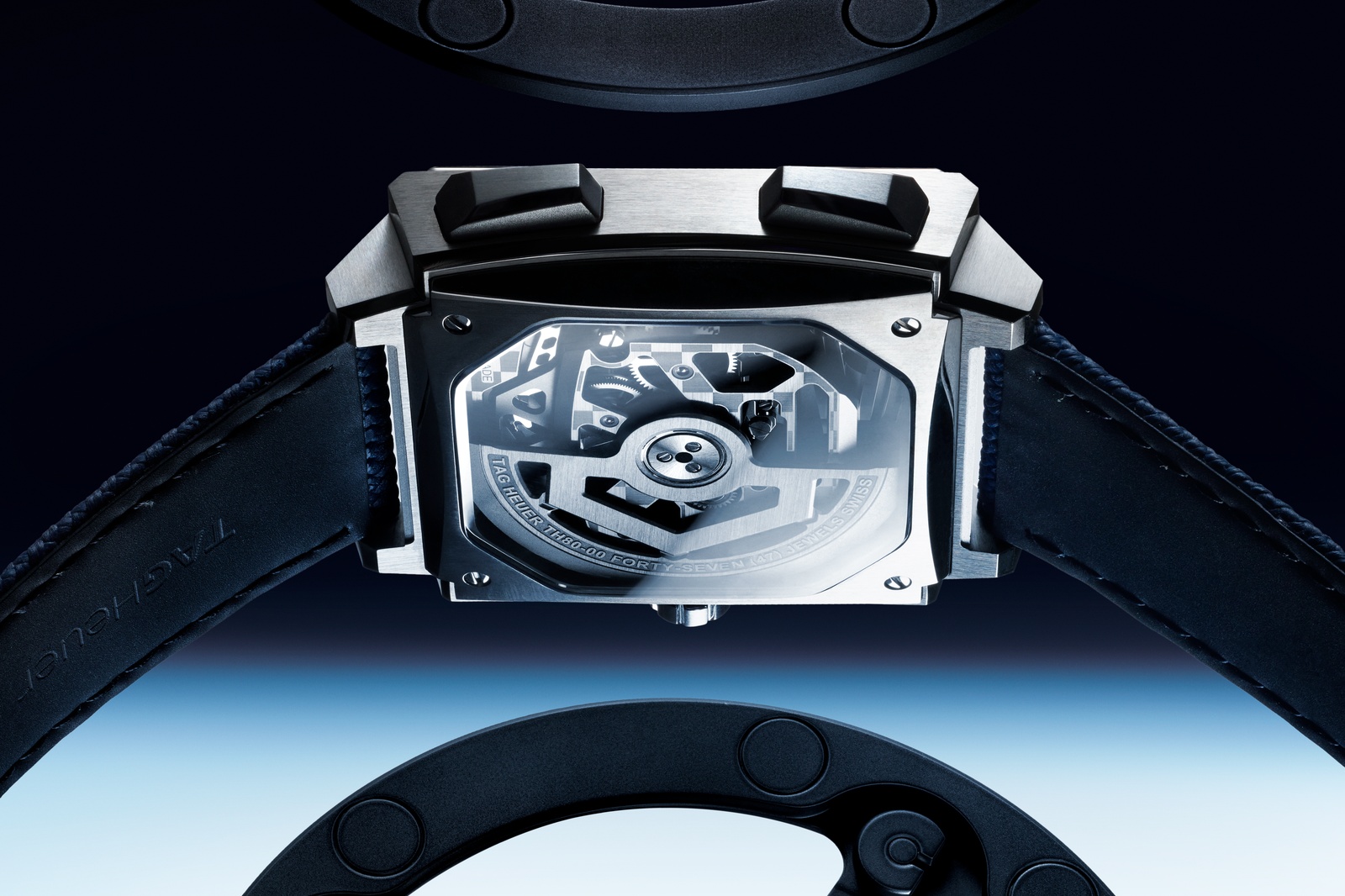
This single-part bistable hammer is made of nickel-phosphorus (NiP) and flexes between start/stop and reset functions, combined with a second nickel-phosphorous part to directly interact with the rest of the movement. By removing the number of parts needed, Tag Heuer have streamlined the mechanism in a way that makes it more reliable, reduces wear and potentially makes it easier to produce.
It’s worth noting that how you use the new chronograph is the same. It feels different (and much more satisfying) but otherwise is functionally the same. This is less about reinventing the chronograph as a function and more about perfecting it.
IWC’s Ceralume Brings a Premium Feel to a Full Lume Case

Luminescent materials aren’t new. Even full lume cases aren’t particularly new, given how hard Bell & Ross has been pushing the idea over the past couple of years. There is carbon fibre with lume mixed in, lightweight and racy, but more commonly we’re talking some kind of composite. Light, yes, but not exactly premium feeling. Ceramic on the other hand is ultra-hard, tactile and resistant to pretty much everything. We’ve even seen ceramic glow before, mind, but that’s tended to be a lume coating applied over the top. New for 2026, however, IWC have combined the two for their Ceralume, a full ceramic watch that glows in the dark – and this time it’s in full production, not just the leaked version we saw on Lewis Hamilton’s wrist a couple of years ago.

This isn’t too much of a surprise, given IWC’s historical use of ceramic. They produced the first ceramic watch in the Da Vinci Perpetual Calendar way back in 1986, and now that they’ve done plenty of their coloured ceramic Pilot’s Watches, this feels like the next step. In bright light it’s a crisp white akin to the winter landscape around Lake Tahoe; in the dark it glows ghostly blue.
It’s worth noting that at present, this is only available in the Big Pilot Perpetual Calendar and at a huge mark-up compared to the standard white ceramic – almost double, in fact, £61,300 compared to £31,800 for the Le Petit Prince edition. Limited to only 250 pieces, this is going to be a rarity. But you can be sure that IWC haven’t created Ceralume for a single limited edition and as they scale up production, the hope is that the cost will come down accordingly.
Hublot Big Bang Impact Sets Diamond into Sapphire
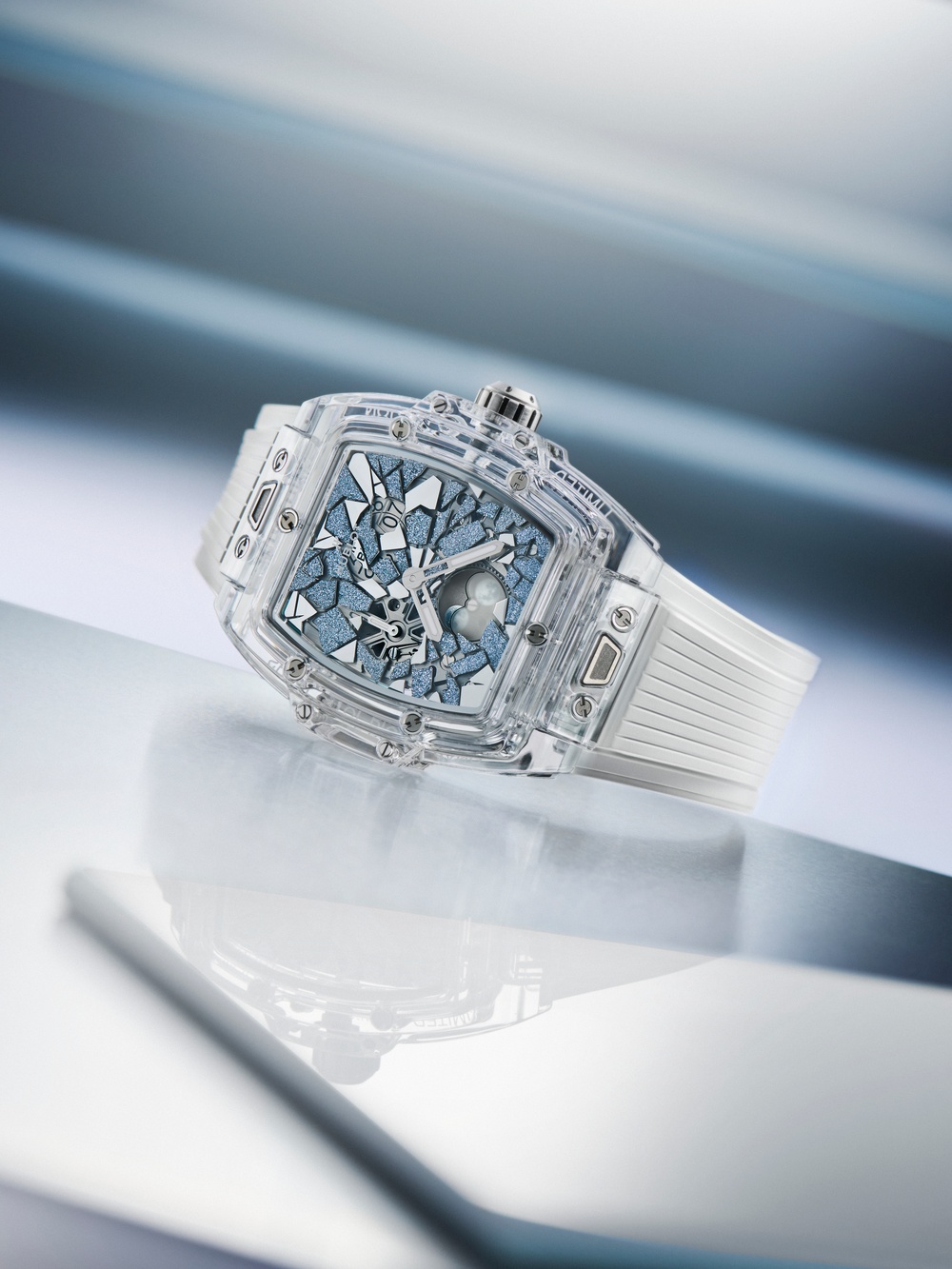
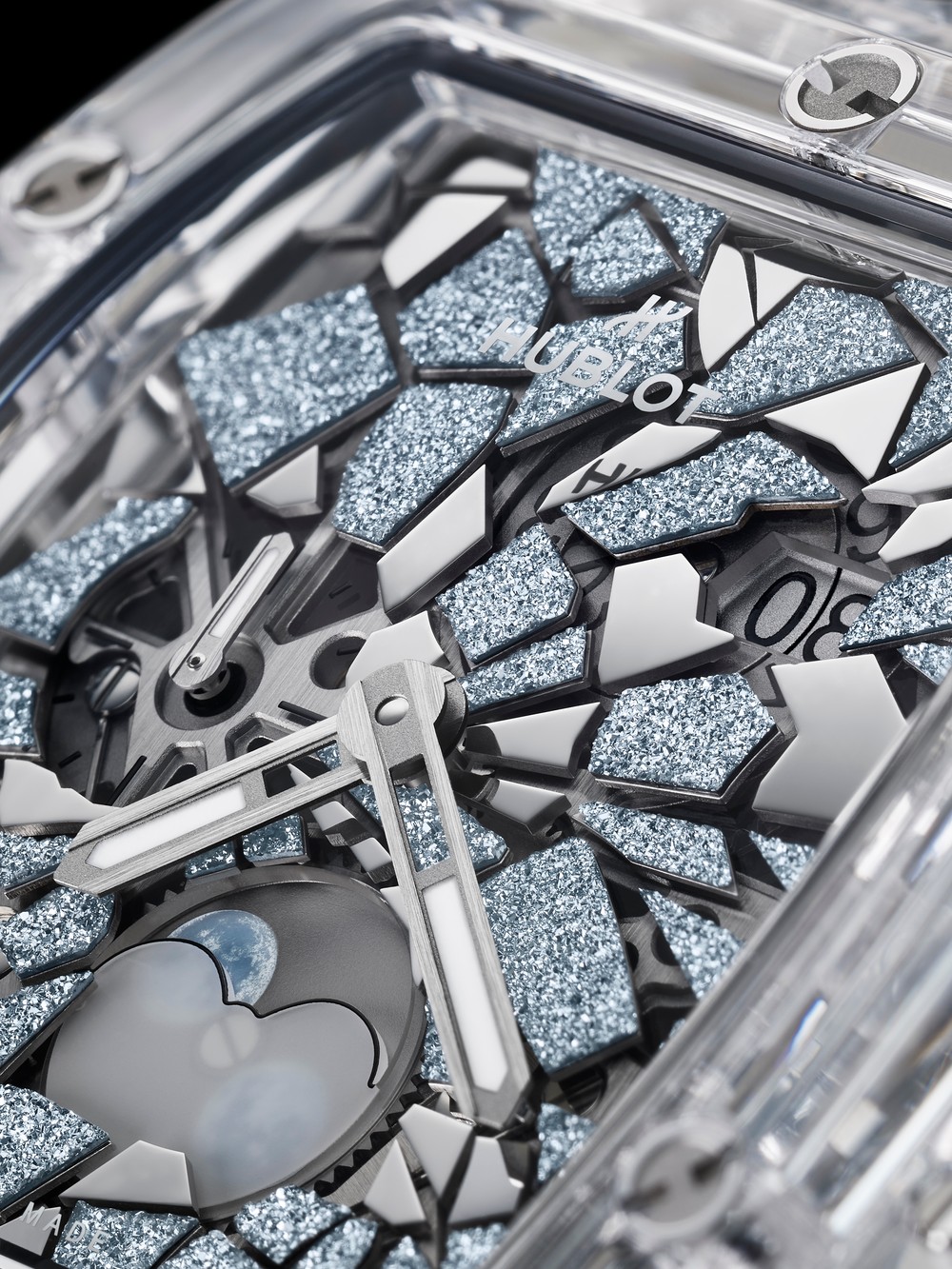
Machining a sapphire case is hard enough, but the idea of then going back and setting diamonds directly into the brittle material is a step further than most watchmakers would even contemplate. And yet, Hublot’s new Big Bang Impact does just that.
The idea here is that rather than using a drill to create the settings, which would destroy the sapphire, Hublot instead use lasers. These are used to create micron-precise channels in the transparent material just big enough to set diamonds into. However, the diamonds need something to grip onto and so these channels are lined with gold before the precious stones are finally set into them. It’s no surprise then that this technique takes hundreds of hours to accomplish and there’s no real way of speeding that up.
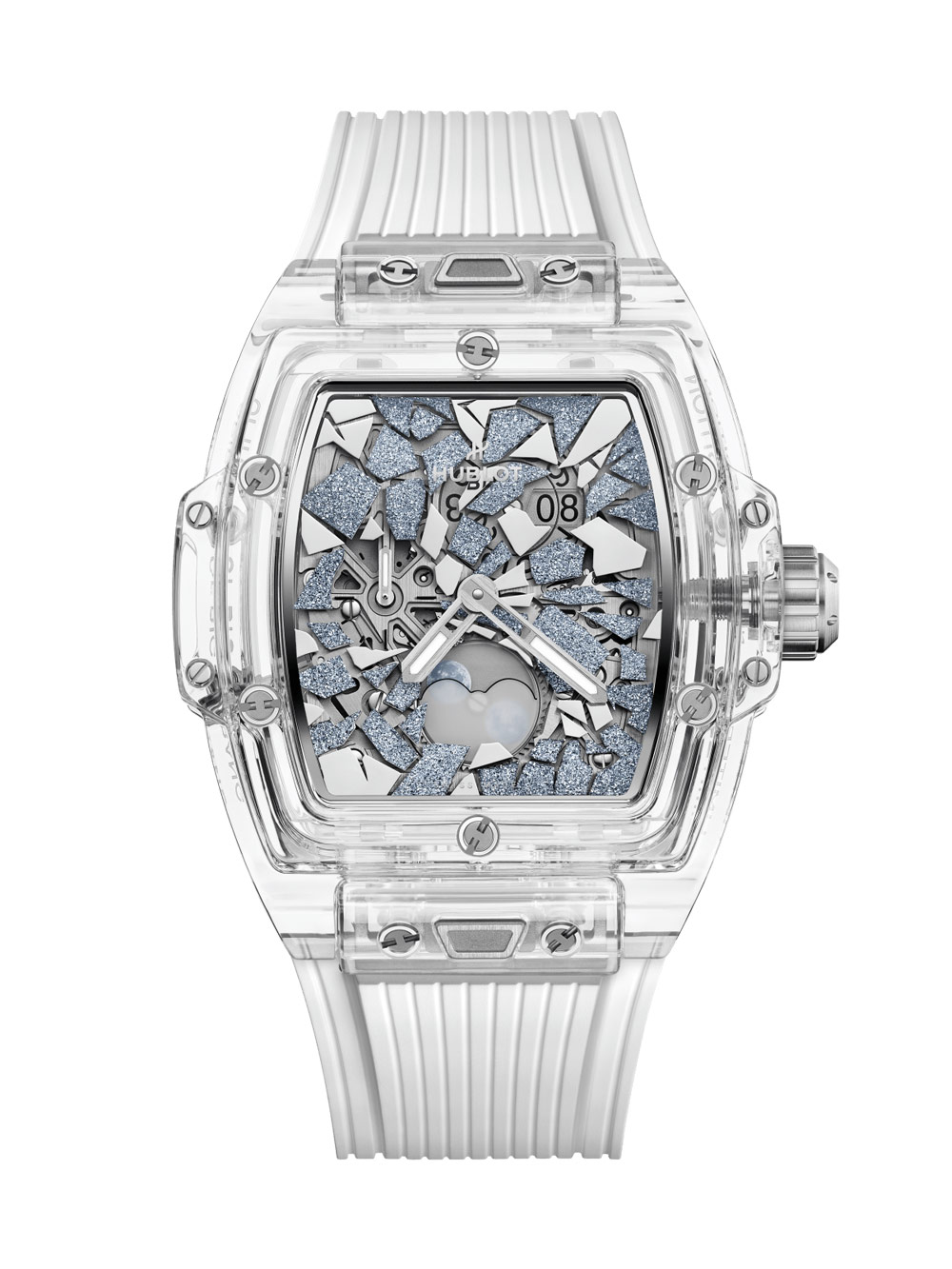
In the Spirit of Big Bang Impact, Hublot set diamonds into the sapphire case, but on a smaller scale, what about diamond markers in the crystal of a non-sapphire cased watch? When used in moderation this new laser-grooved gem-setting technique could open up some fascinating new aesthetic avenues like gemstone indexes set directly into the crystal rather than on the dial.
Panerai Use DMLS to Approach Case-Making Differently
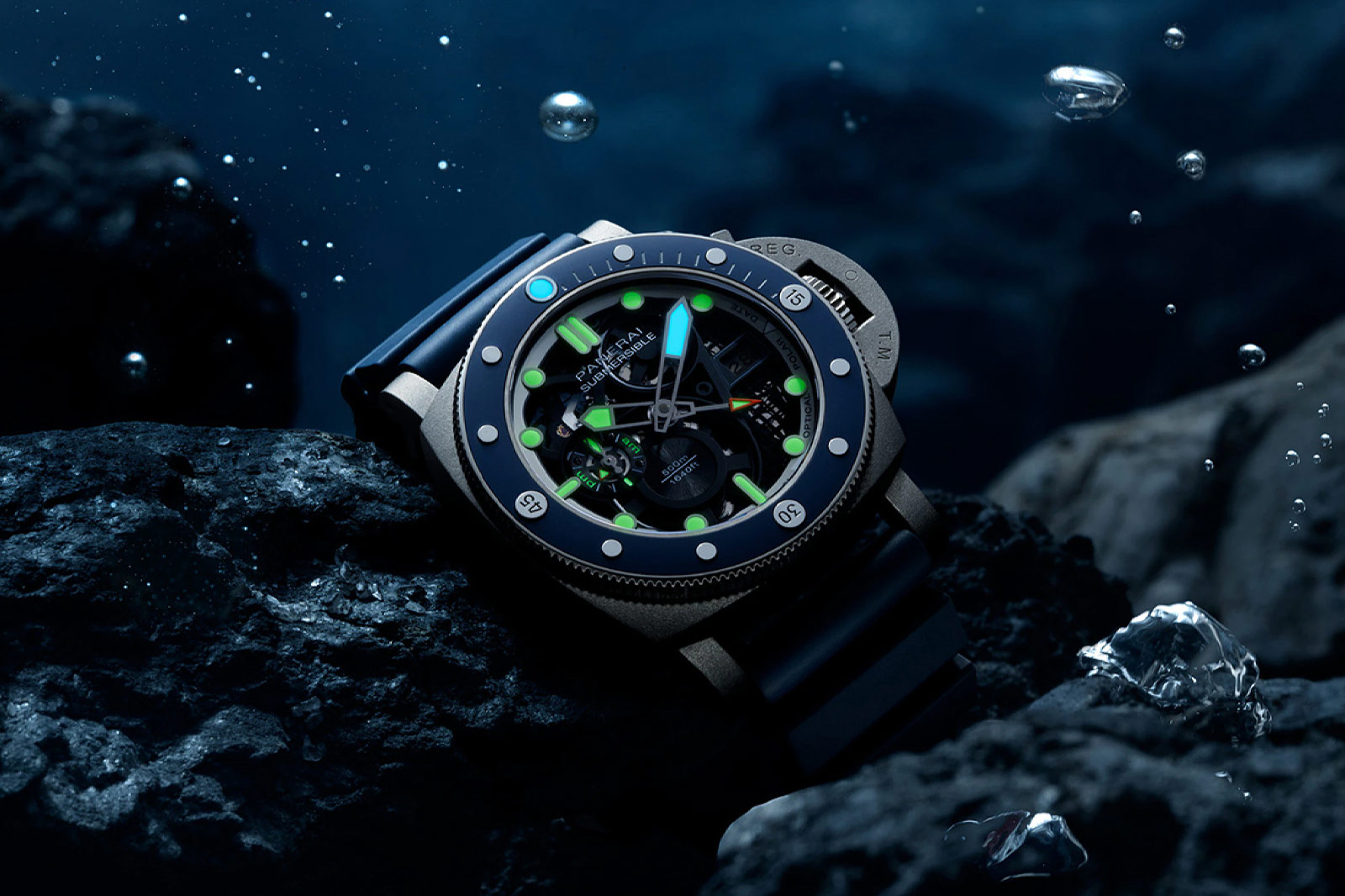
Direct Metal Laser Sintering. While it sounds like a sci-fi concept, what Panerai’s latest case-making technique comes down to is 3D printing with metal. It’s something that’s been used across other industries aplenty and even in watchmaking Panerai aren’t the first. The UK’s own Apiar has built a brand around the idea, though they use the term ‘additive manufacturing’. Whatever you call it, the idea is the same.
Rather than having a case made of solid metal and then milling it, the case is built up layer by layer using metal powder – in the Panerai Submersible GMT PAM01495 that means titanium – and a high-powered laser. This allows you to create shapes that you wouldn’t normally be able to, including hollow parts and complex internal structures. It’s the difference between working from the outside in and starting from the inside out.
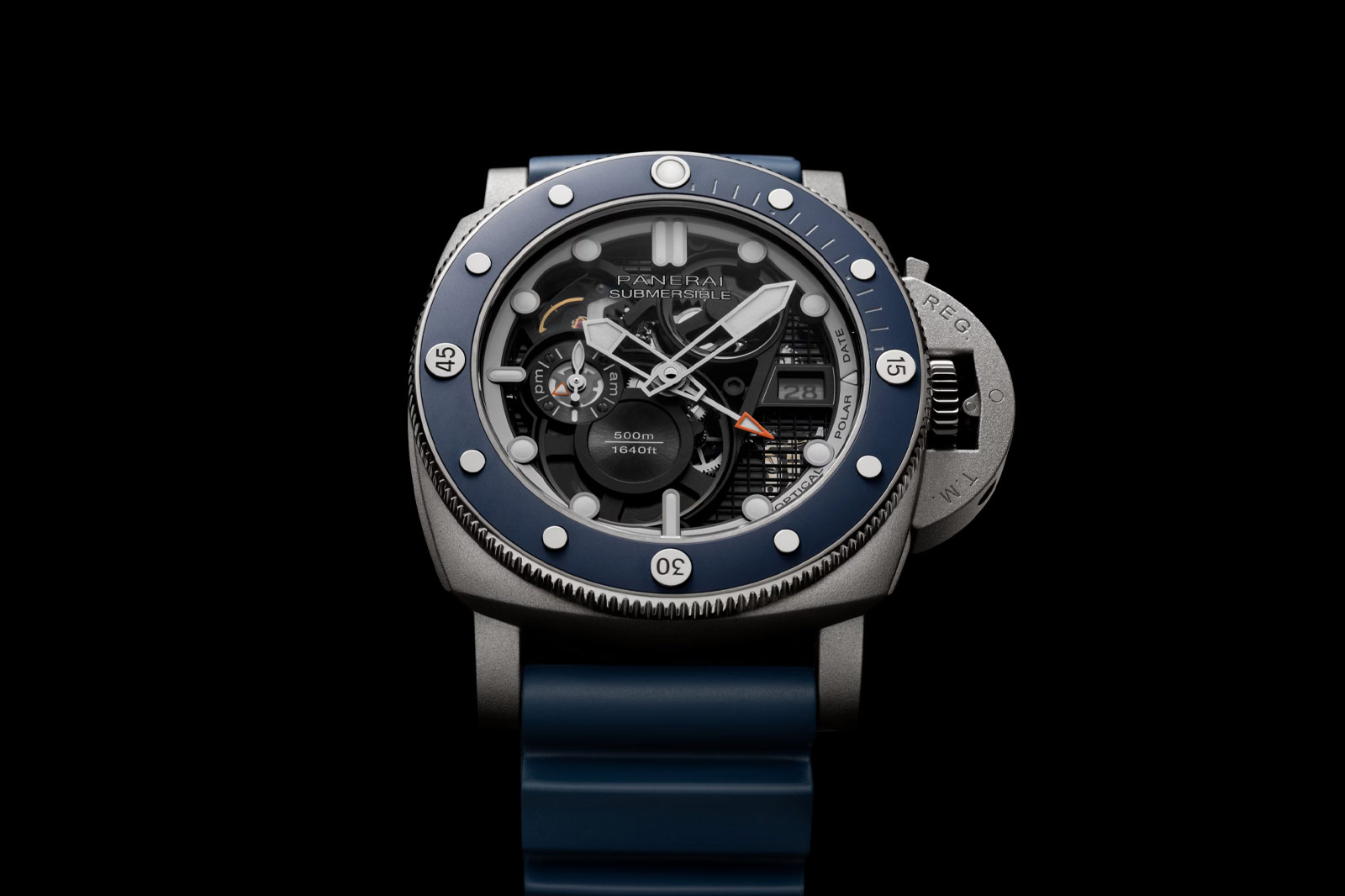
The end result for Panerai is a case that’s 25% lighter than other, similar titanium cases, but that’s just the start. Apiar have combined the technology with AI to create otherworldly shapes, and having a brand of Panerai’s notoriety on side puts a spotlight on the possibilities.
There are cons of course. Additive manufacturing takes much longer than subtractive manufacturing (i.e. milling) and generally leaves a rough finish that requires some cleanup. But it’s much better for prototyping and small runs of pieces. More importantly, it only uses the necessary material and doesn’t need a constant stream of oil pointed at it, two of the biggest waste factors in modern watchmaking.