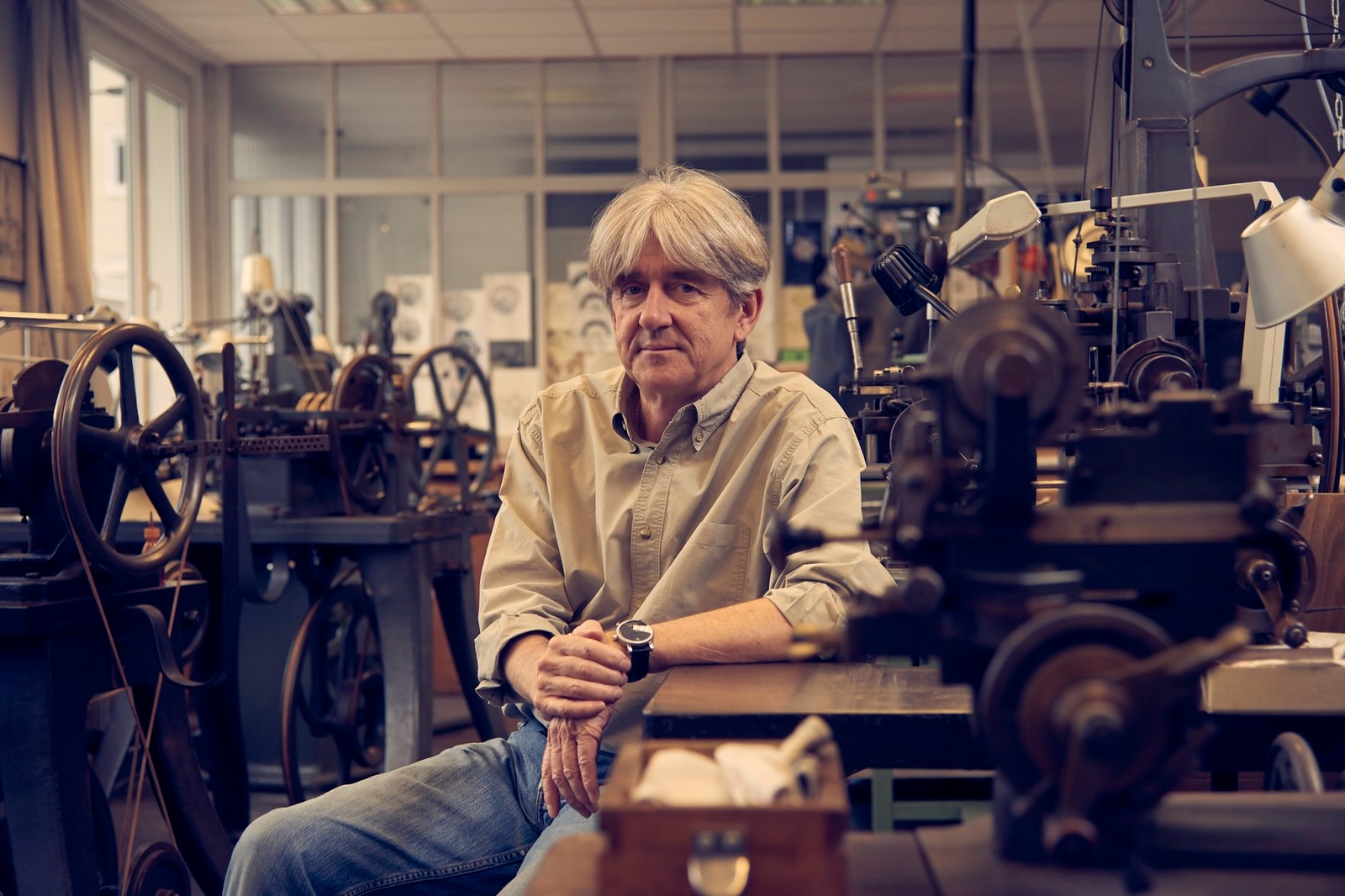
Glashütte has historically been the heartland of fine German watchmaking. Home to Glashütte Original, Nomos Glashütte, Moritz Grossmann, and A. Lange & Söhne, it’s not hard to see why. And yet to focus solely on the Saxon horological hub is to miss out on some of the most exciting German watchmakers around – including independent horologist Jochen Benzinger.
Benzinger’s story started out in Pforzheim, a place often referred to as Germany’s Golden City. Watch and jewellery making are entrenched in the city’s history; not only did the region build the cuckoo clock, but Pforzheim itself is home to respected German watchmakers like Laco, Stowa and Archimede.
In the years since World War II however, those brands have opted for a much more industrial approach to watchmaking – well-made yes, but losing the artisanal skills that underpinned Pforzheim’s historic reputation. This has led to certain skills, especially finishing skills, dying out in the area – guilloche, bevelling, engraving, skeletonisation. Fortunately, these are all areas in which Jochen Benzinger is a master.
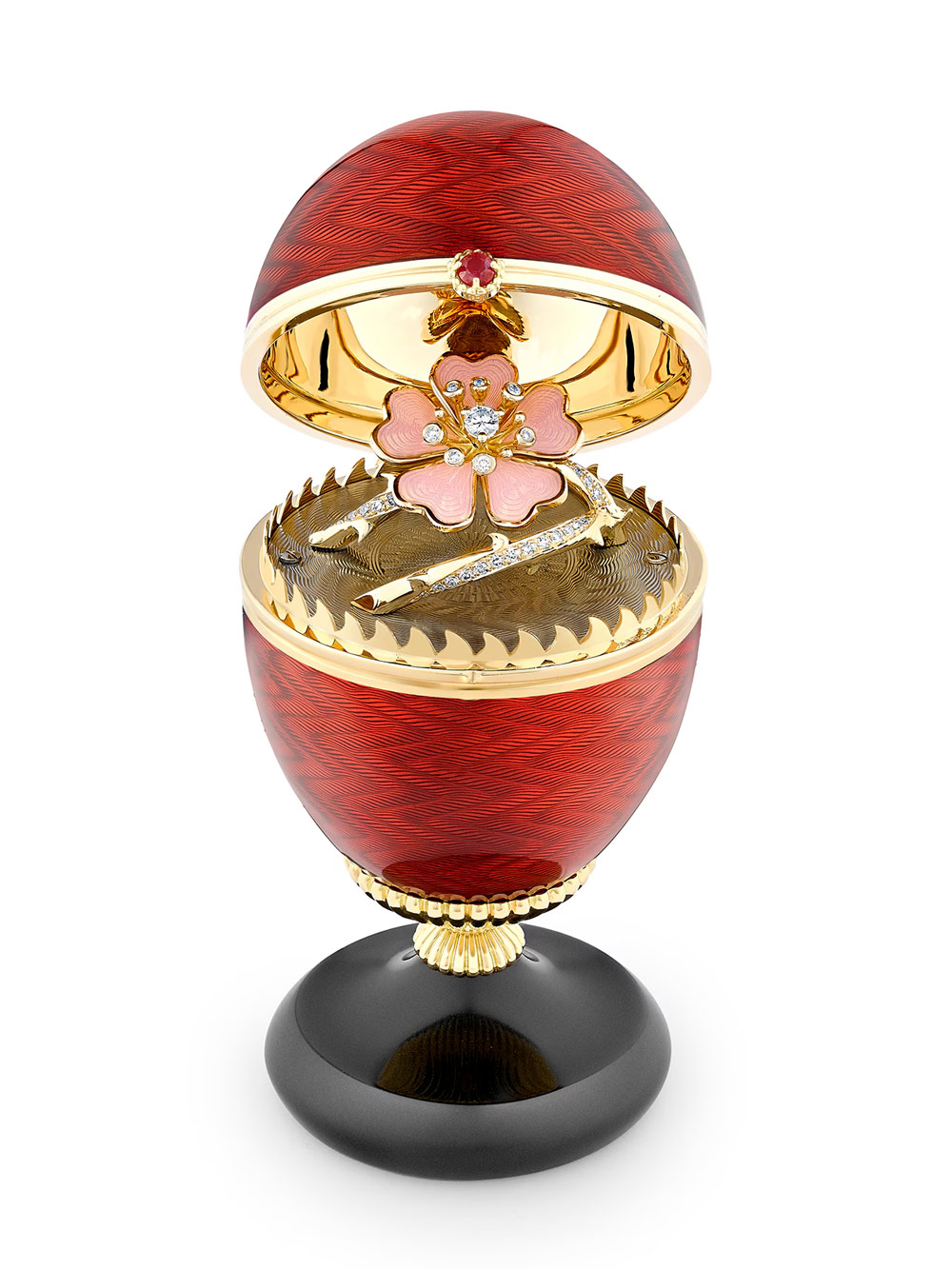
While he’s been honing his craft for nearly 50 years, Benzinger didn’t actually start out as a watchmaker. Indeed, he began his training in 1978 at the Pforzheim Goldsmiths’ School learning decorative jewellery techniques rather than how to build a movement. It turned out however that he has a particular aptitude for guilloché and after opening his own workshop in 1984, began (among other things) providing the guilloché for Fabergé’s famous eggs.
These objets d’art incorporate many a finishing technique, but the most famous among them is flinqué, where coloured, semi-transparent enamels are layered over guilloché for a deep, textured effect. Much of that flinqué in modern Fabergé is courtesy of Benzinger.
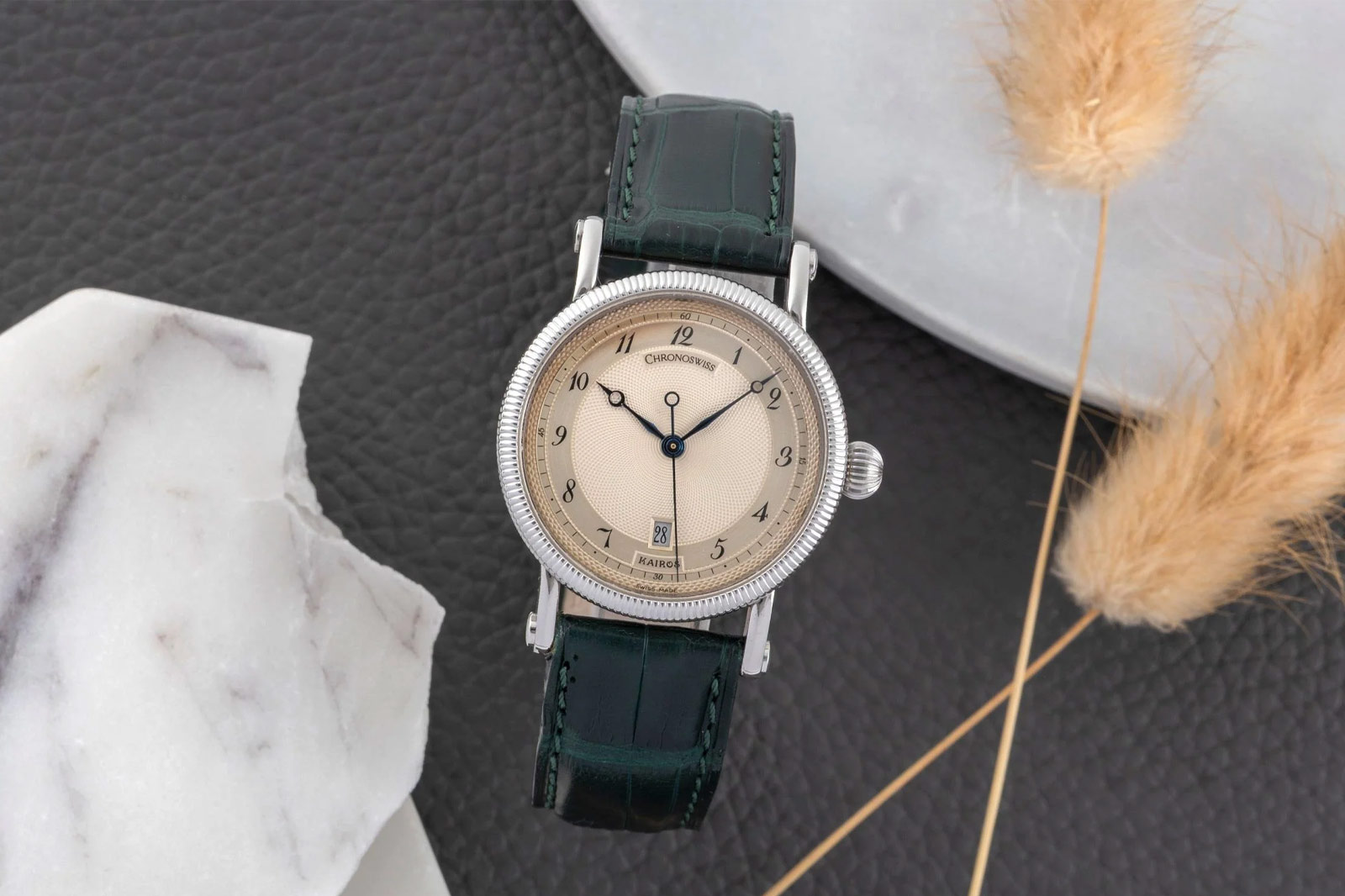
With jewellery and watchmaking sharing a lot of artistic techniques, it wasn’t a surprise that towards the end of the 1990s, Benzinger started working on timepieces. But it took someone to take that chance on a new finisher and that man was the late Gerd Rüdiger Lang, founder of Chronoswiss. Not only did he commission Benzinger to create a series of dials, but he specifically added ‘dials by Benzinger’ to the design. This was the first time Benzinger’s name would appear on a dial; it would not be the last.
Since then, Benzinger has worked with brands like IWC, Moritz Grossmann, and Glashütte Original, among others. By this point, he wasn’t just providing guilloche, but was taking a combined arms approach with engraving and skeletonisation across both dials and movements. These were all techniques he’d perfected creating fine jewellery and adapted to the demands of equally fine watches. And, in a few rare instances, the dashboard clocks of the eighth-generation Rolls-Royce Phantom.
But like any master of their craft, simply finishing the watches of other brands wasn’t enough. Who’d be a ghostwriter if you could be an author in your own right? And so Jochen Benzinger decided to start building watches of his own – launching his eponymous collection in 2005 with the goal of preserving the artisan crafts of which he was a devotee. And that was only the start.
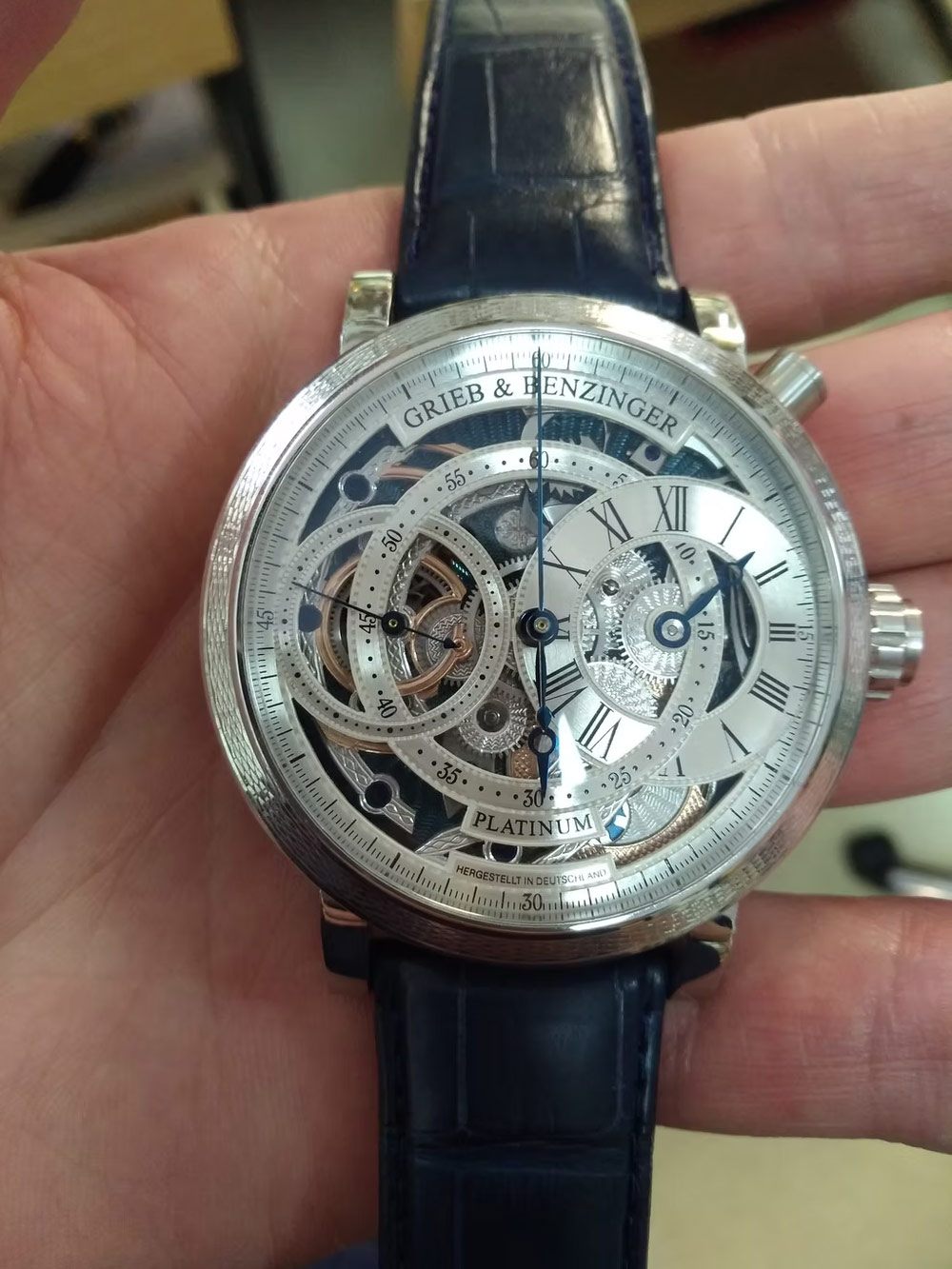
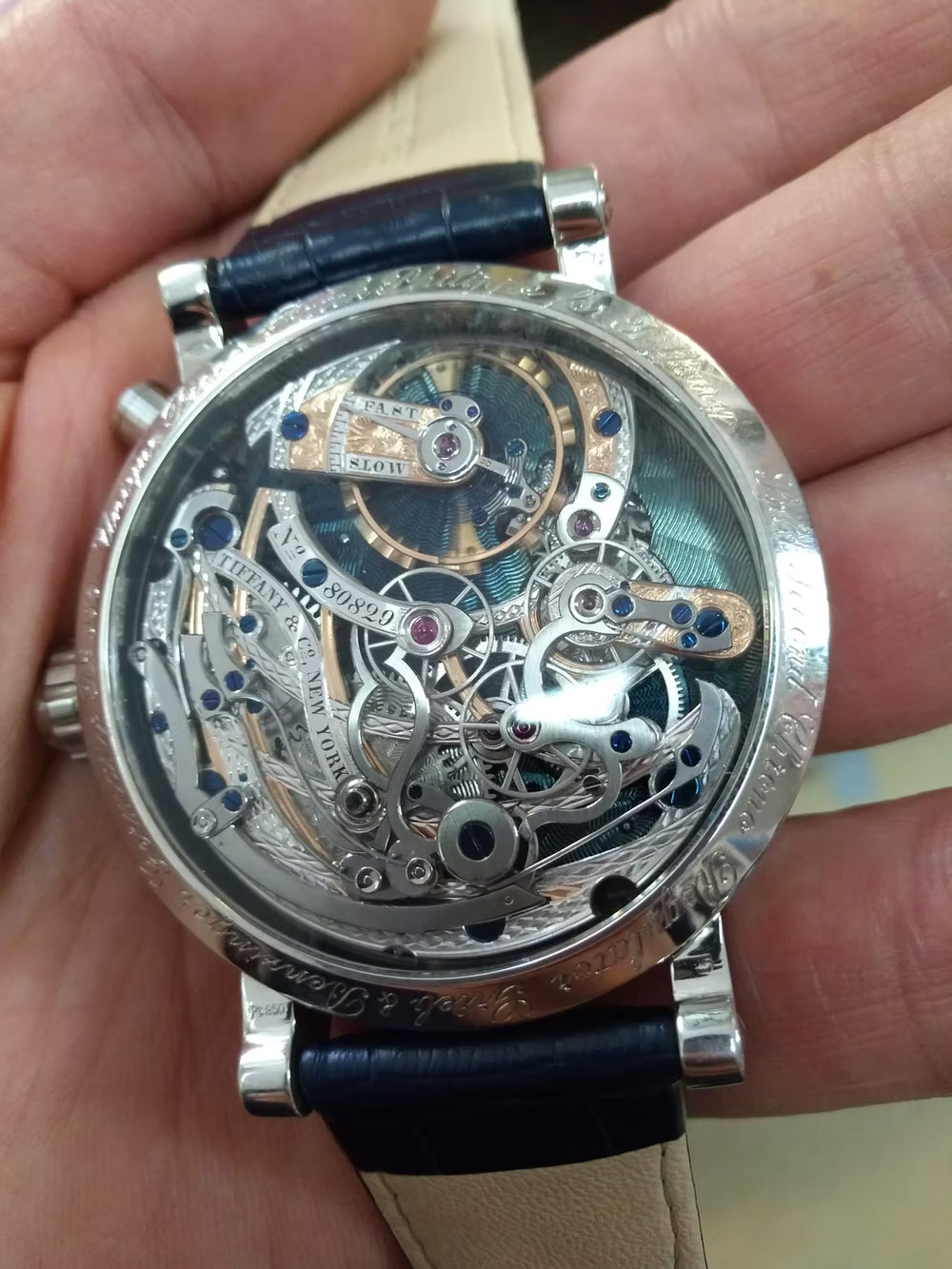
In 2010, Benzinger began a collaborative project with master horologist Hermann Grieb, renowned for his blend of complex engineering and restoration work. The idea here was to take historical movements and reinvent them with new designs leaning on traditional expertise. They launched said partnership with the Blue Sensation, a watch built around a restored 1889 Patek Philippe split-seconds movement. It measured 49mm across of solid platinum case and was lavished with hand-skeletonisation, frosted surfaces, engravings and blue, platinum-coated movement bridges.
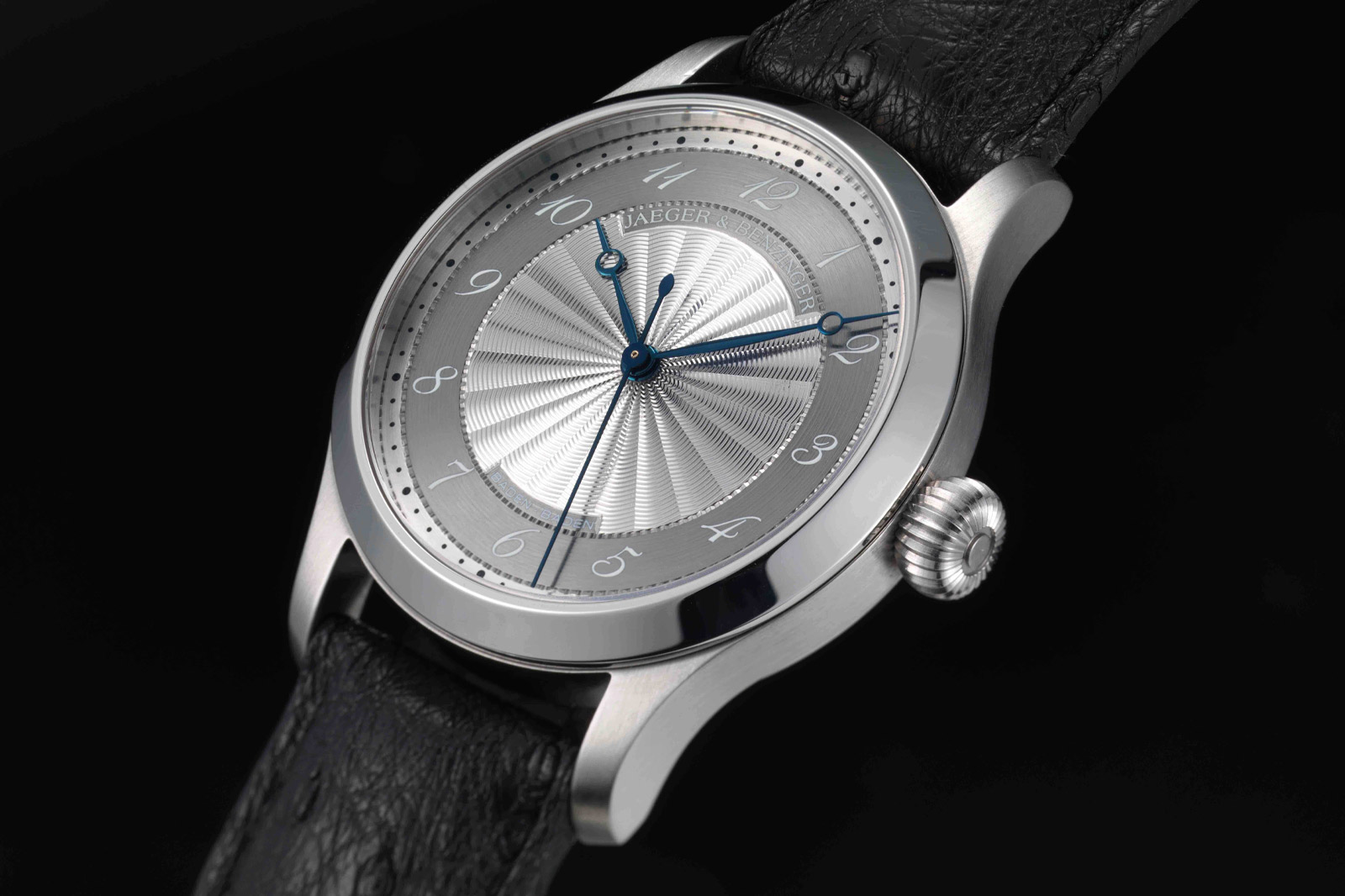
Where Grieb & Benzinger were working at the highest echelons of German horology however, in 2012 Benzinger took the opposite approach with Jaeger & Benzinger. This collaboration with collector turned brand creator Kay Jaeger aimed to offer similar finishing techniques as Benzinger’s mainline collection, but at a more affordable price point. These aren’t cheap watches by any means, but the brand’s current entry price of €4,950 for the Edition 1 Handaufzug will get you a rare, Breguet frosted dial, guilloché small seconds and elaborately finished, ETA Unitas 6498 movement. It’s an incredible value proposition.
Benzinger’s own watches on the other hand sit between the ultra-rare Griebs and value-driven Jaegers, forgoing high complications in favour of obsessively beautiful finishing. In 2022 however, he added in-house movements to his formula.
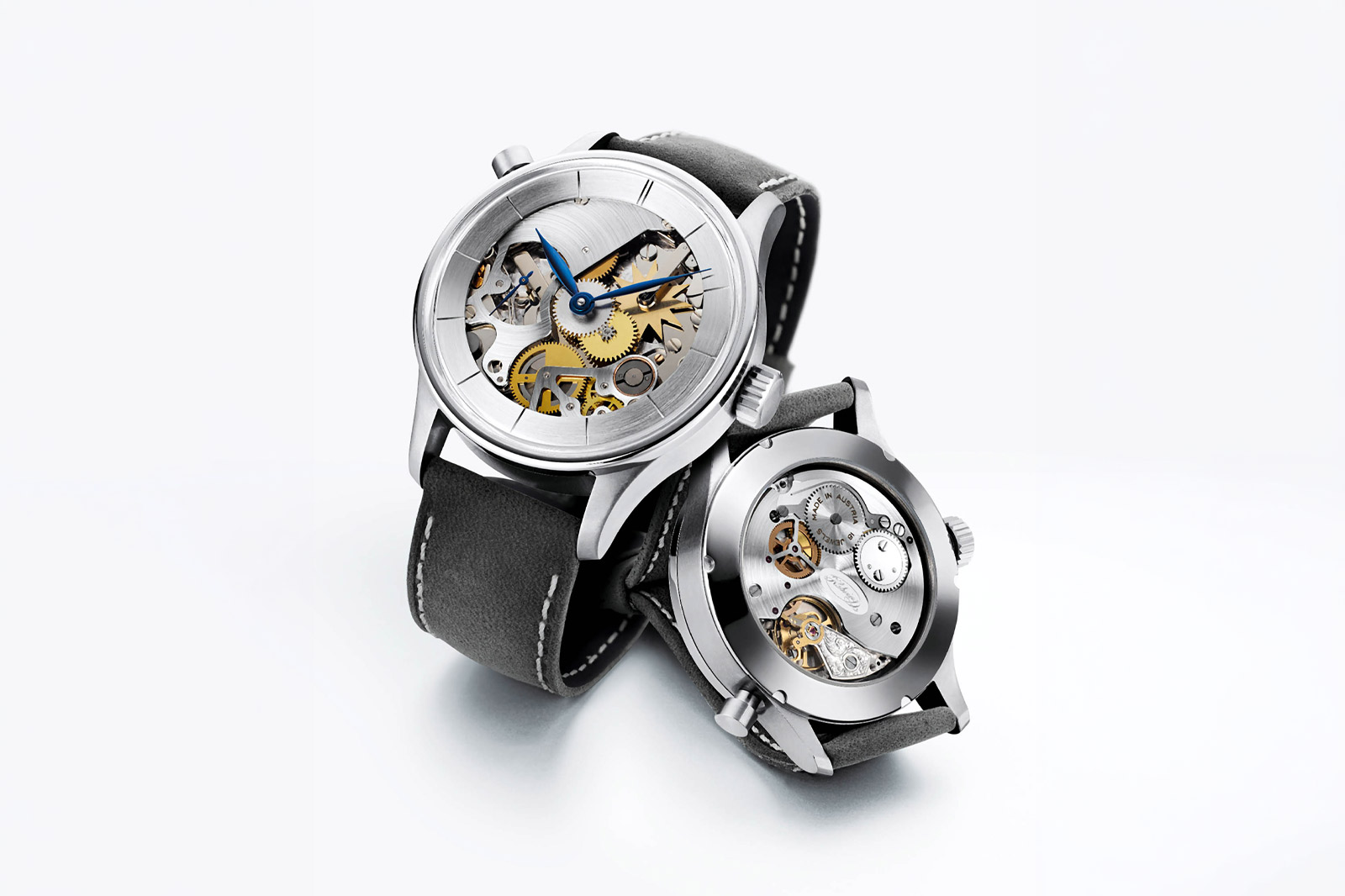
Back in 2016, Benzinger worked with Austrian independent brand Habring² on the Habring² Benzinger 5-minute Repeater Watch. While that watch was built specifically for Australian retailer Define Watches, the watchmakers behind it kept in touch. So when Benzinger decided that he wanted to add more chronometric heft to his flawlessly finished timepieces, he called in Habring² and in 2022 launched the GAP (German-Austrian Partnership) I.
Inspired by the likes of Breguet and George Daniels, the 39mm GAP I wasn’t just a new watch with a third-party movement. Habring² built the new calibre to Benzinger’s own specifications, who then skeletonised it in his own distinctive style. This was followed in 2025 by the GAP 2, which had similar aesthetics and architecture, but this time integrated a power reserve indicator and a more traditional rear view with a guilloche three-quarter plate instead of the open look of its predecessor.
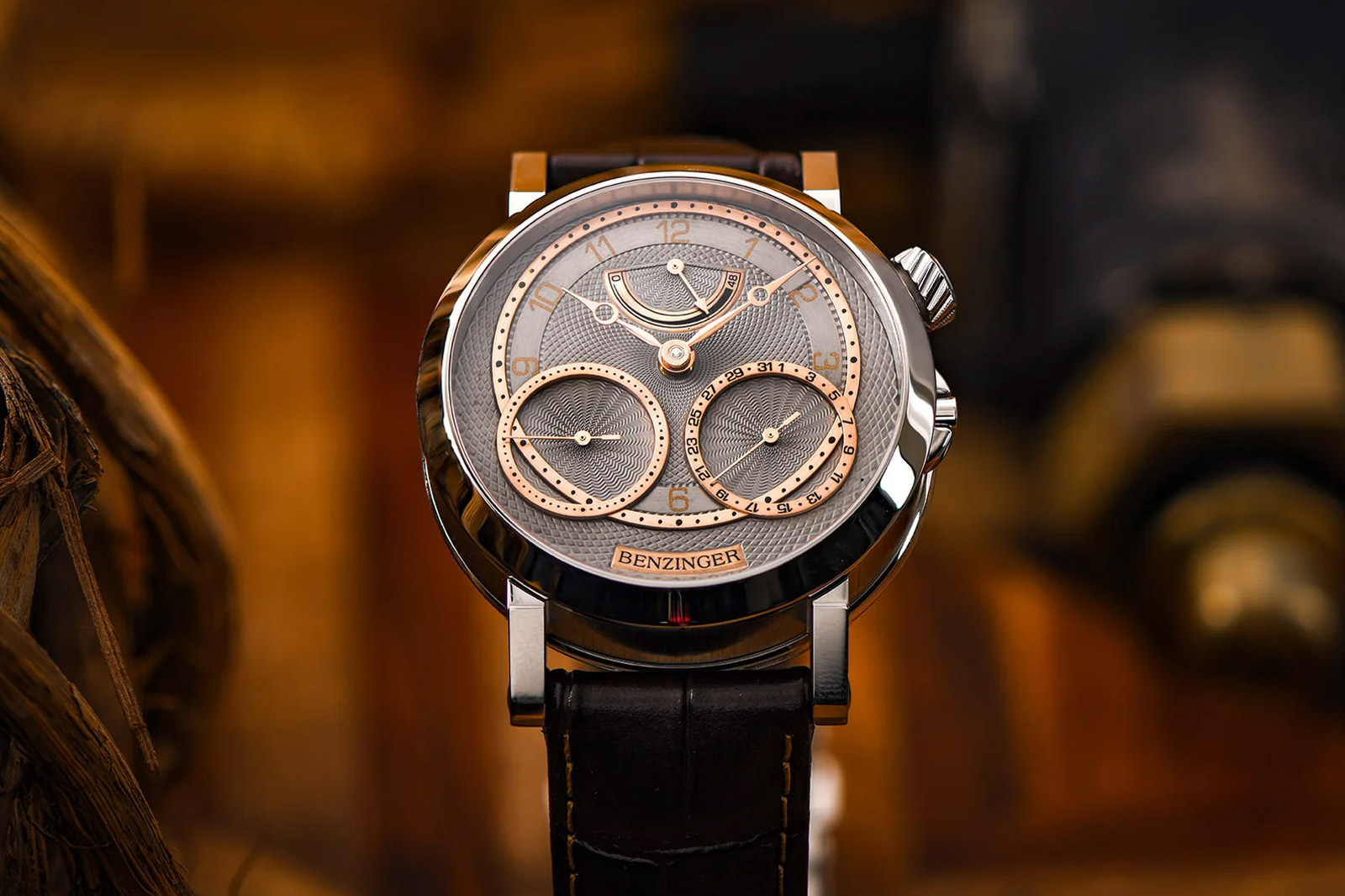
While the GAP 2 might have all the hallmarks of an unobtainable grail, it’s priced at EUR 14,900, around £12,750. That’s a price which seems to undersell just how exceptional Benzinger watches are.
While Jochen Benzinger’s partnership with Grieb came to a natural conclusion earlier this year, his own watches preserve the traditional artisan crafts that once made Pforzheim Germany’s Golden City.
More details at Benzinger.