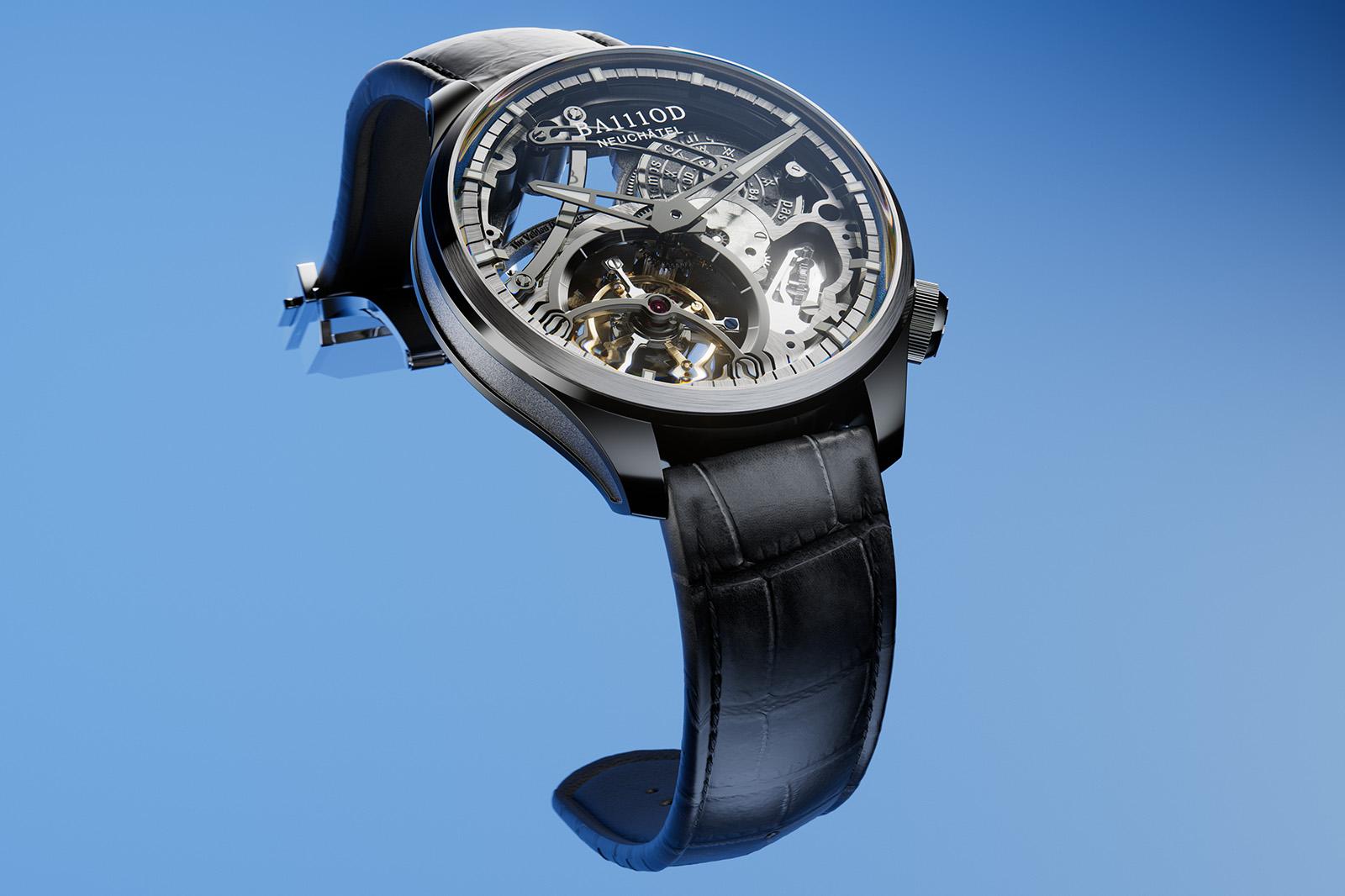
As technically demanding as it is fascinating, the tourbillon is a complication that usually comes with a price tag in the high five figures. There’s good reason for that; the precision required to build a cage that rotates the escapement takes decades of training and constant practice – which is why it’s impressive that accessible Swiss watchmaker BA111OD is bringing tourbillon creation in-house – and celebrating with the new generation of their seminal Chapter 4 T.V.D.
BA111OD has history with the tourbillon. While the brand was founded in 2019, they really made their presence felt in 2021 with the launch of the original Chapter 4 T.V.D – short for The Veblen Dilemma. The name describes the concept of an object getting more desirable as its price goes up and less desirable as it gets cheaper. Put simply, it’s the snob effect. The reason it’s important here is the paradox the Chapter 4.1 T.V.D embodied: it was a flawless Swiss tourbillon for CHF 3,920.
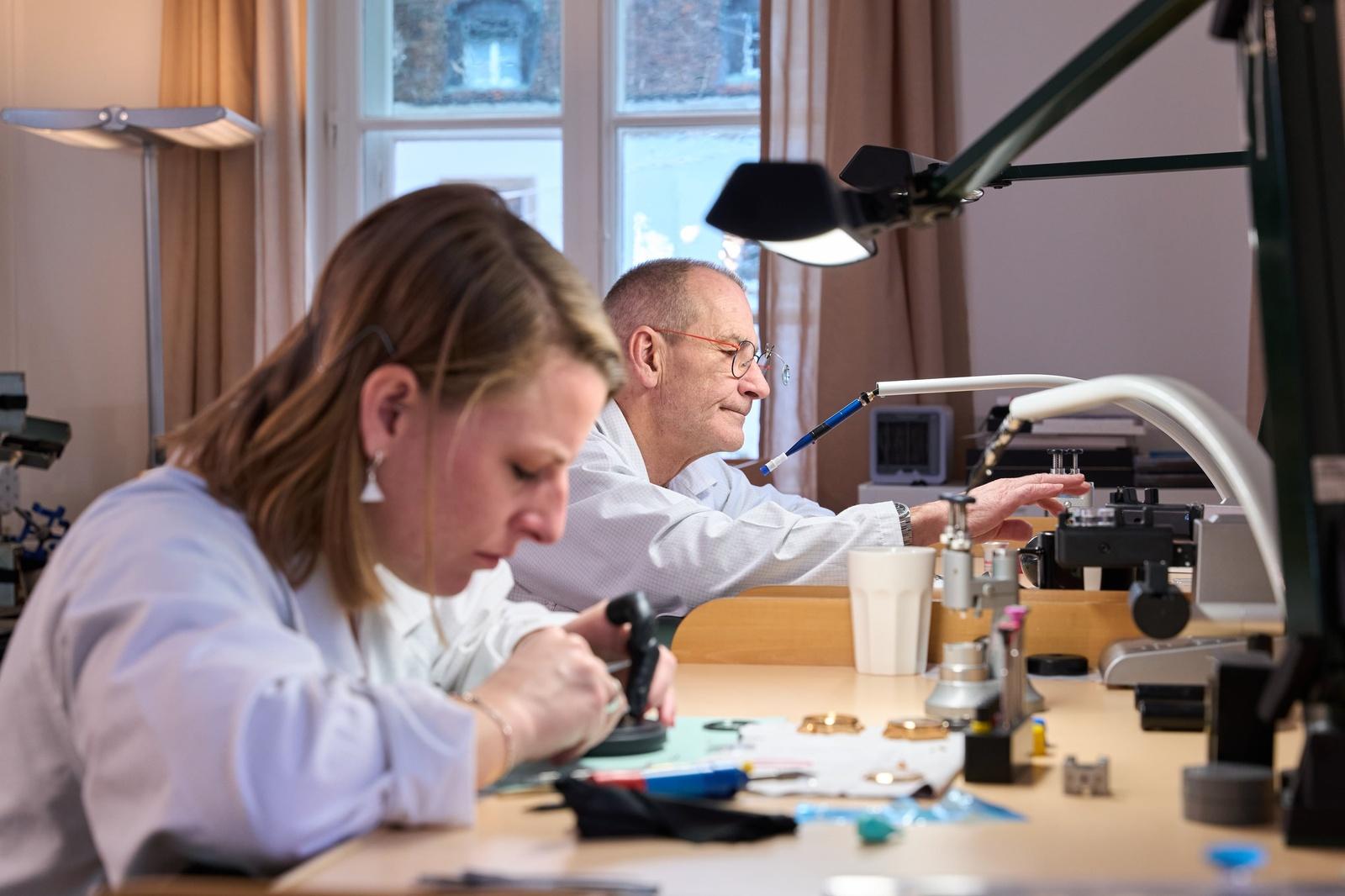
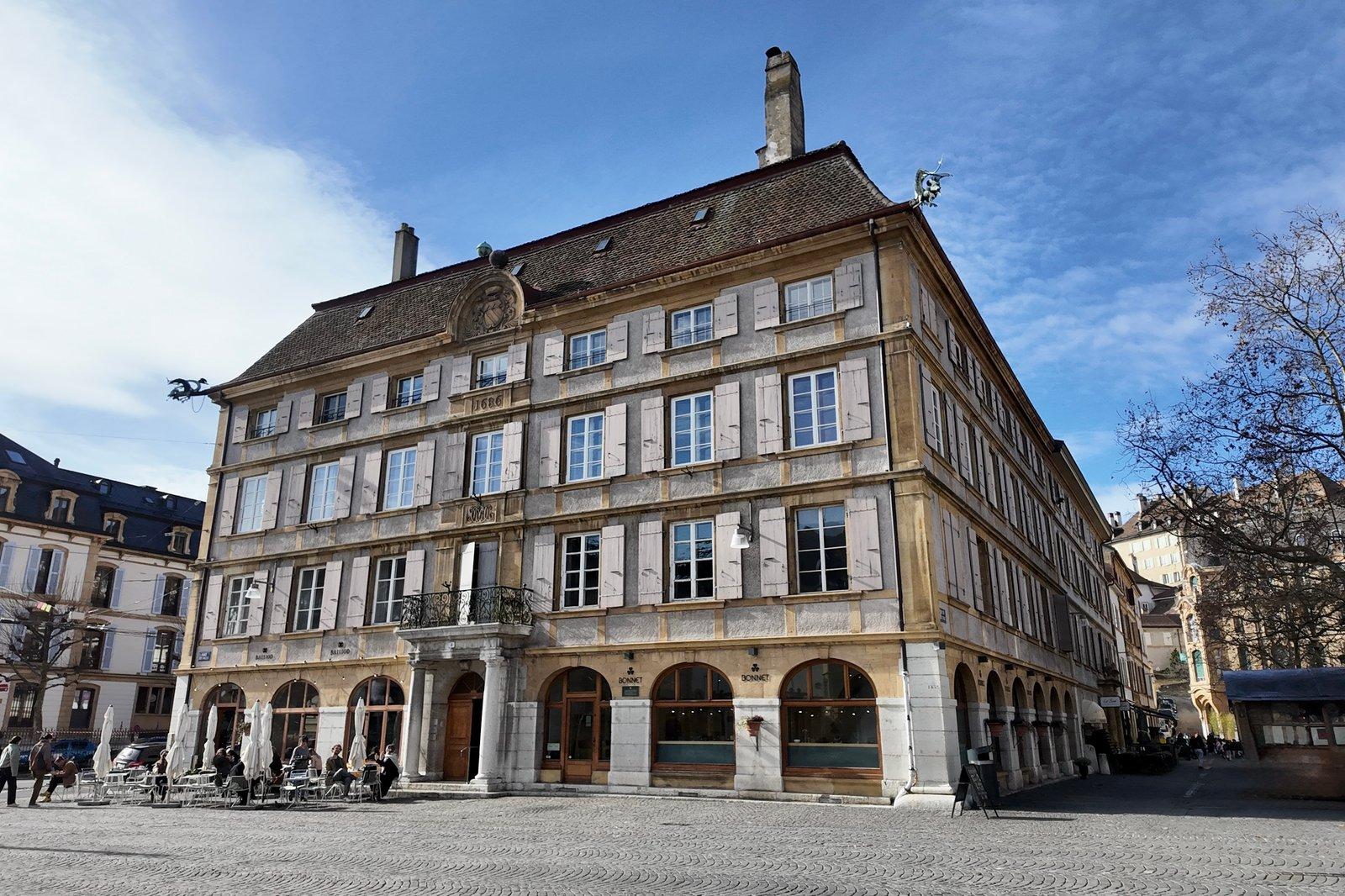
It’s a given these days that cheap tourbillons exist; they’re just usually Chinese. BA111OD’s effort was instead designed and built between the watchmaking hubs of Neuchâtel and La Chaux-de-Fonds. BA111OD are based in the former; the latter is home to specialist movement developer, BCP Tourbillons.
BCP Tourbillons are an anomaly. There are some serious movement developers in Switzerland, your Vauchers, Agenhors, and Kenessis, but they invariably work at the high end. Founded by master watchmaker Olivier Mory, BCP’s raison d’être on the other hand is to make that kind of development affordable for brands – starting, of course, with the tourbillon.
The tourbillon has traditionally been the purview of high-end makers, which means it’s not just the mechanism itself, but the hand-finishing which is often the most expensive and labour-intensive element of fine watchmaking. It also means that the singular mechanism is one small part of a broader haute horology expertise. BCP’s approach is the opposite. They drop most of the traditional hand-finishing and by specialising in tourbillons, they’ve managed to simplify the architecture of their calibres and use pinpoint local suppliers for a much more efficient process. If that all sounds relatively dry, the bottom line is instantly appealing: robust Swiss tourbillons for a fraction of the usual price.
BCP’s approach is a tempting prospect for any watchmaker actively trying to keep costs down. They’re a young, agile, innovative movement developer – meaning there are some striking similarities with BA111OD. And as the latter continues their ascendency in accessible haute horology, it makes sense that they want to bring more skills in-house. And so, they have taken the leap and acquired BCP Tourbillons.
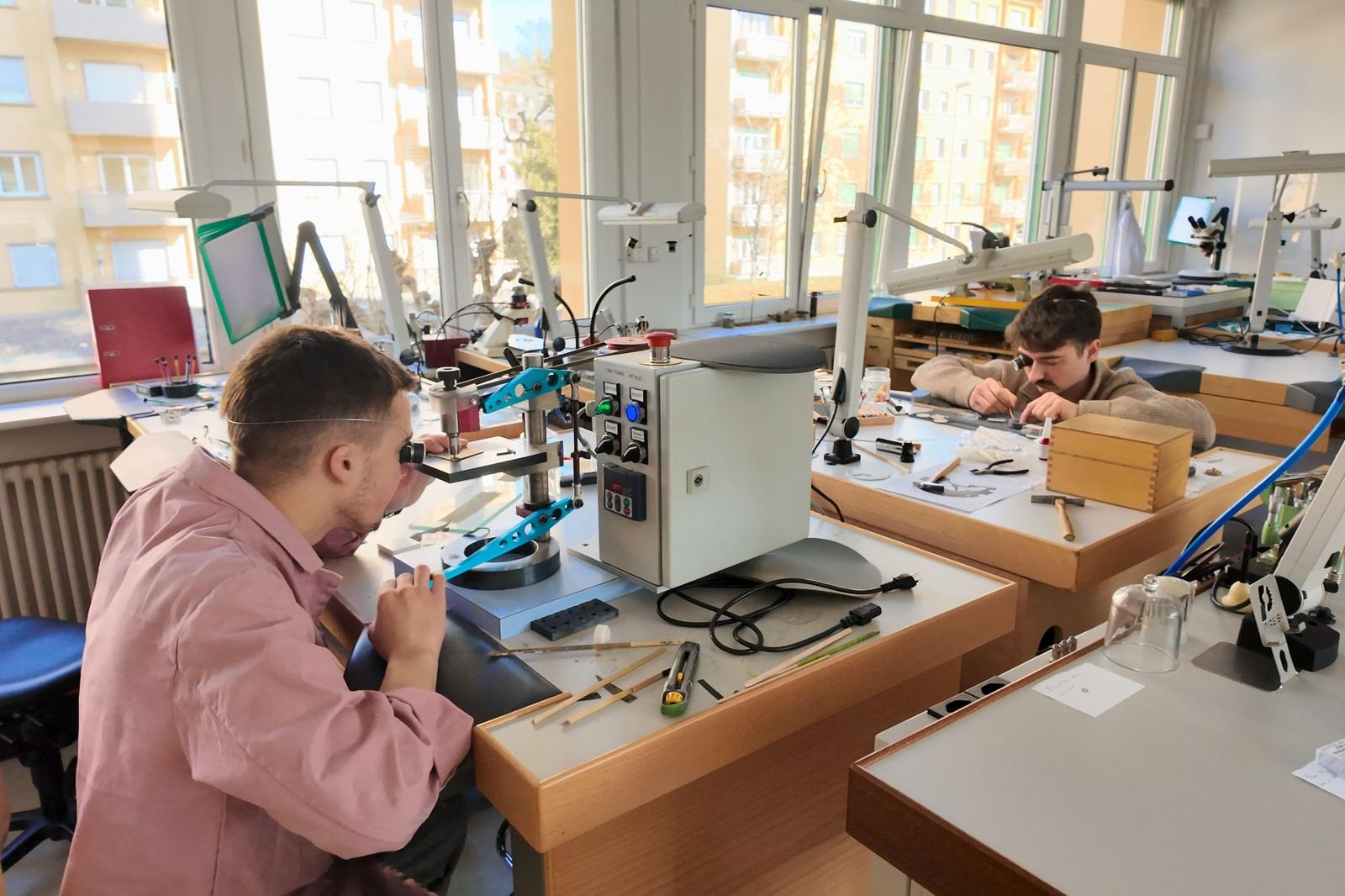
This is a huge step for BA111OD. BCP Tourbillons will still be led by Olivier Mory and will still develop movements for other brands. Louis Erard’s “Time Eater” collaboration with Konstantin Chaykin is at no risk of disappearing. But it does mean that BA111OD’s supply of tourbillons is secure and allows them to have much more freedom to develop new movements. Less tangibly, it also builds BA111OD’s legitimacy as a serious watchmaker. If you’ve not paid the brand much mind before now, this is a reason to take notice.
To celebrate the milestone, BA111OD are going back to how this partnership started in the first place, with a new, refined version of the Chapter 4 Tourbillon T.V.D – making it their first, true, in-house tourbillon watch.
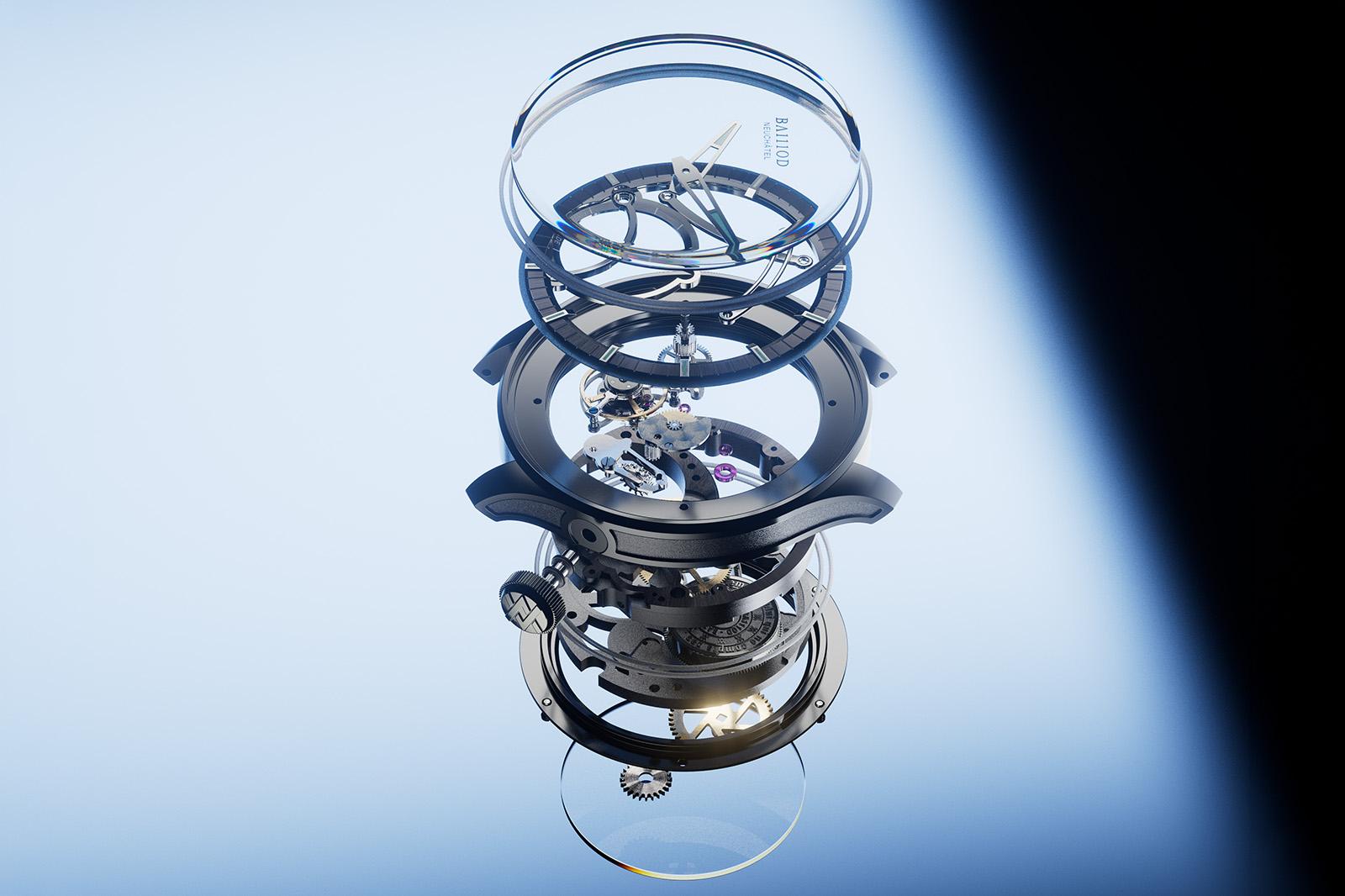
The new Chapter 4 is similar to the original in its contemporary skeletonised design, now more architectural. The flange and ‘dial’ have been reworked to give more visual depth, with greater focus on the seven o’clock tourbillon and the engraved mainspring cover. There’s a greater feeling of space and light than before, an interplay that flows out to the polished, sandblasted and satin-finished surfaces of the grey DLC steel case.
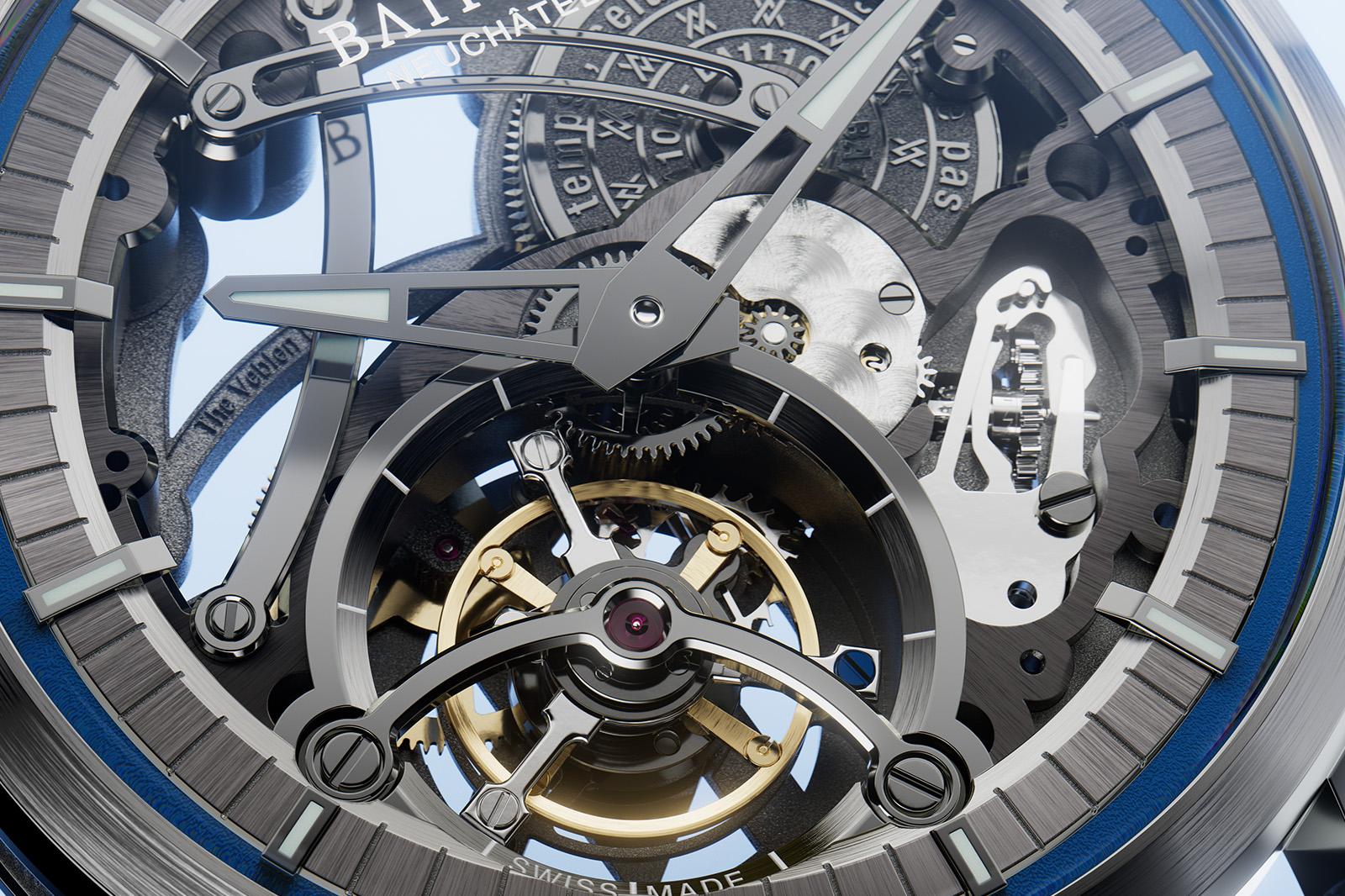
It’s not just the aesthetics that have been improved. The new BA.01 hand-wound calibre has an improved 120-hour power reserve, up from the already-impressive 105 hours of the original model while maintaining the same 3 Hz frequency. It’s also chronometer-certified, though unusually by Timelab, the Geneva Chronometric Observatory rather than the monolithic COSC.
The new Chapter 4 is available in 39mm and 43mm, both smaller than the original’s 44mm sizing – and notably skipping over the potentially perfect 41mm sweet spot. Both versions are priced at £7,800, so the decision comes down to which feels better on your wrist rather than which you can afford. More importantly, that’s a phenomenal price for a true Swiss tourbillon, using Swiss components and Swiss expertise.
The idea that high complications are too expensive for all but 1% of collectors still has a stranglehold on horological discourse. But with BA111OD at the vanguard of a new wave of accessible haute horology, building on the momentum from the likes of Horage and Frederique Constant, that perception is slowly shifting – for the better.
More details at BA111OD.


![Ulysse Nardin Introduce Freak [One Blue Enamel] and Freak [One Guilloché] for 25th Anniversary](https://oracleoftime.com/wp-content/uploads/2026/09/Ulysse-Nardin-Freak-ONE-Featured-600x337.jpg)
