British watchmaking is on the up. Granted, it’s a long way away from its heyday and the original horologists that created the first marine chronometers and pushed the boundaries of horology – the likes of Arnold, Harrison and Daniels – but through one brand or another watches made, assembled or simply designed here in the UK are making waves in the wider watch world.
Before getting too deeply into where British watchmaking came from, where it is and where it’s going, it’s worth taking a look at precisely what it is. Stylistically, Fears’ Nicholas Bowman-Scargill hits the nail on the head:
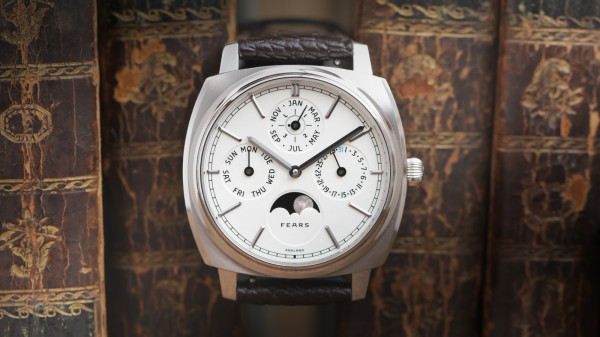
“There is a rare quote about the British design sensibility of ‘graceful yet purposeful function’,” says Nick. “When you look at the traditional movement finishing on an old English pocket watch it has an almost utilitarian frosted look with a distinctive shape to its bridges. The more you admire the finishing, the more you appreciate the gracefulness of its design and how certain radii and proportions give it a unique look not seen in the Swiss or German product.”
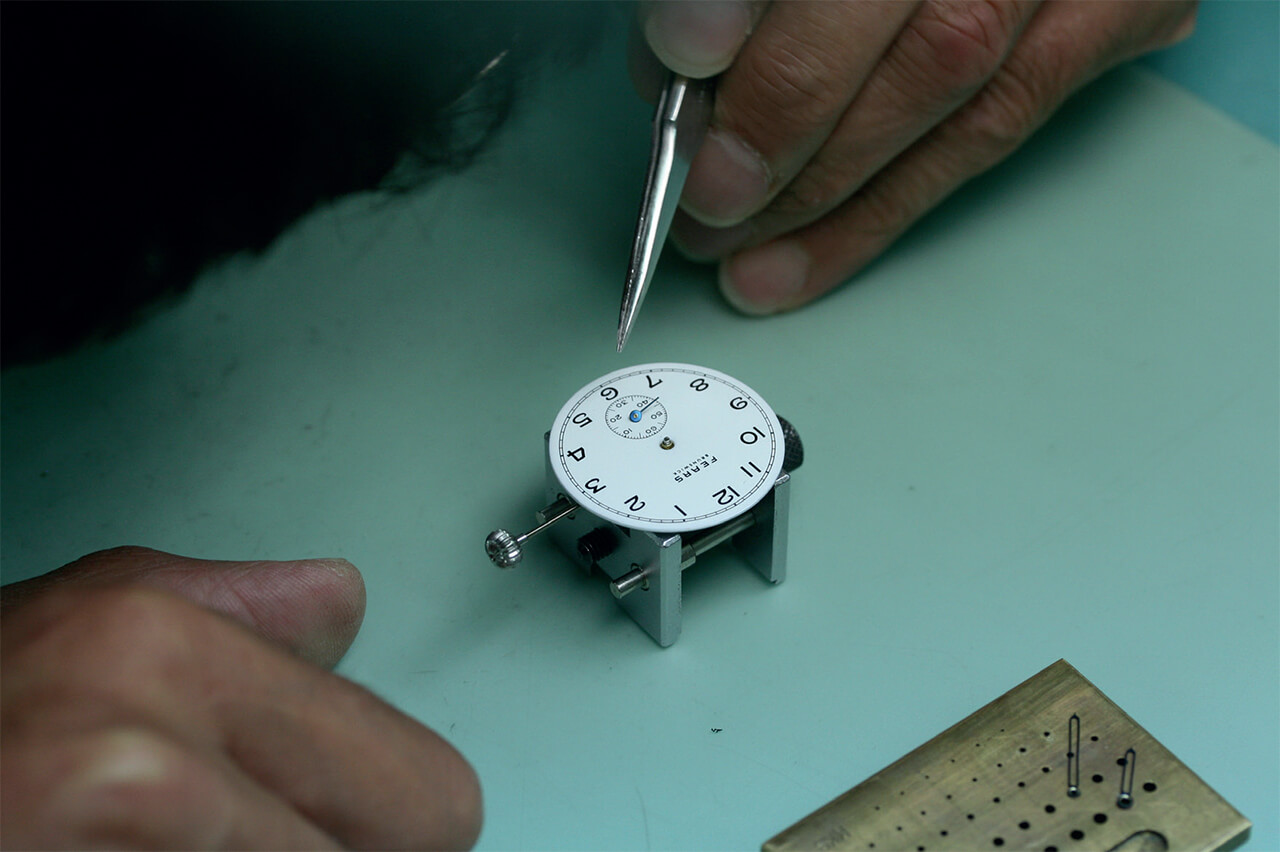
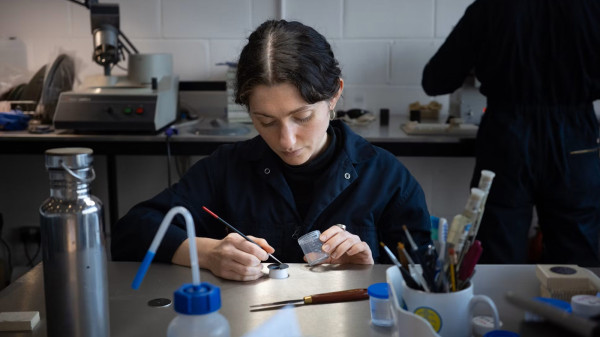
Fears Brunswick being assembled.
It’s a style that Fears has embodied in its collection, enough that the entry-level mechanical brand has become part of the Great Britain Campaign, highlighting that even the UK government sees the potential in British watchmaking. Fears is in good company too; it’s joined in the campaign by one of the most celebrated watchmakers working today, Roger W Smith.
While Smith has been at the top of his game for decades however, it’s not that easy for other watchmakers trying to bring traditional horology back to home shores; there are very few workshops other than the rarefied, artisan sort that we associate with true horology. So, where did they all go?
“When Vertex was founded, Britain was a renowned watch supplier with an unrivalled heritage in creating some of the most historically innovative timepieces in the world,” explains Vertex owner Don Cochrane. “But then two world wars saw almost all watch factories turning their attention to munitions supply and those factories never really recovered.

Garrick’s workshop.
“The industry has had a real renaissance over the last 15 years. It’s not often now I spend a week without coming across another ‘British’ watch company. We are that acutely aware that our watches are not made in Britain but rather buy our manufacturing partner in Switzerland; we wanted the quality that, at the time, only buying Swiss would allow. But since then we have been starting to do a lot of the pre-production work here in London and expanding our workshop this year will allow prototyping and customisation work to be taken care of on-site.”
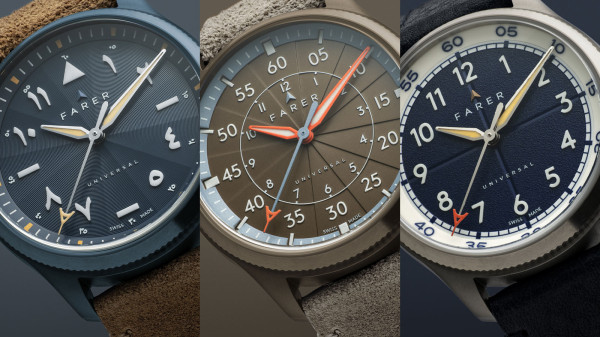
Which brings us to the crux of a major divide in British watchmaking. On the one side, you have the likes of Fears, Christopher Ward and Farer, well-designed watches with a British feel that are nonetheless predominantly Swiss. That’s no bad thing; it allows even us mere mortals to enjoy the British style Nick so eloquently described.
But on the other side of the line are the guys actually making components and building watches from scratch here in the UK – which, as Garrick’s Dave Brailsford points out, is not easy.
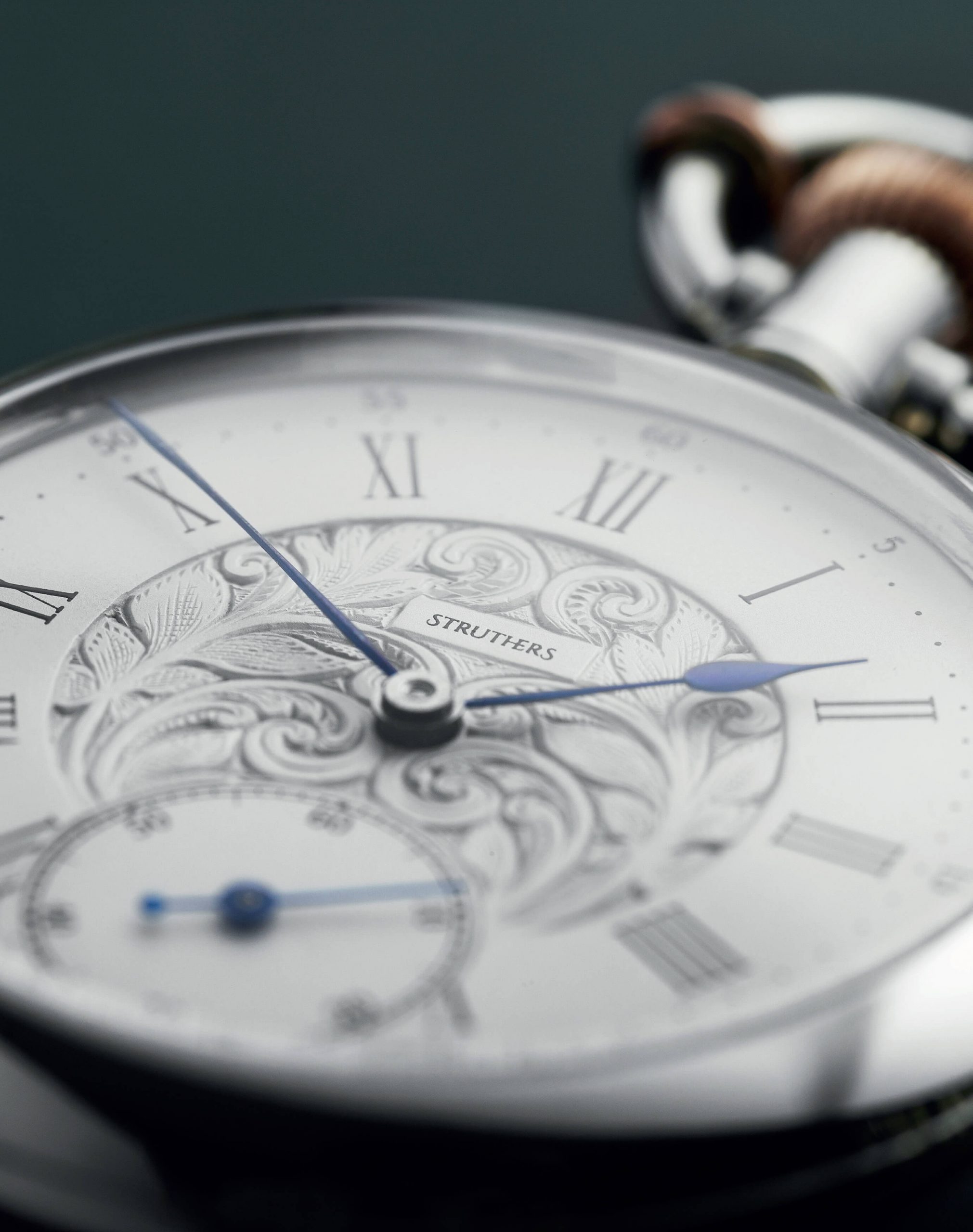
Struthers was started by husband and wife Rebecca and Craig Struthers, and has been making watches in the UK since 2013.

“Starting a watch brand is easier than it’s ever been considering there now platforms like Kickstarter,” says Dave. “But, starting a manufacturer is a different kettle of fish. When we started, there really was nobody else making components in-house except for Roger Smith, so it was a steep learning curve. It’s just not possible for most brands to do this because you need very deep pockets, a damn fine watchmaker and a good workshop. It’s taken us years to learn and develop new processes here in England, and it’s been a struggle – but we wouldn’t have it any other way.”
The same can be said of Struthers, whose husband and wife team Rebecca and Craig Struthers have been building their own watches since 2013’s Stella, and racking up awards to go with them. They do however have some ideas of where they’d like to see the wider domestic watch world go.
“There has definitely been a strong resurgence in interest in British watchmaking and British watch brands”, says Rebecca. “It’s great! We’re all pretty unique and doing things our own way which I think makes our industry a very interesting one for collectors to follow. I hope the growth continues, but I’d also like to see people working together more. One of the biggest challenges British watchmaking faces is the total lack of supporting industries you see in established centres like Switzerland. That will take more collaboration and communication between brands and watchmakers but I think would make a huge and beneficial difference for us all.”
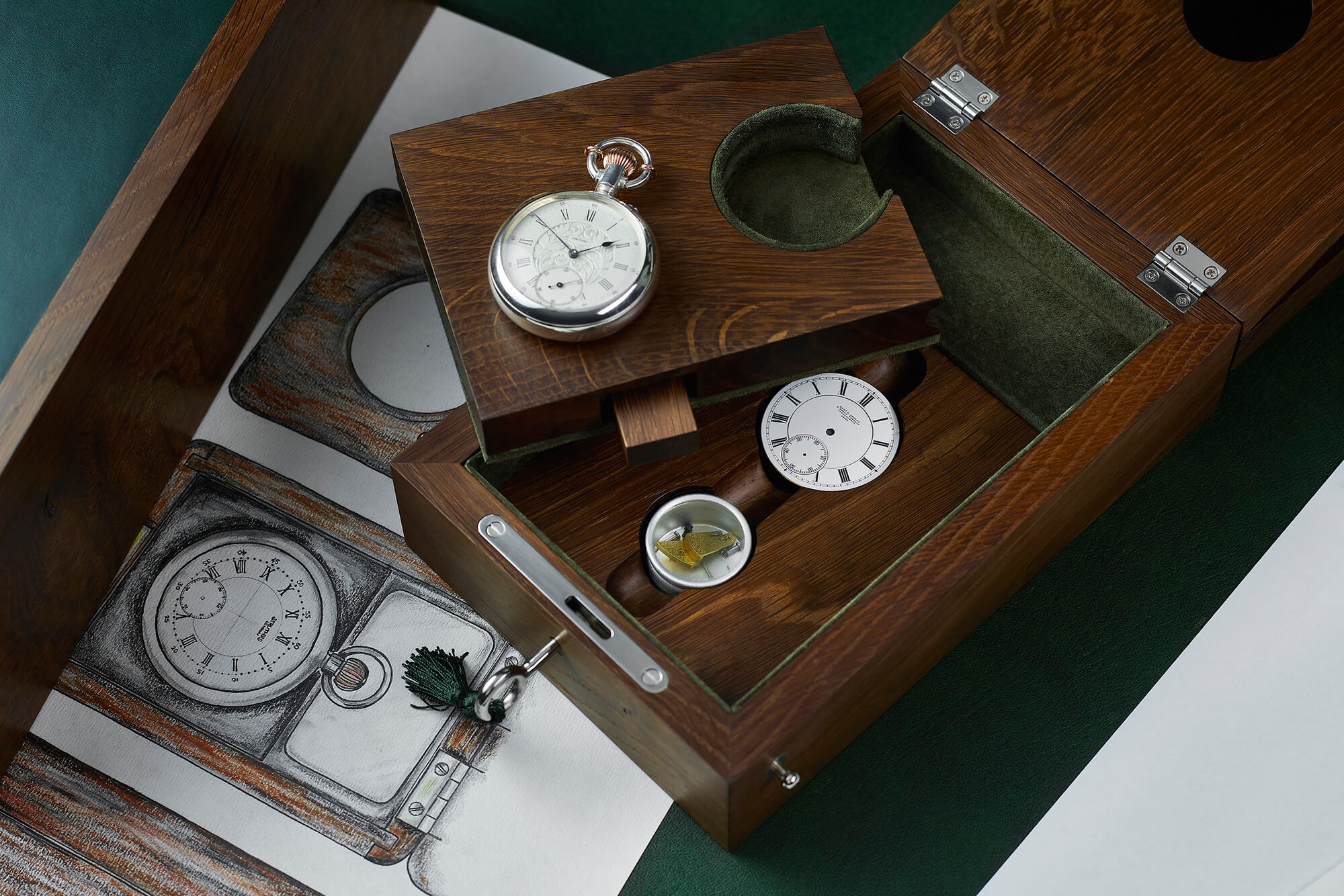
© Struthers
That’s something that Giles English, co-founder of Bremont, agrees with. “I’m still disappointed there aren’t more British watchmakers in the UK; they’re just not set up for it,” says Giles. “It’s more about outsourcing than building here. I want to see that change, to bring the watchmaking supply chain back here. If someone were making great dials here at home, we’d use them in a second. But we’ve also made a serious commitment to rectifying the problem ourselves. When it’s finished, our new manufacture will scale up what we can do in the UK no end, more in fact than we currently need. We’re still a long way off where we want to be, but we’re getting there.”
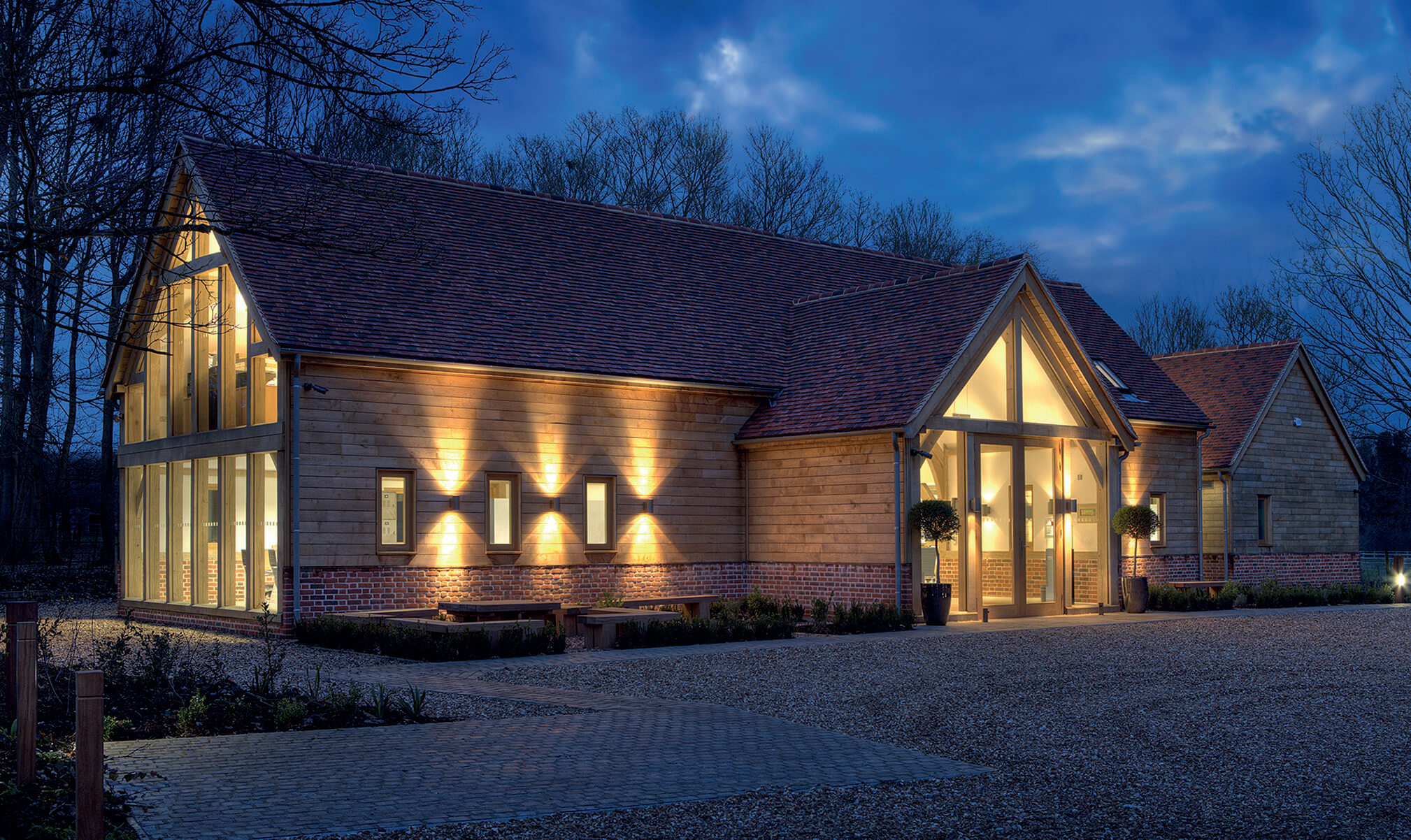
Bremont’s workshop is in an oak-framed barn close to Henley.
While I hate to put a downer on an otherwise hopeful article on the future and potential of British watchmaking, I’m obliged to point out there is one major caveat: Coronavirus. The current pandemic and lack of support here in the UK has meant that most of our own watchmakers are on pretty shakey ground.
As Don says, “It’s hard to talk about the state of the British watch market on the doorstep of an event that may change it fundamentally in ways we cannot yet imagine.”
Still, no watch brand comes this far to be ended by something as trivial as a global pandemic: “I’m not sure the watch industry or the economy, in general, will ever recover from the current crisis,” says Dave. “But British independents all have a fighting chance, no matter what comes our way. Our fighting spirit will prevail!”