Finding a great vintage dealer is easier said than done. Transparency isn’t exactly at the core of most, and no matter how nostalgic you are for a particular vintage reference, you need to trust that you’re getting a good price for a good watch. That’s precisely what Arwind Jhand has established with Tortoise Watches.
Jhand came to the watch world as an obsessive collector first and foremost, before segueing into the business side and still approaches what he does as a collector. A range of quirky, curated timepieces, fair pricing and an enthusiast’s love of watches as objects, Tortoise is a breath of fresh air.
You’ve described yourself as a collector first, who turned the hobby into a business. Does dealing kill the romance, or does handling hundreds of watches a year deepen it?
One of the reasons collecting as a hobby turned into a business was because I really enjoyed the aspects of buying and then selling watches to fund the next watch for my own collection. I did find myself with a larger personal collection than I would need to wear, and for a period I collected multiples of the exact same references. I have an addictive personality, and the watch game fed that part of my brain much more than I had expected it would. When I became a full-time dealer, the initial period was pure euphoria. I could buy watches with zero guilt, as they were bought for the business stock. Every so often I would get high on my own supply.
Nowadays my collecting has shifted and completely merged into the business. I still get a major rush when I discover a rare watch that I have been hunting for ages. I get to wear it for a short while and off into the shop cabinets it goes. I’ve found I’m buying less for me to keep, so in that sense the romance has diminished. At the same time my knowledge on watches has vastly grown and it wouldn’t have happened if I kept hoarding watches as the collector I used to be.
Your stock is unmistakably Zenith-heavy and includes the A384, A386, De Luca, Port Royal. What was the watch that started that obsession, and why Zenith rather than the more obvious blue-chip names?
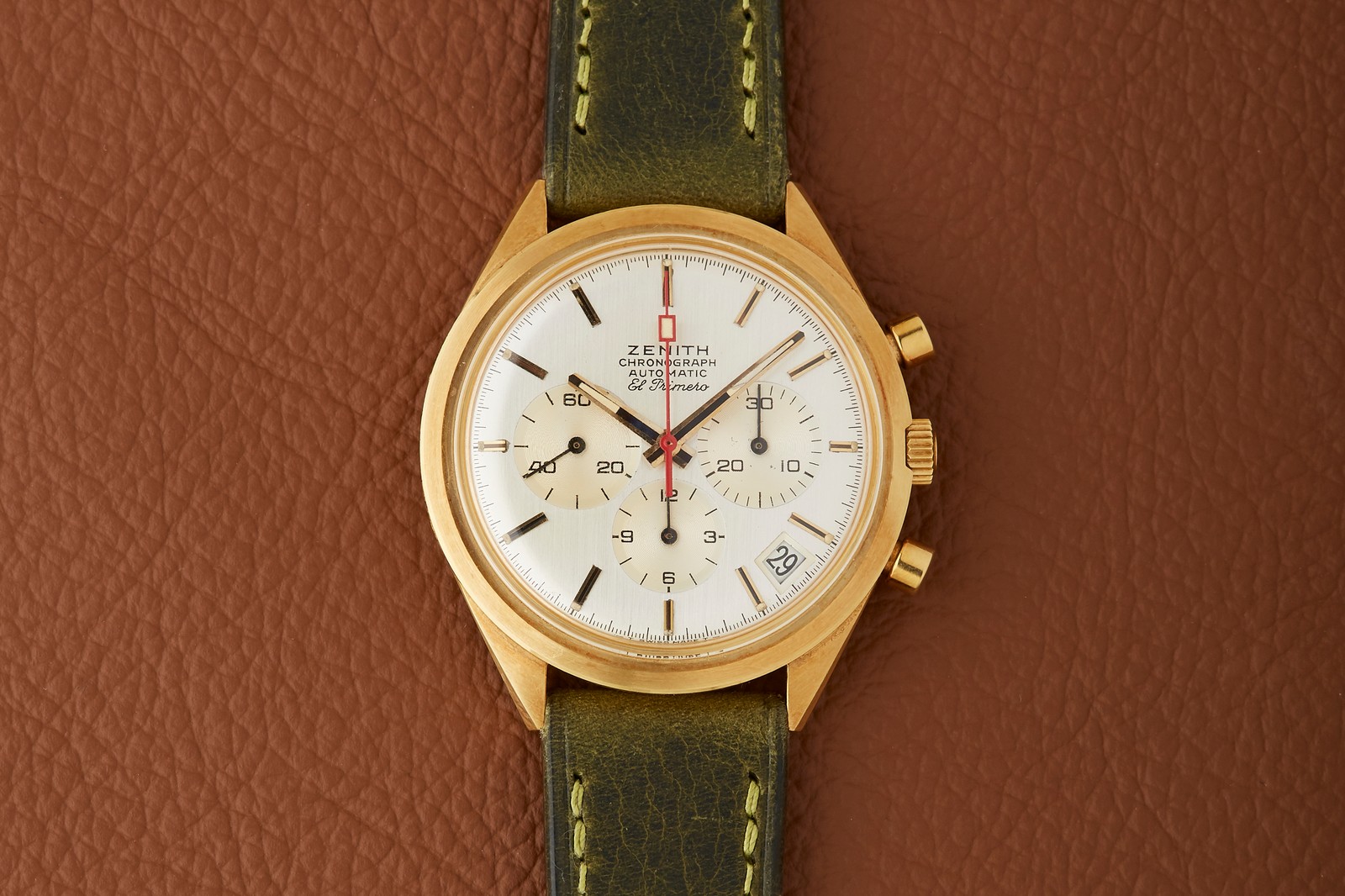
The first watch was a Zenith G583 from 1971. I acquired it in 2014 from a big Zenith collector, and we are still good friends to this day. It was quite enjoyable being able to learn from him and make other friends through the community. I’ve discussed this with a collector friend recently, as men age, there are fewer avenues to make friends. We have sports as a common ground where people can meet. I’m the opposite of athletic. So that left the pub after work as the other option. Watches tend to bring together likeminded folk, sometimes (but not always) over a drink.
Rather than Zenith though, my first interest in watches was actually sparked by an Ebel at Selfridges in their heavily discounted cabinet. I love a deal. I went home researched it and that led me to the Zenith El Primero. In my previous job in finance, I was desk bound, it was frowned upon to leave the desk, but I was allowed to use the internet as much as I liked. I had hours I could spend researching anything I wanted. So, Zenith, being a smaller brand with a lack of historical knowledge online appealed to me. I wanted to discover my own findings, instead of being able to pick up a coffee table book and find everything already unearthed.
Zenith famously survived the quartz crisis because a watchmaker hid the El Primero tooling in an attic. How much does a story like that drive what a vintage watch is actually worth – versus the metal on the wrist?
That story about Charles Vermot and the hiding of tooling in the attic probably sells more modern watches than vintage. The brand plays heavily on this story in their marketing. To be fair it is a very cool story, one of an underdog, the man determined to save history.
With vintage watches, provenance for the exact piece helps drive worth, instead of a general story. Any associated history with a piece is always a plus, such as photographs of the original owner wearing the watch.
As the vintage watch scene matures, collectors get smarter, the stories have less of an impact, and the collectability of the object for what it is in and of itself takes over.
Of all the watches that have passed through your hands, which one do you still think about – and is there one you regret letting go?
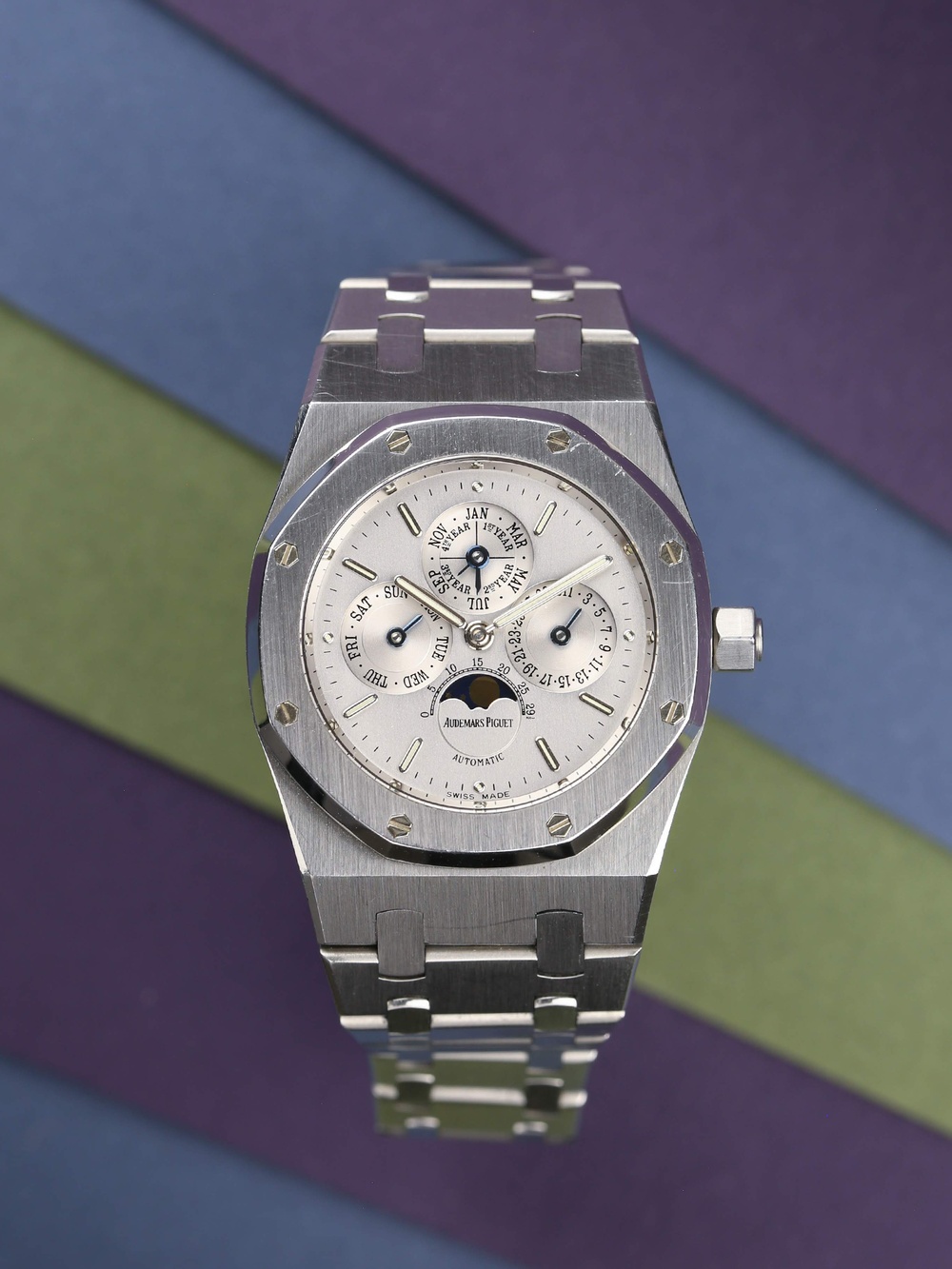
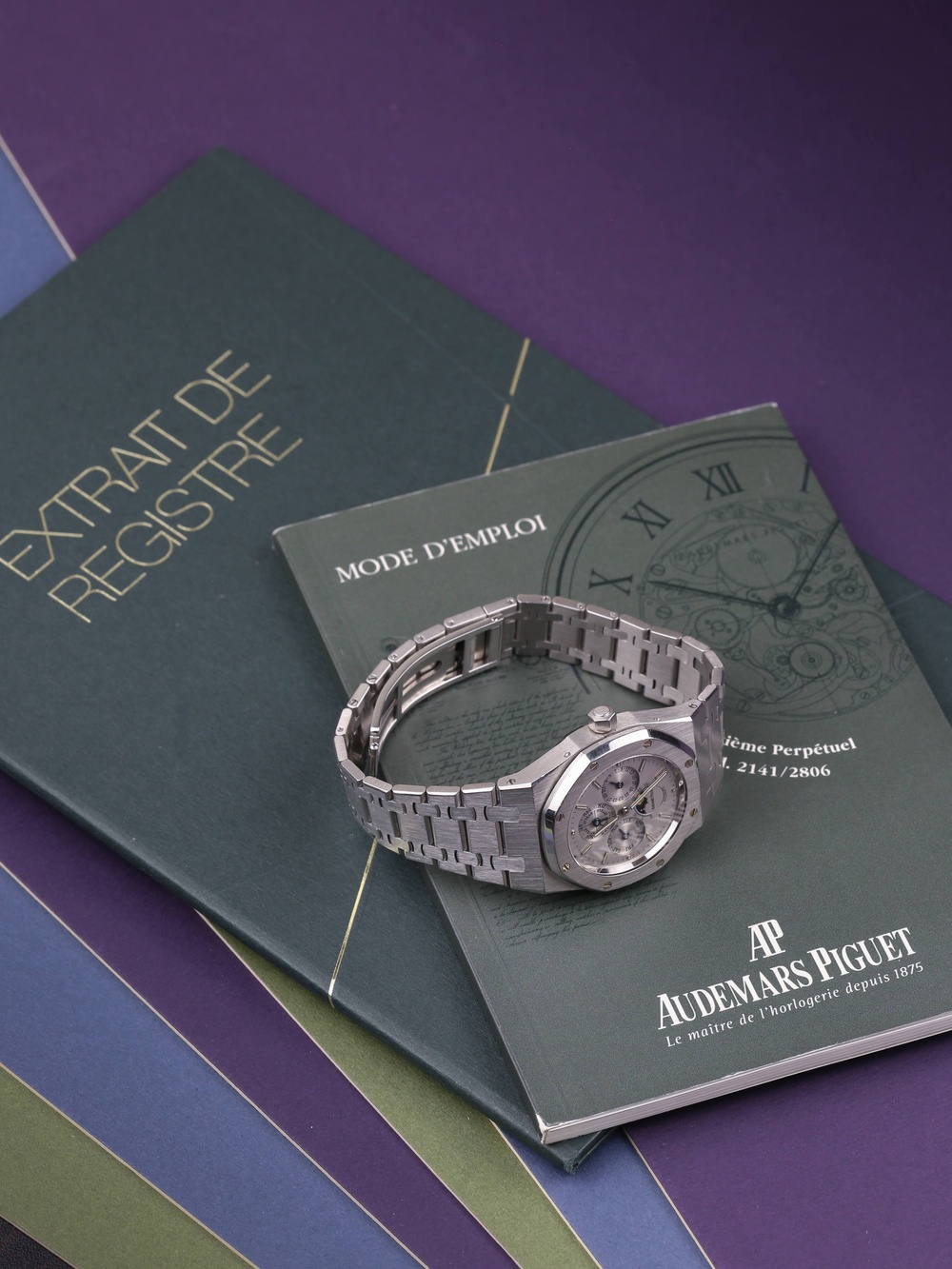
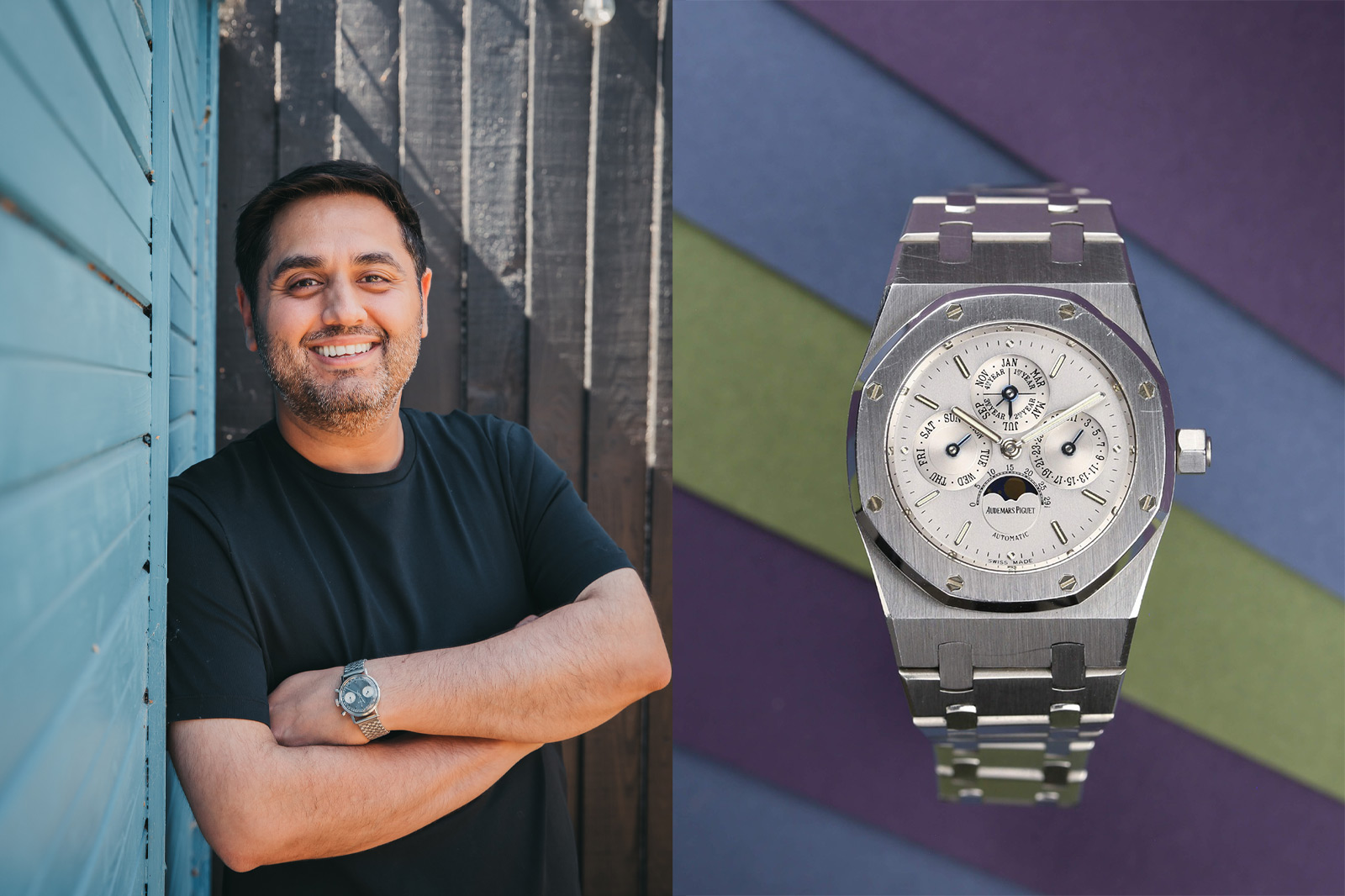
Our archive is of the watches we managed to photograph and list online, though we do sell plenty in store which never make it to the internet. The one I sort of regret is the Audemars Piguet Royal Oak Perpetual Calendar 25800ST.
I had just gone full time into watches and set up the small boutique of ours. As time permitted, I would dig out another watch from my personal collection. This particular AP was the most expensive item in my collection by a long shot. I had bought it from a good friend, so had associated memories with it. I was reluctant to let it go. But I had to put my business hat on, it was time to take it seriously and not keep indulging myself. I think about that watch a lot. In hindsight it was the right thing to do. That watch ended up going to a dealer friend and we now have a very strong relationship. It also caught the eye of another big dealer in London who reached out to me to ask some questions, now we do a lot of business with that guy, too. So yeh I regret it, because I miss it, but that single watch helped kickstart and transform my hobby into a serious business. So, in a weird way I am forever grateful to that piece of stainless steel.
‘Neo-vintage’ – roughly the late ‘80s through to the early 2000s – has gone from dealer jargon to a real trend. Is this something customers are asking for or just an industry focused trend? Also, what makes that era compelling, and where’s the value still hiding?
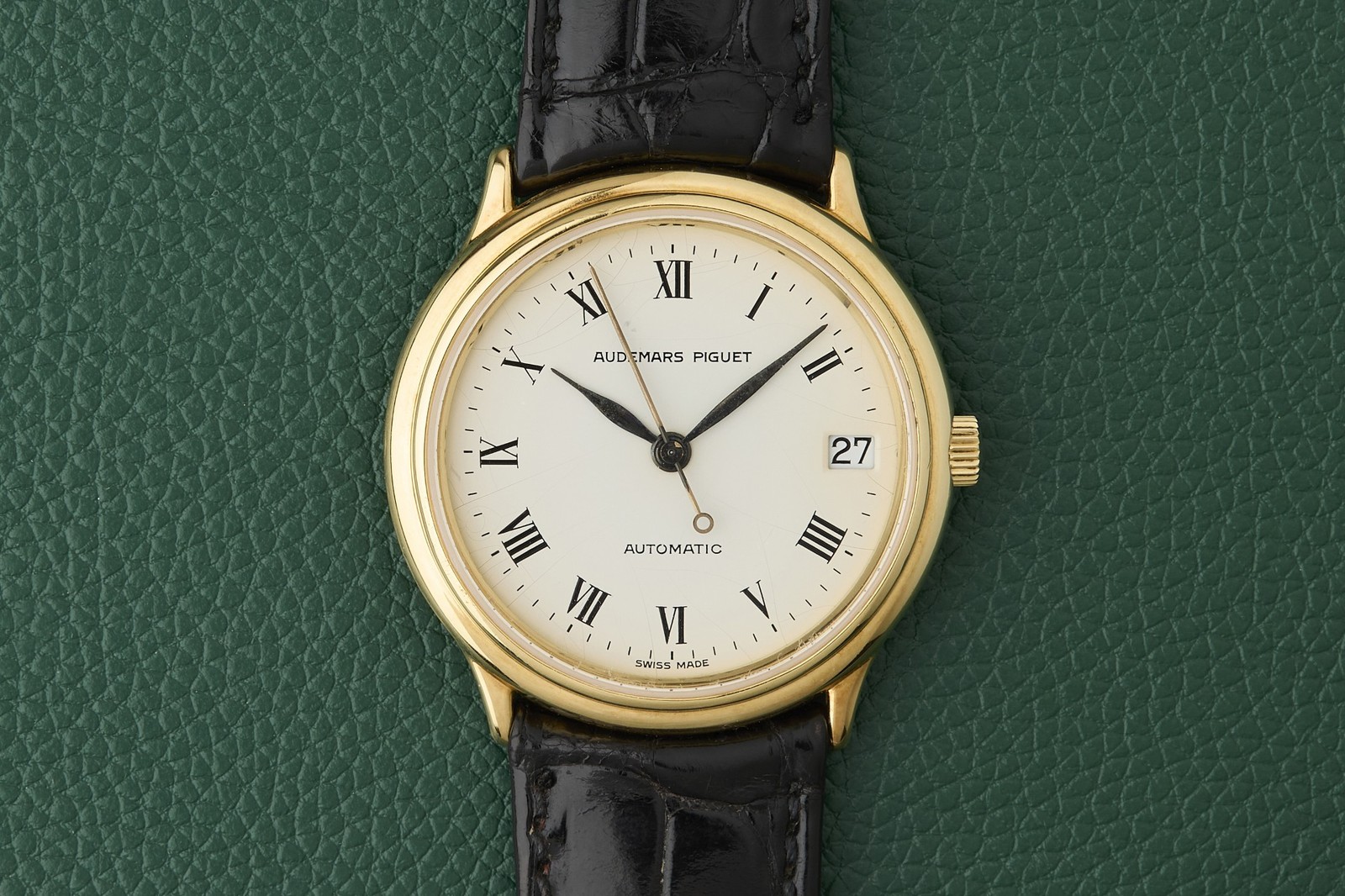
Yes, we do get a few customers looking for those watches. No one ever comes in and asks for “neo-vintage” as a term, but they ask for the watches that fall into that category well. It tends to be the newer and younger collectors that are focused on this area. The prices are affordable still, and there are plenty of designs that look much more expensive than they are. I feel neo-vintage (and vintage) Audemars Piguet offers a lot of value still. You can pick up a simple dress watch in 18k gold for around the £5,000 area. Come on, compared to what you pay in a new retail shop today that is crazy cheap!
What is your view on the current wave of reissues like the Defy Revival. When a brand faithfully recreates its own past, does that lift the originals or cannibalise them?
I’m a fan of the Defy Revival. All the Revivals have been pretty faithful to the design language of the vintage. Of course, they did mix it up with use of materials like titanium, which were never in the original models, but I like that they have taken an evolutionary route with some of the lines. There was a slight uplift in the vintage model prices when the Revivals came out, since then they have plateaued to a happy ground. In my view they are still well priced compared to the modern, it was my expectation the prices on the vintage would increase further but that hasn’t happened the last year or two. So, there’s still time to get them whilst the prices are soft.
The clientele who buys vintage don’t tend to go for the Revivals, and vice versa. So, the new ones do cater to another area of collectors, which can only be a good thing. Personally, I’m an odd ball and like a whole spectrum of timepieces.
You told The Times that collectors had grown bored of steel sports watches and were chasing individualism – textured dials, jewellery-like pieces. Two years on, has that played out? What are customers walking into the boutique asking for now?
We still are seeing most of that trend continuing. Jewellery like pieces, precious metals and ladies’ watches are getting a lot of interest. I believe we are past the worst for the steel sports watches bottom – Omega Speedmasters have picked up – but collectors are picky on condition. It’s the same with Rolex Submariners with some interest coming back in, green shoots.
Your inventory ranges from a £950 Girard-Perregaux to a £22,500 AP ‘Zebra’. What’s the most interesting thing a collector can do with £3,000 right now?
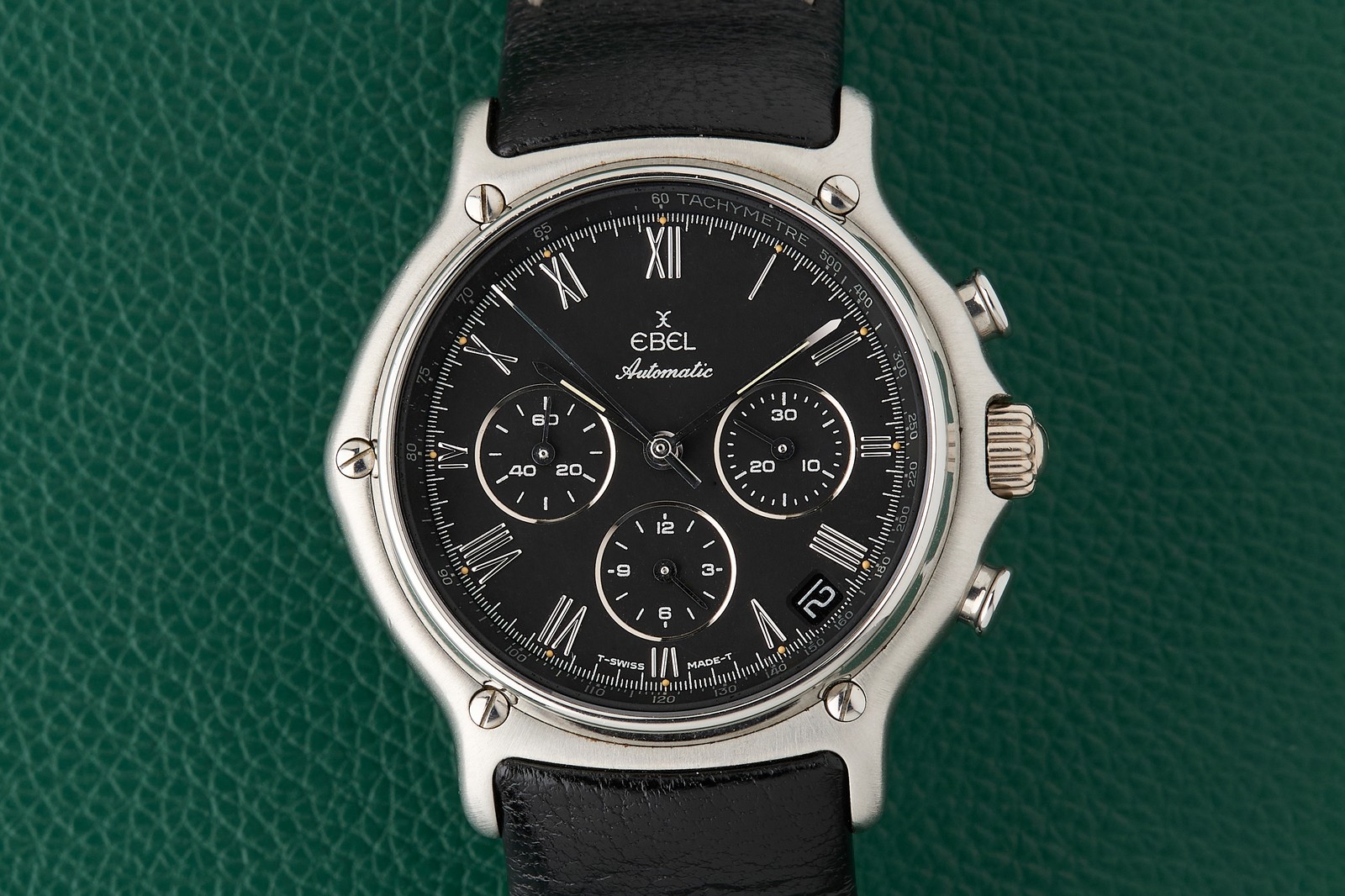
I’d lead them to neo-vintage Ebel chronographs, those powered by El Primero movements. These are still overlooked. For between £2,000 and £3,000 you can get a fair selection, and the prices appreciate if you want precious metal. Their design is very iconically ‘80s Ebel, currently not in vogue, though a high-quality made watch with a unique look. Just watch out for the strap’s condition, as replacements on these can be expensive and hard to get hold of as they have a special attachment.
Personally, I’m a fan of pendant watches, these can be had for a few hundred pounds. Seiko did some nice designs back in the ‘80s. Not the easiest thing to pull off but I like to think I have the flair to do so!
Everyone repeats “buy box and papers, buy the seller.” What’s a piece of received vintage wisdom you think is wrong, or at least overrated?
I hate box and papers. Well, that’s a bit strong. I don’t place much value on box and papers, depending on the brand, perhaps £50 to 200. Literally the value of the box on the market. To me it does not add an extra value when paired with a watch. Sadly, lots of watches you see on the market have branded boxes added to them as it makes it an easier thing to sell. It’s this box and papers mantra that collectors have had plugged in to them and the market continues to feed it. Often there is no way to verify if the box that is with a watch is the actual original box that it started life with, or just a period box that has been paired with it now in order to tart it up for sale. You can’t wear the box and papers!
How much does social media influence how people collect – and prices?
Hugely. Every so often we’ll have a watch that has no interest. Then, the next day, three or four people reach out about it. A bit of looking around and we come across an Instagram post by a big influencer about the same model. Social media is just a window to the world, and makes life easier for busy people who don’t want to spend hours researching watches. Influencers essentially curate a cool collection for you, so all in all it’s not a bad thing.
This is our nostalgia issue: if you could stand in a watch shop in any single year and buy at retail, what year, which counter, and what are you walking out with?
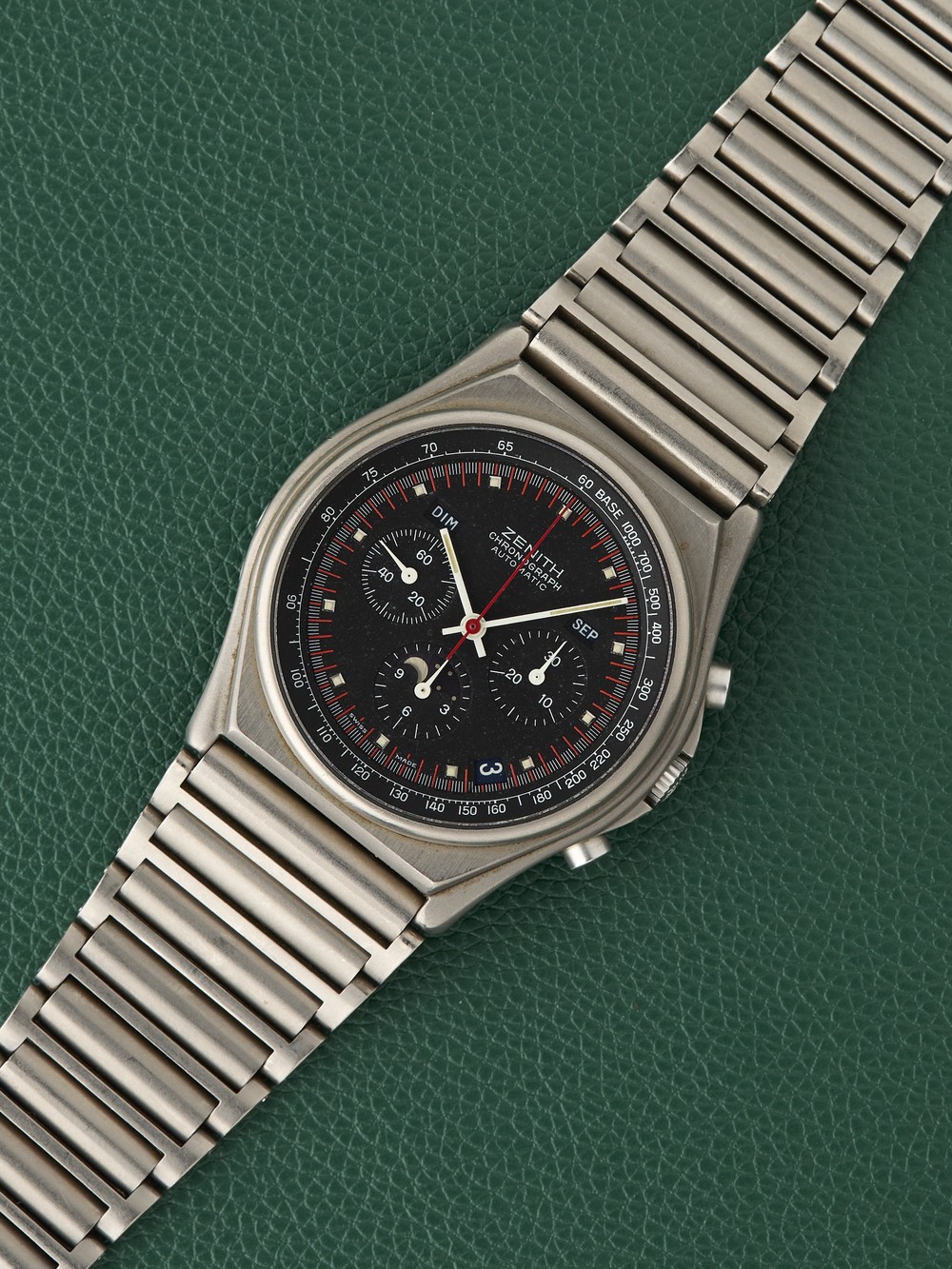
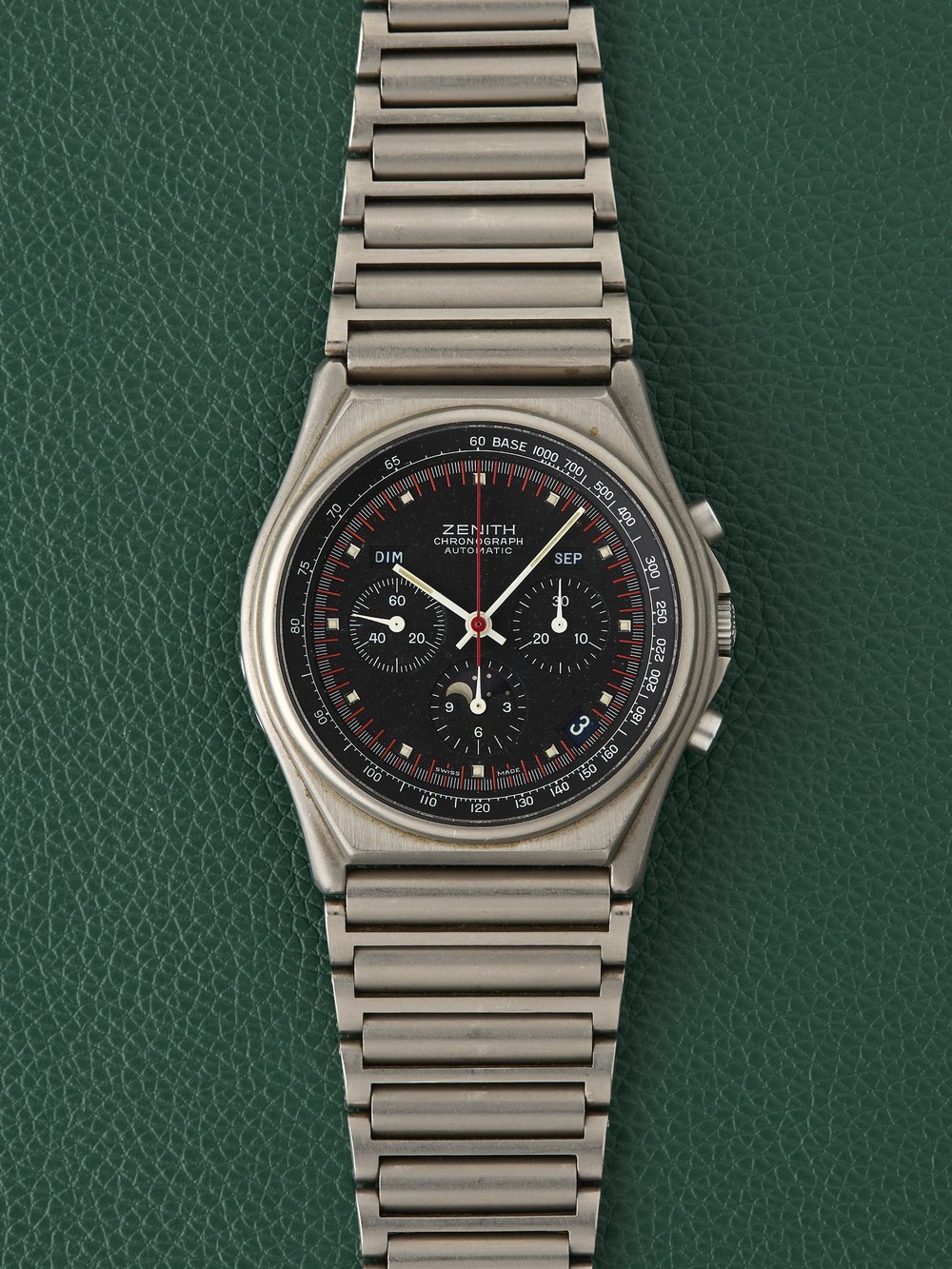
It’d have to be 1985, Zenith counter, and taking home a titanium Zenith reference 95.0102.418 Port Royal with moonphase and black dial. This is my most favourite watch of all time. My personal one has seen a lot of action on my wrist. My only ever feeling of something that misses it from being perfect is that I’m not the original owner. It’s such a cool design, very much of its era, and super comfortable. I wish I had a time machine right now.
More details at Tortoise Watches.