Métiers d’Art is a broad term that describes the fine craft techniques that are used in watchmaking for aesthetic and artistic purposes. The most common techniques used are enamelling, micro-painting, hand-made guilloché, micro-sculpture and marquetry, though that list is by no means exhaustive. However, for Vacheron Constantin’s new Métiers d’Art Tribute to the Animal Kingdom series, they specifically wanted to use artistic techniques that are not part of that list and are not typically associated with the watch industry. Finding new ways to present unusual crafts in wristwatch form.
To do so, they partnered with six artisans that have never worked at the scale of a wristwatch dial before and challenged them to find ways to miniaturize their art. In order to give them a fighting chance, they have used the same base watch as used across Vacheron’s Chinese New Year Métiers d’Art watches where the time display is given via four peripheral windows displaying hours, minutes, days and date. This means there is a clean central space for the artwork and the artists don’t have to navigate a central handstack.
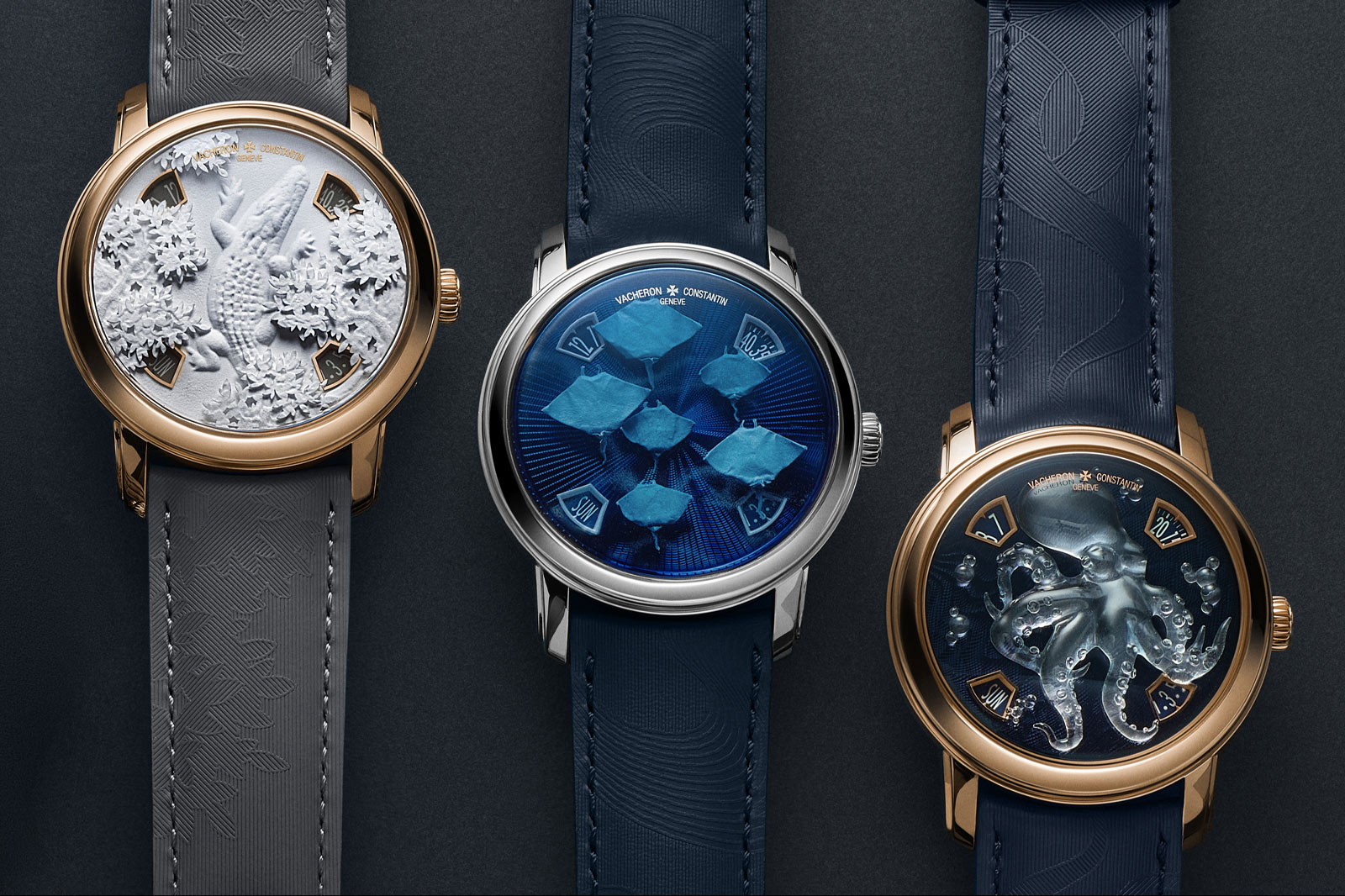
Before we get to the artworks themselves, let’s wrap up the universal specs of the watches. They measure 42mm x 12.9mm and across the six references in the Métiers d’Art Tribute to the Animal Kingdom series are split three and three between white gold and pink gold. The movement inside is the calibre 2460 G4 automatic with 40-hour power reserve.
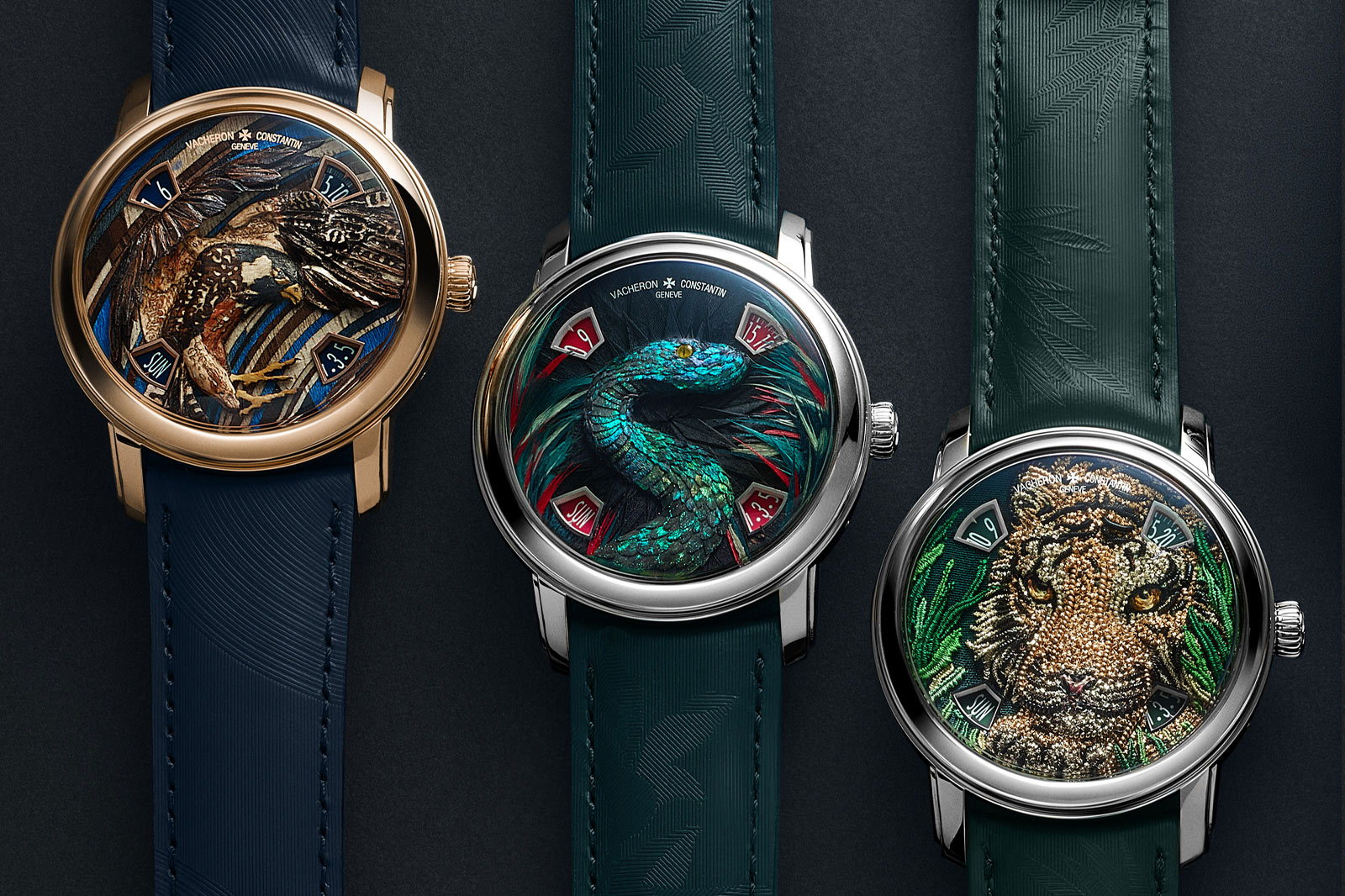
Vacheron Constantin Métiers d’Art Tribute to the Animal Kingdom – Feather Snake
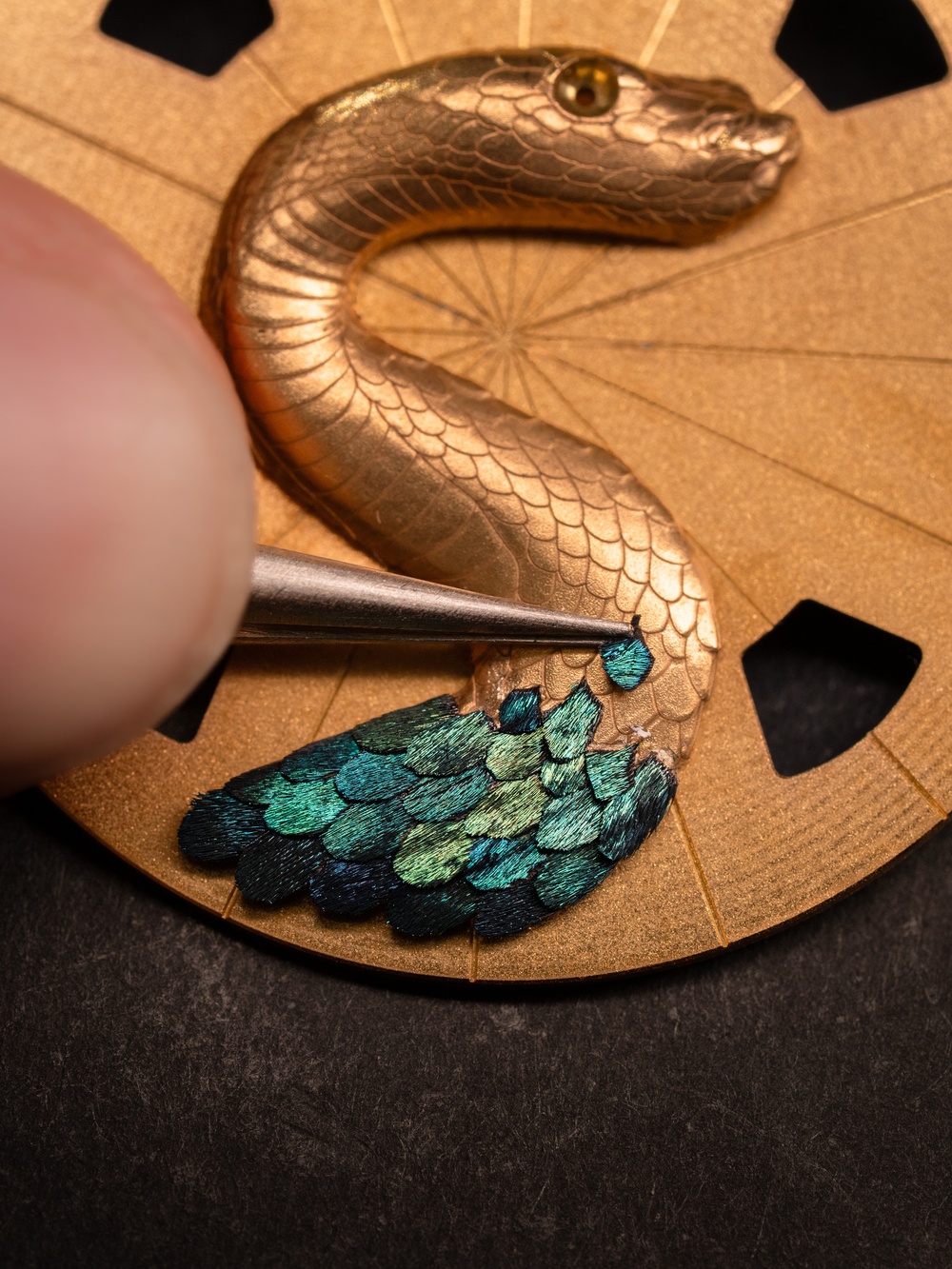
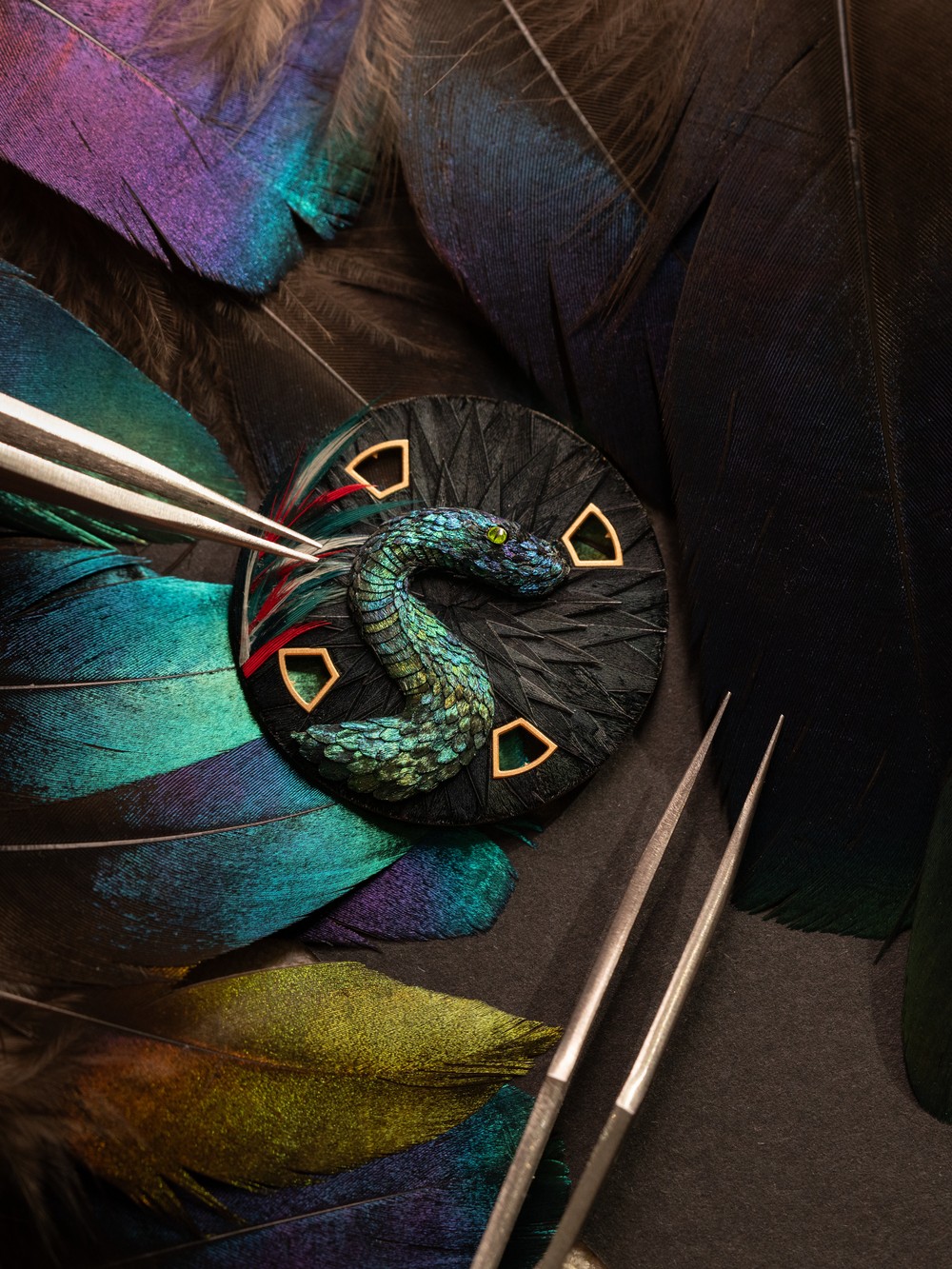
As the name “Feather Snake” might suggest, the Métiers d’Art central to this watch is featherworking. It’s the work of Julien Vermeulen who used 200 individually cut pieces of feather to create the image of a snake rearing out of the foliage. The snake itself is made from parts of seven Lophophore feathers (an over-simplified description of which would be an Asian pheasant) while the background is made from goose feathers. Each piece of feather is carefully attached to a metal sub-sculpture of a snake to create the three-dimensional effect. The natural iridescence of the feathers creating a captivating scale-like appearance.
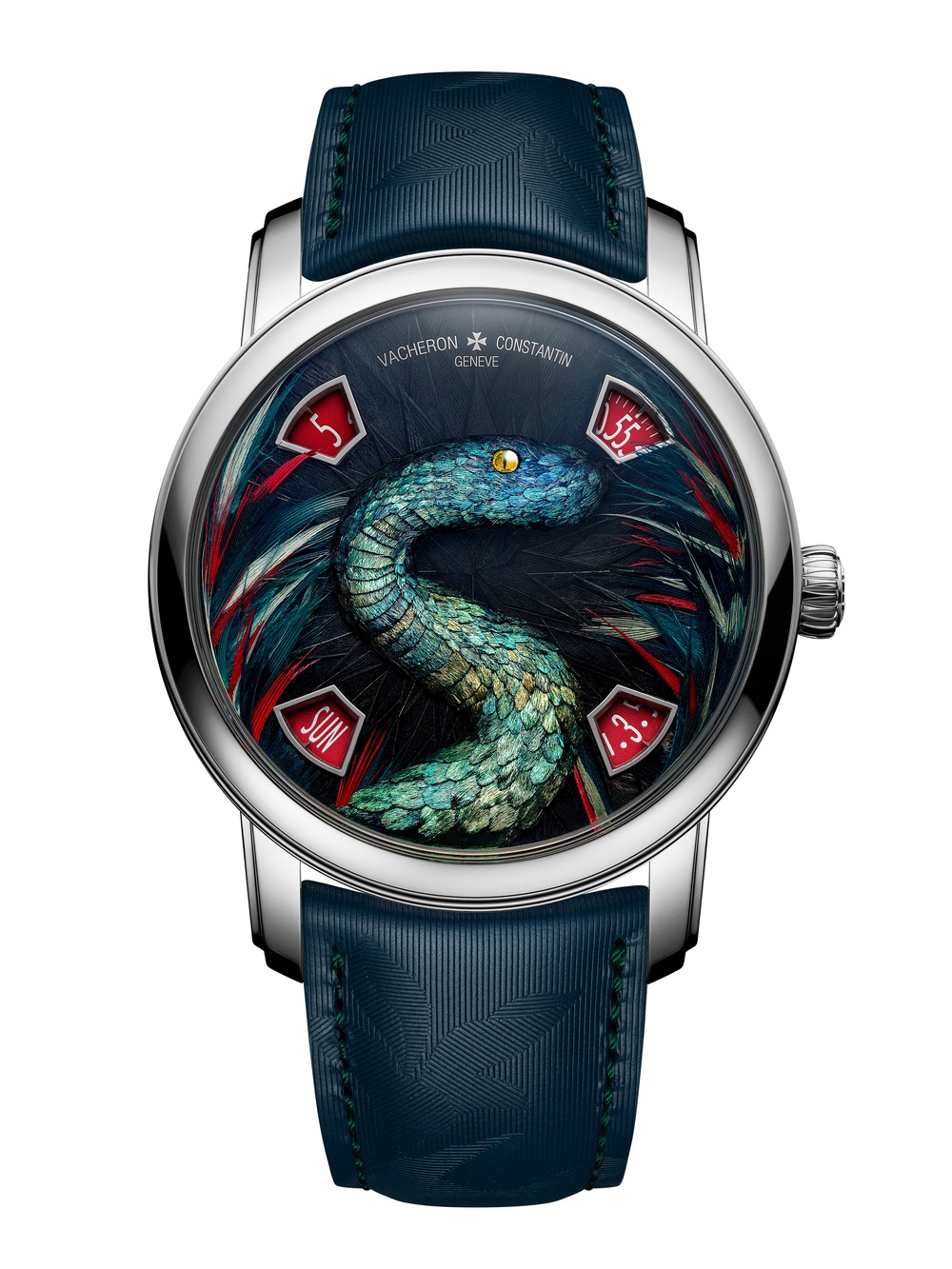
The creation of this dial took 250 hours and required the development of new tools in order to work at such a micro scale. Those tools include a new scalpel for the cutting of the feathers and a specially modified sewing needle that was used to apply the tiny dots of glue to hold the piece together. The snake’s eye is the only piece of non-feather, crafted from gold and enamel. To add to the pressure of this dial’s creation, a badly timed sneeze or even slight exhale of breath could ruin everything and send the vital feather components flying at any moment.
Vacheron Constantin Métiers d’Art Tribute to the Animal Kingdom – Glass Octopus
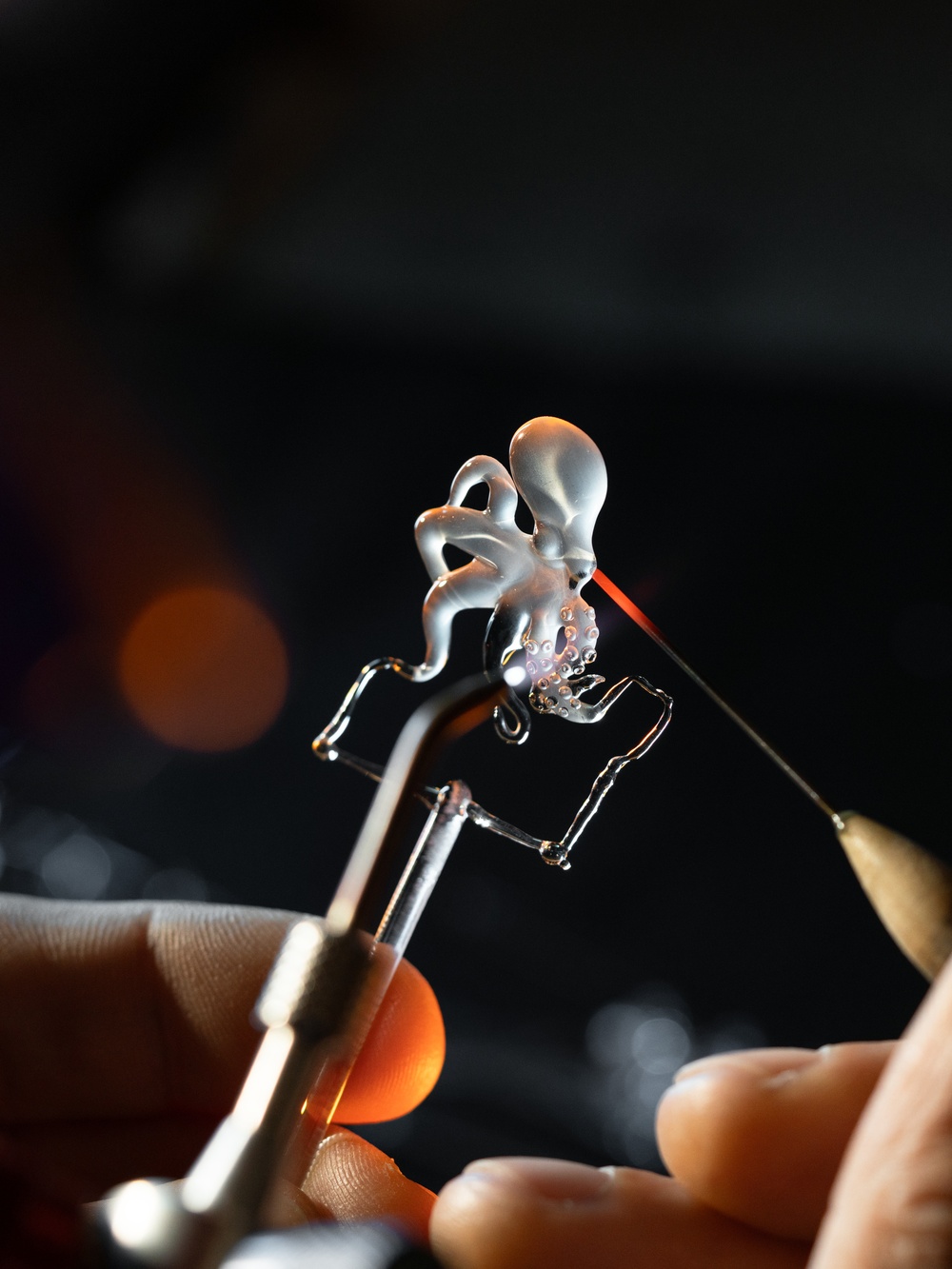
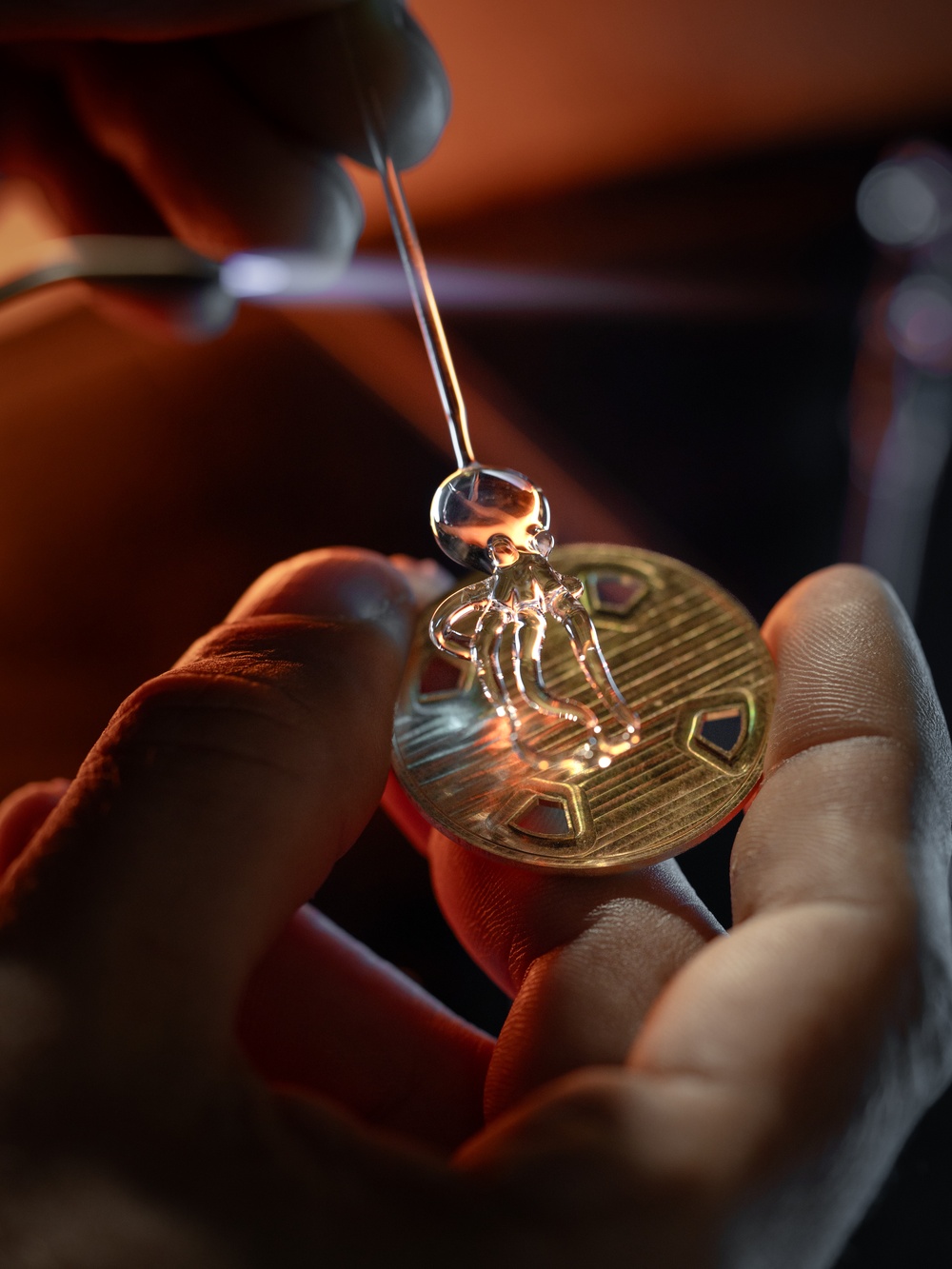
Next is the “Glass Octopus” by Simone Crestani, a tiny glass sculpture set against a dark guilloché background designed to create the image of the ocean depths. This was an exercise in patience and precision because glass sculptures are produced by heating and melting glass rods to then shape them. When working at large scales that’s fine because you can heat an area of a sculpture without affecting the rest of the piece but when you’re working at tolerances of just a few millimetres, if you heat one part of the sculpture, you’re essentially heating it all. As such, the octopus had to be created in layers built up slowly over time like a manual version of 3D printing.
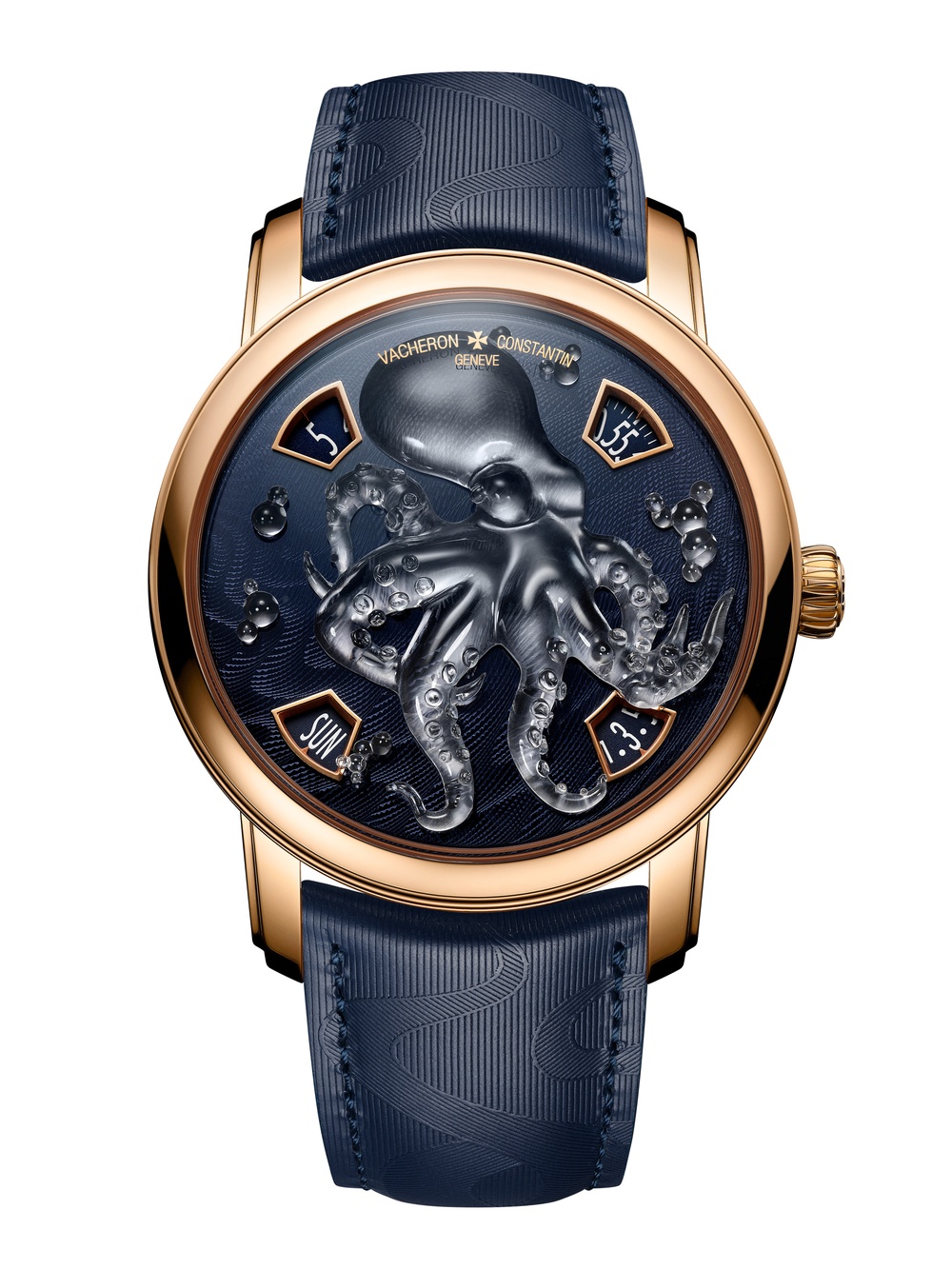
A secondary difficulty was the decision to use transparent glass. Being able to see through and into the octopus means that considerations for refraction and reflection needed to be made. Wherever glass components are placed on top of each other it creates distortion, so it was important to find alternative solutions to avoid that. The most obvious example being where tentacles cross over each other – the solution being to not actually cross the tentacles but create the illusion that they are crossing.
Vacheron Constantin Métiers d’Art Tribute to the Animal Kingdom – Oraygami
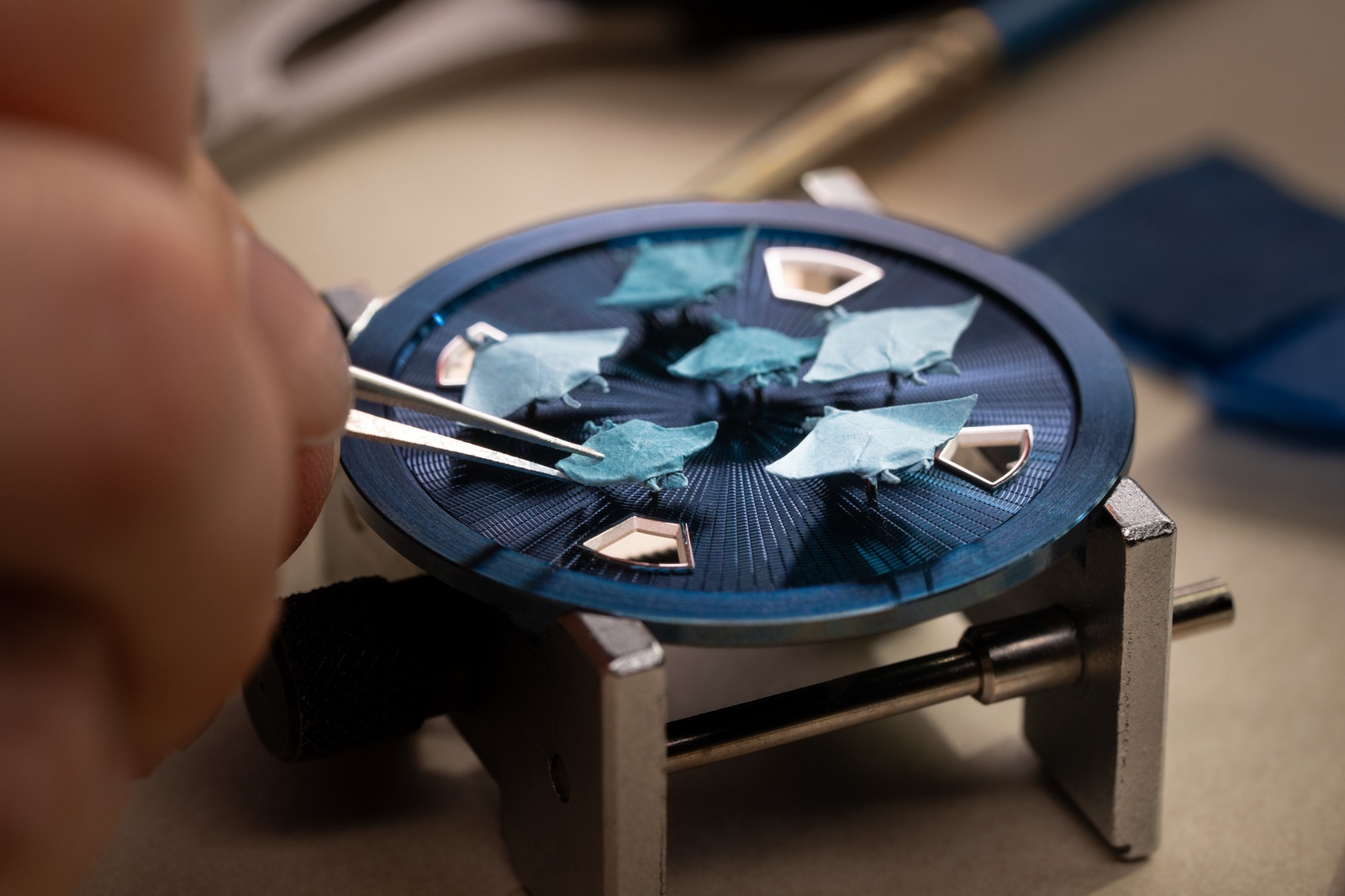
For the name of this watch, Vacheron Constantin couldn’t resist the allure of a pun and so we have the “Oraygami”, the origami manta ray. It’s actually six manta rays, seen from above against an oceanic guilloché background. The artisan here is Anja Midori who crafted the rays out of special Japanese paper that was dyed specially for this project. The rays measure between 5mm and 10mm, and are each mounted on a brass stem to create variations in height on the dial and make them appear to be swimming through the water.
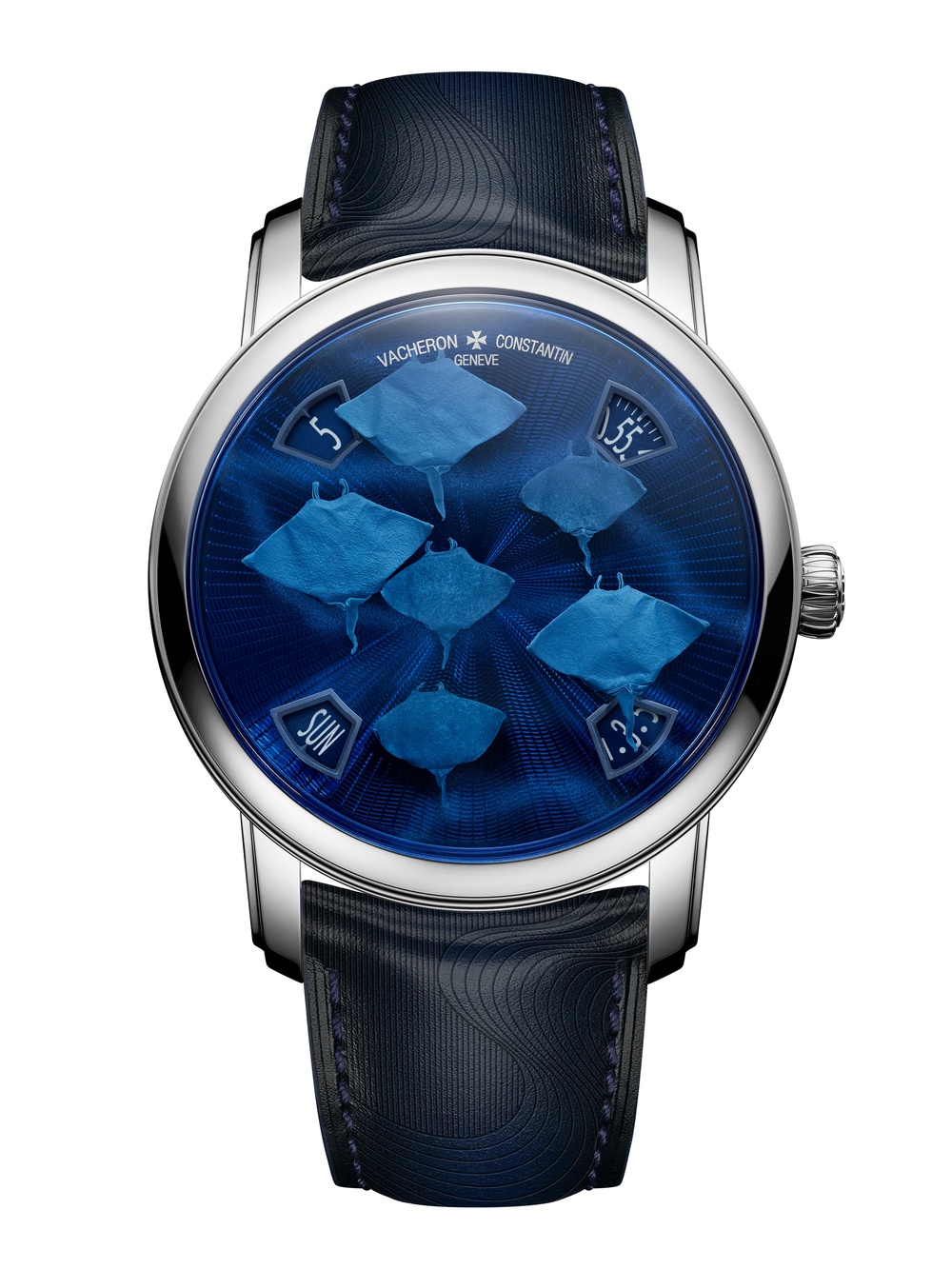
The rays are folded using the traditional methods of fingers, fingernails and the edge of a toothpick. They also required the creation of a new origami folding sequence to ensure that the proportions of the tail and pectoral fins (that’s the wing flaps to you or me) are as accurate to the real animal as possible. Typically in origami even experts are following the patterns of a previous master, so the creation of a new pattern is unusual.
Vacheron Constantin Métiers d’Art Tribute to the Animal Kingdom – Tiger Broidery
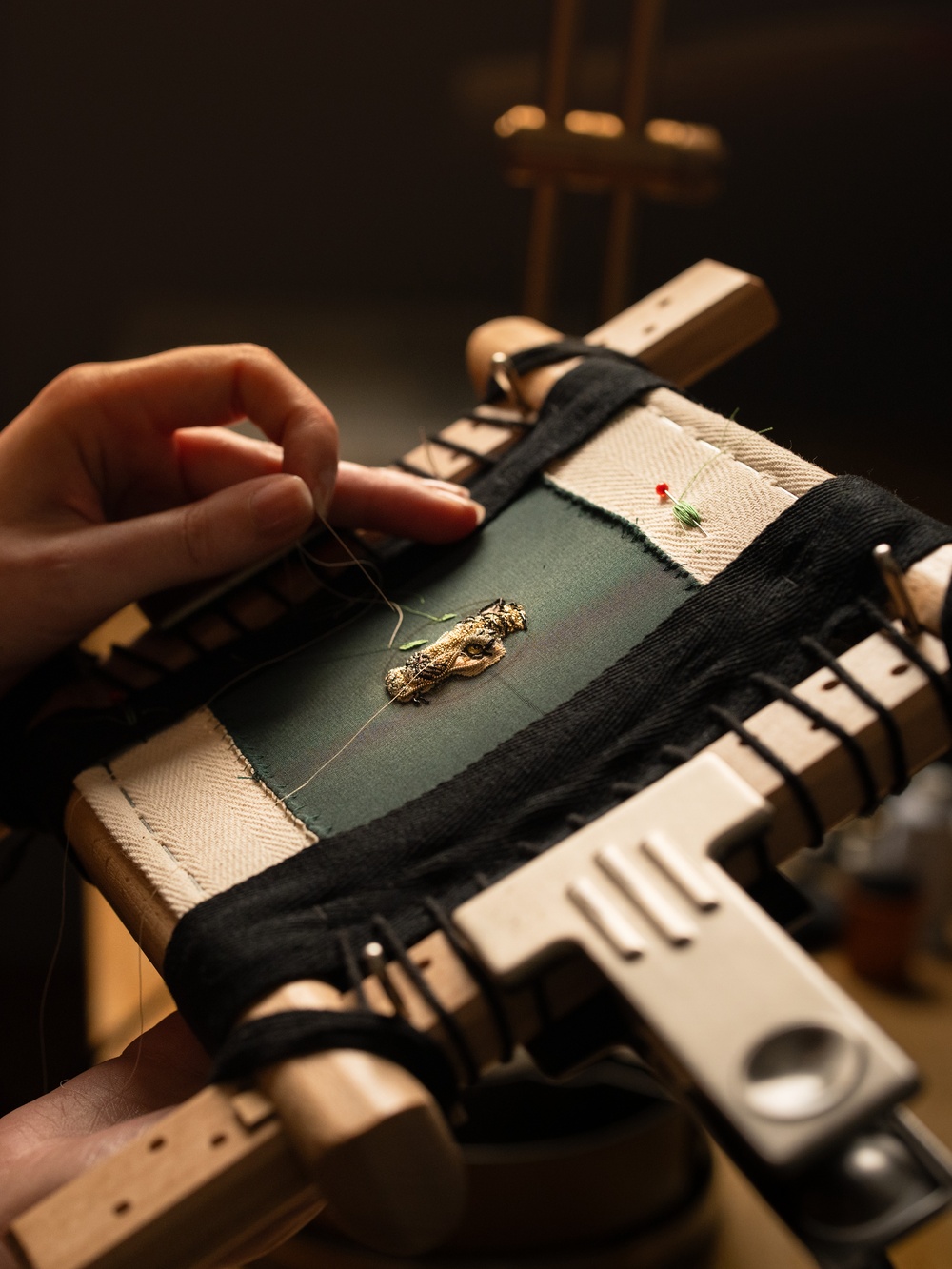
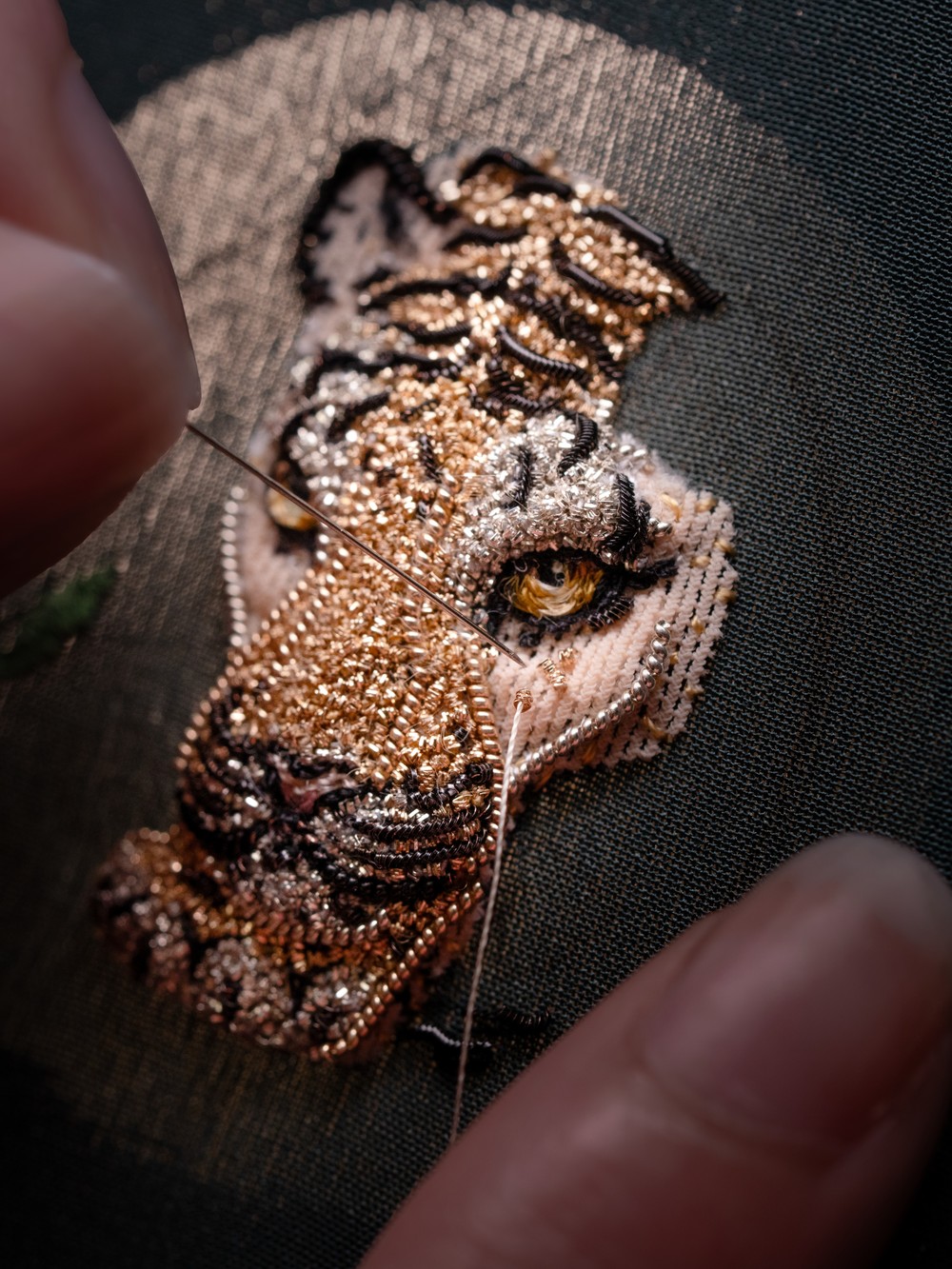
While we typically think of embroidery in the form of textiles and fabric using thread, the “Tiger Broidery” complicates things significantly by swapping thread for 9k gold wire. Metal wire embroidery is an established sub-category of embroidery but even then it normally uses gilt wires rather than actual gold wire. The difference in flexibility and malleability of the wire the use of gold creates is significant and so artisan Laura Baverstock had to use custom equipment to produce the image of a tiger in the jungle.
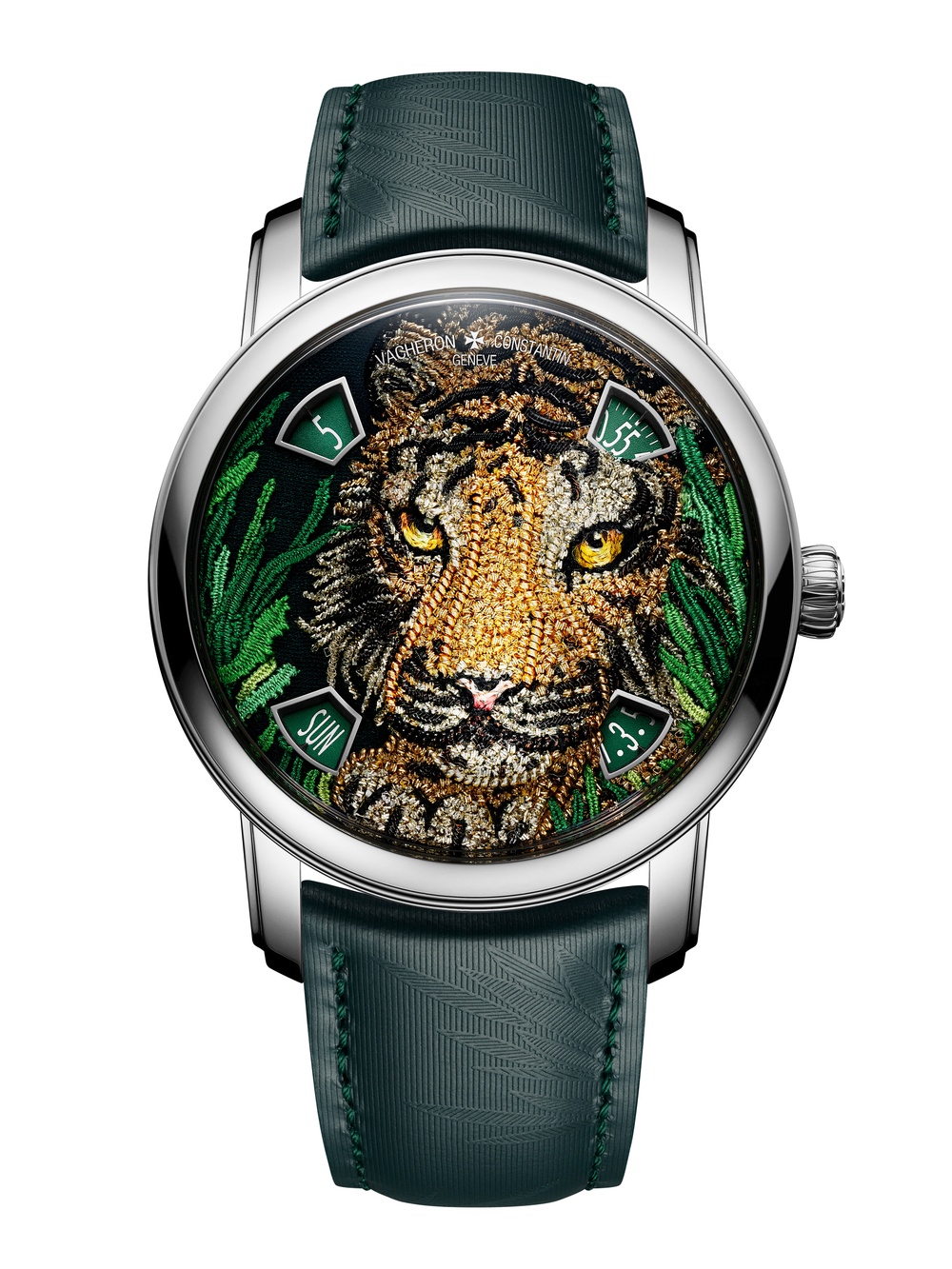
It’s all well and good being able to stitch with gold and use special equipment but that doesn’t answer the important question of what is the image being embroidered onto? The answer is quite simply, the dial itself – although that’s more complicated than it might sound because you can’t pass a needle through solid metal. As such, they developed a perforated titanium dial plate where the perforations are placed with such exacting precision that the resulting embroidery creates the tiger image.
Vacheron Constantin Métiers d’Art Tribute to the Animal Kingdom – Paper Croc
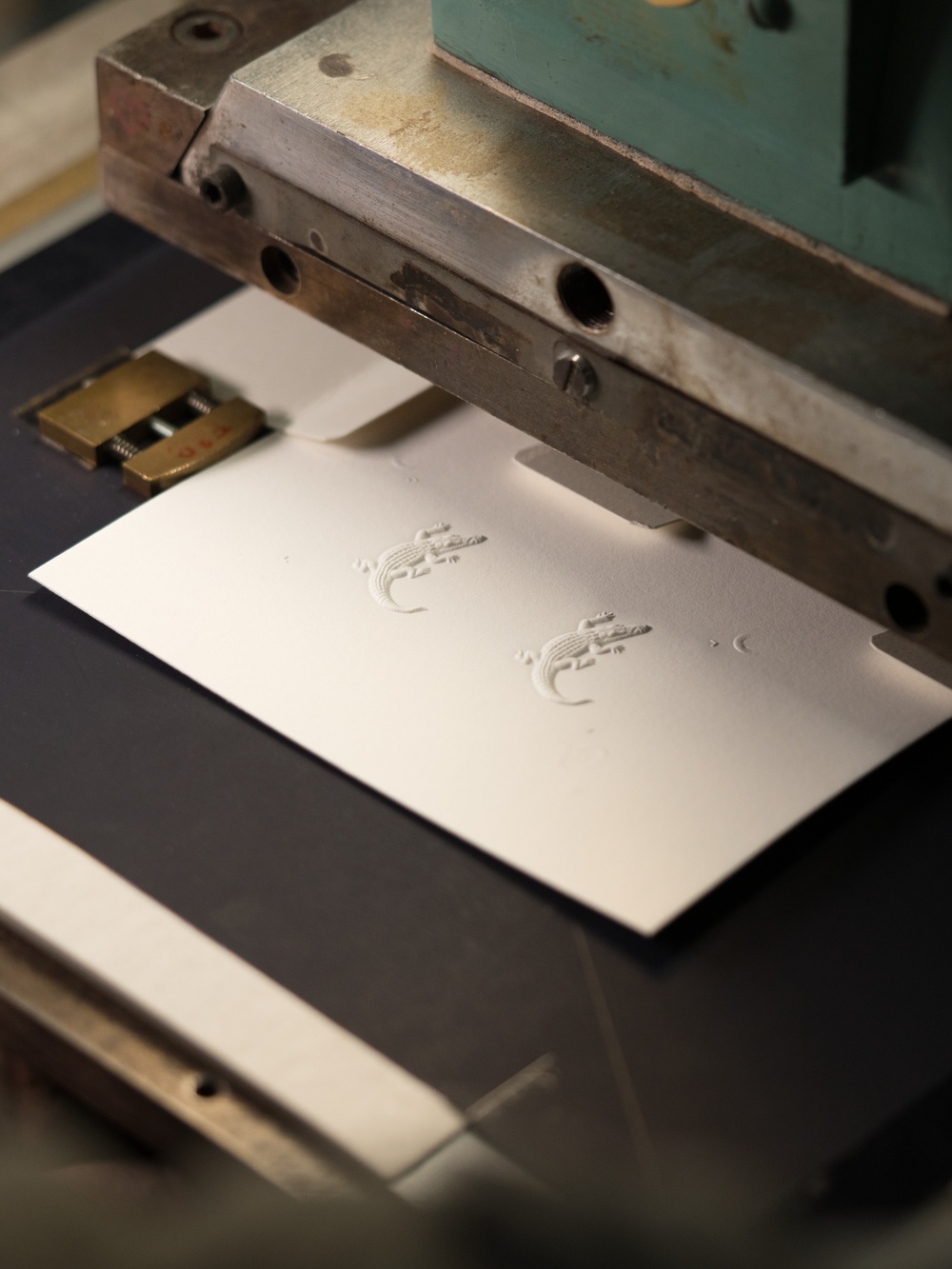
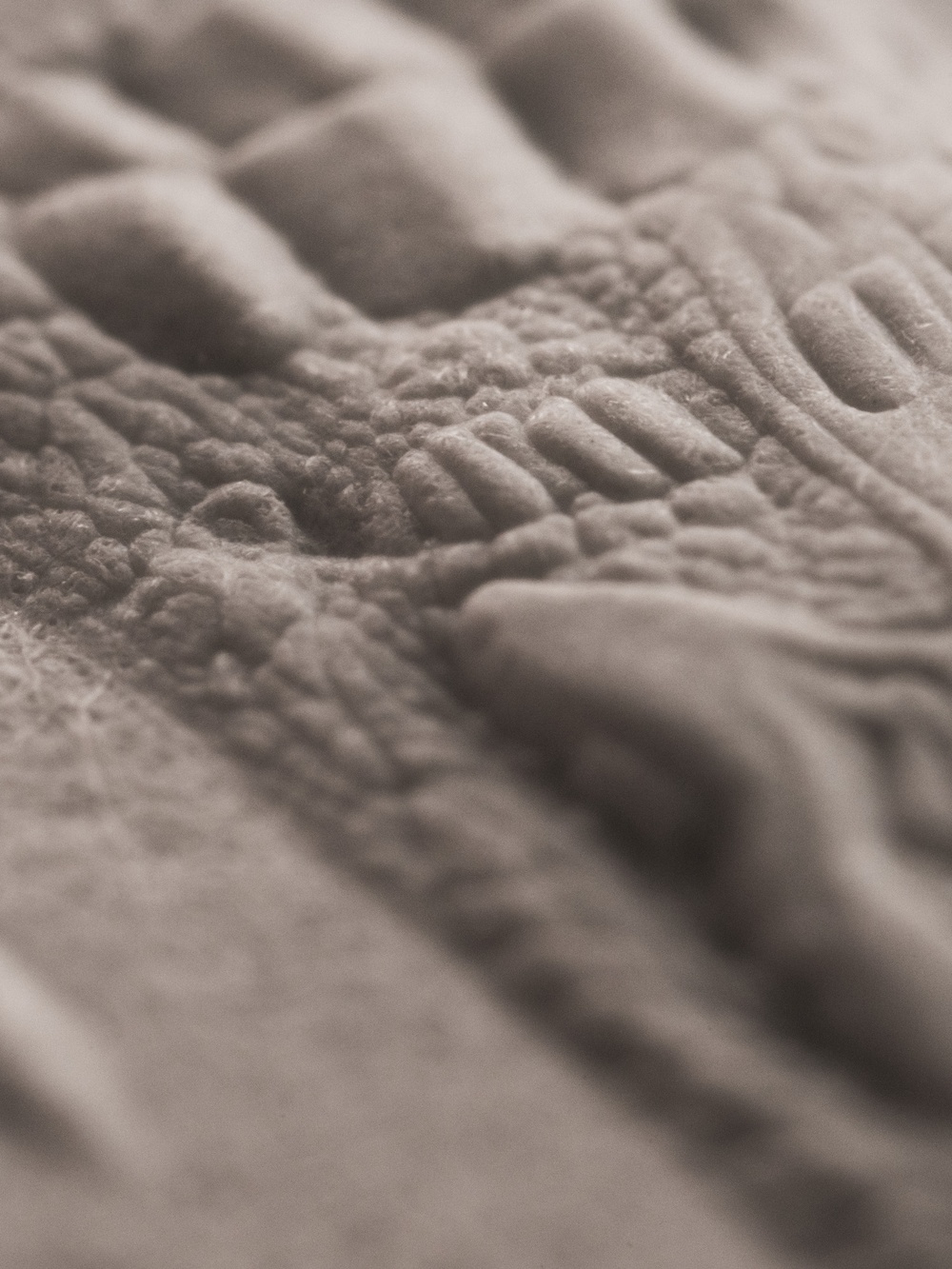
While origami and paper sculptures both use paper as their medium, they are vastly different disciplines. Paper sculpture is not limited to folding and can use multiple pieces of paper with different qualities to achieve the desired result. It also involves a wider range of techniques such as embossing, laser cutting and hand assembly. The image of a white crocodile prowling beneath snow white foliage was produced by artisan Marianne Guely. As with all the watches here, it proved a challenge to create a sense of three-dimensions when working within the constraints of the vertical space between the dial and sapphire crystal.
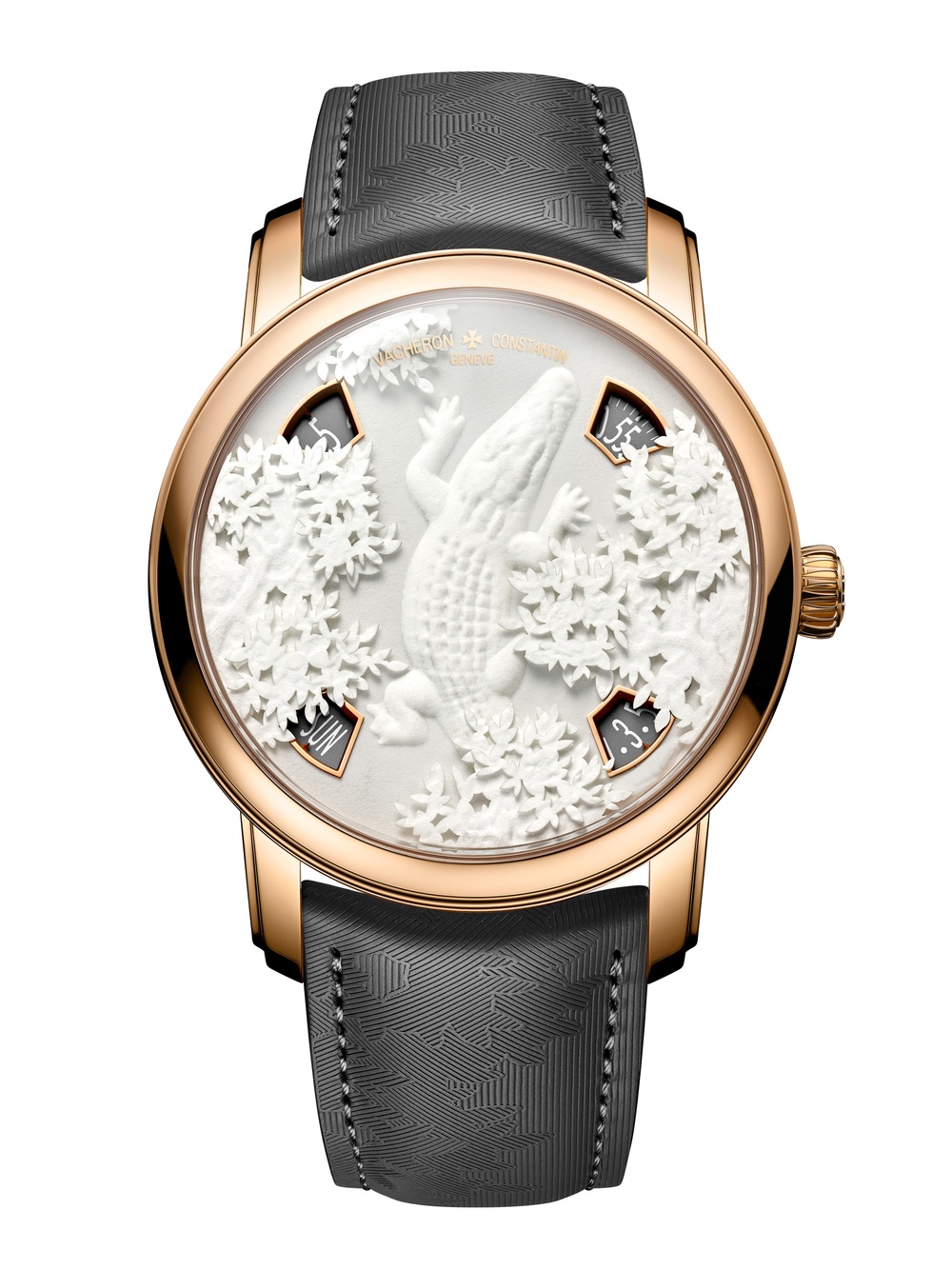
Another issue that faced the paper sculpture specifically was the choice of paper to use. They wanted to use white cotton paper to create the purity of colour but when shaping natural fibres at this scale, the paper was prone to fraying and splitting (especially during the cutting process). The solution was to create the sculpture in layers and use a combination of different paper weights, both 250g and 300g as well as advanced laser cutting technology.
Vacheron Constantin Métiers d’Art Tribute to the Animal Kingdom – Wooden Wings
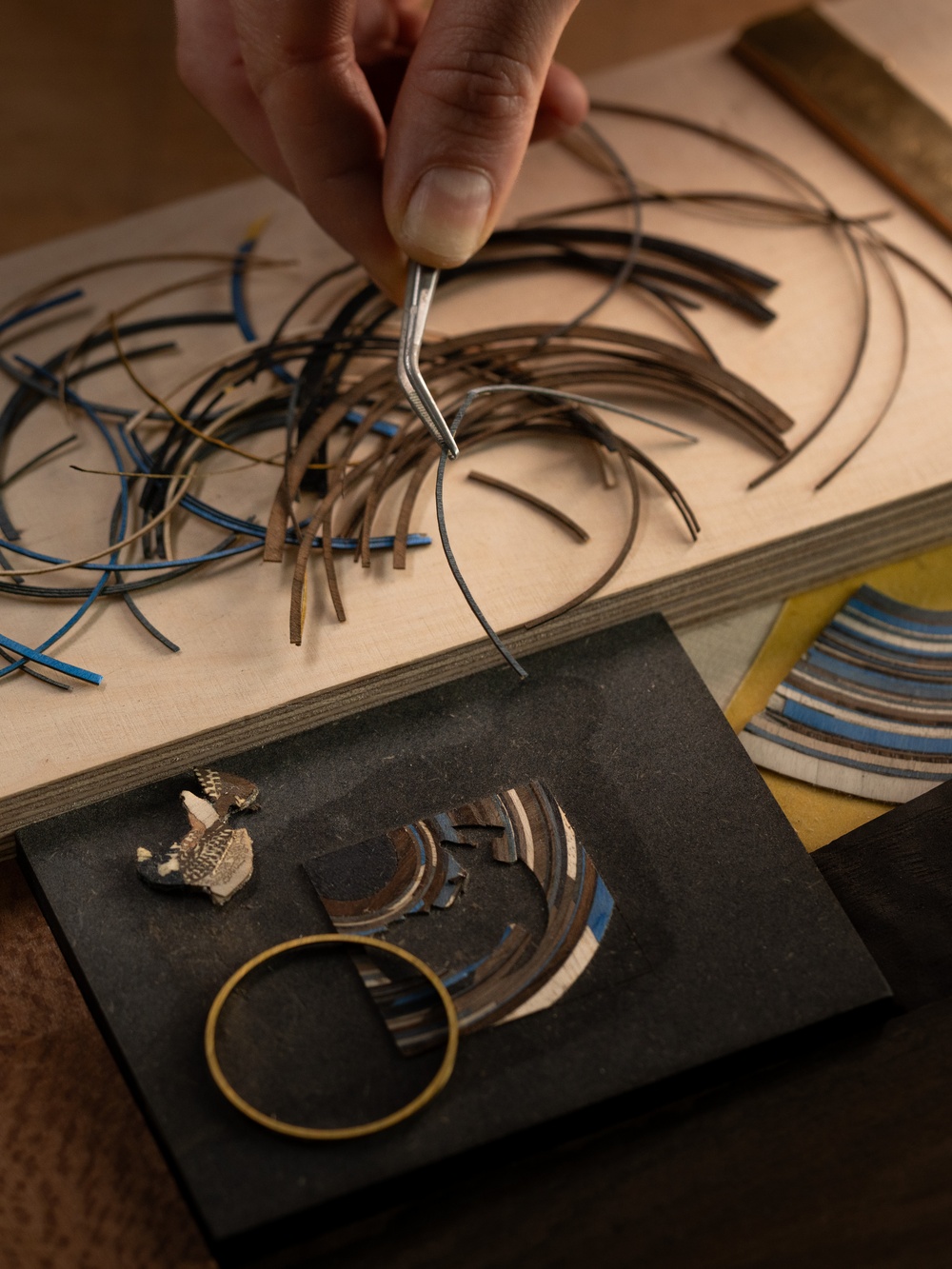
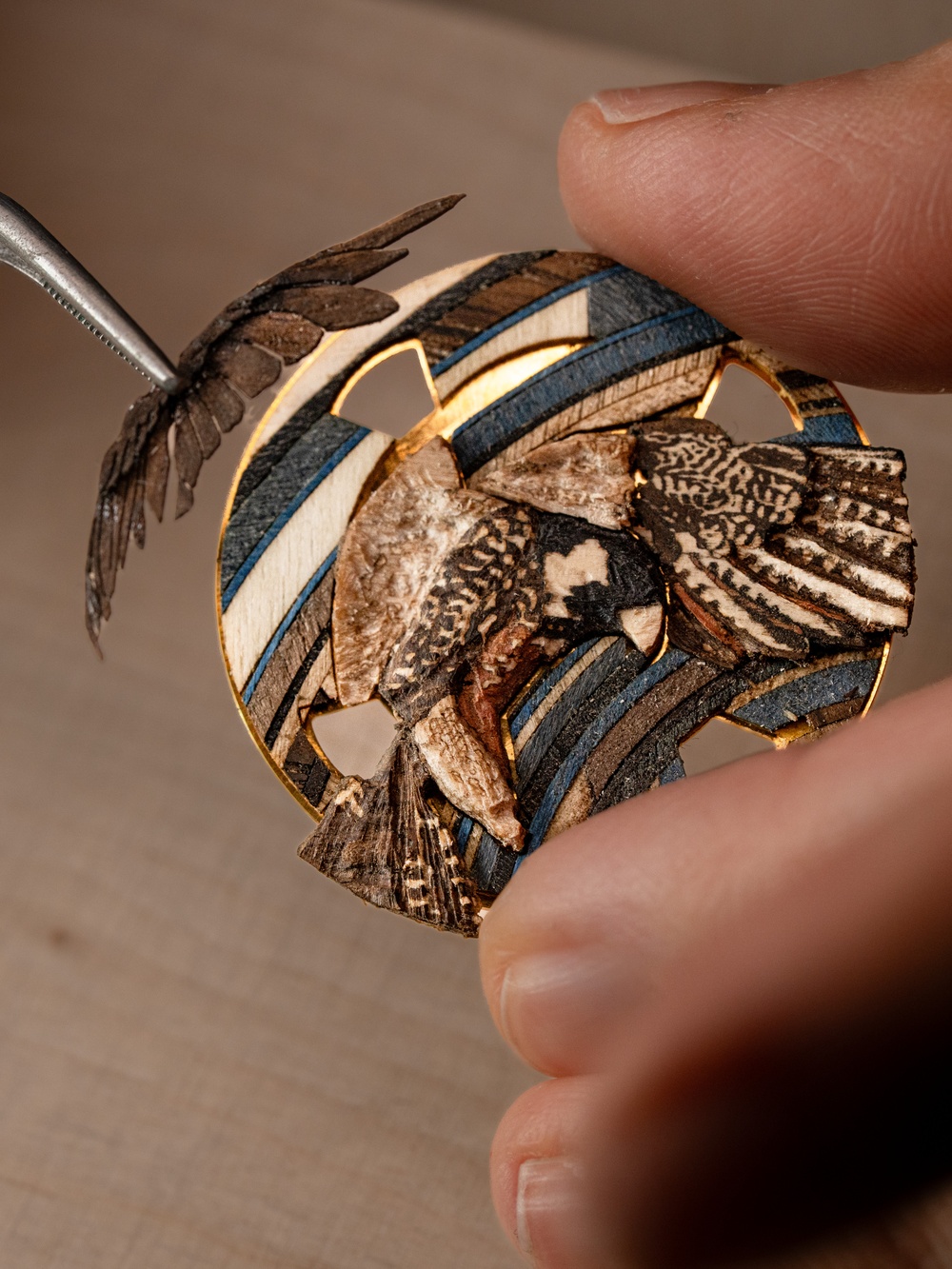
Last but by no means least is “Wooden Wings” by Anna Le Corno, which is produced using marquetry. As I noted in my introduction, marquetry is a technique that has been used in watchmaking previously by brands like Louis Erard, but this is the first time that Anna has brought her particular style of architectural, sculptural marquetry to a wristwatch. Most marquetry focuses on geometric patterns but this piece is significantly more complex in order to depict a falcon.
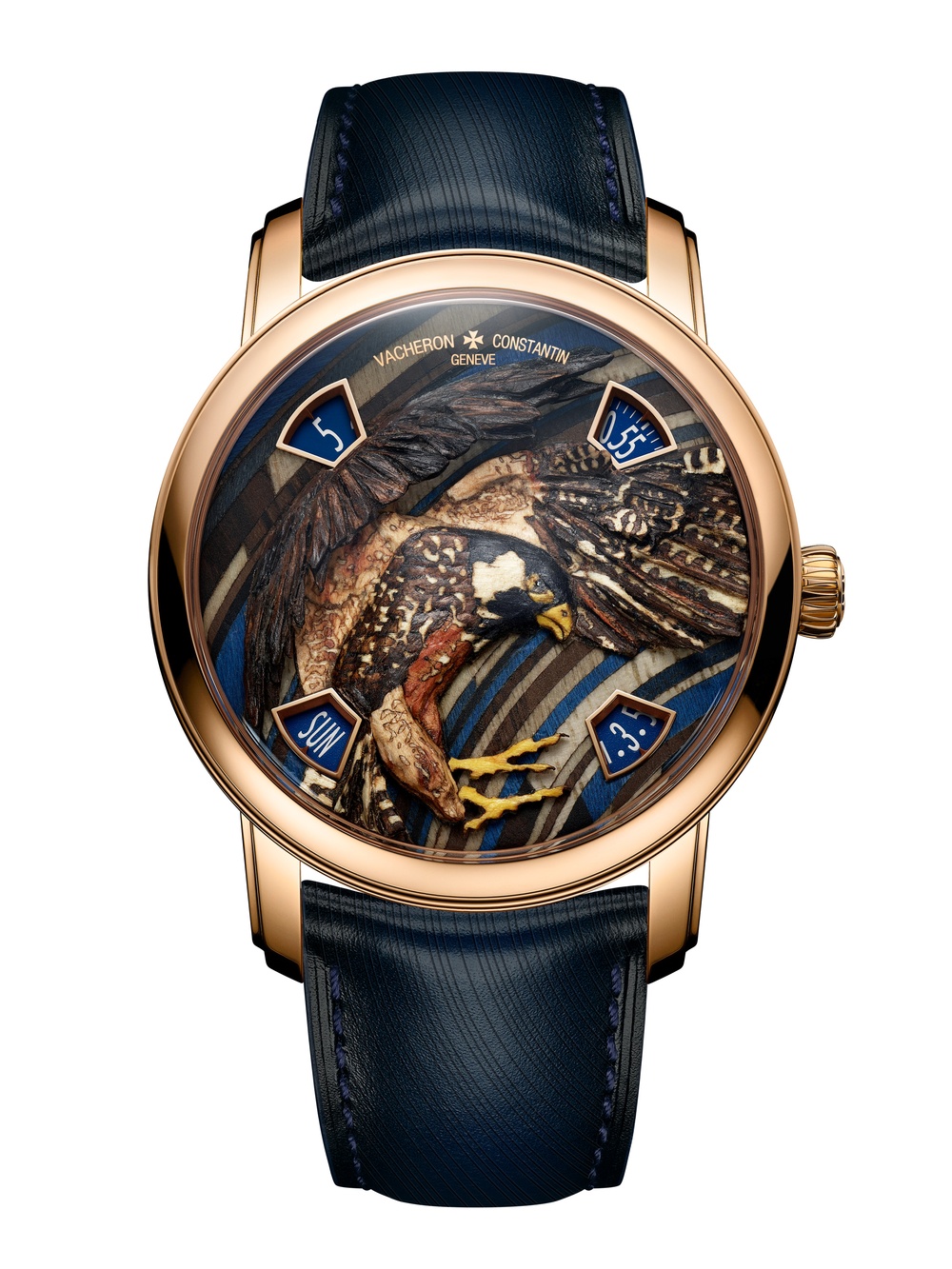
15 different wood species are used across the display with organic shapes used to create a level of realism that I’ve never seen in marquetry before. It uses three distinct marquetry techniques across the background, body and wings respectively. The background uses traditional flat plane marquetry (as used by Louis Erard and others) while the bird’s body is an adaptation of that technique that introduces three-dimensional curves. The wings are then assembled feather by feather in a technique more akin to multi-part sculpture than marquetry.
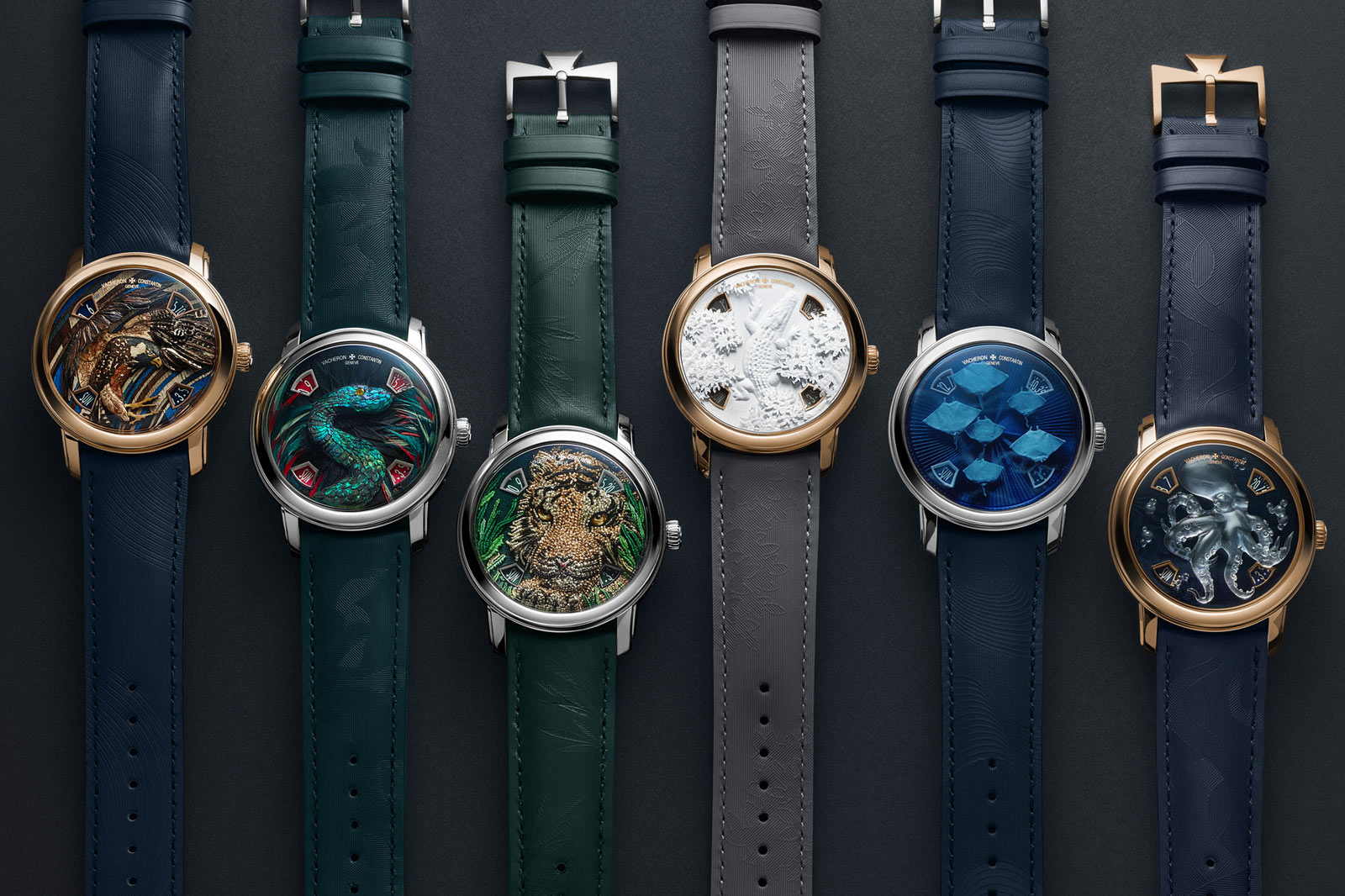
This Métiers d’Art series is part of Vacheron Constantin’s contribution to Homo Faber, an Italian exhibition of fine crafts that is taking place in Venice from September 1st – 30th. It is actually through the Homo Faber connection that Vacheron found these artisans as they have all either presented there previously or are doing so this year.
Price and Specs:
More details at Vacheron Constantin.