Independent watchmaking is often held as the pinnacle of horology, an individual or small team of dedicated watchmakers setting out to make a watch to stun the world. But watchmakers don’t just come out of the ground fully formed. The journey from an initial inspiration to designing, making, then selling watches is one that takes enormous dedication. Paramount to success is not only having the resolve and financial resources to turn an idea into a commercial reality but also retaining the passion and creativity, which is the life blood for any independent maker. When we see the acclaim given to the world’s leading established independents such as Philippe Dufour, F.P.Journe, Richard Mille, Roger W. Smith, and Kari Voutilainen, it’s easy to forget that their achievements have been years in the making. Which begs the question: how do new independents get started and acquire the skills required to succeed? And once they have them, how do they get the spotlight they deserve?
It’s actually easier to understand this journey by starting at the end, the razzle dazzle awards and industry recognition. The biggest celebration of all things horological, independent or otherwise, is the annual Fondation du Grand Prix d’Horlogerie de Genève (GPHG) awards. Like the Oscars of watchmaking, the GPHG has a glittering awards ceremony in Geneva, complete with various categories and equally golden trophies. You can read all about how it works here.
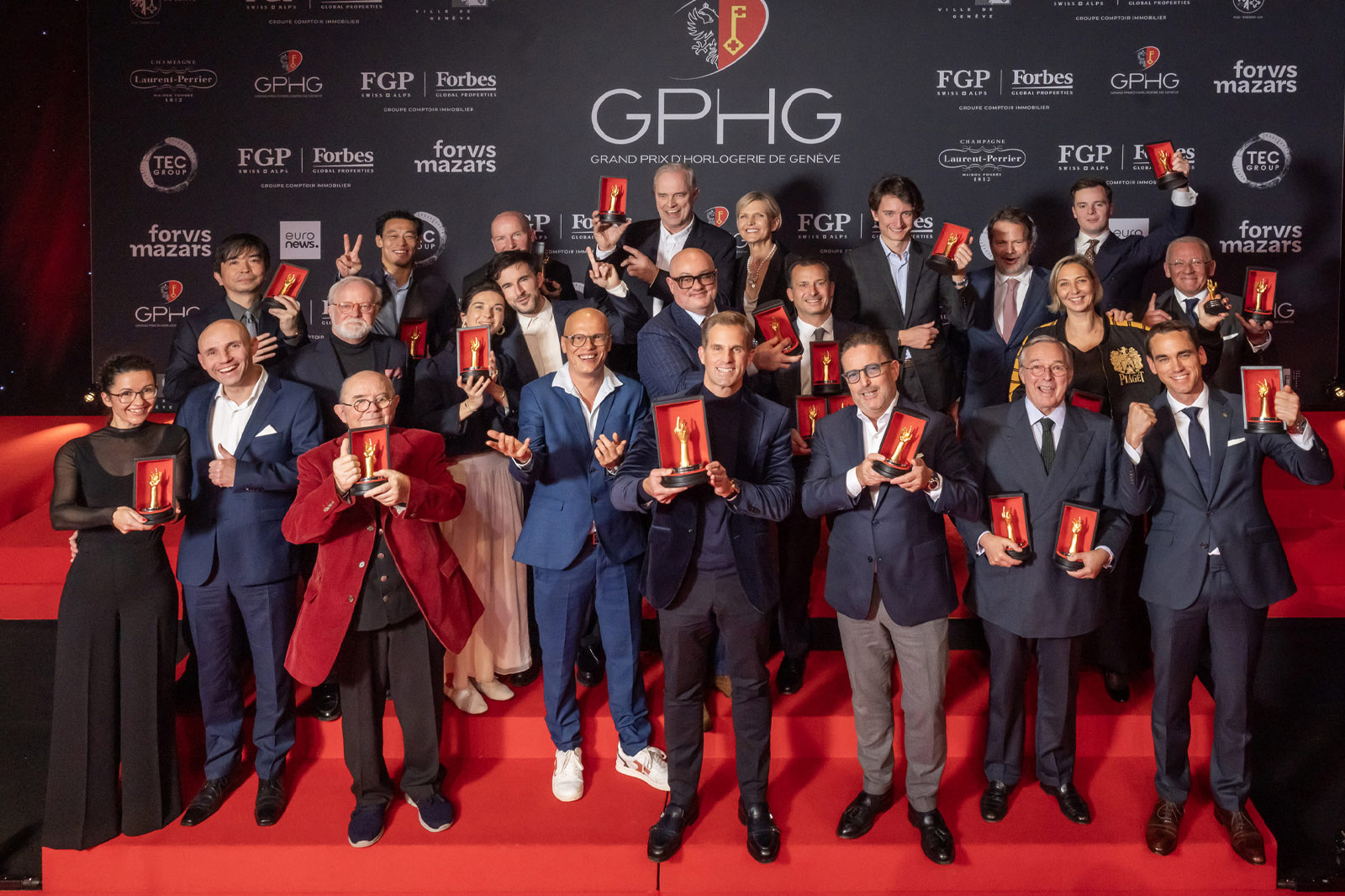
Grand Prix d’Horlogerie de Genève GPHG
The mission of the Foundation Grand Prix d’Horlogerie de Genève is in their words, ‘to highlight and yearly reward the most remarkable contemporary creations and promote the watchmaking art worldwide’. Regardless of any issues it may have (and there are several) it’s one of the few chances collectors have to see the best watches of the year lined up together. The gallery of past winners reads like a who’s who of independent watchmakers: Atelier AKRIVIA, De Bethune, Greubel Forsey, Grönefeld, and MB&F amongst others.
You might think that the GPHG awards would hardly be the place for a new aspiring independent to compete against the big commercial watch brands and well-established independents, but you would be surprised. Whether you’re a start-up or established name, it’s a relatively even playing field. Ming took home the 2024 Sports Watch prize’ for their 37.09 Bluefin wristwatch, while Japanese independent, Otsuka Lotec was awarded the 2024 Challenge Watch prize for his No.6 Mechanical wristwatch.
More than the occasional new blood winner, however, the GPHG Foundation recognises the importance of fostering new talent with the Horological Revelation prize. It’s totally discretionary and will only be awarded if the GPHG jury believes there is a suitable candidate, but as last year’s winner French watchmaker Rémy Cools and his wristwatch Tourbillon Atelier show, the talent is there.

GPHG 2024 Horological Revelation Prize winner, Rémy Cools caseback
In order to reach the GPHG, Cools undertook formal watchmaking training at the French watchmaking school, Lycée Edgar Faure. In 2019 he made the move to become an independent watchmaker setting up his own workshop a year after winning the prestigious F.P.Journe Young Talent Competition. While there are independent watch brands headed by passionate amateurs or self-taught watchmakers, you’ll find that most follow Cools’ blueprints, meaning formal training in horology.
That kind of training is very much in the wheelhouse of Jeremy Hobbins, a Fellow of the British Horological Institute. Jeremy created and until recently led the Horology BA (Hons) degree course at Birmingham City University, a course which has trained two winners of the aforementioned F.P.Journe Young Talent Competition.
“Our annual intake of students is currently around 20,” says Jeremy, “of which a third will go on to focus on clocks and the others watches, so this is a very specialised vocation. When we talk about becoming an independent watchmaker and designing an in-house movement it can take years to perfect these skills, with many hours at the bench.
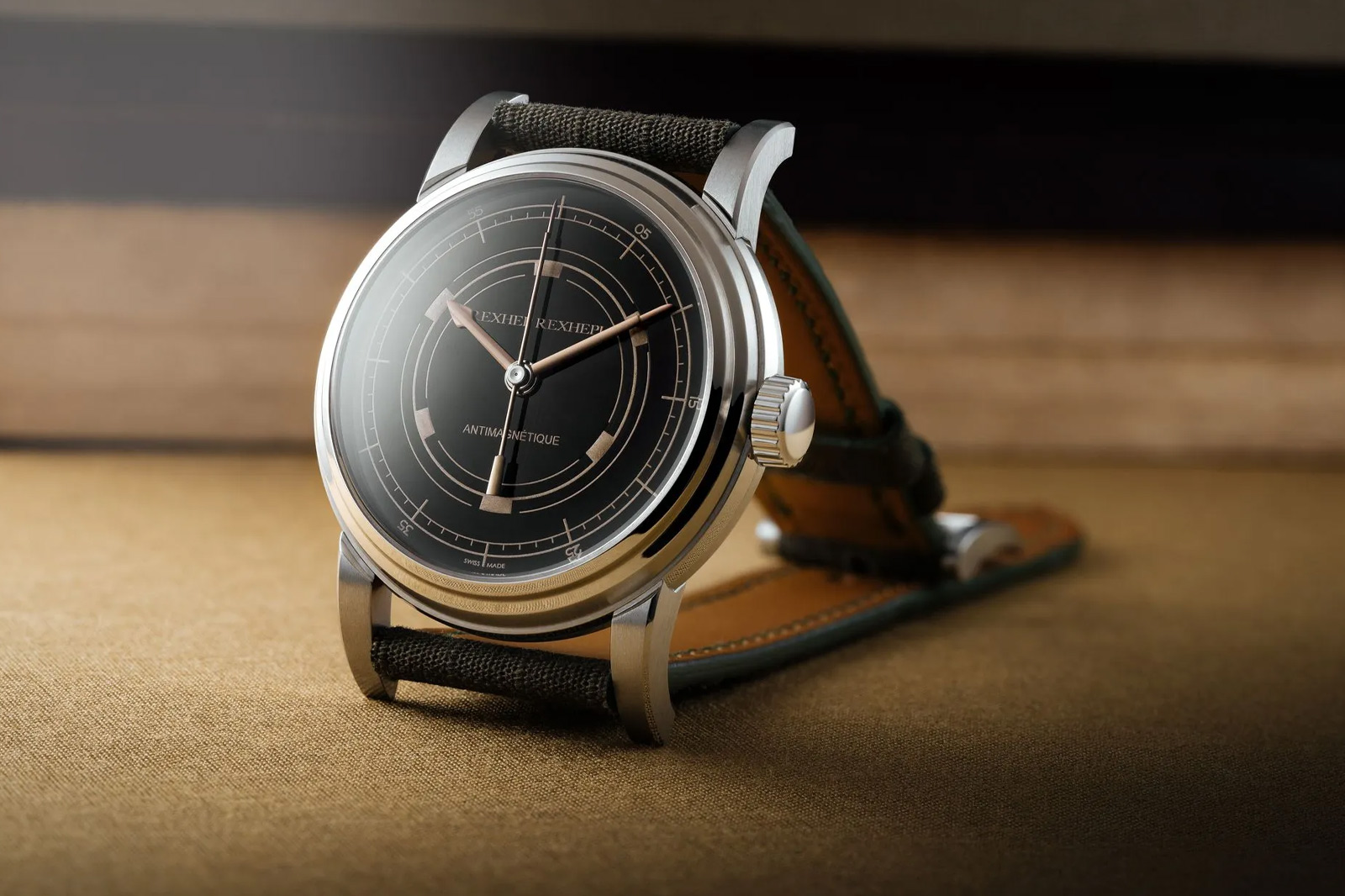
Rexhep Rexhepi Chronomètre Antimagnétique for Only Watch
“A watchmaker will need to understand the theory behind horological design, knowledge covering the use and application of materials, movement design, decorative finishes, case, and dial construction, as well as the ability to co-ordinate all these elements. On top of this there is the financial investment to either buy the tools and equipment to make watch parts in-house or pay specialist suppliers to provide these. You will also need to have the persistence to keep going and find clients. All of this can be achieved but it takes true dedication and commitment”.
With just 20 places on Jeremy’s course each year, even when combined with similar courses around the world, there aren’t thousands and thousands of new watchmakers graduating each year, and even then, they need to pay their dues. Rexhep Rexhepi, for example, served his apprenticeship with Patek Philippe then joined full-time, long before becoming the independent darling he is today. At that time, not many people would have seen him raising CHF 2,100,000, (approx. £1,840,000) for Only Watch with his Chronomètre Antimagnétique, Ref. RRCA.
Of course, more than prizes and auction results, there’s one thing that really makes an independent watchmaker: making an in-house movement. This is a true statement of a watchmaker’s credentials. Independents will at times of course outsource some aspects to specialists such as precious metal casting, jewels, or buying in balance / hair springs, but the movement is the heart of the watch. It’s what sets them apart. And it’s not easy.

Struthers Project 248
Take a homegrown example, Struthers’ Project 248. The aim of Project 248 was to design and build an in-house watch movement and an accompanying watch entirely from scratch. The project was so named for ‘two minds, four hands, and an 8mm watchmaker’s lathe’. By 2023 the completed movement and wristwatch were ready, a combined ode to golden eras of watchmaking, from Breguet-inspired shock protection, rocking bar keyless work taken from Derek Pratt, and of course plenty of George Daniels DNA in the mix. It’s stunning, but it took time. A lot of time.
“The first watch took six years from concept to creation and is virtually entirely handmade using heritage machines, techniques, and equipment,” explains Dr. Rebecca Struthers. “The only exceptions to that are the jewels, and hair and mainspring.”
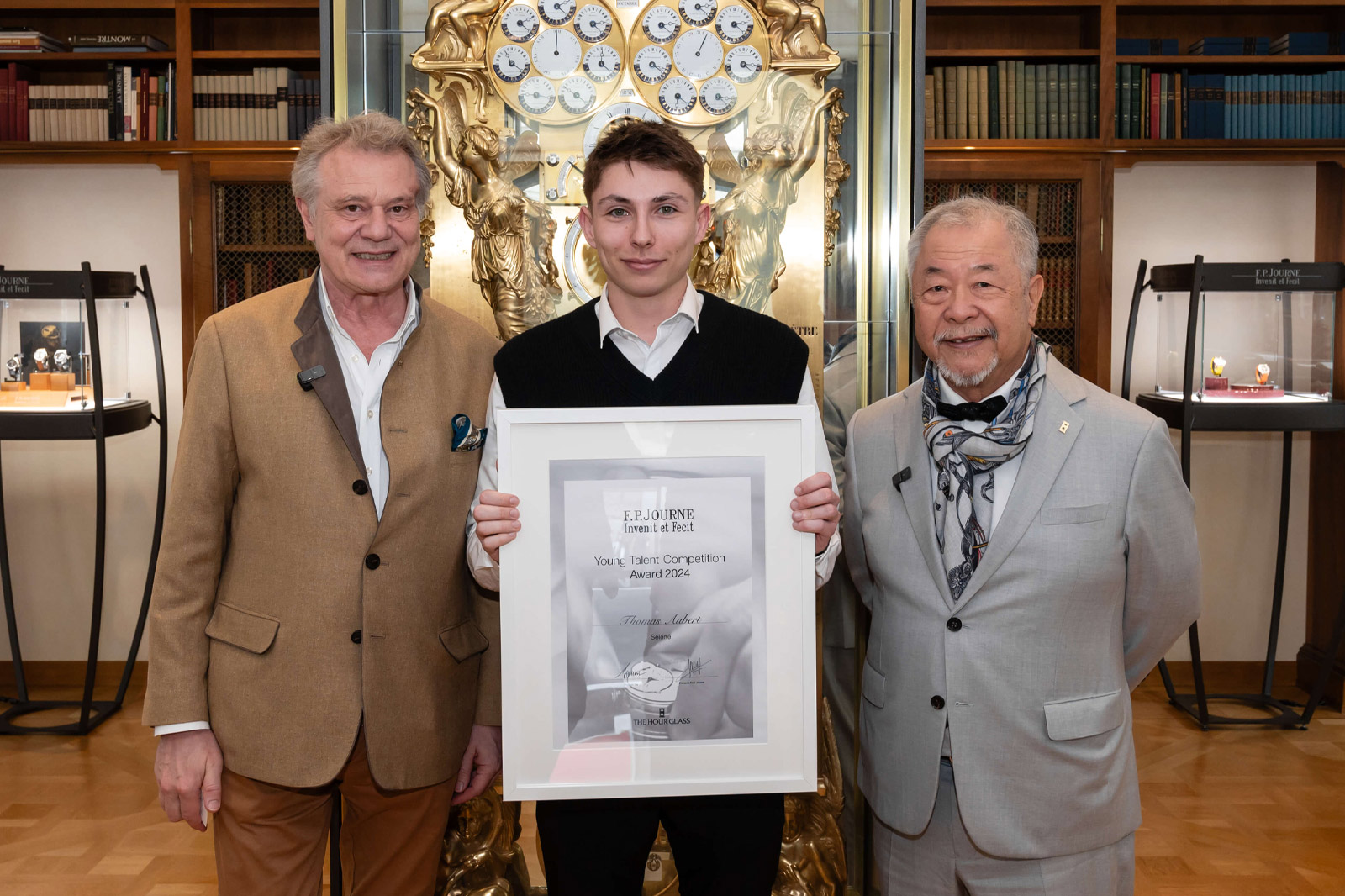
F.P.Journe Young Talent Competition winner, Thomas Aubert (2024)
Fortunately, Rebecca and Craig Struthers already have an enviable reputation in British watchmaking, but the same can’t be said of many of the young horologists just coming up through the ranks. That’s what the F.P. Journe Young Talent competition is for.
We’ve mentioned it a couple times already, but for a bit more background, the competition was launched in 2015 to, ‘help support young watchmaking students and recent graduates to gain a foothold in the world of independent watchmaking’. François-Paul Journe himself is part of the jury (alongside Philippe Dufour and others) that decides the winner and presents them with a signed diploma at the awards ceremony, one of the ‘old guard’ of independent watchmaking supporting the next – with an endorsement and a CHF 50,000 (approx. £46,500) grant.
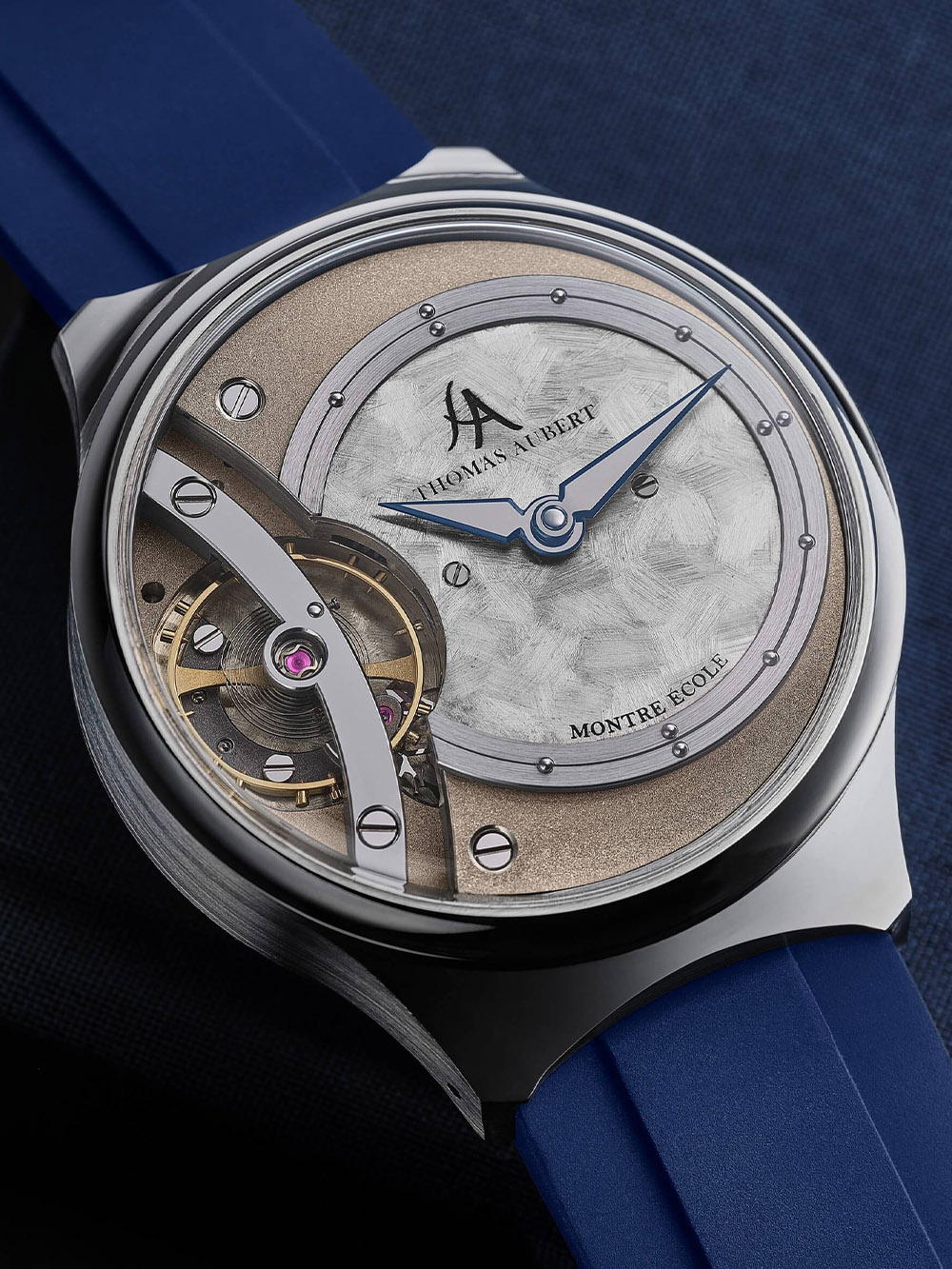
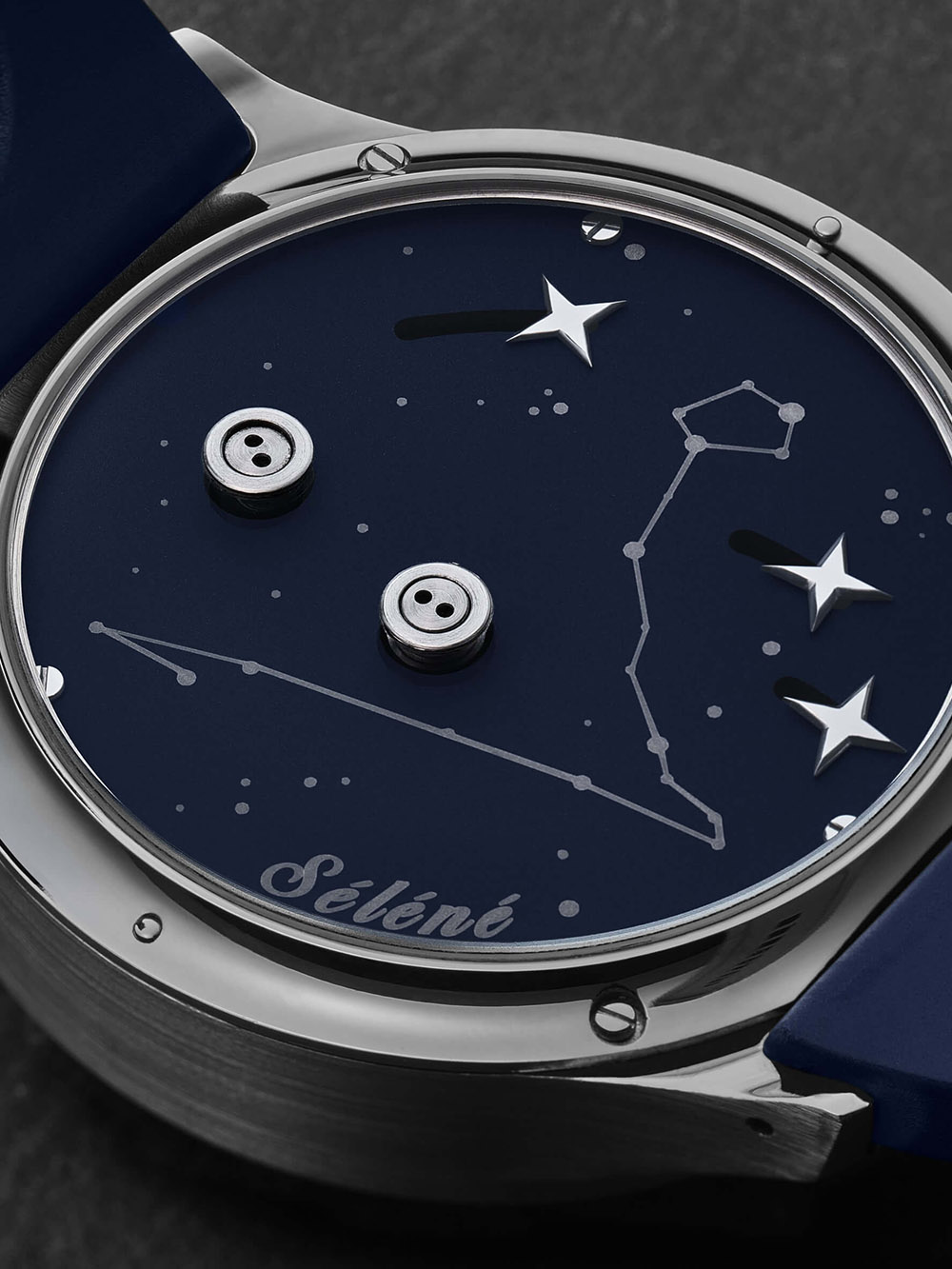
Thomas Aubert Séléné
Winners of Journe’s award are always worth keeping an eye on, and this year that is Alexis Fruhauff from France who submitted a superb Pendule à Seconde regulator clock. Fruhauff worked on the timepiece over a three-year period in conjunction with his training at the Lycée Diderot, in Paris.
The 2024 winner was Thomas Aubert also from France for his wristwatch called Séléné, named after the Greek mythology moon goddess. The 43mm watch was designed and produced in his final year at the school, unrecognisably modifying a calibre 6497 into a shooting star automaton with a winding key instead of a crown. It’s magnificent, and as Aubert says, took his entire skillset to that point:
“It represented a kind of closure for my project and gave me the opportunity to receive more advice and critiques from people in the profession. It allowed me to end my cycle of studies by presenting a piece that embodies, par excellence, my horological journey.
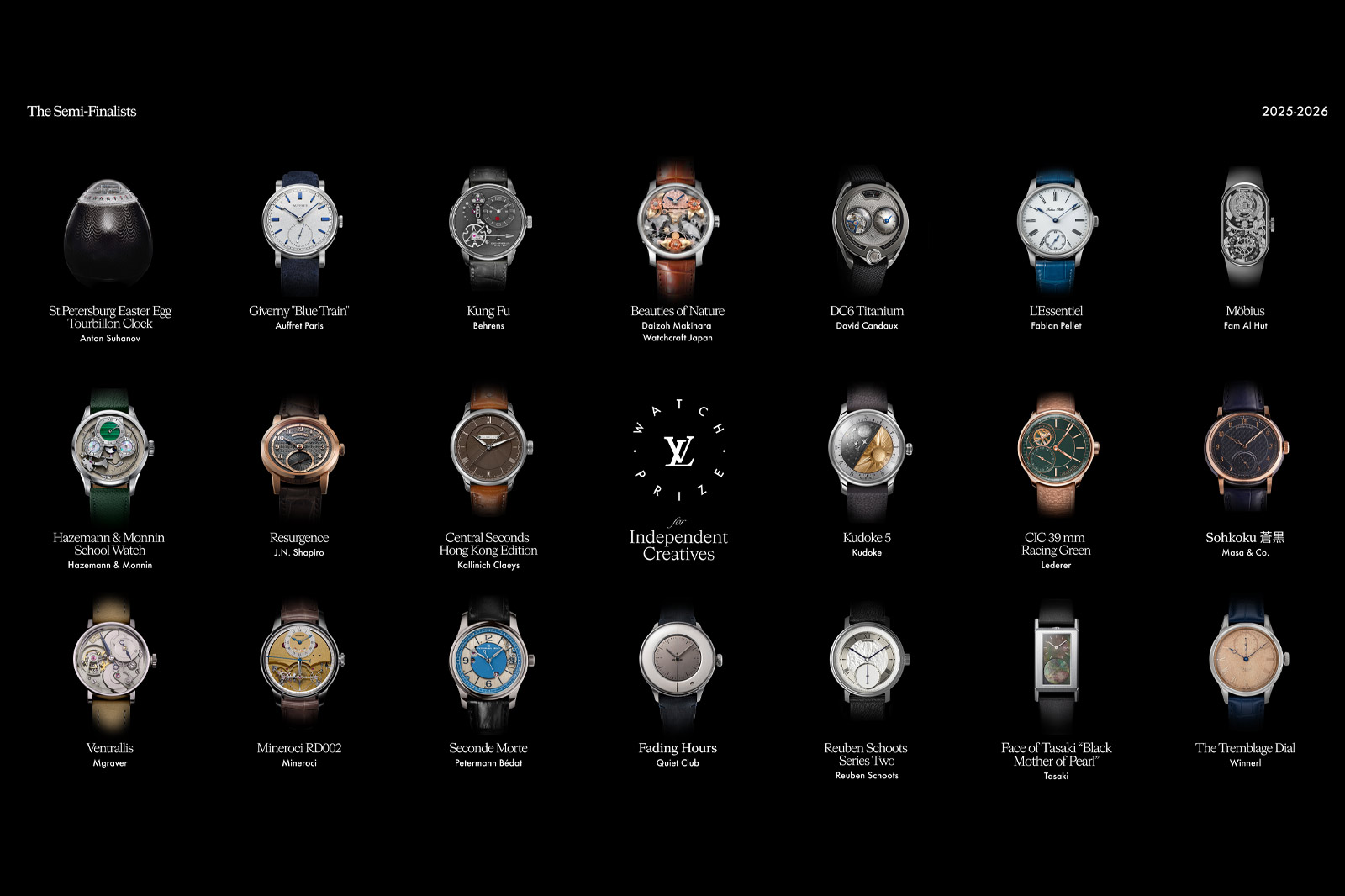
Louis Vuitton Watch Prize for Independent Creatives
“I am proud of this project, for aside from the horological object per se, it represents a key moment of my life. All my energy, all my skills, and all my knowledge were devoted to it during its creation. This project allowed me to acquire new skills and knowledge, and to accept challenges that were both mental and physical”.
So, at one end you have the F.P Journe Young Talent Competition for fledgling horologists. At the other you have the GPHG, putting independents on the global stage alongside the watch world’s biggest players. But what about the middle ground? That’s the purview of the Louis Vuitton Watch Prize for Independent Creatives.
I won’t dwell too long on Louis Vuitton; you know them and their horological credentials through LVMH – TAG Heuer, Zenith, Hublot et al – and their phenomenal Fabrique du Temps workshop. The prize however is, somewhat surprisingly, not linked to selling LV watches, although it does net them some.
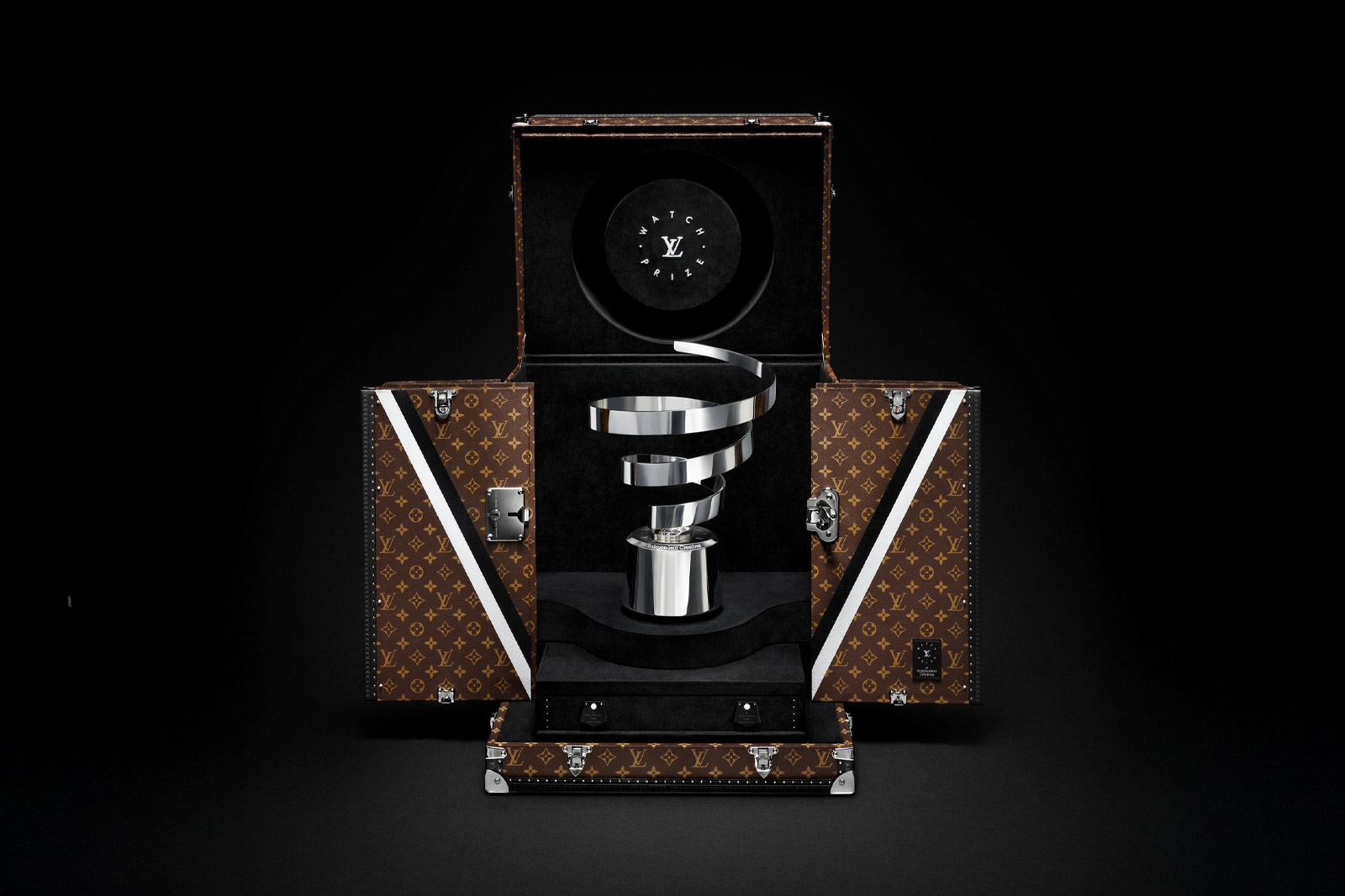
Louis Vuitton Watch Prize for Independent Creatives Prize
To enter, applicants submit a timepiece of their own design with the winner decided by a jury formed from a ‘Committee of Experts’, like Denis Flageollet, Enrico Barbasini, Rexhep Rexhepi, Michel Navas, and Kari Voutilainen. Following an initial selection of 20 semi-finalists, the committee will select five to move forwards. A jury will then interview the five finalists on the day of the award ceremony in Paris in 2026 and select the winner.
So, what does this Jury look for? As Matthieu Hegi Creative Director at La Fabrique du Temps Louis Vuitton explains, it’s comprehensive:
“First, design and aesthetics are paramount. We look for a clear, compelling, and original design language. Second, creativity and audacity are essential. We want to see a willingness to take risks and push the boundaries of conventional watchmaking. Third, Technical Innovation is a major consideration.
Are the applicants exploring new complications, materials, or construction methods? Fourth, the details and finishes are crucial. We examine the quality of the craftsmanship and the attention to detail in every aspect of the watch. Finally, complexity plays a role, but not in isolation. It’s not just about adding complications for the sake of it; it’s about how complexity is used to enhance the overall design and functionality of the timepiece. So, in short, we assess each application across these five areas to identify the most promising and innovative independent watchmakers”
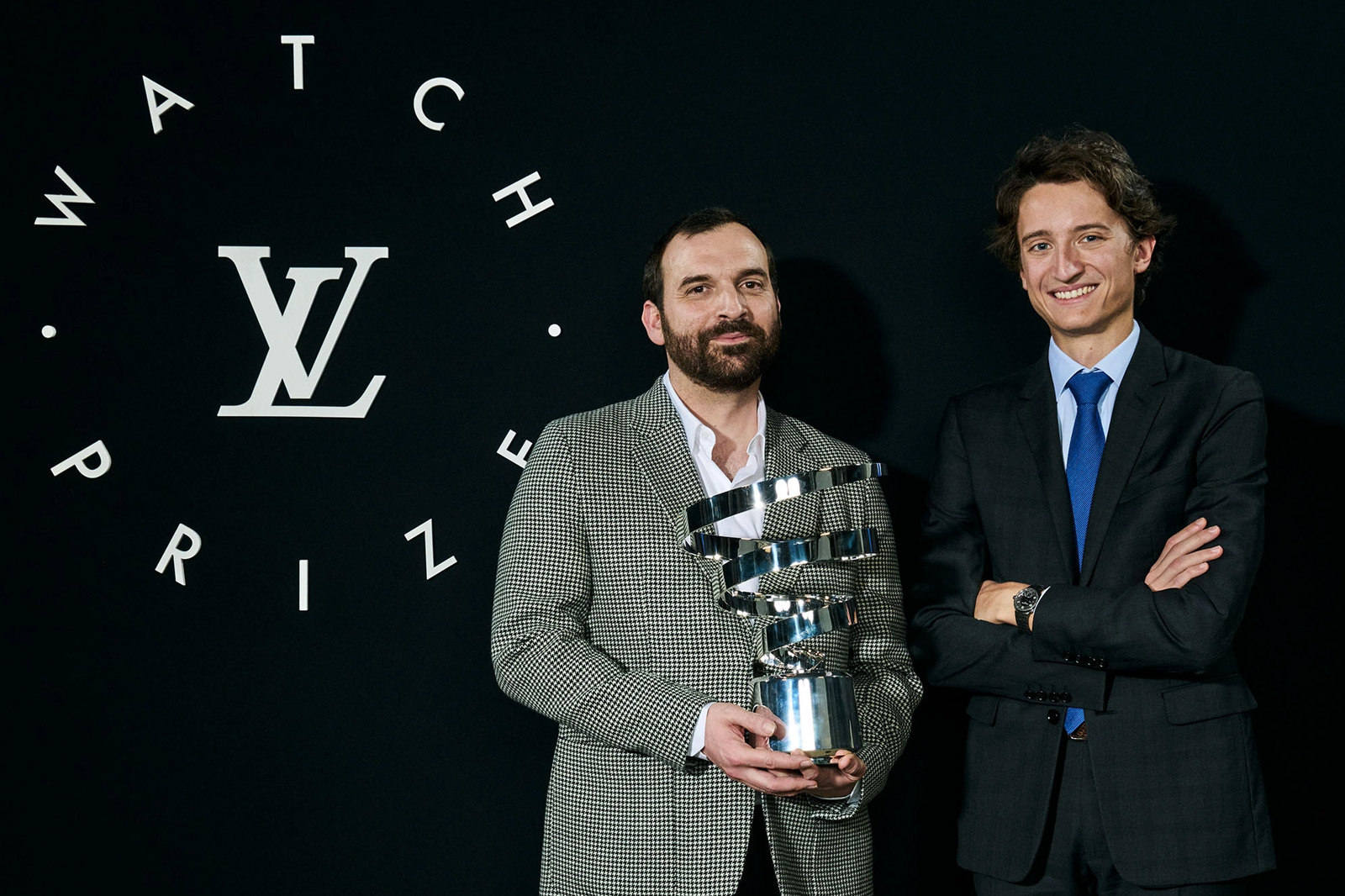
Raúl Pagès won the Louis Vuitton Watch Prize for Independent Creatives Prize (2024)
If Journe’s grant was generous, LV are flexing, with a €150,000 (approx. £130,000) grant, along with a year-long mentorship by La Fabrique du Temps. Perhaps more importantly, they’ll be mentored in areas including communication, copyright, marketing, industrial strategy, financial management and corporate legal aspects – the stuff that turns a fantastic watch into a fantastic watch brand. To top this off the winner will also receive a stunning trophy inspired by a watch balance-spring design. Quite a prize to win! But that begs the question, what do LV get out of it?
“The Louis Vuitton Watch Prize is now in its second edition,” says Hegi, “and the reason I feel it is so important to support independent watchmaking, especially when it comes to nurturing new talent and creativity, is multifaceted. Independent watchmakers really push the boundaries of design and technique. They can experiment with unconventional materials and innovative horological approaches. Also, many independent brands are deeply committed to traditional skills and craftsmanship, which helps preserve our horological heritage. Supporting them ensures these valuable techniques are not lost.
“The Prize itself is crucial because it gives emerging watchmakers recognition and the resources they need. The expertise of the Committee of Experts extends beyond just selecting a winner. Speaking for myself, with my understanding of design, I can offer invaluable mentorship to the winner, particularly if they need guidance in further developing their design vision”.

Raúl Pagès Régulateur à Détente RP1
The winner of the inaugural 2022 Louis Vuitton Watch Prize for Independent Creatives was Spanish born watchmaker Raúl Pagès with his exceptional RP1 Régulateur à détente, an entirely hand-crafted manual-winding piece with one-of-a-kind construction featuring a pivoted detent escapement. In Pagès own words, “I really wanted to pay tribute to the chronometers of the past and marine chronometry, the golden age of watchmaking invention.”
Pagès is now the established independent watchmaker he deserves to be, but it’s worth taking a look at some of the recently announced semi-finalists for the next Louis Vuitton Watch Prize for Independent Creatives. If you want to keep your finger on the independent pulse, pay attention. Some of the semi-finalists will already be known to collectors of independent brands such as Swiss watchmaker David Candaux and Scotland’s Fiona Krüger. Other semi-finalists however may be less well known.
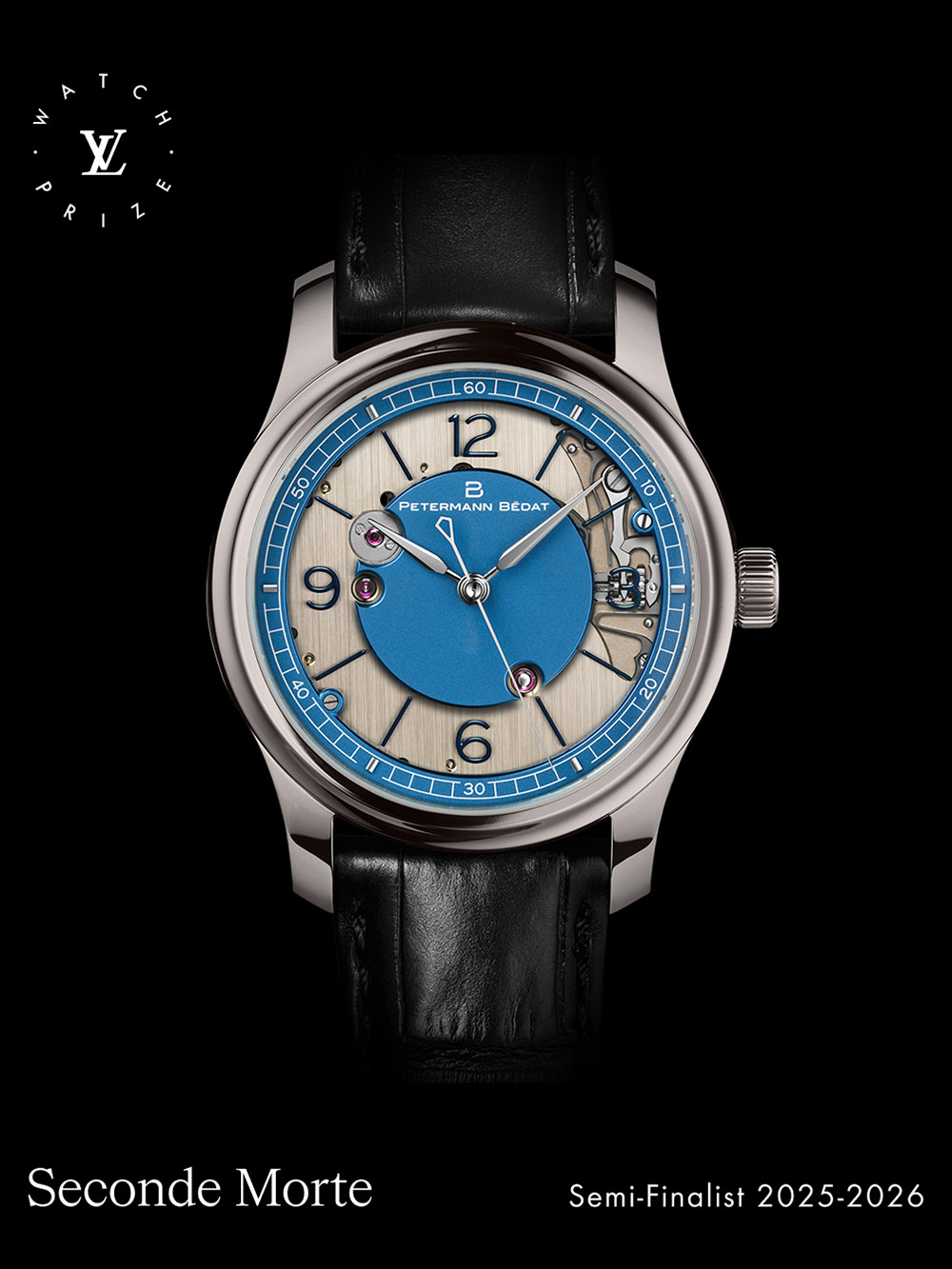
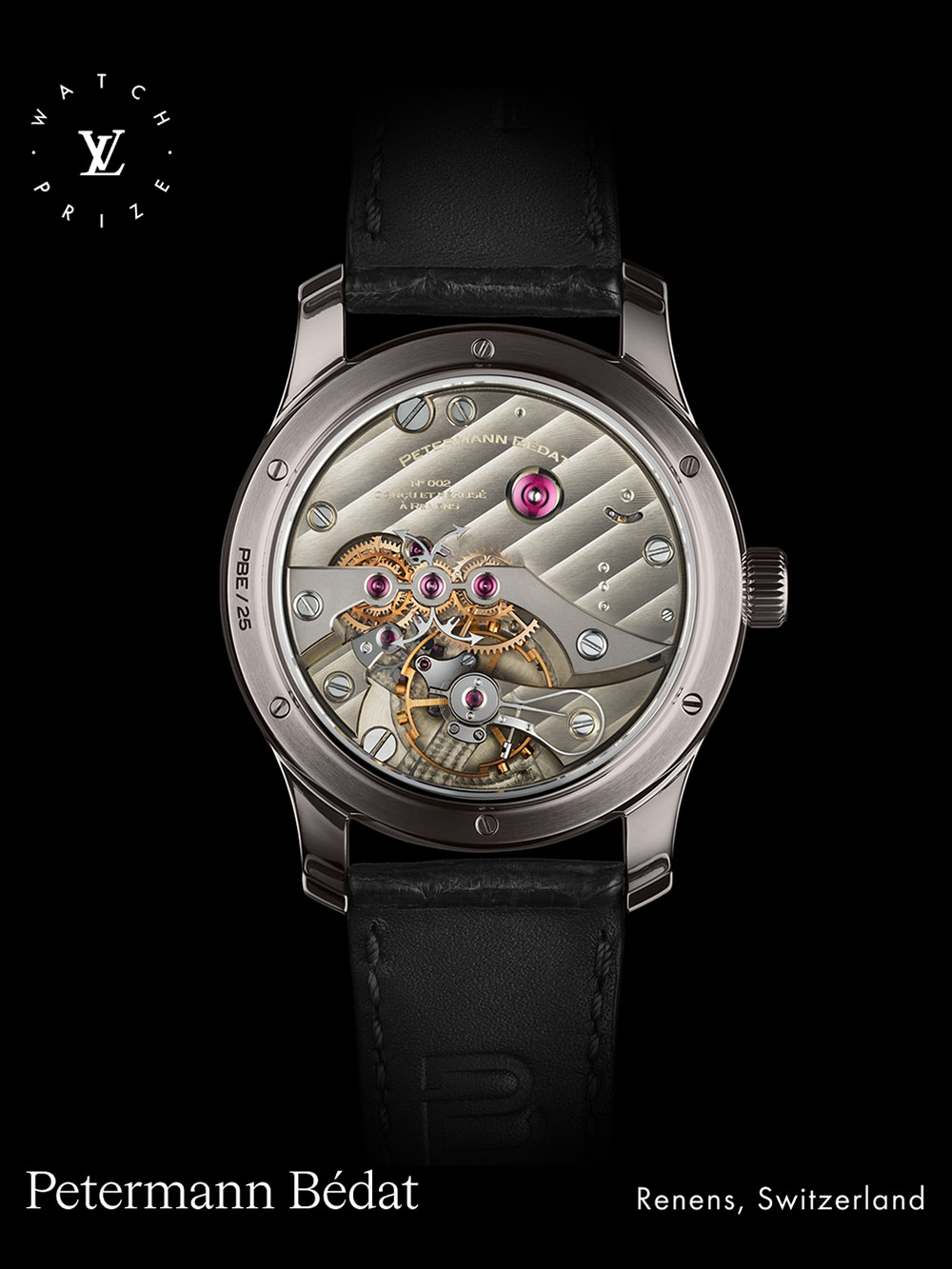
Petermann Bédat Seconde Morte
Among them is Petermann Bédat based in Renens, Switzerland, who are a newer independent brand making a name for themselves. The brand was formed from the watchmaking partnership of Gaël Petermann and Florian Bédat. Both Petermann and Bédat first met at watchmaking school in Geneva in 2007 then worked together at A. Lange & Söhne before launching their independent brand in Switzerland. In November 2024 one of their watches, a Reference.1967, 1/1 semi-skeletonized stainless steel wristwatch with an in-house manual movement from 2021, made CHF 215,900, (approx. £190,000), including buyer’s premium at auction. For the Louis Vuitton Watch Prize for Independent Creatives the brand has entered a watch called ‘Seconde Morte’, which while haunting, means deadbeat seconds.


Reuben Schoots Series Two
On the other side of the world Reuben Schoots based in Canberra, Australia is a self-taught independent watchmaker. He began his journey by studying George Daniels’ method of watchmaking – the obsessive way of designing and making every part of a watch. Following the Daniels’ method Schoots constructed a tourbillon pocket watch from scratch. Concentrating now on fine quality classic design hand finished wristwatches Schoots has launched both ‘Series One’ and ‘Series Two’ models, the latter being his LV Watch Prize entry. Distinctively his dials feature a scraped finish worked by hand with no two dials alike.
China is now developing an independent watch making scene. Take for example the semi-finalist entry from independent brand Fam al Hut, with their watch ‘Möbius’, which has been getting some hype recently. The two co-founders Xinyan Dai and Lukas Young both share a passion as watch collectors along with experience in the fields of industrial design, illustrators, deep space photographers and musicians. They’re a pair of renaissance men, and fittingly their slogan is “all that exists was once imagined”.
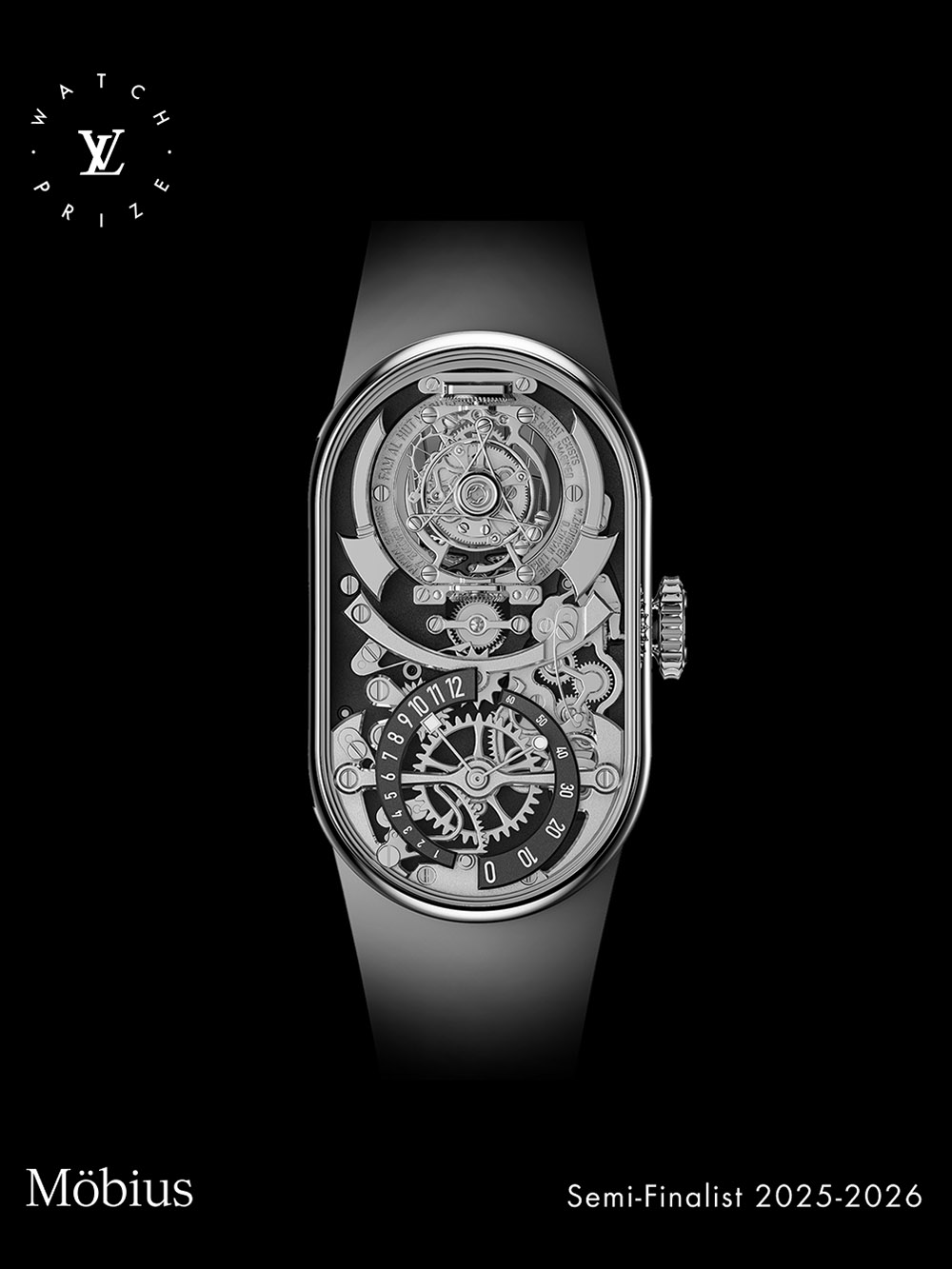
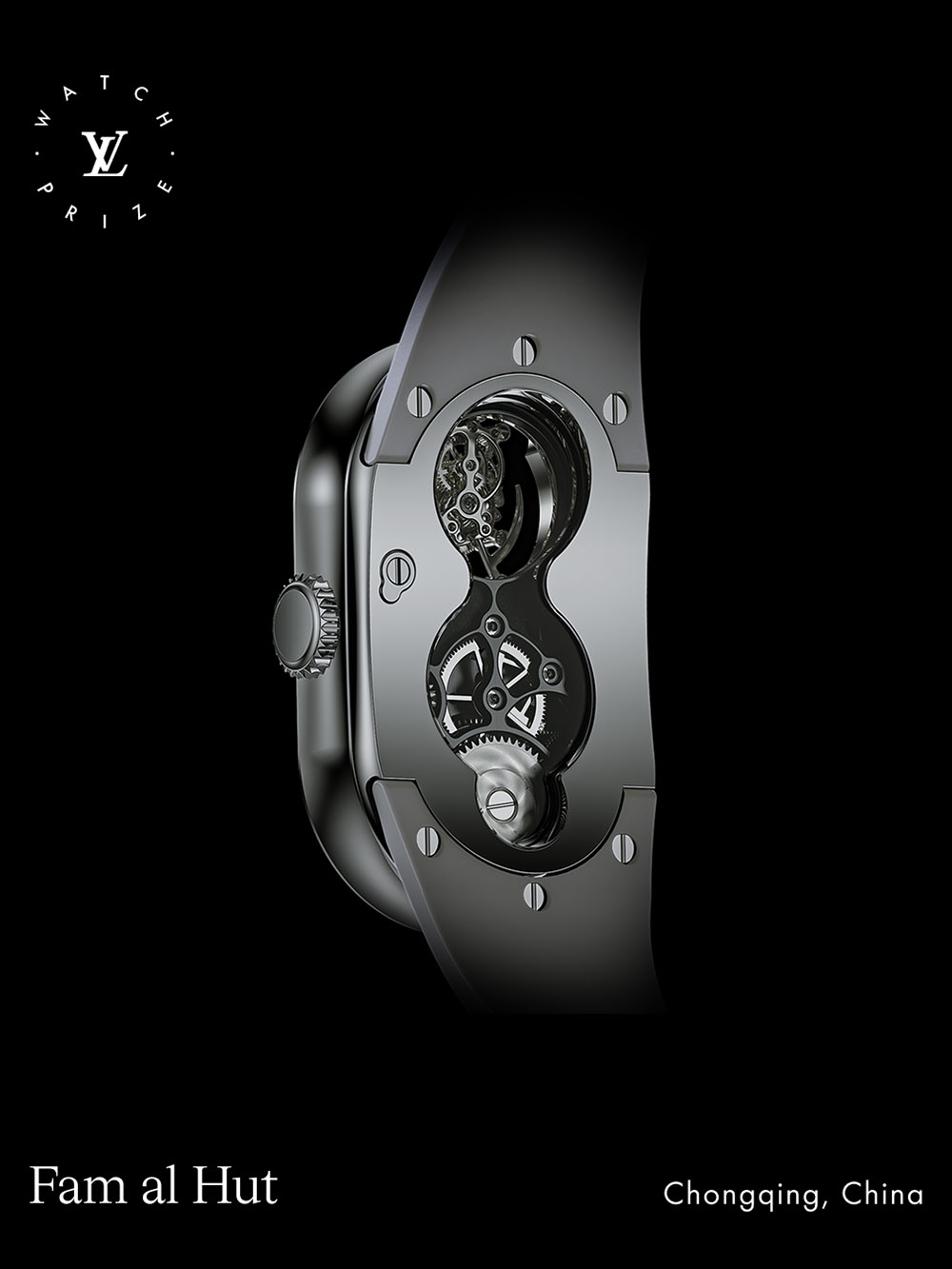
Fam al Hut ‘Möbius’, semi-finalist
The watch itself is a daring piece of design that incorporates a slim stylish elongated oval shape with a lug-less design on a rubber strap affixed by screws to the caseback. The watch is powered by an in-house calibre M-01T manual movement with a 50h power reserve and hand finishing. For the brands’ first ever watch it packs some serious horological features including a skeleton style view of a bi-axis tourbillon plus a double retrograde, jumping hour complication where both the hour and minute hand upon reaching their trajectory across the arc of the dial face jump back to the start point of their respective timing displays. The watch dimensions are noted as 42.2mm x 24.3mm x 12.9mm.
Will any of these three win? We’ll find out next March when the results are announced. But even if they don’t, the fact that we’re discussing them here is no bad thing. It takes an insane amount of dedication, passion and skill to even receive a nomination. Independent watchmakers don’t come out of nowhere. It takes years of study (formally or informally), more years working under other watchmakers and the drive to strike out on your own to even have a chance.
With supporters like F.P. Journe and Louis Vuitton however, independent watchmaking is still in its ascendency – enough that when the GPHG results are announced in November, you can be sure that there will be more than a few independents stepping up to accept the coveted golden hand award. And rightly so.