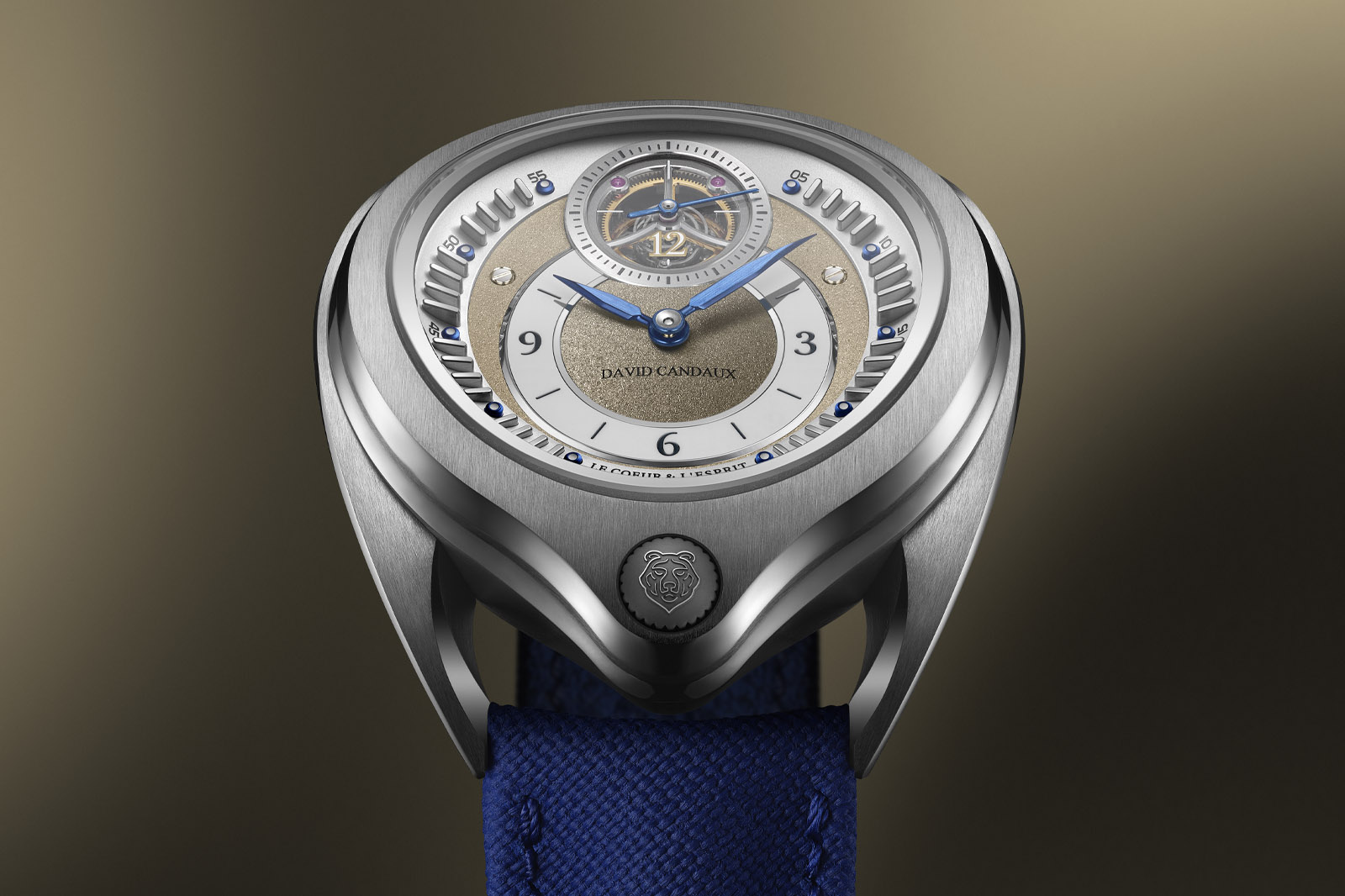
The independent watchmaking scene is now more than ever alive with some absolute geniuses of haute horology. Sure, your Journes and Dufours tend to get the limelight, but outside of the brands best known for their eye-watering auction prices, there are some fantastic pieces being quietly built. And then there’s David Candaux, one of the most unassuming watchmakers you’ll ever meet, but one who has done some ground-breaking work with the DC1 and DC6. Now, after plenty of building of anticipation, he’s back with the new DC12 MaveriK.
The DC12 MaveriK is new, but the concept is not. In our upcoming interview with the mountain-obsessed watchmaker, Candaux let slip that it had been sequestered away in a drawer for 17 years. It took nearly two decades for the stars to align and the tree of a concept to finally bear fruit. And when you drill down into the watch, it’s not hard to see why it took so long.

For one, that case shape. There’s curved, then there’s whatever the DC12 MaveriK is, with arguably the most dramatically curving silhouette I’ve come across. The entire grade 5 titanium case, from bezel to mid-case to those flowing lugs seems to have been bent as a single piece, contorted into a fantastically ergonomic shape. It might be the most comfortable 39.5mm watch I’ve ever worn.
That curve also lends a peculiar depth that the dial more than makes the most of. Tall, titanium applied indexes perfectly follow the dramatic curvature of the dial, with smaller, rounder, blued steel hour markers to match the central and small-seconds hands. That unusual 12 o’clock subdial doubles as an open heart which for once I’m completely on board with.
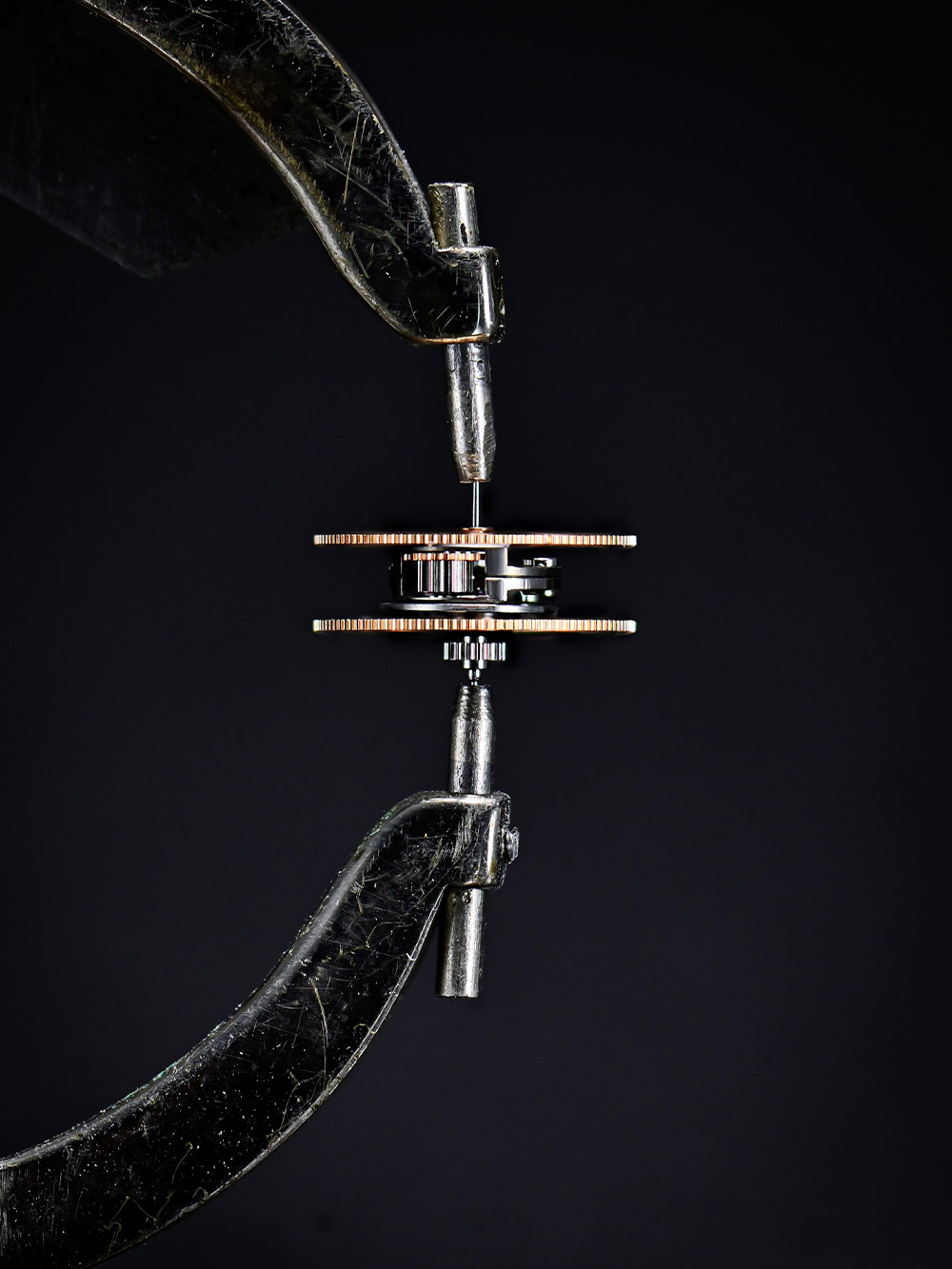
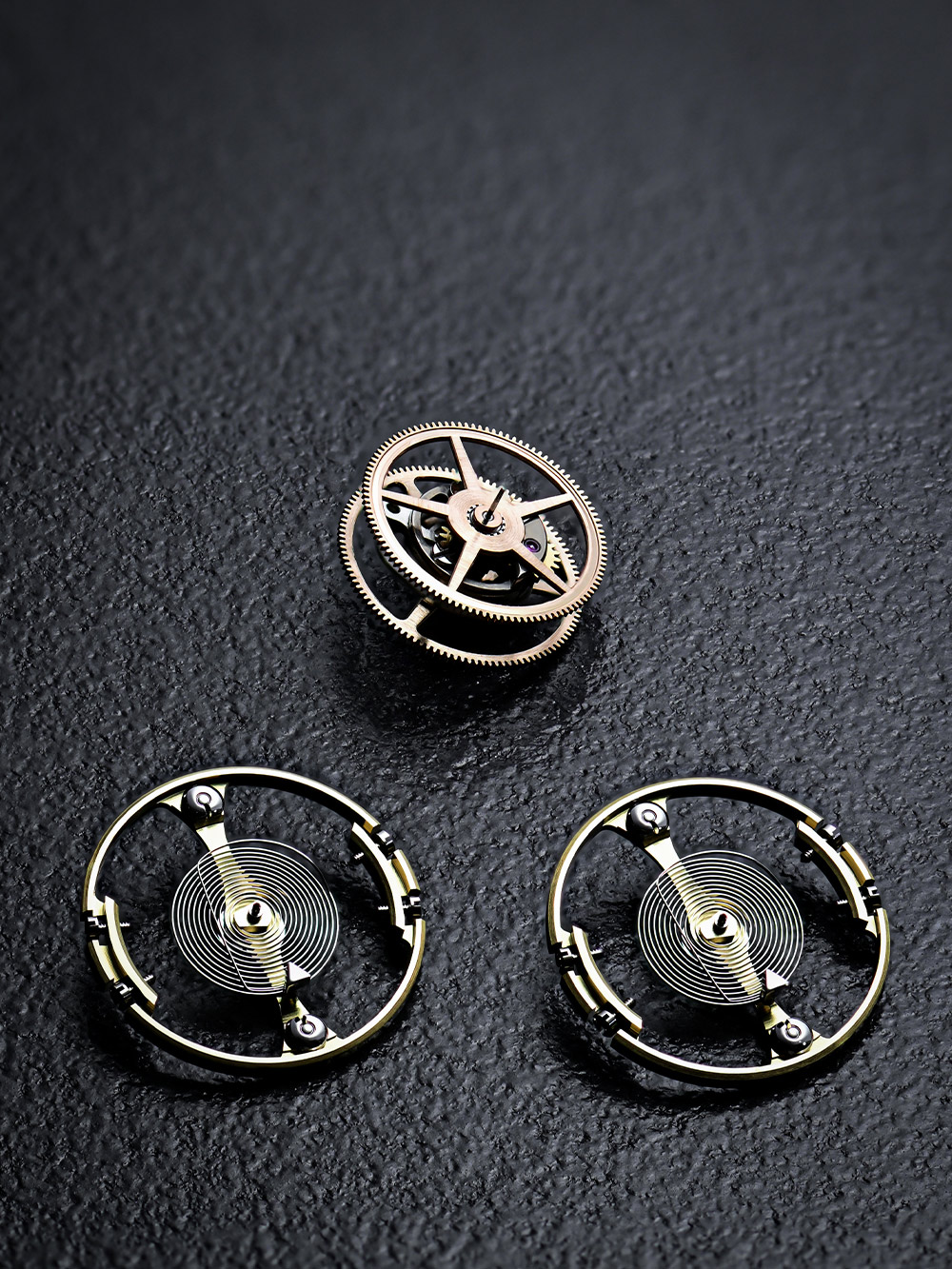

Normally open-heart watches look like they’re trying too hard, especially given how many of them there are at the lower end. Here though, it’s visual proof of what makes the new C30 movement as, if not more exceptional than the case. That’s because the DC12 MaveriK has a double balance.
I won’t get too far into the weeds of why the double balance here is an insane concept. But as a primer, two independent balances can compensate for one another. If one’s slightly out, the other should pull chonometric performance back in line. But each balance needs its own energy and those interactions can cause problems, even up to stoppages. David Candaux’s solution? A flying satellite planetary mounted on a hairspring shock absorber. It’s this construction you can see through the sapphire subdial.
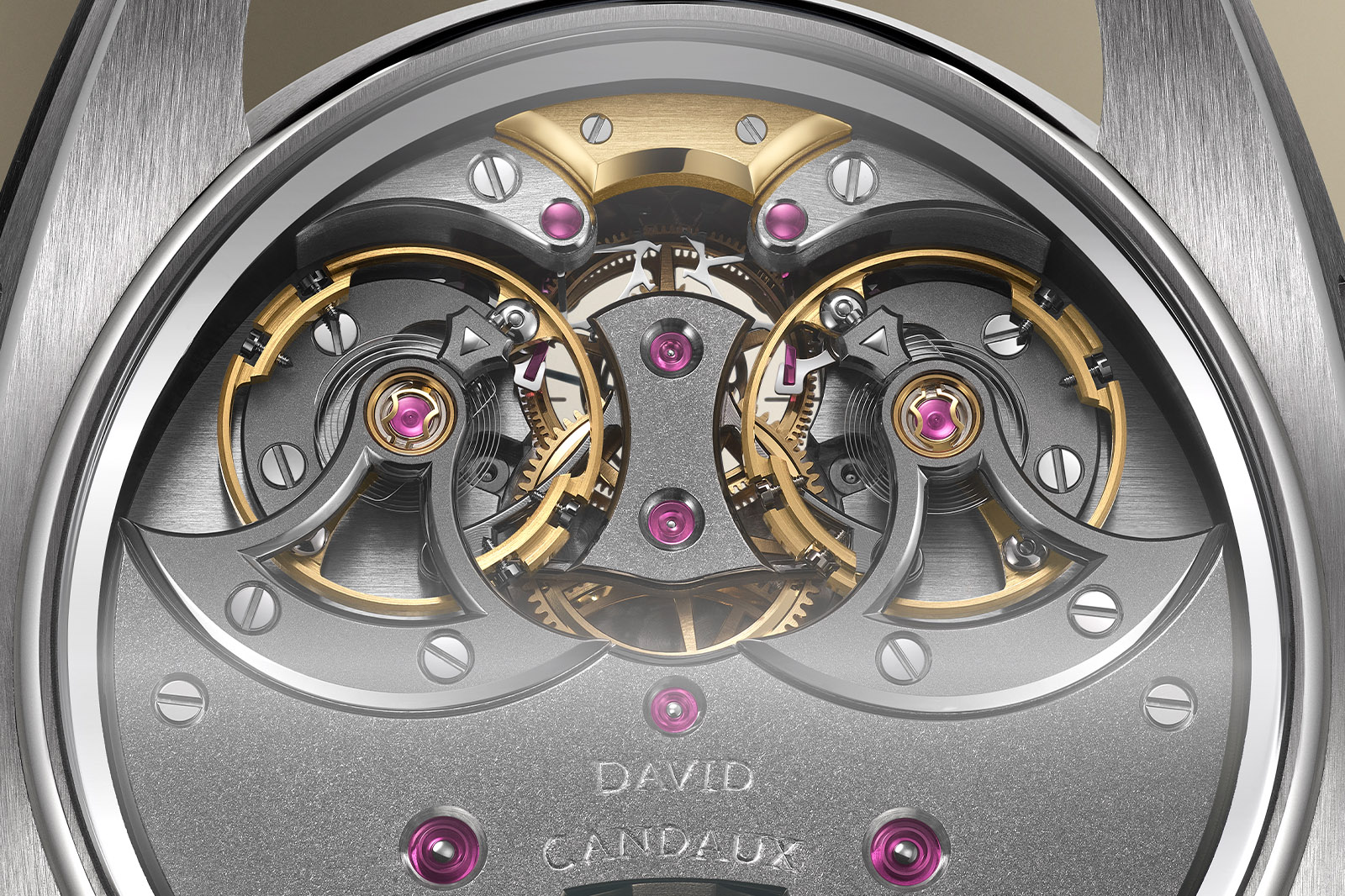
If that all sounds like a lot, it is. There are three patents involved. But the result is an insanely accurate watch that nevertheless is far more solid than it has any right to be, complete with a 58-hour power reserve. Perhaps just as importantly, it’s built across seven layers to perfectly fit in that curved case. It’s not just a movement put in a case, it’s all one continuous creation.
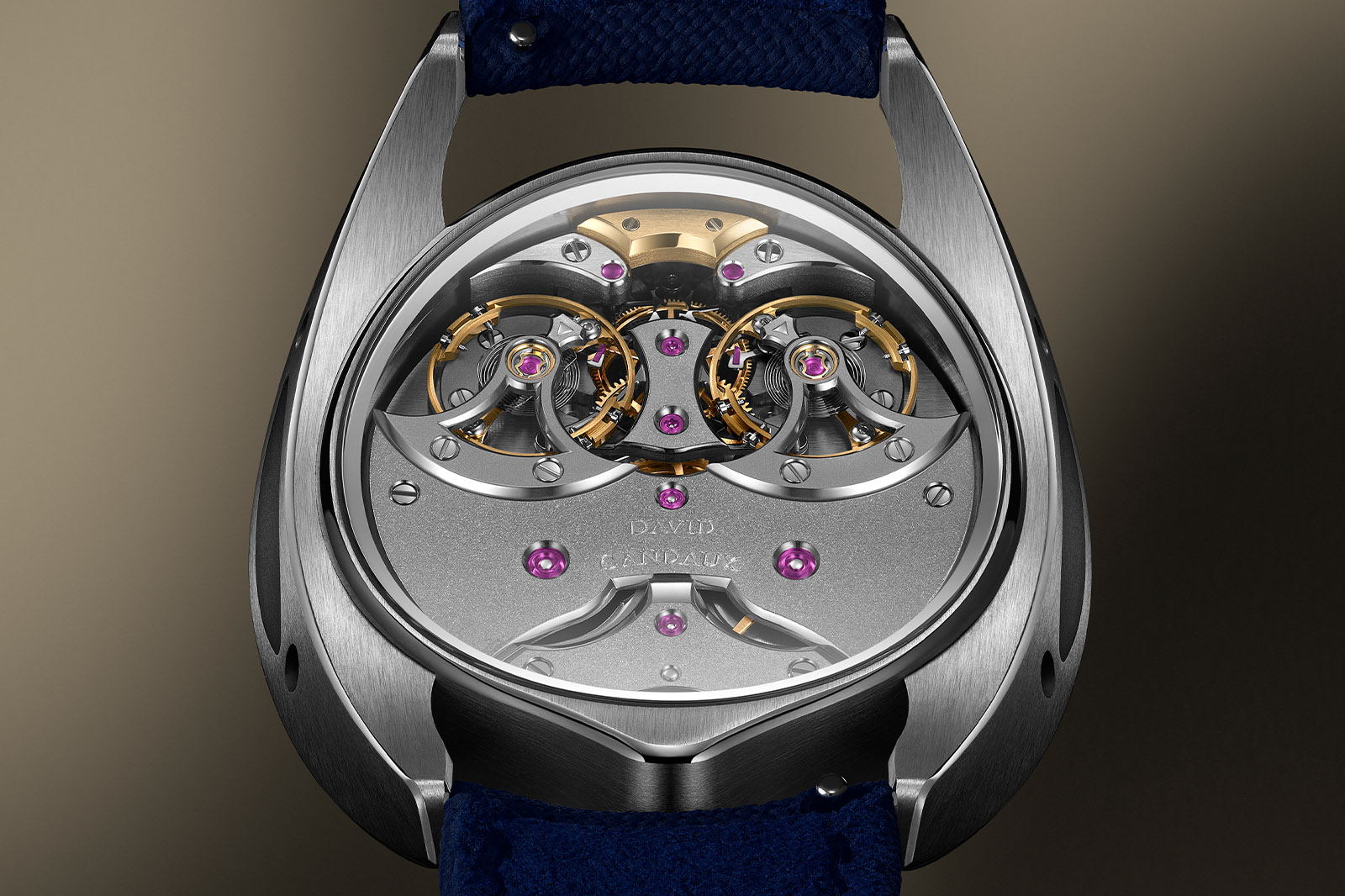
That homogeneity is hammered home by the fact that the movement, too, is made from lightweight titanium. It makes the entire construction stronger and lighter than you’d expect from anything that looks like this. You could, if you were so inclined, even call the DC12 MaveriK a sports watch. If it were water resistant to more than 50m I might be inclined to join you.
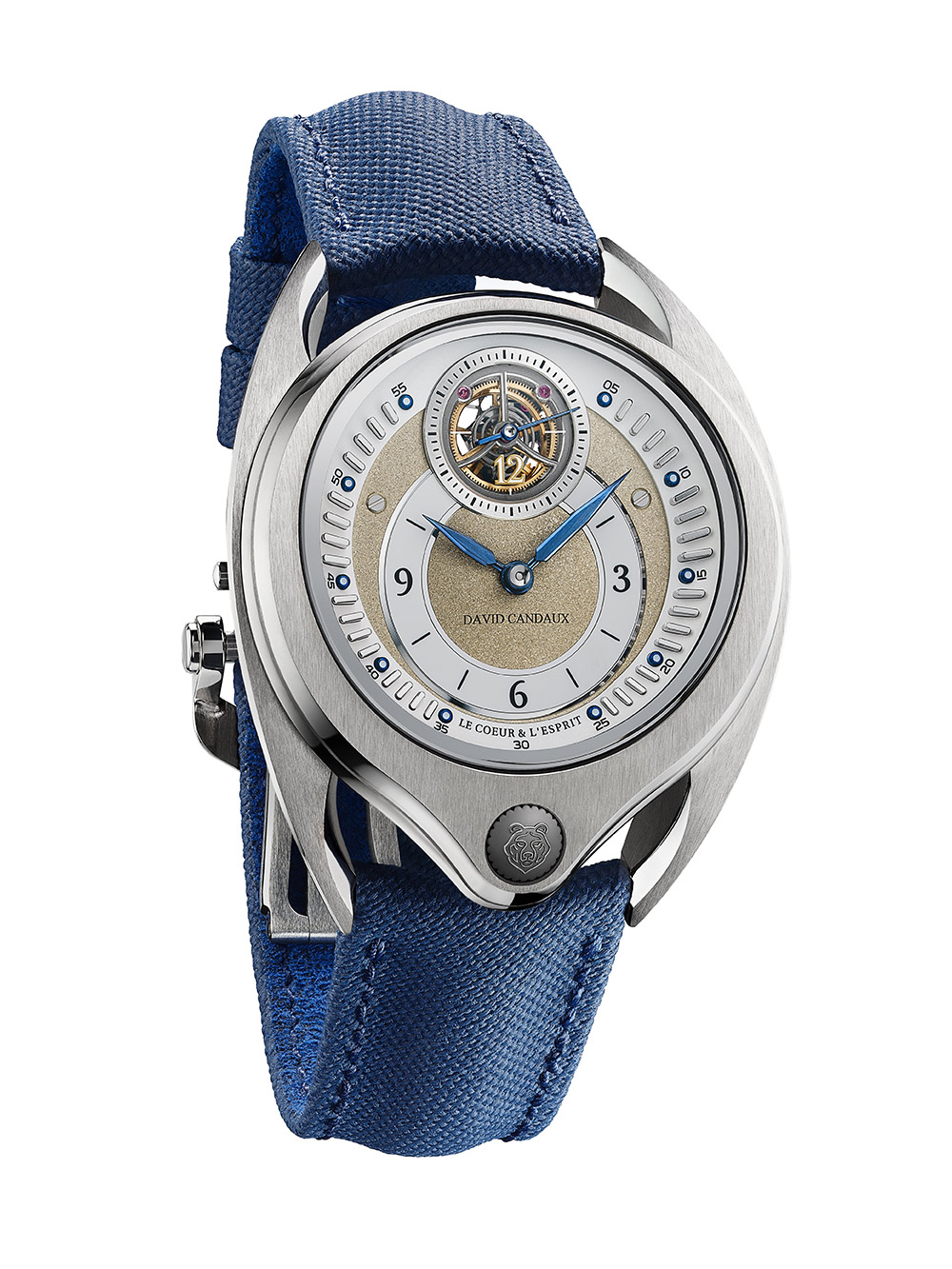
17 years from David’s initial idea to now and the DC12 MaveriK is still a marvel of modern watchmaking. There’s nothing quite like it, on the wrist or off. That said, given that you’re just as likely to find David summiting a mountain as sitting quietly in his workshop, it’s perhaps not too big a surprise it took this long. And the wait was worth it.
Price and Specs:
More details at David Candaux.