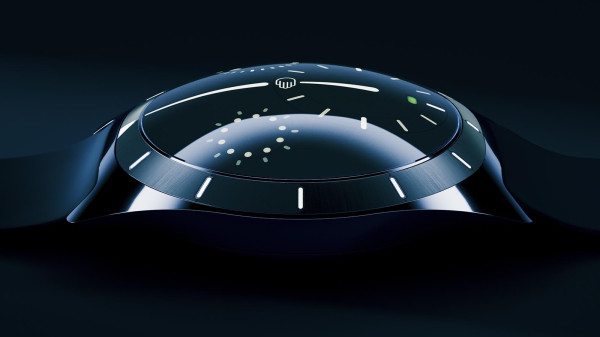
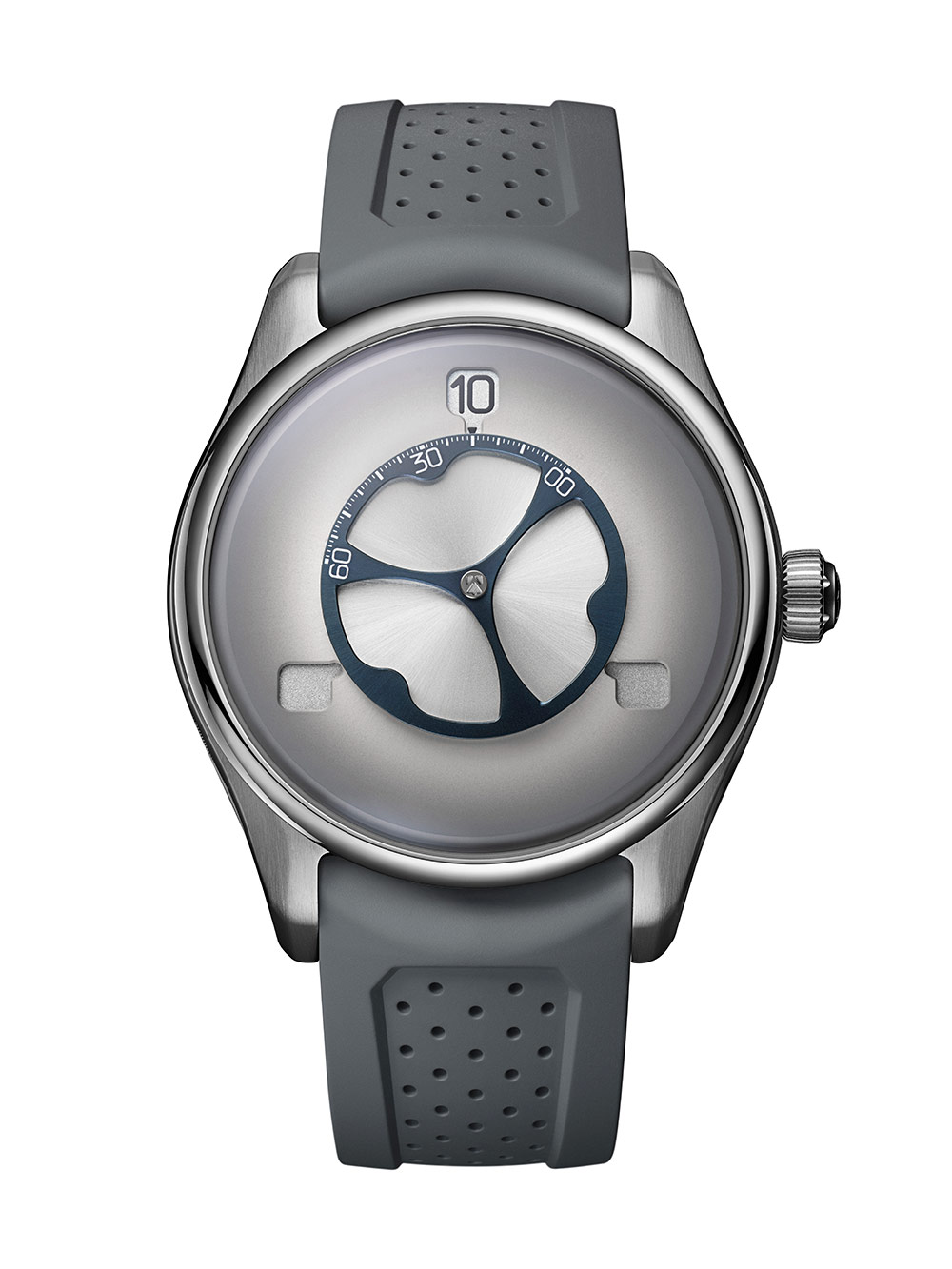
H. Moser & Cie.’s new Pioneer Flying Hours might take the crown for being the most distinctive display at Geneva Watch Days. It’s an evolution of the Endeavour Flying Hours from 2018 with a modernised and updated design. It’s a striking fusion between a jump hours display and a wandering hours display.

Oddly the update to the design probably means that the name Flying Hours is defunct for this watch. Originally the 2018 version featured three slowly rotating hour discs that were fully exposed to the viewer and so the term flying made sense. With the Pioneer Flying Hours, the three discs have been lowered below the surface of the dial with three apertures now reveal the current hour. Additionally, the change of numeral is now instantaneous in the jump hours style. So really the watch should just be called the Pioneer Jump Hours, but that’s a minor niggle and I don’t really mind a brand like H. Moser maintaining some individuality even if it’s slightly misleading.

Jump hour watches have been very popular this year but H. Moser’s interpretation manages to stand out thanks to its use of triple hour discs instead of a single one and its wandering minute track. A wandering display is one in which one of the time scales rotates past a second static scale (usually the hours rotating past the minutes) and their positioning at the point they meet tells the current time. Here the normal wandering style has been flipped with the minutes scale moving past the static hours – though which of the three apertures is displaying the hours does change.

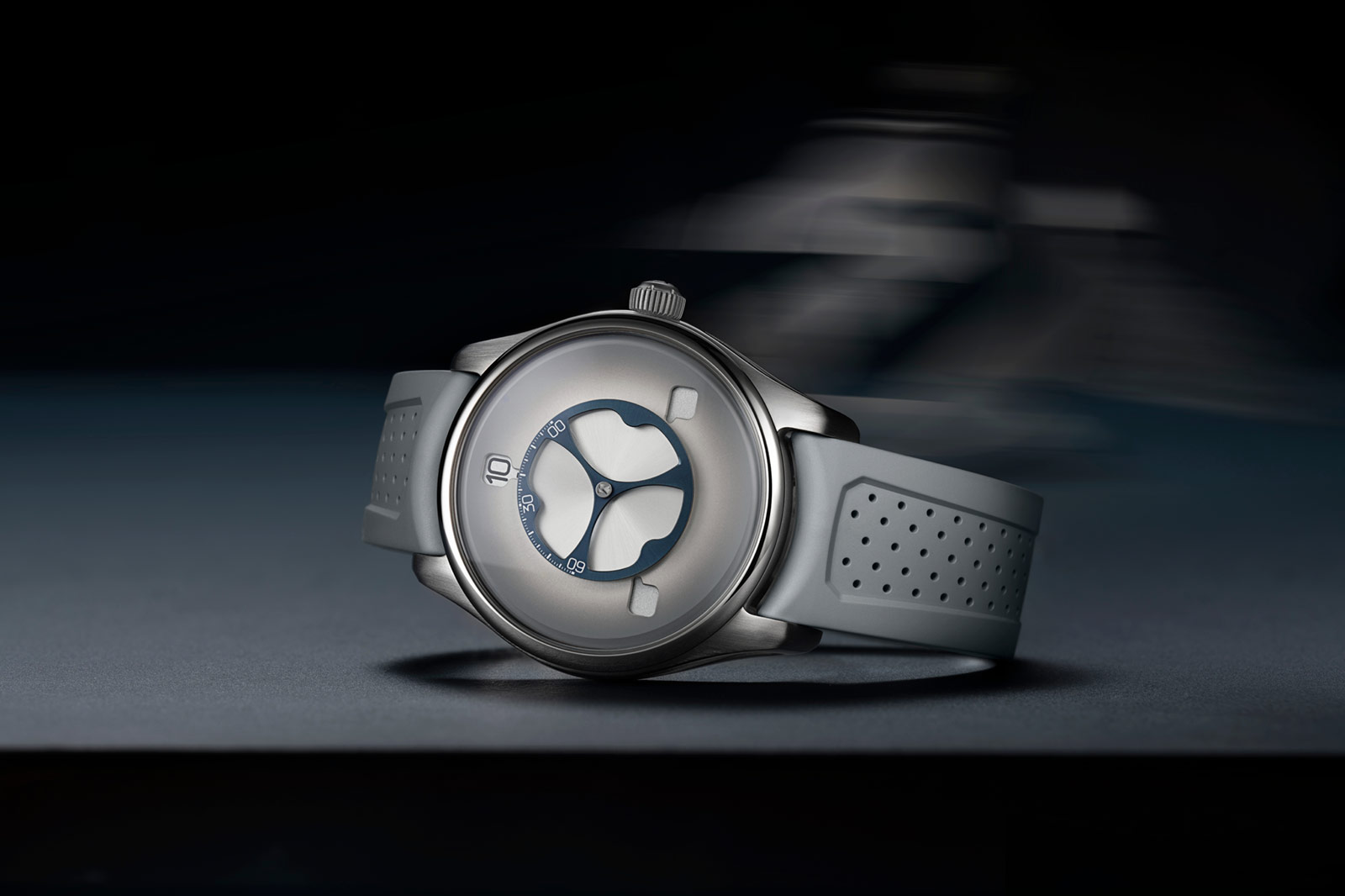
There are two versions of the Pioneer Flying Hours being produced, the first of which is a limited edition of 100 pieces. It has a red gold case measuring 42.8mm in diameter with titanium inserts around the lugs and crown and an aventurine glass display. Second and non-limited is a steel interpretation with a white fumé gradient and blue minute wheel. It’s very difficult to choose a favourite between the two because they appeal for different reasons, the limited model feeling luxurious and celestial while the steel verges on industrial.
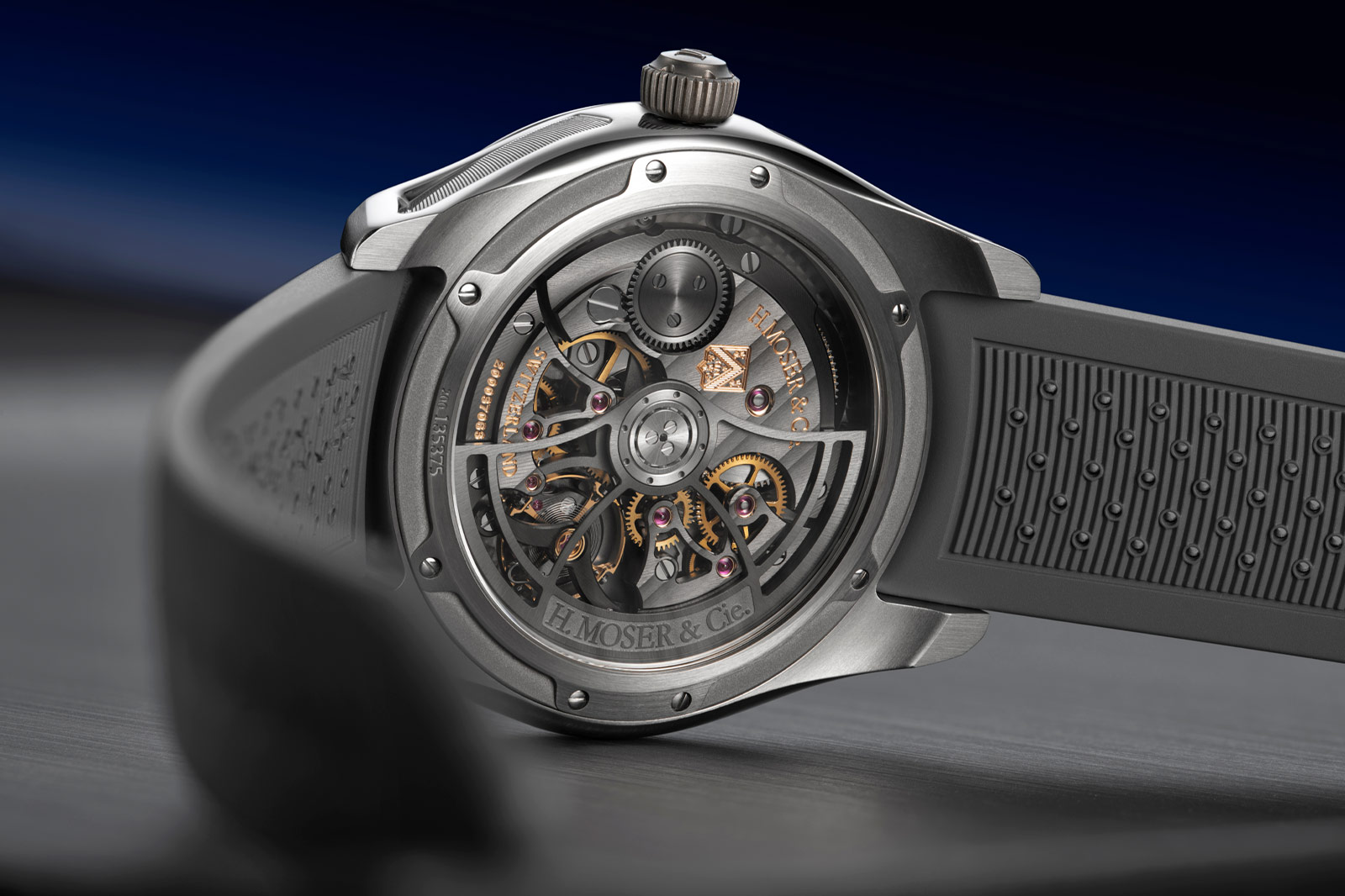
Powering both versions is the HMC 240 automatic movement with 72-hour power reserve. Though there is a slight difference between the two editions with the limited gold reference being equipped with a gold rotor and the steel one a tungsten rotor. Both metals are popular choices for rotors due to their high densities, which means they impart more energy to the calibre with each movement.

The limited edition is priced at £42,200 while the steel is £31,500. That means the new steel edition is priced the same as the original white gold 2018 Endeavour, which goes to show how much inflation has affected the watch industry in less than a decade.
Price and Specs:
More details at H. Moser & Cie..