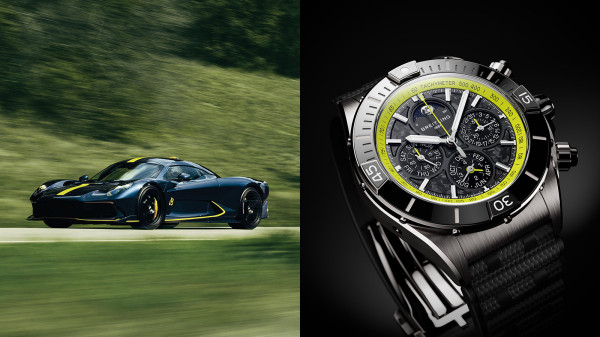
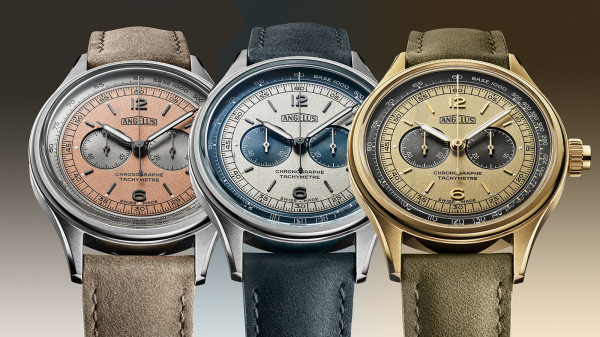
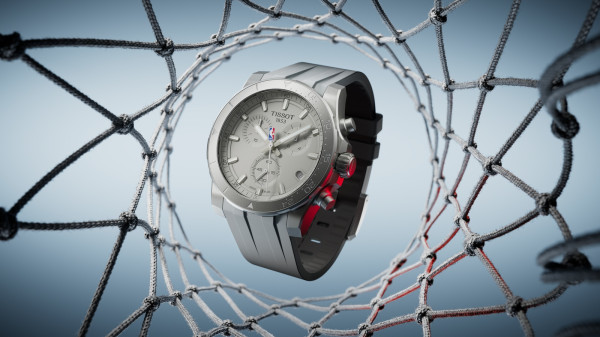
If you’ve seen our guide to the best chronographs of 2025 you’ll be aware that there are dozens (more likely hundreds or even thousands) of awesome chronographs out there just waiting to be discovered. However, not all of them feature the same set of information or present them in the same way. Here’s a visual guide to 6 of the most common chronograph layouts you should know to keep up to speed with chrono-talk at your next watch club gathering.
3-6-9 Tricompax
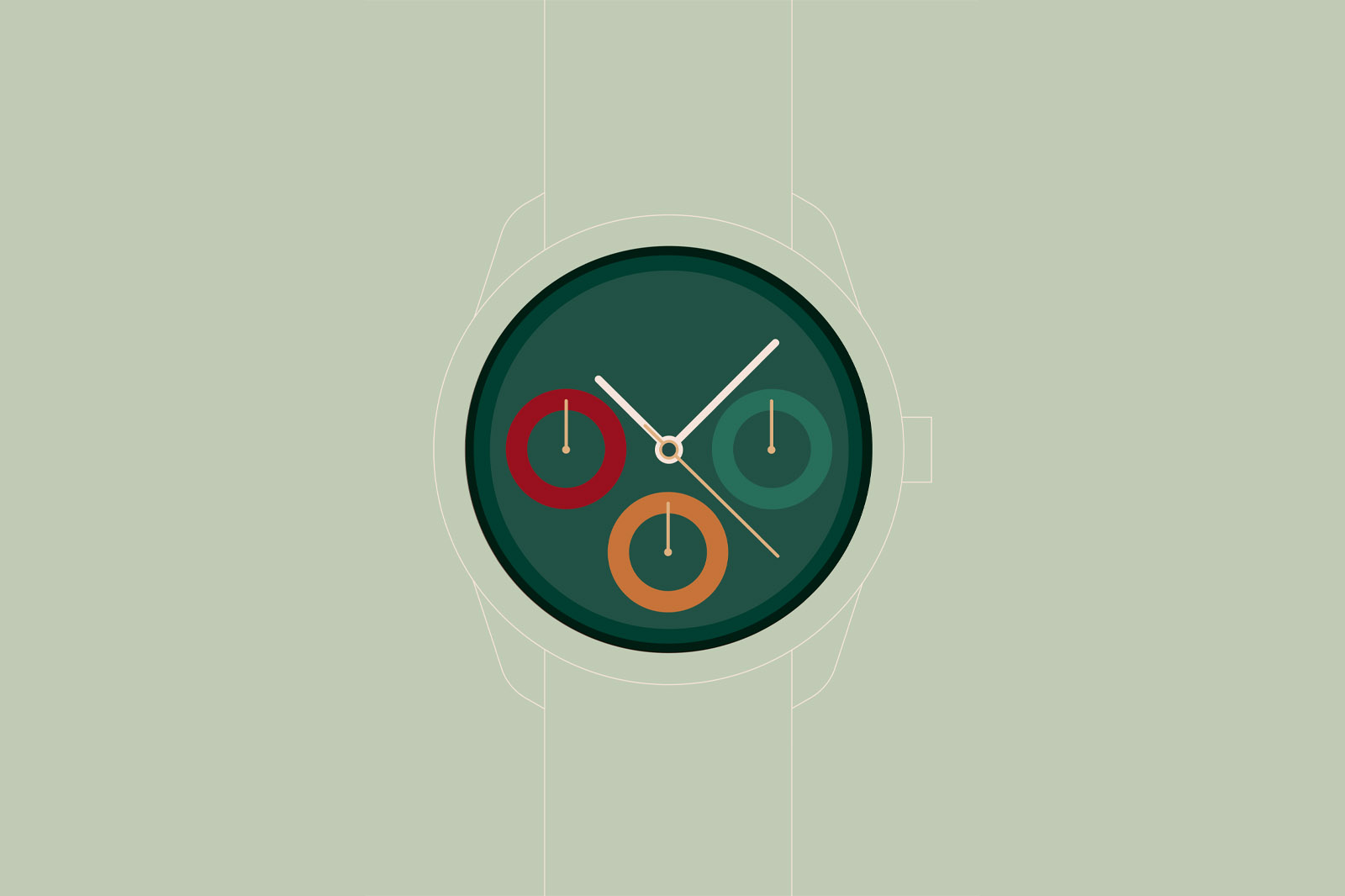
The tried and true classic and the layout that 90% of chronographs follow, this is the archetypal layout as defined by some of the most iconic watches ever built. The most common arrangement has 3 o’clock: chronograph minutes, 6 o’clock: running seconds, 9 o’clock: chronograph hours. Note though that sometimes the specific scales on the subdials and which one is positioned where can change. You should also be aware that there are some tricompax layouts where the flanking subdials are positioned higher up, closer to 2 and 10 o’clock, which is a major giveaway that it is likely a quartz chronograph instead of a mechanical one. Notable models include the Rolex Daytona Cosmograph, Omega Speedmaster and Zenith Chronomaster Original.
12-9-6 Tricompax

This under-used alternative is nonetheless linked predominantly to pilots’ watches, usually leaving the 3 o’clock space for a date window. This layout typically consists of 12 o’clock: chronograph hours, 9 o’clock: chronograph minutes, 6 o’clock: running seconds. It’s sometimes referred to colloquially as a vertical tricompax, as the in-line subdials sit on a vertical axis instead of horizontal as in the case of the standard layout. Notable models include the Sinn 356 Sa Pilot, IWC Pilot’s Top Gun Chronograph, Audemars Piguet Royal Oak Offshore.
Big Eye
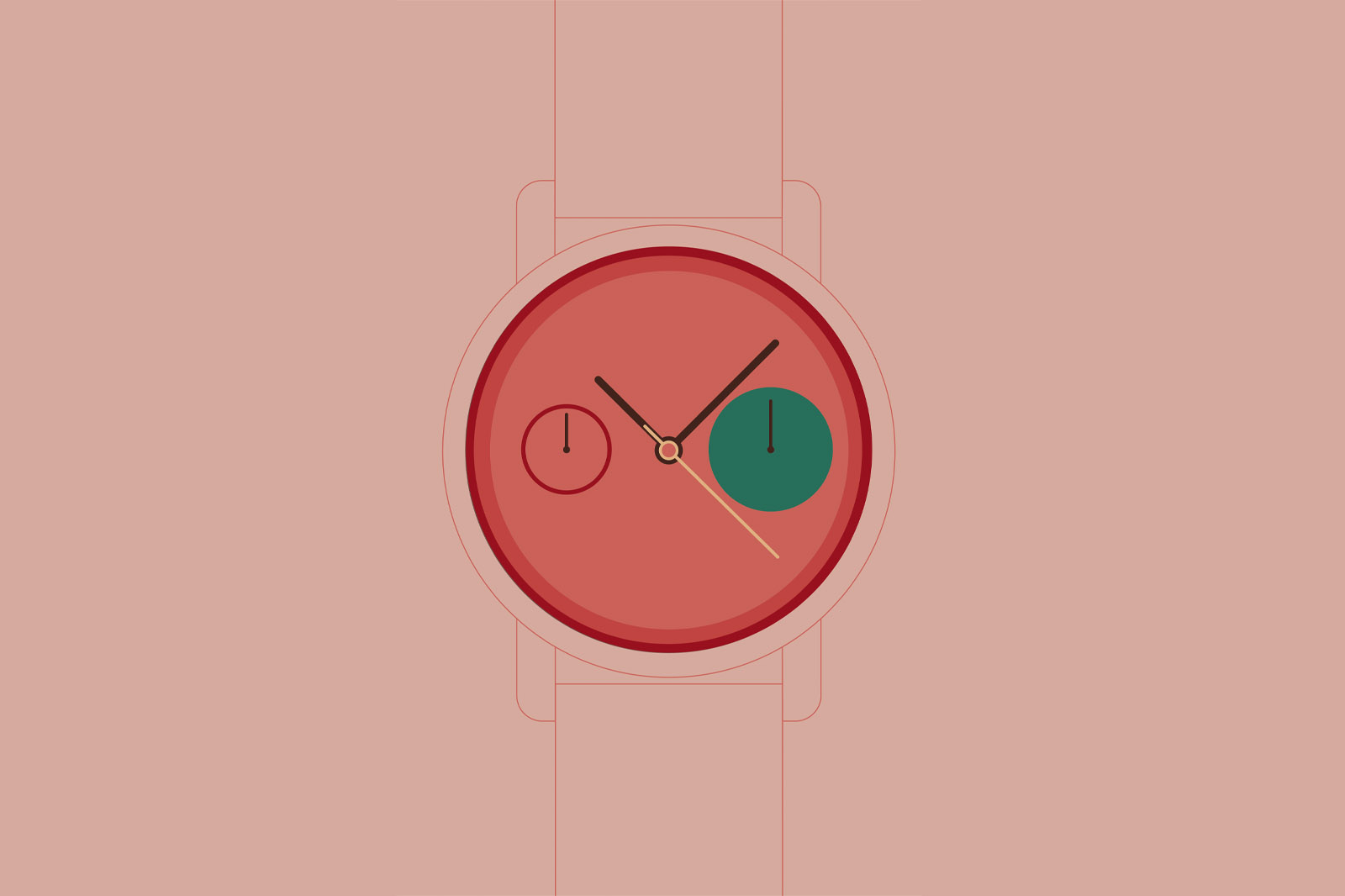

Occasionally three subdials but more commonly two, the big eye is defined by one oversized subdial to make the chronograph easier to read. Traditionally oversize 3 o’clock: chronograph minutes, 9 o’clock: running seconds, 6 o’clock (optional): chronograph hours. The precise origins of the big eye aren’t fully understood, indeed Longines were presented with a vintage model they had produced in the 1930s with this layout and had no records of ever creating it. Notable models include the Studio Underd0g Series 01, Hublot Big Bang Unico, Longines Avigation BigEye.
3-9 Bi-Compax
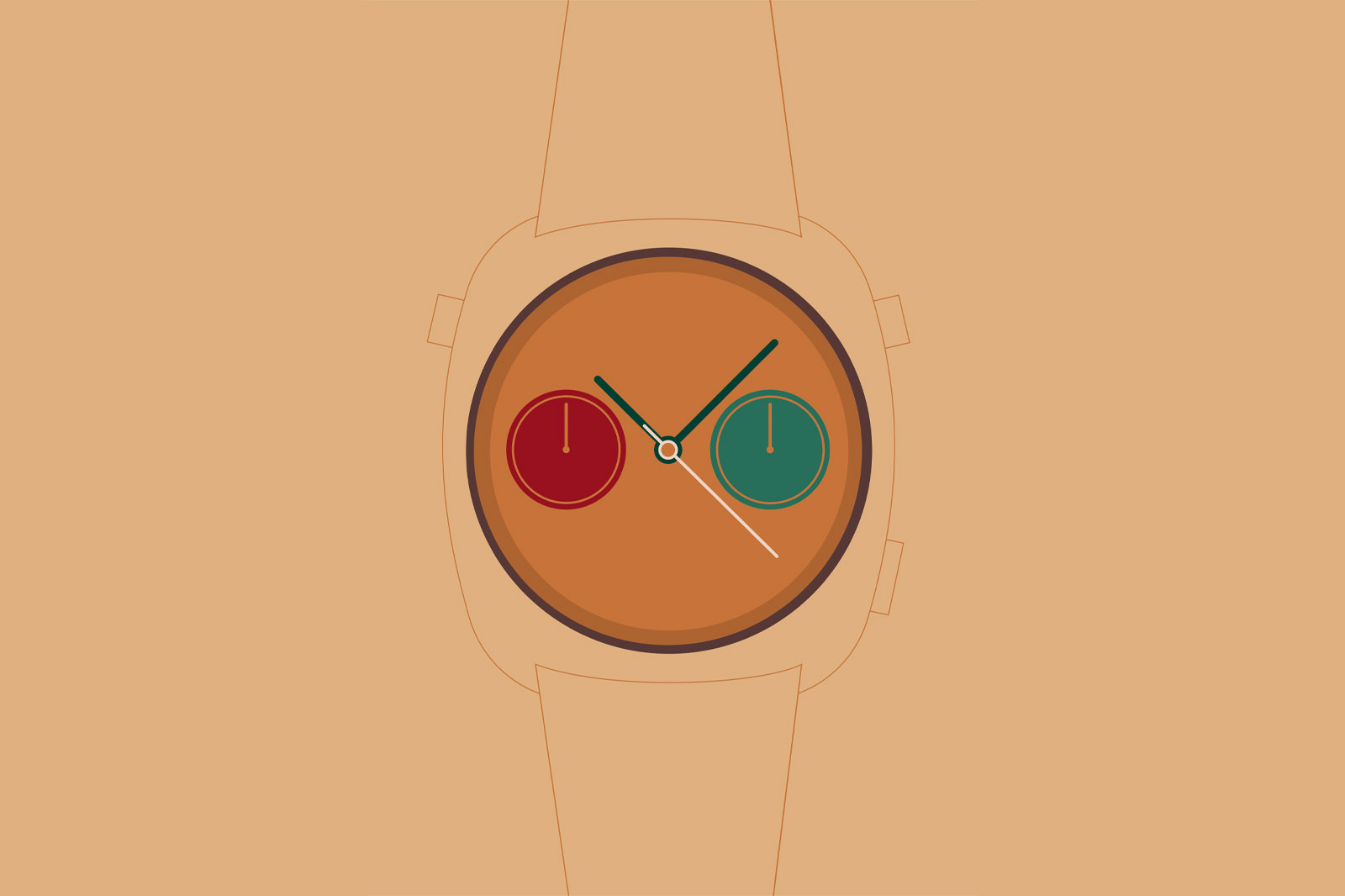
The retro alternative to three subdials, the bi-compax has seen a resurgence over the last few years as archival designs have come to the fore. Think big eye but you know, without the big eye. Its standard arrangement has 3 o’clock: running seconds, 9 o’clock: chronograph minutes and notable models include the Baltic Bicompax, Tudor Black Bay Chronograph and Breitling Top Time. You should also be wary because there are some tricompax models with a sneaky third subdial that may look like bicompax at first glance, like certain models in the Tag Heuer Carrera Chronograph line.
12-6 Bi-Compax
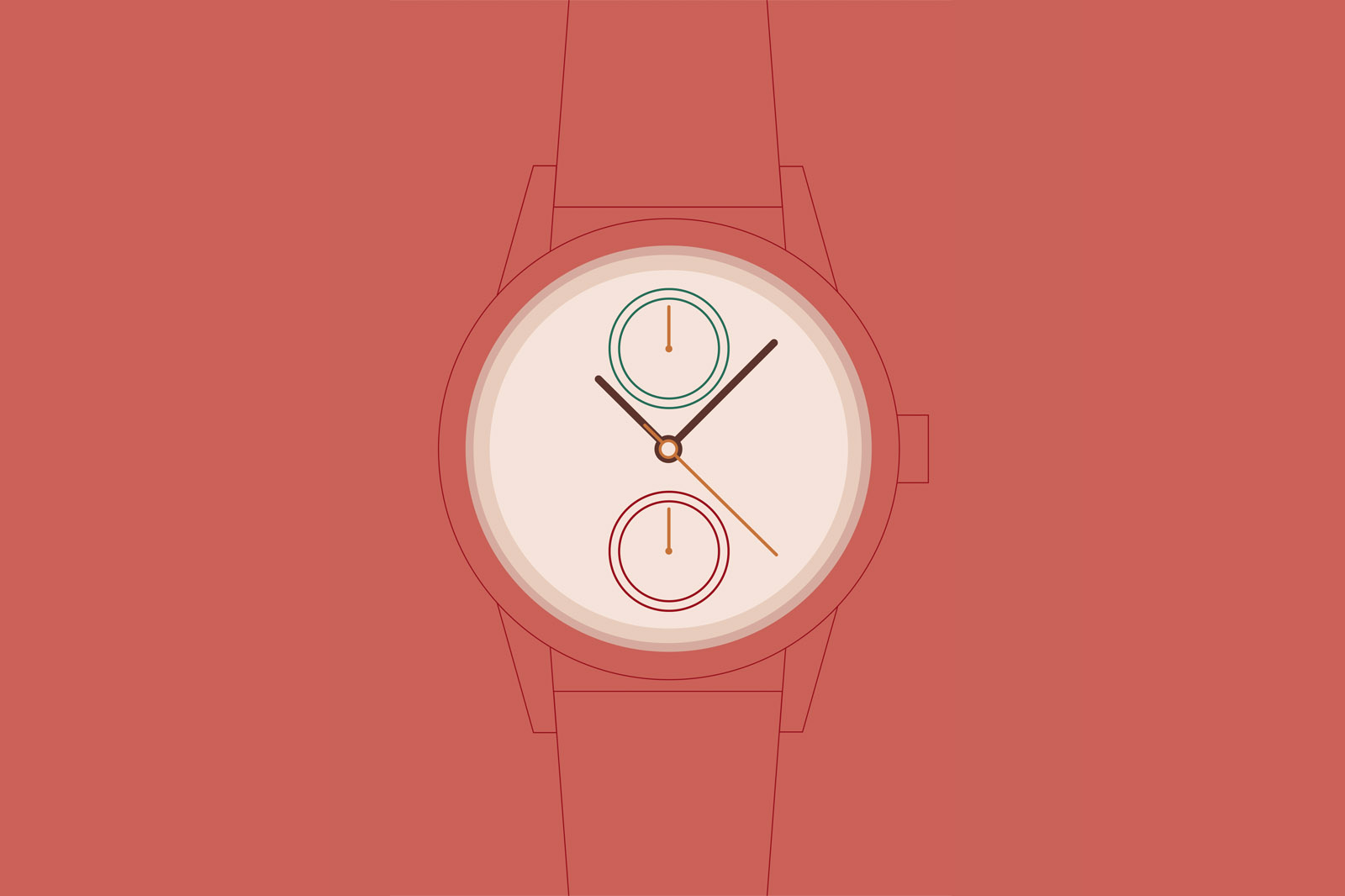
A 90-degree twist on the classic bi-compax, this much rarer version has a more German flavour and naturally suits classical minimalism. Its layout typically has 12 o’clock: chronograph minutes and 6 o’clock: running seconds. Notable Models include the Junghans Max Bill Chronoscope, IWC Portugieser Chronograph and A. Lange & Sohne 1815 Rattrapante. As with all of the chronograph layouts here it’s paired with central chronograph seconds, though in theory all of them are also compatible with a rattrapante complication with a double chronograph hand in the centre.
Central Chronograph

The newest form of chronograph developed by Agenhor, running time is placed on the periphery to dedicate the entire dial to the chronograph. That means instead of having any subdials they tend to have three central chronograph hands for hours, minutes and seconds. The module can also be adapted into calendar complications. Key examples include the Singer Reimagined Track 1, H. Moser & Cie. Streamliner Chronograph and Faberge Visionnaire.