The chronograph has been around and relatively unchanged for decades. Even the modern chronograph layout — with its characteristic subdials — was largely cemented in the early 20th century. Despite ever weirder and more wonderful designs cropping up from independents and microbrands alike, the traditional subdial setup remains a standard sight. But what if there was another way? What if you got rid of the subdials entirely?
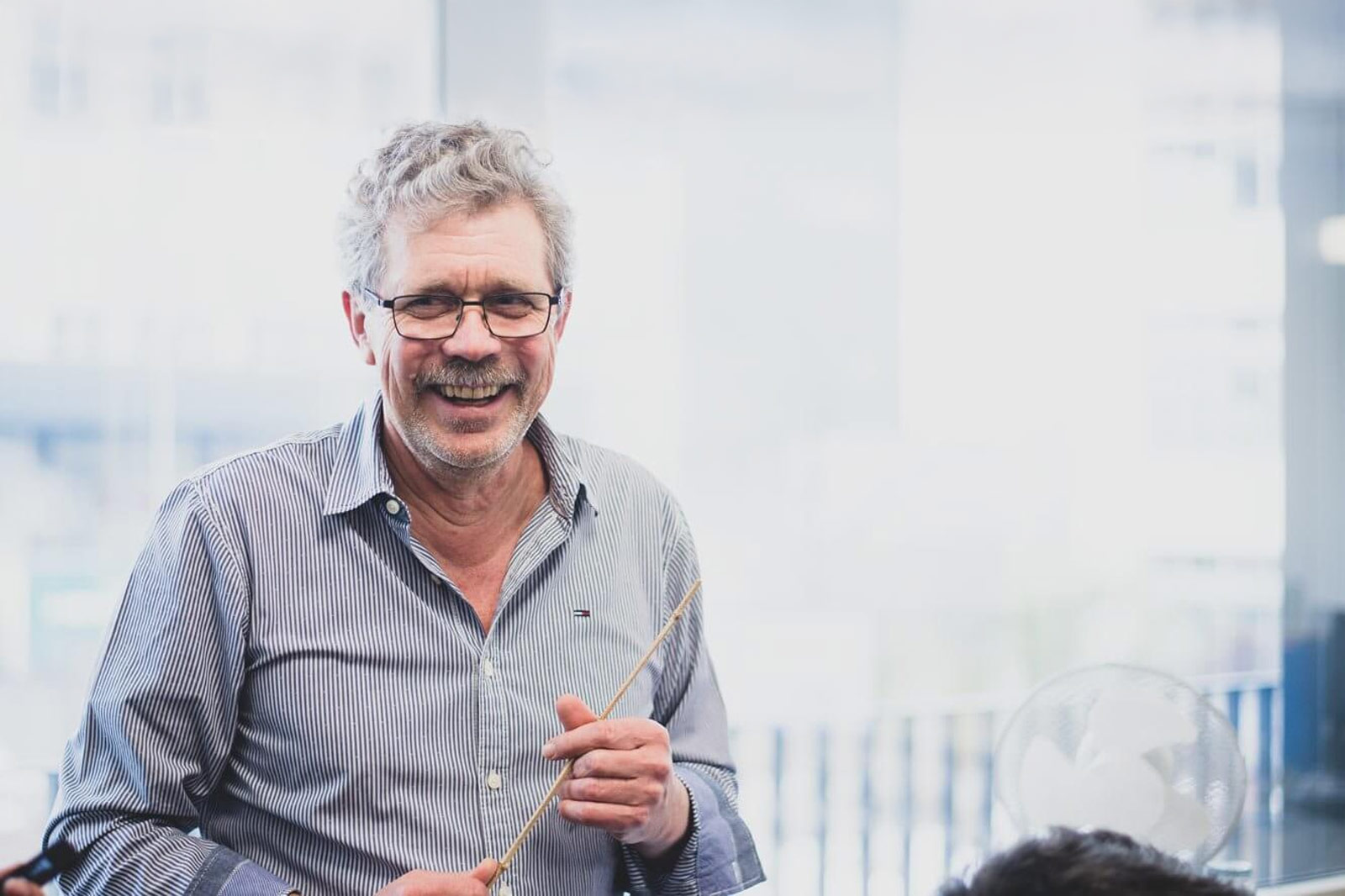
That’s the concept behind the AgenGraphe, arguably the most important evolution of the chronograph since Willy Breitling added an independent pusher. But before we get into why it’s such a revolutionary movement, we need to talk about Jean-Marc Wiederrecht.
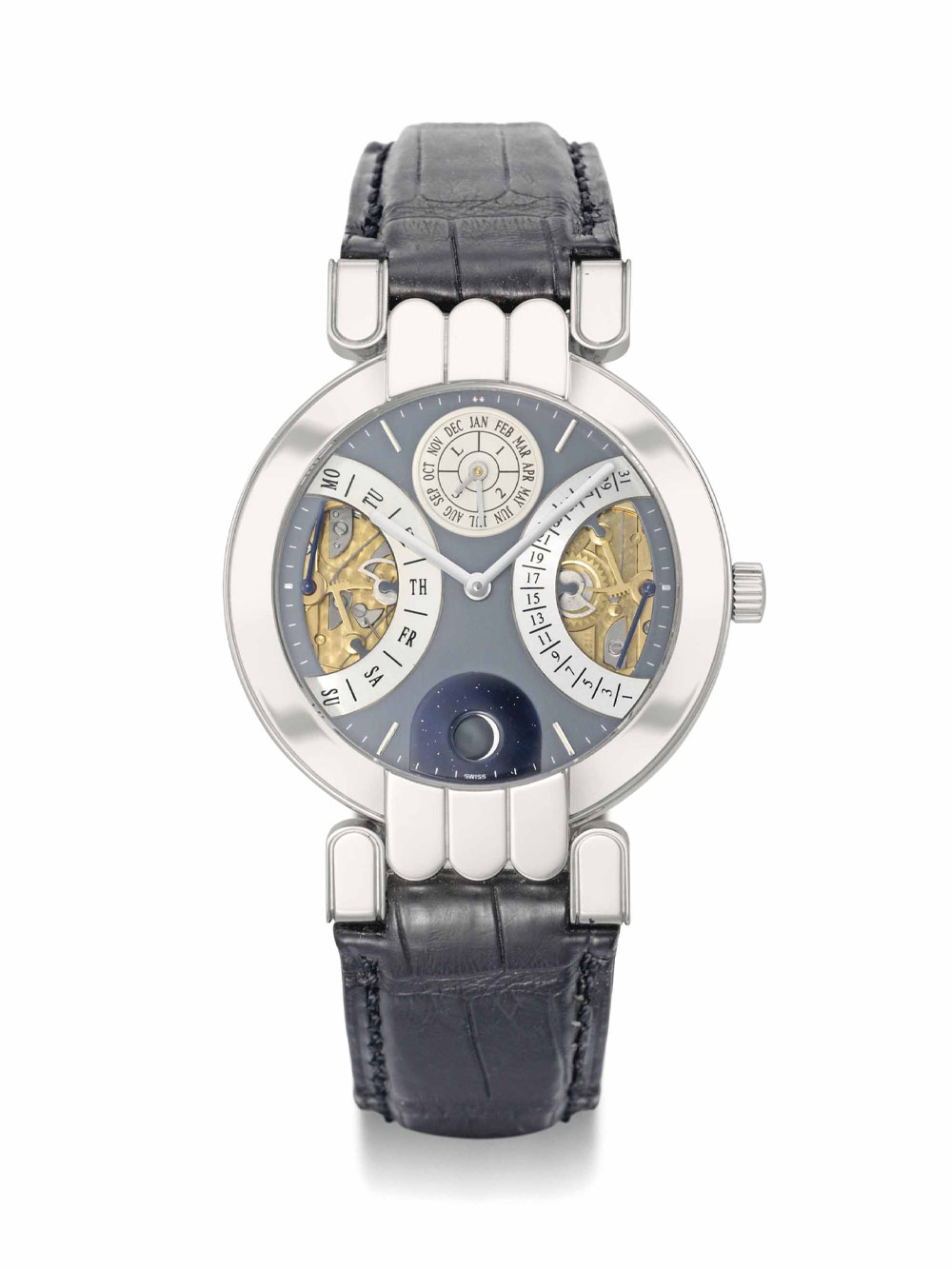
Harry Winston Premier Excenter Perpetual Calendar Model Circa. 1989, image credit: Christie’s
After leaving watchmaking school in 1972, Wiederrecht spent his time fitting movements inside gold coins — a slightly obsessive pursuit of the ultra-thin. This brought him to the attention of Harry Winston, who wanted a genuinely groundbreaking perpetual calendar movement. Wiederrecht, working with the legendary Roger Dubuis, responded with a bi-retrograde calendar — Harry Winston’s first complicated timepiece — and a career was born.
Building on that success, Wiederrecht and his wife Catherine founded Agenhor and started developing movements in earnest — just in time for Max Busser to knock on their door. In 1998, long before founding MB&F, Busser was leading Harry Winston’s watch division and promised some big, complicated things. Recognising Wiederrecht’s talent, he approached Agenhor with a few ideas and essentially said, “make it happen.” And Wiederrecht did.
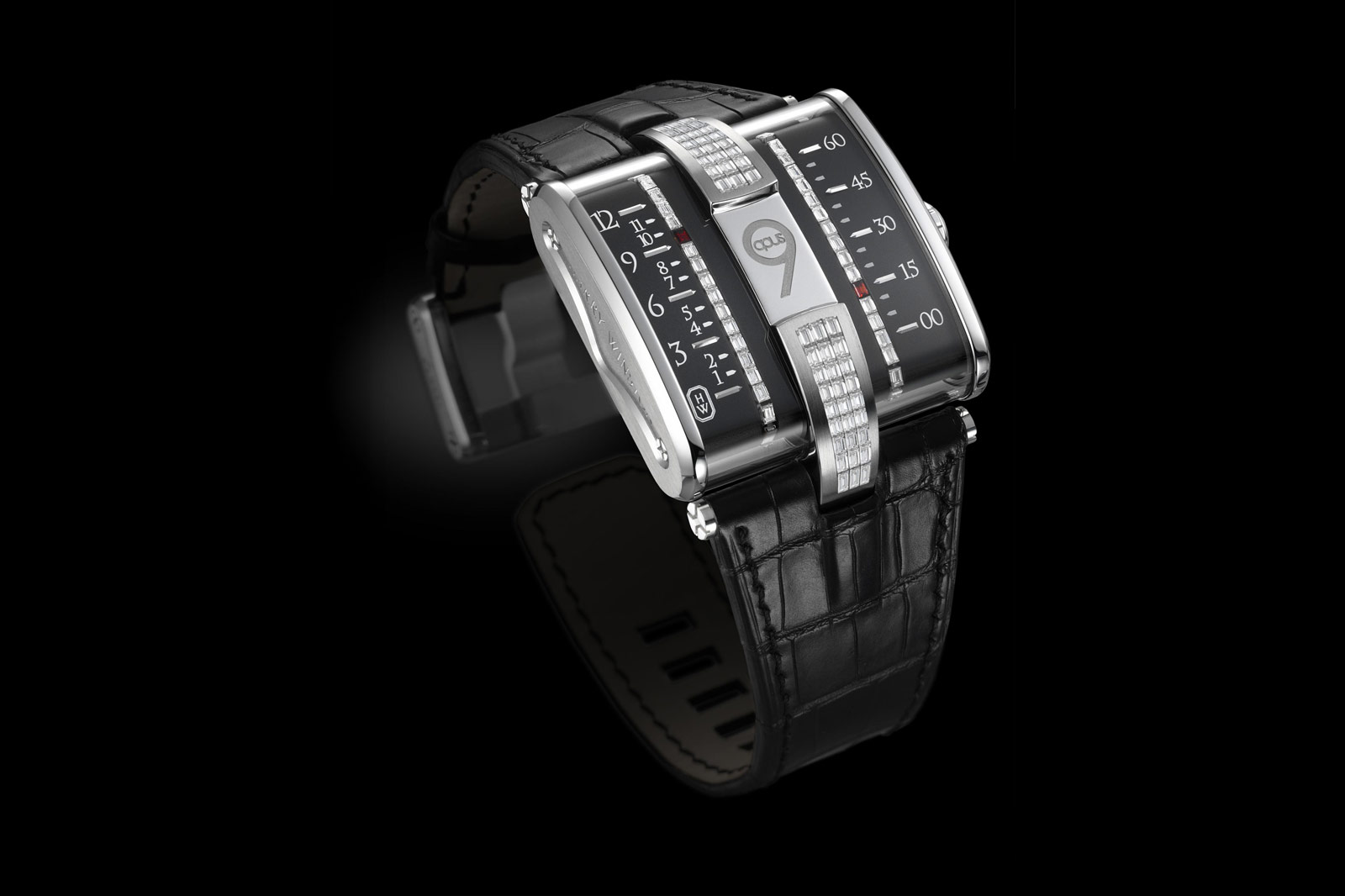
Bi-Retrograde Opus 9
By 2008, Agenhor was producing fully half of Harry Winston’s complicated watches — during a period when the brand was delivering some serious haute horology. With designs from Eric Giroud to guide them, Agenhor’s reputation culminated in 2009 with the phenomenal bi-retrograde Opus 9.
It wasn’t just Harry Winston who recognised Wiederrecht’s genius. He created some of the most distinctive movements ever conceived, including Van Cleef & Arpels’ poetic Quantième de Saison and Hermès’ evocative Temps Suspendu. If there’s a complication that does nothing for chronometric performance but still makes you marvel, chances are Agenhor had a hand in it. But while a complication that momentarily stops time is a lovely idea, it doesn’t necessarily push watchmaking forward. That’s where the AgenGraphe comes in.

H. Moser & Cie Streamliner Perpetual Calendar Streamliner Perpetual Calendar

Wiederrecht began working on the AgenGraphe back in 2008, with a simple but powerful idea: if you’re using a chronograph, you want to be able to read it at a glance. Traditional layouts force you to read from multiple subdials and a central seconds hand — an awkward user experience. Agenhor’s solution? Dedicate all the central hands to the chronograph and remove subdials altogether, shifting running time to peripheral rings read from six o’clock.
It’s an elegant concept that belies the near-decade of development behind it. The time is read similarly to a satellite watch, but in a cleaner and simpler way. At the same time, you can read split-second timing directly from the main dial with an instantaneous jump for maximum accuracy. Just as importantly, the result is a chronograph that doesn’t look like a chronograph.
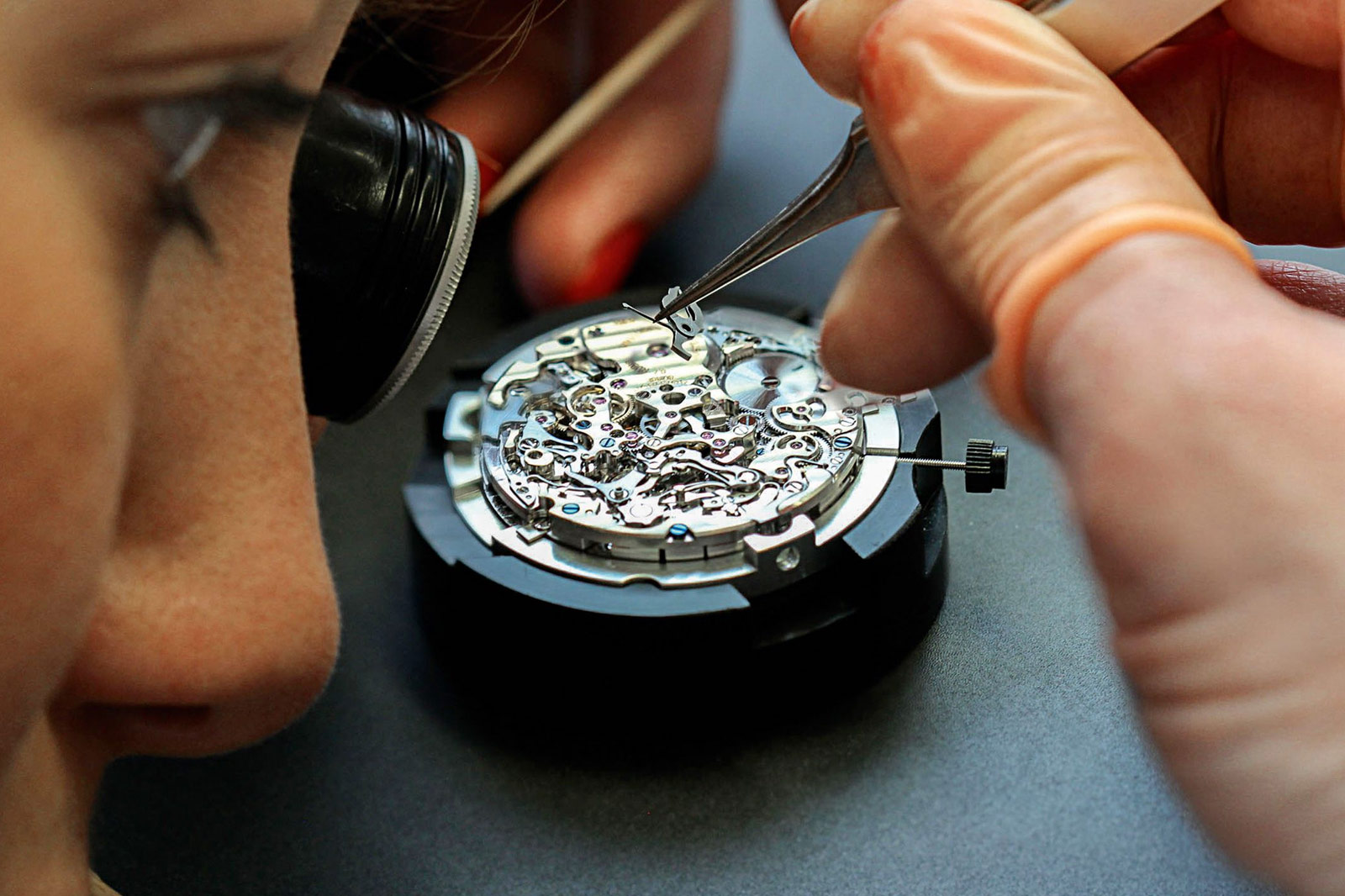
The AgenGraphe is also a modular movement. Most timekeeping occurs around the periphery, leaving a hole in the centre. This central space is where the chronograph is “plugged in,” but true to Wiederrecht’s freelance spirit, nothing stops another complication from taking its place. Imagine, for instance, a central perpetual calendar – which is exactly what H. Moser & Cie. have accomplished with the Streamliner Perpetual Calendar.

Singer Reimagined Track 1 SKLT Carbon Edition
For now, the AgenGraphe is defined by its revolutionary chronograph function and, in turn, has defined some seriously impressive watches. The most notable is probably the Singer Reimagined Track 1, but it also powers Fabergé’s Visionnaire, H. Moser & Cie’s Streamliner Chronograph, and even Ming’s red-hot 20.01 Series 3. And yet it still feels like more brands could be leveraging what is undoubtedly one of the coolest chronograph movements of recent decades.
Today, Jean-Marc’s sons, Nicolas and Laurent Wiederrecht, run Agenhor. But the company hasn’t forgotten its poetic complications — the Hautlence Linear Series is a perfect example, and their signature work continues with Hermès and Van Cleef & Arpels.
When it comes to truly advancing the watchmaking craft, however, the AgenGraphe remains one of the most low-key important movements of the last 20 years — and Agenhor one of haute horology’s most essential names behind the scenes.
Find out more at Agenhor.