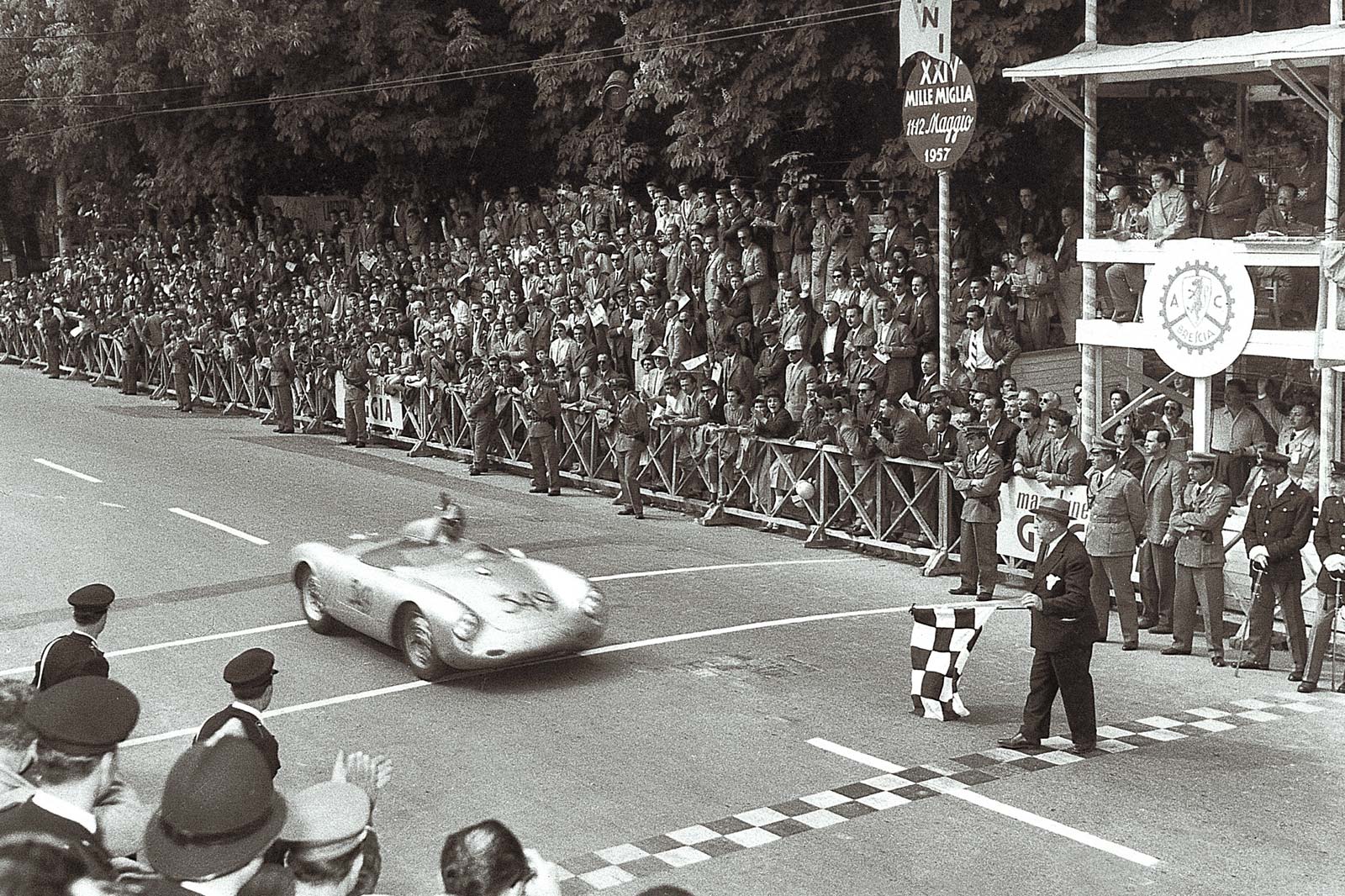
Italians and motoring are as synonymous as a limoncello after a cacio e pepe. With Ferrari, Lamborgini, Maserati, Lancia, Alfa, Fiat, Ducati, Monza, Imola, and Mugello, the connections between the country and sport are seemingly endless. However, while Formula 1 is the pinnacle of elite motorsports, the Mille Miglia is one of the most storied and decorated. Started in 1927 before being cancelled in 1957 due to tragedies and brought back in 1977, the Mille Miglia is an endurance race which, for the past 30 years, Chopard has been its official timekeeper. Many may assume that ‘Mille Miglia’ is a Chopard collection name first before even realising there is a connection to this famous race, such is the importance of this partnership to the manufacturer. Every year, Chopard has produced editions of their Mille Miglia watches, and since the mid-1990s, they have favoured automatic chronographs as the base of their designs. But the collection didn’t start this way.
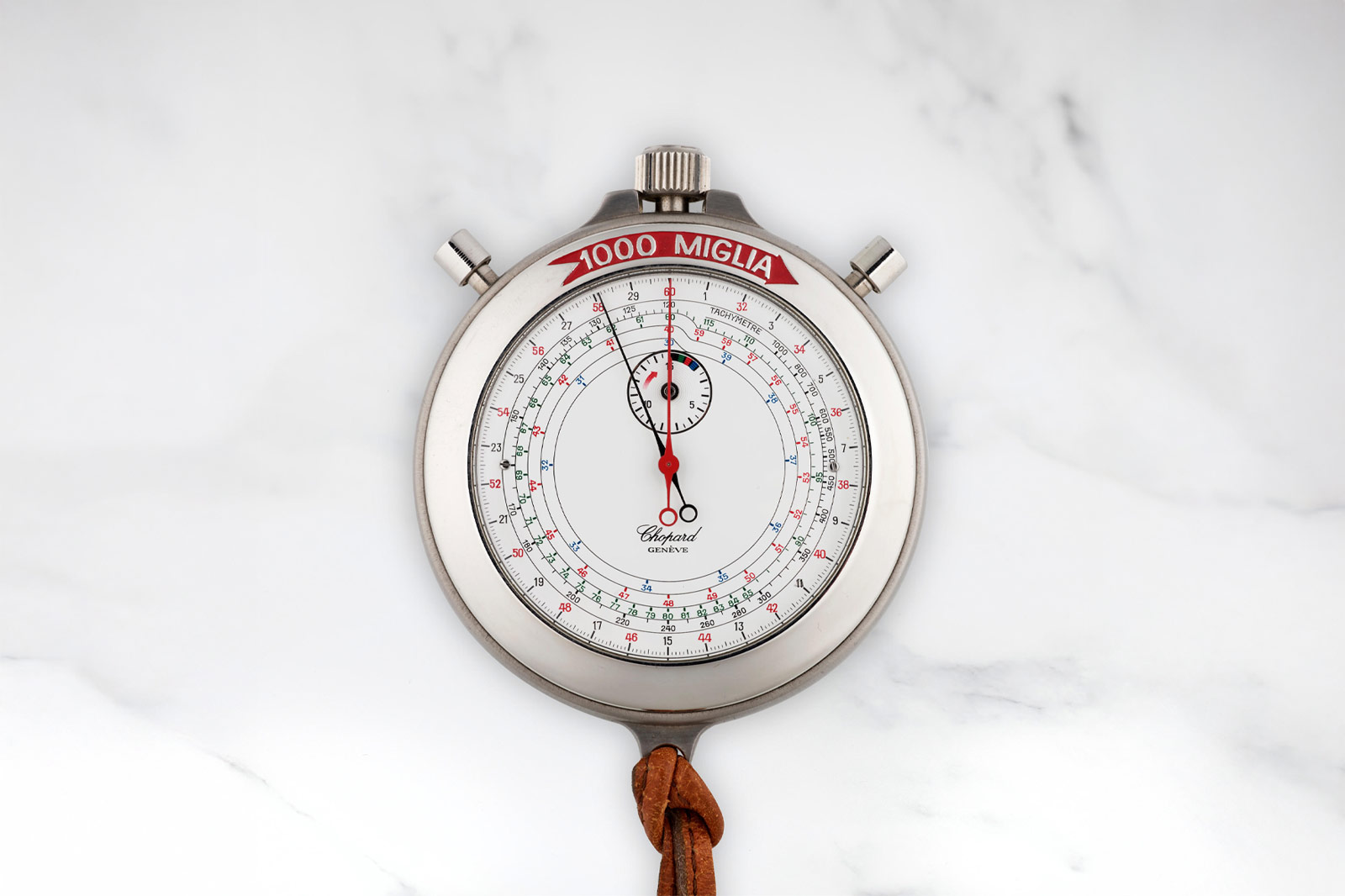
Chopard Mille Miglia Pocket Watch (1990)
Among vintage car rallies, few stir the soul like the Mille Miglia. Winding from Brescia to Rome and back, it remains a romantic blur of grit, oil, and open roads. It’s less a race than a rolling sculpture gallery. For Chopard, it became more than a sponsorship. It became a calling card. In the late 1980s, Chopard, then better known for its high jewellery and delicate dress watches, did something unexpected: it partnered with the re-established Mille Miglia endurance rally in Italy. Not for marketing. Not for spectacle. But because Karl-Friedrich Scheufele, co-president of Chopard, was a genuine car guy. Thus began the Mille Miglia collection, a line of watches designed not just to commemorate the legendary 1,000-mile open-road race, but to be worn in it.
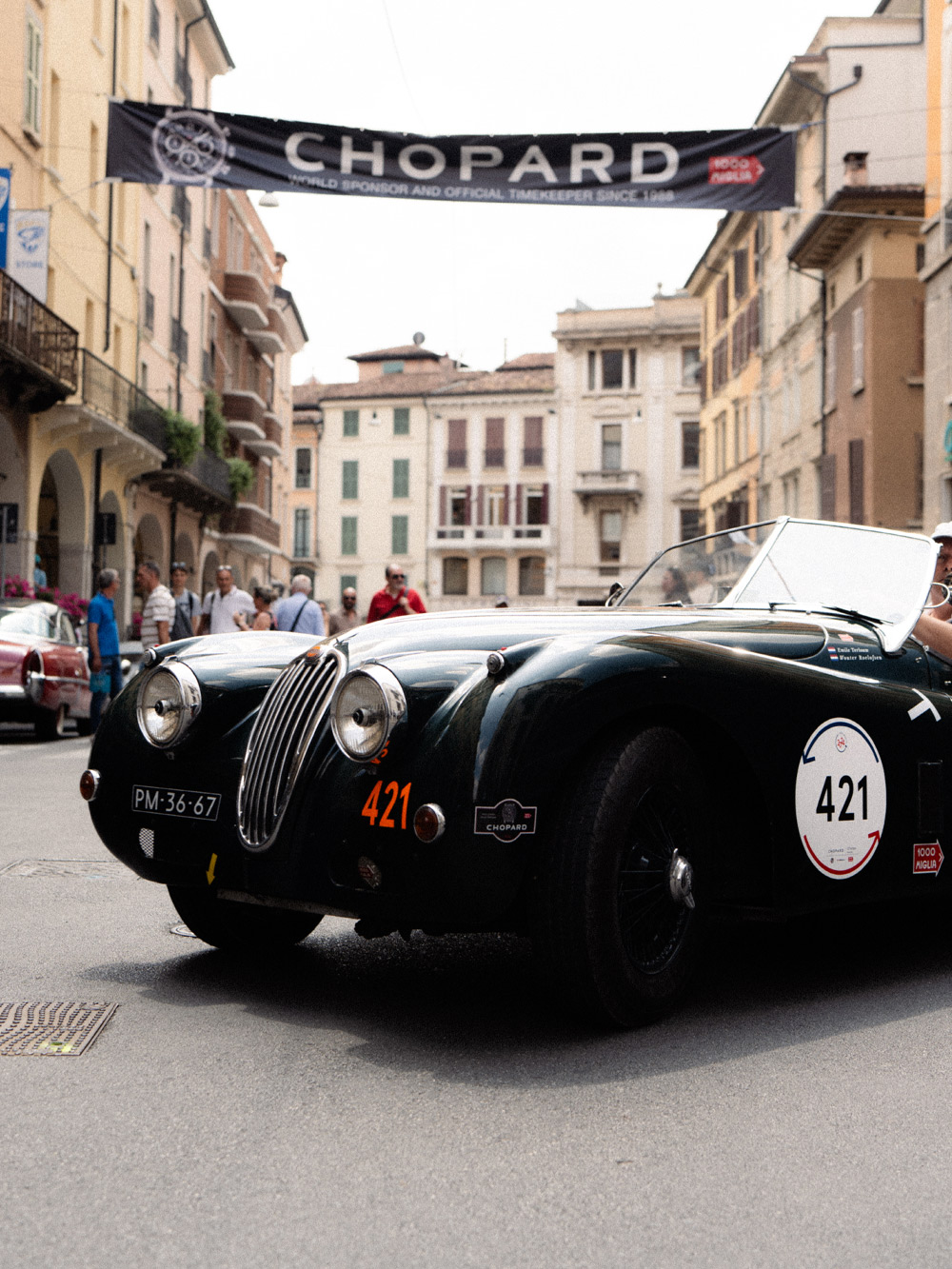
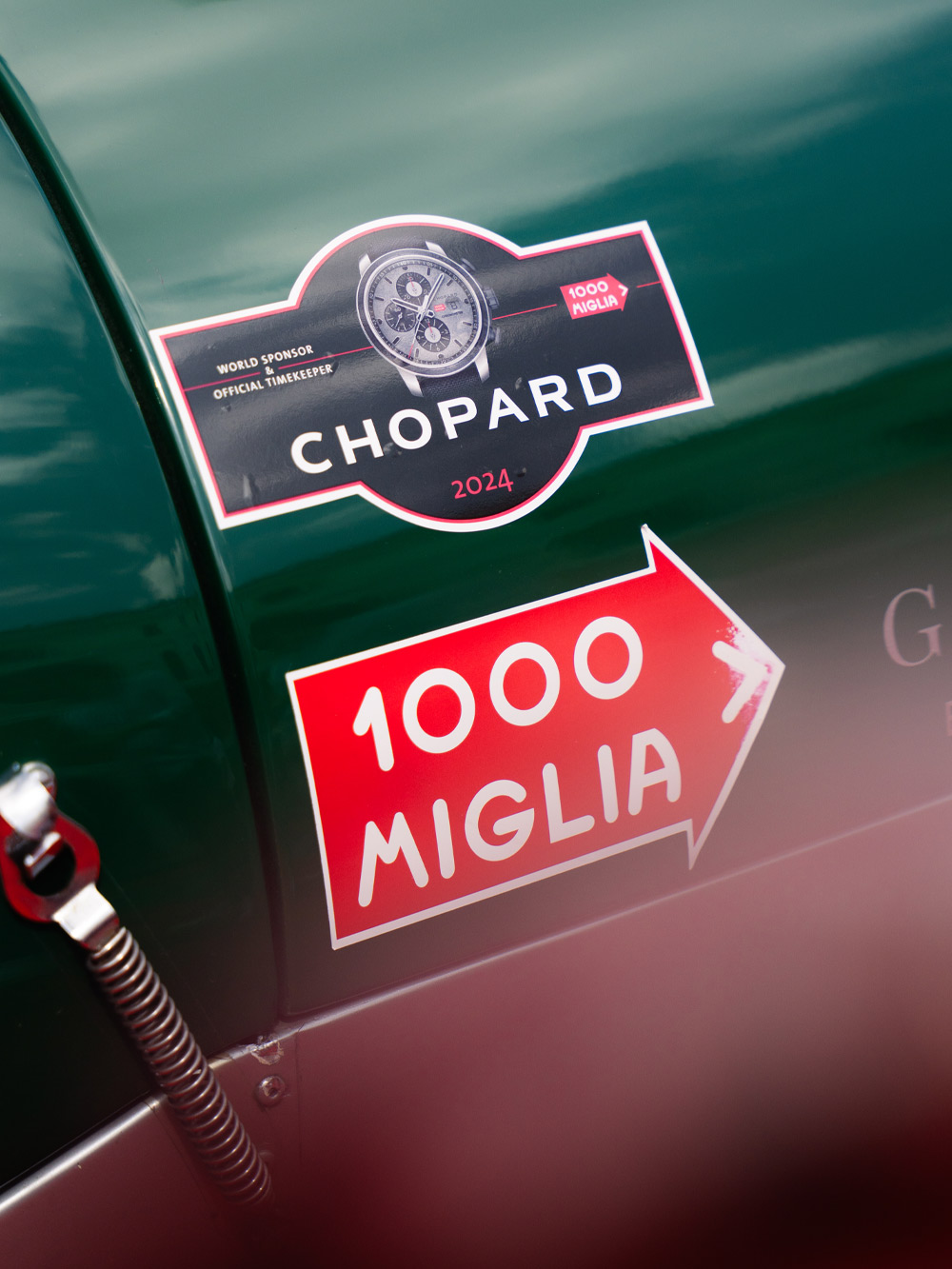
Today, Chopard’s Mille Miglia editions are instantly recognisable, modern chronographs. But the first editions from the late ‘80s and early ‘90s were modest in diameter, quartz-powered, and full of utilitarian charm. They were stripped back and unassuming but by no means lacking in personality. Prior to this, Chopard was known for elegance and jewellery-led design. The St. Moritz had hinted at sportiness, but the Mille Miglia signalled something different. It was grounded in car culture. The design language leaned heavily into the world it celebrated, and the early models, with their mid-sized proportions, reflected the elegant curves of the classic cars they were worn in. Examples that arrived after 1994 were automatic chronographs with bold numerals and tire-inspired watch straps, but in the first six years of Mille Miglia watches, Chopard produced charming pieces that today should and could easily have a moment of their own.
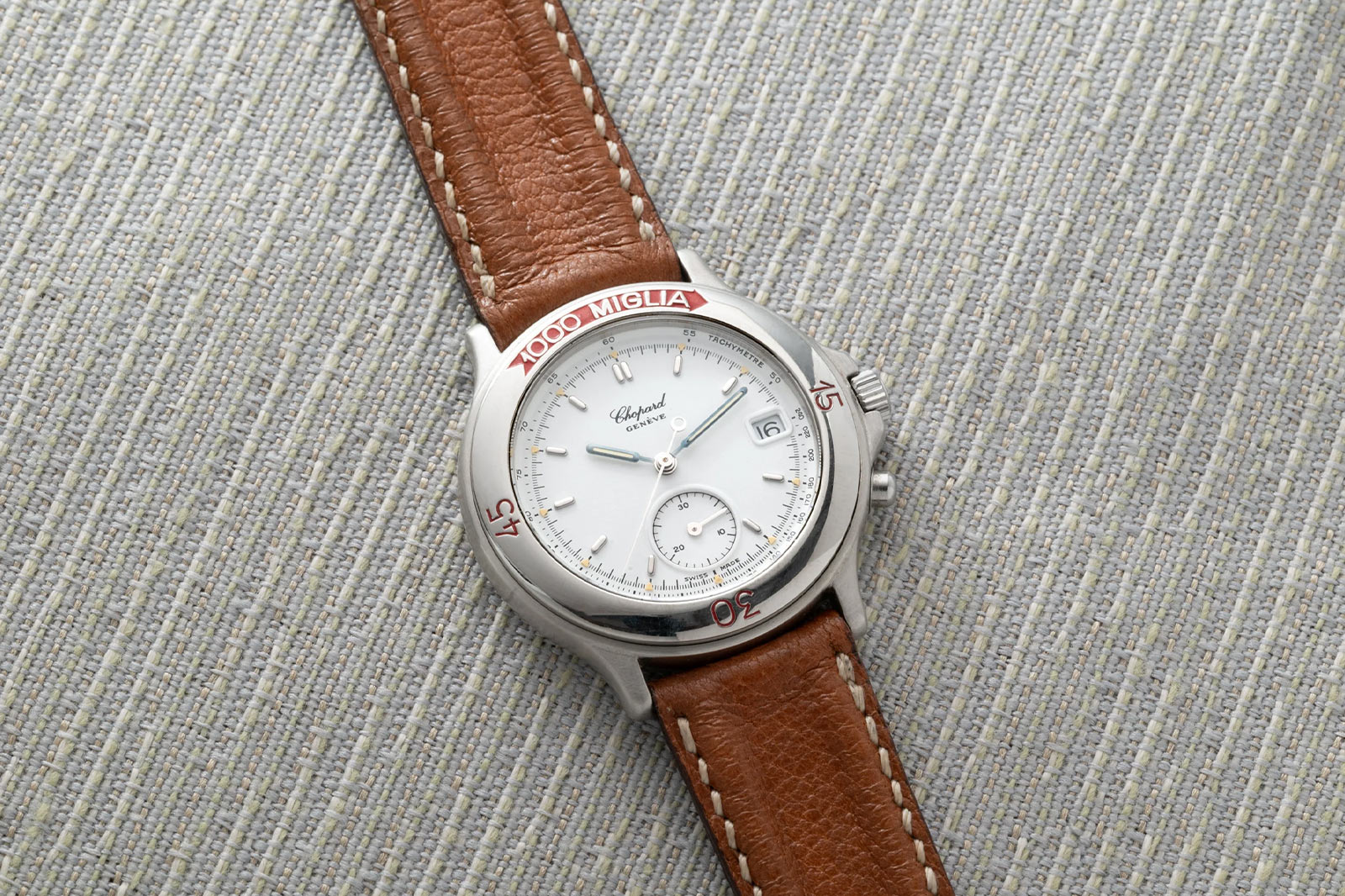
Chopard Mille Miglia 8141
Take the very first Chopard Mille Miglia from 1988, the reference 8141. This 33mm wide piece is a quartz-powered single pusher chronograph with the ‘1000 Miglia’ branding throughout its fixed bezel and the pusher positioned at four. Small in size yet instantly recognisable as a Mille Miglia piece, this smaller-sized gem was the birth of Chopard’s involvement with the race and, like every watch over the years, was gifted to the race competitors. In 1990, Chopard changed things up with arguably one of the most distinctive Mille Miglia editions in the form of a split-second chronograph pocket watch. Limited to 250 pieces, this pocket watch has Breguet markers, two sub-registers for the hours and minutes, and a repeat of the slightly domed and branded bezel as seen on the 8141.
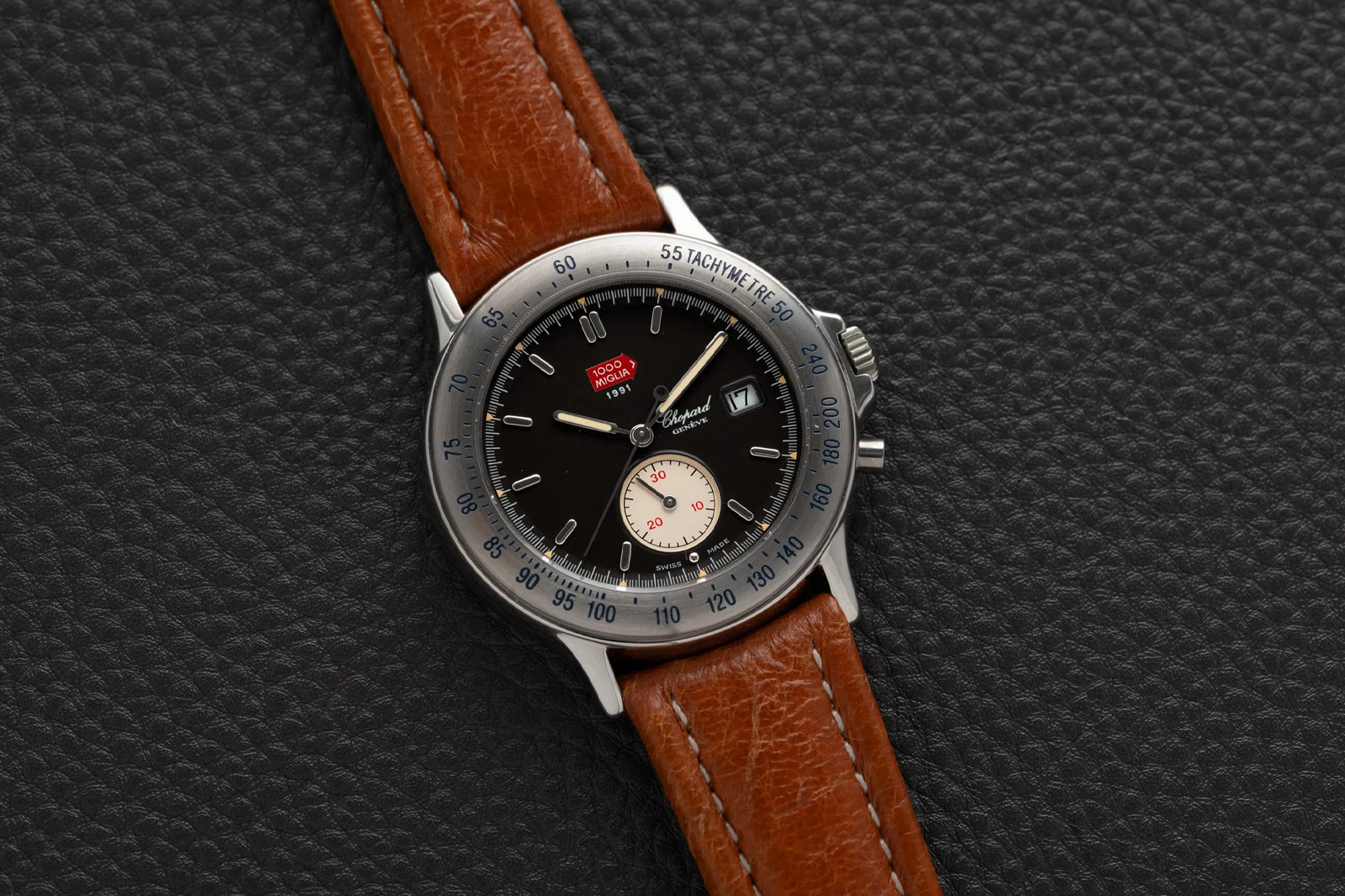
Chopard Mille Miglia 8182
In 1991, Chopard came with the 8182, this time returning to the wristwatch but with a few key changes. Firstly, the watch measures 37mm instead of 32mm, a change which better reflects the tastes and preferences of the industry at the time. Secondly, the Mille Miglia branding resides on the dial at 12, and finally, the bezel carries a tachymeter scale, elevating the function. Versions of this reference can also be found with beautiful black Breguet-style numerals, while others are fitted with black dials. 1993 was the last year of these earlier quartz-powered Mille Miglia chronographs by Chopard, and they ended with the 8211. Still a single pusher chronograph with the same rounded case and bezel design with the tachymetre scale, this edition of the watch was 34mm and can be found with Roman numerals on the dial.
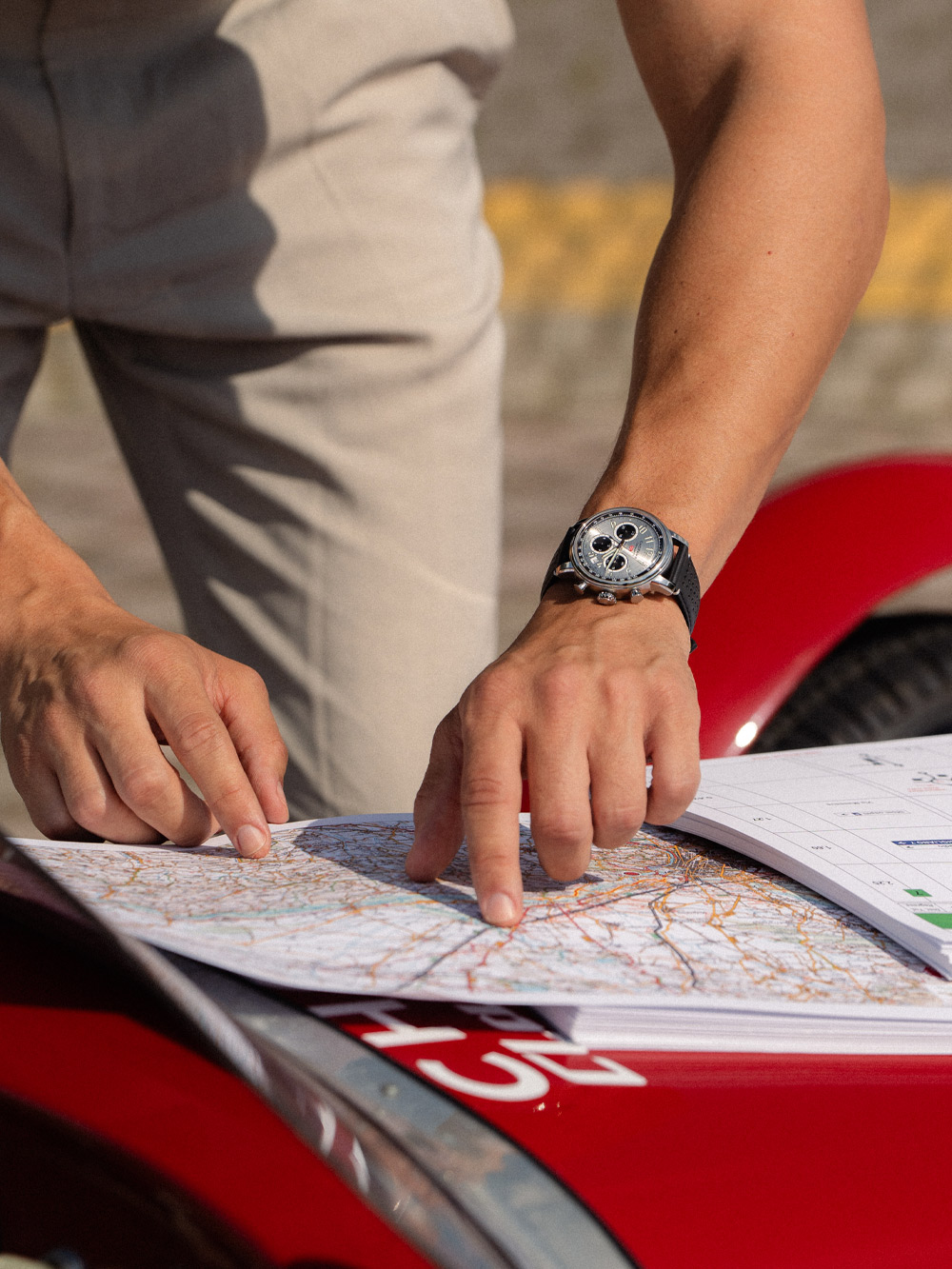

Chopard Mille Miglia 2024 edition
Naturally, these quartz pieces are by no means the peak of Chopard’s watchmaking prowess. In 1996, the totally in-house calibre 1.96 debuted within the LUC collection as Karl-Friedrich opened a manufacturer dedicated to in-house production. This was the birth of modern-day Chopard watchmaking, and since their in-house watchmaking has truly dominated. Nevertheless, these early Mille Miglia pieces present a fun, carefree, and certainly overlooked aspect of Chopard’s history, not least considering how significant the Mille Miglia collection is to the brand today. Today, these early pieces can be found relatively easily on the market, with examples of the 8141 sitting around £1,000, the 8182 being closer to £1,000 – £1,500, and the 8181 pocket watch currently around £4,000.
More details at Chopard.