AI is one of the hot topics of the modern world. On the one hand it vastly increases the speed at which certain processes can be completed and on the other hand it has the potential to cost artists, actors and many others their jobs. Even in our small corner of the internet at Oracle Time it’s a constant point of discussion whether we should be using AI tools. For full clarity and openness, we do currently use AI tools for coding related projects as part of our web development. Casio though have opened a much more significant discussion: AI in watch design. In short, they have released their first ever watch designed in tandem with AI tools, the G-Shock MTGB4000. After being available in certain markets since May, the watch is expanding globally, most significantly to the USA.
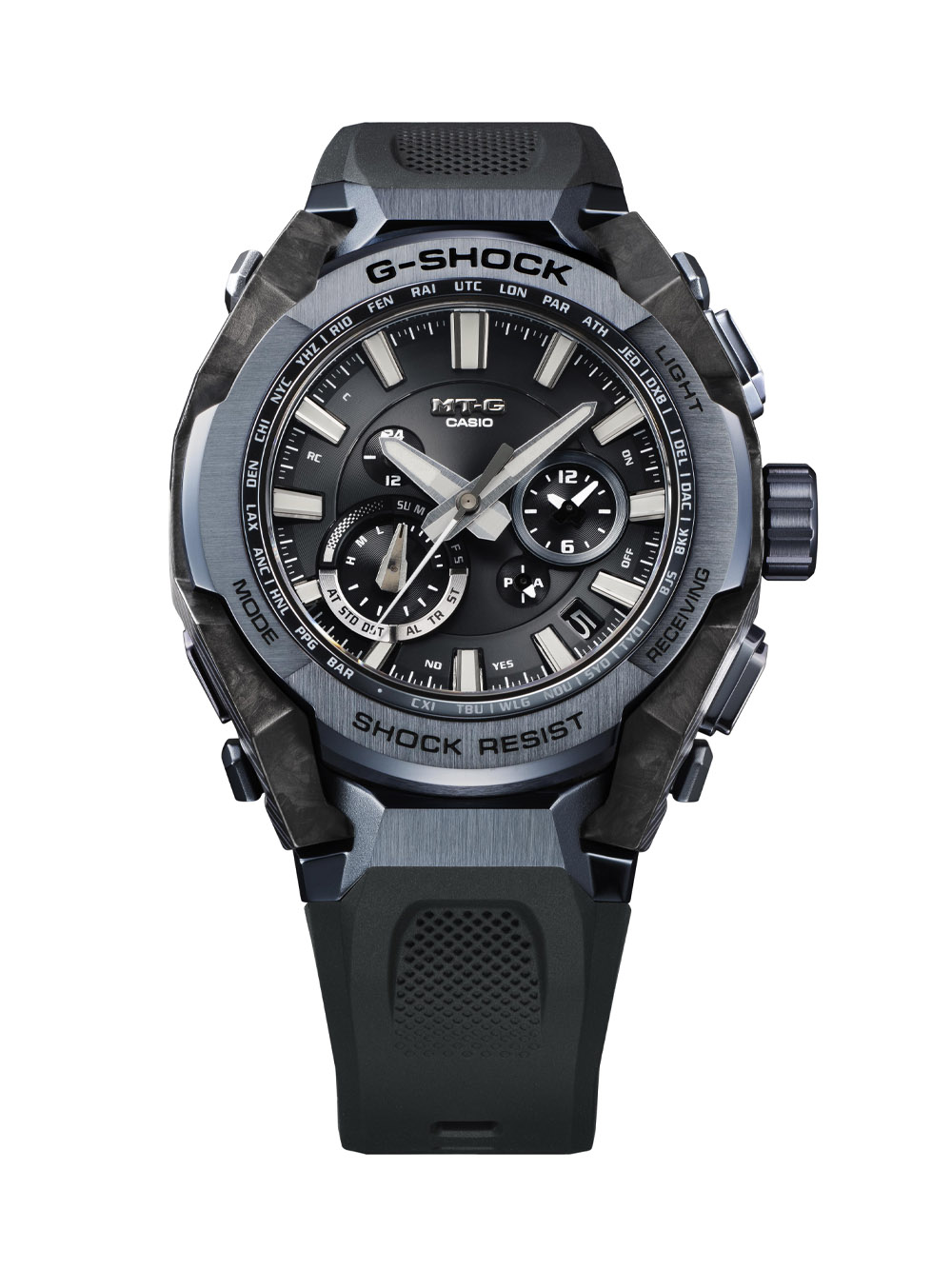
To be clear, Casio are not the first or only watch brand to use AI design elements in their projects – Thomas Baillod recently discussed the implications of the technology for independent watchmakers. However, Casio are by far the largest brand to have ever taken this step, putting the concept of AI watches under the microscope in a big way. Due to the sheer output of Casio across their multiple sub-collections, it really opens the door to flooding the market with AI watches. However, Casio state that the design process for the MTGB4000 involved both human and AI oversight, with final decisions still resting in human hands.
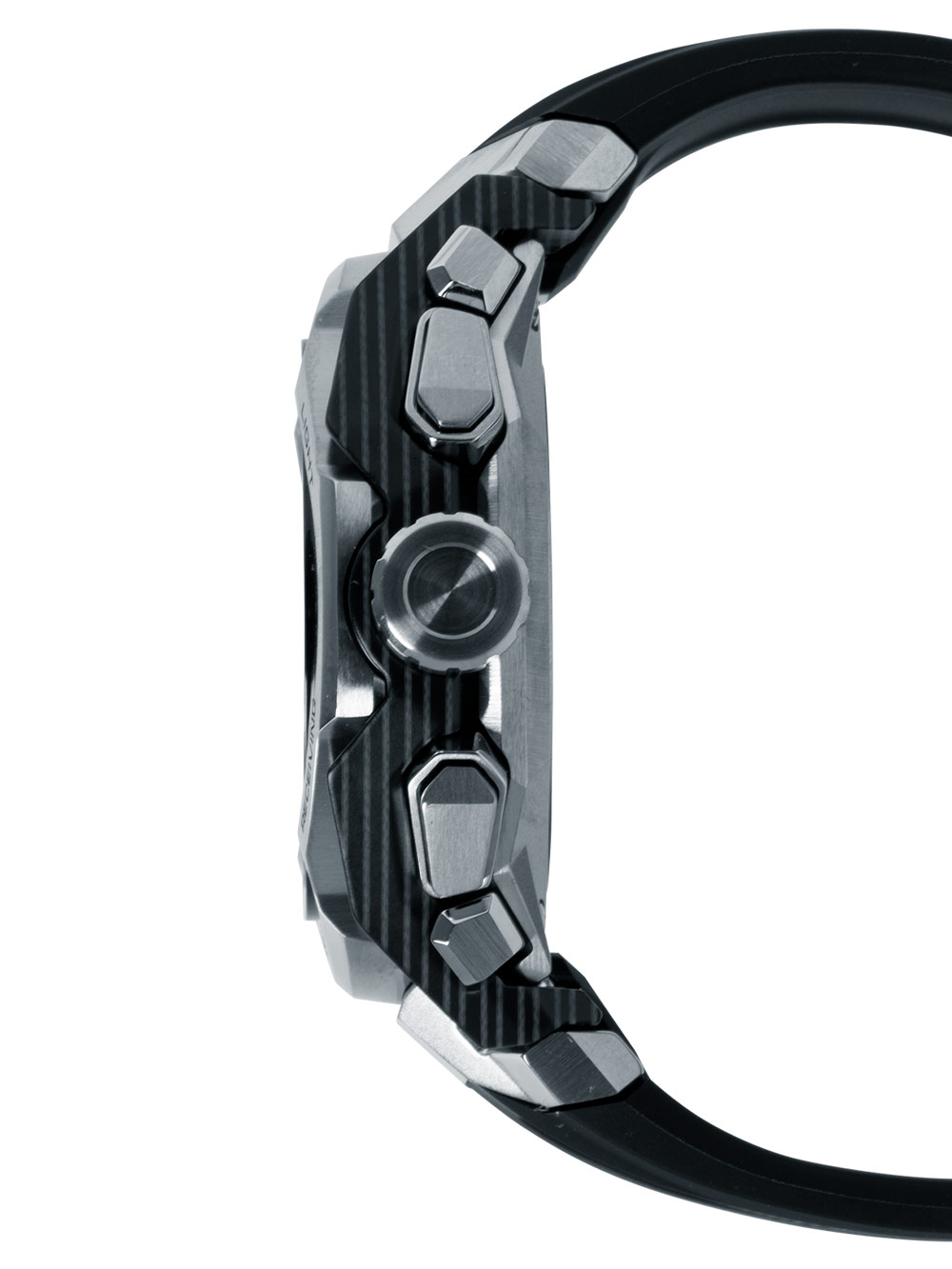
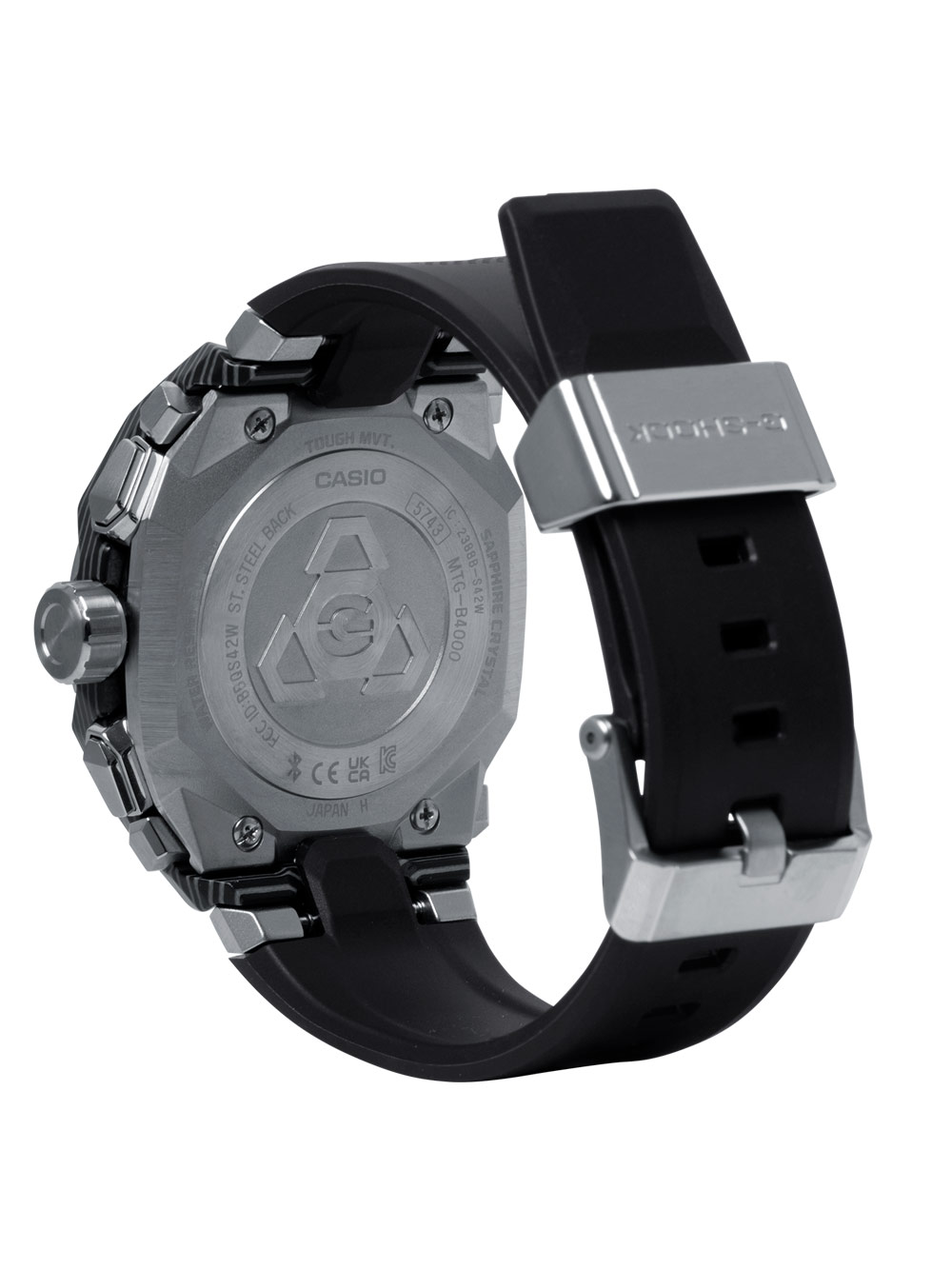
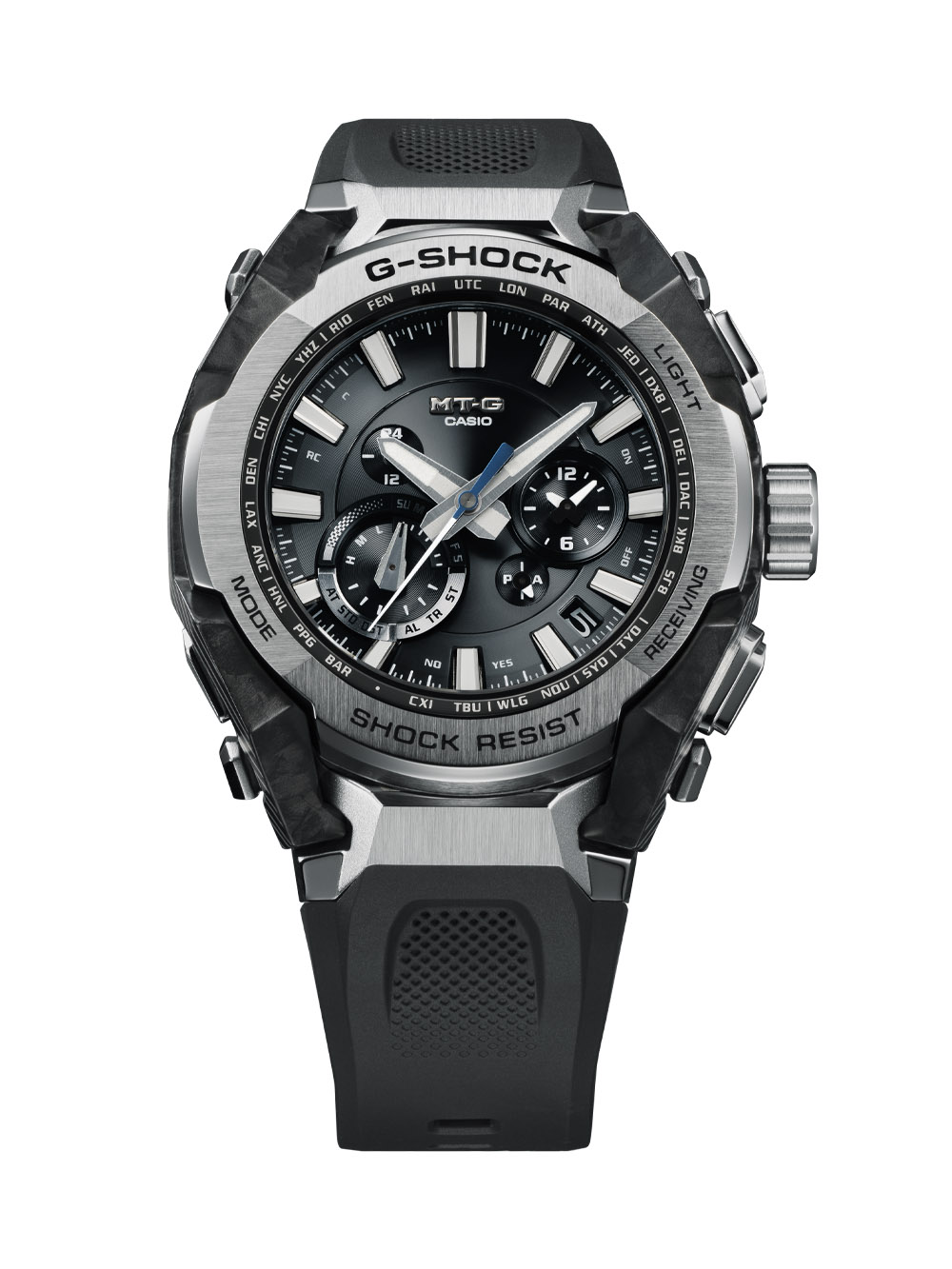
Let’s look at the watch now. The major difference compared to previous watches in the MT-G line is the addition of a carbon and glass fibre laminated frame sitting around the metallic elements of the crown, pushers and bezel. It almost gives the watch the appearance of sitting in a permanent bund strap made from carbon – ballooning the size to 56.6mm x 45.3mm x 14.4 mm. The metallic elements are available in a choice of exposed steel with the MTGB4000-1A or with a blue-grey ion plating with the MTGB4000B-1A2.
Another change compared to other models in the MT-G line is that the subdials are in different places. Most notably the second time zone indicator and multi-function subdial’s positions have been swapped and the day/night indicator now sits next to the second time zone instead of being integrated into it. This layout makes a lot more sense and has greater clarity to it.
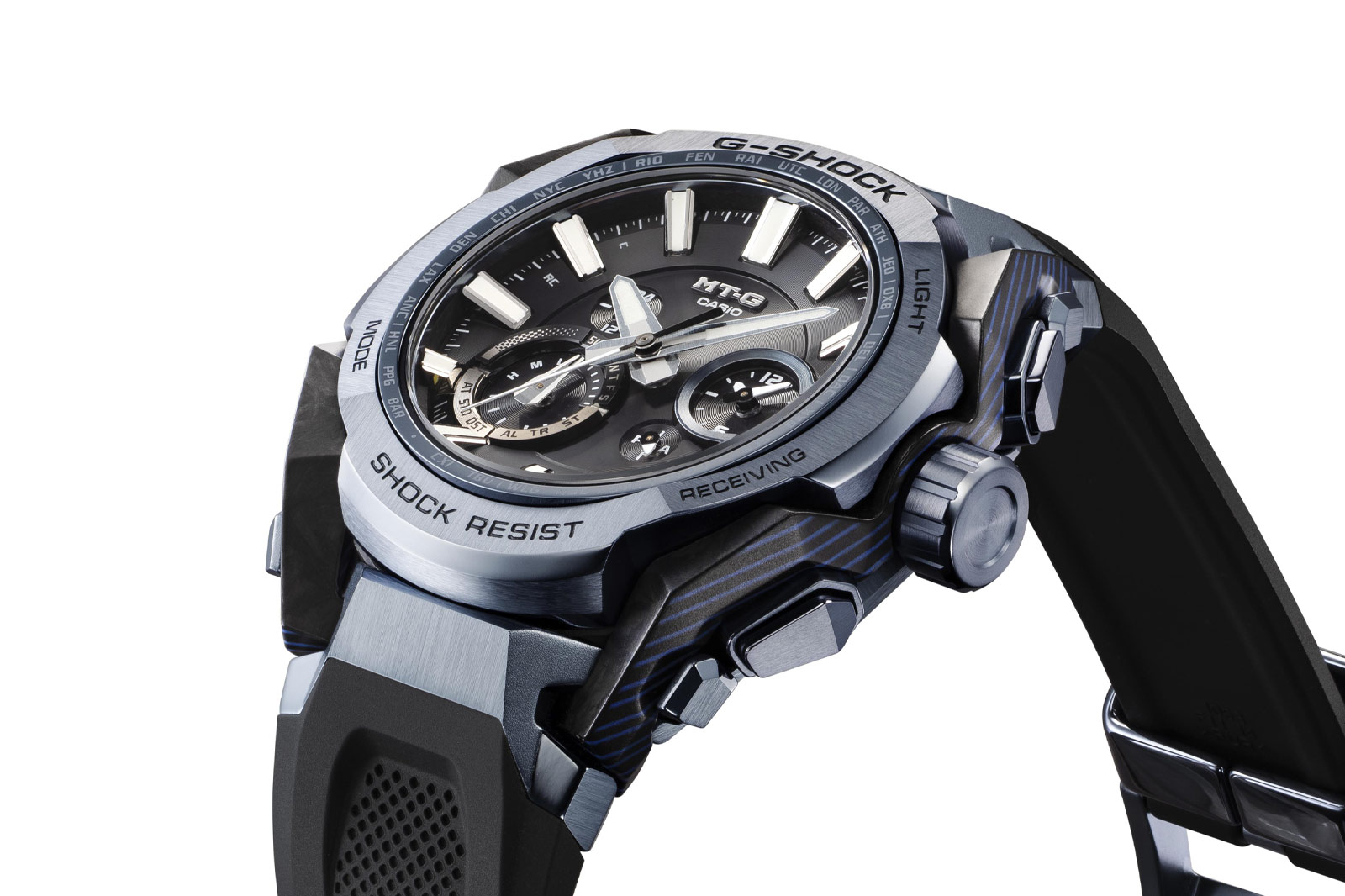
Ultimately, I find that the watch’s design shows both the pros and cons of current AI design. On the one hand, the case feels over-engineered in a very AI style as if it doesn’t quite understand wristwatch ergonomics, just adding detail for the sake of it. On the other hand, the dial layout is a genuine improvement for legibility and ease of use. Where Casio has to be careful is not to become reliant on AI design and to curb the worst of its excesses. While the G-Shock line is bold and brash, it should never be cumbersome.
The MTGB4000-1A is priced at £1,119 and the MTGB4000B-1A2, with its additional plating, is £1,219. Does AI have a place in watch design? Let us know your thoughts in the comments below.
Price and Specs:
More details at Casio G-SHOCK.