
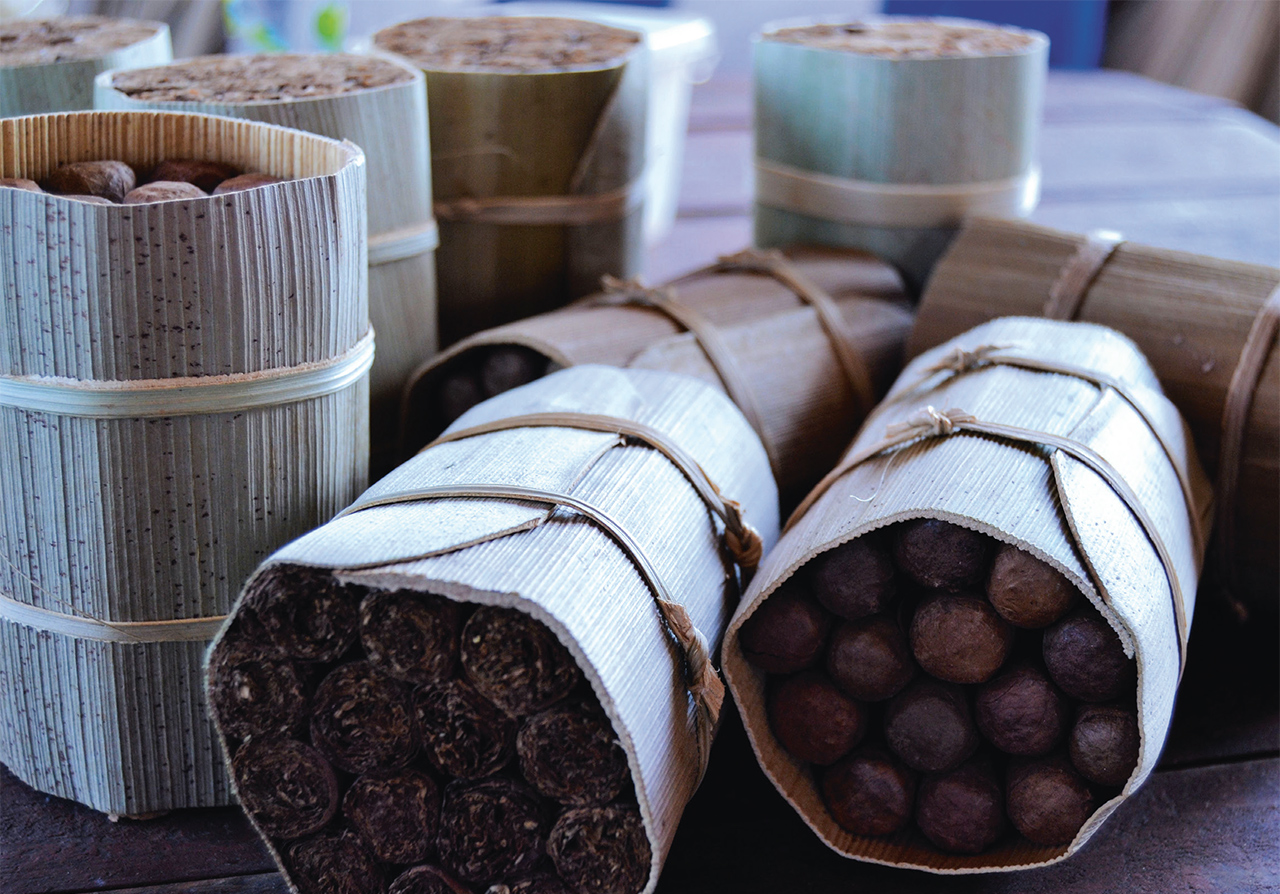
“Jovial companions make this dull life tolerable,” is a well-known Cuban proverb and, having visited the island recently, I am now fully acquainted with its great tradition of cigar making. It’s all part of the island’s attraction along with the sun and sand, the mesmerising salsa and Havana’s fading and peeling Art Nouveau buildings. Almost cinematic. Certainly scenic. Charm and chaos in equal measure.
Cuban cigars have long enjoyed their own mythology. Like the cowboy Marlboro man there’s a romance attached to the brandished cigars of Churchill, Oscar Wilde and Ernest Hemingway, as there is with the factory in Bizet’s Carmen in Seville, Europe’s erstwhile principal manufacturer of Cuban cigars. It’s a romance going all the way back to Columbus’s 1492 arrival on the island, from where he brought back tobacco to the Old World.
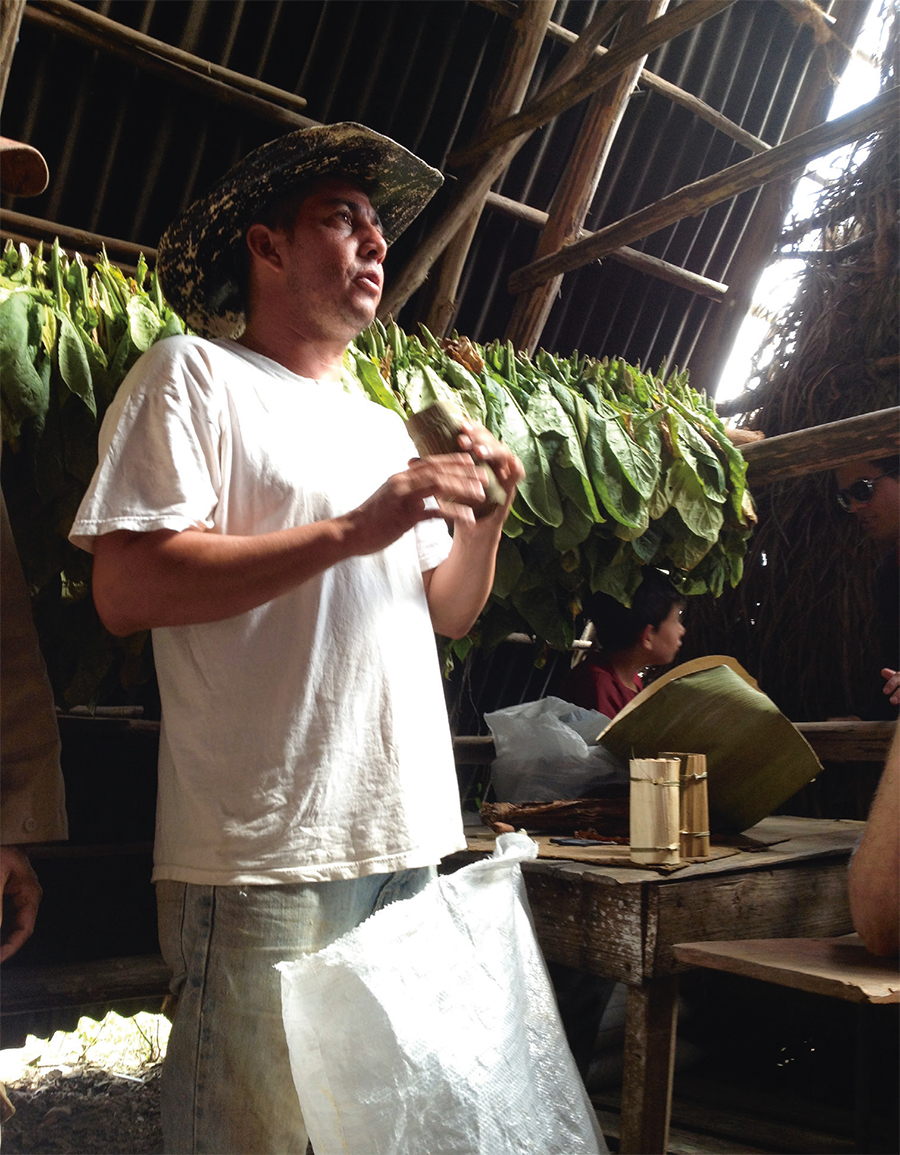
Cigar making is a serious business, with ‘zafadores’ and ‘torcedors’ key roles in their production.
“Cuban cigars are still the best in the world,” says Magali de la Cruz, the Cuban expert at Mayfair’s famous Sautter shop. “It’s all to do with their aroma and the complexity of flavour that comes from using just a pure leaf rather than the blending of different leaves that you get from Cuba’s rival Central American neighbours.”
When the communists came in 1960 the licenses were stopped. The government nationalised the cigar industry and took over all of the cigar companies – both Cuban and non- Cuban. Cubatabaco was formerly the worldwide distribution company and now it’s done by Habanos S.A., the state-owned entity that owns all of Cuba’s cigar brands.
Some Cubans took their expertise to the Dominican Republic, and so typically brands such as Cohiba, Romeo y Julieta and Montecristo each really have two brands with the same name: one from Cuba, the other from elsewhere in Central America.
And Magali, in talking about the very best, speaks of a single Coimbra Behike 2006 Limited Edition cigar which was designed to celebrate the brand’s 40th anniversary and which could set you back a mere £5,000. Cohiba is generally the most expensive and widely considered to be the best. “After all,” she says, “it’s the only brand involving three fermentation processes, and it’s the name chosen by Fidel Castro himself for the brand in 1966 as he himself used to smoke it.”
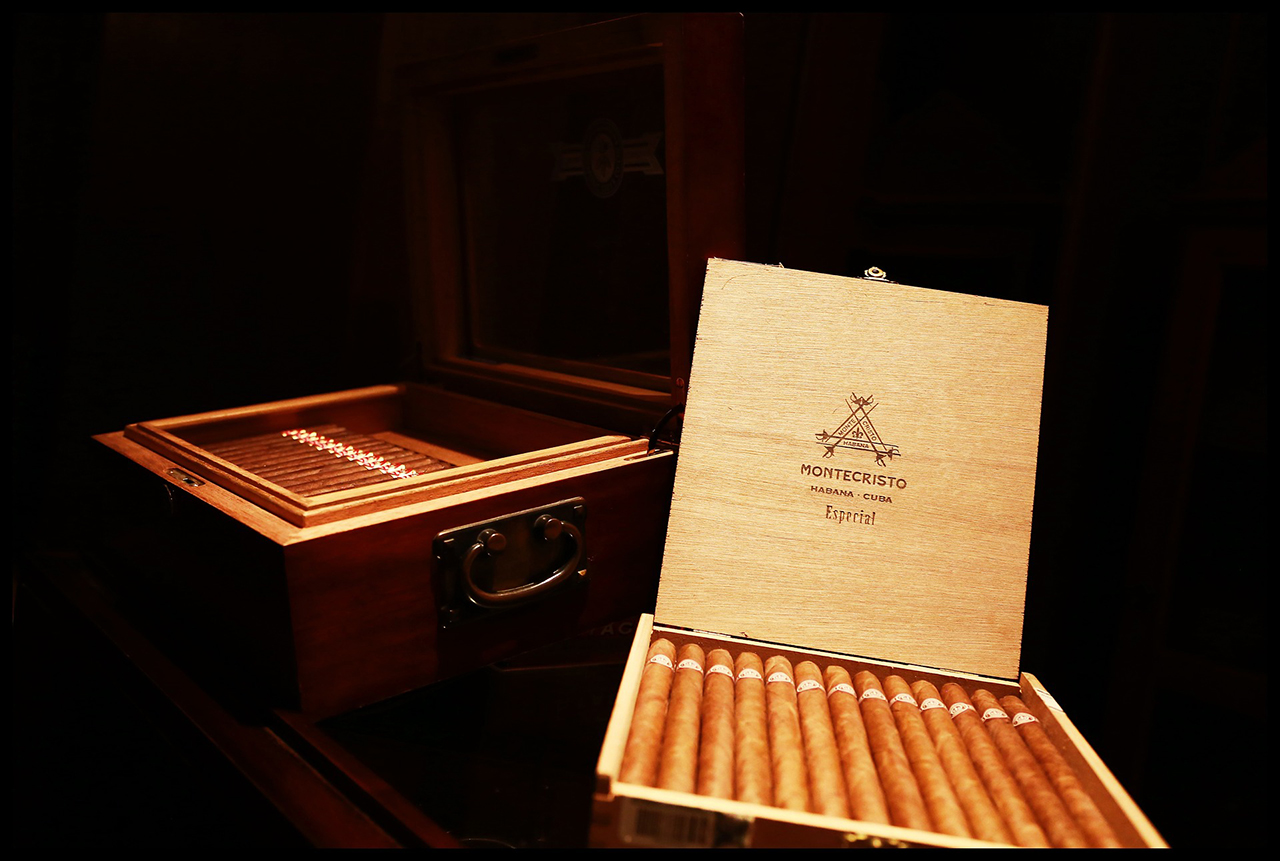
Montecristo

“Montecristo is the bestseller worldwide,” says Yadira Bulnes, a Cuban director at Hunter and Frankau, importers and distributors of the finest Cuban cigars since 1790. Other bestsellers include Cohiba, of course, and Hoyo de Monterrey and Partagas, which has one of the oldest factories and strongest cigar flavours. Romeo y Julieta has a similar history, being originally produced in Cuba in 1885 and quickly becoming a top brand.
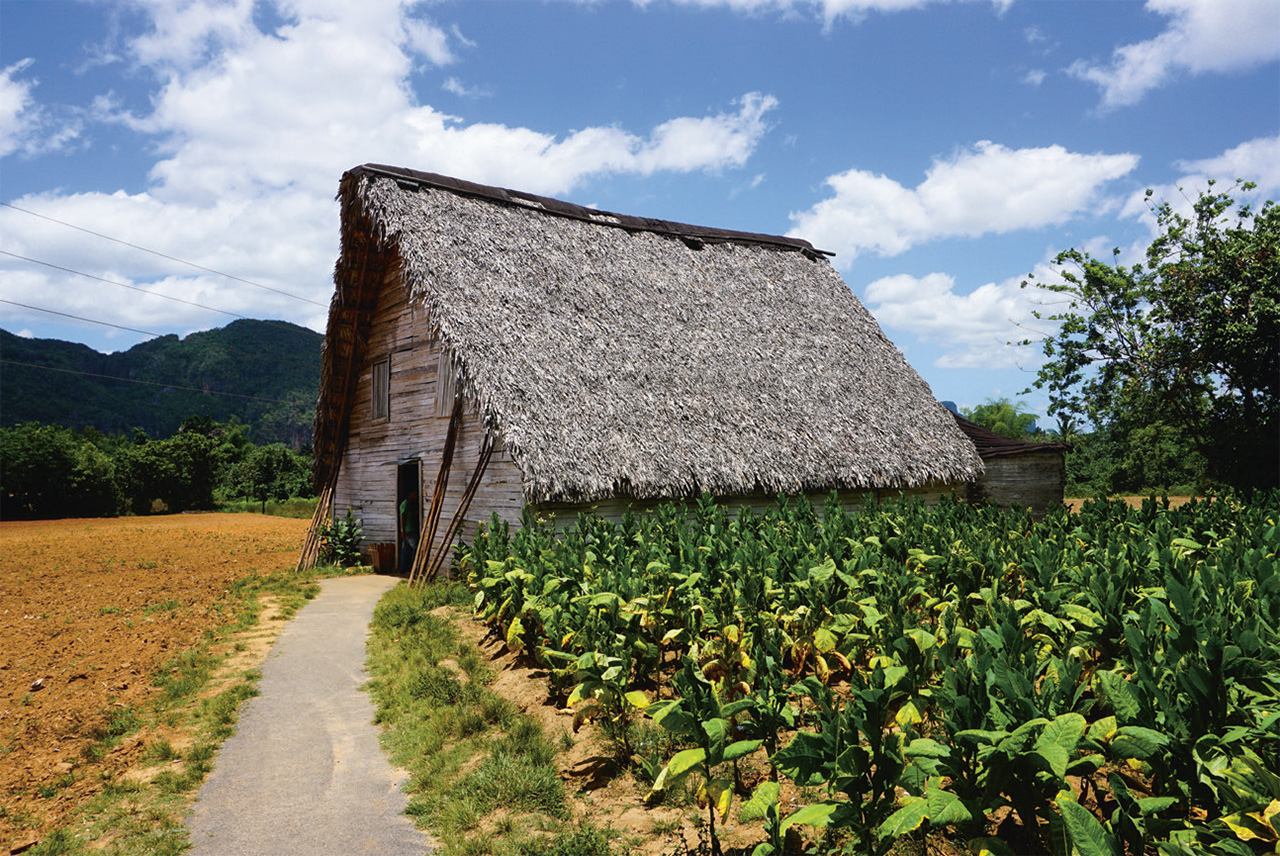
As for the process from field to factory to harbour – it’s a long and technical one. With the Caribbean heat beating down, it of course places some great demands on the ‘zafadores’, the workers who sort the tobacco leaves into types of tobacco, size and colour.
Then there are the ways they are rolled by the torcedor (cigar maker), employing a mixture of different types of tobacco in a cigar, including up to five types of filler leaves, one or two binder leaves and a ‘capa’, an outer wrapper. The ‘accordion’ method involves each leaf being folded in a wavy pattern resembling an accordion and tending to create cigars with a reliable draw. Then comes the ‘rolling gallery’, the area in a cigar factory where cigars are made by hand. The production is often split between cigar rollers and cigar bunchers. The latter work with filler and binder to make the bunch, while the former wrap the cigar leaf to create the cigar.

And so to the ‘ageing room’, where the rolled cigars are stored. Here the tobaccos harmonise and the cigars mellow. Some cigars are aged by fermenting the tobacco in bales for a year or more before being put in their box, which gives it more nuance and a softer edge. Vintage means a minimum of 10 years old and fine cigars, like fine wines, often improve with age, especially those full of flavour. This is typically important with ‘ligero’, a stronger kind of tobacco. Many manufacturers also further age their cigars after rolling.
This process can last from a month up to a year or more. Connoisseurs even go further with a method called box ageing, with the boxes themselves made of cedar wood. The lovely artistic, often iconic, labels are all produced by marketing departments in Havana, where all the ‘anillas’ (the Cuban term for cigar bands or rings) are also produced. The boxes and brooches typically employ the ‘8-9-8’ way of packing cigars, where 25 cigars to the box come in three rows: eight on the bottom, nine in the middle row and eight on top, with rounded sides to the box.
There are 27 different brands with 20 different sizes and they come in different strengths (light, medium and full-bodied), with a ‘Belicoso’, for example, being the pyramid-shaped cigar with a shorter, more rounded taper at its head than that of a ‘pyramid’ or ‘torpedo’.

Boisdale Club © Felix Clay
As you can imagine, there’s a whole range of options around the world for this specialist community of smokers, with members’ clubs, associations and training courses. The Boisdale club in London offers points for each brand: 10 for appearance, 15 for construction, 10 for combustion, 60 for flavour and finish and five for value for money. The winner with 91 points is Partagas Presidente 6 ¼ ins x 47 Ring Gauge, coming in at around £20. As for those visiting Cuba there’s the famous Havana festival at the end of February, as well as the city’s Museum of Tobacco – not to mention the chance to visit up to 20 different factories.

Jonathan Ross at the Boisdale Club. © 2015 Dave Benett
Then there’s all the paraphernalia – for aficionados this is the chance to demonstrate their expertise with their many accessories. There are cutters, punches and a range of humidors from ‘humitrunks’ and travel makes to the ‘walk-in’ and desktop varieties.
The cigar world even comes with its own glossary, with ‘canoeing’ being a flaw in a cigar’s burn, while cigars come with other caveats beyond the usual health warnings. Improperly cured and fermented cigars can have ammonia flavours that bring a harsh and unpleasant smoke – and watch out for the tobacco beetles that devour cigars. Never light one up with a candle, but use a butane-powered lighter – and, when enjoying the aroma or ‘bouquet’ as it’s known, never inhale the cigar smoke. ‘Nosing’, however, is the exhaling of a bit of cigar smoke through your nose after a puff to judge its power and flavour. If smoking’s not your thing but you like the smell, then you can profit simply from smelling a box of cigars or an unlit cigar.
“There’s no agreement under pressure,” is another local saying. So with the popularity of cigars not noticeably dented by the modern requirements for smokers to be outdoors, and with women these days smoking cigars more than ever, the only thing to do is to put your feet up in fellow company and light up. A five-inch long cigar, such as a Robusto, should bring half an hour’s pleasure while a Double Corona, a 7 1/2-inch cigar, can last an hour. The largest standard cigar size, as employed by Montecristo is an ‘A’, a ‘Gran Corona’ and is 9 1/4 inches and could take two hours. After all, as one cigar company’s motto goes, “In Puros Amicitia” – “in cigars, there is friendship.”

