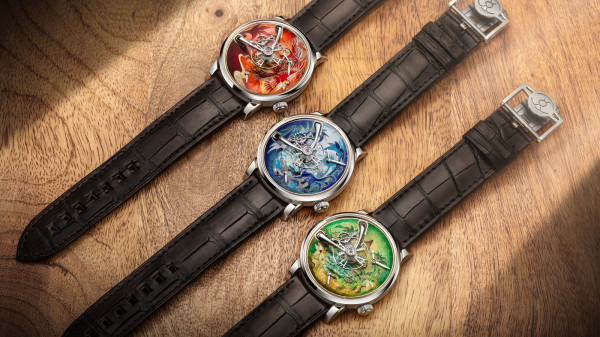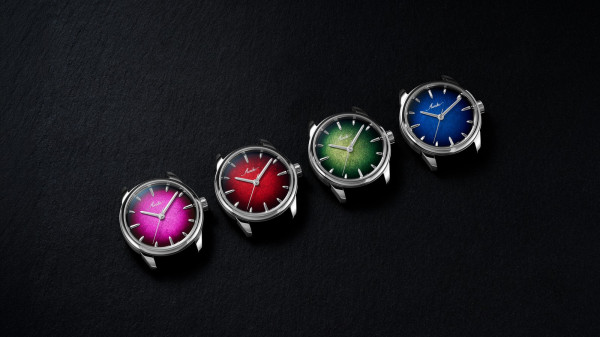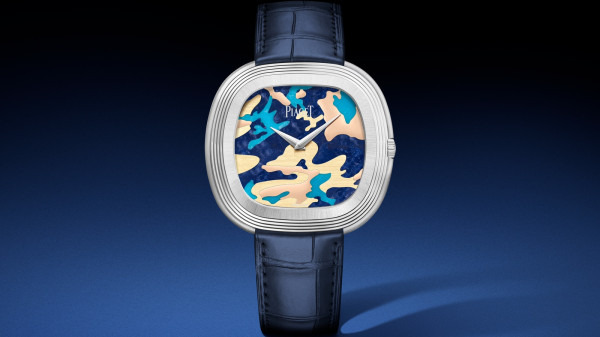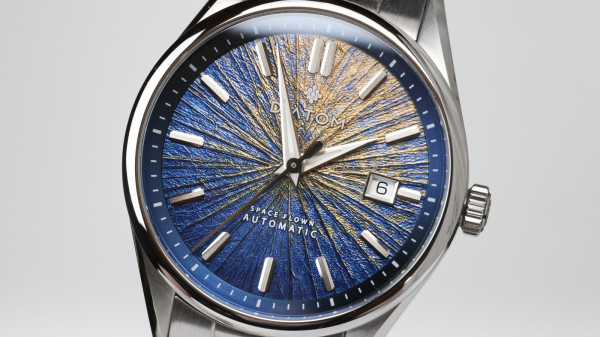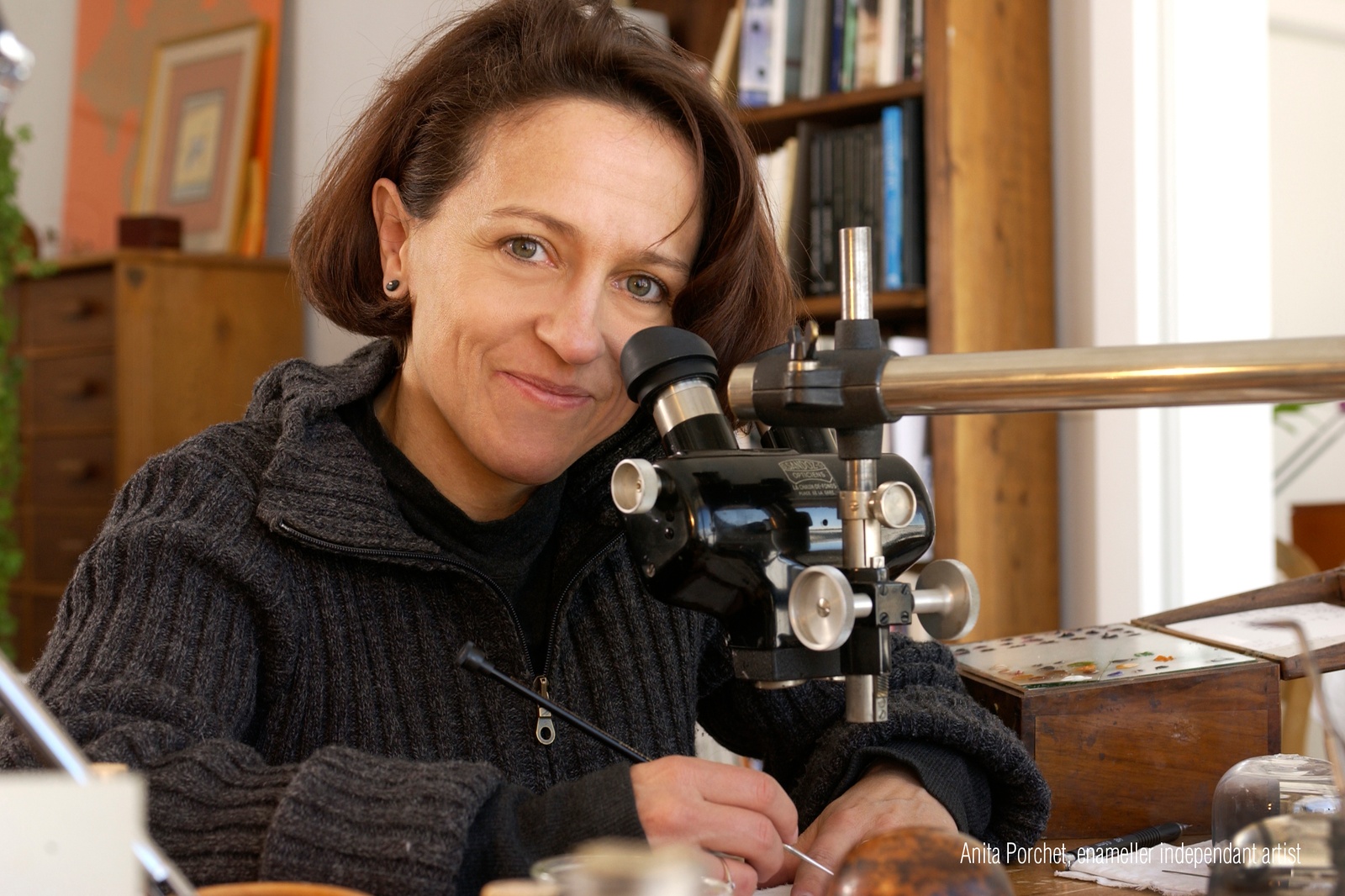
She painted her first enamel miniature at 15, spent four decades turning ground glass into dials for Patek Philippe, Vacheron Constantin, Hermès, and Chanel, and once sat up all night rescuing a masterpiece that had touched the roof of her kiln. Anita Porchet, the most respected enameller in watchmaking, on fire, colour, and why she still doesn’t wear an enamel dial
If you have ever stopped in front of a Patek Philippe pocket watch, a Vacheron Constantin Métiers d’Art dial or one of Hermès’ painted unique pieces and wondered who actually made it, there is a fair chance the answer is a woman working in a small studio in the Vaud countryside north of Lausanne. Anita Porchet is the enameller that the great houses turn to when they want the best, and for much of her career they did so without putting her name on the result.
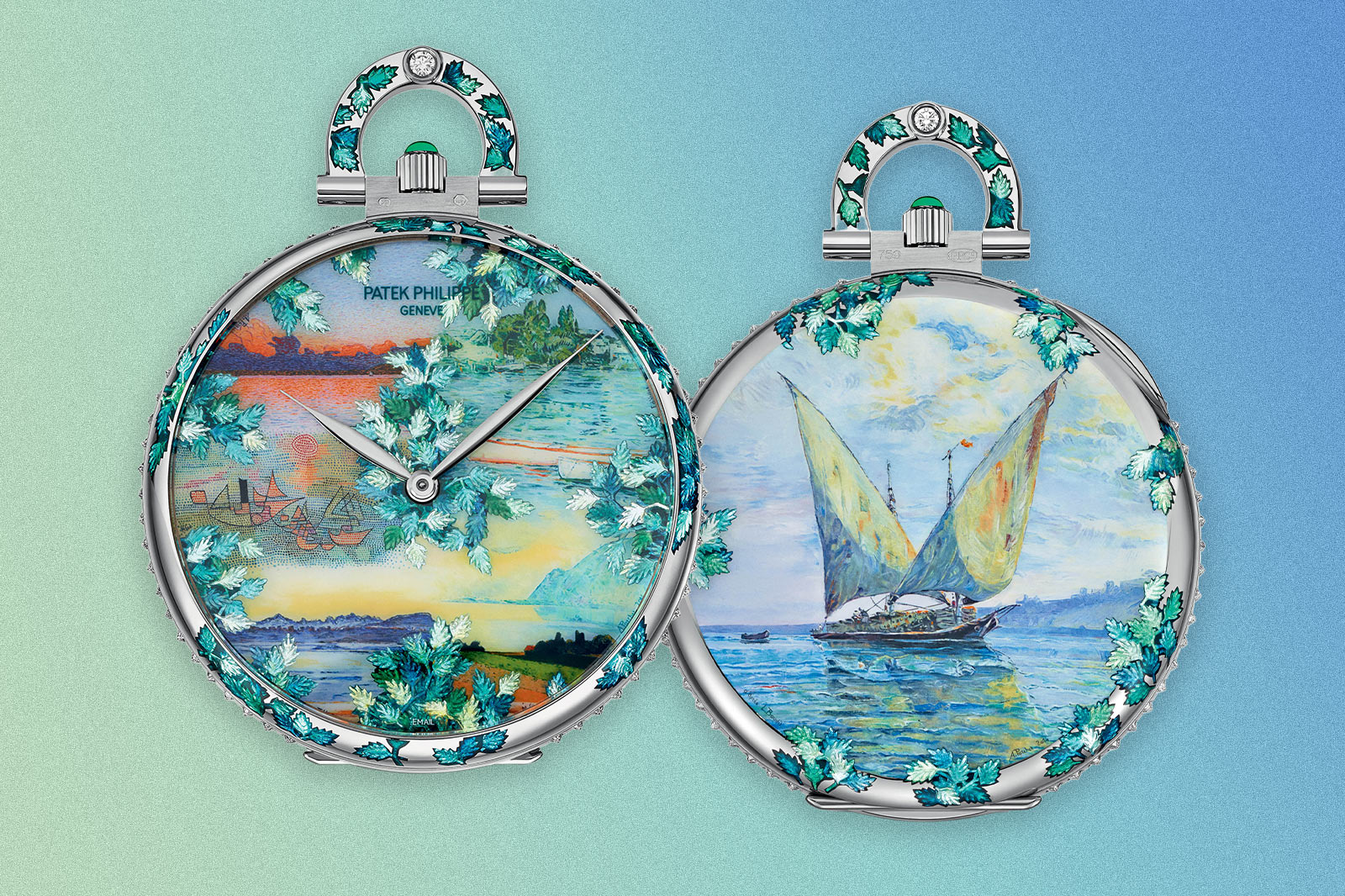
Born in La Chaux-de-Fonds in 1961, Porchet learned the basics from her godfather, an engraver who was mastering the craft alongside her. She qualified in engraving and enamelling in 1984 and opened her own studio in the early 1990s, encouraged by Patek Philippe’s Philippe Stern at a time when the art was in danger of disappearing. Since then she has worked for Patek Philippe, Vacheron Constantin, Piaget, Hermès, Chanel, Audemars Piguet, and Fabergé, as well as independents like Romain Gauthier. Recognition came later. In 2015 she won the Prix Gaïa, the prestigious award given by the watch museum in her home town of La Chaux-de-Fonds, and in 2017 the Grand Prix d’Horlogerie de Genève, the industry’s annual awards, gave its Special Jury Prize jointly to her and to Suzanne Rohr, the Patek Philippe miniature painter who became her mentor.
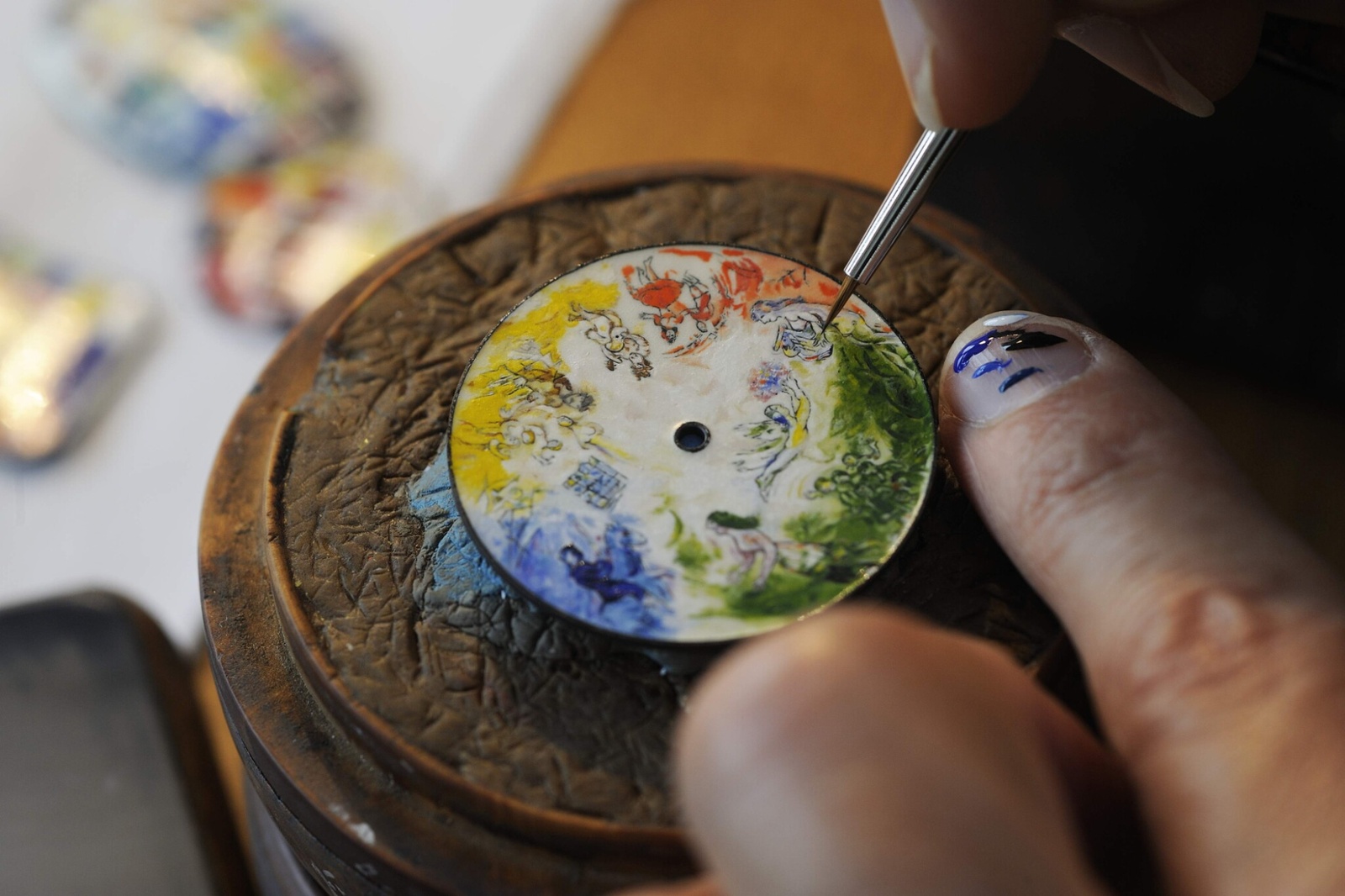
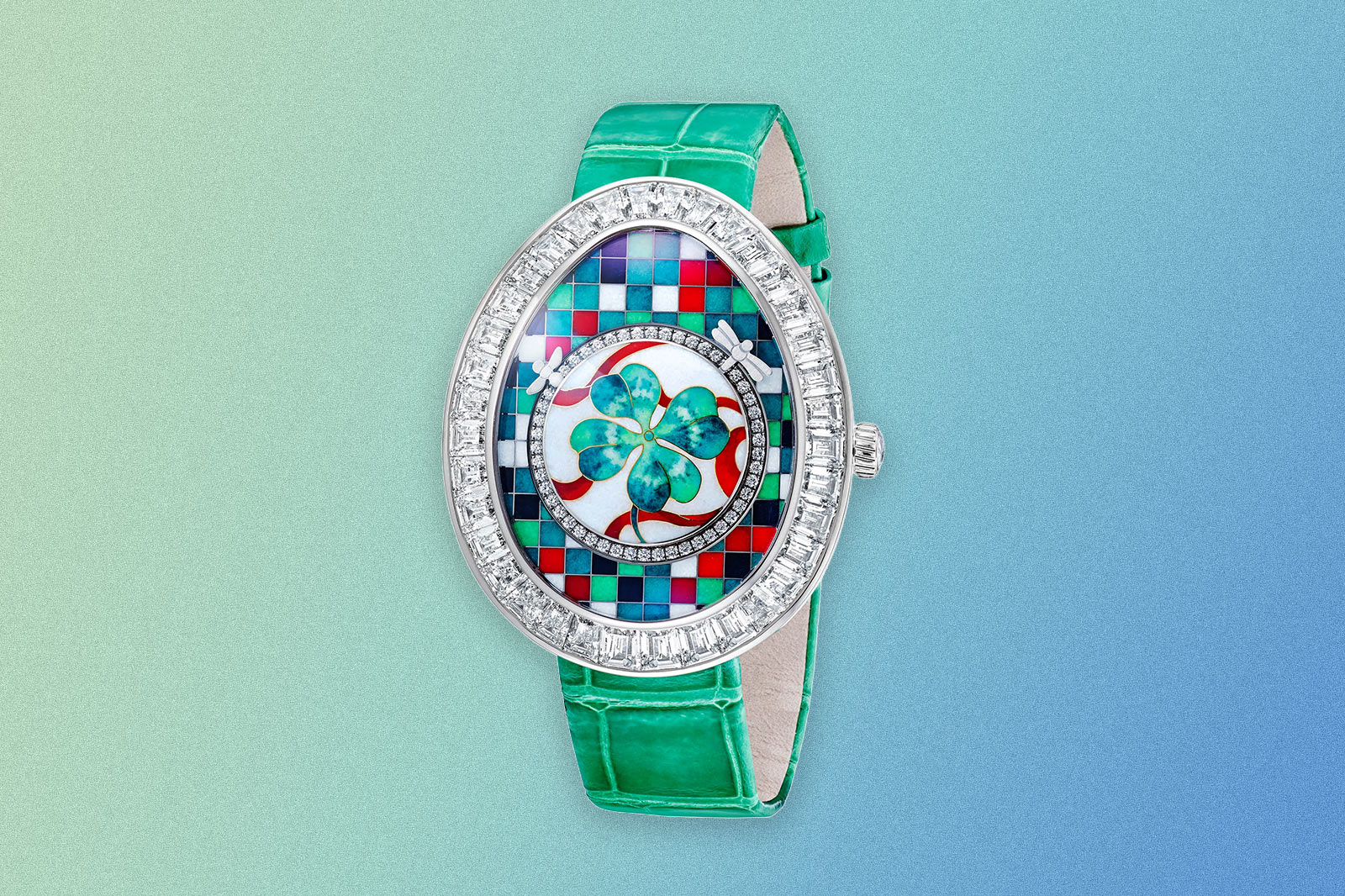
Her craft is part chemistry, part alchemy and high risk. Coloured glass is ground by hand to a fine powder, laid onto a thin metal base, usually gold, and fired at more than 800 degrees Celsius. Then it’s done again, layer after layer, with every trip to the kiln capable of changing a colour, cracking the base or wiping out weeks of work. Cloisonné fences the colours in with tiny gold wires; champlevé carves cells out of the metal; paillonné sets flakes of gold leaf between the layers; miniature painting builds a whole picture with a brush of a few hairs. Porchet does all four. They are the same skills Vacheron Constantin brought in-house in the mid-2000s, Porchet has spent her career supplying them from the outside.
Her English, she insists, is pitiful. It is nothing of the sort, as a video call proved, but she preferred to answer in French, from her studio. The modesty, the precision and the occasional flash of steel survived the translation.
Do you remember the first piece you ever fired?
I began enamel with my godfather. He was starting out in this new craft himself, so we explored and tested a great many colours together. The great difficulty of this work is the way colours transform in the fire, at more than 800 degrees. It is an alchemy.
After three years my godfather let me paint a miniature after a painting by Corot. I look at that first enamel miniature now with tenderness. I was 15. It is full of clumsiness, but I can feel all the care and the search for beauty I put into it.
My exchanges with Madame Rohr about the profession came much later in my life, when I was already deeply committed to the craft. She helped me understand even better this whole alchemy of colours, which can only be learned through long experience, not at a school.

You have said you love enamel because you are never entirely in control. What happens when you open the kiln door?
Yes, that lack of total control fascinates me, because it connects us to the mystery of life. Passing through fire, in every sense of the term, literal and figurative.
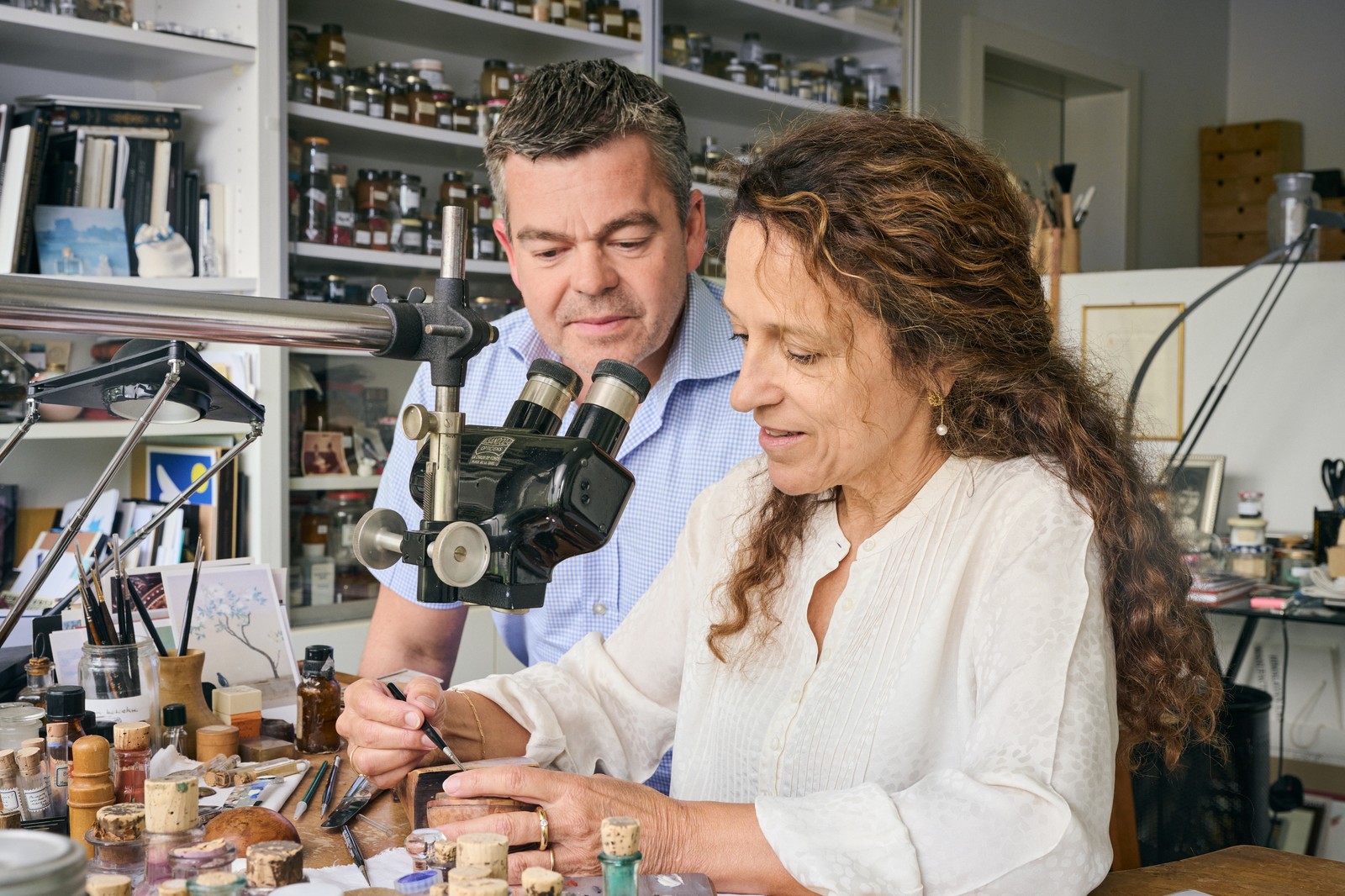
What I am looking at is the shine of the enamel, to know its melting point. Two colours may not melt at the same temperature. A colour may change in the firing. Two colours may be incompatible. A colour may lose its intensity after several passes through the kiln, and so on. My heart always beats faster during a firing, and of course more so as I reach the end of a long piece of work.
One of the hardest moments I have lived through was at the final firing of a large piece, when an unlucky movement made it touch the roof of the kiln. I will let you imagine the result. I stayed up all night to rescue that piece.
Which colour is your enemy?
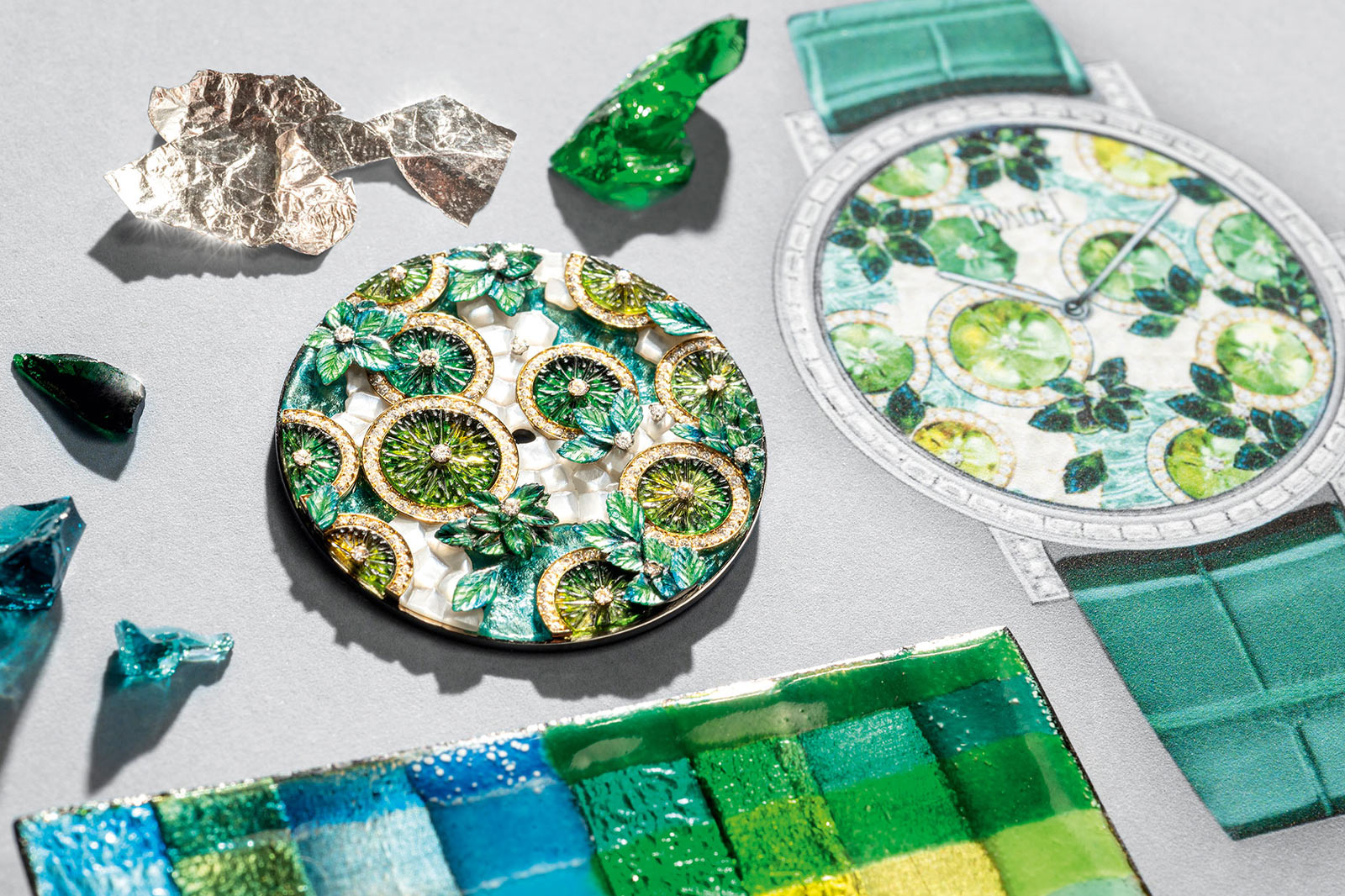
Reds, pinks and oranges are very difficult colours. They will never have the same intensity as an acrylic paint. Those are the limits of this craft. I have not chased a specific colour over all these years. What I love is the vibration between colours.
Without diplomacy, what separates a good commission from a bad one?
A difficult question. A good commission is when I feel enthusiasm in the team, challenges taken on with respect for everyone and the energy of the group. A less good commission is when I am simply an executant, with a design that does not correspond to my taste.
A final client, a collector, once told me that the piece would always stay in his family. That is the best thing anyone has said to me. The worst? I have forgotten it.
Which of your pieces do you think about most?
I don’t know. There are several pieces I would be happy to see again, but I do not know who acquired them. And I think I would change nothing, because each piece corresponds to a story and to a moment in my life. No regrets.
Why do some pieces carry “A. Porchet” and others “A.P.”?
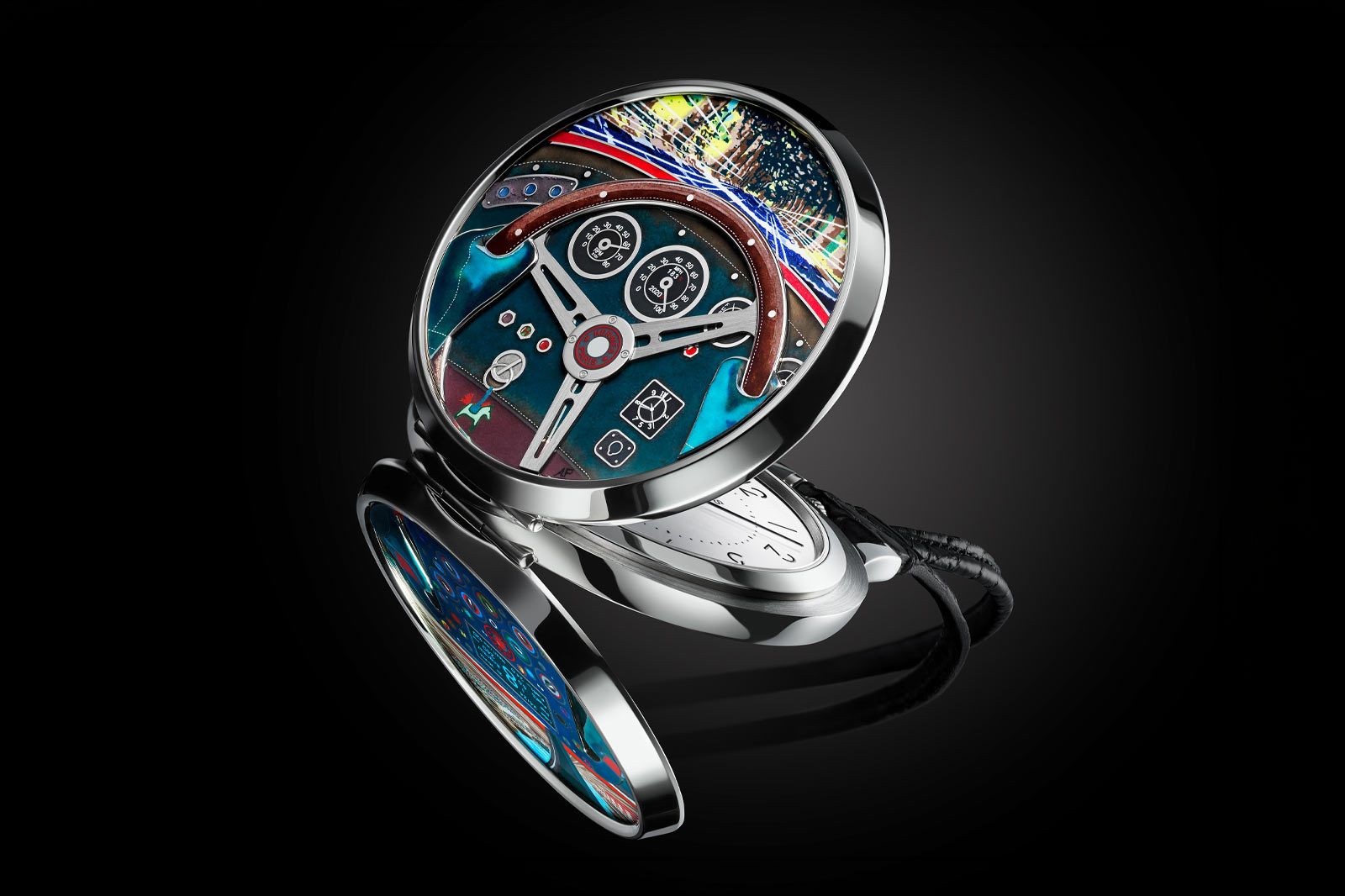
Miniature painters have always signed their pieces. I did not invent anything. The pieces I sign A.P., though, are made in my workshop, partly or entirely by my collaborators. That was a request from the final clients, and for the sake of clarity I decided to sign those works differently.
When does a dial stop being decoration and become art?
I find the term artisan very noble, because it implies the rigorous mastery of a technique, and only then comes creation. I think it is history that awards the title of work of art: when the creation meets the public, and the piece carries within it a vibration greater than a simple decoration.
It does happen that I look at a finished piece and feel happiness, but it is very rare. More often it comes years later, because I have forgotten the work and discover it with fresh eyes. There are also dials I consider decorative, or that were imposed on me and whose design I do not like. Happily that hardly ever happens any more.
Métiers d’art has become a marketing term. How does a buyer with a loupe tell real grand feu from a shortcut?
As you say, it is a fashion. And like all fashions it passes, then comes back. As for those famous shortcuts, it is sad, but that is our industrial world. I dare to hope that grand feu enamel will go on existing thanks to the demand of informed collectors, who will allow the craft to keep being passed on.
Grand feu enamel has a depth that no other technique allows, for now. You can also find tiny air bubbles in the material. But it already takes a well-trained eye to tell the real from the fake.
Your studio is deliberately small. How long does it take to make an enameller, and do you worry about the craft’s future?
I want a very close relationship with my collaborators, so that the exchange is rich for each of them as it is for me. We form a small team, supportive and respectful of one another. That would not be possible in a large team.
It takes three years at the very least to learn the rudiments of enamel. Then long practice gradually brings the ability to master different subjects. The watch manufactures have understood the appeal of artisanal crafts alongside today’s technology, so I have no worries for the future.
Do you wear a watch?
I wear various simple watches, but for now none with an enamel dial.