In August 2026, Chinese military researchers announced an ancient fix for a modern problem. Hypersonic missiles (weapons that fly more than five times the speed of sound) can lose track of where they are if an enemy jams their satellite-navigation signal. The solution, engineers at the Guangdong Aerospace Research Academy revealed, is one of the oldest tricks there is: steer by the stars. An onboard camera photographs the night sky, works out which stars it’s looking at, and calculates the missile’s exact position from where those stars should be. A calculation that involves sidereal time and is something you can do yourself with a dedicated sidereal wristwatch.
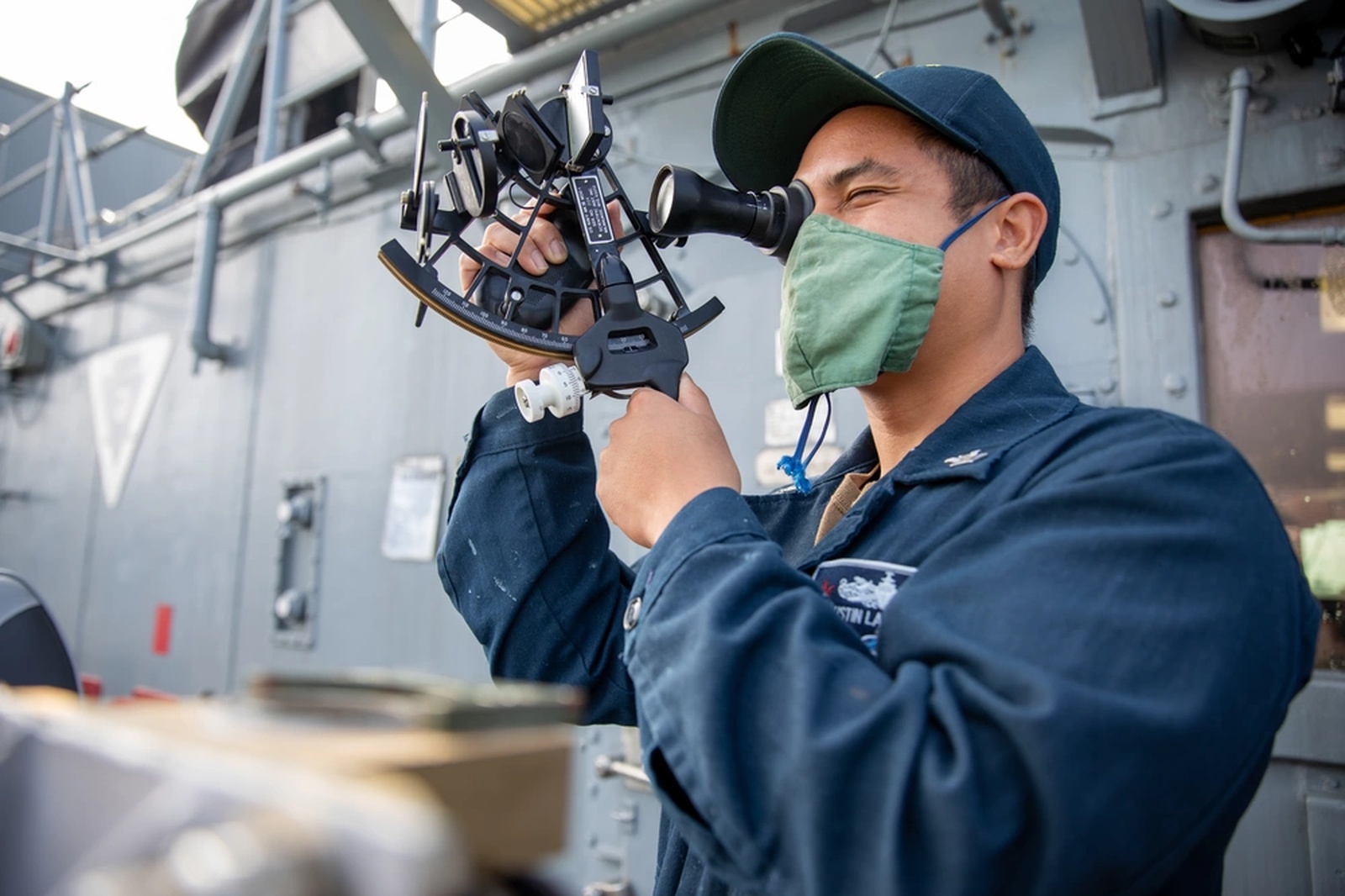
It’s the same basic idea that guided sailors long before marine timekeepers, let alone satellites, existed. The US Naval Academy even reinstated celestial navigation training in 2015, nine years after dropping it from the curriculum, precisely because GPS can be jammed or spoofed in ways the sky cannot.
The caveat is that reading your position from the stars only works if you know exactly what time it is. But not the time on your watch or your phone; a different kind of time altogether, called sidereal time.
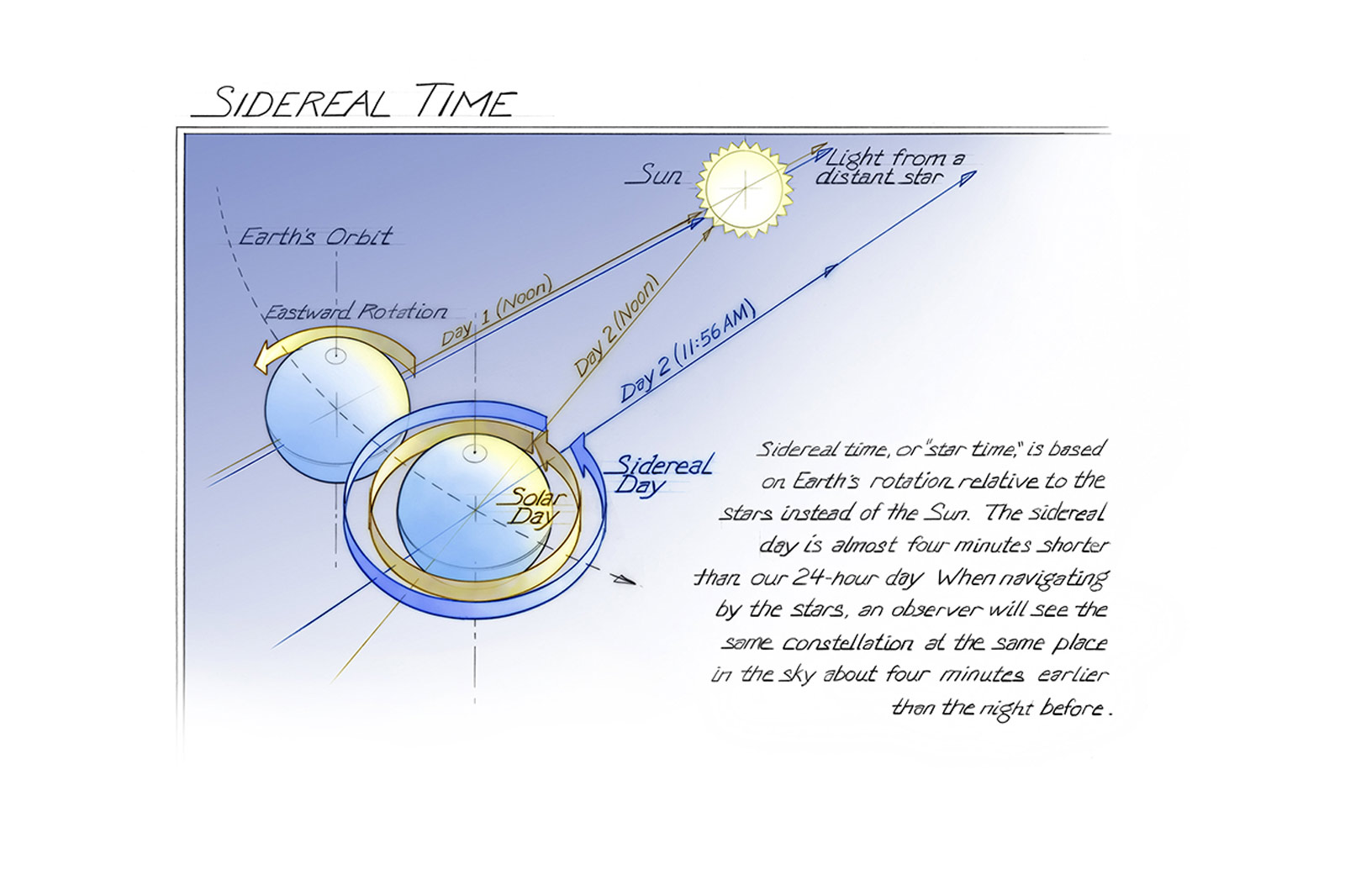
Here’s the simplest way to think about it: a normal day is 24 hours because that’s how long the Earth takes to spin around and face the Sun. But because Earth is orbiting the Sun, once the Earth has rotated 360 degrees, a full 24-hour day is not quite complete; it actually takes a little extra to get back to where it started. A “day” measured against the stars, rather than the Sun, is a touch shorter: 23 hours, 56 minutes and 4 seconds. That’s sidereal time. The four minutes might sound trivial, but it adds up: over a year, it accounts for exactly one extra spin of the Earth, which is why you see different stars in winter than you do in summer, even at the same time of night.
For anyone navigating by starlight, whether an eighteenth-century sailor with a sextant or a 21st-century missile with a star-tracking camera, that four-minute difference matters enormously. Star charts are drawn up using sidereal time, because that’s the clock the stars run on. Get the conversion wrong by even a few seconds and your position could be miles off. Which is why for as long as people have found their way by the stars, a small number of specialist watches have been built to keep sidereal time as well as, or indeed instead of, the ordinary kind. Here are five of the most fascinating.
Royal Navy HS.7 Sidereal Timer
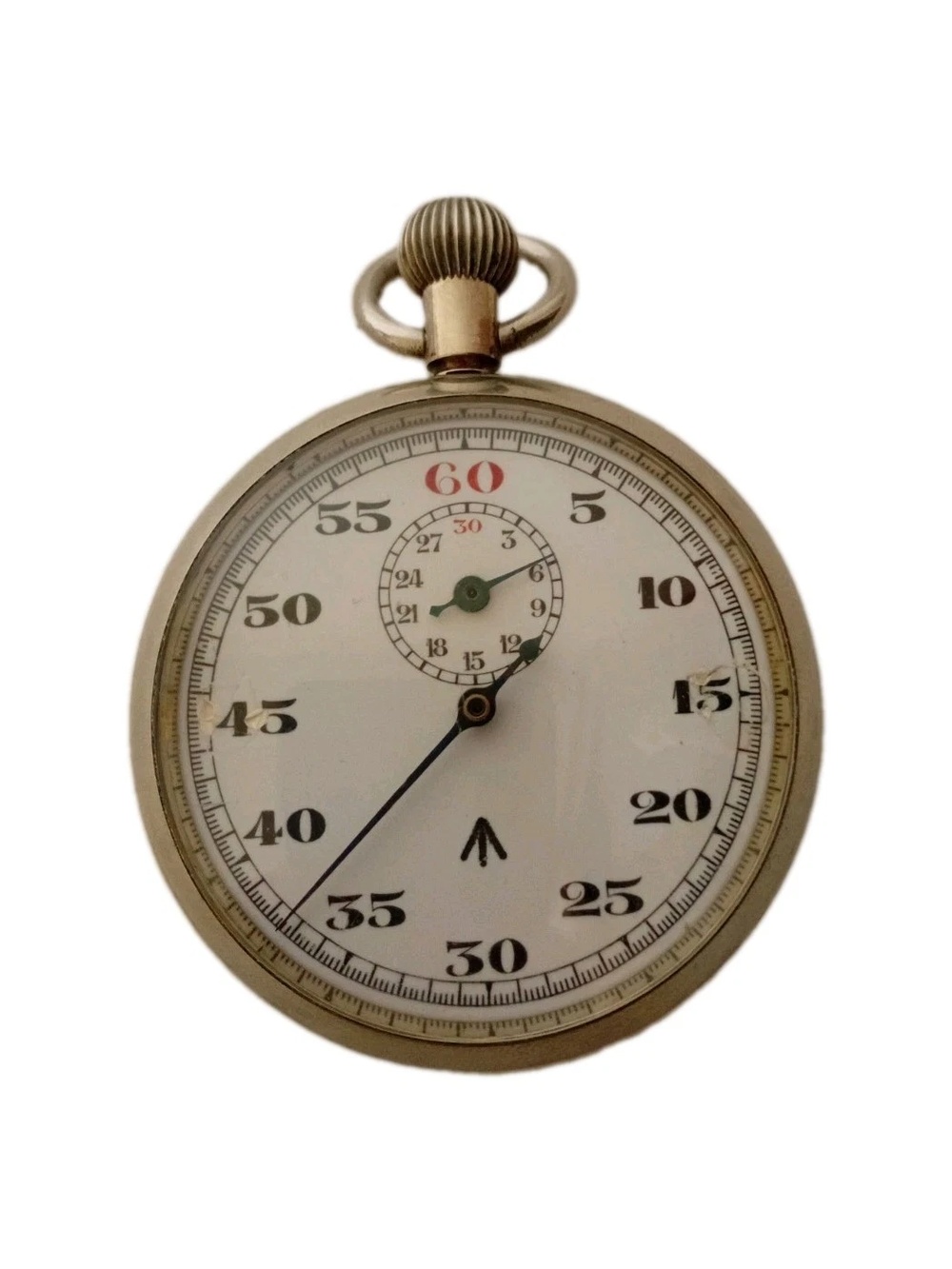
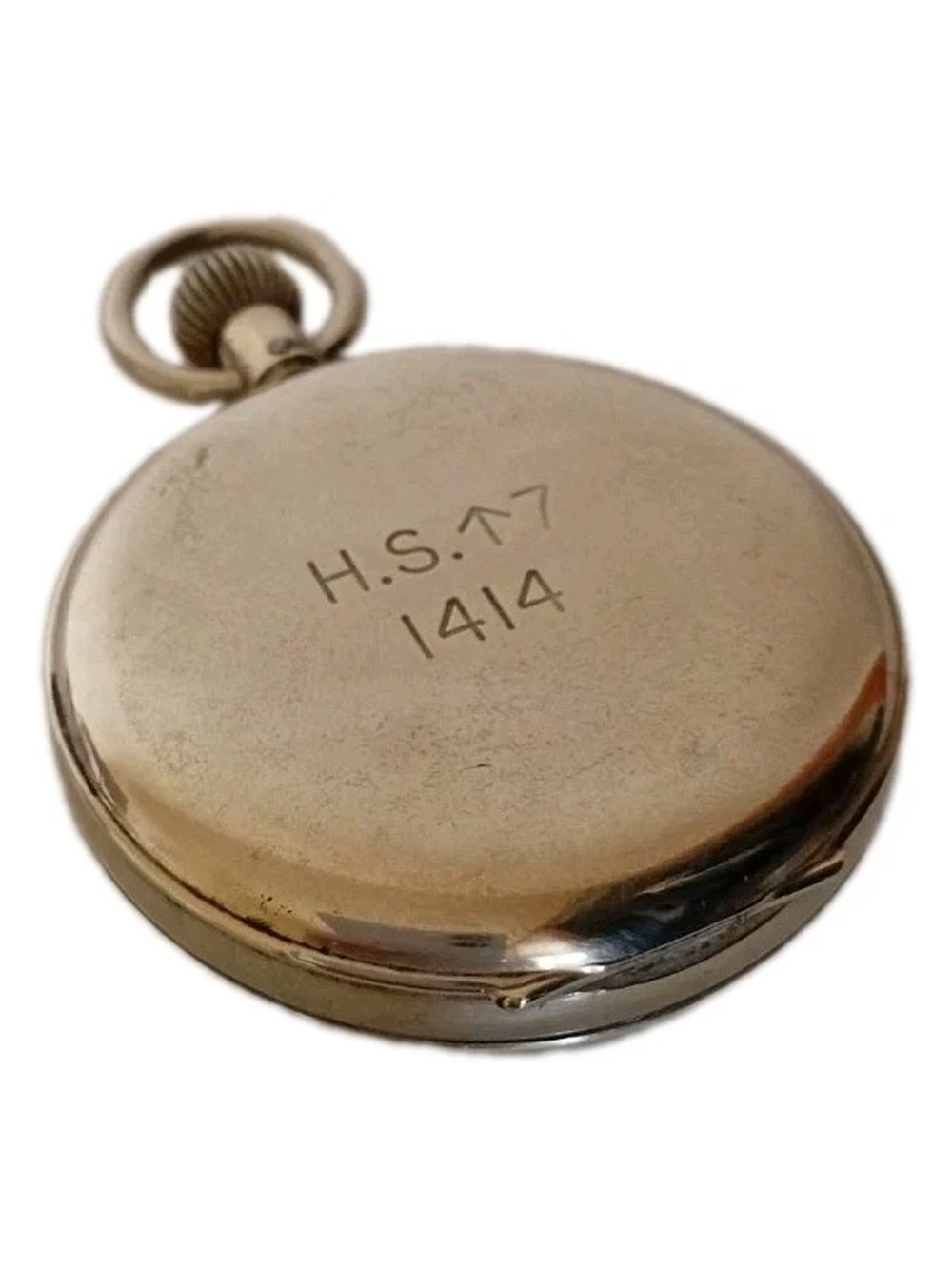
Under the Royal Navy’s Hydrographic Service grading system, precision timekeepers were ranked from the great boxed chronometers that lived below decks, down through portable deck watches and wristwatches. But HS.7 was a curious kind of stopwatch.
Issued during the Second World War and stamped with the broad arrow, the HS.7 wasn’t regulated to solar time. Its escapement ran fast enough to complete a full revolution in 23 hours, 56 minutes and 4 seconds, ticking off sidereal seconds directly. A navigator timing a star’s transit across the meridian could read the interval straight off the dial, with no mental arithmetic needed on a pitching deck in the small hours.
Before the HS.7, specialist maritime pocket watches regulated to sidereal time were used for celestial observations, including a Longines sidereal deck watch that accompanied American naval officer Admiral Richard E. Byrd on his second Antarctic Expedition of 1933-35.
Longines ref. 4356 – the Weems Sidereal Watch
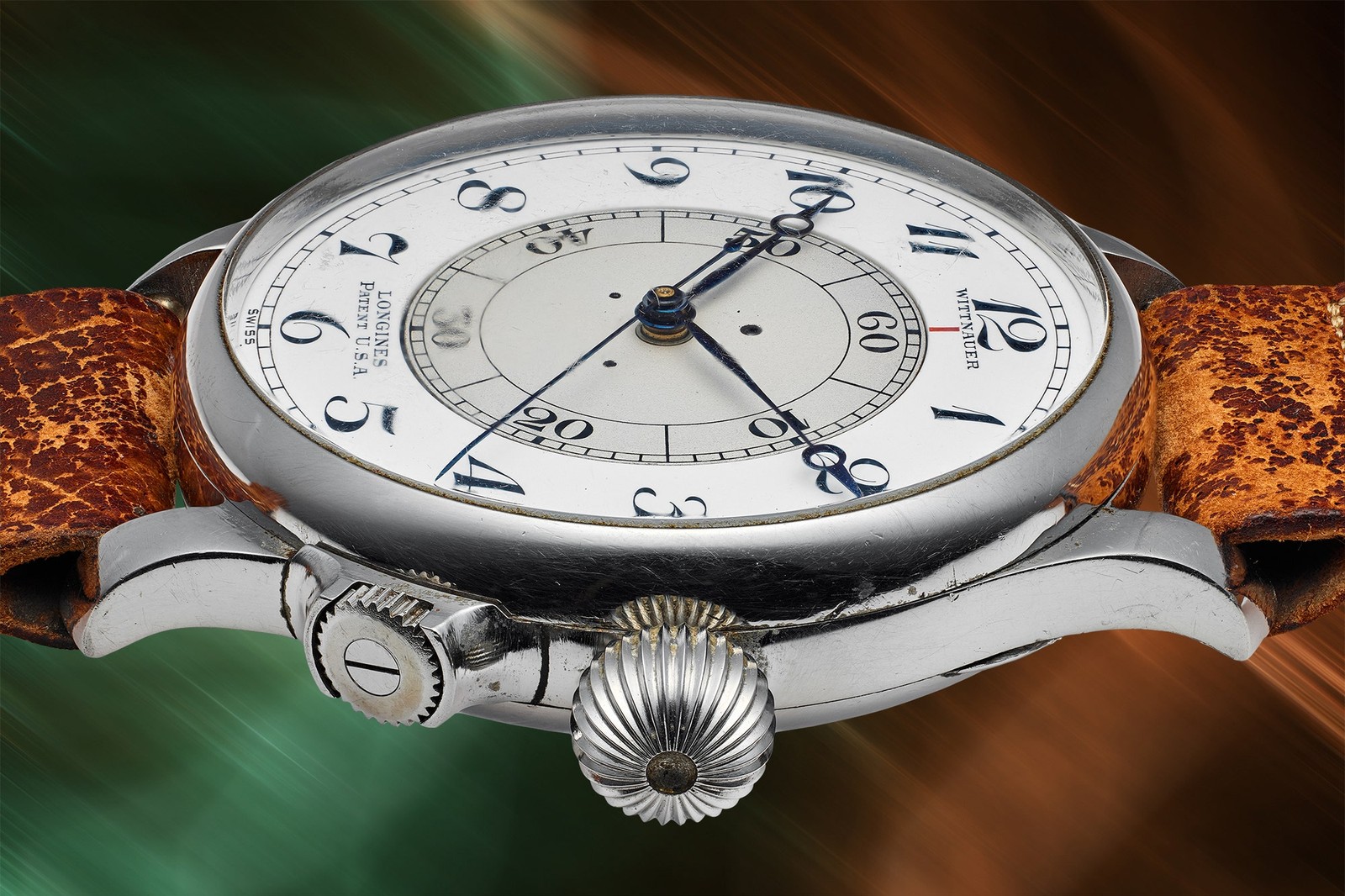
Fittingly, Longines made the very first wristwatches regulated for sidereal time. Although the American naval aviator Philip Van Horn Weems didn’t invent celestial navigation, from 1927 he made it suitable to fly with: his watch used an independently rotating central chapter ring that could be turned to synchronize the seconds hand exactly against a radio time signal, something no ordinary watch could manage in the air. Longines built the 47mm ref. 4356 to his specification – and, less widely known, also produced sidereal-regulated examples of it, regulated so the hands completed a full rotation in 23 hours, 56 minutes and 4 seconds rather than 24.
These were marked, depending on the batch, with the words “sidereal time”, and later with a small red star at six o’clock. A batch was even indirectly delivered to the Imperial Japanese Navy via its American intermediary in April 1940, less than two years before Japan struck Pearl Harbor from the air.
Aviators tended to carry a civil and a sidereal watch as a matched pair: Wiley Post and Harold Gatty flew with one of each on their record-breaking 1931 round-the-world flight, and Amy Johnson was issued a sidereal example ahead of her own planned circumnavigation. Famously, Swissair navigator Harry Hofmann wore a sidereal-regulated 6630 too.
Universal Genève HA-1 – the Italian Air Force’s Night Navigator
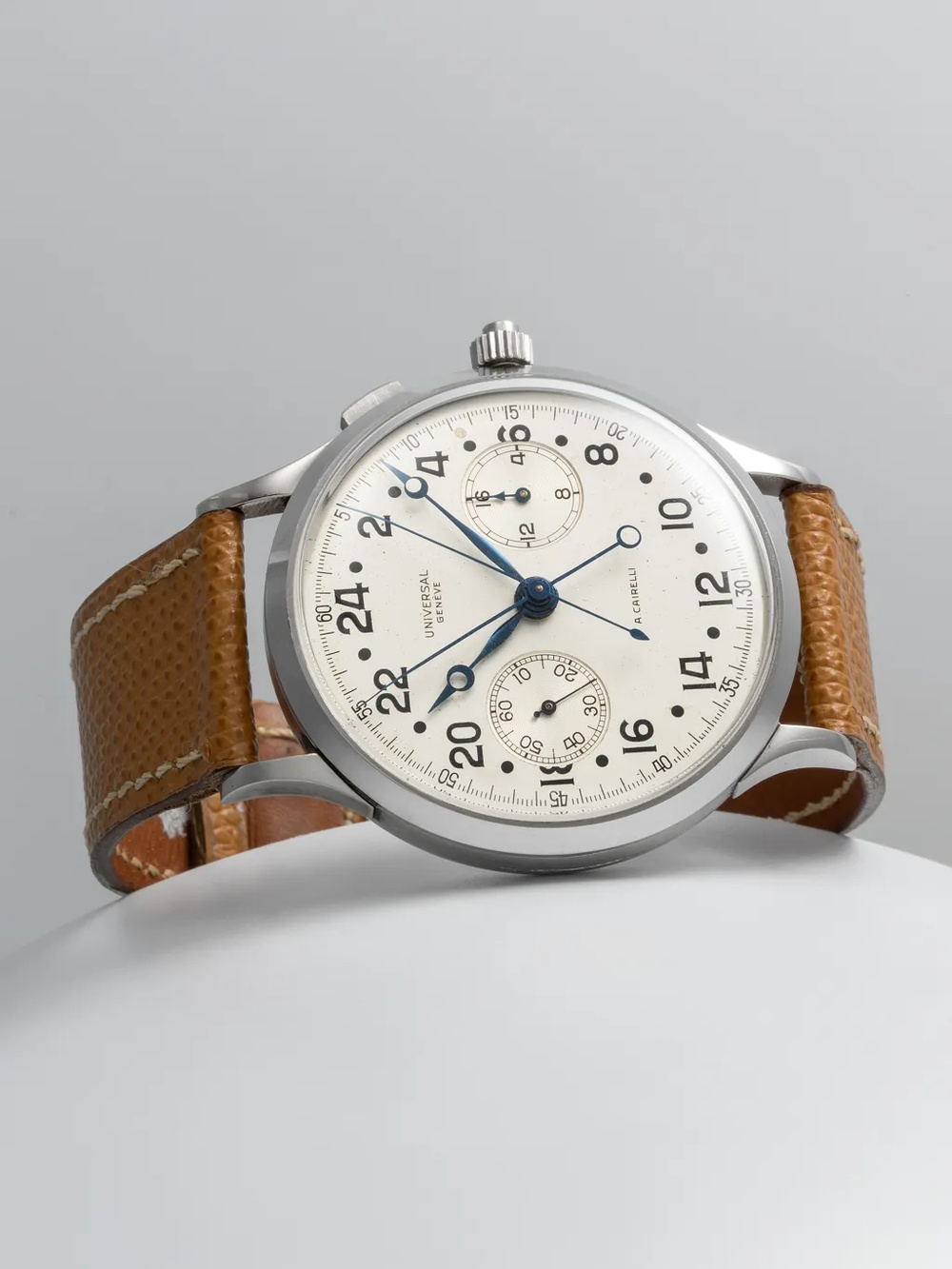
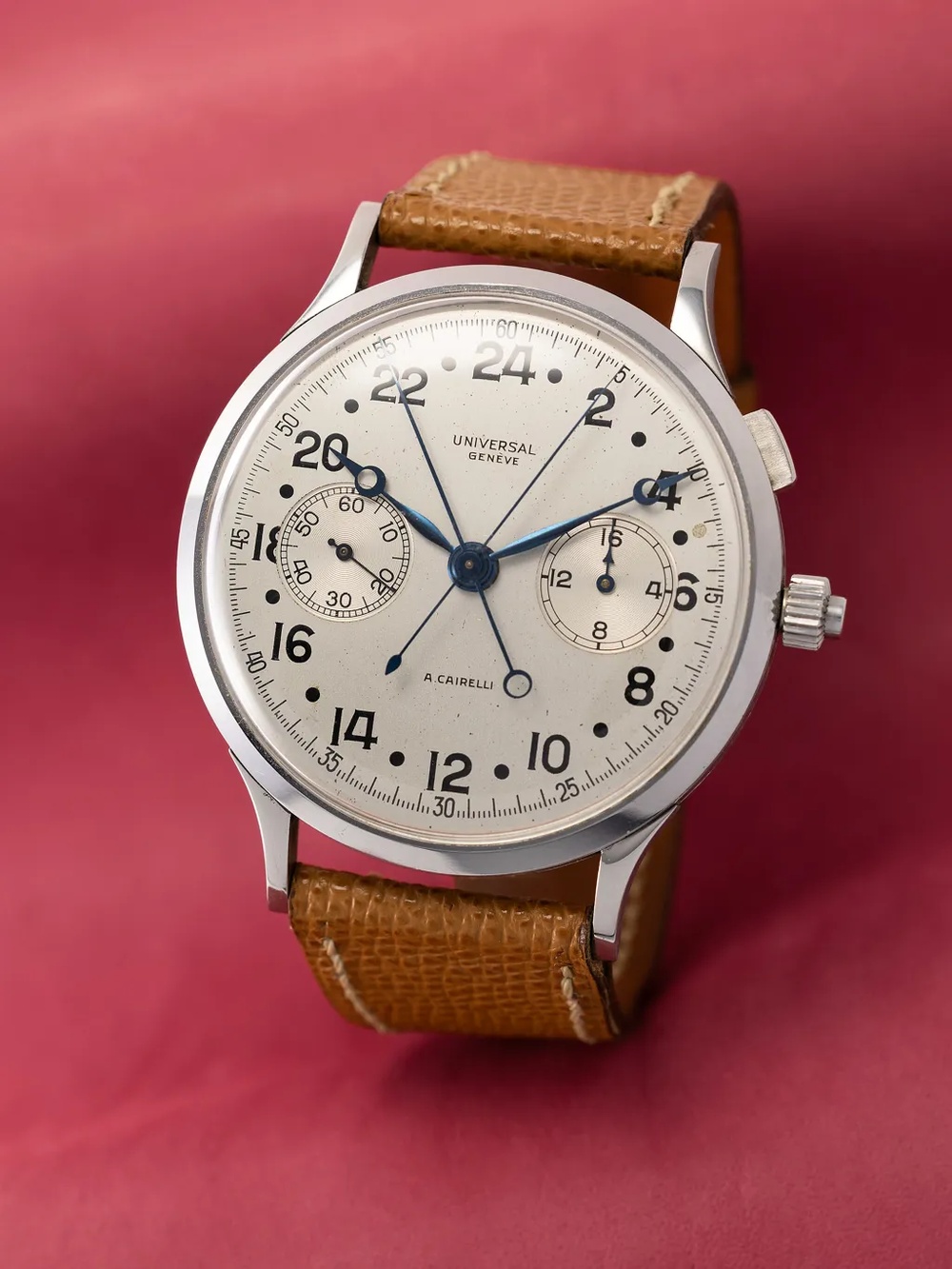
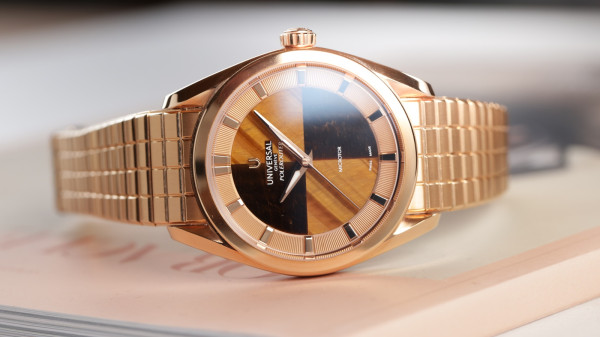
Supplied to the Aeronautica Militare Italiana through the Rome dealer A. Cairelli from the 1950s, the Universal Genève HA-1 is stamped on the caseback with a use-case few chronographs can claim: ‘Cronometro per Navigazione Astronomica’ – chronometer for astronomical navigation. At 44mm across, with a split-seconds (rattrapante) mechanism and a 24-hour dial designed for legibility in a darkened cockpit, it was built for crews on long maritime charters who needed to fix their position over open water at night using nothing but a sextant and the stars.
The split-seconds function let a navigator freeze one reading while the chronograph kept running underneath, timing a second star sight without losing the first.
No more than a dozen or so are thought to survive today, making it one of the rarest tool watches, and one of the only military-issued rattrapante chronographs ever.
Heuer 1551 SGSZ – the Sidereal Bundeswehr
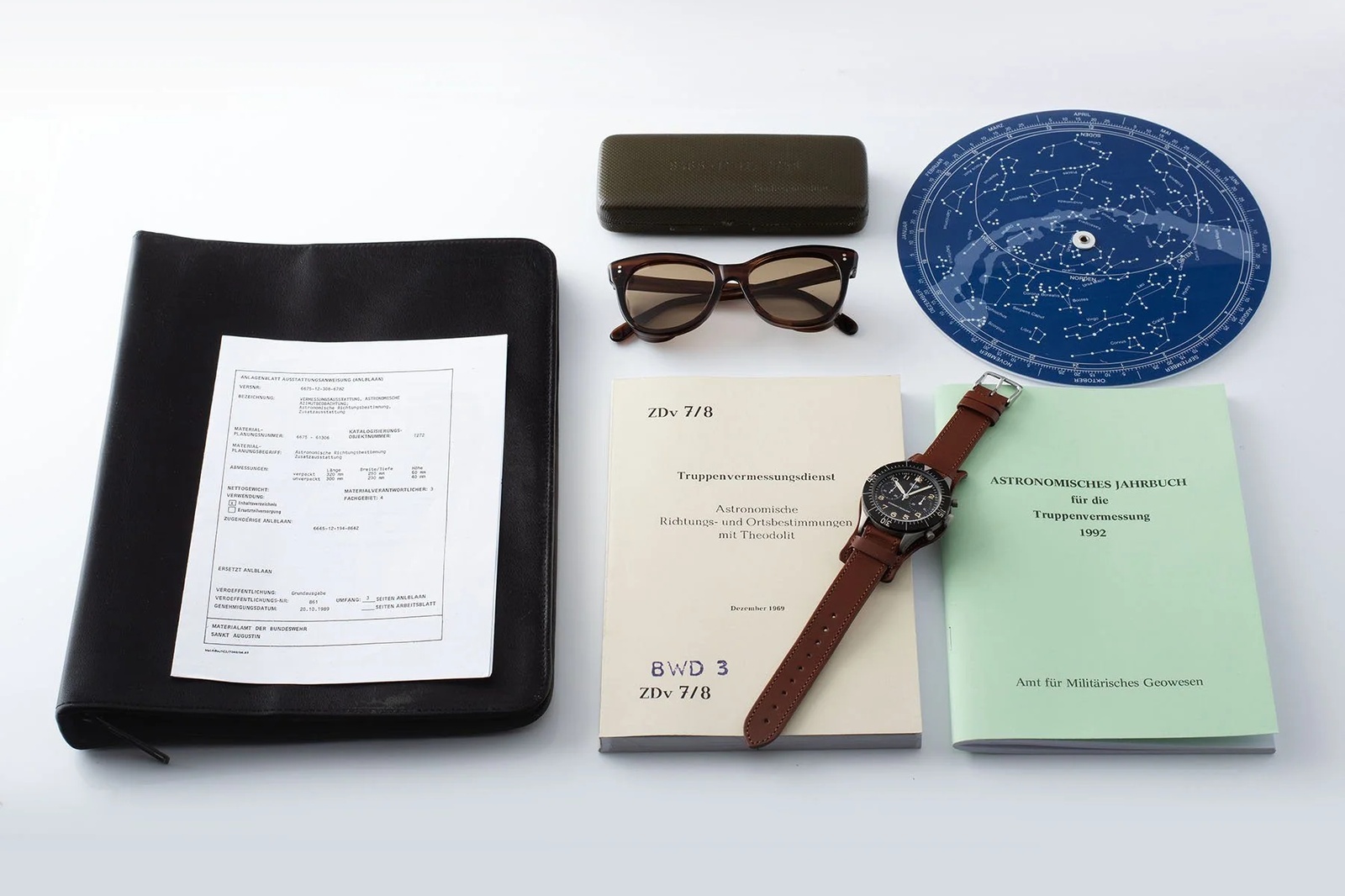
The standard-issue Heuer 1550 SG is well known as the mil-spec flyback chronograph issued to Luftwaffe pilots from 1967, though it also reached Bundeswehr artillery and reconnaissance crews. Far rarer, and far less known, is a specialist variant built around the same case and Valjoux movement but regulated to run in sidereal time instead of solar: reference 1551 SGSZ, introduced the following year.
Issued as part of a field artillery survey kit alongside a theodolite, it was intended for ‘Astronomische Richtungsbestimmung’ – astronomical direction-finding – letting survey teams establish an exact bearing by timing star observations, essential for laying guns accurately in terrain without reliable maps or landmarks.
Regulating the watch itself to sidereal time meant an observation could be used directly, without converting from solar time in the field. Only around fifty are thought to have been made, tucked into leather instrument cases rather than worn day to day, which makes the ordinary 1550 SG’s cult following look almost mainstream by comparison.
George Daniels Space Traveller I & II
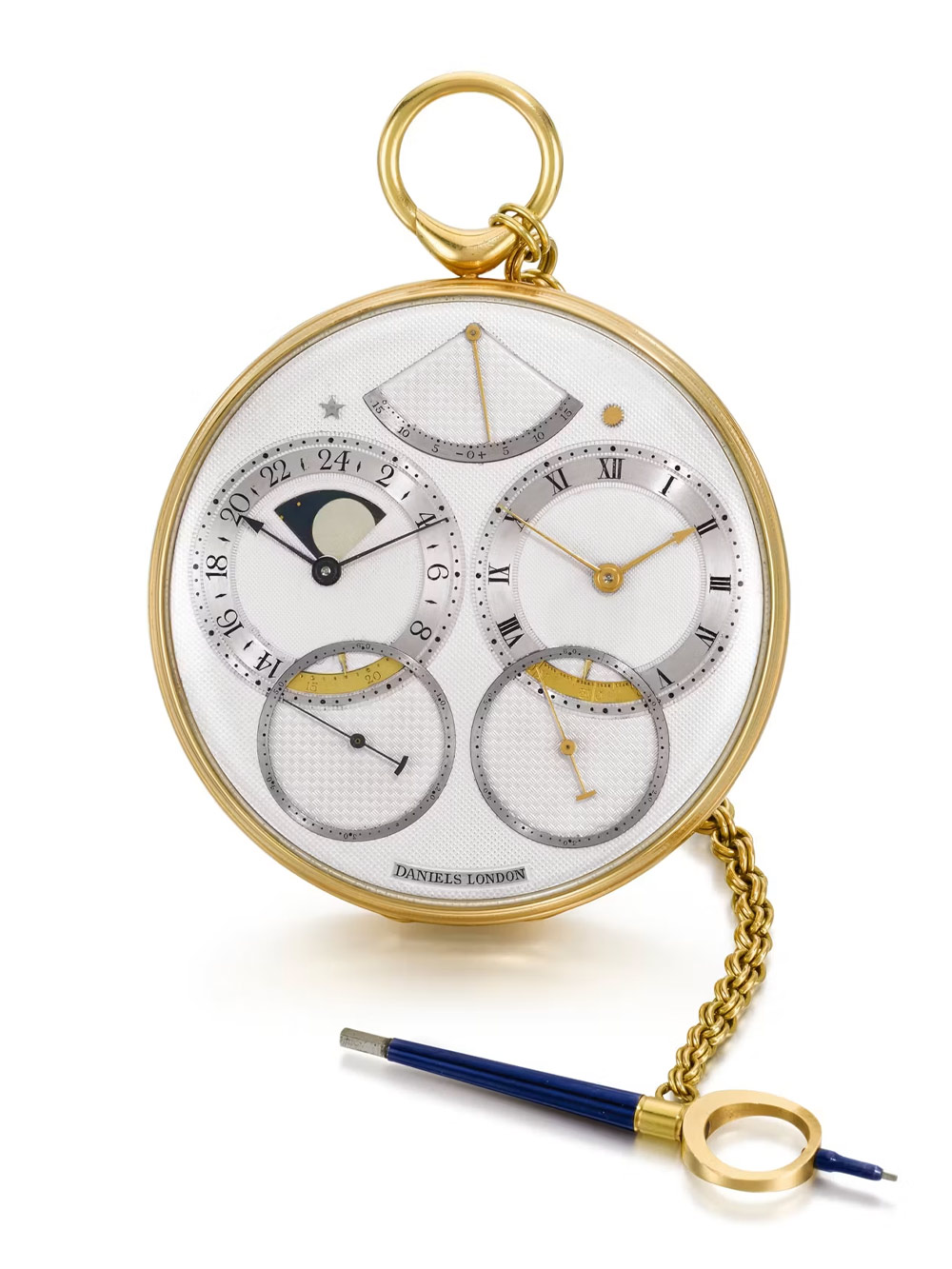
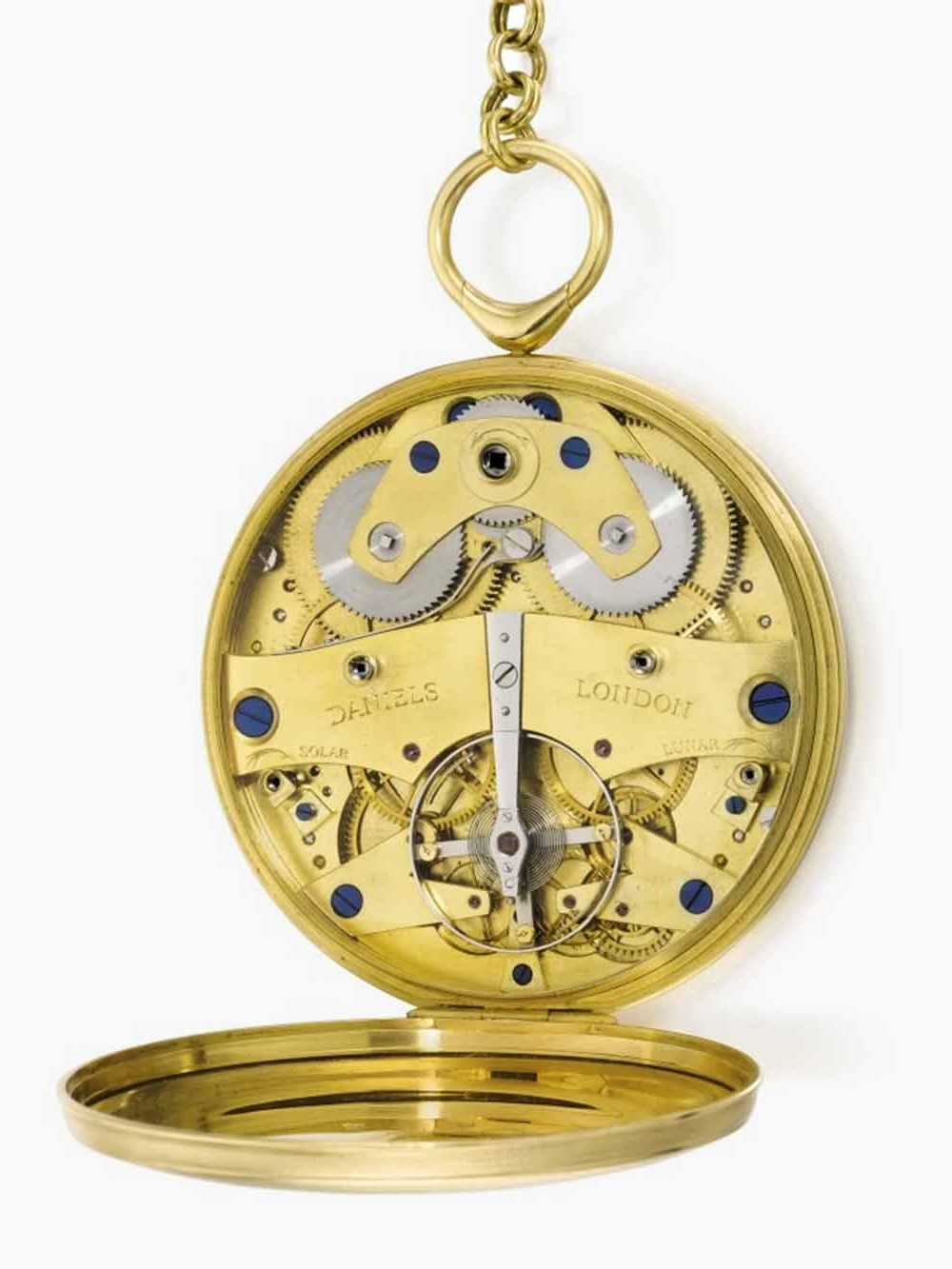
If the other four watches on this list solve sidereal time as a practical problem, George Daniels turned it into art. Made in tribute to the 1969 Moon landing and completed in the early 1980s, the two Space Traveller pocket watches are built around his own independent double-wheel escapement: two separate escape wheels, one with thirteen teeth and one with fourteen, driving a single balance so that mean-solar and sidereal time run simultaneously and independently, alongside a moon-phase display, an annual calendar and the equation of time.
Space Traveller II went further, adding a chronograph that could be switched between solar and sidereal timing with a flick of a lever. Daniels liked to say the watch was the kind you’d need on your package tour to Mars, and that switching the stopwatch to sidereal time would save you three and a half minutes a day on a long-distance phone bill.
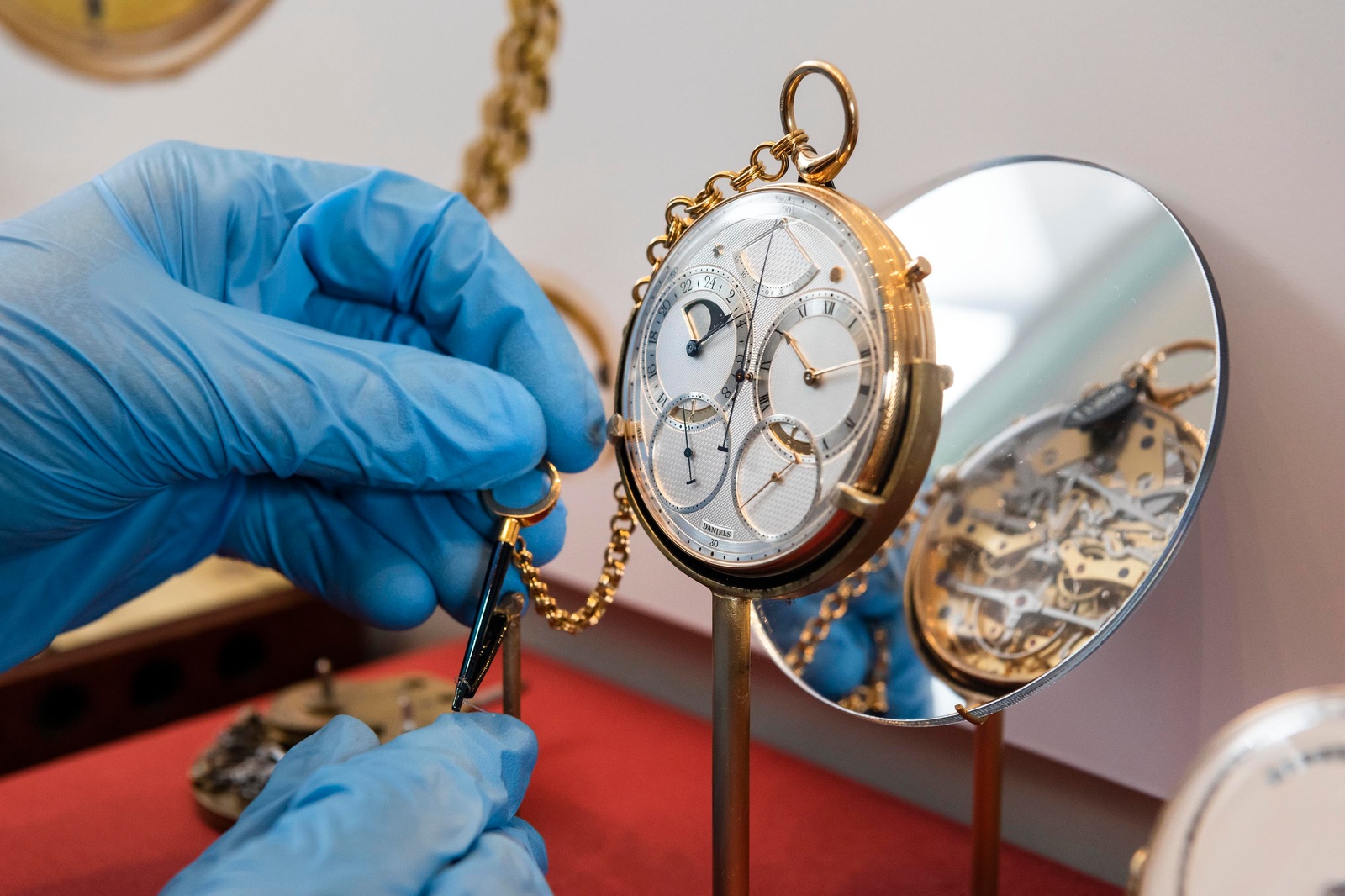
Both watches have since sold at Sotheby’s London for well over £3 million: the Space Traveller II for £3,196,250 in 2017, and the original Space Traveller I for £3,615,000 in 2019, a record for an English watch at the time. Daniels kept the second for himself until his death in 2011.
It’s a neat symmetry: the same esoteric timekeeping that let an eighteenth-century navigator fix their position by starlight is now flying inside a hypersonic missile, just as it once ticked quietly through a wartime cockpit, an artillery survey kit and Daniels’ own waistcoat pocket. Sextant, theodolite or today’s star-tracking cameras, anything that reads its position from the sky still has to keep time the way the stars do, not the way the Sun does.