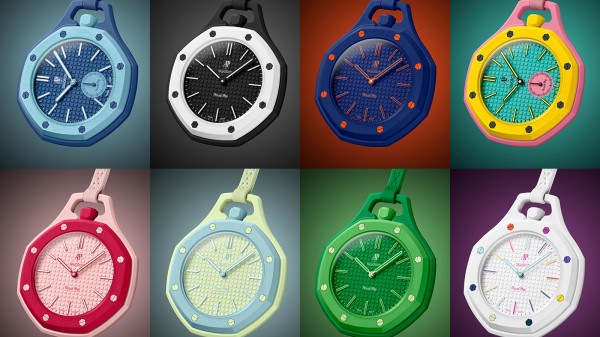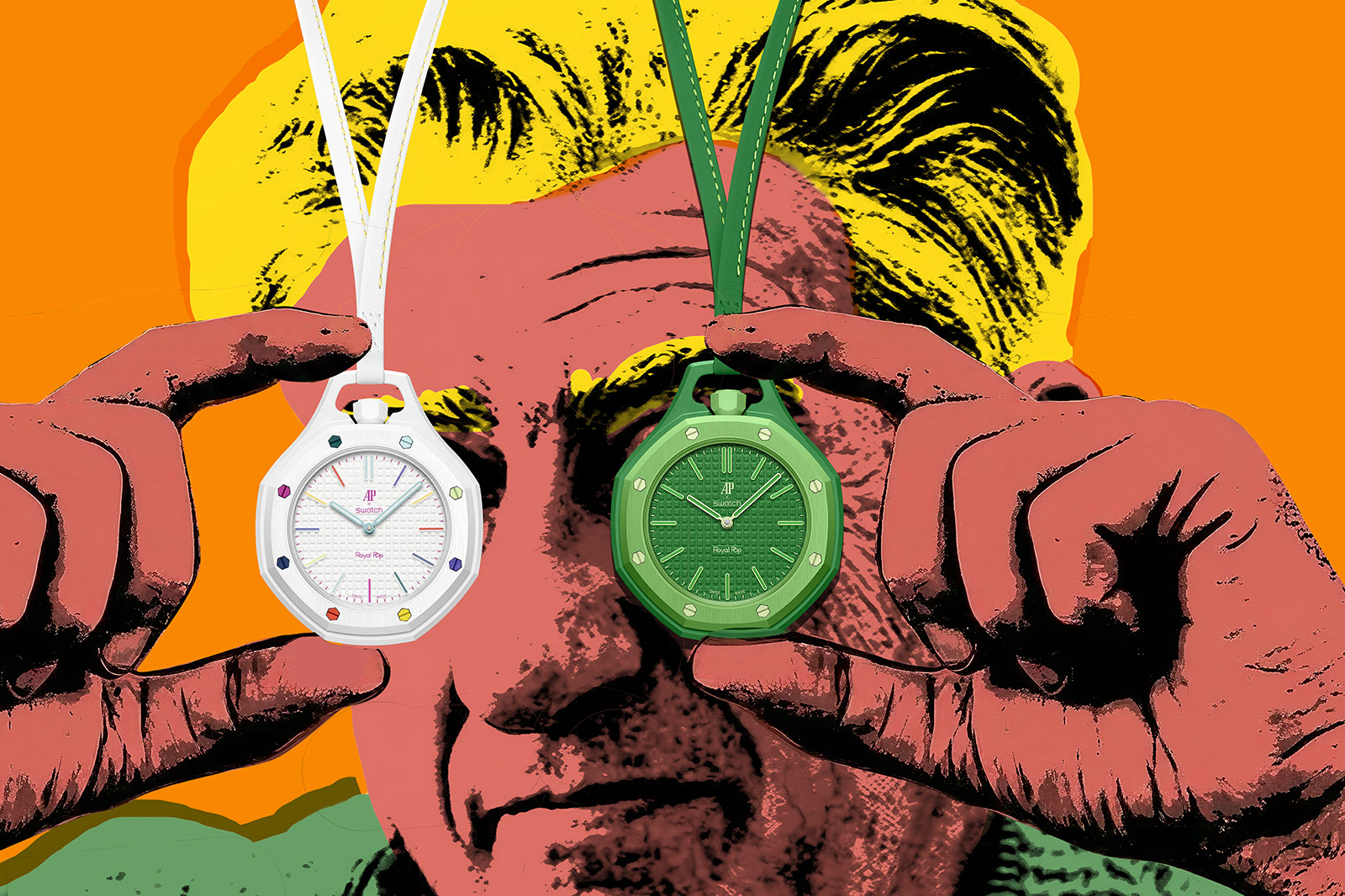
On 16 May of this year, Swatch stores saw queues of hundreds lining up for a chance to get their hands on the Swatch x Audemars Piguet Royal Pop. Technically, those queues had started the day before as collectors and flippers both camped out to get a good spot – which would have put an extra sting in the fact that overcrowding and fighting caused some stores to close. The strangest thing wasn’t necessarily the queues; it’s not the first time this has happened. It was that all this was happening for a pocket watch.
Pocket watches are not making a mainstream comeback — but they are experiencing a collector-level revival, driven by limited luxury releases and high-fashion moments.
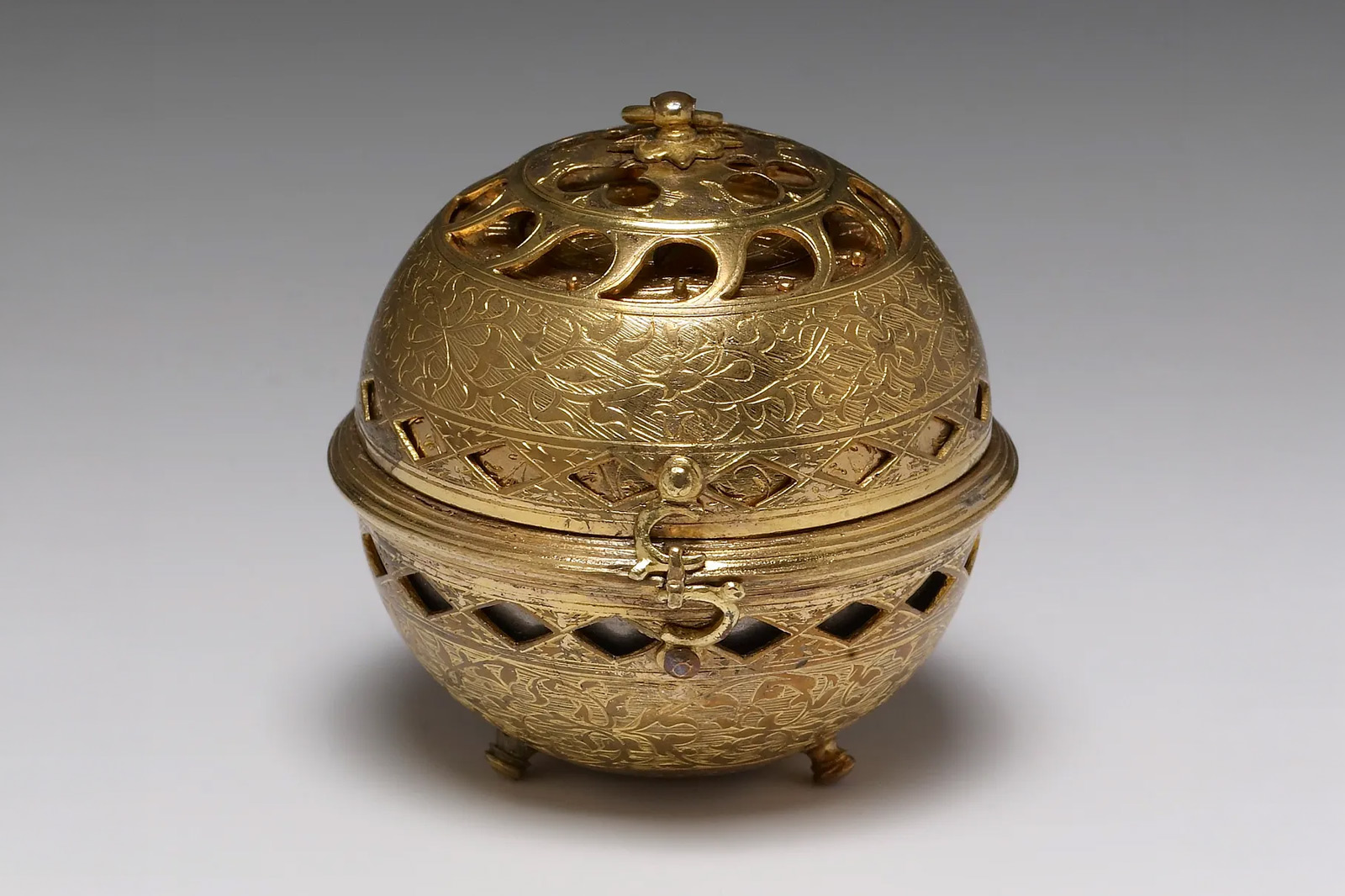
Portable timekeepers – proto-pocket watches – were invented in 1510 and generally attributed to German locksmith Peter Henlein following the invention of the mainspring. They were originally huge, egg-shaped devices worn around the neck. Indeed, as Henlein was from Nuremberg, these early timekeepers were often dubbed ‘Nuremberg eggs.’ They were status symbols exactly 300 years before Abraham-Louis Breguet mounted a timepiece on the delicate wrist of the Queen of Naples.
Pocket watches as we know them today were defined in the 17th century. This is when they became smaller and flatter, able to fit nicely into a vest or jacket pocket. Once the balance spring was invented by Christiaan Huygens in 1675, they also became less of a showpiece and more of a necessity for the punctual dandy – and they remained a necessity right up until the summer of 1914.
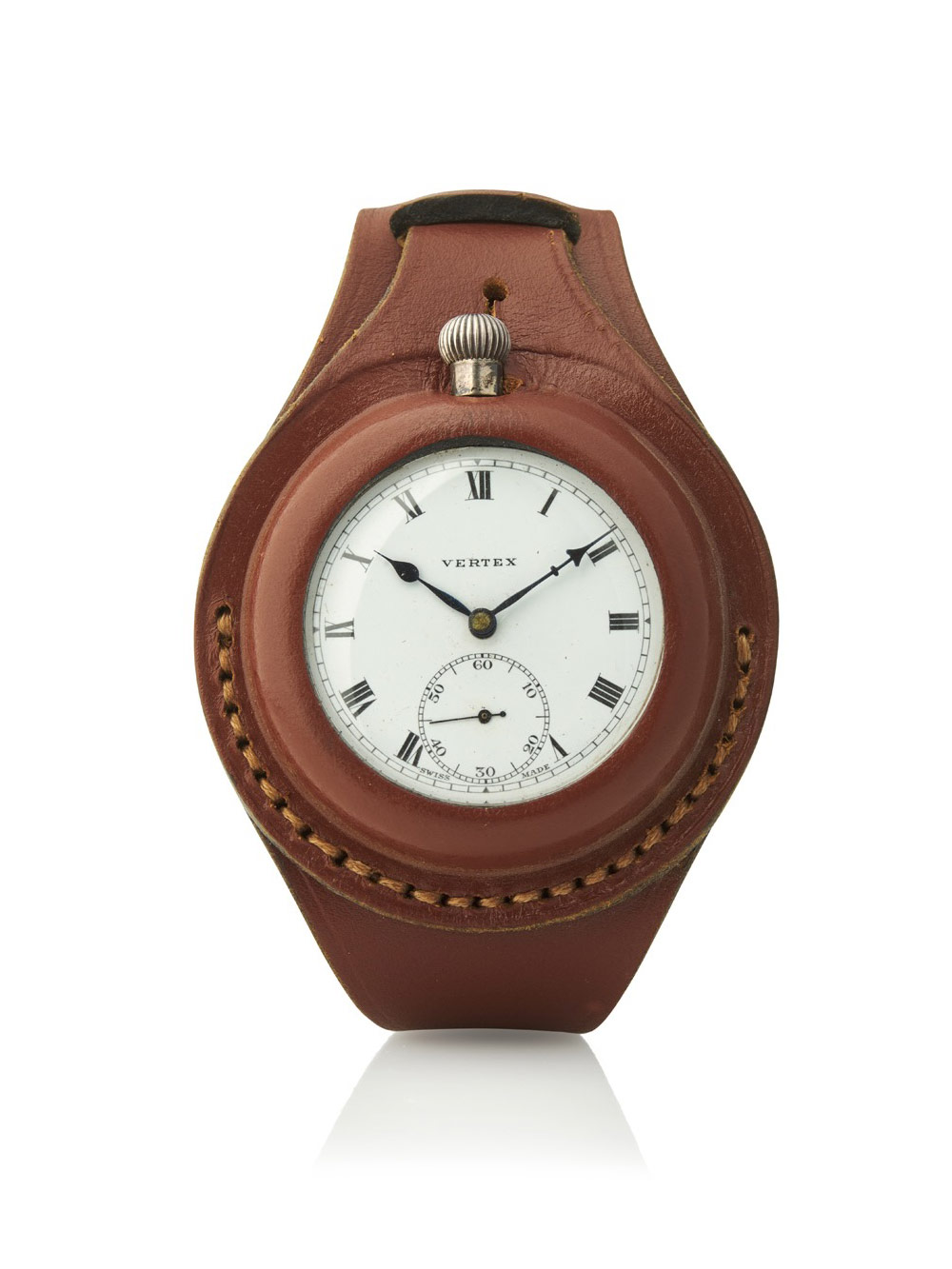
In the trenches of World War 1, it became very obvious that strapping a watch to your wrist was far quicker and safer than fumbling around in your pocket. You could actually check them in combat and watchmakers around the world started producing rugged trench watches for servicemen. Until this point, wristwatches were primarily for women, delicate, dainty jewellery. But this need for genuine tool watches broke that stigma – and with that stigma went the pocket watch.
And yet queues around the block for an accessible, bioceramic riff on the legendary Royal Oak begs the question: are pocket watches back?
Swatch wasn’t the first brand to try their hand at a pocket watch in recent memory. Prior to the Royal Pop, the equally hype-laced Studio Underd0g worked with Christopher Ward for the Alliance 02. This 44mm timepiece combined a Christopher Ward Light-Catcher case with the luminescent gradient dial and suspended numerals of the 02SERIES field watch – and all 100 pieces went almost immediately. And there are plenty more examples out there, too.

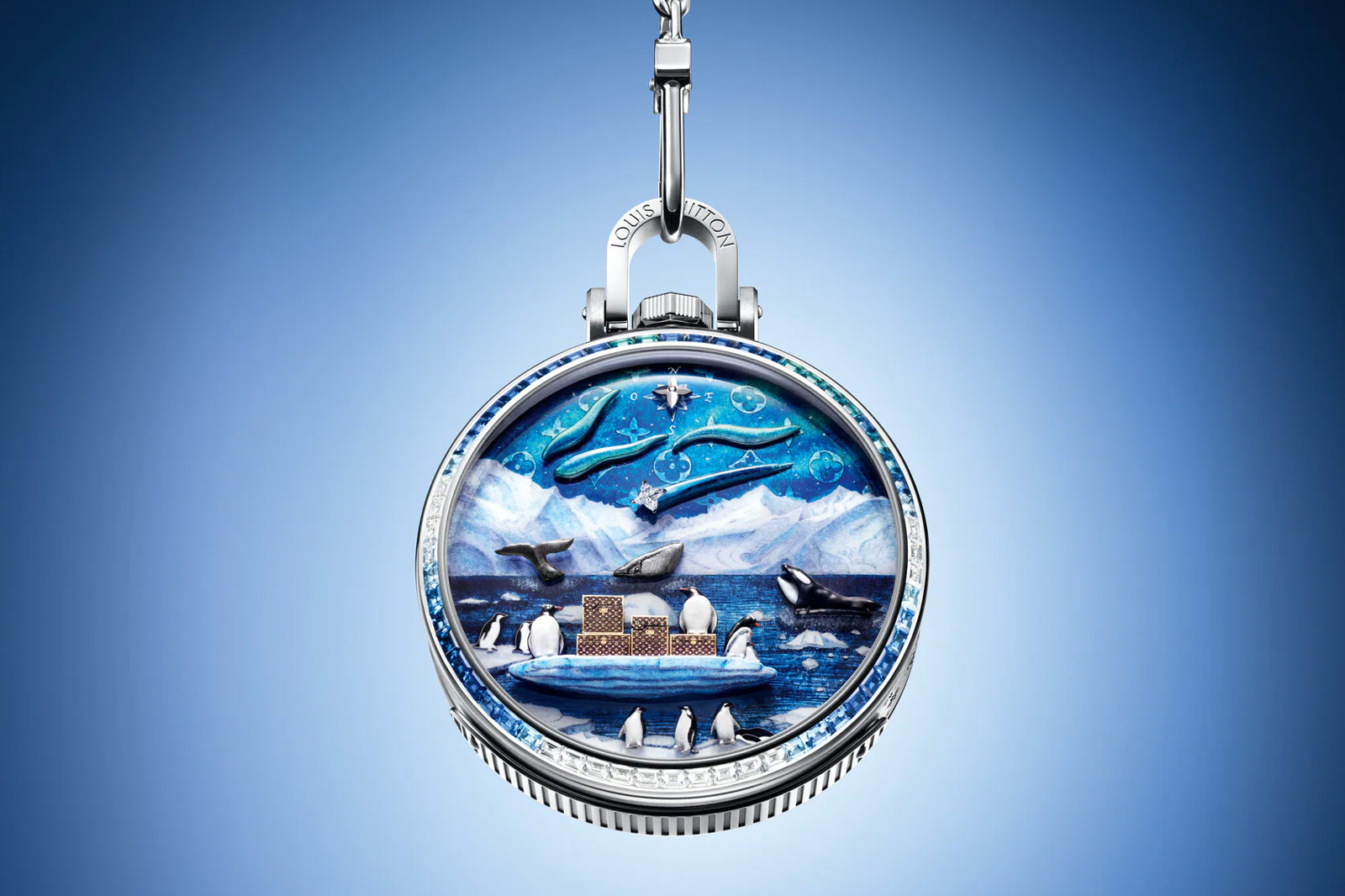
In 2024, Hublot collaborated with Daniel Arsham on the sci-fi-inflected Droplet. Last year, Parmigiani released the La Ravenale minute repeater unique piece for their founder’s birthday. At the opposite aesthetic pole, Chinese independent Fam Al Hut released the Machina Solis, an almost brutalist square timepiece with 24 hours on one side and a star map on the other. Much more recently – and at a much higher price point – this July Louis Vuitton released the latest in their globe-trotting series of Escale pocket watches, this one a tribute to Alaska.
Even if you look outside the horological release slate, pocket watches, especially vintage pocket watches, have been making their presence felt on the style front. Pocket watches are a staple for anyone aping the Peaky Blinders vintage look or with a penchant for three-piece suits in period cuts. Just look at 2025’s MET Gala, where the celebrity world really embraced the pocket watch. Senegalese/Italian influencer Khaby Lame pinned 20 of them to his waistcoat yes, but with less peacocking, Wednesday actress Jenna Ortega wore a vintage Heuer pocket watch chronograph, and singer songwriter Leon Bridges was rocking an Urban Jürgensen tourbillon.
In short, if you were to look through a high fashion mag or a photo story from a celebrity-laden event, you might well assume that yes, after a century of redundancy, pocket watches are back. But this is an instance where perception and reality don’t quite meet eye-to-eye.
Take a look back through that list of recent pocket watch launches. It’s not exhaustive by any stretch but it still feels like there are a lot of chained timepieces coming out. Now compare that to wristwatch releases and it becomes obvious that there’s less a flurry of pocket watches and more the occasional novel showpiece. Indeed, other than the Royal Pop, we’re invariably discussing small, limited editions and usually very expensive ones, aimed at serious collectors rather than the general public.
The same goes with how they’re worn. The MET Gala isn’t how normal people dress; it’s spectacle. And while some men’s styles embody the kind of vintage feel that warrants a pocket watch, it’s more common to see a 1920s silhouette or a waistcoat rather than the full Tommy Shelby. The fact is that you just don’t see people wearing them on the street.
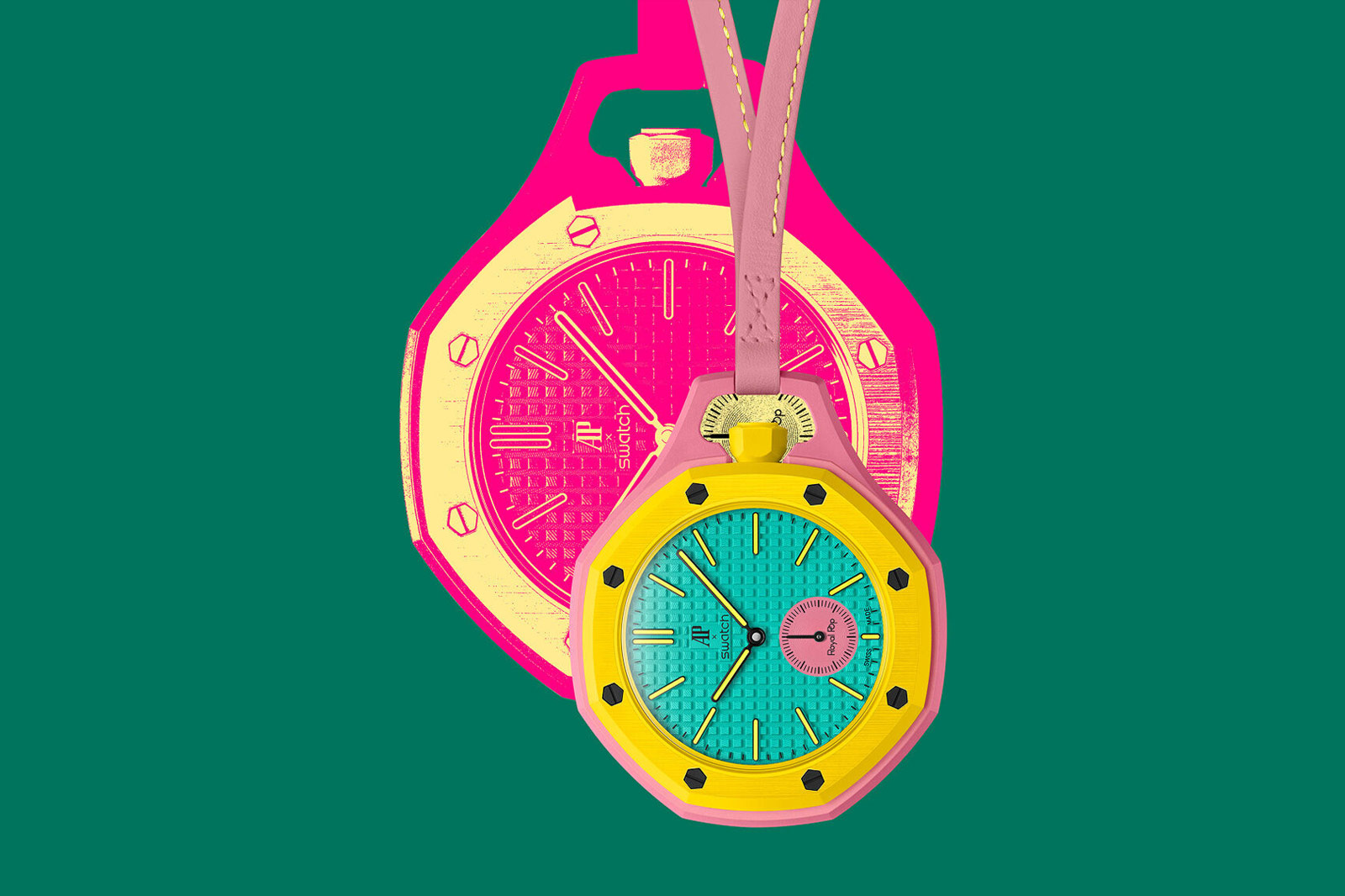
Pocket watches are big. They’re awkward. They only really work with certain clothes. And while the Royal Pop is billing itself as a versatile watch-come-bag charm, it still has all the same issues that made pocket watches unfit for war. A wristwatch is simply easier to wear and easier to read.
That’s not to say there aren’t great pocket watches out there. Even before this current clutch of timepieces, Patek Philippe have been building theirs since Queen Victoria was on the throne and are still going strong. Breguet and Vacheron occasionally release a historically inspired model or two and at the more accessible end, the Tissot Savonnette is as popular as it’s ever been.
But to say that pocket watches are back simply isn’t true. Are they having a renaissance? Through a certain lens and to a certain type of collector, that could be argued – but a very limited one. The bottom line is that pocket watches are not making a genuine comeback.
Frequently Asked Questions
Are pocket watches making a comeback?
Not in any mainstream sense. While limited editions from Swatch, Hublot, and Louis Vuitton have generated collector interest in 2025–2026, pocket watch releases remain a fraction of total watch output. The trend is real at the margins; a full comeback is not.
Why did pocket watches go out of style?
Wristwatches replaced pocket watches during World War I, when soldiers needed to check the time quickly and safely in the trenches. Pocket watches required two hands and fumbling in pockets — a liability in combat. Wristwatches solved this, and the pocket watch never recovered its everyday utility.
What is the difference between a Savonnette and a Lépine pocket watch?
Pocket watches can be divided into two distinct types. A Savonnette (hunter case) has a dial protected by a spring-loaded metal cover, operable via a button in the crown. The crown sits at three o’clock, with the small seconds at six o’clock, 90 degrees from the crown. It offers better protection against scratches but can be awkward for a quick read. A Lépine is open-faced with no protective cover. The crown is at 12 o’clock and the subdial sits at six o’clock, directly opposite. While the crystal is more exposed to scratches in a pocket, it makes for a quicker, easier read at a glance.
What pocket watches were at the MET Gala 2025?
Notable pocket watches at the 2025 MET Gala included a vintage Heuer chronograph worn by Jenna Ortega and an Urban Jürgensen tourbillon carried by Leon Bridges. Khaby Lame wore 20 pocket watches pinned to his waistcoat.