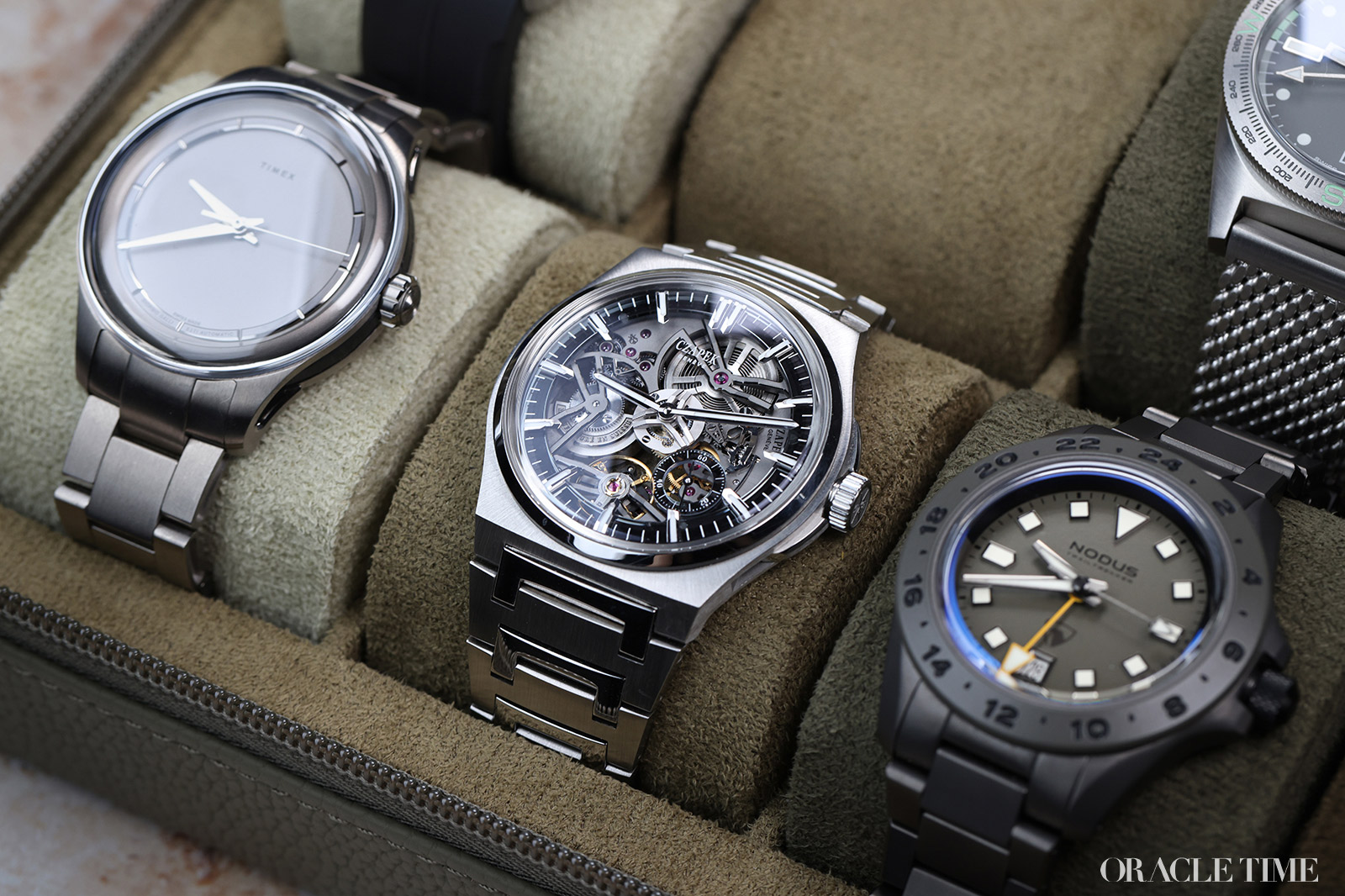
Case material has become one of the clearest indicators of shifting taste in the pre-owned watch market, reflecting a balance between durability, innovation, and long-term value. Pre-owned watch specialist Watchfinder & Co. has analysed sales data to uncover which materials dominate the market, how newer alternatives like titanium and ceramic are performing, and where traditional precious metals still hold influence. We also explore data from Chrono24, Everywatch and Watch Charts to see which watches are performing at the top of their material category.
What Does Market Data Say?
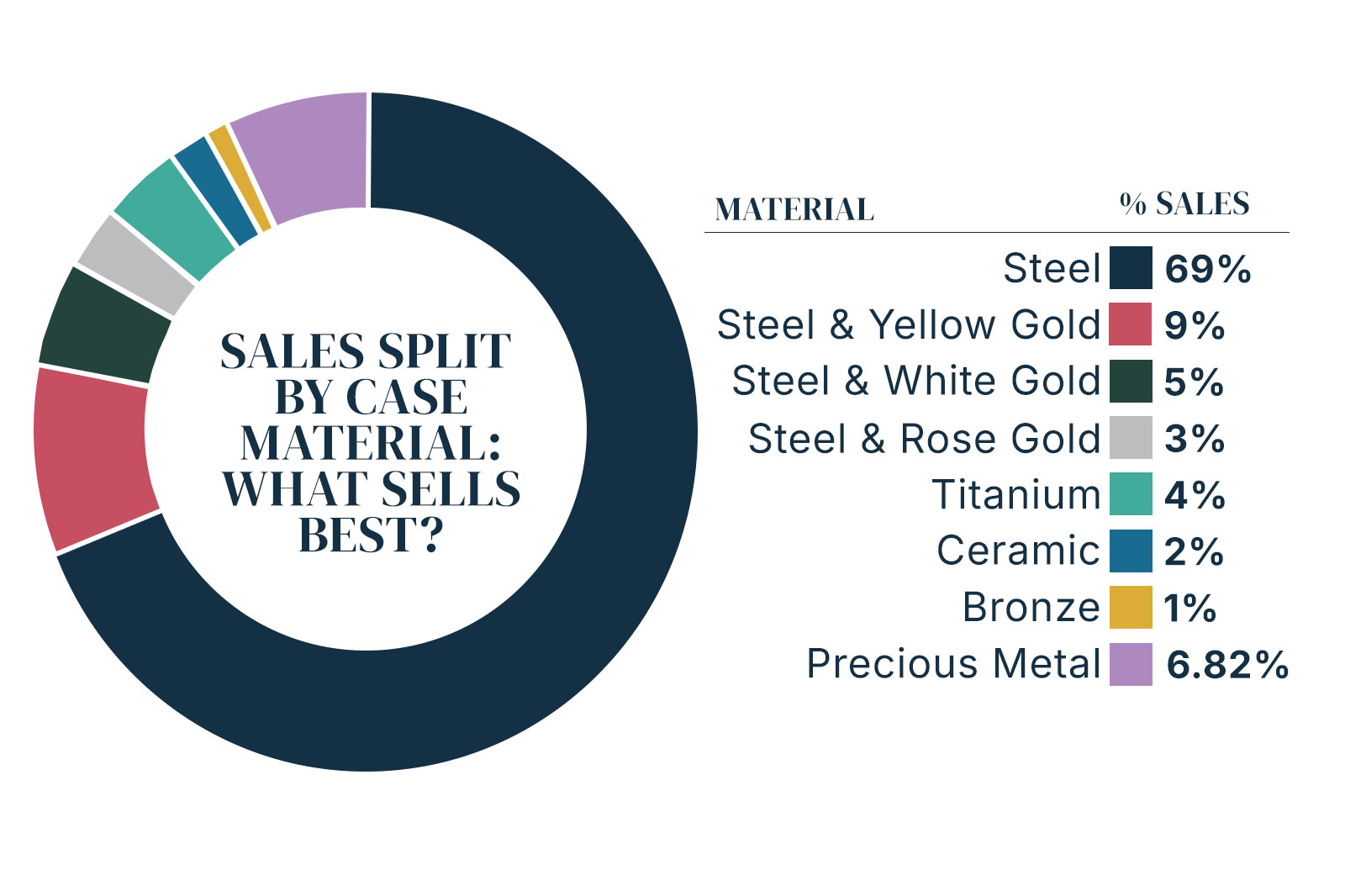
The headline figure here is the comparative market share of various wristwatch case materials over the past year. Steel 69%, steel & yellow gold 9%, steel & white gold 5%, steel & rose gold 3%, titanium 4%, ceramic 2%, bronze 1%, precious metal (rose gold, yellow gold, white gold, platinum) 6.82%. Steel and its various bi-metallic variants are responsible for 86% of watch sales, showing that by volume it remains the dominant watch material, a status it has maintained for over 10 years.
By comparison, precious metals are such a low volume of sales individually that the Watchfinder & Co. report groups rose gold, yellow gold, white gold, platinum into a single statistic. However, it’s important to note that while extremely expensive precious metal watches are sold less often, they have an outsized impact on the watch market because of how much value each individual watch represents – in both pre-owned and export sales.
According to the Morgan Stanley x Luxe Consult Annual Watch Report, watches above CHF 50,000 accounted for 37% of export value in 2025 and 89% of growth despite being only 1.4% of volume. A phenomenon known as premiumisation. Although it’s important to note that case material is only part of the story when it comes to the cost of a watch as brand, movement and complications all have a part to play as well.
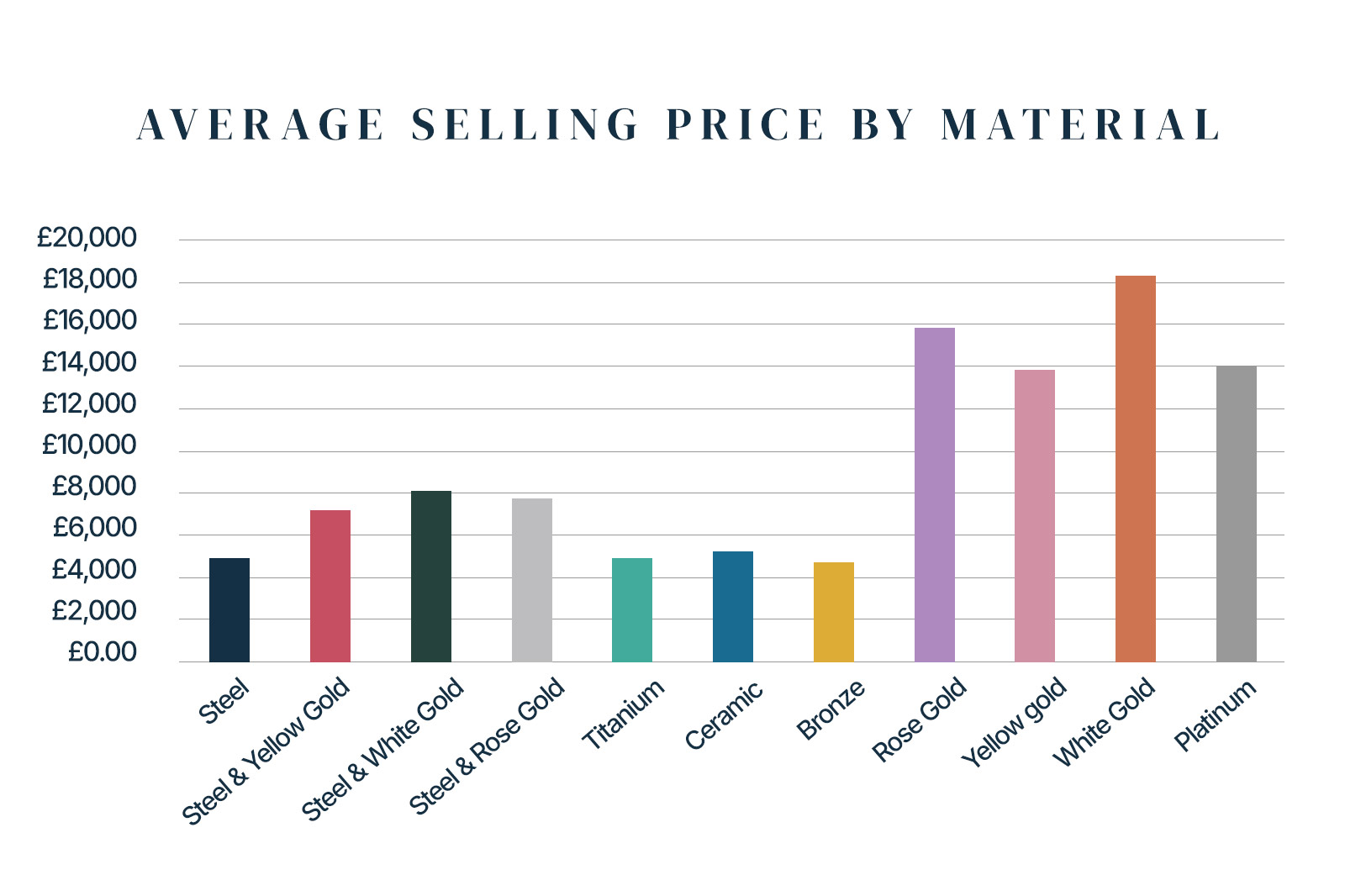
Watchfinder & Co. find that white gold has the highest average selling price of any material across the past year at approximately £18,200. Rose gold follows and platinum is third at approx. £14,000 despite being regarded as more prestigious than its golden counterparts. Steel, titanium and bronze are actually comparable as the most affordable average sale price at approx. £4,800.
Best Selling Watches by Material of the Past Year:
Data from Watchfinder & Co., Everywatch, Chrono24 and Watch Charts.
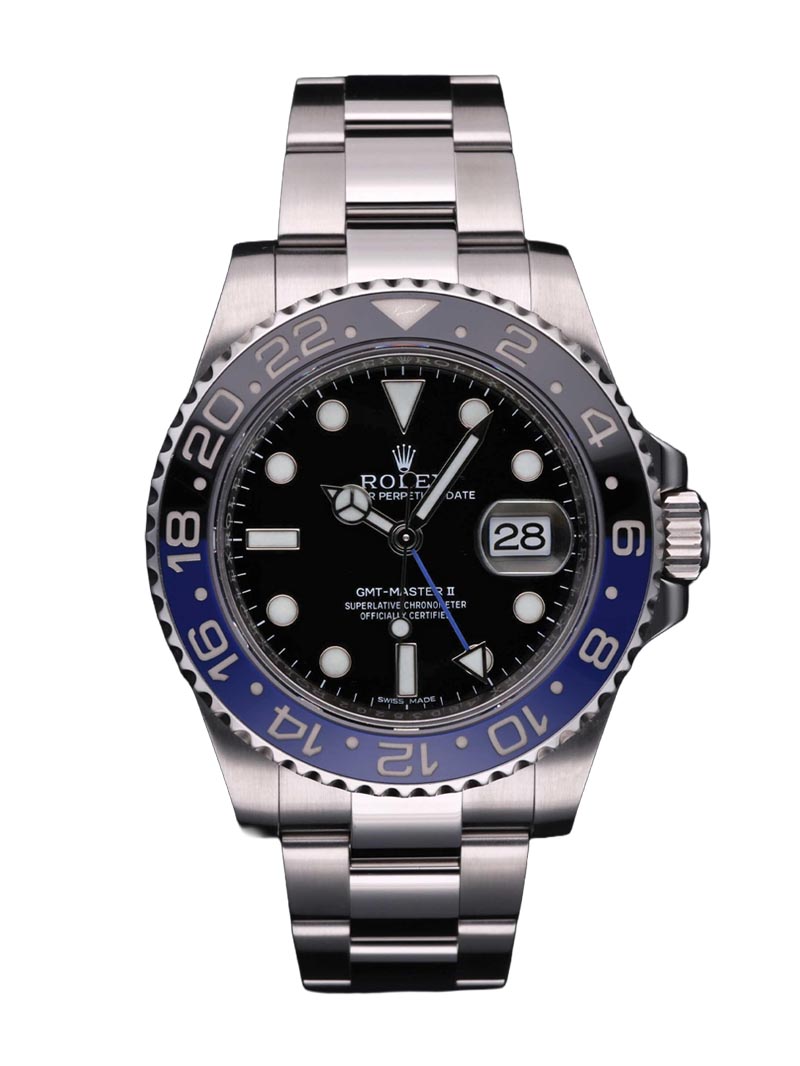
Steel
- Rolex GMT-Master II ‘Batman/Batgirl’
126710BLNR - Omega Speedmaster Professional Moonwatch
310.30.42.50.01.002 - Patek Philippe Nautilus
5712/1A-001
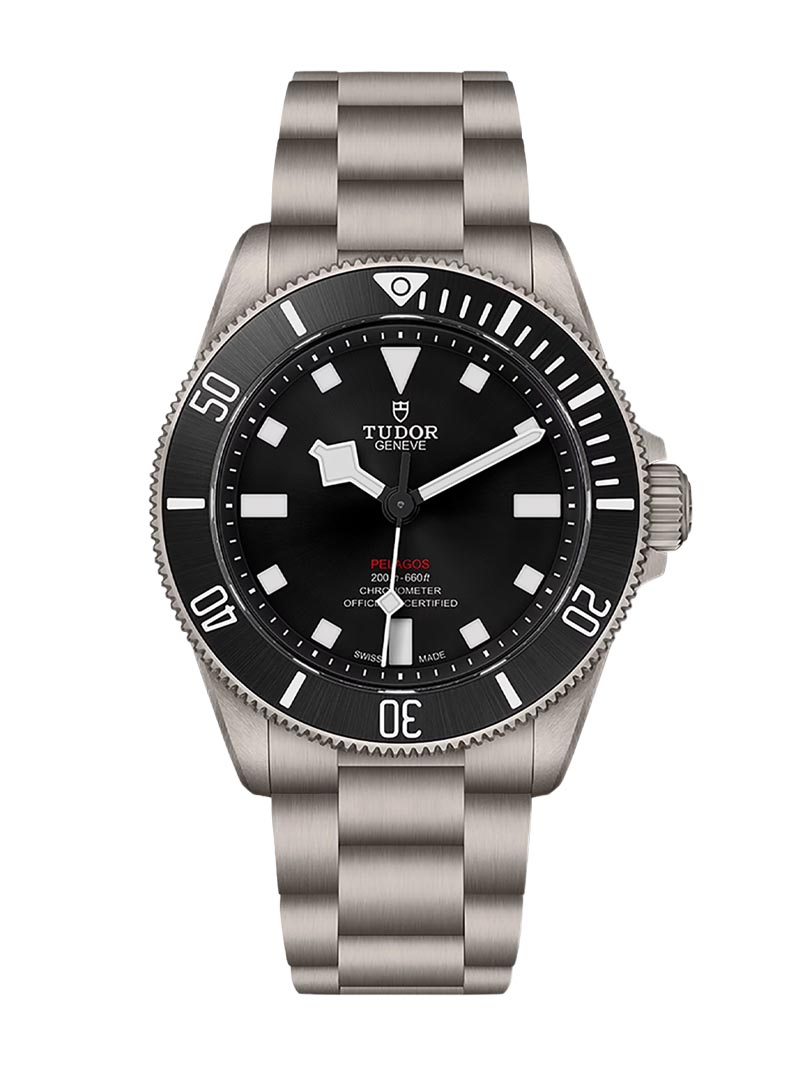
Titanium
- Tudor Pelagos
M25407N-0001 - Omega Seamaster Diver 300M 007 No Time to Die
210.90.42.20.01.001 - Hublot Classic Fusion
542.NX.1171.RX
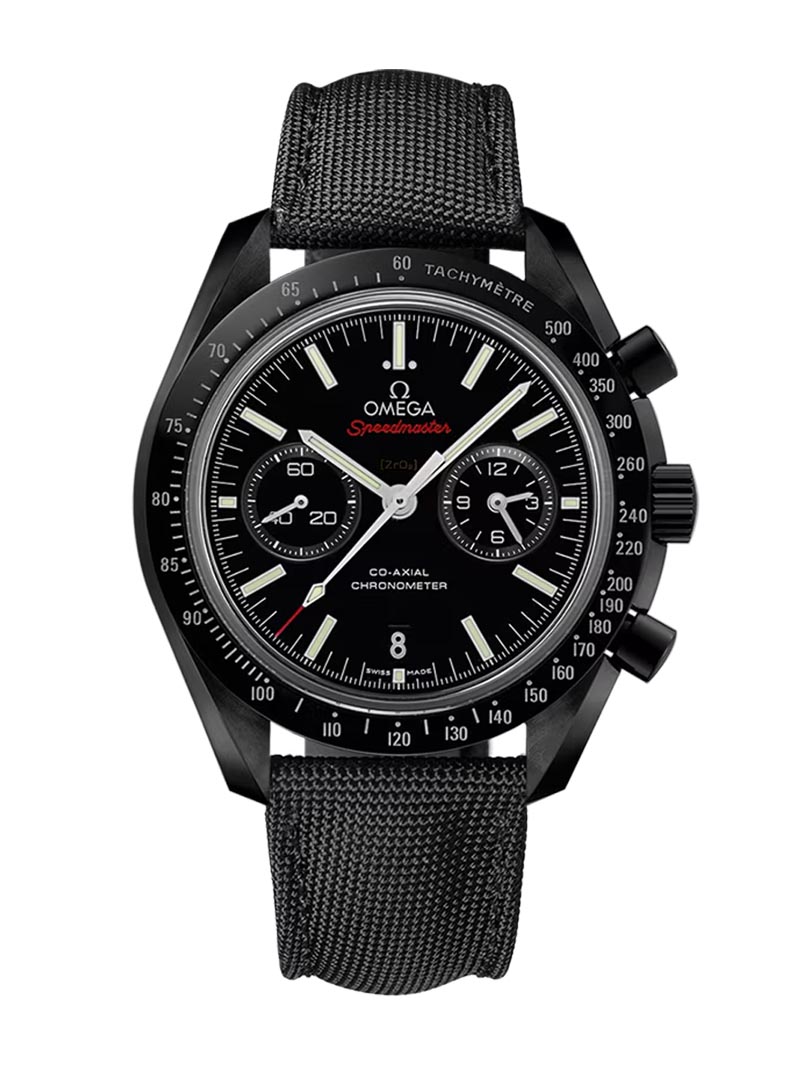
Ceramic
- Omega Speedmaster Dark Side of the Moon 311.92.44.51.01.003
- IWC Pilot’s Watch Chronograph Top Gun IW378901
- Chanel J12
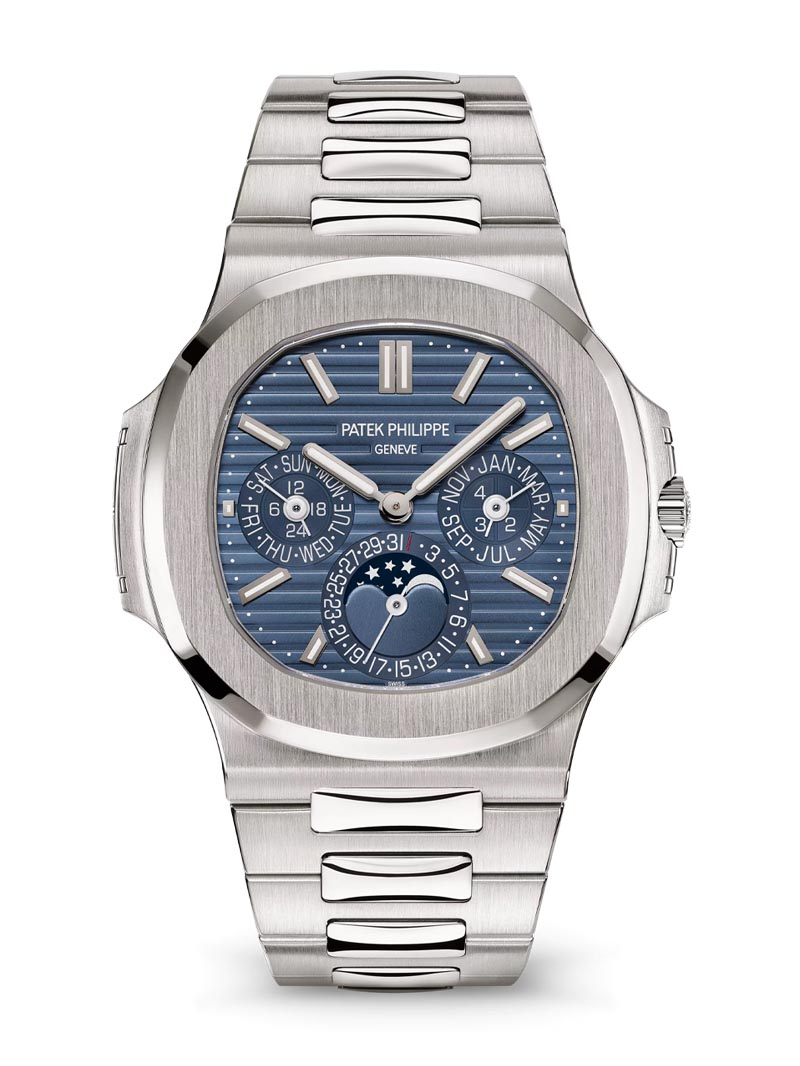
Precious Metals
- Patek Nautilus Perpetual Calendar
5740/1G-001 - Patek Nautilus Chronograph
5980/1R-001 - Rolex Daytona
116506-0001


Does the public get what the public wants or does the public want what the public gets?
While stainless is great, I’d love if there were more options in Ti.
It would be interesting if every model of every watch was available in all the materials listed above. Practical for manufacturers? No. Yet it would tell us what folks really prefer.