The TAG Heuer Formula 1 Solargraph 38mm is back in a bolder mood, with a new limited edition marking the final Dutch Grand Prix at Zandvoort on 21-23 August. After April’s pastels, it turns vivid orange – and that’s no accident.
Zandvoort’s grandstands and dunes belong to Max Verstappen’s Orange Army, dressed, inevitably, in orange – and they have turned out in force every year since the race returned in 2021, win or not. Tying a limited edition to that is an easy win, few motorsport crowds are as recognisable as the Dutch. It is also the last chance to do it: the Dutch Grand Prix ends after 2026, with a sprint weekend to finish. TAG has made a habit of race-tied editions, but Zandvoort is the one that won’t come round again.
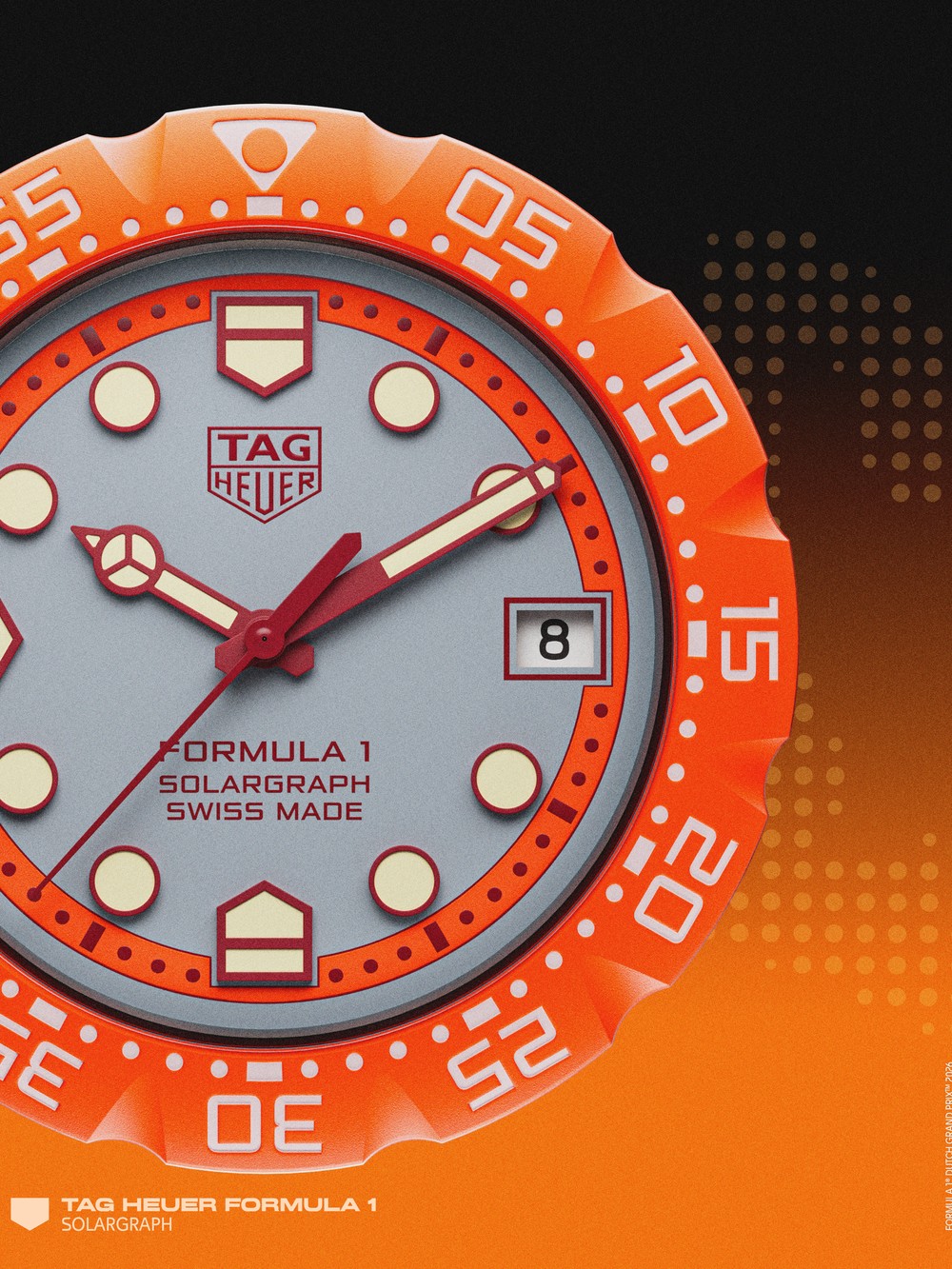
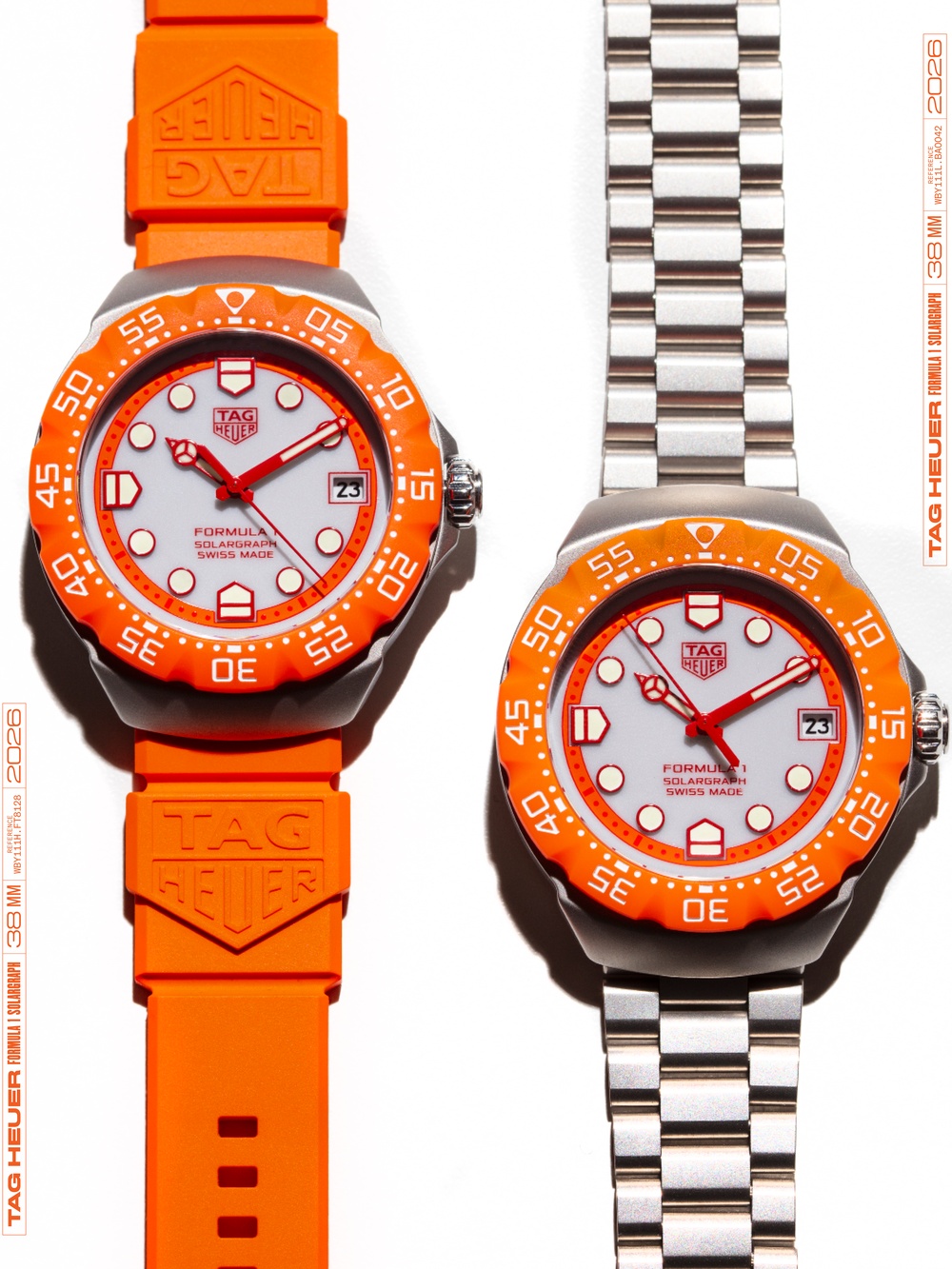
It works on looks alone, too. After April’s pastel series – nice, but a little soft for some – it’s good to see a bolder, sportier colourway back in the collection. Unlike the pastel rubber models, which went fully tonal across dial, bezel and strap, this one sets its orange against a neutral grey opaline dial – and looks cleaner for it, with an orange-and-red minute track, matching red lacquered hands and indexes that are filled with eggshell Super-LumiNova. The signature TAG Heuer shields at 6, 9 and 12 and the date at 3 complete a clean, familiar layout.
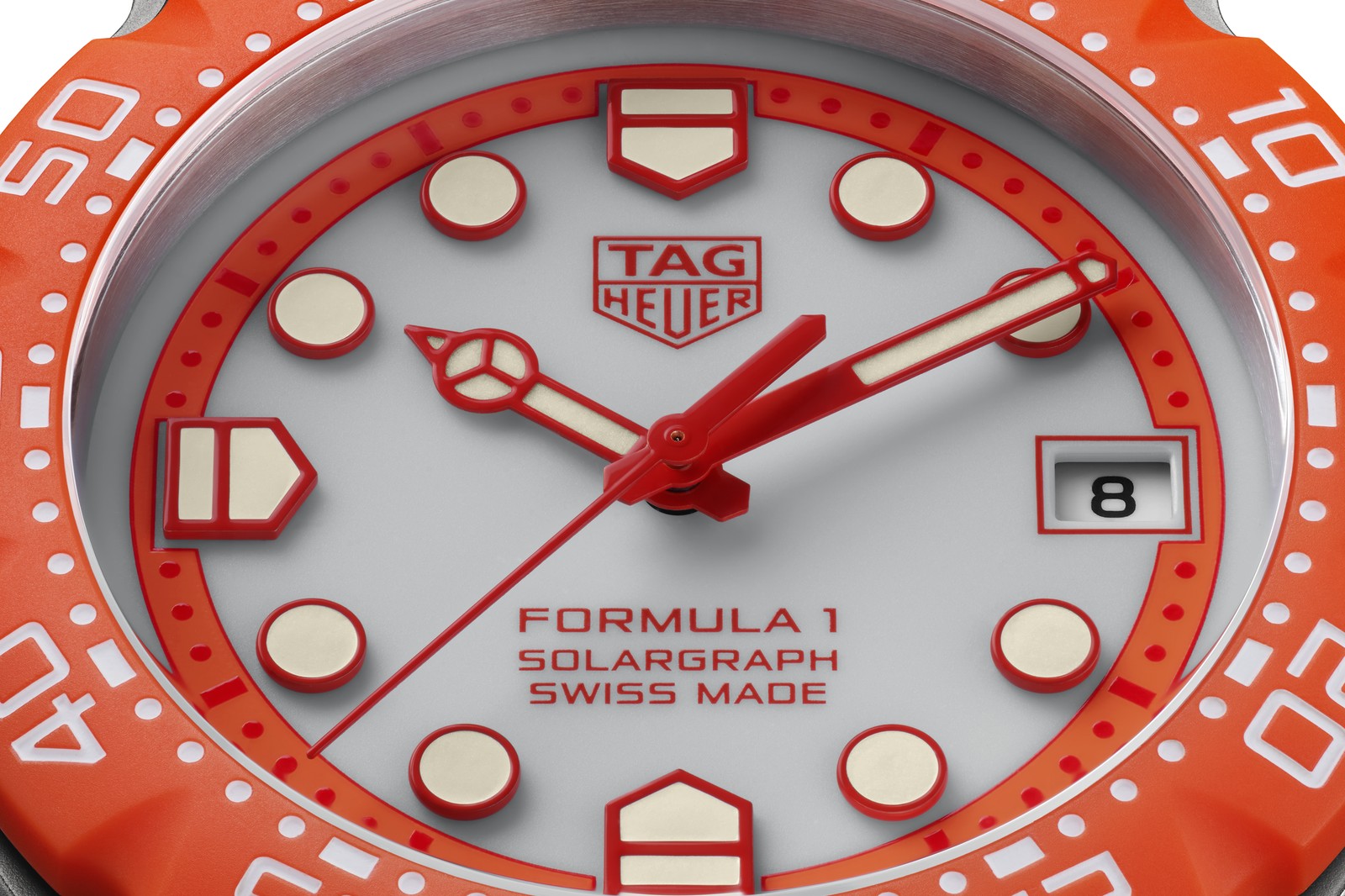
The 38mm case is where the heritage shows. The Formula 1 was the first watch made under the TAG Heuer name, back in 1986, and this compact case draws inspiration from that original. It’s sandblasted steel, encircled by a bidirectional bezel carrying the collection’s signature daisy shape in lightweight, hard-wearing TH-Polylight. A flat, anti-reflective sapphire crystal, a screw-down steel caseback and 100m of water resistance keep it wearable day to day.
Inside the case, the Formula 1 Solargraph 38mm Orange runs on TAG Heuer’s Solargraph movement, the Calibre TH50-00, powered by light – natural or artificial. One minute of direct sunlight gives a full day of power, and a complete charge, reached in under 40 hours of light, keeps it running for up to ten months in the dark. If it stops, ten seconds of light restarts it, and the accumulator is rated to last up to fifteen years.
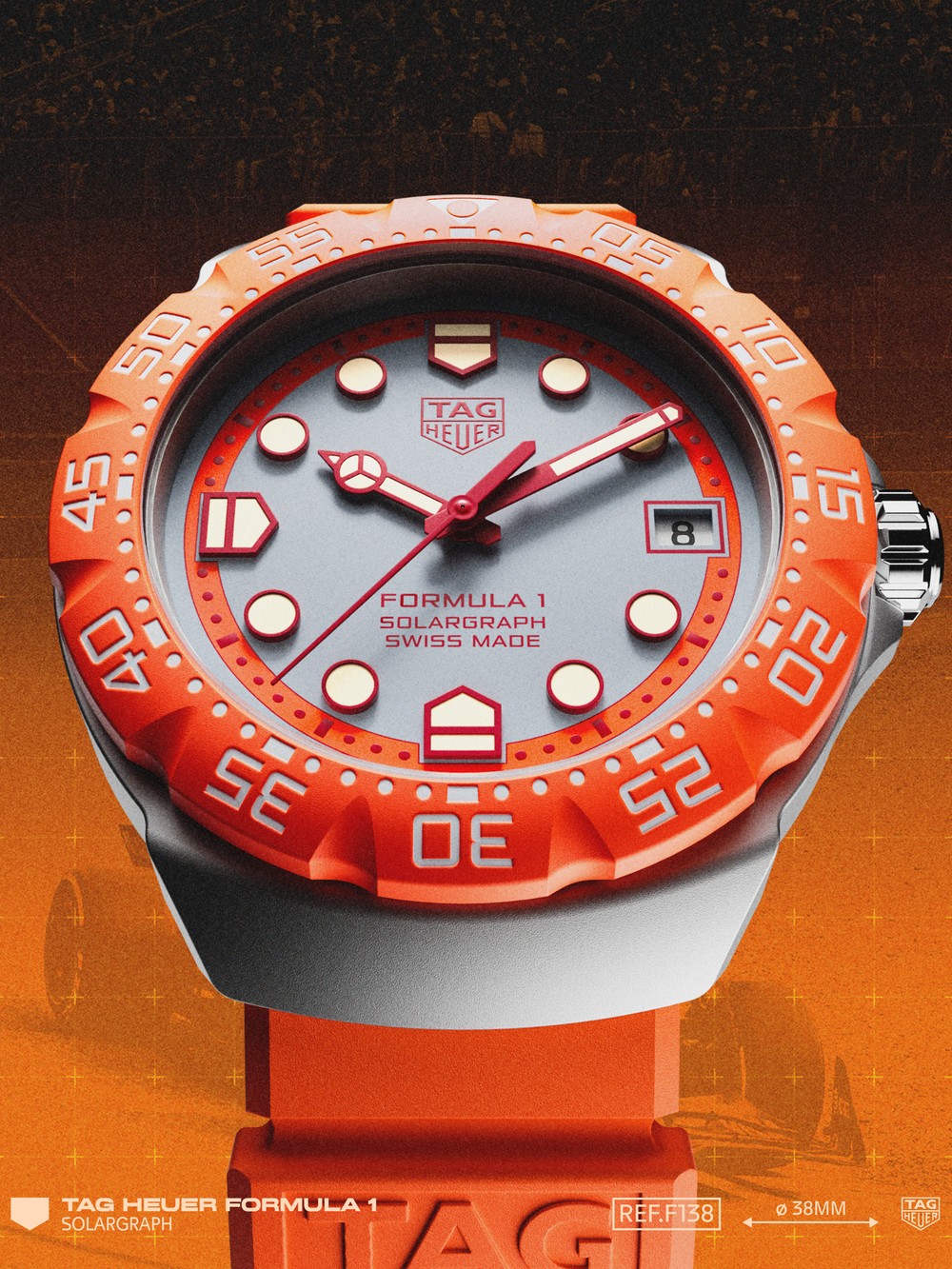
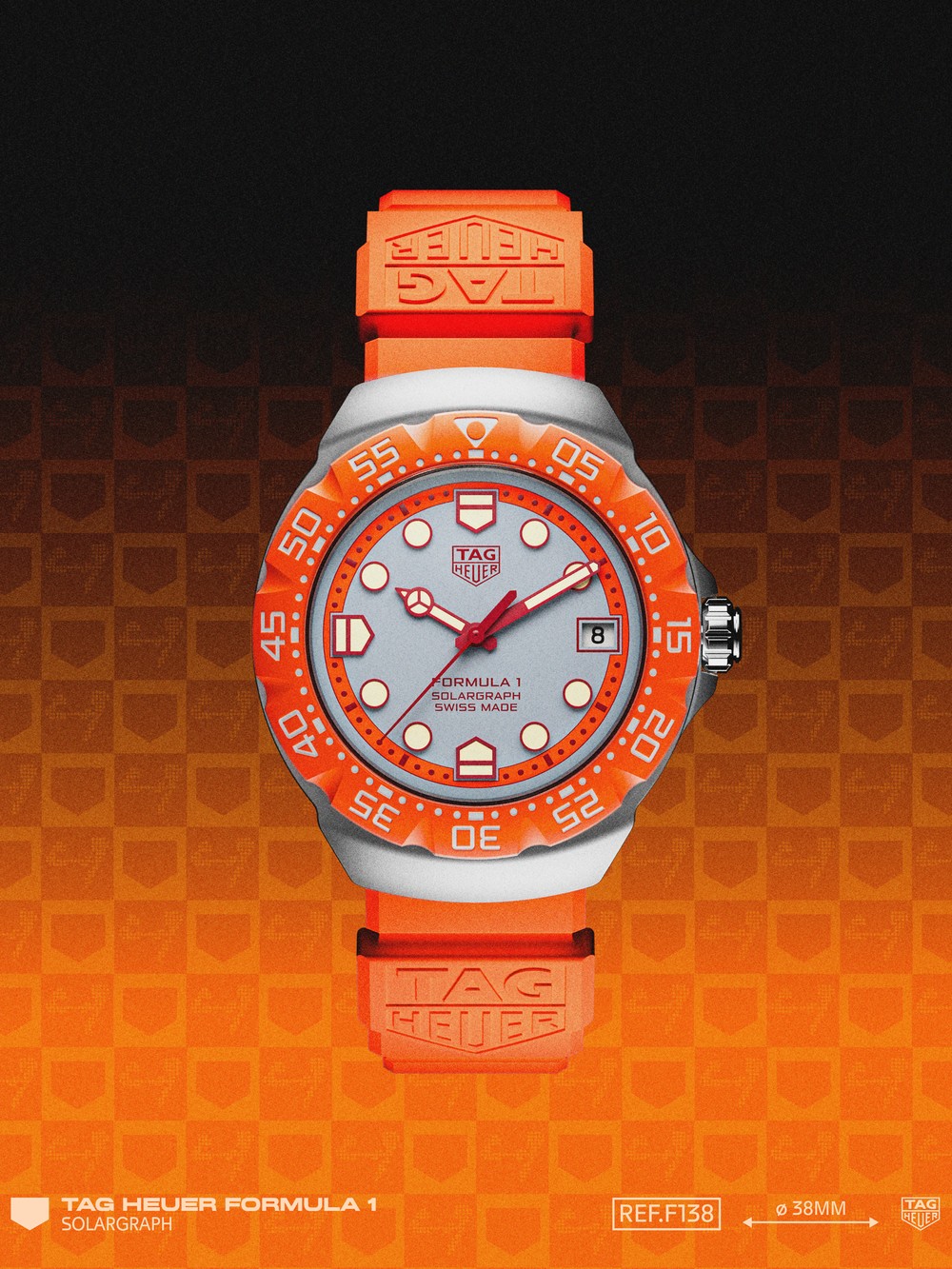
It’s available on two different strap options. The rubber version, ref. WBY111H.FT8128, comes on orange rubber with a steel pin buckle, limited to 1,500 pieces. The bracelet version, ref. WBY111L.BA0042, is an online exclusive limited to 1,000 pieces, on a sandblasted steel three-link bracelet with a folding clasp and double safety push-buttons.
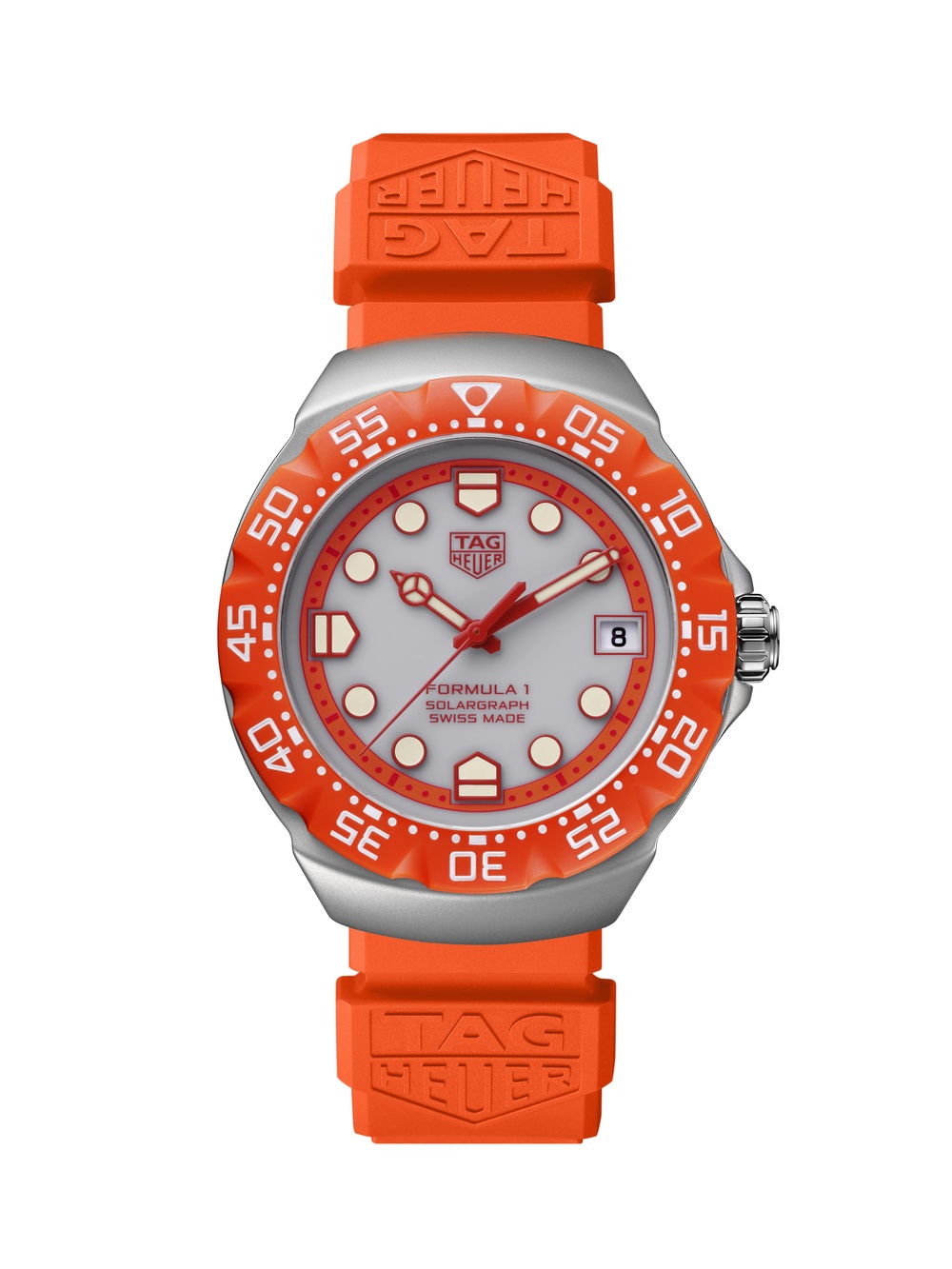
The rubber edition lands at £1,800 and the steel bracelet at £1,900, both on sale from August 2026 – up on the pastels’ £1,650 rubber, but under that collection’s £2,350 steel version. The Solargraph movement and TH-Polylight bezel count for something, but with the wider F1 Solargraph range now nudging two grand for what is, at heart, a solar-quartz watch, TAG is again testing just how much heritage and official Formula 1 timekeeper status the market will pay for.
Price and Specs:
More details at TAG Heuer.