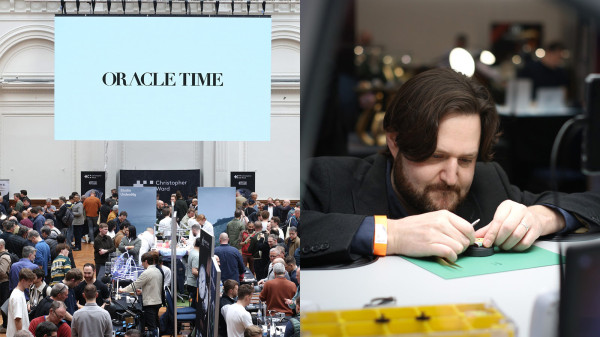
Walk into a British watch workshop today and you will find something remarkable. Benches are busy. Independent brands are flourishing. New collectors are participating in record numbers. Training schools report that every graduate is finding employment, and events such as Hands on Horology and British Watchmakers’ Day sell out almost immediately.
Companies like Studio Underd0g are investing in British manufacturing, while a new generation of entrepreneurs is rediscovering the appeal of making watches in Britain.
Studio Underd0g’s move into assembling their watches in Britain was made possible with their acquisition of long-time partner Horologium. This allowed them to open a fully functional assembly operation, appropriately named The D0ghouse in Maidenhead and is now recruiting and training watchmakers.
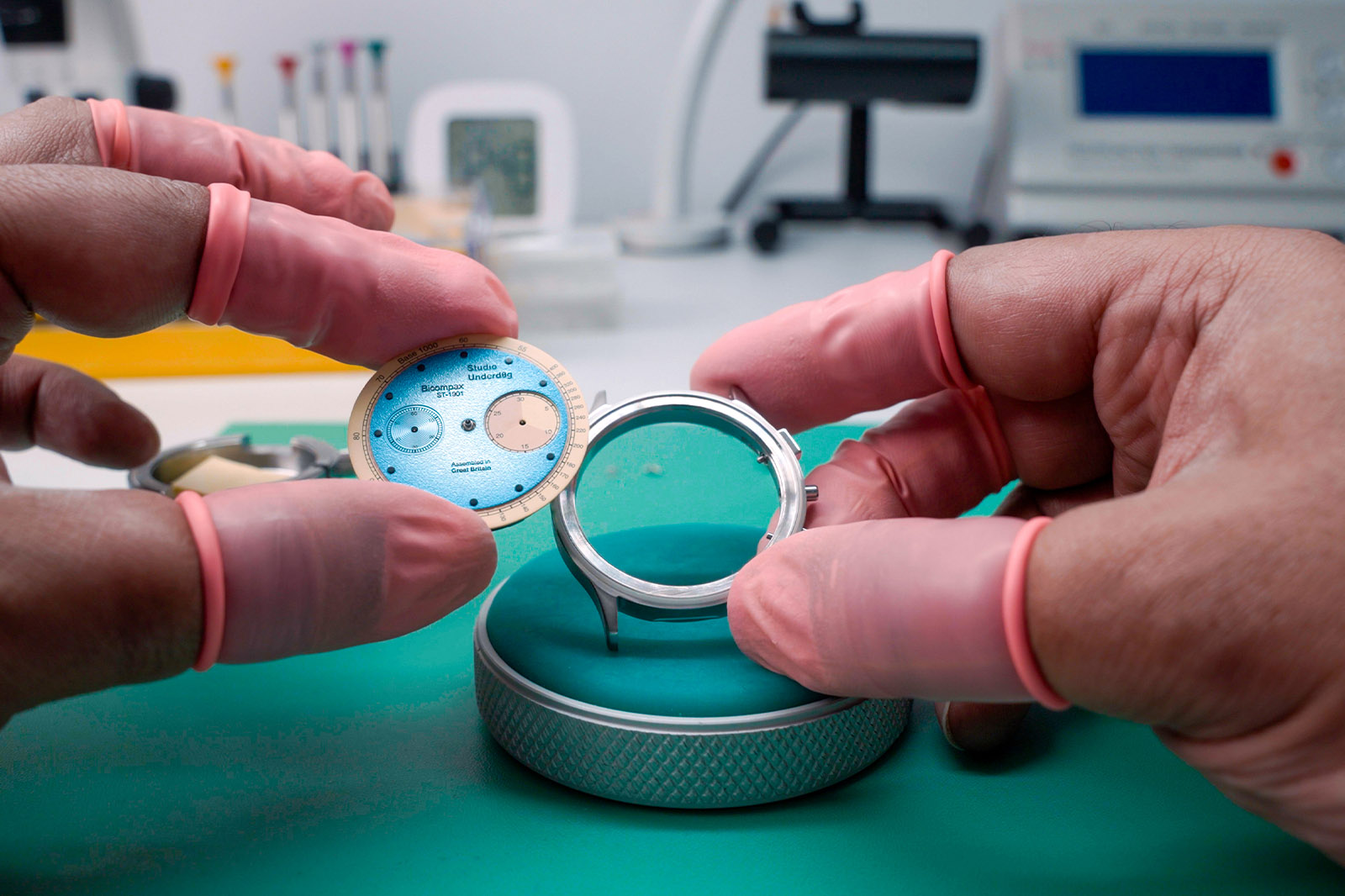
Bremont remains Britain’s largest investor for industrial-scale manufacturing at its impressive The Wing facility near Henley-on-Thames. Although they now use Swiss movements for many collections, they continue to carry out some movement component manufacture, case manufacturing, assembly, servicing, testing and training in the UK.
Christopher Ward has expanded its Maidenhead headquarters and continues investing in technical capability and skilled staff. While much of its component manufacture remains Swiss, the company has invested heavily in British engineering, servicing, technical development and quality control. This success has also created demand for more trained watchmakers in Britain.
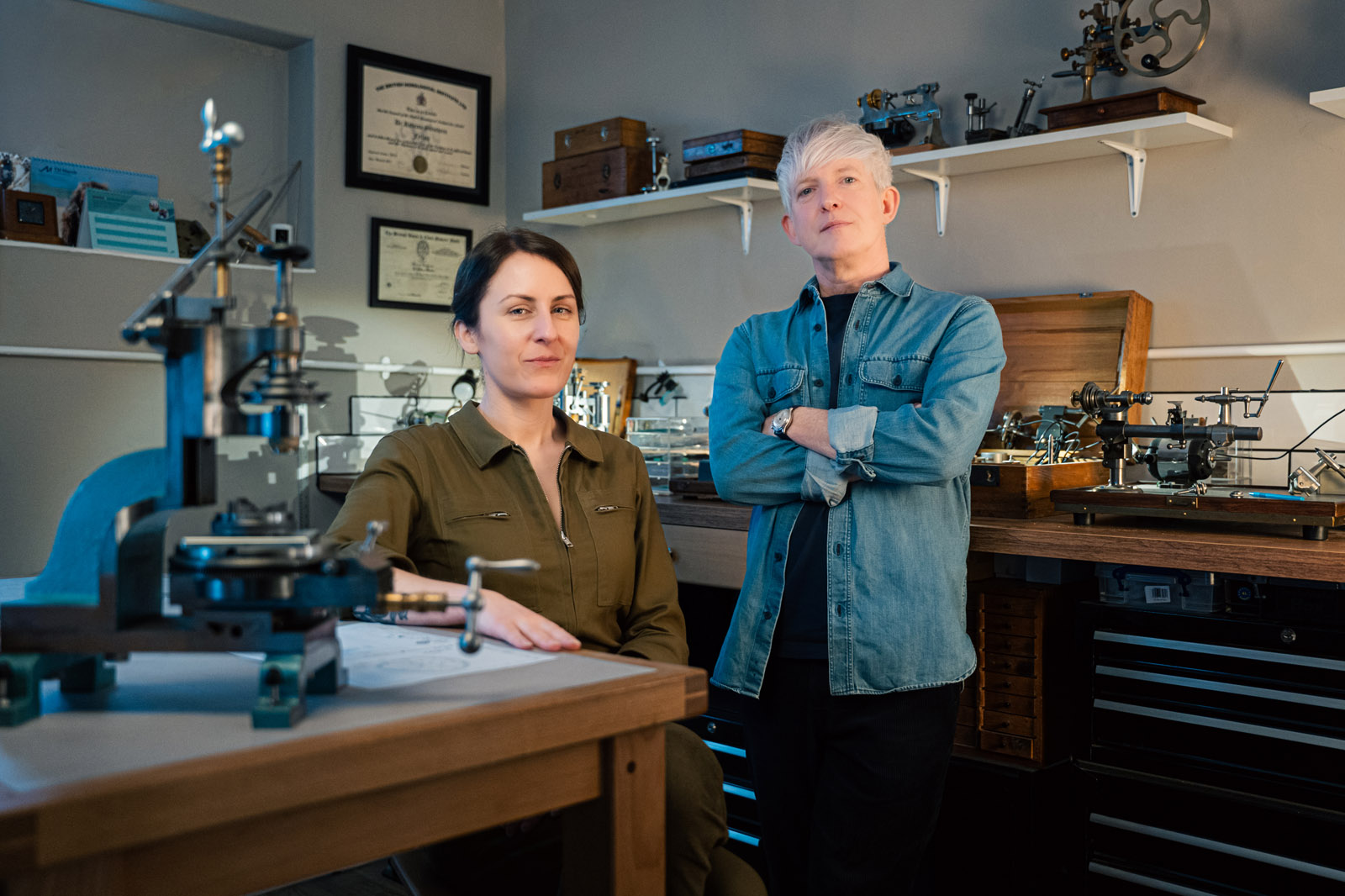
We should celebrate the likes of Roger W. Smith, now on his seventh series of extraordinary watches, Rebecca and Craig Struthers making rare and handcrafted timepieces, Garrick Watchmakers founded by David Brailsford and Simon Michlmayr producing handcrafted British-made watches in limited numbers and Charles Frodsham & Co. for their Double Impulse Chronometer wristwatch. These artisans create outstanding timepieces using many of the traditional skills of watchmaking that have been in place for hundreds of years.
Another great success story is anOrdain, the Glasgow-based company that has demonstrated that you can build world-class manufacturing capability in Britain, but scaling production depends on training highly skilled craftspeople. Vitreous enamelling is one of the UK’s critically endangered heritage crafts, and every additional enameller requires years of practical training.

Other notable successful examples include two British watch companies that were recently relaunched by descendants of their original owners, being Fears Watch Company who have opened their own boutique in Bristol and Vertex who are investing in UK facilities for their assembly and servicing. On the clockmaking front, companies such as Sinclair Harding are trailblazing in this sector. They combine traditional English clockmaking and modern technology to create some of the world’s finest clocks.
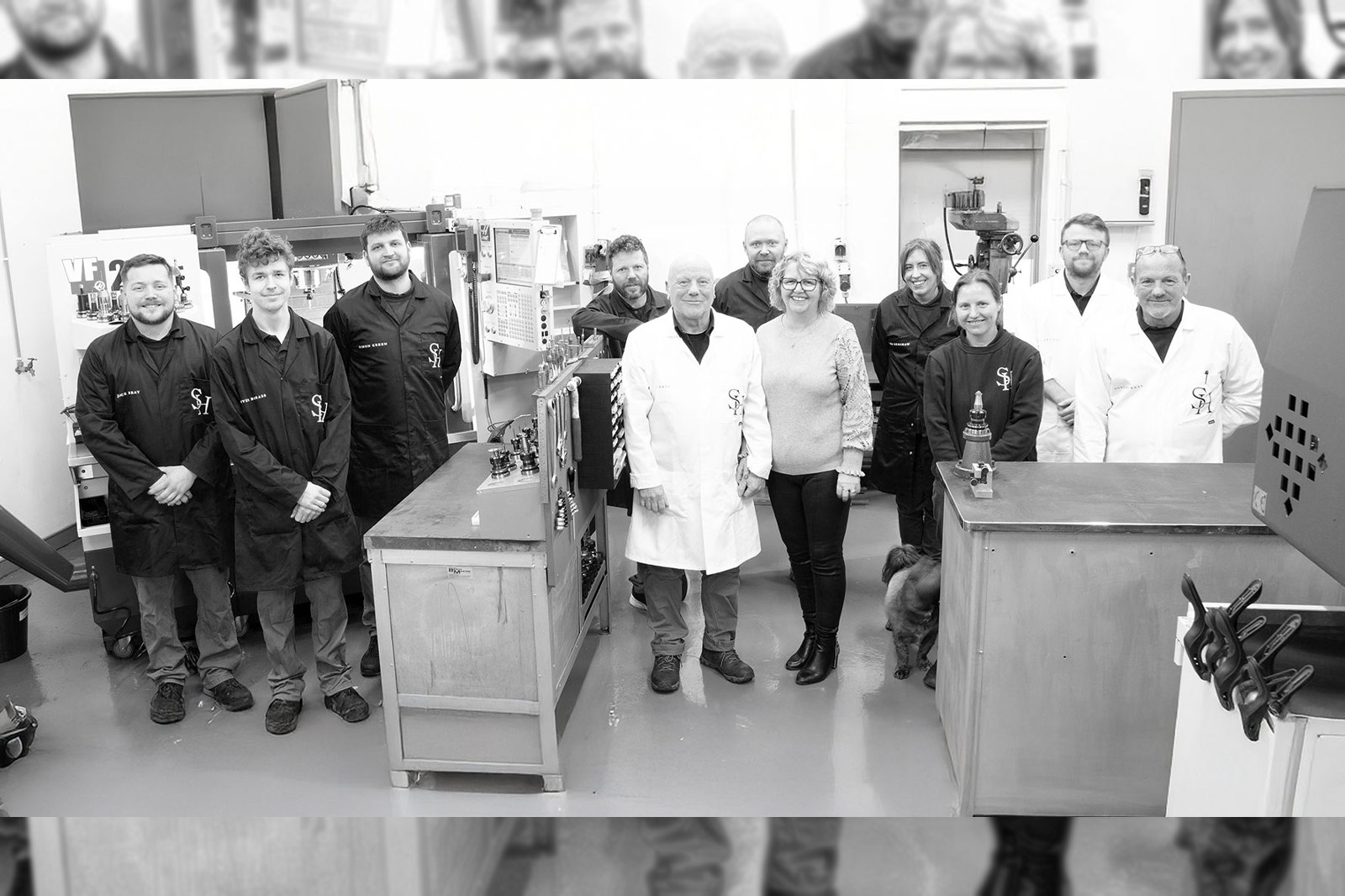
They have also launched their first wristwatch, named the Bray Watch after its owner, Bob Bray, celebrating their 30th anniversary. Today, Sinclair Harding’s team are 11 strong (mainly Bray family members) and are all involved in many processes throughout the manufacturing.
So, on the surface, British horology has rarely looked healthier. Yet behind this renaissance lies an uncomfortable question of who will preserve the skills that make it possible?
The answer matters because watches are not simply assembled. They are created, restored and maintained using techniques that often take decades to master and in many cases those techniques are now concentrated in the hands of an ageing generation of craftspeople. Unless that knowledge is transferred soon, Britain risks losing capabilities that cannot simply be replaced by machines, textbooks or YouTube tutorials. The challenge facing horology is therefore not one of enthusiasm. It is one of succession.
The Specialist Watchmaking Skills the UK Cannot Afford to Lose

Most people associate watchmaking with servicing movements using a loupe or eyeglass. In reality, Britain’s horological ecosystem depends upon a far wider network of specialist crafts.
Traditional case makers shape precious metals into watch cases by hand. Dial makers apply techniques refined over generations. Engine turning creates intricate decorative patterns that shimmer beneath the light. Engravers, restorers, cabinet makers, leatherworkers and clock specialists all contribute skills that have evolved through years of practical experience.
Many of these disciplines have only a handful of practitioners left in the UK. The challenge is not simply that these crafts are rare. It is that much of the knowledge exists in people’s hands rather than in written manuals. The subtle pressure required to finish a bridge, the feel of a cutting tool during engine turning, or the judgement needed to restore a 250-year-old clock cannot easily be codified.
These are skills demonstrated rather than explained. That is why passing knowledge from one craftsperson to another often takes days at the workbench rather than in a classroom. A week spent learning a specialist decorative technique from an acknowledged expert can transform a career. Equally, a retired maker sharing a lifetime’s experience may preserve techniques that would otherwise disappear forever.
The danger is that every retirement without a successor represents the potential loss of knowledge accumulated over decades.
Watchmaking Apprenticeship UK
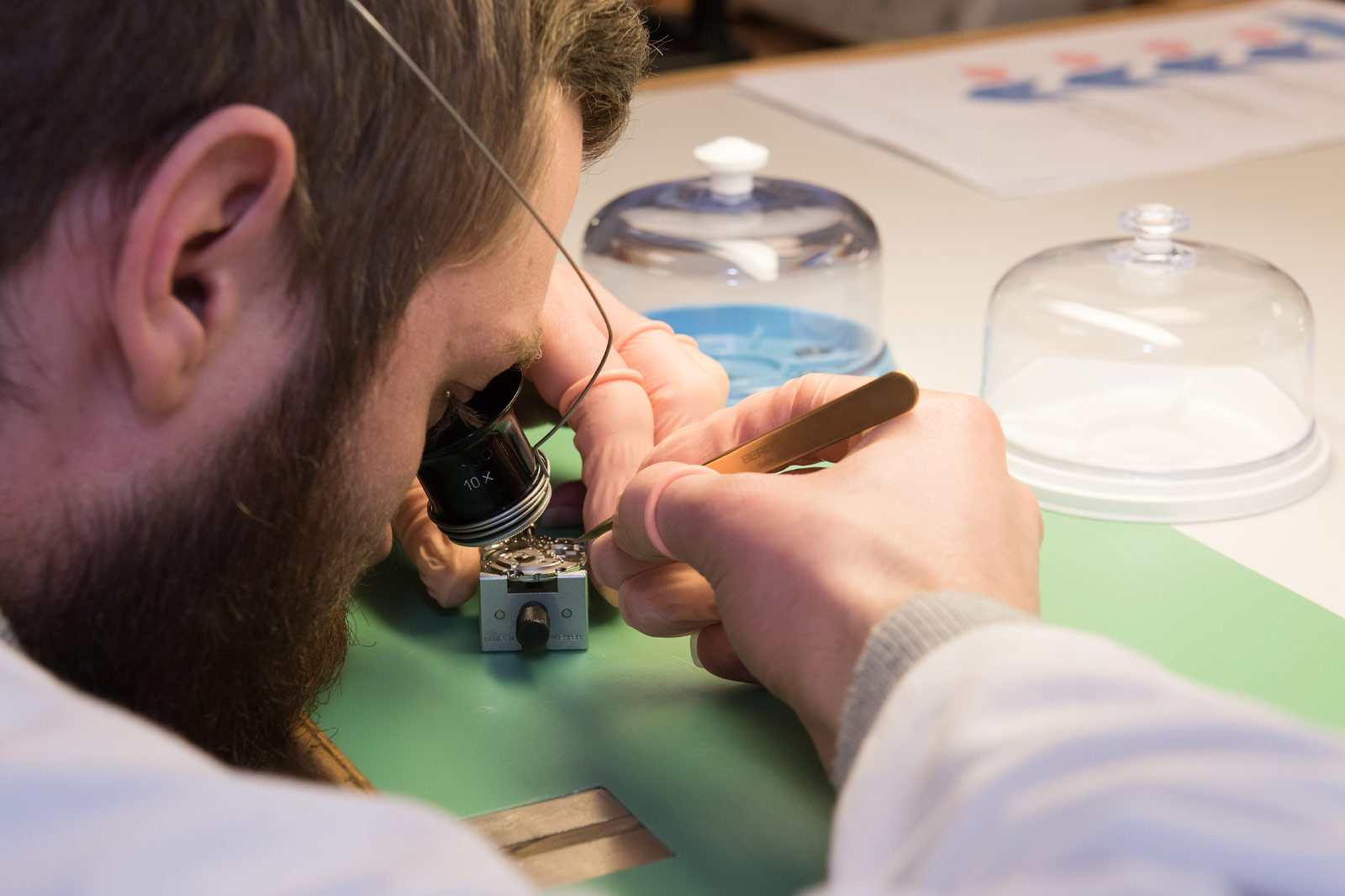
Fortunately, the industry is beginning to respond. One of the biggest developments has been the introduction of government-approved watchmaking apprenticeships in the UK, giving employers a recognised route to train future watchmakers while earning nationally recognised qualifications. These programmes provide an important foundation for attracting new talent into the profession.
Alongside formal apprenticeships, Britain’s specialist training schools continue to play an essential role. Institutions such as the British School of Watchmaking in Manchester, Birmingham City University’s School of Horology and West Dean College consistently place graduates into employment, reflecting strong demand from employers across servicing, restoration and manufacturing. But classrooms alone cannot preserve every specialist craft.
Many niche techniques simply do not fit neatly into a structured curriculum. They require direct access to the people who have spent decades refining them. That is where Britain’s independent workshops become just as important as its educational institutions.
Sharing Skills Without Taking on an Apprentice

One misconception is that preserving traditional skills requires every workshop to employ a full-time apprentice.
The most valuable training can be surprisingly flexible. An experienced case maker might spend three days teaching fabrication techniques. An engine-turning specialist could demonstrate ornamental turning over the course of a week.
A restoration expert may mentor an emerging watchmaker on a particular repair process developed through decades of experience. These short, focused periods of training allow knowledge to be transferred efficiently while fitting around the realities of running a business.
Retired professionals, independent makers and specialist artisans often possess precisely the expertise that younger craftspeople need. Many have never considered themselves teachers, yet they may hold the key to preserving entire branches of British horology. The industry’s greatest resource is not equipment or machinery. It is the accumulated experience already sitting at the bench.
QEST Scholarships and Funding for Horological Training

Financial support is also becoming more accessible. The Queen Elizabeth Scholarship Trust (QEST) continues to provide grants that help makers develop specialist skills through bespoke training programmes.
Its Scholarships support established makers pursuing advanced expertise. Emerging Maker Grants help early-career craftspeople deepen their knowledge. QEST Apprenticeships support structured training relationships between experienced practitioners and those entering the profession.
Importantly, trainers are paid directly by QEST at rates they determine themselves, making it easier for experienced specialists to share their knowledge without financial disadvantage.
QEST cannot solve the skills challenge on its own, but it removes one of the biggest barriers, that of funding.
Its alumni, such as Craig Struthers and Patrick Woodward, demonstrate what targeted training can achieve, helping preserve specialist techniques including engine turning, decorative finishing and traditional case making that might otherwise become increasingly difficult to access.
How to Start a Career in Watchmaking: The UK’s New Careers Hub
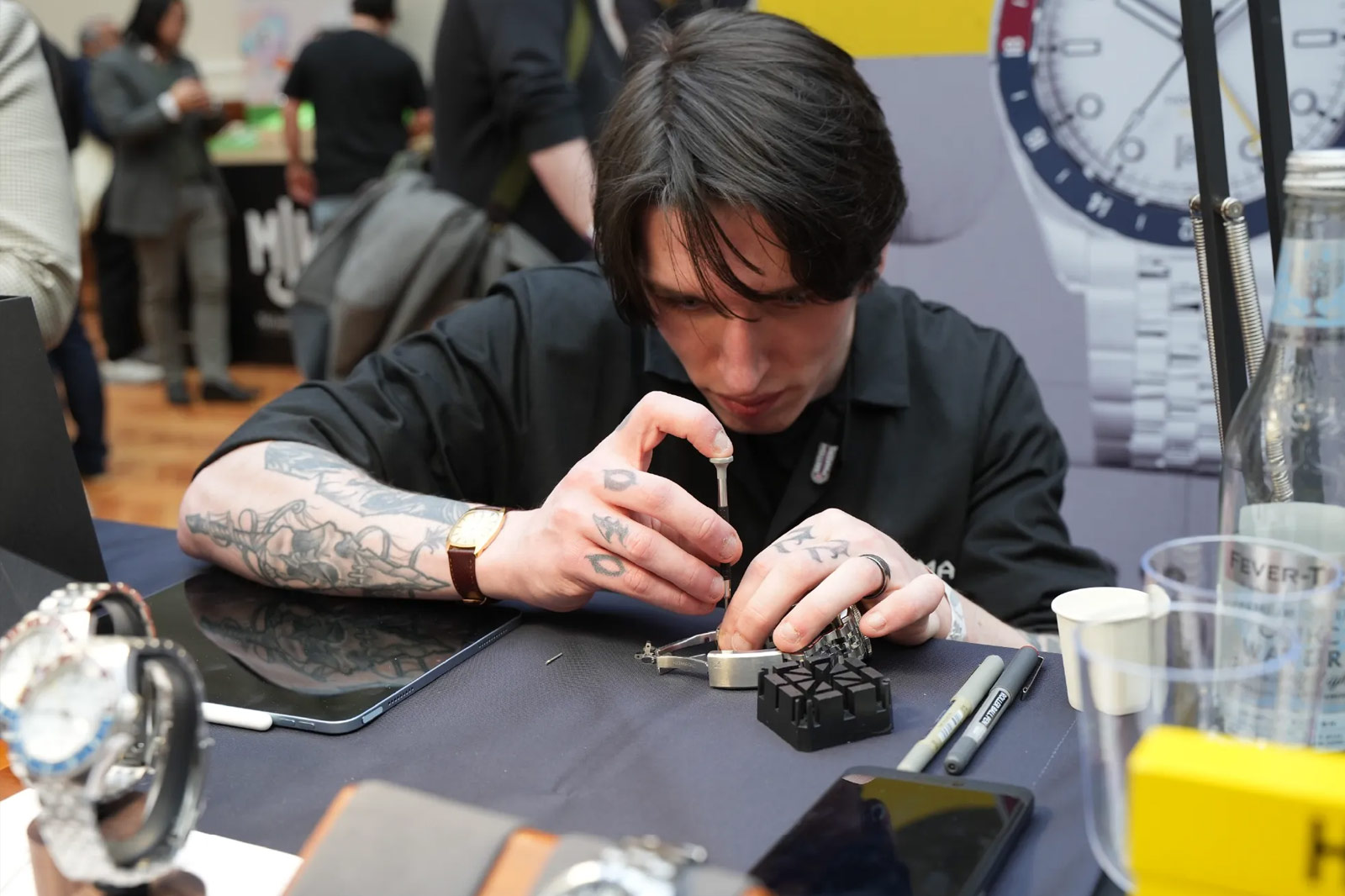
One persistent problem has been knowing where to begin. Someone interested in a career in horology might discover watchmaking schools, hear about apprenticeships or stumble across specialist workshops, but there has never been a single place bringing those opportunities together. That is now changing.
For example, the Alliance of British Watch and Clock Makers has launched a dedicated careers hub designed to become the industry’s front door. It connects prospective entrants with training providers, apprenticeship opportunities, employers and information about careers across Britain’s growing horological sector. For young people and indeed career changers it offers something the industry has long needed, a clear pathway into professions that many simply never knew existed.
Britain’s Opportunity
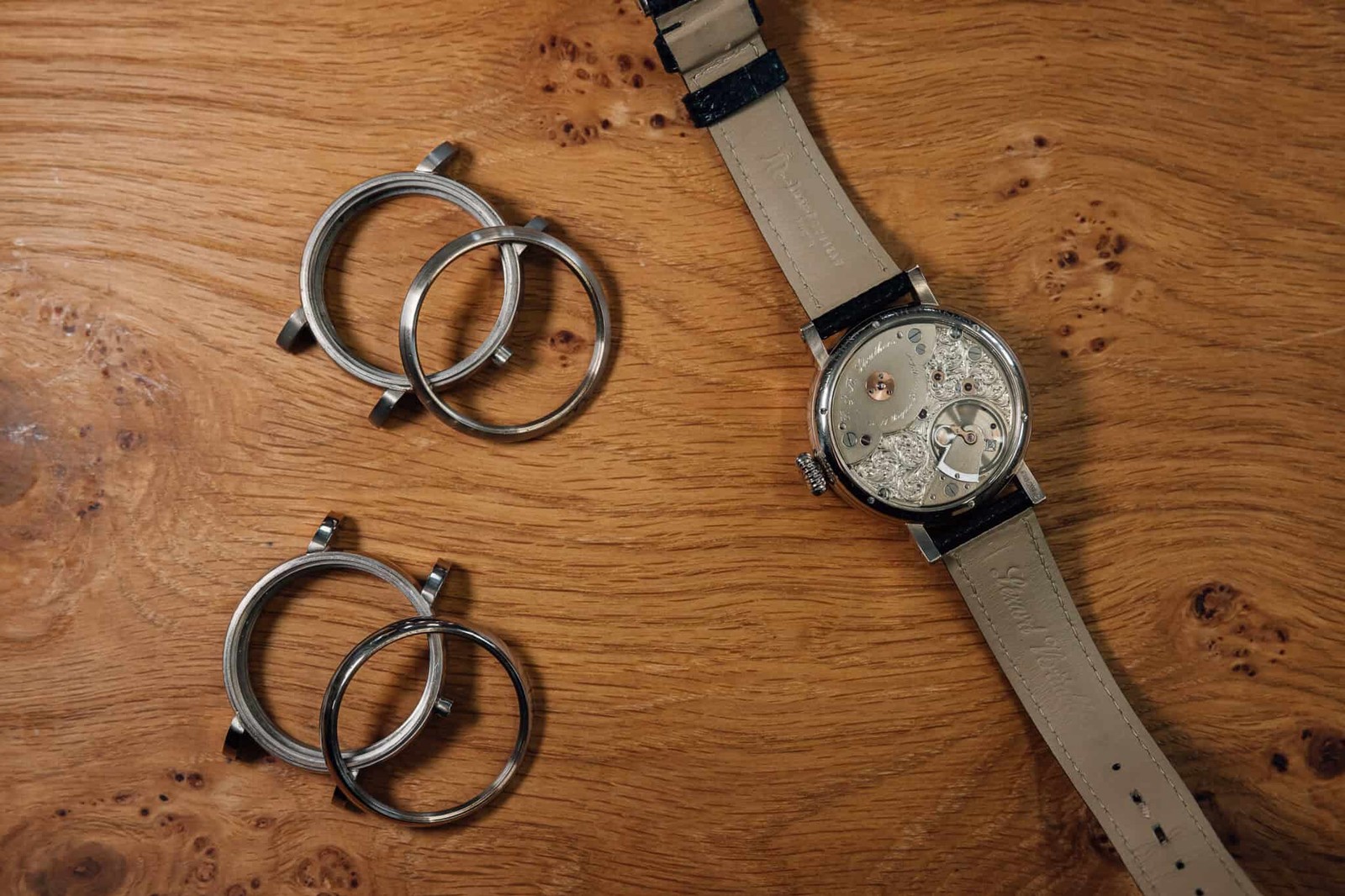
There is a certain irony in Britain’s position. The country that transformed timekeeping through figures such as Thomas Tompion, John Harrison and George Daniels is once again enjoying international recognition for independent watchmaking. Consumer interest has returned.
British brands are attracting global attention. Demand for skilled watchmakers has rarely been stronger. Yet none of that success is guaranteed if the specialist crafts underpinning the industry quietly fade away.
Preserving them does not depend solely on governments, schools or funding bodies. It depends on experienced practitioners recognising that sharing knowledge is now as important as practising it.
Every day spent demonstrating a technique, mentoring a younger maker or opening a workshop door helps ensure that Britain’s horological heritage remains a living craft rather than a museum exhibit. The opportunity exists. The demand is there. Now the industry must ensure that the people who made Britain’s reputation for time also secure its future.
Practical Next Step
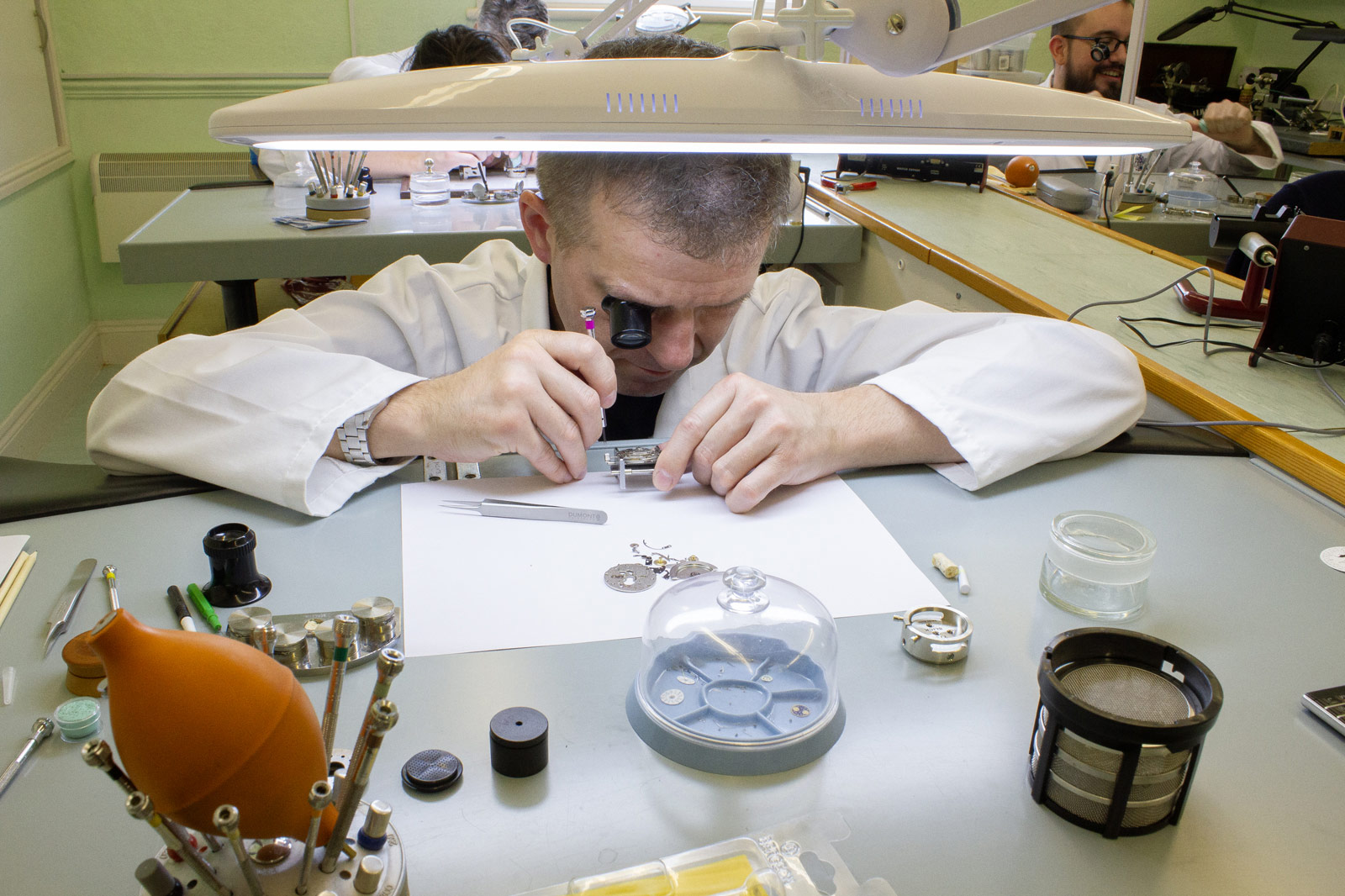
The Alliance of British Watch and Clock Makers’ new Careers Hub is one of the best starting points for anyone considering a career in horology, whether through watchmaking, restoration or specialist craft disciplines.
There are other organisations that offer support and training including the British Horological Institute, The British Watch & Clock Makers Guild, and the Worshipful Company of Clockmakers.
For those seeking funded advanced training, the next QEST grants application window runs from 8 July to 12 August, providing opportunities for apprenticeships, emerging makers and established craftspeople to develop specialist skills with expert practitioners.
Britain may have made time, but its future depends on who learns to make it next.