

Once the preserve of affordable Japanese sport watches, photovoltaic movements (more frequently referred to as solar quartz) now appear under some of the most rarefied names in watchmaking, stealthily hidden from view thanks to new dial technology. But where did solar powered watches come from and which brands are embracing this archetype of watch design that was once regarded as ungainly and ugly?
The History of Solar Watches

The story of who invented solar watches begins not in Switzerland but in Japan. It was Citizen that first developed the solar watch to survive an energy crisis. They set out to build a timepiece that would never need a battery change. By 1974 the brand had a working light-powered prototype, and in 1976 it released the Crystron Solar Cell, the world’s first light-powered analogue watch.
Early solar cells were thick and crack-prone, and the first models needed recharging roughly once a week. Citizen spent decades refining the idea and by 1986 running time had reached around eight days. By 1995 the arrival of a lithium secondary battery pushed autonomy to six months and was worlds apart from the brownish visible cells in Casio calculators.
Where once solar cells sat clumsily atop the dial, Citizen learned to hide them beneath it, and the genre’s modern aesthetic was set. Today the principle is unchanged: photovoltaic cells convert daylight or lamplight into stored energy that powers a quartz regulator. What has changed is who is doing it, with solar quartz now reaching from Geneva dress houses to Place Vendôme.
Citizen

The originator, and still the benchmark. Citizen’s pursuit of accuracy reached its peak in 2019 with the Calibre 0100, accurate to plus or minus one second a year, the most accurate solar watch analogue movement ever made. Meanwhile the Eco-Drive 365, launched in 2023, can run for a full year in total darkness on a single charge. Fifty years on from the Crystron, the brand remains the technical authority everyone else borrows from, directly or otherwise.
Standout references like the Caliber 0100 in Super Titanium (AQ6021-51E), limited to 500 pieces at around £5k show that this is as much of a luxury industry within watchmaking as any other wristwatch archetype. Although solar quartz is still defined by worldwide best sellers like the everyday, tough Promaster divers that have expanded their range to include complex functions like the Wave Tracker with its separate tide graph display.
Seiko


Seiko took solar to its logical technological extreme by marrying it to satellite timekeeping. Launched in 2012, the Astron GPS Solar connects to the Global Positioning System allowing the dial to adjust to every time zone at the push of a button while generating all its energy from light alone. The newest generation, in-house Calibre 5X63, slims the package and tidies the dial into a cleaner 3-6-9 layout, replacing the outgoing 5X83. Current references include the 2026 Astron GPS Solar Dual-Time Chronograph in Crystal Green and Crystal Pink, both limited-production watches that stand alongside the Speedtimer chronographs as strong examples of Seiko not sacrificing style for functional sustainability.
Tag Heuer
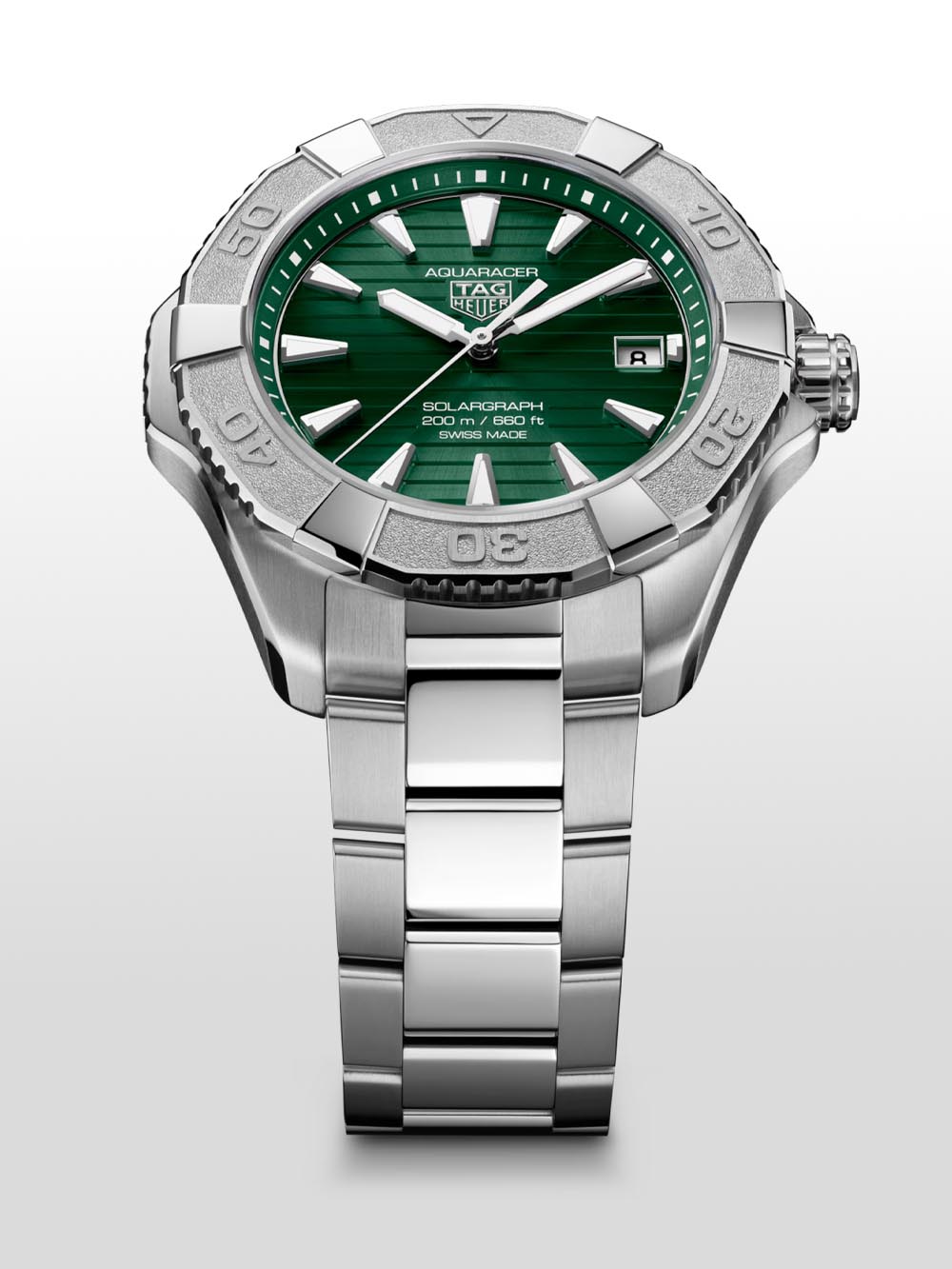
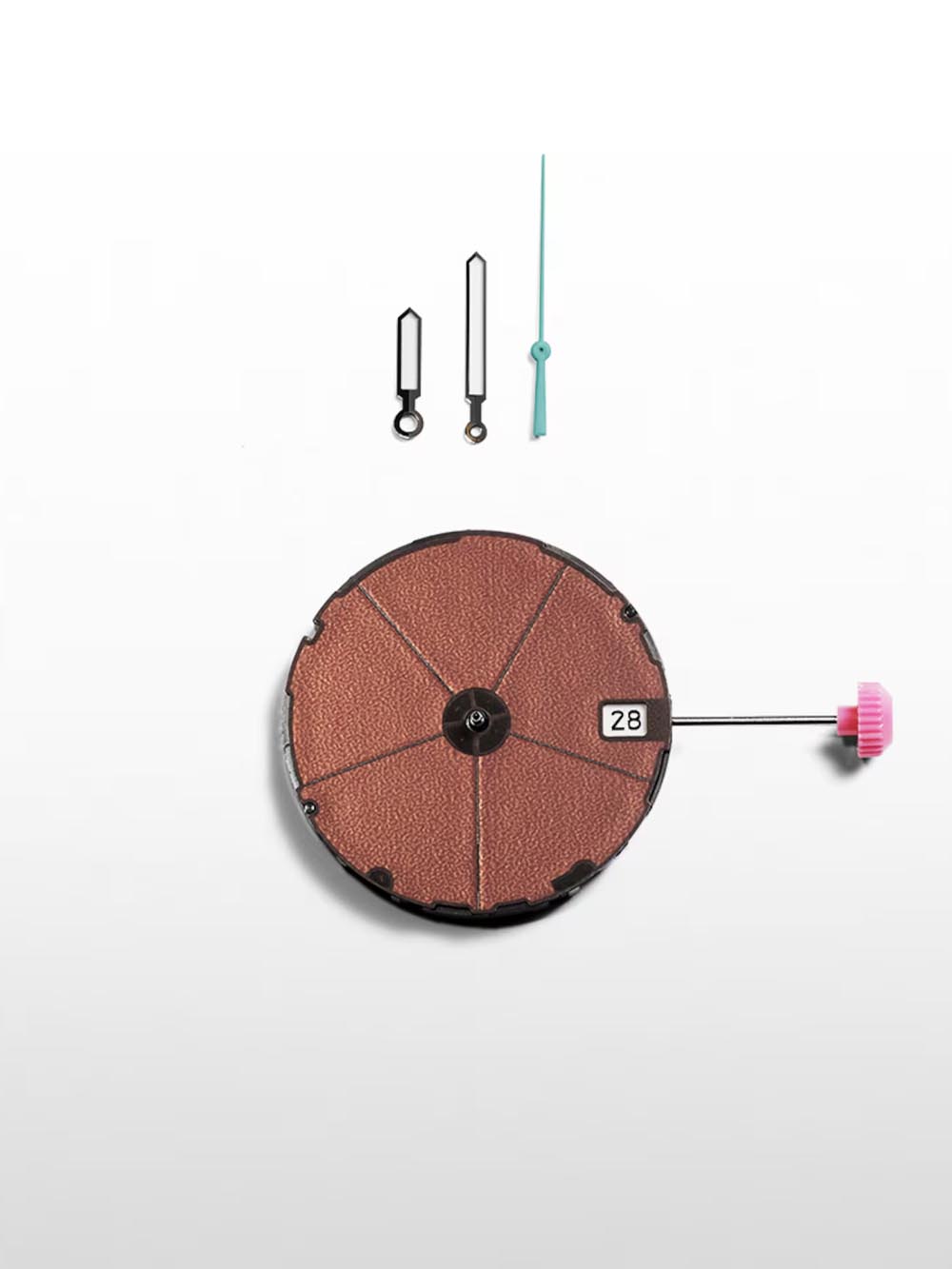
Tag Heuer’s Solargraph proves that a Swiss tool-watch brand can adopt the very technology that once nearly sank it. But they are not powered by the Japanese movements you might expect. Inside TAG Heuer’s solar watches are La Joux-Perret produced movements such as the Aquaracer Professional 200 Solargraph’s Calibre TH50-00 – with horizontal dial slats letting light reach the movement beneath. Just 10 minutes of light deliver 40 hours of power, and a full charge lasts up to 10 months. Tag cites a 15-year average battery life and a 10-year service interval. Solar power was also recently introduced to the revived 80s star Formula 1. With their intense pops of colour and trendy marketing you’d never imagine they’re part of a sustainable watchmaking revolution.
Cartier
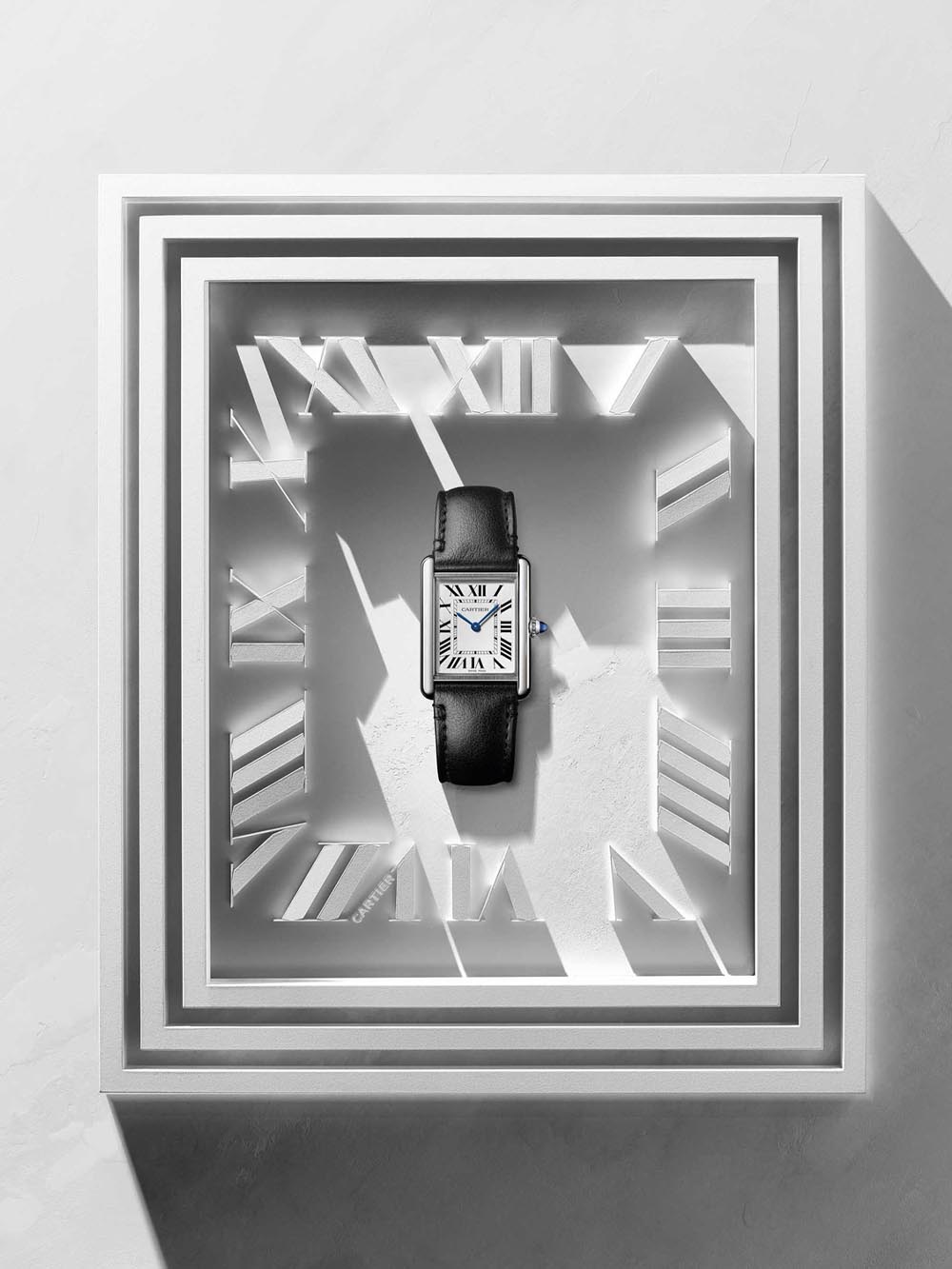
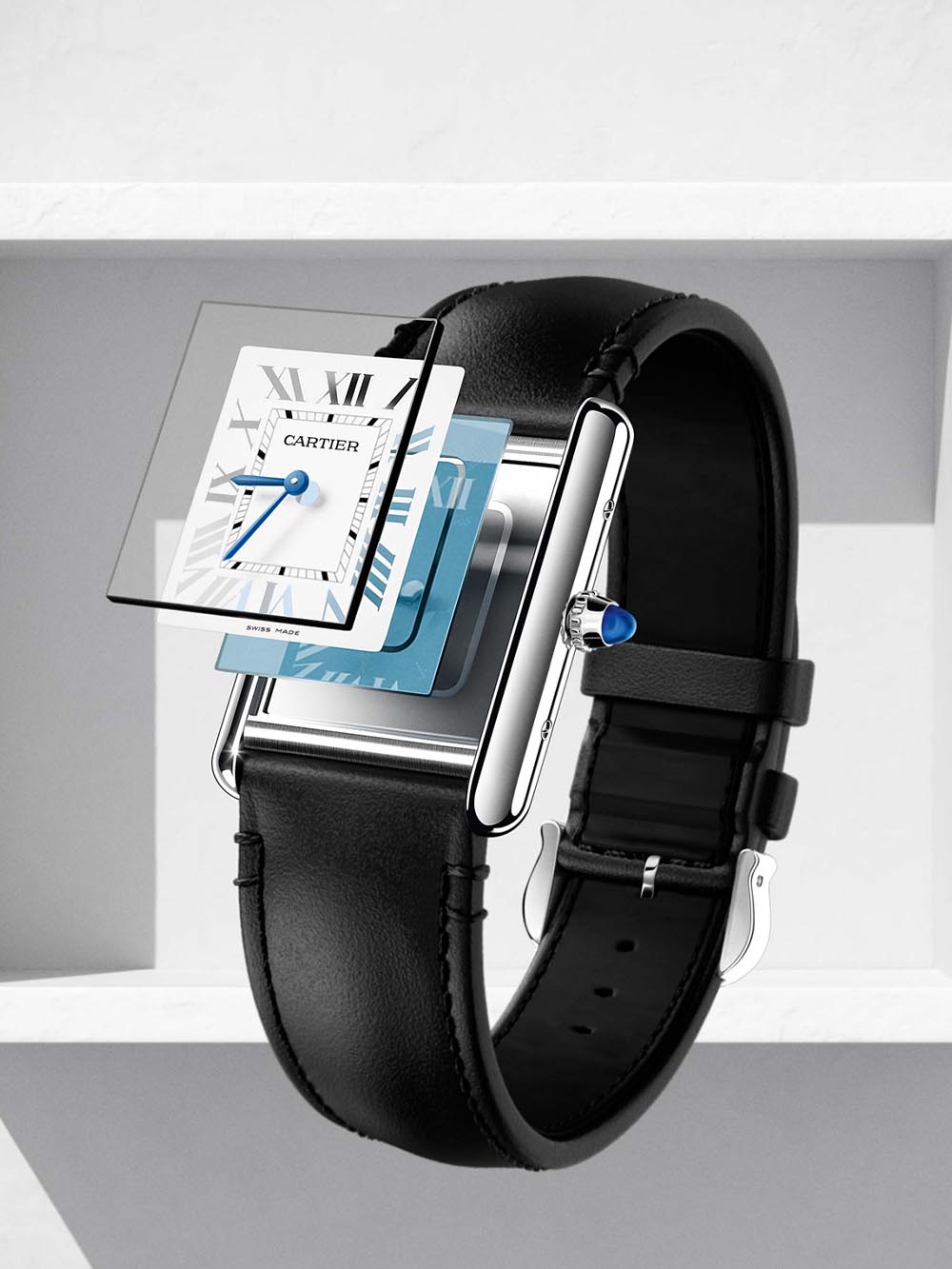
Cartier brought solar to the dress watch with characteristic discretion, and we will be the first to admit that it was an astute if surprising move. No one would suspect the refined Tank Must SolarBeat to hide a Swiss-made photovoltaic movement beneath a fully micro-perforated dial. The perforations are invisible to the eye but enough to let light reach the cell below, and Cartier claims at least 16 years of operation without a battery change against eight for a high-autonomy quartz and three for a standard one. Nothing if not impressive, and setting a very different and subtle standard for the use of solar quartz power: not anymore solely powering Japanese everyday tools but also classic everyday piece of elegance for both sexes.
Tiffany & Co.
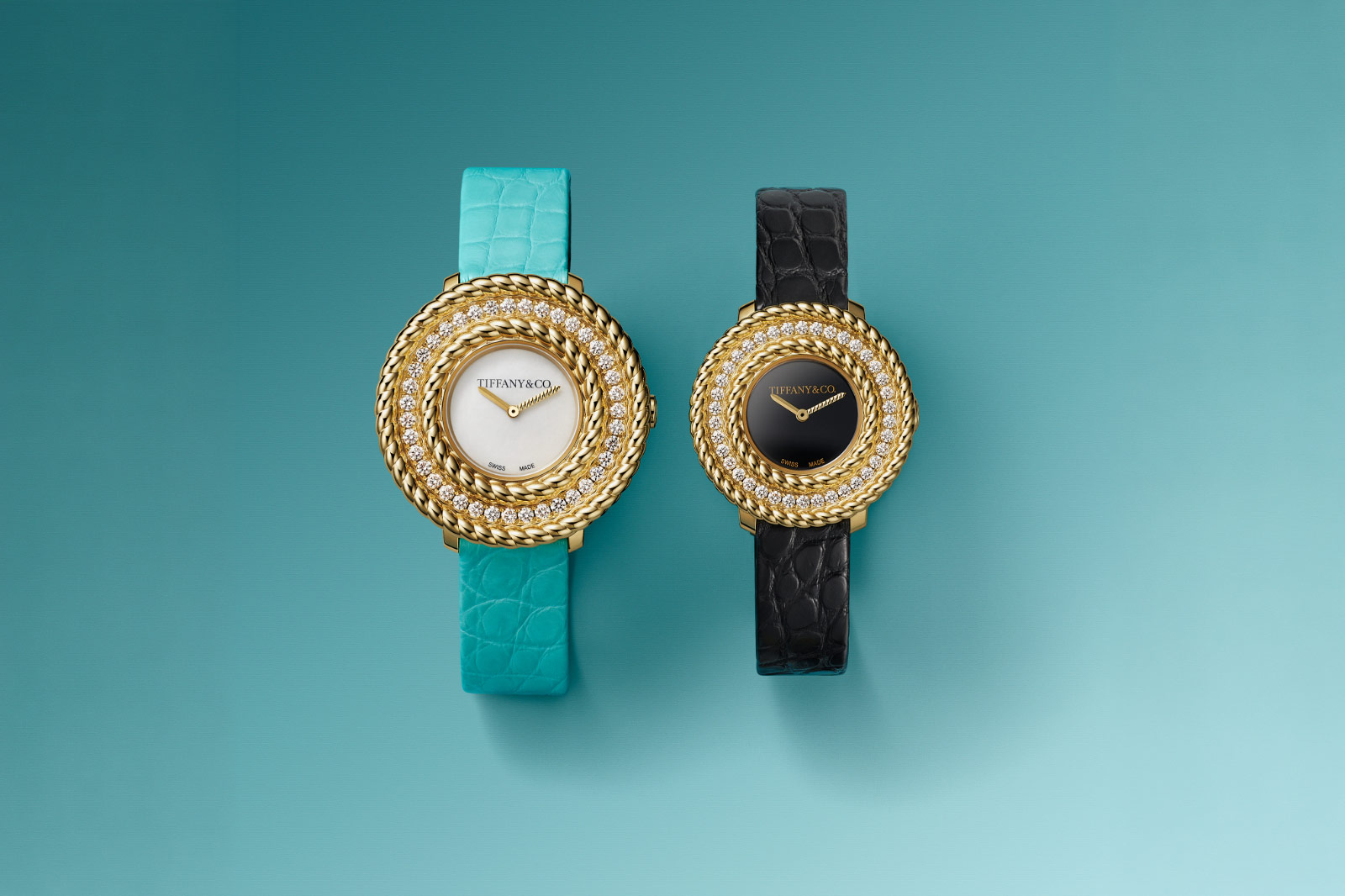
Tiffany came after Cartier as a top tier brand with a distinct line in jewellery as well as dressy wristwear to embrace solar movements. The LVMH brand’s first solar watch arrived in 2025, and tellingly it landed not in a sport line but in high jewellery. The Rope watch draws on Jean Schlumberger’s twisted-rope motif and carries Tiffany’s first solar movement, also developed with La Joux-Perret where LVMH now has an ownership stake. Solar cells sit beneath a semi-translucent mother-of-pearl or black dial, and two minutes of sunlight gives 24 hours of running, and a full charge lasts eight months. Tiffany, together with Cartier, are changing perceptions of what was once seen as a mass market style of watch movement.
Frederique Constant

The latest Swiss convert is a logical one given that Citizen has owned the brand since 2016 while also owning La Joux-Perret, Switzerland’s solar watch expert manufacture. The Classics Moneta Solarmetre is Frederique Constant’s first solar watch, and similar to Cartier’s timeless Must, has a vintage vibe and a discreet style. It is built around the new FC-120 calibre developed with sister company La Joux-Perret, where photovoltaic cells sit under a grained translucent dial that gains a very particular lustre as a byproduct of its tech. One minute of light powers it for a day, with up to ten months of autonomy in darkness. The 39mm Classics Moneta Solarmetre comes in white, burgundy or ice blue, vintage-styled on a leather strap and a Milanese bracelet.
Junghans
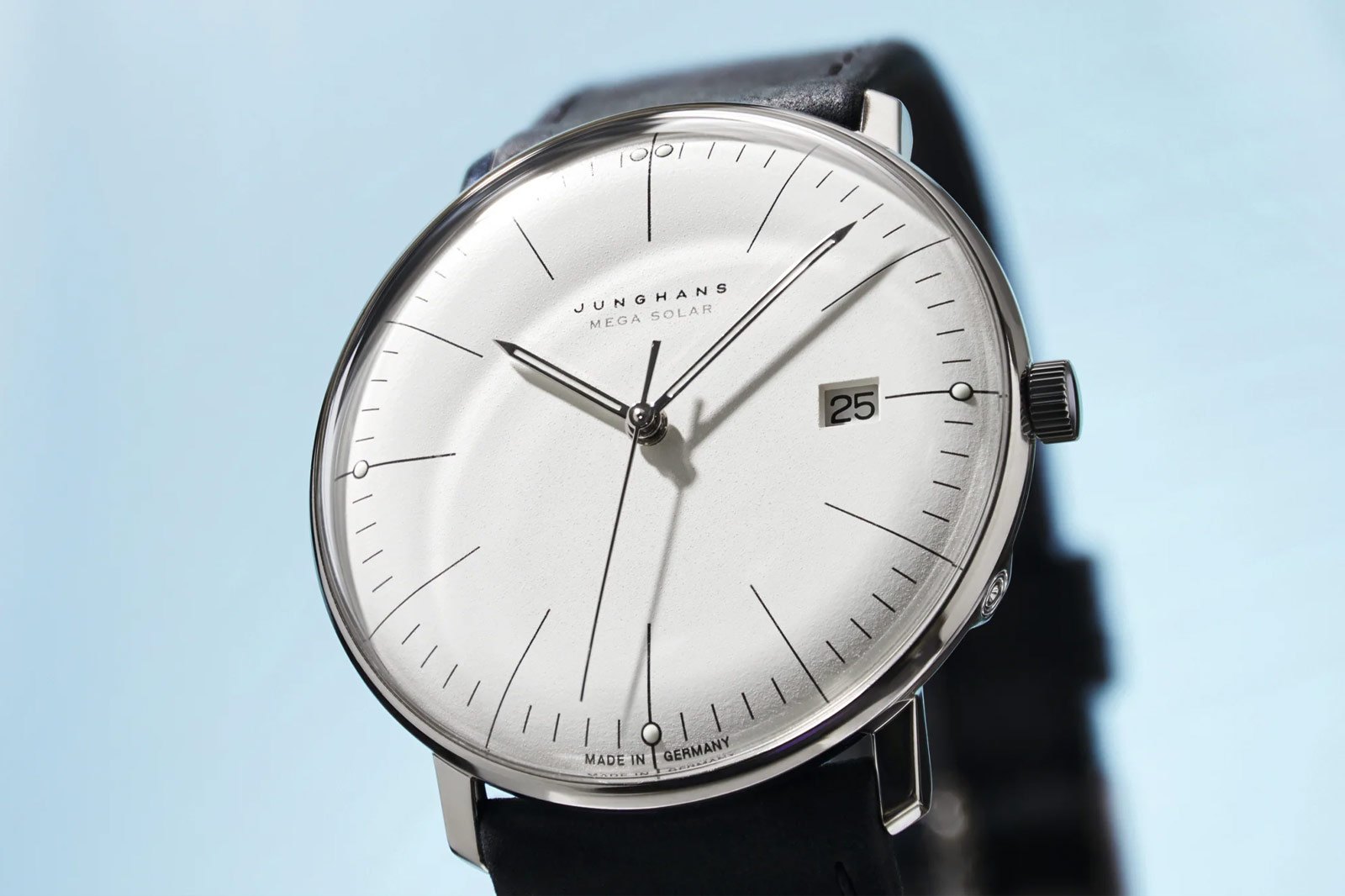
The German counterpoint to the Japanese giants is something of a wild card. Where Seiko and Citizen chase satellites, Junghans built its reputation on radio control, and the Max Bill MEGA Solar fuses that with light power inside an icon of mid-century design. The 38mm titanium case houses the J101.85 radio-controlled solar movement, with the dial itself acting as the solar cell, syncing time zones via multi-band radio or the Junghans MEGA app. It runs up to three years on a full charge, with a quick-charge function that revives a flat watch after eight minutes of light. The famous German architect Max Bill designed the line for Junghans from 1961, and few solar watches carry this much design pedigree.
G-Shock
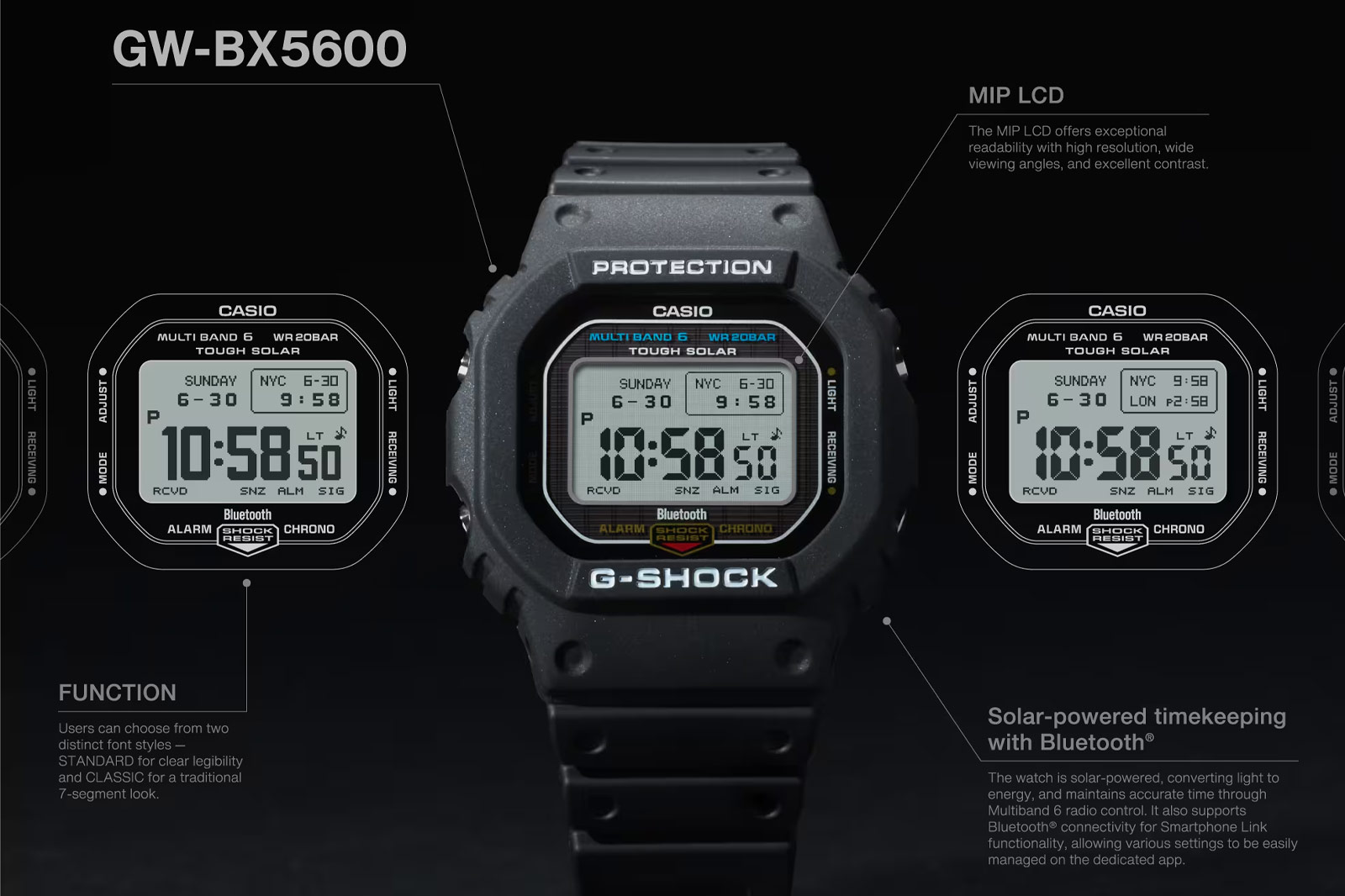
No solar story is complete without Casio’s Tough Solar, the system that made light power and solar watches synonymous with durability, and even with a digital display it surely belongs here. The GW-B5600 series pairs Tough Solar with Multi-Band 6 radio calibration and Bluetooth smartphone sync in a classic square resin case. The newer GW-BX5600 is the first square G-Shock to combine Tough Solar with a memory-in-pixel LCD finally legible in sunlight, adding a 1/100-second stopwatch and roughly 300 world-time cities, at around $200 to $250. Proof that solar’s natural home was always the watch you never want to think about, bulletproof and affordable in equal measure.
La Joux-Perret
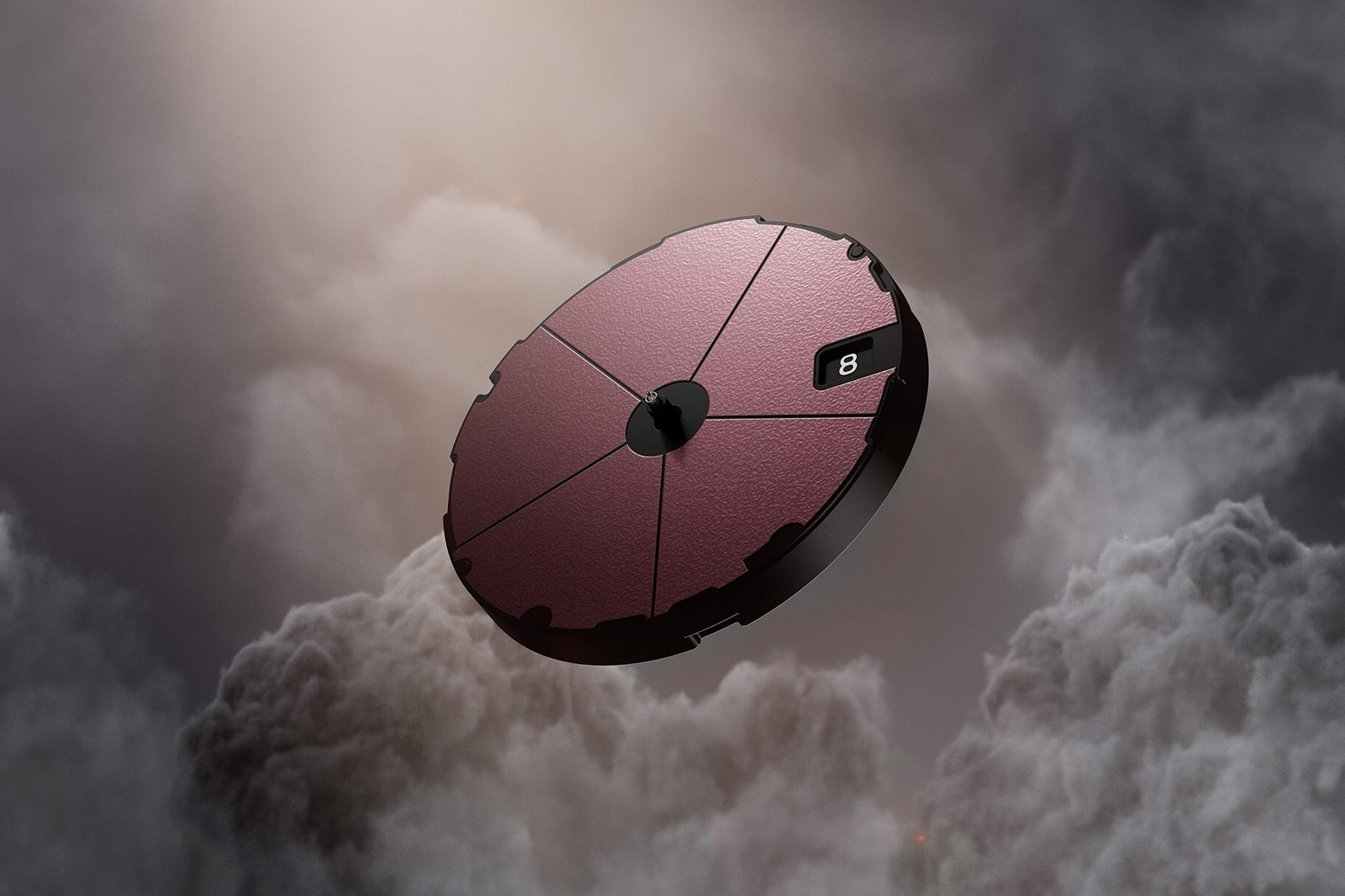
While they are not a watchmaker in their own right, read the spec sheets closely, and the same name keeps surfacing. La Joux-Perret, the roughly 140-person manufacture in La Chaux-de-Fonds, has supplied solar quartz calibres to TAG Heuer since 2022 and developed the movements for Tiffany and Frederique Constant. The quiet irony is that this Swiss house is itself majority owned by Citizen, which bought it in 2012, meaning the photovoltaic expertise flowing into Place Vendôme and Geneva traces straight back to the company that invented the category in 1976.
However, in November 2025, the picture shifted. LVMH’s Watches Division acquired a minority stake in La Joux-Perret from Citizen, formalising a partnership that had until then been purely commercial. The deal secures movement supply for TAG Heuer, Hublot, Zenith, Bulgari and Tiffany, and slots into LVMH’s wider drive toward vertical integration in Switzerland, where it already runs 16 manufactures. La Joux-Perret remains independent and continues to serve rivals, but Citizen Watch America’s president put it plainly: many young consumers will be interested in solar movements.
That sentence is the real signal. LVMH itself flagged that the partnership will expand capabilities across its houses, especially in solar-powered movements. When the world’s largest luxury group takes equity in the workshop that supplies half this list, and names solar as the reason, the conclusion writes itself: the trickle of light-powered watches from prestige brands is about to become a current. The technology Citizen built to survive an energy crisis is now a strategic asset for the most powerful name in luxury. Expect a great deal more solar watches on Geneva’s drawing boards.



We used to sell Junghan’s solar watches in the 90s! They didn’t have this design panache and had visible panels in the dial, but still flew under the brand!